Choosing the right patterned conveyor belts can be challenging. Experts in the field emphasize the importance of selecting belts that fit specific needs. For instance, John Smith, a renowned conveyor belt specialist, once stated, "The ideal patterned conveyor belt should match both the material being transported and the environment of use."
In many industries, the right patterned conveyor belt can significantly impact efficiency. Factors such as load type, surface texture, and belt material play crucial roles in performance. Observing these details can enhance operational flow and prevent costly downtime. However, many businesses overlook these considerations, leading to inefficient processes.
Reflecting on the choices available can help in making informed decisions. Different patterns serve varying purposes. Some designs provide better grip, while others facilitate smoother movement. We must critically assess our needs and the available options to find the best fit for our operations. Balancing performance and longevity is key to making the right choice in patterned conveyor belts.
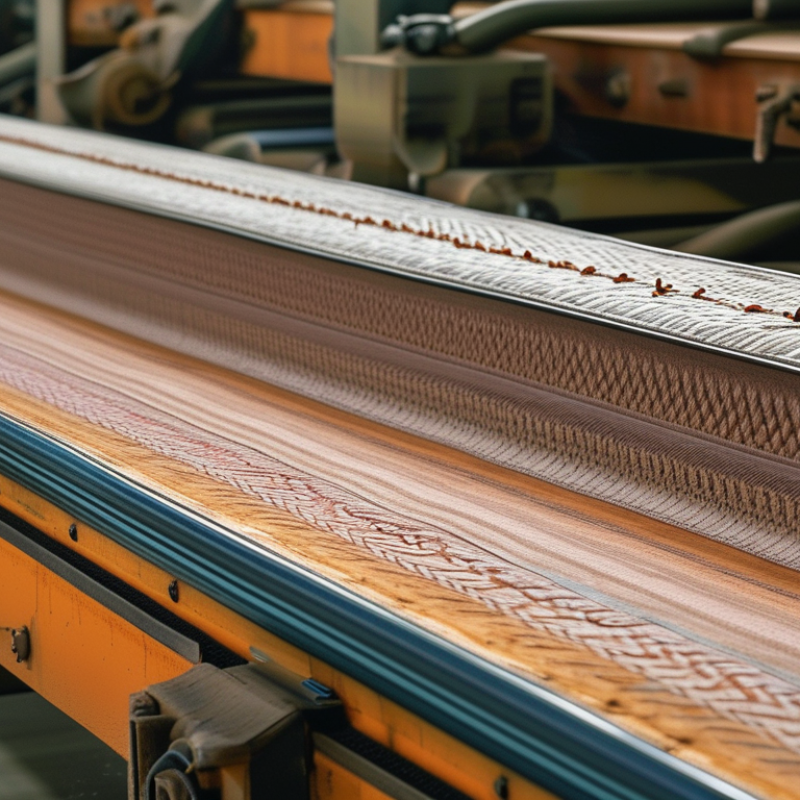
When selecting patterned conveyor belts, understanding the different types available is key. Two common styles are raised and depressed patterns. Raised patterns are typically used for materials that need extra grip. This can be crucial in industries where slopes are common. Machines often experience challenges with slippage. The right raised pattern can minimize this risk.
Depressed patterns, on the other hand, are ideal for handling loose materials. They contain compartments that hold the material in place, reducing spillage. This type can be effective in food processing or mining applications. However, choosing the right depth is essential. Too shallow can lead to material loss, while too deep complicates unloading.
Consider the material composition as well. The belt’s material determines its strength and durability. Rubber, PVC, and polyurethane are common choices. Each offers distinct benefits and drawbacks. A rubber belt might withstand heavy loads but may wear faster in certain environments. Reflecting on your specific needs and the environment in which the belt will operate is crucial. Balancing durability with function can be challenging but is vital for effective performance.
When selecting patterned conveyor belts, understanding your specific application is crucial. Different industries have unique needs. For instance, food processing requires belts that meet hygiene standards. In warehouses, durability and load capacity become priorities. Each application demands careful consideration of the materials involved.
Material requirements can vary significantly. A belt used for heavy loads might need a reinforced design. Conversely, a lighter belt might be suitable for delicate items. Think about the environment too. High temperatures or moisture can affect performance. Regularly evaluating which features matter most will lead to better decisions.
Reflecting on past experiences may uncover insights. Some users find limitations in their initial choices. Are your specifications too vague? Be specific about what you need. Adjusting your criteria might lead to improved operational efficiency. Aim for a balance between performance and cost.
When selecting patterned conveyor belts, the material and durability are critical. Industry reports indicate that over 70% of conveyor belt failures are due to poor material selection. Understanding the environment where the belt will operate is essential. Factors like temperature, exposure to chemicals, and load requirements significantly impact the longevity of the belt.
Polyurethane and PVC are popular materials. They offer resistance to abrasion and chemicals. Polyurethane belts can withstand temperatures up to 80°C, while PVC belts are effective in cooler environments. However, belts with high tensile strength may lack flexibility. This compromise can lead to premature wear.
Tips: Always consider the specific application. Assess the load and environmental conditions. Regular maintenance can mitigate wear and extend service life. Monitoring the health of the belt is crucial. An investment in quality materials pays off in the long run, reducing downtime and replacement costs. Overall, the right choice supports operational efficiency, but improper selections can lead to costly mistakes.
When selecting patterned conveyor belts, consider the design and pattern features carefully. The type of material used in both the belt and the patterns significantly affects its performance. For example, patterns can vary from rough surfaces for increased grip to smooth textures for easy transport. Understanding the load types is crucial. Heavy loads may require belts with deeper patterns to prevent slipping.
Pattern placement also matters. Uniformly spaced designs may help distribute weight evenly, reducing wear. However, irregular patterns can provide better grip on incline surfaces. Pay attention to the belt width and length as well. An improper fit can lead to efficiency loss and increased downtime.
Reflect on how the selected pattern interacts with the product being transported. Some designs may work well for specific materials, while others may not. Testing different patterns will help identify what truly meets your operational needs. Don't overlook the environment—temperature and dust can affect performance. It’s vital to rethink your choices regularly as conditions change.
| Dimension | Specification | Applications | Pattern Type | Material |
|---|---|---|---|---|
| Width | 500 mm | Food Processing | Diamond Pattern | Polyurethane |
| Length | 1000 mm | Packaging | Cleated Pattern | EPDM |
| Thickness | 8 mm | Mining | Rough Surface | Rubber |
| Load Capacity | 1000 kg/m | Logistics | Wave Pattern | Nylon |
| Temperature Range | -20°C to 80°C | Textile | Herringbone Pattern | PVC |
When evaluating patterned conveyor belts, understanding your budget is crucial. Reports indicate that conveyor belt costs can vary significantly, influenced by materials and design. For instance, rubber belts may start at $3 per foot, while specialized fabrics can reach $10 or more. Thus, weighing the initial investment against expected durability is essential. Selecting a reliable supplier can affect long-term costs since cheaper options might lead to more frequent replacements.
Moreover, many suppliers offer tiered pricing based on order volume. Buying in bulk can reduce per-unit costs by approximately 15-30%. However, the cheapest option is not always the best. Quality variances can lead to performance issues, impacting productivity. A recent industry survey suggested that 20% of companies experienced downtime due to conveyor failures linked to inadequate belt quality.
It's vital to assess your specific needs and long-term goals. You may find a mid-range option with solid performance and reliability is more cost-effective in the long run. Avoid overlooking warranty options, as a superior warranty may indicate a manufacturer's confidence in their product.
: The main types are raised and depressed patterns. They serve different purposes based on material needs.
Raised patterns provide extra grip. They are beneficial in industries with slopes to prevent slippage.
Depressed patterns are ideal for loose materials. They hold materials in compartments, reducing spillage.
The material impacts strength and durability. Common options are rubber, PVC, and polyurethane.
Durability affects longevity. Over 70% of failures stem from poor material selection, so choose wisely.
Yes, factors like temperature and chemicals affect belt life. Assess these conditions before making a selection.
Compare prices and consider bulk orders. Investing in quality may save costs over time through fewer replacements.
Not necessarily. Cheaper belts may lead to frequent failures. Evaluate performance and reliability instead.
Regular maintenance is essential. Monitor the belt's health often to prevent wear and extend its usability.
A strong warranty can indicate quality. It shows the manufacturer’s confidence in their product’s durability.
When selecting the best patterned conveyor belts for your specific needs, it is essential first to understand the various types available in the market. Different applications may require unique characteristics, so identifying your specific material requirements is crucial. Additionally, evaluating the durability and material of the conveyor belts will ensure longevity and optimal performance in your operations.
Design features and patterns also play a significant role in enhancing performance, as they can affect material handling efficiency. Lastly, comparing costs and supplier options can help you find budget-friendly choices without compromising on quality. By following these steps, you will be better equipped to choose the right patterned conveyor belts that align with your operational needs and financial constraints.

Boao Rubber