Conveyor Accessories Manufacturers & Suppliers

High-End Bulk Material Handling Infrastructure Engineered for Longevity, Operational Efficiency, and E-E-A-T Verified Manufacturing Standards.

Global Industrial Conveyor Infrastructure: Technical Whitepaper & Strategic Insights

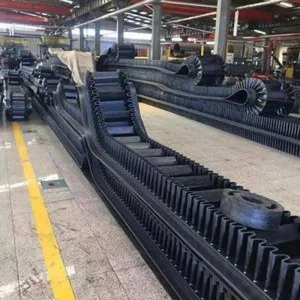
Within bulk material logistics, conveyor systems operate as critical pathways for production flow. Across thermal power generation plants, iron and steel smelters, open-cast mines, and dynamic maritime ports, the operational reliability of a conveyor network directly influences production output. Even temporary halts can result in substantial financial losses. Consequently, procuring high-caliber conveyor accessories from verified manufacturers is a central operational priority.

The Evolution of Rubber Belts in Heavy-Duty Bulk Material Transport

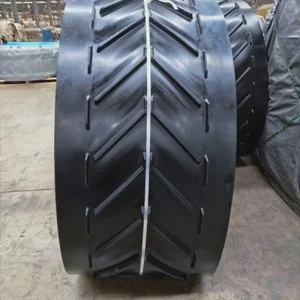
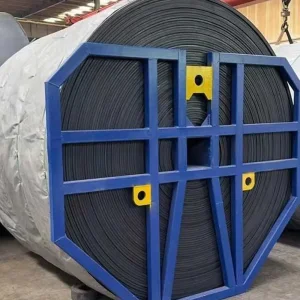
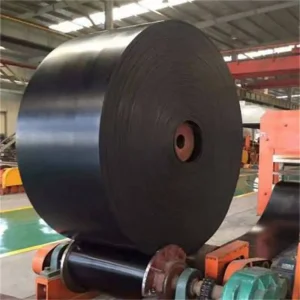
Historically, raw materials were transported via basic mechanical conveyors utilizing standard natural rubber combinations. In modern processing, raw materials are more complex, requiring targeted material compounds. Conveyor belts must survive extreme conditions: dynamic thermal cycling, chemical abrasion, high moisture, and severe physical impacts. Research and development in elastomeric chemistry has produced advanced formulations utilizing Nylon (NN), Ethylene Propylene (EP), and Steel Cord reinforcement to support challenging modern logistics operations.

Key Engineering Challenges in Modern Bulk Handling

  • Thermal Degradation: Processing plants routinely move materials like hot cement sinter, slag, and coke at temperatures exceeding 200°C. Standard elastomeric compounds degrade quickly under these conditions, leading to cracking and catastrophic belt failure.
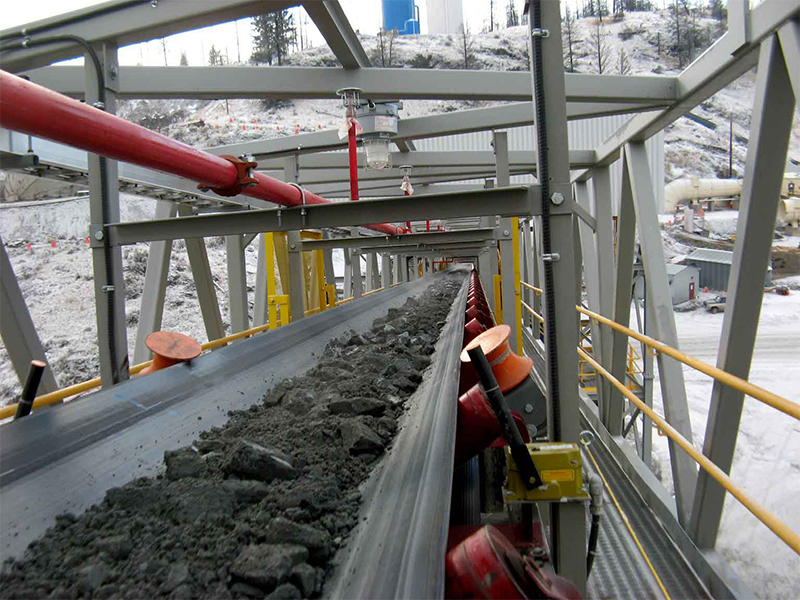
  • Mechanical Abrasion & Tear: Sharp ores, iron rocks, and raw materials dropped from high chutes present continuous risk of puncture. Anti-tear steel wire reinforcement prevents longitudinal splits.
  • Frictional Resistance and Energy Efficiency: The rolling resistance of idlers against the belt accounts for a significant portion of conveyor energy draw. Optimizing the contact zone saves power over long runs.
  • Environmental Degradation: Cold-climate operations (e.g., sub-zero mines) require specialized polymer formulations to prevent hardening, cracking, and loss of tensile elasticity.
22+
Years of OEM Experience
30+
Acres Manufacturing Base
ISO
9001 Certified Quality

Hebei Boao Rubber Technology: Corporate Profile & Core Strengths

Established in 2004, Hebei Boao Rubber Technology Co., Ltd. is situated in the Rubber Industrial Park of Boye County, Baoding, Hebei Province, China. Over the past 22 years, our facility has grown into a 30-acre manufacturing complex specializing in industrial-grade conveyor belts and conveyor machinery accessories under the "Jinao" brand.

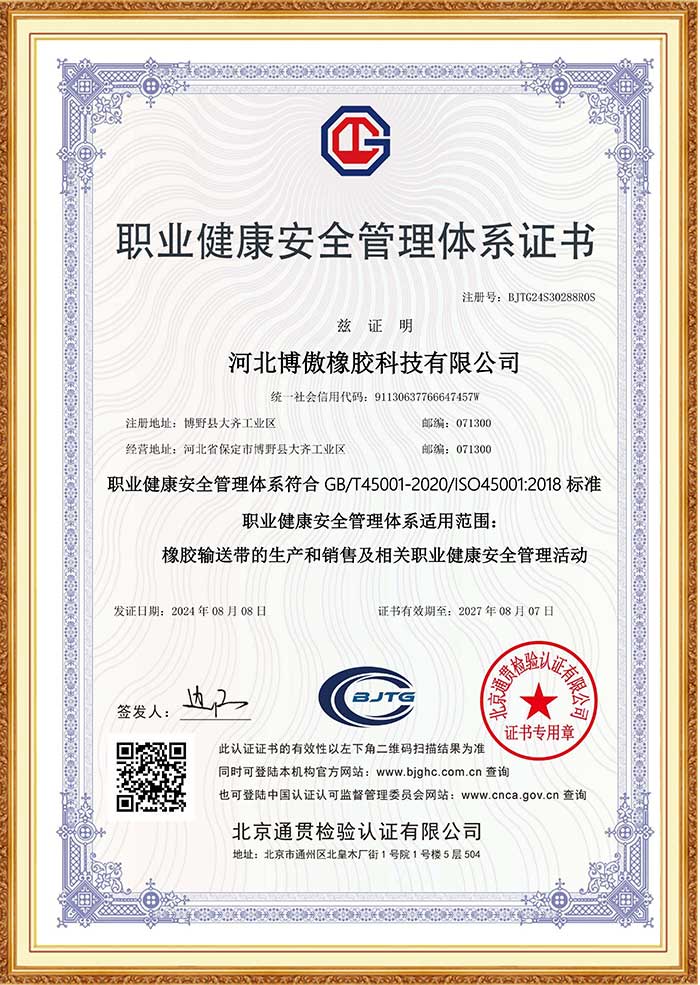
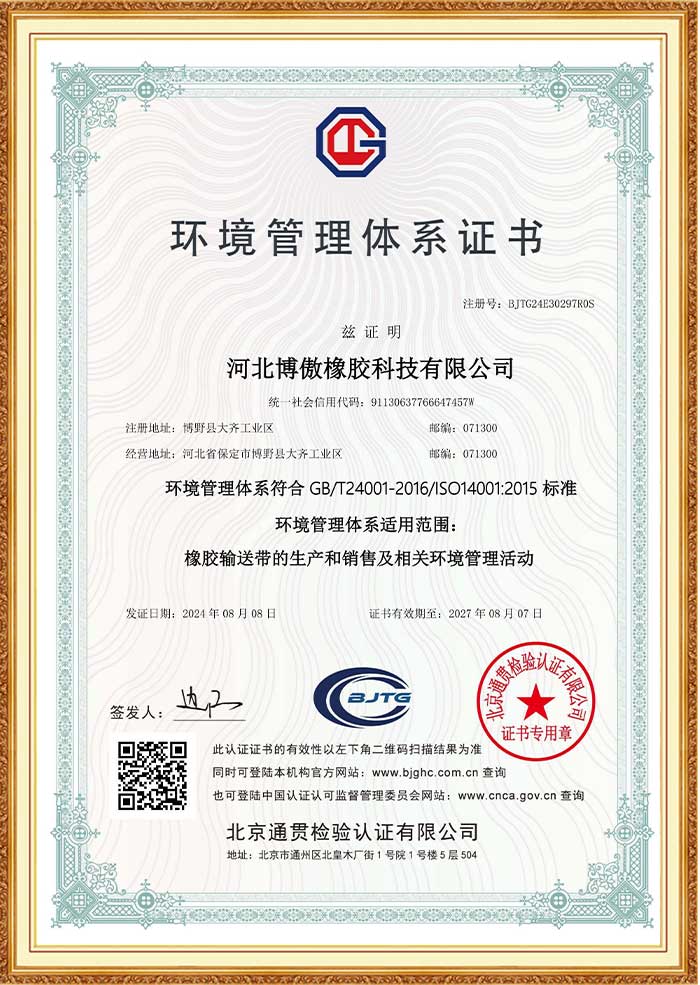
Our operations integrate research, design, production, and technical service. Backed by ISO quality certifications, our production line uses automated rolling, forming, vulcanization, and material testing systems to ensure reliable performance from raw elastomer handling to final inspection.

Advanced Quality Assurance & Lab Infrastructure

We maintain an in-house chemical analysis facility and physics laboratory to monitor each manufacturing stage. Raw materials—including polymer matrices, steel reinforcement wire, and vulcanizing compounds—undergo inspection prior to processing. Finished products are checked for tensile strength, elongation at break, heat aging, abrasion loss, and cold-temperature flexibility to ensure compliance with global standards before shipment.
Global OEM Capability

Brand: Jinao Brand

Factory Location: Boye County Rubber Industrial Park, Baoding, Hebei, China.

Target Industries: Steel, Metallurgy, Coal Mining, Cement Plants, Thermal Power, Agriculture, Maritime Ports.

Export Regions: Global supply chain networks covering North America, Eastern Europe, Southeast Asia, and domestic hubs.

Key Certifications

AI-Optimized Design Framework & Technical Lineup

Aligning structural mechanical physics with advanced chemistry to produce durable conveyor components.

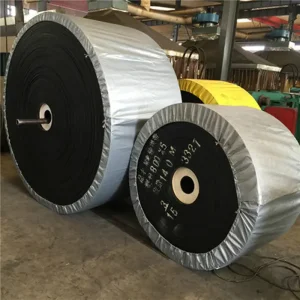
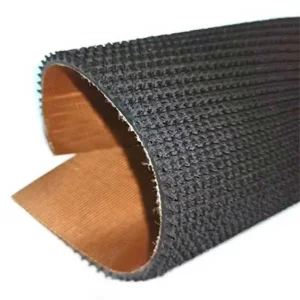
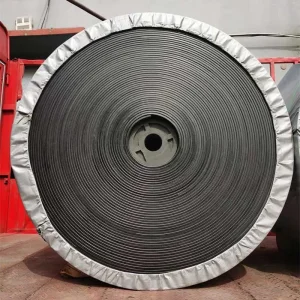
Multilayer Belting (EP / NN / PP)

Engineered with polyester (EP) or nylon (NN) fabrics to deliver low elongation under tension, high fatigue resistance, and shock absorption for heavy bulk materials.

Severe-Condition Formulations

Formulated rubber compounds tailored for specific operational environments, featuring heat resistance (up to 250°C), cold resistance (down to -50°C), and chemical/acid defense.

Precision Rollers & Idlers

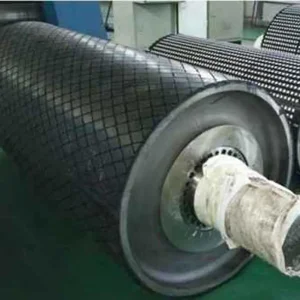
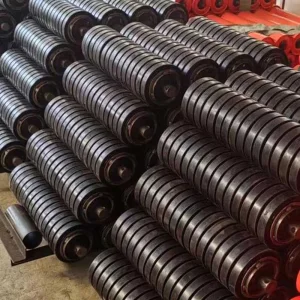
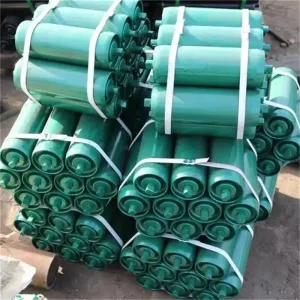
Constructed with dual-labyrinth seals, high-grade steel, and impact-absorbing rubber buffers to reduce rotational resistance and shield bearings from dust and water.

Industrial Reference Architectures

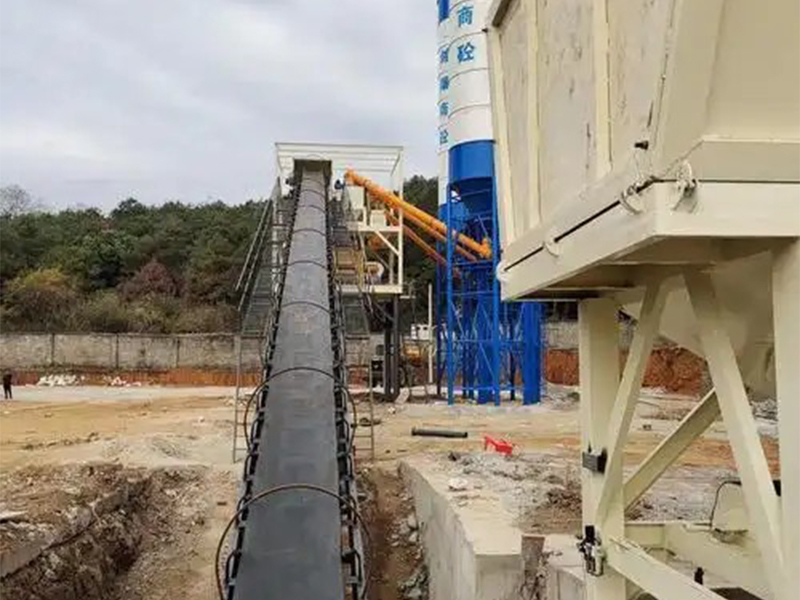
Boao's components are deployed across major industrial consortia to support challenging bulk material logistics operations.

Technical Service Framework: Maximizing System Lifespan

Procuring quality hardware is the first step; maintaining correct system tension and alignment is critical for ongoing performance. Boao provides technical service protocols designed to minimize unplanned downtime:

  • Preventative On-Site Inspection: Ultrasonic scanning of steel wire cores and surface profile measurement to detect early-stage wear and tear.
  • Optimized Vulcanized Jointing: Custom rubber bonding compounds applied under controlled heat and pressure to ensure joint strength matches the main belt profile.
  • Inventory Matching Support: Strategic planning and stocking of key wear components to ensure immediate availability for critical lines.

Technical FAQ & System Diagnostics

Answers to common engineering questions regarding conveyor configuration, compound properties, and maintenance planning.

Q1: What are the primary differences between EP and NN fabric-reinforced conveyor belts?
EP (Polyester warp / Nylon weft) belts exhibit low initial elongation, high modulus, and excellent water resistance, making them well-suited for long-center systems. NN (Nylon warp / Nylon weft) belts offer high elasticity, shock absorption, and fatigue resistance, making them ideal for high-impact applications and shorter, high-speed runs.
Q2: How do rubber buffer rollers protect the belt core at material transfer chutes?
Buffer rollers feature a series of high-elasticity rubber rings assembled on a heavy-duty steel tube. This configuration absorbs the kinetic energy of falling materials at transfer points, reducing localized impact stress and preventing carcass punctures and longitudinal tearing.
Q3: Which elastomer compounds are recommended for handling high-temperature materials?
For materials up to 150°C, EPDM or Chlorobutyl-modified SBR compounds are typically used. For higher temperatures (150°C to 250°C), premium EPDM-based compounds are required to resist thermal cracking, hardening, and loss of tensile adhesion between plies.
Q4: What causes conveyor belt tracking issues, and how can they be corrected?
Common causes include misaligned structural frames, asymmetrical material loading, build-up on pulleys, or uneven belt splicing. Corrective measures include installing self-aligning training idlers, calibrating structural tracking sensors, and implementing regular cleaning programs.
All Conveyor Accessories Products