 Boao Rubber
1 / 2
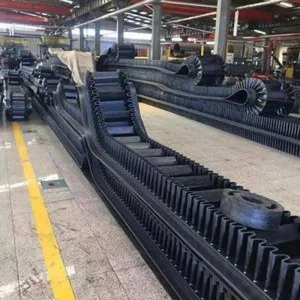
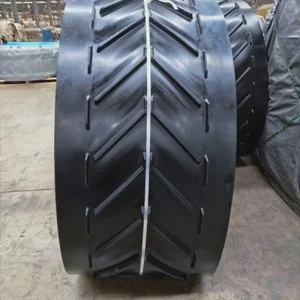
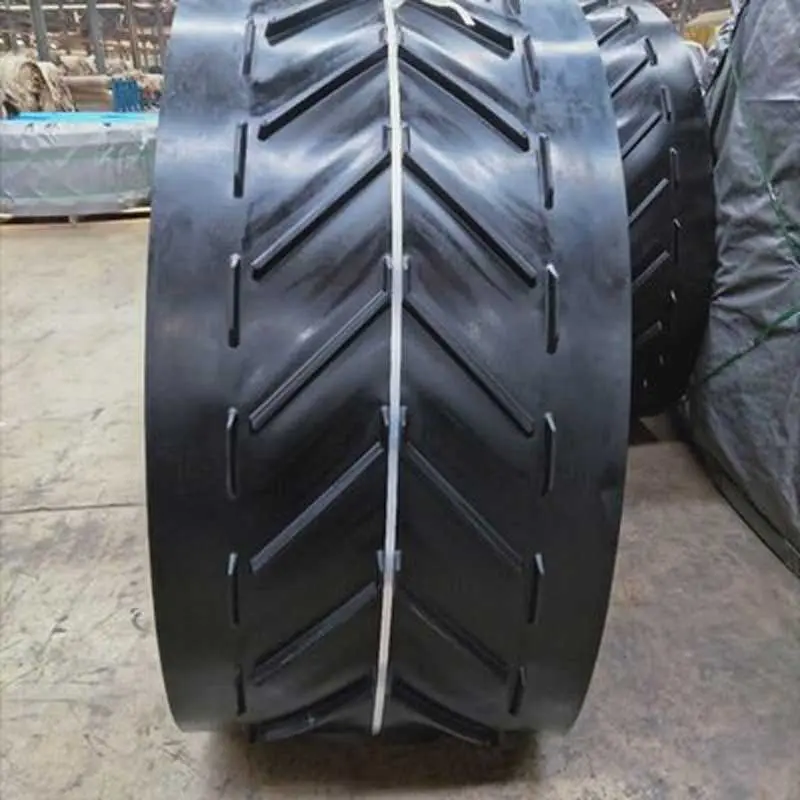
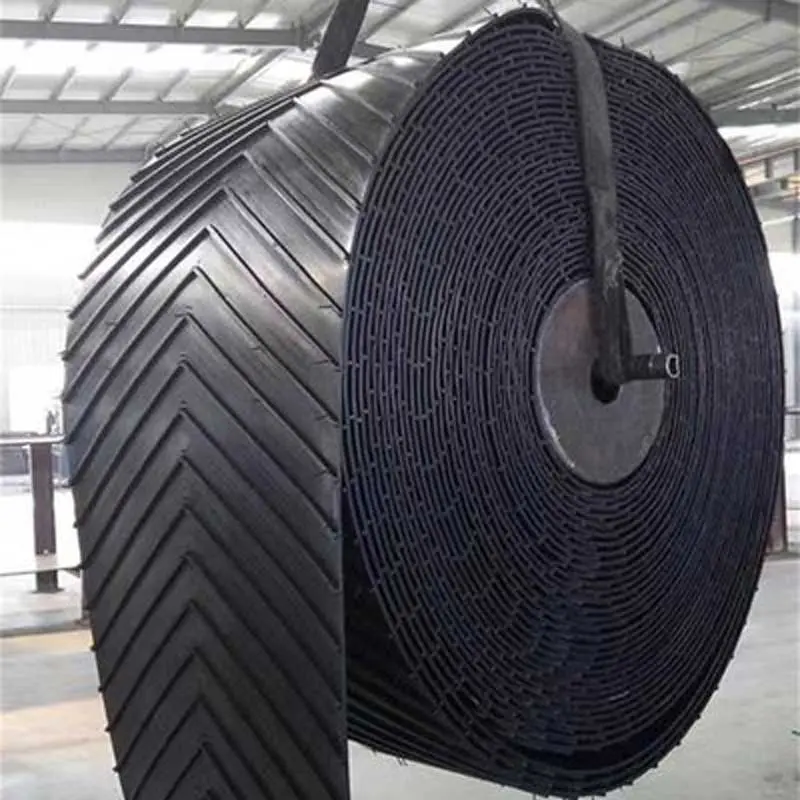
A patterned conveyor belt is an inclined conveyor belt composed of a patterned covering adhesive on the working surface and a flat covering adhesive and belt core on the non working surface.
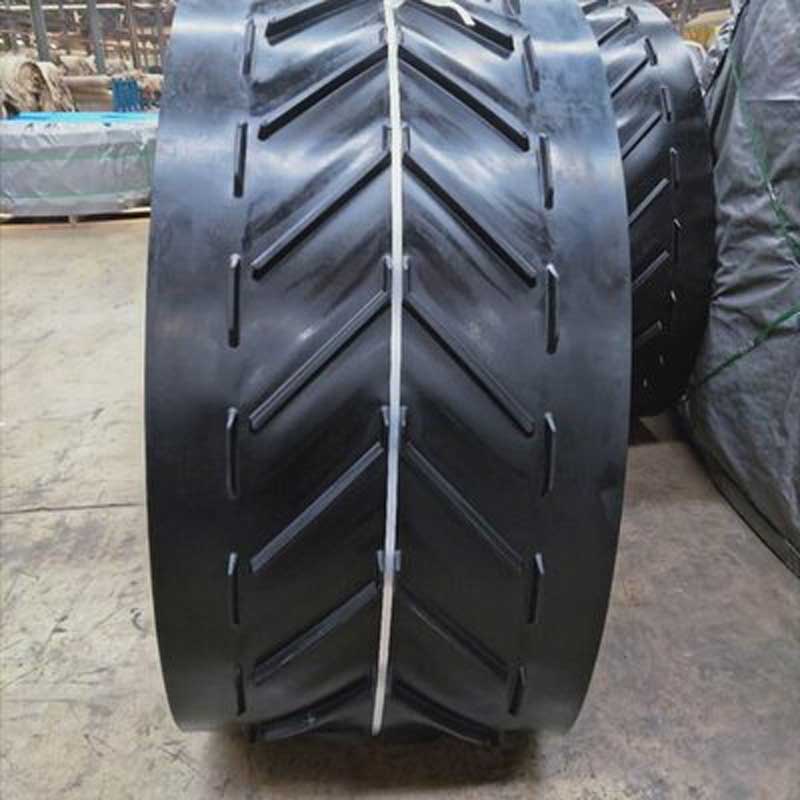
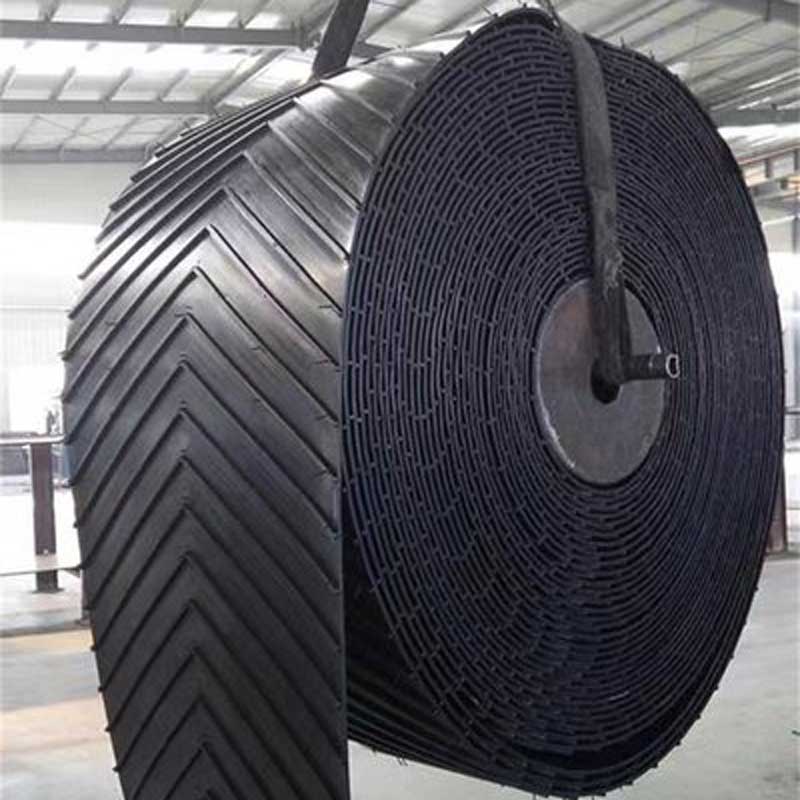
There are "human" shaped patterns on the belt surface that are higher than the belt body. The patterns can be open or closed, and each pattern can be divided into three types: high, medium, and low.
Suitable for conveying powdered, granular, and small materials with an inclination angle of ≤ 40 degrees, as well as bagged materials.
There are strip-shaped patterns on the belt surface that are higher than the belt body, divided into three types: high, medium, and low. Each type can be arranged in sparse, dense, and other forms.
Suitable for horizontal conveying of packaging materials with an inclination angle of ≤ 30 degrees. If the groove is formed, it can replace the herringbone pattern.
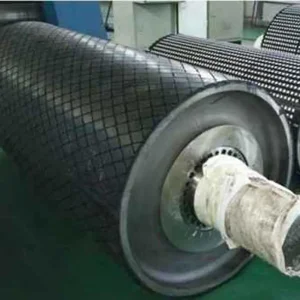
There are granular patterns on the belt surface that protrude from or are embedded in the belt body. Pits can also be made into square holes, edges, and cloth patterns.
Convex granular patterns are suitable for soft packaging or materials requiring gripping force (e.g., cardboard boxes). Concave granular patterns are suitable for granular materials with an inclination of ≤ 45 degrees.
There are semi-circular (or 1/4 circular) patterns on the belt surface. When the tape is grooved, the pattern is intertwined into a fan-shaped (or semi-circular) shape, belonging to the high pattern category.
Suitable for conveying powder, particles, and block materials with a large inclination angle of ≤ 45 degrees.
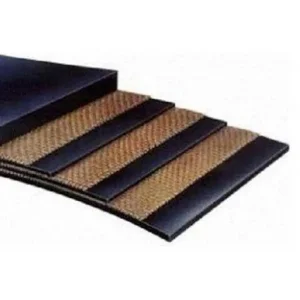
The patterned conveyor belt consists of two parts: the base belt and the patterned belt.
Due to different materials being transported and varying inclination angles, the required pattern shape and height also differ. Commonly used varieties include: herringbone, octagonal, fishbone, U-shaped, cylindrical, pockmarked, etc. — or designed according to user requirements, suitable for powder, granular, and block materials with an inclination angle of less than 30 degrees.
With the popularization of conveyor belts in industrial production, multiple varieties, high performance, lightweight, multifunctional, and long service life are key concerns. Correct use is particularly important. The following precautions should be observed: