Choosing the right Troughing Idlers is crucial for optimizing conveyor systems. Industry reports indicate that improper idler selection can lead to a 15% increase in operational costs. This underlines the importance of making informed choices. According to John Smith, a leading expert in conveyor technology, “The right Troughing Idlers can significantly enhance system efficiency.”
Troughing Idlers play a vital role in supporting and guiding bulk materials on conveyor belts. They directly impact not only performance but also the longevity of the system. Misalignment or wear due to subpar idlers can lead to severe downtime. Experts recommend considering factors such as load capacity and environmental conditions when selecting idlers.
Many companies overlook these details, leading to costly mistakes. What seems like a minor decision can have a ripple effect on productivity. Choosing wisely requires careful consideration, as each application may have unique demands. Rethinking your approach to Troughing Idlers is essential for achieving optimal results.
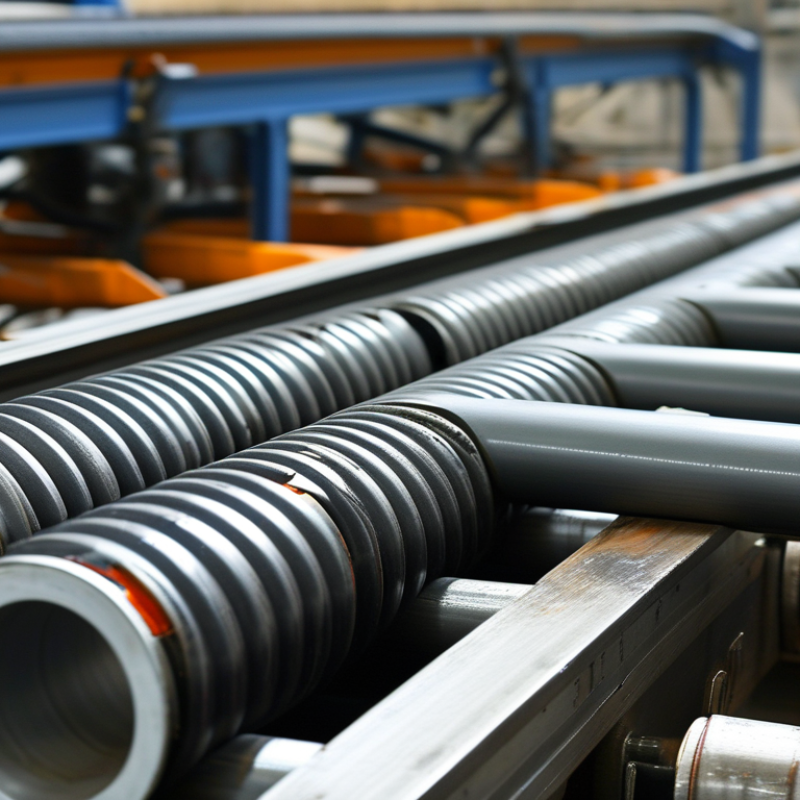
Troughing idlers are critical components in bulk material handling systems. They support and guide conveyor belts, ensuring materials are transported efficiently. Their primary purpose is to maintain belt stability and reduce spillage, ultimately enhancing operational efficiency. According to industry reports, the improper selection of troughing idlers can lead to a 20% increase in maintenance costs and a drop in conveyor performance.
Choosing the right troughing idlers depends on factors like belt width, load capacity, and operating environment. A thorough understanding of these variables is crucial. For instance, idlers positioned at the right angles prevent excessive wear and tear. Maintenance practices show that regular inspections can extend the operational life of idlers by 15%, highlighting the importance of preventive measures.
**Tips:** Consider the material type and environment while selecting idlers. An overloaded idler can lead to failures. Opt for robust designs in harsh settings. Regularly revisit your choicesto ensure they still meet operational needs. Reflect on your processes; even small adjustments can lead to better efficiency.
| Idler Type | Material | Load Capacity (lbs) | Operating Speed (ft/min) | Ideal Use Case |
|---|---|---|---|---|
| Standard Troughing Idler | Steel | 2000 | 500 | Heavy-duty applications |
| Impact Idler | Rubber | 1500 | 400 | Areas with heavy loading |
| Self-Aligning Idler | Plastic | 1800 | 600 | Misaligned belt situations |
| Return Idler | Steel | 2500 | 550 | On return side of conveyor |
| Rubber Disc Idler | Rubber | 1200 | 500 | For conveyor systems with dust |
: Understand the types and designs needed for your specific application. Heavy-duty idlers provide more strength for demanding uses.
The angle impacts belt alignment and load distribution. Choose angles between 20 to 45 degrees for optimal material containment.
Bearings influence maintenance needs. Sealed bearings need less maintenance, but open ones allow easier lubrication access.
Selecting the wrong material can cause failures. Assess if the materials are abrasive, corrosive, or heat-sensitive.
Look for high-quality materials like steel or reinforced plastics. Features like sealed bearings enhance performance significantly.
Poor alignment can cause increased wear and a drop in productivity. Ensure proper installation to prevent unnecessary costs.
Regular inspections and a well-planned maintenance schedule can boost idler lifespan by 25%. Keep records for better decisions.
Sometimes standard options aren’t enough. Analyze environmental factors to determine if custom idlers are required.
Regular inspections help identify wear patterns and misalignments early. Delaying maintenance can lead to major outages.
Small oversights in specifications can result in costly repairs. Consulting industry experts can prevent common pitfalls.
Troughing Idlers are crucial components in conveyor systems, designed to support and guide the movement of bulk materials. Understanding their definition and purpose is the first step in selecting the right idlers for specific applications. It is essential to identify the specific requirements of your application, which may include factors such as load capacity, environment, and conveyor configuration.
When evaluating different types and designs of Troughing Idlers, consider the material compatibility and durability factors to ensure they meet operational demands. Additionally, making an informed decision involves understanding installation and maintenance considerations that can impact the idlers' performance and longevity. By thoroughly assessing these aspects, you can choose Troughing Idlers that optimize your conveyor system's efficiency and reliability.

 Boao Rubber