Top 5 Anti-Slip Conveyor Belts You Must Consider Today

Time:2026-07-27 Author:Aria
0%

In the fast-paced world of manufacturing and logistics, efficiency is paramount. Anti-Slip Conveyor Belts play a critical role in enhancing safety and productivity. A recent industry report shows that conveyor belt market growth may reach $7.2 billion by 2027. This increasing demand underscores the necessity for reliable conveyor systems. Many companies overlook the importance of proper belt selection, leading to costly accidents and downtime.

Implementing Anti-Slip Conveyor Belts can significantly reduce the risk of slippage. These belts are designed with specialized materials that provide superior friction and grip. For instance, studies indicate that conveyor systems equipped with anti-slip technology can decrease accidents by up to 30%. This innovation not only supports safer work environments but also boosts operational efficiency.

However, not all anti-slip belts are created equal. It is essential to scrutinize various factors, such as belt material, load capacity, and environmental conditions. Organizations must invest time in evaluating which products are best suited for their specific applications. Ignoring these considerations may lead to suboptimal performance.
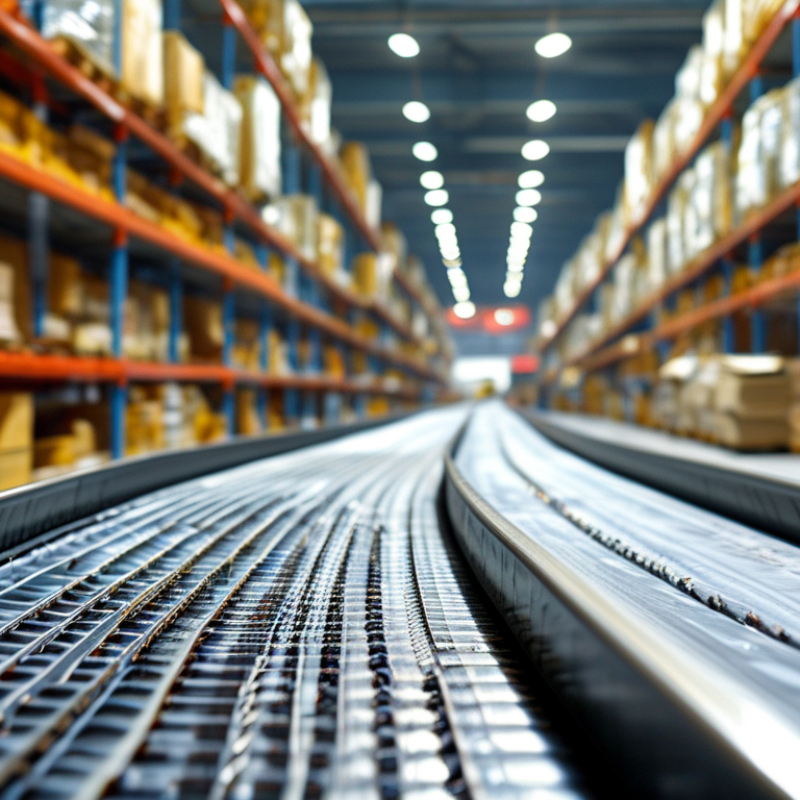
Top 5 Anti-Slip Conveyor Belts You Must Consider Today

Types of Anti-Slip Conveyor Belts Available in the Market

When it comes to anti-slip conveyor belts, several types are available, each designed for specific needs. One popular type is the rubber anti-slip belt. It features a textured surface that enhances grip. This design minimizes slippage even in wet conditions. Such belts are ideal for industries where safety is paramount.

Another option is the plastic modular belt. These belts are lightweight and flexible. They can be customized with various surface textures. This adaptability makes them suitable for diverse applications, from food processing to manufacturing. Users often cite ease of maintenance as a key advantage.

There are also heavy-duty anti-slip belts. These are constructed to withstand extreme conditions. They often include reinforced edges and can handle heavy loads. However, their initial cost can be higher. Buyers should reflect on long-term performance versus upfront investment. Understanding the specific requirements of your operation is crucial in making the right choice.

Top 5 Anti-Slip Conveyor Belts You Must Consider Today

Key Features to Look for When Choosing an Anti-Slip Conveyor Belt

When selecting an anti-slip conveyor belt, consider its surface texture. A high-friction surface can prevent slipping, ensuring safety in operations. According to a report from the Conveyor Equipment Manufacturers Association, belts with textured surfaces can reduce slippage by up to 30%. The right texture can increase the grip on various materials, making it vital for high-speed applications.

The load capacity is another critical factor. Belts should be able to handle the weight of the materials being transported. An overloaded belt can lead to failures. Research indicates that conveyor belts designed for higher load capacities have a longer lifespan. Choosing a belt that matches your operational needs is essential.

Additionally, consider the environment in which the conveyor belt will be used. Factors like temperature and exposure to chemicals can affect performance. Belts made from durable, resistant materials will withstand harsh conditions better. While most products claim to be reliable, some may not perform well under specific conditions, leading to potential risks in operations. It's essential to evaluate each option carefully before making a decision.

Top 5 Recommended Anti-Slip Conveyor Belts for Different Industries

When considering anti-slip conveyor belts, different industries have unique requirements. For instance, food processing demands superior hygiene and adherence. Reports from the Food and Drug Administration (FDA) indicate that roughly 48 million Americans fall ill from food poisoning each year. Thus, belts that prevent slipping and ensure safety standards are crucial.

In the manufacturing sector, a study by the Occupational Safety and Health Administration (OSHA) highlighted that over 20,000 slip-related injuries occur annually. Anti-slip features in conveyor belts can significantly reduce these incidents. A textured surface or rubberized coating can enhance grip under wet or oily conditions. This aspect cannot be overlooked, as it directly affects employee safety and operational efficiency.

In warehousing, load stability is a key concern. According to statistics from the National Safety Council, proper load handling can prevent over half of warehouse injuries. Anti-slip conveyor belts help in maintaining the position of goods throughout transit. As industries evolve, re-evaluating the effectiveness of current conveyor solutions is essential. Not every belt performs the same under varying conditions. Different environments call for specific material choices and surface applications to optimize safety and efficiency.

Comparison of Durability and Performance in Anti-Slip Conveyor Belts

When selecting anti-slip conveyor belts, durability and performance are key factors. Industry applications can vary, but the need for reliable grip remains essential. Conveyor belts face wear and tear due to heavy loads and constant movement. Materials and construction significantly determine their lifespan. Strong rubber compounds often outperform standard plastics in tough environments. However, some users report issues with premature degradation, which can lead to unexpected downtime.

Performance varies widely among anti-slip options. A belt’s texture and surface design contribute to its efficacy. Some features enhance grip, while others prioritize smooth operation. Users may notice that rougher surfaces increase friction but can also harbor dirt and debris. Balancing grip with ease of cleaning is a challenge many face. Additionally, the weight of the belt can influence energy efficiency. Heavier belts might perform better in certain applications, yet they strain machinery more.

Considering these factors, a belt’s choice can shape overall system reliability. Investment in quality materials pays off in longevity, but it’s also wise to learn from experiences. Observing performance over time with various conditions provides invaluable insights. Adapting to these lessons helps refine conveyor belt selection. Ultimately, careful assessment for specific needs ensures optimal performance in any application.

Maintenance Tips for Prolonging the Life of Anti-Slip Conveyor Belts

Proper maintenance of anti-slip conveyor belts is crucial for extending their lifespan. Research from industry experts reveals that nearly 30% of conveyor failures are due to inadequate maintenance. Regular inspections help identify wear and tear before they become critical issues. It is essential to check for fraying, cracks, or uneven wear regularly.

Cleaning is another vital aspect. Accumulated debris can lead to slippage and damage. Using a gentle cleaning solution and non-abrasive brushes helps maintain the surface. Operators should wipe down the belts at least once a week to prevent build-up.

Additionally, ensure alignment is correct. Misaligned belts can lead to increased friction and further wear, decreasing efficiency. The ideal tension must be maintained to reduce the risk of slippage. Reports indicate that belts under excessive tension can wear out 50% faster. Adjusting tension should be part of routine maintenance checks. Regular attention to these details promotes reliability and safety in conveyor operations.

FAQS

: What should I look for in an anti-slip conveyor belt?

: Focus on the surface texture. A high-friction surface enhances grip and safety.

How does surface texture impact performance?

Textured surfaces can reduce slippage by up to 30%. This is crucial for high-speed operations.

Why is load capacity important in conveyor belts?

Belts must carry the weight of materials. An overloaded belt can lead to failures and increased maintenance.

What materials are best for conveyor belts in harsh environments?

Durable, resistant materials withstand high temperatures and chemicals better than standard options.

How can I assess the durability of a conveyor belt?

Check the materials used. Strong rubber compounds generally last longer than standard plastics.

What challenges do users face with conveyor belt texture?

Rougher surfaces improve grip but can collect dirt, making cleaning difficult.

Does the weight of a conveyor belt affect its efficiency?

Yes, heavier belts may perform better but can put a strain on machinery.

How can I make better choices when selecting a conveyor belt?

Evaluate performance over time and adapt your choices based on previous experiences.

What risks come with choosing the wrong conveyor belt?

Some belts may underperform in specific conditions, leading to potential operational hazards.

Should I invest in quality materials for conveyor belts?

Yes, investing in quality pays off in longevity, but learn from past choices for optimal results.

Conclusion

In today's competitive industries, selecting the right anti-slip conveyor belts is crucial for enhancing operational efficiency and safety. This article explores various types of anti-slip conveyor belts available in the market, emphasizing key features to consider, such as material composition, texture, and resistance to wear. The top five recommended anti-slip conveyor belts are highlighted for different sectors, showcasing their unique advantages based on durability and performance.

Additionally, the article provides a comparison of the longevity and operational effectiveness of these belts while offering practical maintenance tips to prolong their lifespan. By understanding these elements, businesses can make informed decisions about anti-slip conveyor belts that best meet their needs, ultimately improving productivity and safety within their operations.


Aria

Aria

Aria is a dedicated marketing professional with a deep passion for innovative strategies and a keen understanding of our company's product offerings. With a wealth of experience in the industry, Aria excels at crafting engaging content that highlights the unique features and benefits of our......