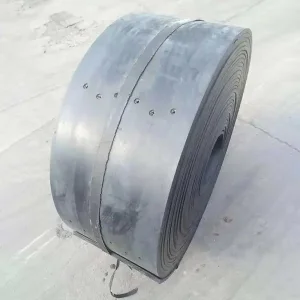
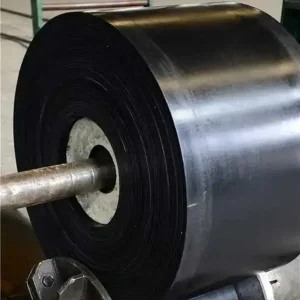
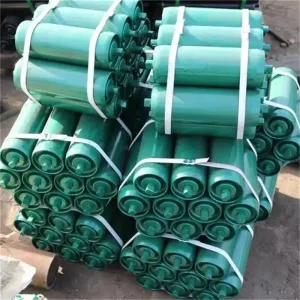
Explore our premium-grade conveyor belt replacement inventory, built to sustain high friction, impact, and extreme heat profiles.
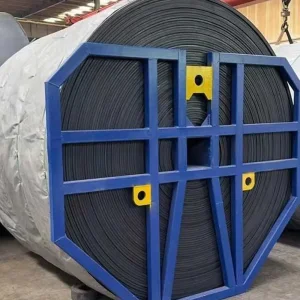
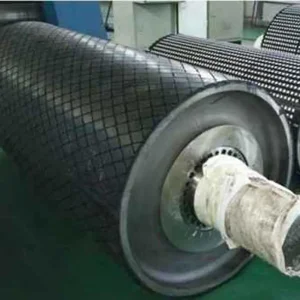
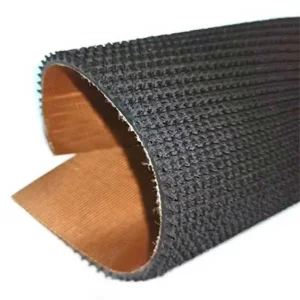
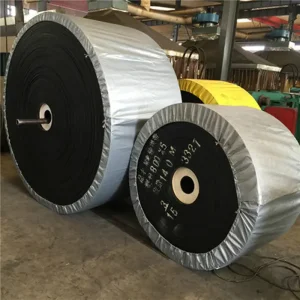
Analyzing key operating parameters, shear forces, and longevity bottlenecks in rugged bulk conveying systems.
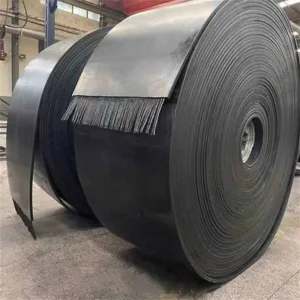
In modern industrial operations, rubber conveyor belts serve as the vital arteries of bulk material handling. Heavy-duty applications, such as underground mining, limestone processing, steel scrap movement, and high-capacity port operations, subject these belts to intense continuous loads. The replacement of rubber belts represents a significant segment of plant operating expenditures (OPEX). Sourcing engineered replacements from reliable factories ensures minimizing downtime caused by splice fatigue, cover wear, gouging, and chemical degradation.
The challenge facing engineering teams lies in selecting rubber compounds and inner carcass structures that match specific system dynamics. SBR (Styrene Butadiene Rubber), Natural Rubber, and polybutadiene blends are optimized to offer dynamic impact absorption, low rolling resistance, or flame retardancy. When a rubber belt wears down prematurely, the total cost of ownership (TCO) escalates due to lost production throughput, manual tracking adjustments, and splicing labor costs. Understanding the physical mechanics of carcass elongation, dynamic modulus properties, and adhesion levels between cover rubber and textile layers is critical for selecting the ideal replacement manufacturer.
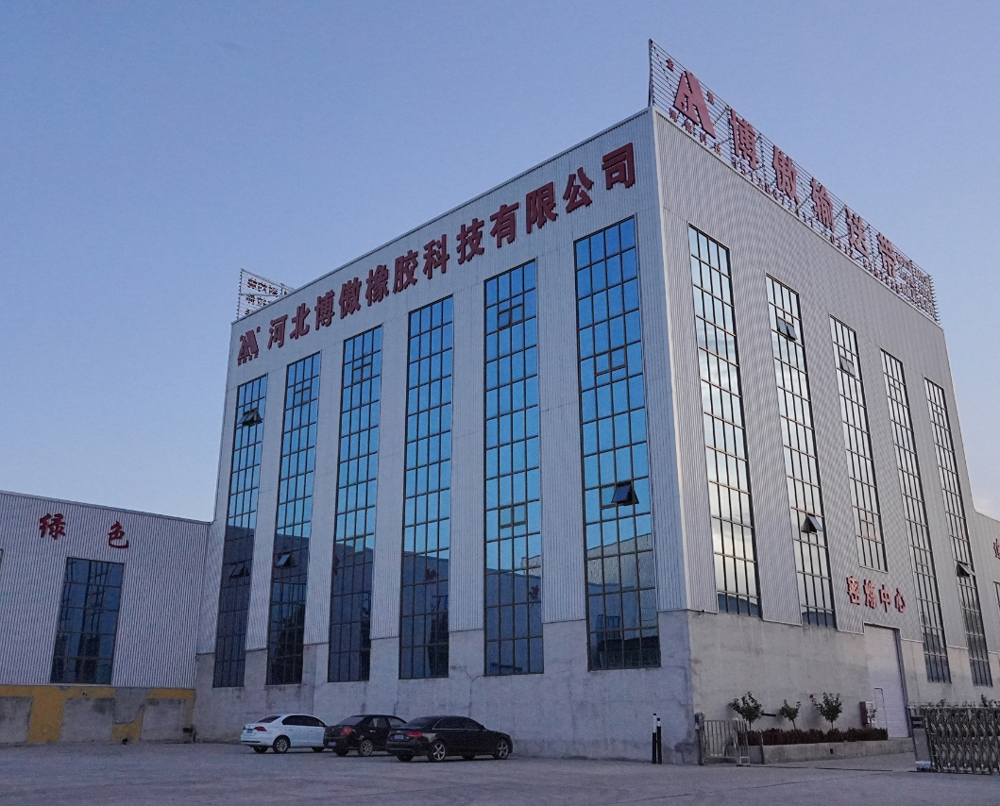
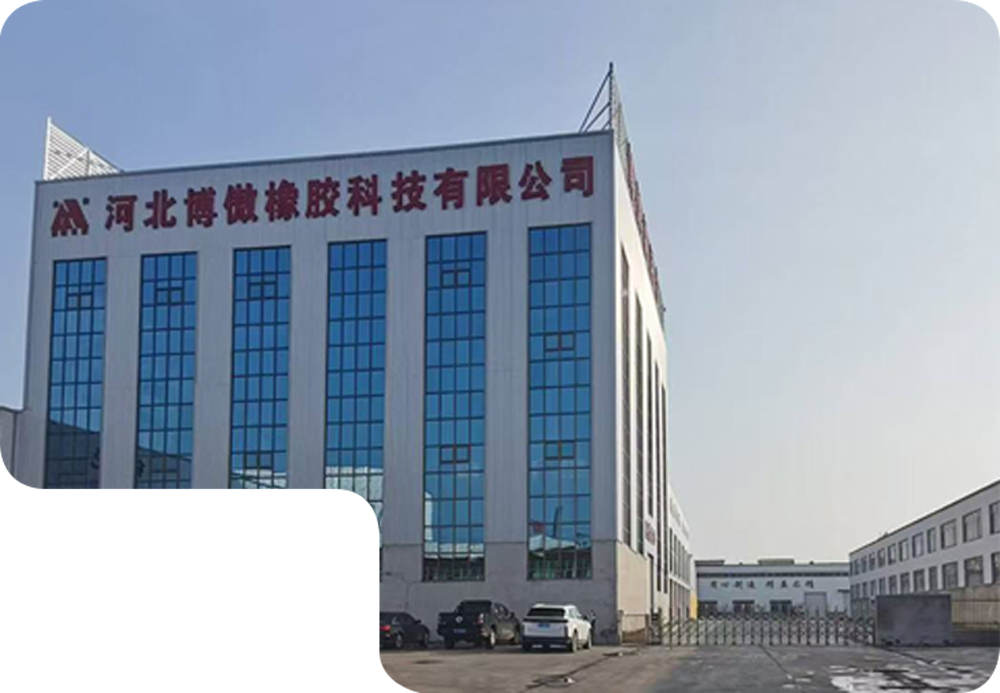 22 Years of Specialized Experience
Nestled inside the Boye County Rubber Industrial Park, Baoding, Hebei Province, Hebei Boao Rubber Technology Co., Ltd. has developed into a premier industrial manufacturer since its establishment in 2004. Operating across a modern 30-acre layout, our company handles everything from compounding and vulcanization to complete technical evaluation and customization of conveyor systems.
Our registered trademark "Jinao" represents premium high-integrity rubber solutions globally. Our facility houses high-efficiency calender lines, tension-controlled conveyor line building tables, and large-scale platen vulcanizing presses capable of handling multi-ply fabric belts and high-tensile steel cord structures. We ensure comprehensive design matching, production control, and after-sales support to deliver highly reliable replacement belts.
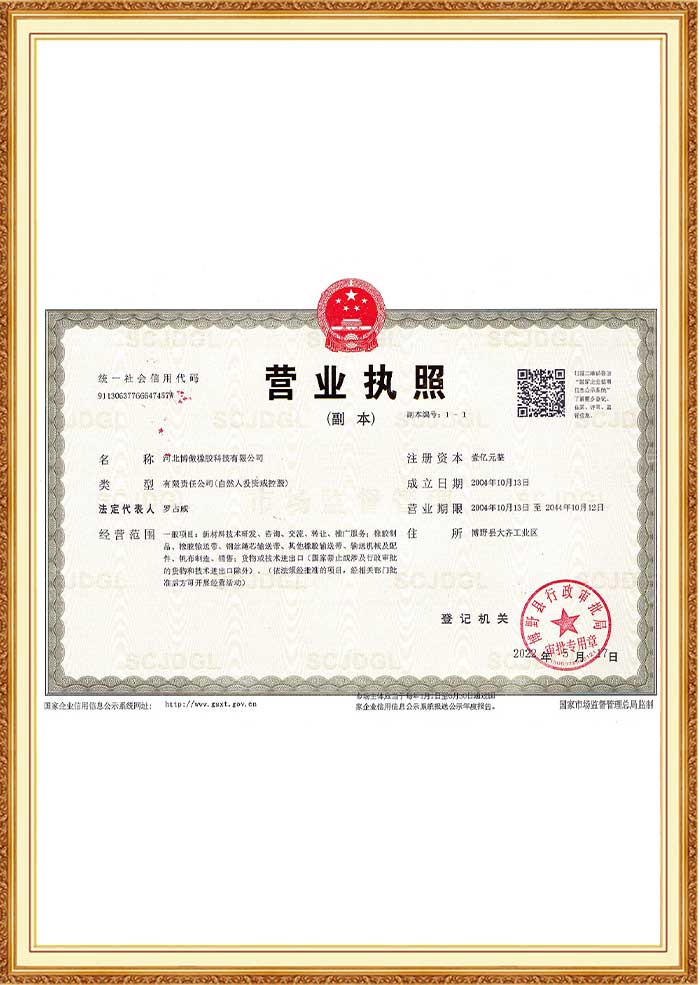
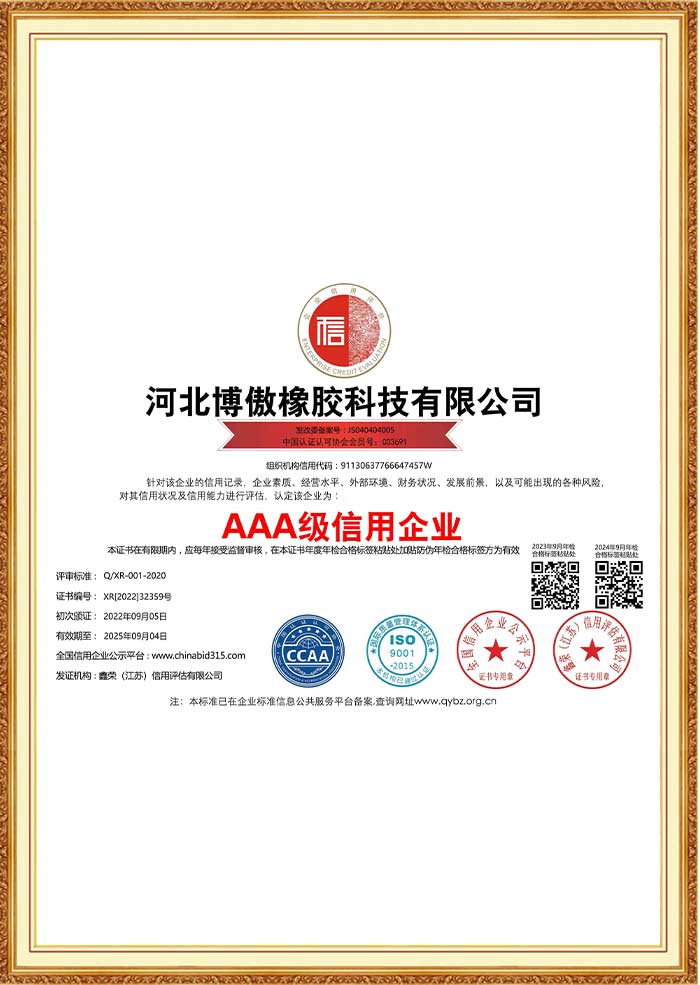
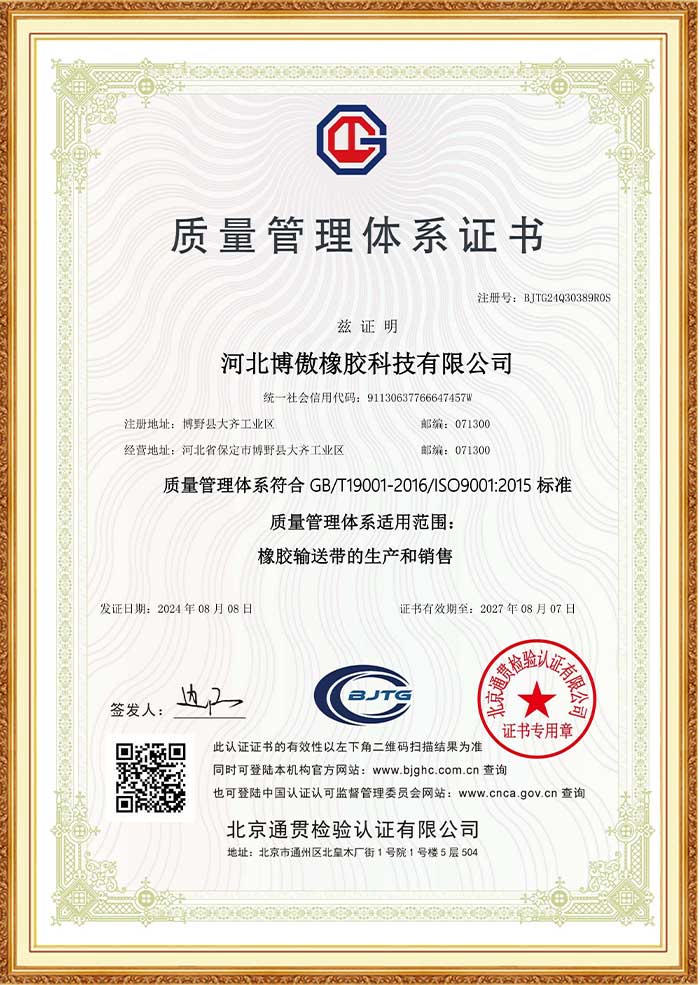
Our quality system is verified by international standards, ensuring raw rubber chemical consistency and structural integrity.
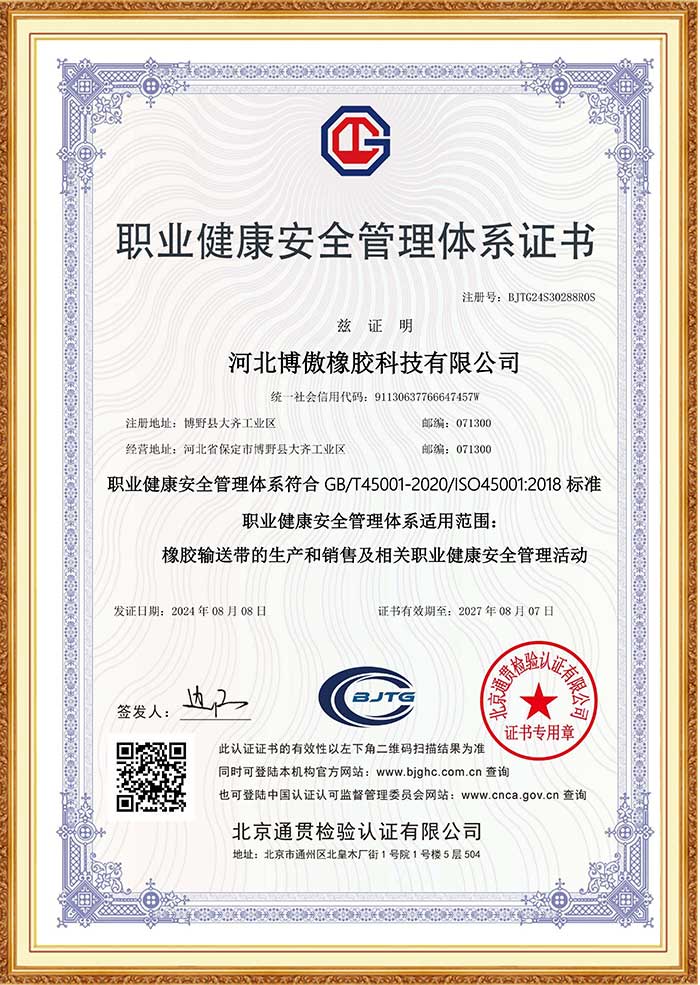
ISO9001 System
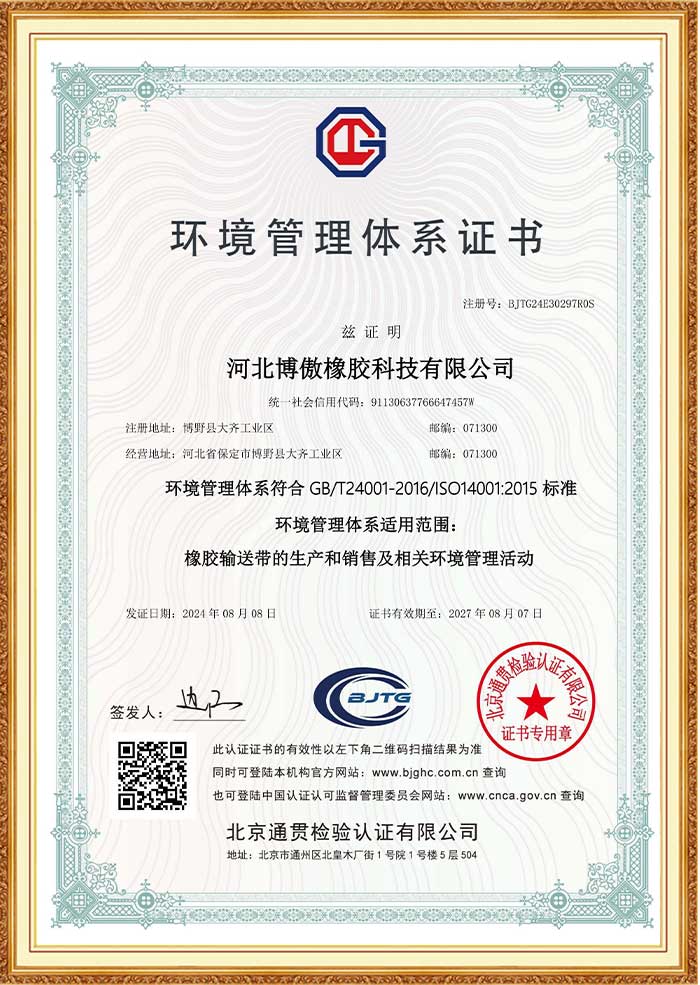
Quality Verification
Safety Compliance
Inspection Report
Brand Trademark
How we achieve zero-defect product standards and sustain superior lifecycle metrics in harsh operational environments.
We analyze molecular density, polymer cross-link density, and carbon black dispersion in our on-site laboratories. Every batch of raw SBR or natural rubber undergo testing prior to the compounding process.
From calendered rubber sheet thickness verification to continuous laser-based steel cord tension control, we monitor every step. Belts are inspected for ply alignment, surface micro-cracking, and cover thickness.
With massive raw material reserves and efficient container packing systems, we guarantee reliable shipping. We reduce lead times by up to 25%, maintaining emergency stocks for contracted industrial operations.
Selecting the right chemical blend prevents premature rubber degradation. Our Jinao lineup includes options tailored to match target conveyor parameters.
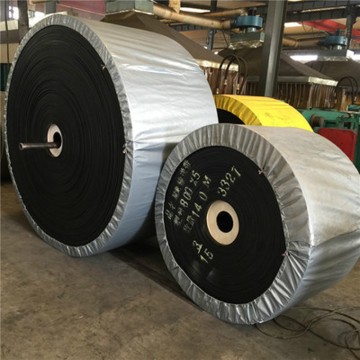
Utilizing high-performance EPDM and cured halobutyl compounds, our heat-resistant belts are designed to handle temperatures up to 250°C (and intermittent spikes up to 300°C) for sintering ore, cement clinker, and fertilizer granules.
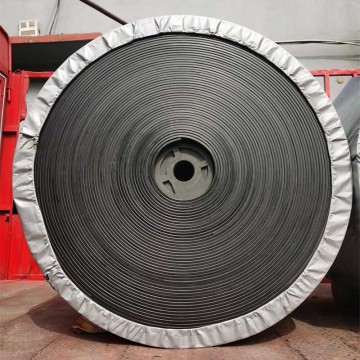
Specifically engineered with special plasticizers and premium natural rubber matrices, these belts sustain high elasticity and prevent rubber embrittlement in sub-zero operational environments down to -50°C.
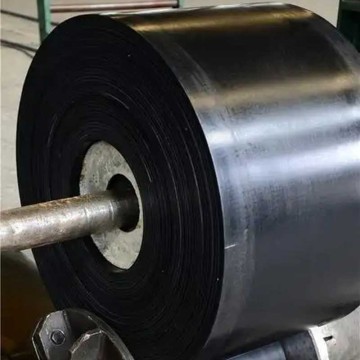
Constructed with chemically inert polymers, these belts resist aggressive chemical exposure, including acidic ores, chemical salts, and alkaline solutions, without swelling, cracking, or losing ply adhesion.
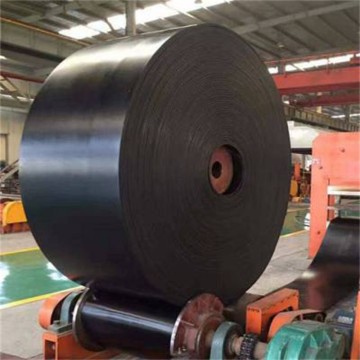
Offering excellent elasticity, high tensile capacity, and fatigue resistance, Nylon (NN) plies ensure deep troughing capabilities, high impact absorption at transfer chutes, and high wear resilience over long distances.
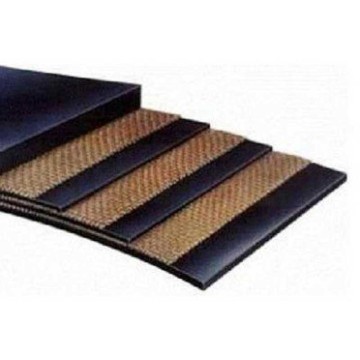
Polyester-Nylon (EP) carcasses feature low structural elongation under load, high resistance to moisture damage, and high dimensional stability, making them suitable for medium-to-long-distance aggregate transportation.
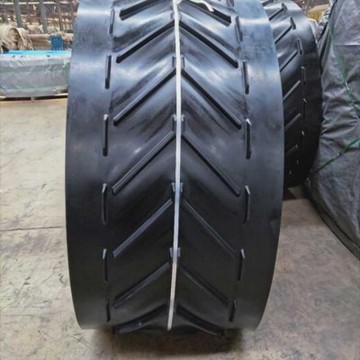
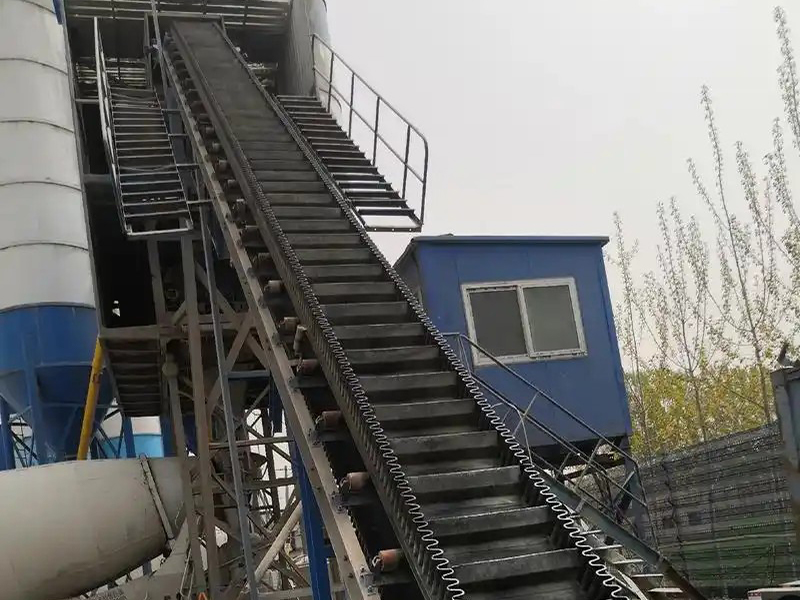
Including herringbone, chevron, and wavy edge sidewall structures to prevent material rollback. Ideal for conveying materials at steep angles of inclination from 18° up to 90° vertically.
Our belts are trusted in demanding applications, including mining, heavy metallurgy, cement production, and bulk material handling.
China Railway Group
Conch Cement
Datong Coal Group
Tsingshan Group
Jidong Cement
Jinmei Group
Taihang Steel
Puyang Steel Group
The transition toward smart conveyor systems: sensor integration, energy efficiency, and sustainability.
The industrial conveying sector is shifting from reactive replacement schedules to predictive lifecycle management. Our R&D team at Hebei Boao is currently developing several key initiatives on our technology roadmap. Key among these is the integration of Real-Time Rip Detection Sensors and RFID chips within the carcass of steel wire rope core conveyor belts. When a large foreign object punctures a belt, these sensor loops immediately transmit an electronic signal to stop the system, preventing expensive longitudinal tear damages.
Additionally, minimizing carbon footprints is a critical metric for mine sites and ports. Our new Low Rolling Resistance (LRR) Rubber Compounds are designed to reduce indentation rolling resistance as the belt travels over idlers. By optimizing SBR/BR formulation matrices, Jinao LRR belts can reduce system power consumption by 10% to 15%. This translates directly into megawatts of electricity saved annually, assisting global enterprises in meeting ESG compliance guidelines.
We are also focusing on rubber circularity. By incorporating recycled and devulcanized rubber without compromising tensile strengths, we aim to decrease dependence on fossil-based synthetic polymers. This step forward ensures our supply chain complies with the European Green Deal and related international standards.
Deploying specialized belt configurations and idler protection to counter chemical and mechanical wear patterns.
Underground mining requires flame-retardant rubber compounds. Our MT668 and DIN-certified underground replacement belts minimize fire propagation risks. They are also anti-static to prevent ignition in explosive dust-rich gas environments.
Steel plants face severe conditions with dry, abrasive clinker and hot iron ores. We provide vulcanized multi-ply polyester structures with optimized EPDM thick covers to prevent heat cracking and delamination.
Port loaders carry high-sulfur coal, fertilizer, and salts under wet conditions. Our acid-alkali resistant rubber covers protect the polyester fabric reinforcement, preventing moisture penetration and chemical rotting.
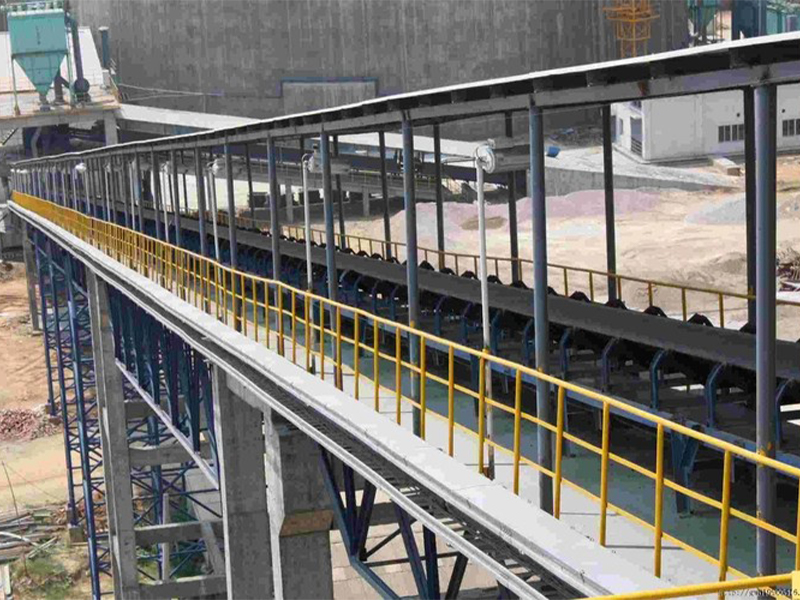
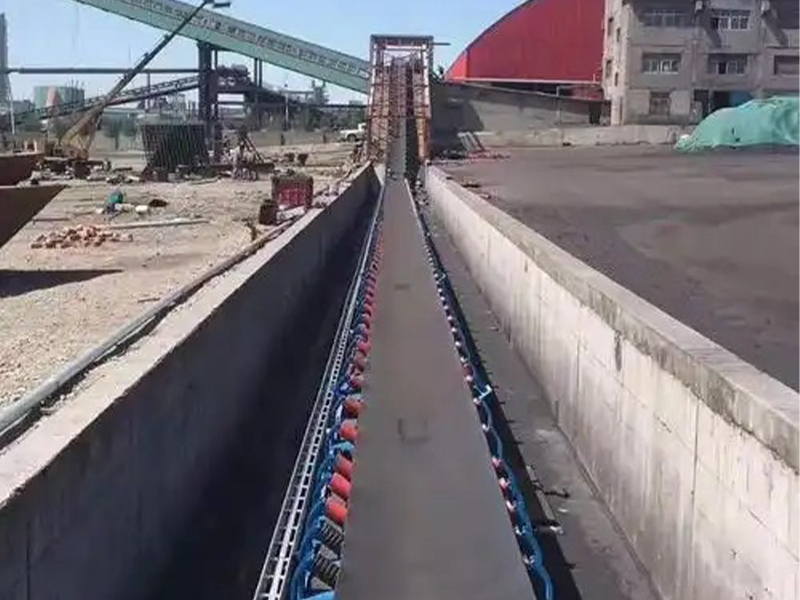
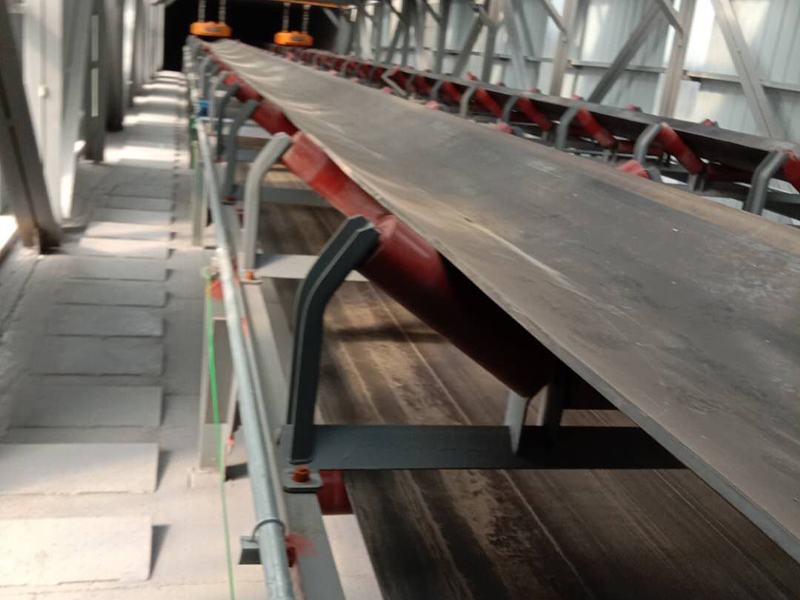
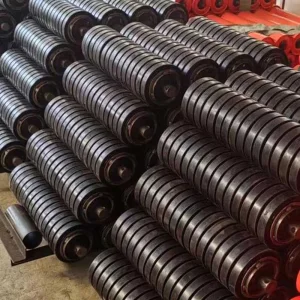
Beyond the rubber belt itself, Hebei Boao provides structural accessories like Troughing Idlers, Impact Rollers, and Suspended Idler Sets. Impact beds and rubber buffer rollers placed at transfer drop zones absorb gravitational impact, mitigating carcass bruising and punctures. Installing dynamic self-aligning brackets keeps the replacement belt centered, preventing edge damage and raw material spillage.
Inside our smart manufacturing systems: tracking tolerances, vulcanization parameters, and raw material logistics.
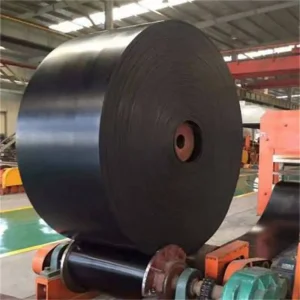
To achieve high levels of structural adhesion and uniform thickness, Hebei Boao utilizes automated four-roll calenders. This machinery applies uniform rubber sheets onto synthetic fabric (EP or NN) plies under continuous electronic tension control. Maintaining uniform tension prevents ply shrinkage and uneven stretch profiles during operation.
Our vulcanizing presses apply high pressures and controlled thermal profiles to ensure complete sulfur cross-linking. Proper curing time prevents the rubber from being either under-vulcanized (resulting in low wear resistance) or over-vulcanized (causing brittle behavior). This level of control ensures our replacement belts provide long service lives in high-impact environments.
Through our automated mixing center, all carbon black, antioxidants, accelerators, and raw elastomers are weighed and blended electronically. This eliminates human errors in mixing, ensuring consistent physical properties across different production batches.
Ensuring operational reliability through site audits, inventory planning, and expert splicing advice.
Our engineers perform belt mapping audits to track pulley wear patterns, chute impact angles, and structural transitions, helping you select the appropriate replacement cover grade.
We provide detailed splicing diagrams, vulcanizing temperatures, and specialized tie-gum kits to ensure cold or hot spliced joints match the tensile strength of the parent belt.
We support major operators with managed stock agreements. We manufacture, inspect, and package replacement belts in weather-resistant wrapping, storing them in tension-relieved setups until they are needed.
In-depth responses to common technical questions encountered by procurement officers and maintenance engineers.
Polyester-Nylon (EP) fabrics are widely used for general-purpose applications because of their low structural elongation (typically around 1.5% at nominal load). This minimizes gravity take-up travel requirements. Nylon-Nylon (NN) fabrics are highly elastic and provide excellent resistance to impact damage, making them suitable for raw log dumps, primary stone crushers, or heavy mineral drop zones. For high-tension, long-distance over-land conveying systems, Steel Wire Rope Core reinforcement is preferred to eliminate mechanical stretch and extend working lifetimes.
Premature cracking of cover rubber on sintering or clinker conveyors is typically caused by heat-induced oxidation and polymer cross-linking, which leads to hardening. Standard SBR compounds oxidize quickly when exposed to temperatures exceeding 100°C. For these applications, we utilize premium EPDM or Chlorobutyl compounds, which feature saturated polymer backbones that resist oxidation. It is also important to match the thickness of the top cover to the cooling rate of the material; thicker covers act as thermal barriers to protect the core carcass fabric.
Edge wear is usually caused by physical mistracking. If the belt tracks off-center, it rubs against the steel support frame, eroding the protective rubber cover and exposing the internal plies to moisture and environmental degradation. Common causes include misaligned idlers, asymmetric splicing joints, off-center loading, or structural distortion of the conveyor frame. Installing self-aligning training idlers and ensuring square splice cuts are key steps to prevent edge damage.
Our quality control laboratory conducts regular pull-off adhesion tests in accordance with ISO 252 testing protocols. By using optimized chemical bonding agents within our skim coat compounds and applying precise heat and pressure controls during the vulcanization stage, we achieve inter-ply adhesion values of 8–10 N/mm. This prevents delamination even under high flexing cycles over small pulleys.
Access our secondary product catalog, including steel cord belts, patterned options, and heavy-duty idler assemblies.
 Boao Rubber