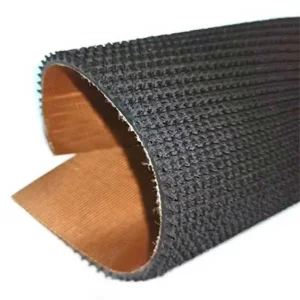
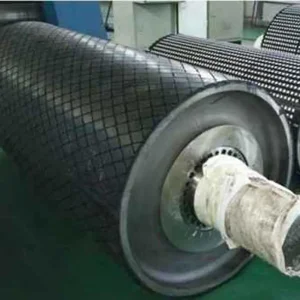
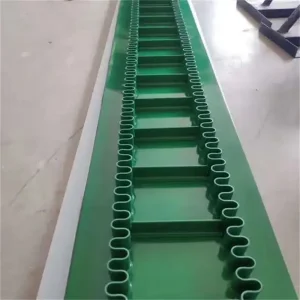
Explore our top engineering selections engineered for extreme vertical lift capability, high tensile durability, and reliable heavy-duty material transport.
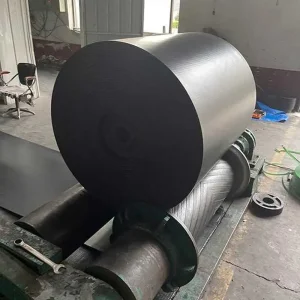
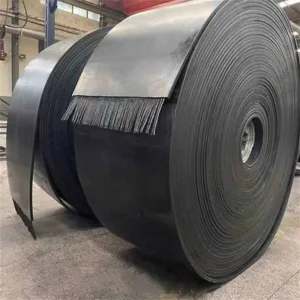
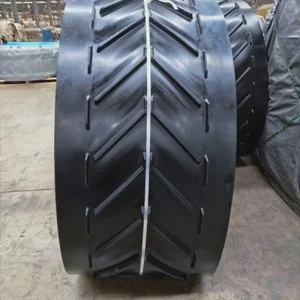
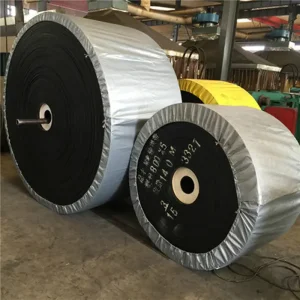
Understanding the transition from horizontal conveyors to complex high-load vertical elevator systems.
Early bucket elevators relied on basic textile belts susceptible to rotting and severe elongation. Modern industrial demands have shifted focus to highly reinforced Ethylene Propylene (EP) and Nylon (NN) synthetic fabric matrix architectures. The integration of high-grade Styrene-Butadiene Rubber (SBR) and Nitrile Butadiene Rubber (NBR) compounds delivers maximum structural stability under heavy cyclical loads.
For high-capacity vertical shafts exceeding 80 meters, steel cord rubber elevator belts represent the peak of performance. High-tensile steel wire ropes prevent dynamic stretch, maintaining bucket alignment and preventing catastrophic belt slippage. The low-elongation characteristics minimize mechanical strain on tensioning pulleys, extending entire elevator assembly lifecycles.
Operating environments subject belts to harsh abrasive wear, intense temperatures, and chemical degradation. Manufacturers now tailor wear cover grades (such as DIN X, Y, W, or specialized oil-resistant and heat-resistant configurations) to handle corrosive chemical fertilizers, high-temperature cement clinker, and oil-rich grain operations without dynamic cover-to-carcass delamination.
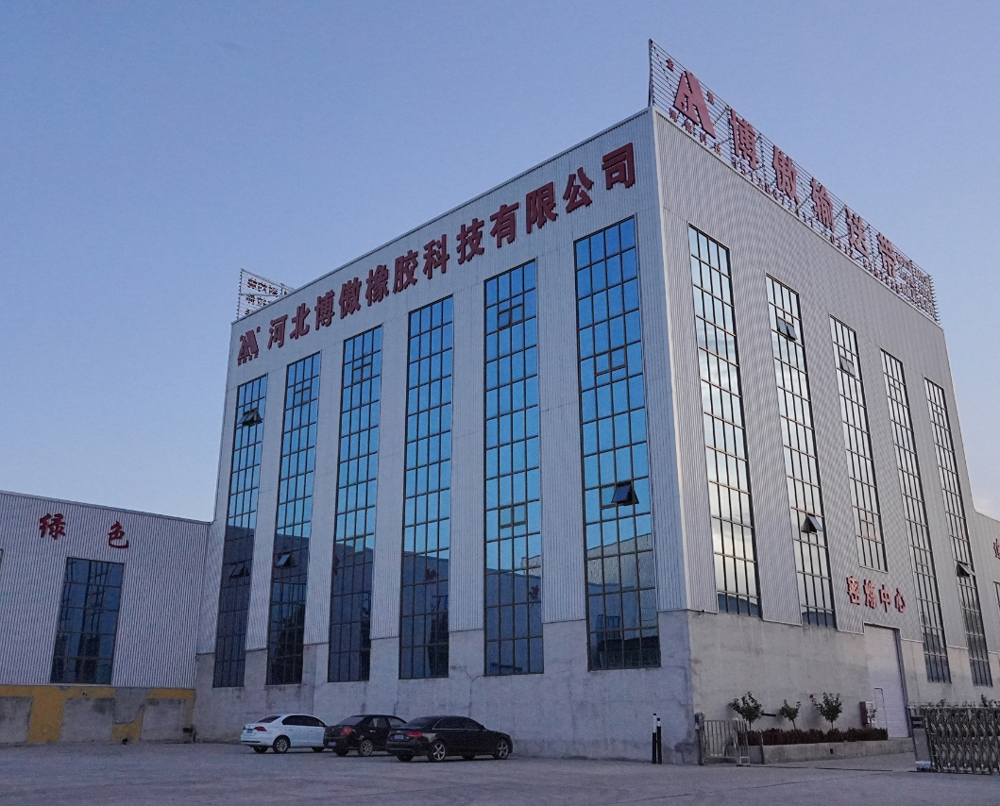
Located in the heart of Boye County's prestigious Rubber Industrial Park, Baoding, Hebei Province, Hebei Boao Rubber Technology Co., Ltd. has established itself as an industry leader since its founding in 2004. Over a sprawling facility spanning more than 30 acres, we market our premier engineering innovations under the globally recognized "Jinao" brand.
We are a professional manufacturer in China that integrates product development, research, design, manufacturing, and business services for conveyor belts and conveyor machinery accessories. We have also passed the international quality management system certification in one go. The company has multiple advanced equipment production lines for rolling, forming, vulcanization, and rubber testing (from raw materials to finished products).
Today, Hebei Boao Rubber Technology Co., Ltd. is built into a domestic production-oriented enterprise with modern equipment, diversified products, and an international market, presenting itself in the new century with a brand new attitude.
Ensuring operational reliability in safety-critical high-elevation transport infrastructures.
The company has an independent chemical analysis room and physics laboratory, which can ensure timely monitoring of every link from raw material procurement to product delivery. We strictly enforce the principle that no unqualified raw material enters the site, and no substandard finished product leaves our facility.
Equipped with sophisticated experimental testing systems, our professional quality inspectors execute mechanical property stress tests, heat aging analysis, adhesion testing between rubber covers and textile layers, and dimensional tolerance checks to maintain international certification alignment.
Utilizing robust technical expertise and a highly responsive after-sales service system, our products are widely exported across the globe. We supply critical industries including steel plants, metallurgy, coal mines, cement plants, thermal power stations, chemical fertilizer units, grain depots, and modern port networks.
Analyzing key advancements driving the next generation of bulk elevation systems.
In the post-pandemic commercial landscape, global procurement teams prioritizing cost-to-performance ratio have transitioned toward strategic sourcing from verified Chinese manufacturers. Resilient supply chains require elevator belt manufacturers to guarantee not only sheer tensile strength but also structural predictability. Modern systems operate under higher capacities, requiring zero-maintenance lifespans and strict compliance with global flame retardancy standards (such as EN ISO 340 and MSHA rules for underground grain and mining environments).
High-capacity systems require manufacturers to address complex dynamic parameters like tracking stability, low carcass elongation, and highly resilient bolt-retention matrices. A failure in a vertical elevator causes system-wide shutdowns, highlighting the value of sourcing from certified suppliers with extensive QA documentation and independent testing labs.
The manufacturing plants of Hebei Boao have integrated Smart Manufacturing (Factory 4.0) frameworks to balance structural quality with production cost efficiency. Automated continuous mixing and compounding rooms optimize polymer dispersion, ensuring uniform batch consistency across kilometers of rubber belting.
Laser thickness measurement systems and thermal profiling cameras monitor the vulcanizing processes, preventing internal voids and localized curing errors. By linking manufacturing execution systems (MES) with international logistics pipelines, we provide end-to-end trace documentation from chemical base polymer compounds directly to installed elevator assemblies on site.
Custom-compounded solutions optimized for specific industrial operations and environmental challenges.
Elevating freshly calcined clinker requires belt covers that resist extreme thermal exposure. Our specialized heat-resistant compounding preserves structural integrity under temperatures peaking at 200°C (with temporary spikes up to 250°C), preventing thermal cracking and cover hardening.
Confined underground mine shafts present severe dust explosion risks. Our flame-retardant (FR) rubber formulations are certified to self-extinguish within seconds of flame contact, complying with safety codes while resisting abrasive coal and rock wear.
Standard industrial rubbers swell and break down when exposed to vegetable oils and fats. Our synthetic nitrile-based rubber formulations offer oil and fat resistance, protecting grain silos and animal feed factories from premature belt swelling.
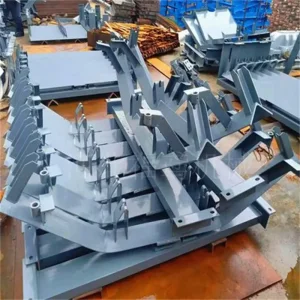
We supply complete vertical and horizontal conveying assemblies, ensuring perfect mechanical compatibility.
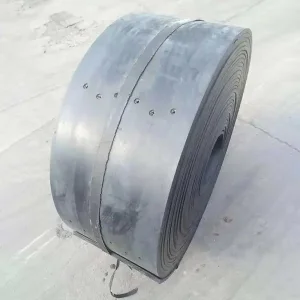
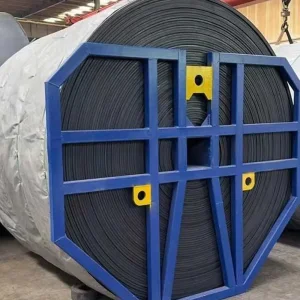
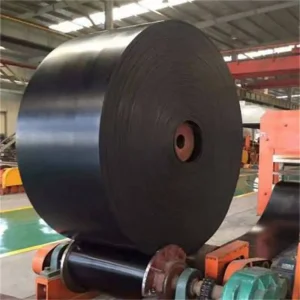
Our comprehensive selection of rubber conveyor belts matches all material transport needs:
Extending system performance through high-precision matched components:
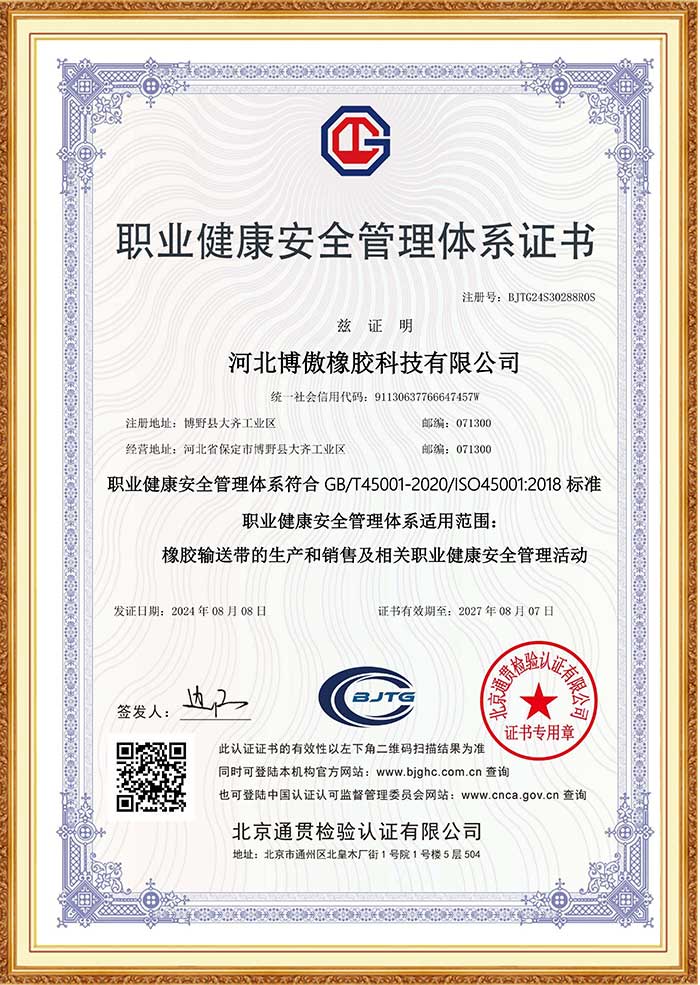
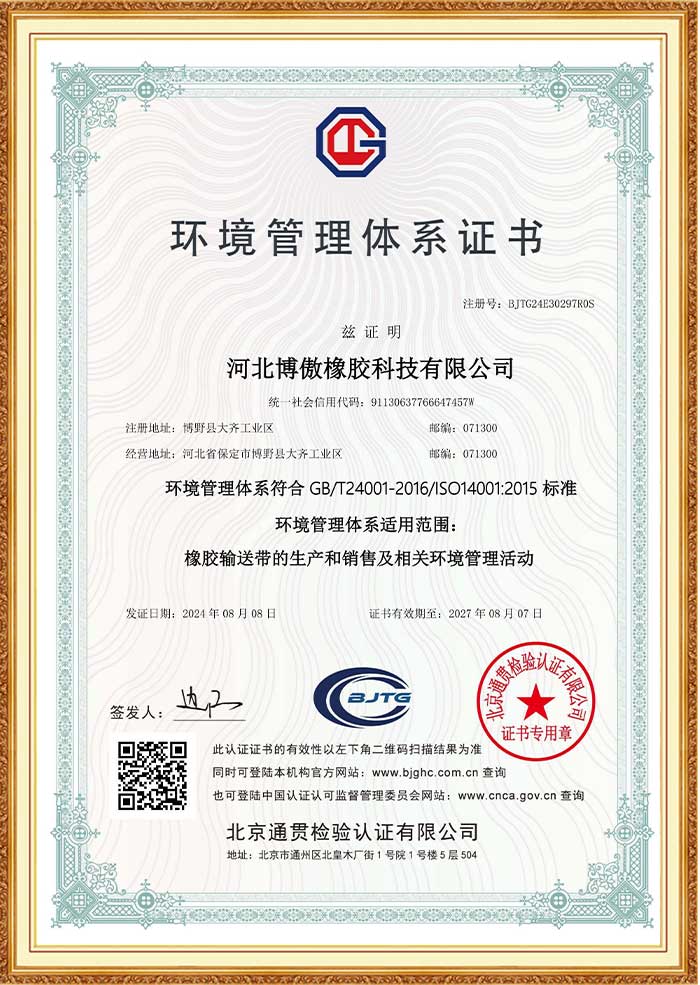
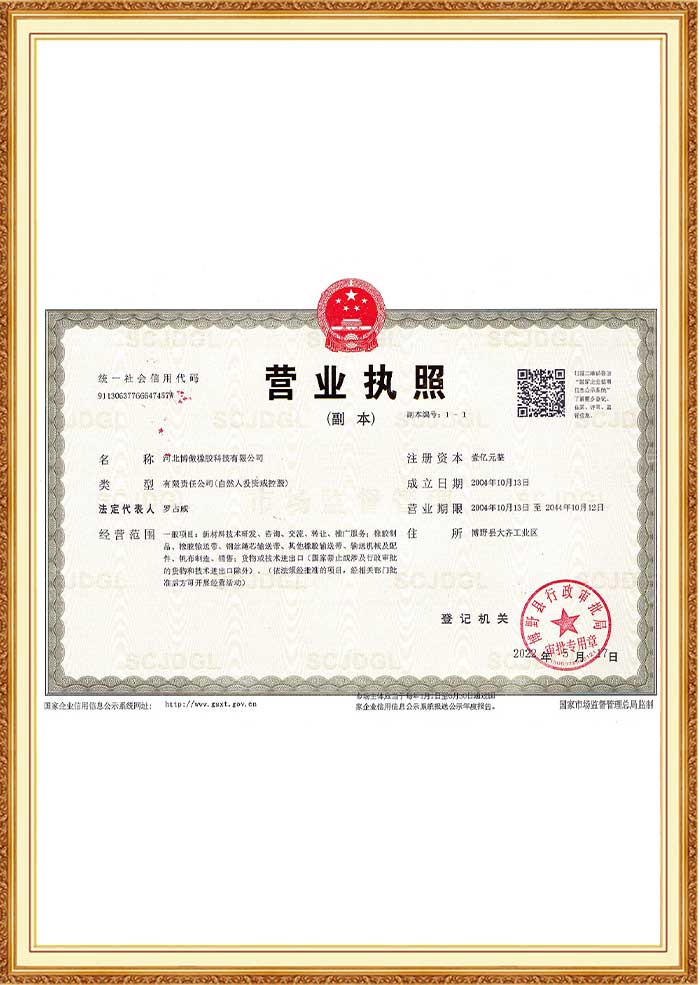
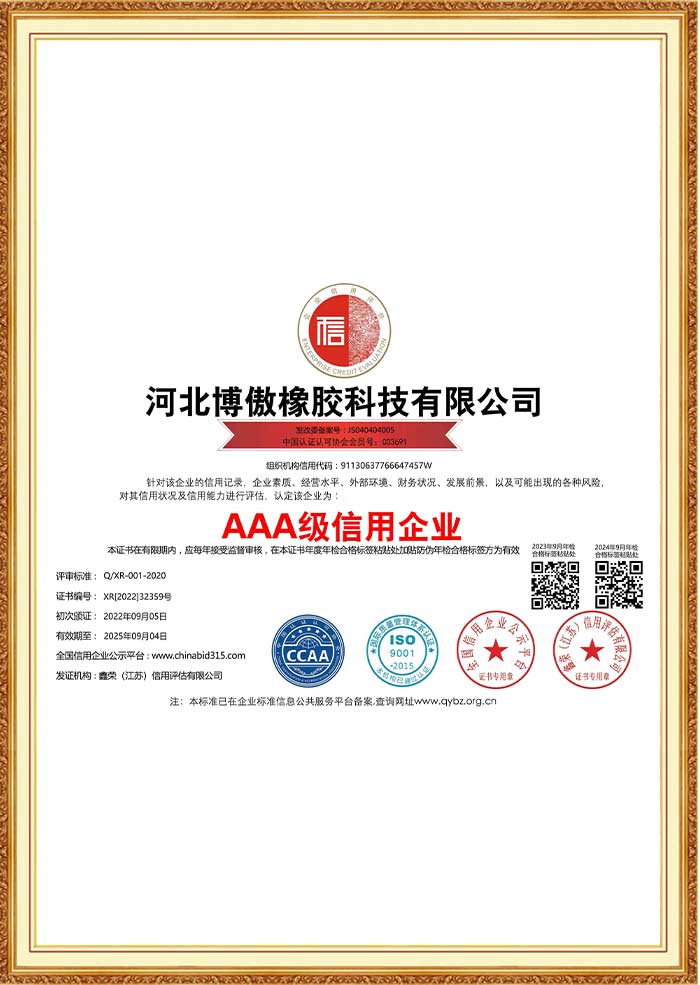
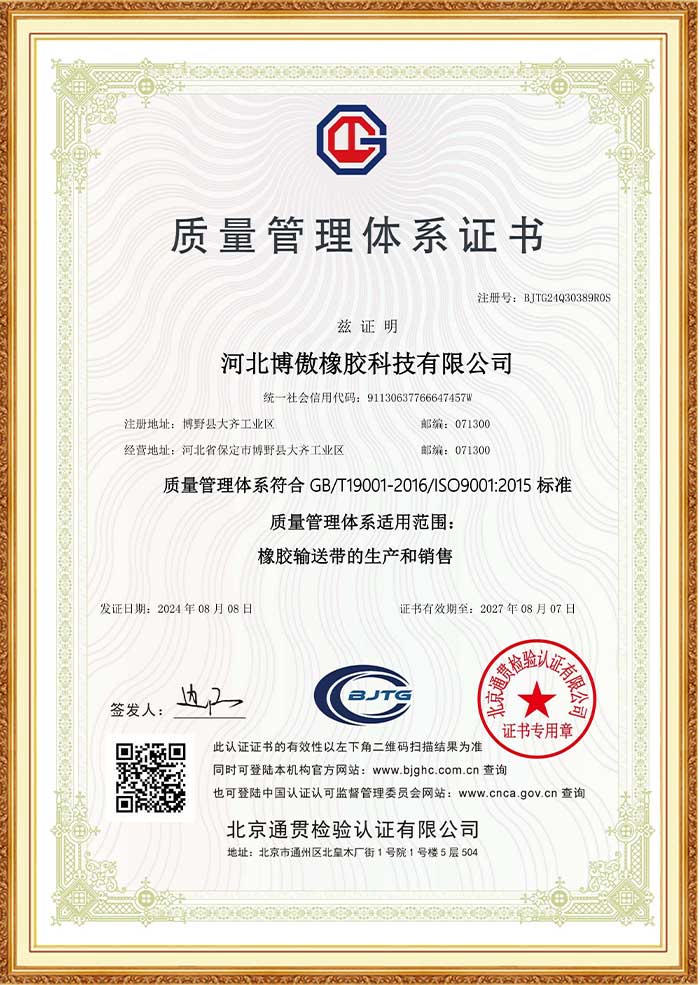
Our quality management systems are fully certified to international industrial standards.
Comprehensive technical support to maximize your conveyor system's lifecycle and operational efficiency.
Scheduled on-site testing, laser tracking alignments, dynamic tension measurements, and preventative cover wear profiling.
Emergency vulcanization splicing, hot mechanical repair patches, and edge wear reconstruction using high-bond adhesives.
Structured warehouse storage advice, temperature-controlled warehousing recommendations, and humidity-managed belt aging preservation.
Upgrading pulley lagging surfaces, optimizing feed chute geometry, and installing impact bed sections to reduce structural stress.
Partnering with major industrial organizations to deliver reliable material handling solutions.
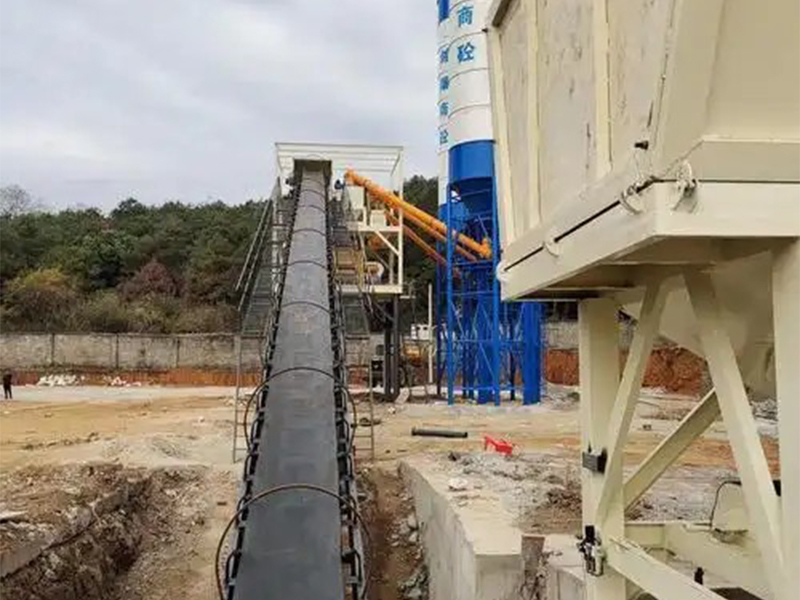
China Railway Group Mixing Plant
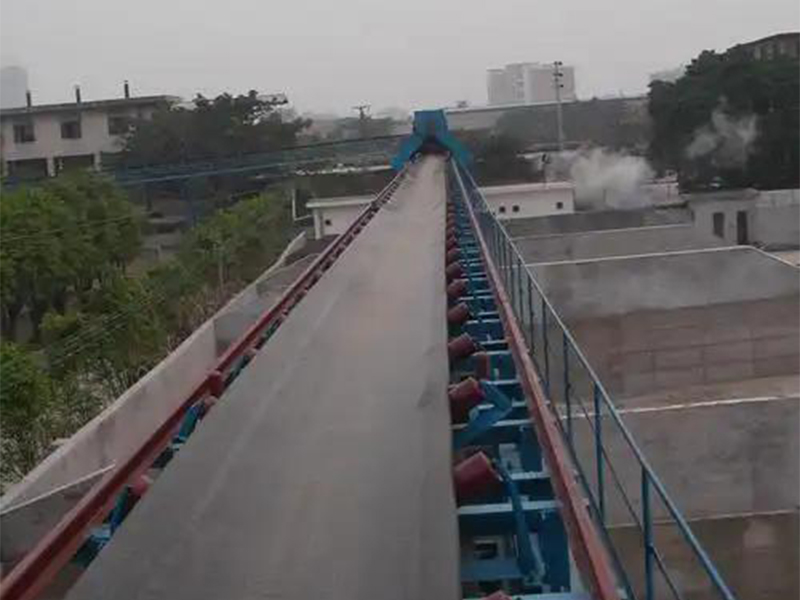
Conch Cement
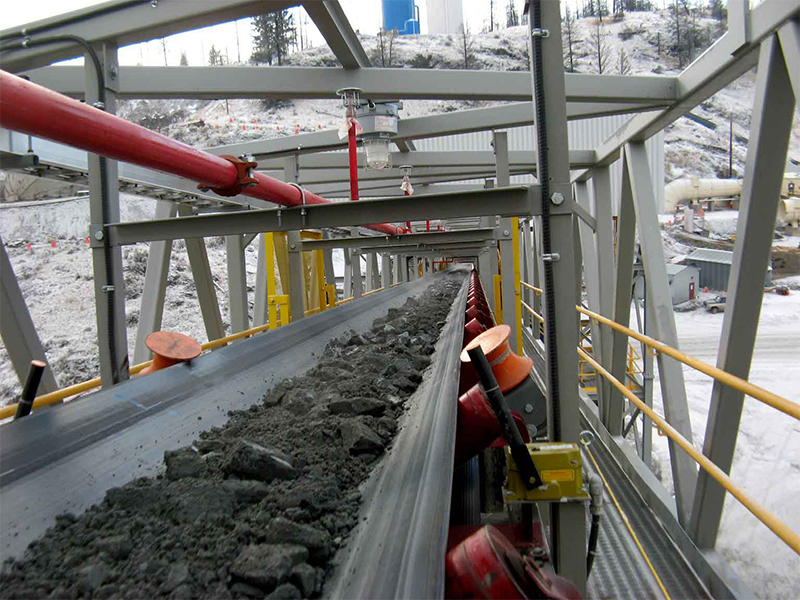
Datong Coal Group
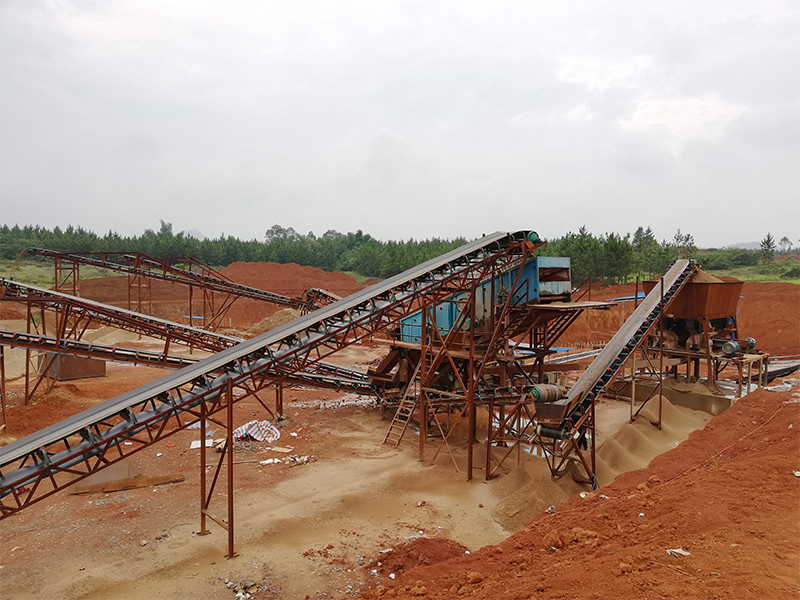
Tsingshan Group
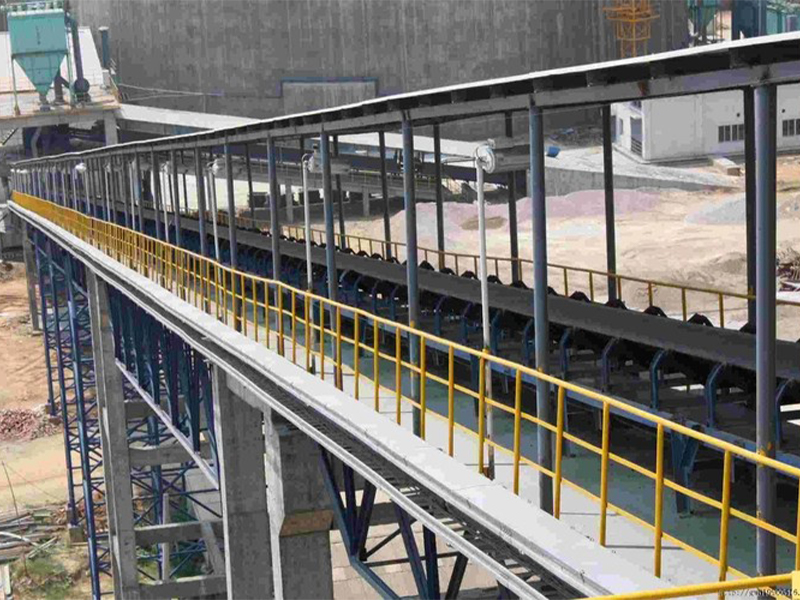
Jidong Cement Group
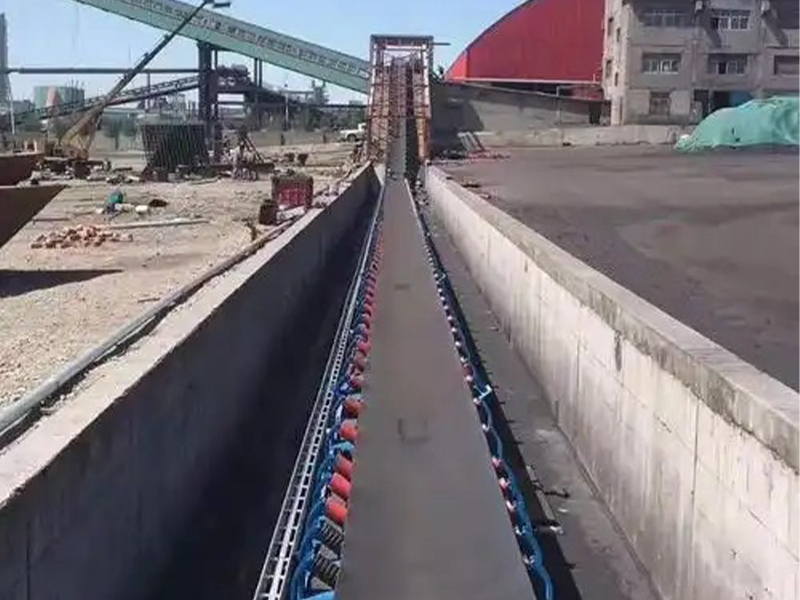
Jinmei Group Coal Conveying Line
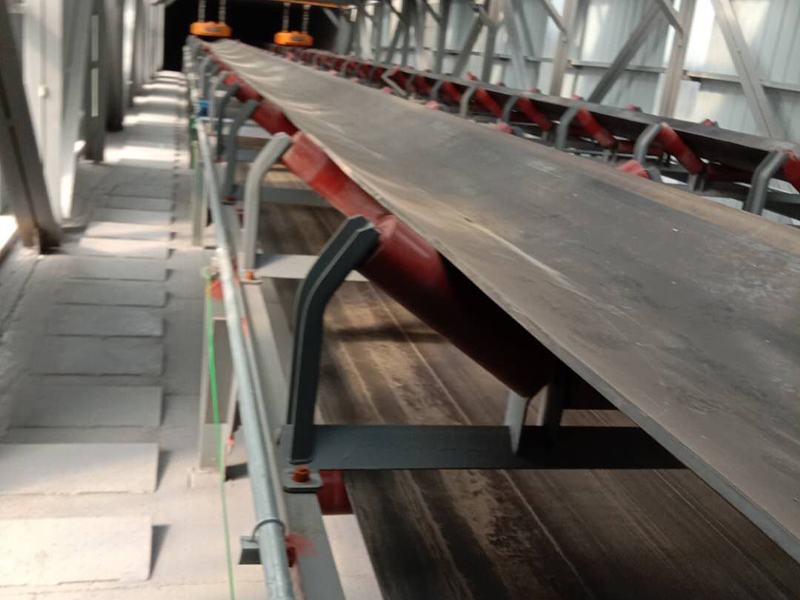
Taihang Steel
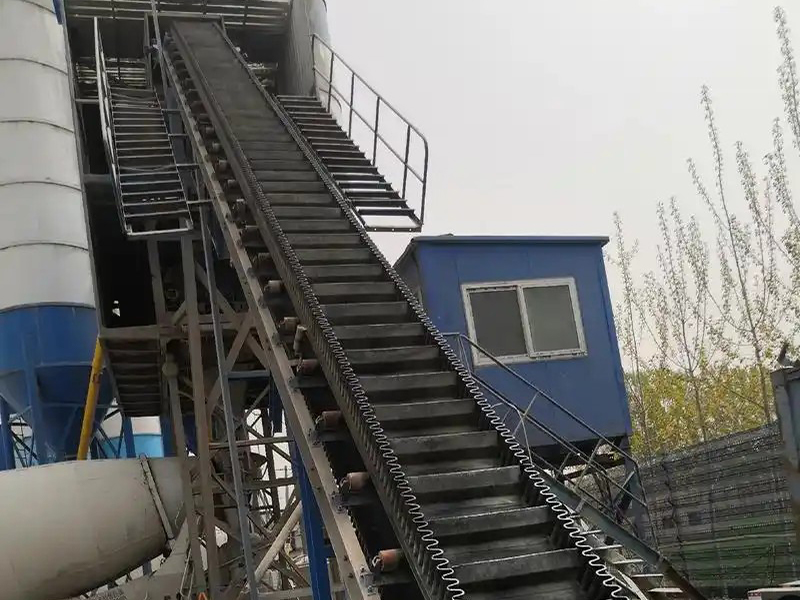
Puyang Steel Group
Technical guidance and answers to common questions about selection, installation, and maintenance.
Complete your sourcing requirements with our high-durability steel cord, nylon, and lightweight conveying systems.
 Boao Rubber