Explore our core product line up engineering high load, anti-abrasive belt configurations, supporting trough systems, and severe-condition impact solutions.
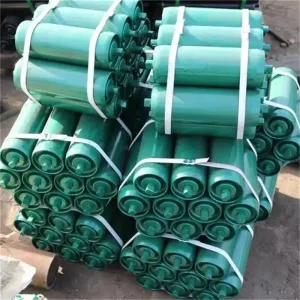
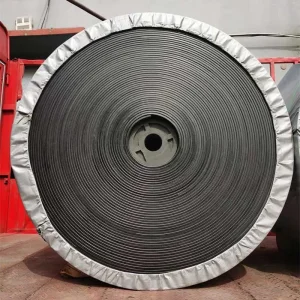
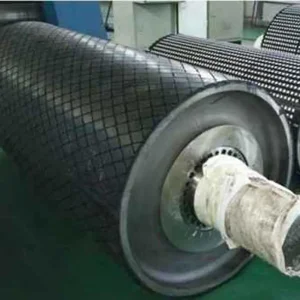
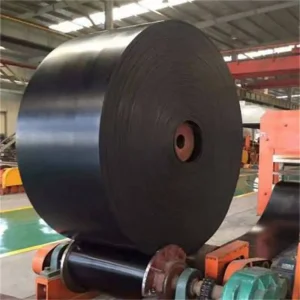
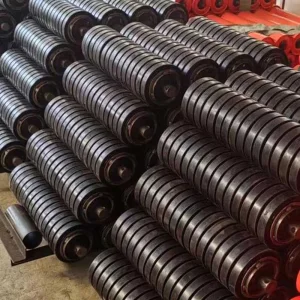
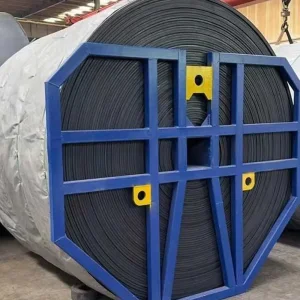
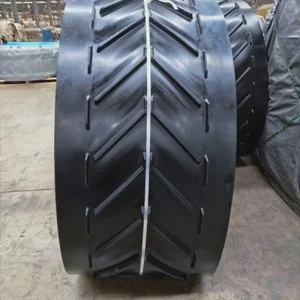
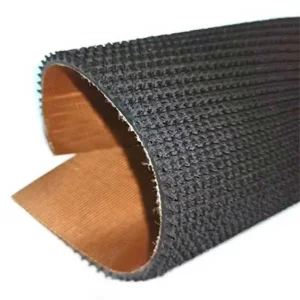
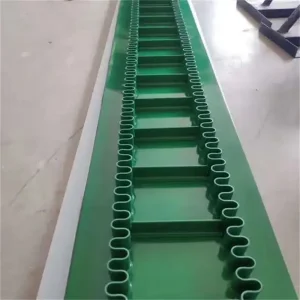
Modern heavy-duty transport structures across metallurgical, mining, and power generation plants demands operational efficiency under increasingly severe incline conditions. Smooth rubber belts fail once conveyor inclines surpass the 15° to 18° threshold due to material slide-back. To resolve this physics limit, the implementation of Herringbone (Chevron) Patterned Conveyor Belts represents the standard technical solution. Through specialized molded profiles (V-shape, open-V, multi-crescent configurations), these systems mechanical anchor aggregates, powders, coal, and cement, achieving efficient transfer up to 45° angles.
In the modern industrial landscape, rubber conveyor belts have become the backbone of bulk material transport systems across multiple sectors. From mining operations extracting raw materials from deep underground to port facilities handling millions of tons of cargo annually, heavy-duty rubber belts facilitate the seamless movement of materials that power our global economy. The evolution of these critical components reflects decades of engineering innovation, material science breakthroughs, and an unwavering commitment to operational efficiency and safety.
Historically, the limitations of standard transport paths restricted conveyor designs to gradual gradients, adding significant footprint, infrastructure costs, and transit times. Incorporating elastomer profiles vulcanized directly into the base belt cover revolutionized layout parameters. The modern Herringbone Belt utilizes proprietary synthetic and natural rubber formulations designed to resist high wear, environmental stress, and impact forces, providing optimized transport vectors without sacrificing system longevity.
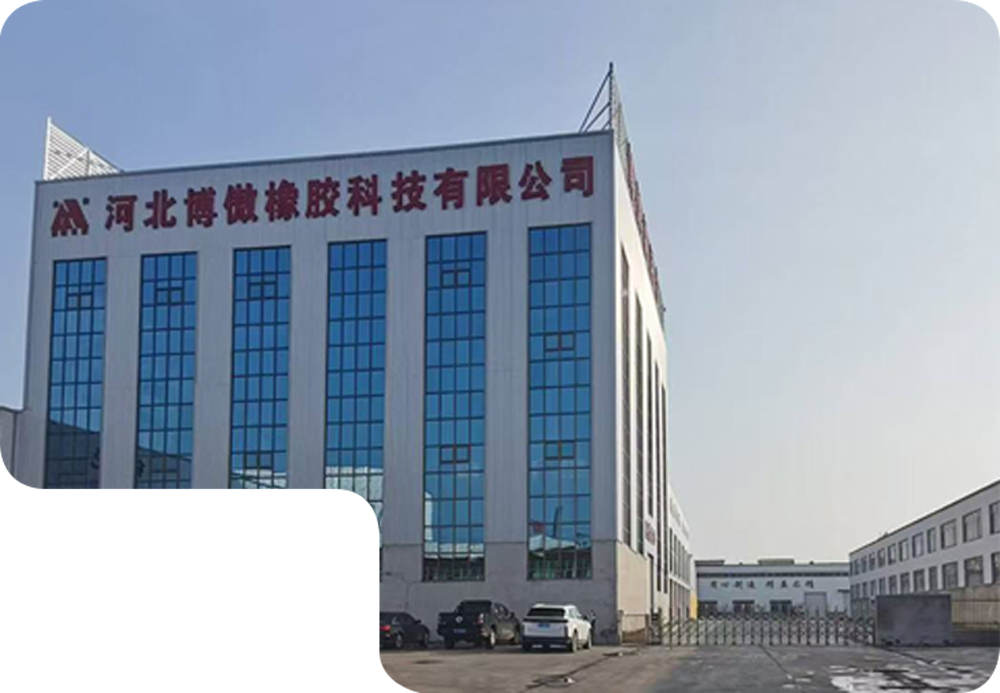
Based in the prominent Rubber Industrial Park of Boye County, Baoding, Hebei Province, Hebei Boao Rubber Technology Co., Ltd. (producing under the internationally recognized "Jinao" brand) has served as an industry pioneer since 2004. Spanning over 30 acres of advanced research and fabrication space, we integrate design, compound formulation, mechanical vulcanization, and global logistics service in-house.
Our QA/QC laboratories feature state-of-the-art physics testing apparatuses and chemical analysis rooms. We screen raw elastomer consignments before compounding, monitoring tensile indices, DIN wear limits, and rubber-to-fabric ply adhesion, strictly enforcing our mandate: *No sub-standard material is processed; no uncertified belt leaves the facility.*
The functional mechanism of Herringbone (Chevron) profiles depends on pattern spacing, cleat height, and layout orientation relative to material composition.
Designed for large-sized materials such as coal blocks, mineral ores, and heavy aggregates. High cleats construct structural pockets that physically lock larger fractions during steep vertical ascents, preventing material rollback.
Optimized for fine, powdery materials such as sand, cement raw meal, gypsum, and fine grains. The low-profile structure stabilizes material layers, decreasing air-resistance loss and protecting fine dust from wind drift.
Closed V-cleat layouts trap fluid components and offer drainage protection, making them ideal for wet slurry transportation. Open-V patterns allow water to run off, facilitating self-cleaning when processing moist materials.
Standard industrial belt systems rely purely on the gravity-dependent frictional coefficient between the cover rubber layer and the material. For dry silica sand, the angle of repose sits around 30°, but active dynamic movement reduces the safe conveying limit to ~15°. When the gradient exceeds this angle, gravity overcomes friction. Herringbone cleats introduce mechanical interlocking forces. The V-shape serves a secondary purpose: it centers the material within the troughing area of the belt, reducing spillages at transfer points and increasing system capacity by up to 20% compared to flat profiles.
Procuring high-quality patterned conveyor belts globally requires aligning with precise international testing paradigms and safety standards.
Heavy industries in North America, Europe, Australia, and South America require conveyor belts to meet localized safety certifications. Whether operating under ground or in open-air terminals, procurement teams evaluate several core mechanical features:
Specifies the volumetric loss of rubber under friction. For harsh mining applications handling granite or iron ore, DIN-X (volume loss ≤ 120 mm³) or DIN-Y (volume loss ≤ 150 mm³) grades are required to prevent premature pattern wear.
Multi-ply fabric configurations (EP/NN) must maintain high adhesion (typically ≥ 4.5 N/mm between plies) to prevent delamination under the extreme cyclic bending stress experienced during incline transitions.
Essential for underground mining systems. Combustible dust and mechanical friction present explosion hazards; specialized anti-static and flame-resistant rubber compounds mitigate safety risks.
Compare our core conveyor belt specifications. We construct customized profiles for various industrial operational parameters.
| Belt Structure / Core Type | Common Tensile Rating (N/mm) | Applicable Incline Angle | Cover Wear Rate (DIN 22102) | Primary Industrial Application |
|---|---|---|---|---|
| EP (Polyester) Layered Belt | EP 100 - EP 400 (per ply) | 0° to 22° (Flat) / up to 35° (Chevron) | 90 - 150 mm³ | Gravel, Sand, Cement Plants, Mining |
| NN (Nylon) Layered Belt | NN 100 - NN 500 (per ply) | Up to 38° with Herringbone Cleats | 80 - 120 mm³ | Metallurgical Plants, Quarrying, Coal |
| Steel Wire Rope Core Belt | St 630 - St 5400 | Up to 40° (Patterned Options) | < 90 mm³ (Premium Cover) | Long-distance Overland Ore Transport |
| PVC / PU Light Weight Belt | 80 - 300 N/mm | Up to 30° (Profiled cleats) | Application Specific | Food Handling, Grain Depots, Logistics |
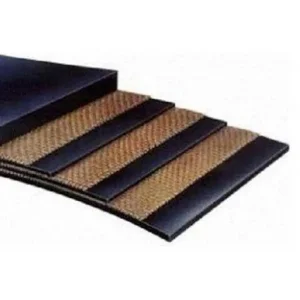
Selecting the reinforcement matrix is critical. EP (Polyester-Nylon) fabrics feature low elongation under tension, making them ideal for long-distance conveyors where take-up travel is limited. NN (Nylon-Nylon) fabrics offer excellent elasticity and impact resistance, making them ideal for heavy dumping zones. For ultimate high-tension requirements over deep spans, Steel Wire Rope Core Belts ensure zero permanent stretch and high splice life expectancy.
Our manufacturing processes are certified to international quality and environmental management standards, ensuring consistent, high-performance product delivery.
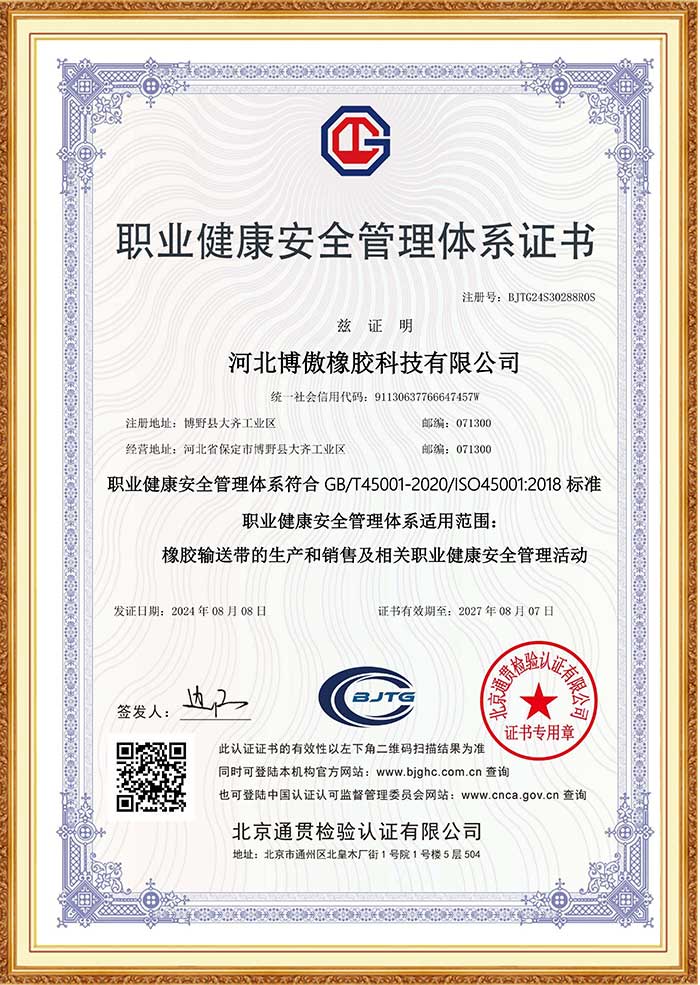
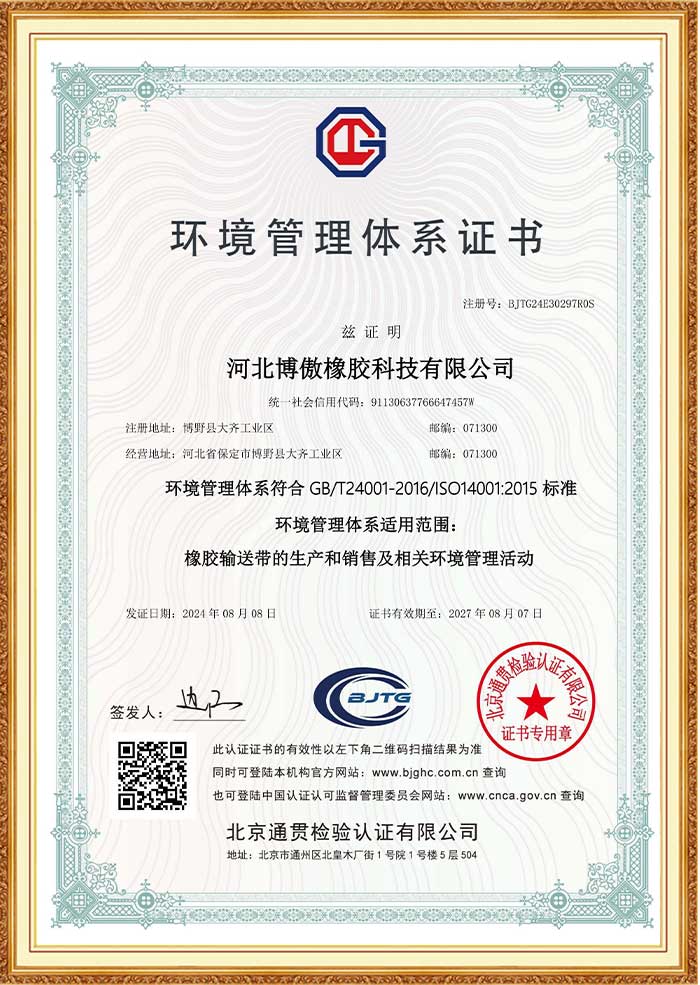
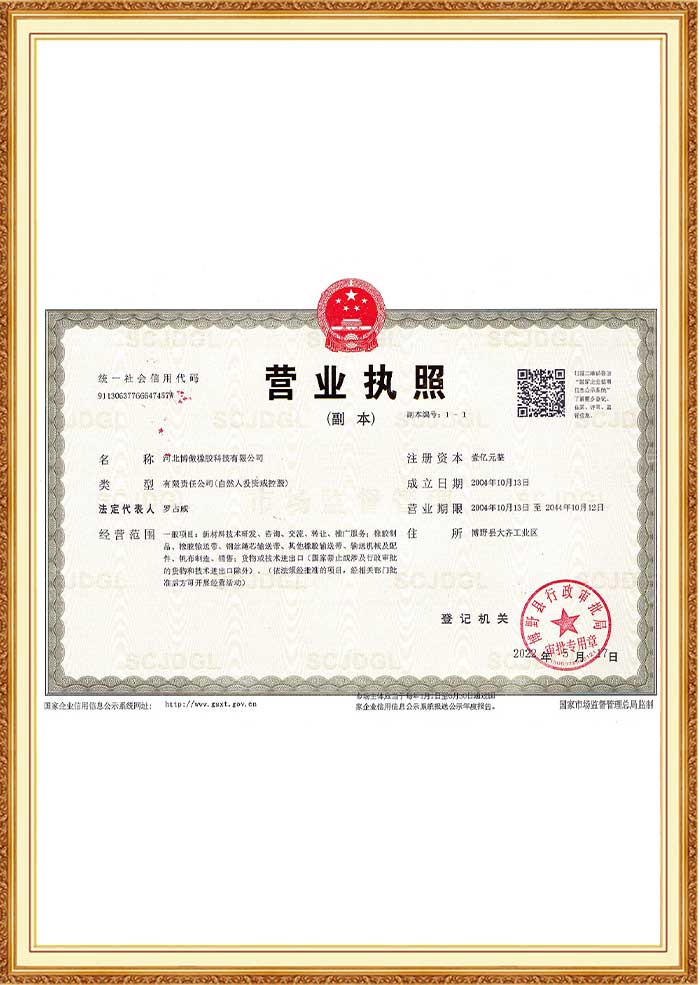
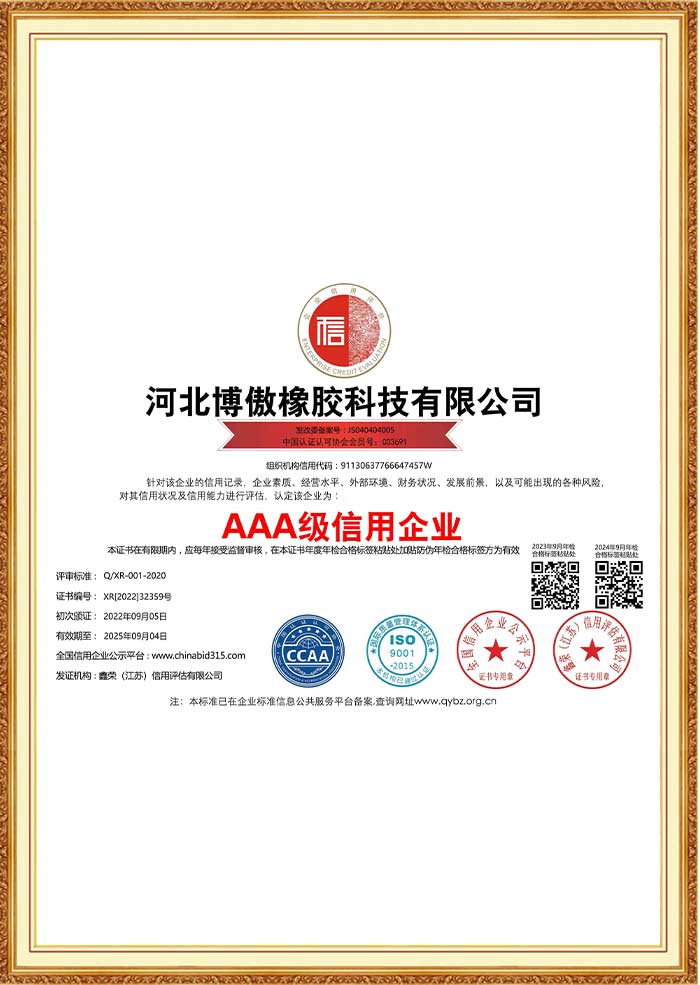
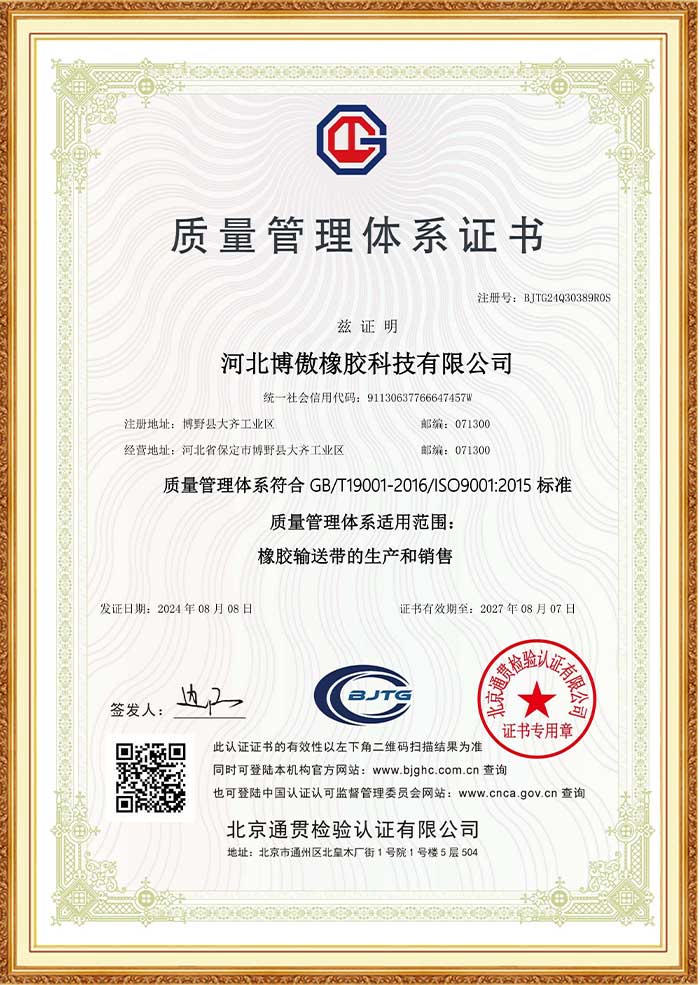
Boao belts are deployed across major industrial operations, handling high-tonnage materials under severe working conditions.
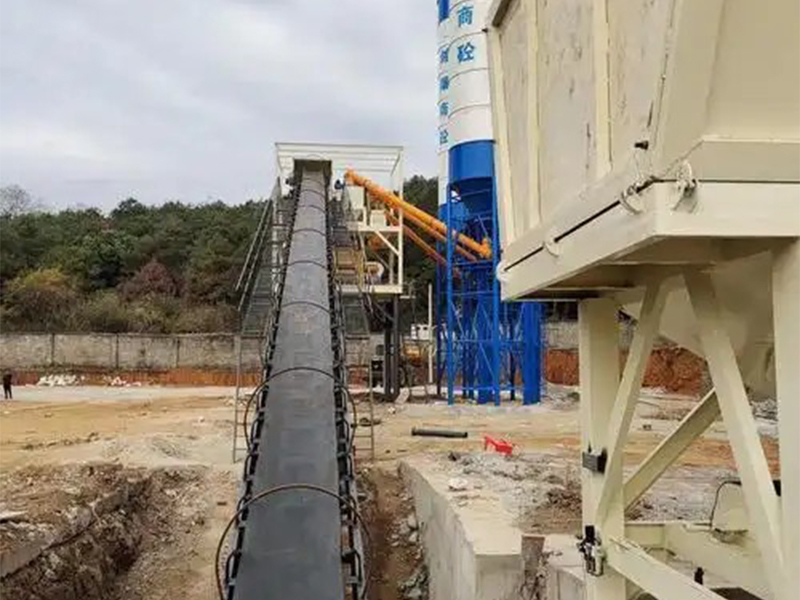
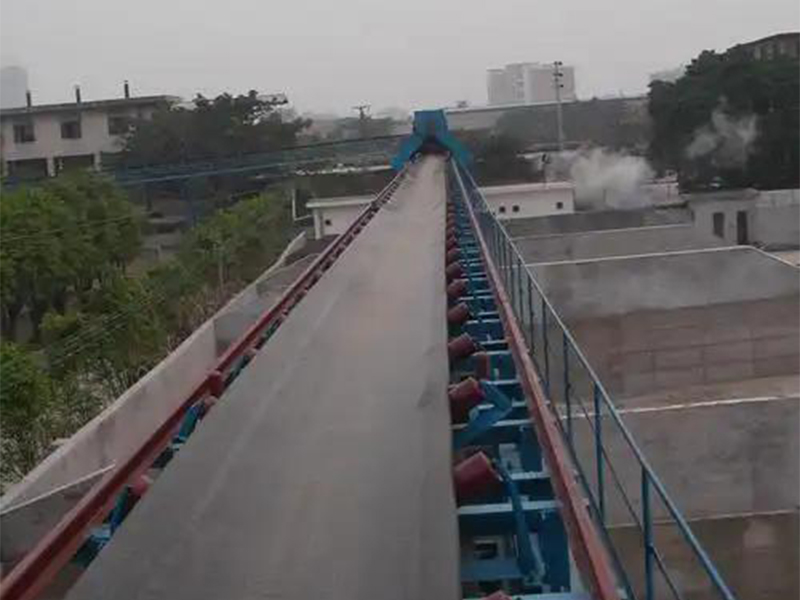
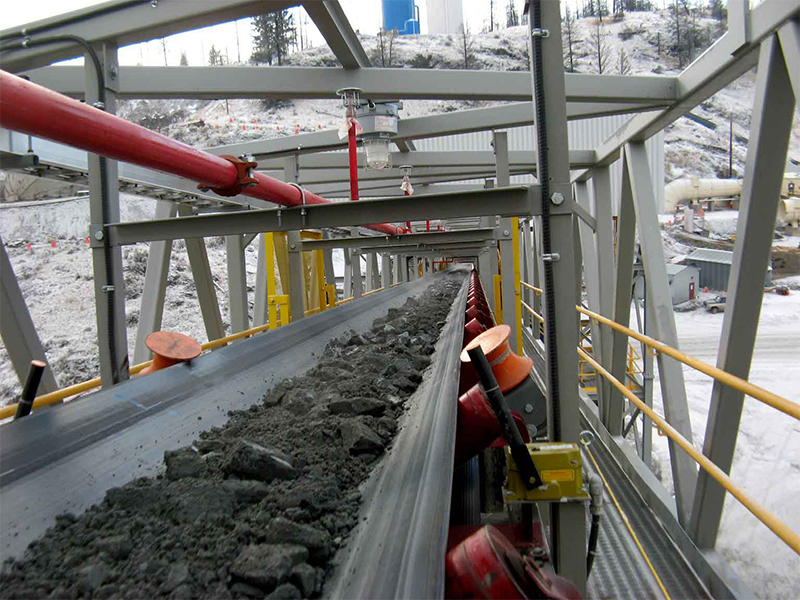
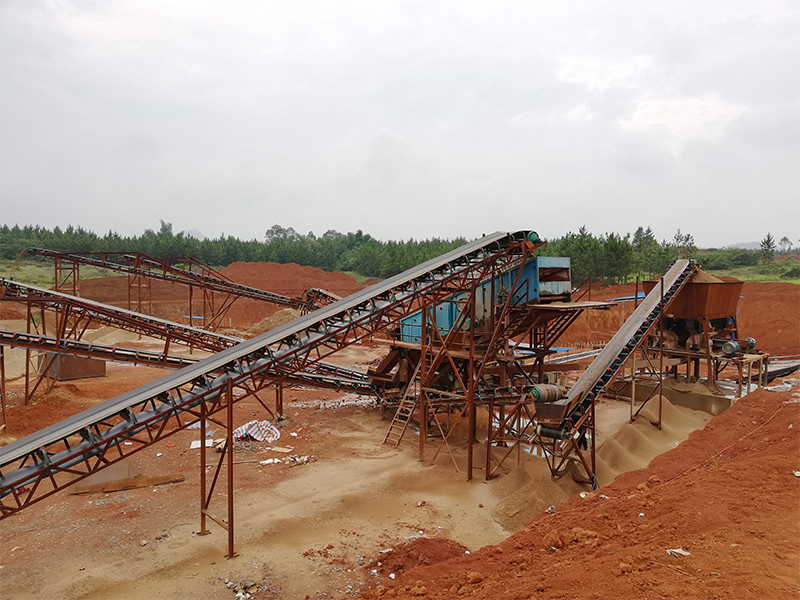
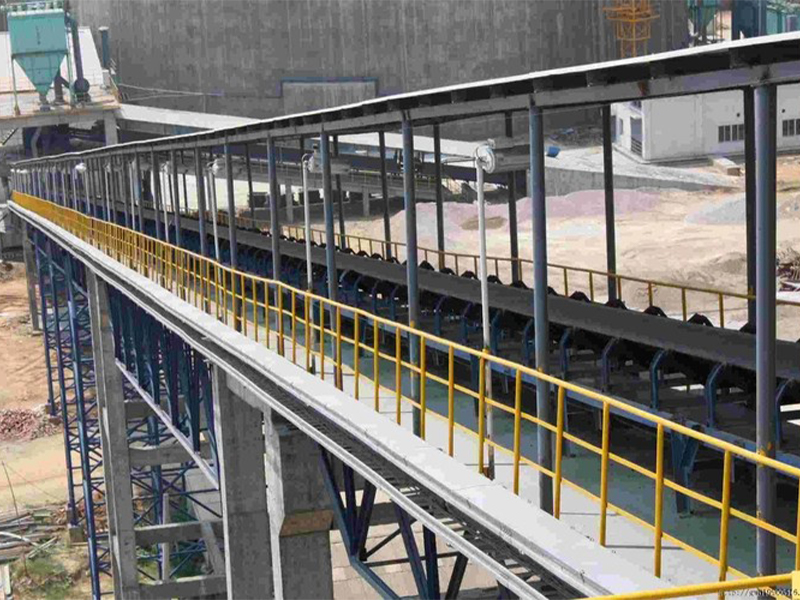
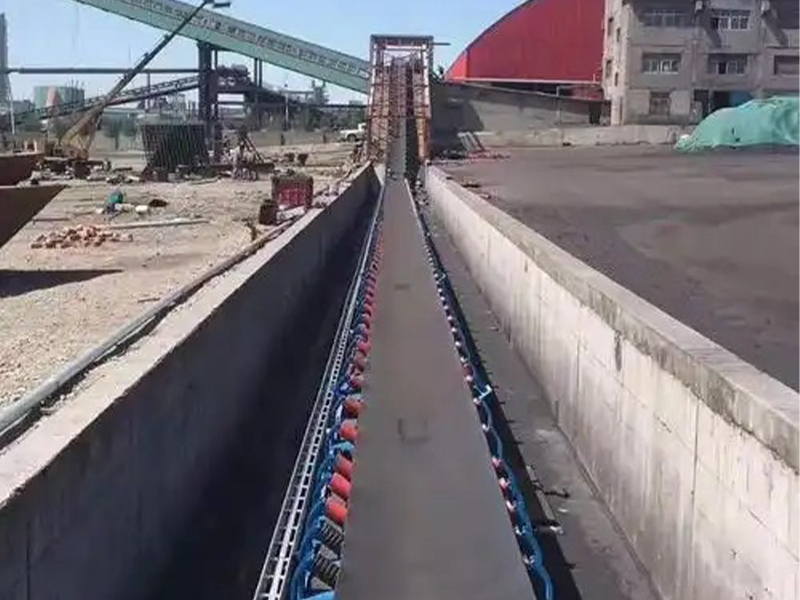
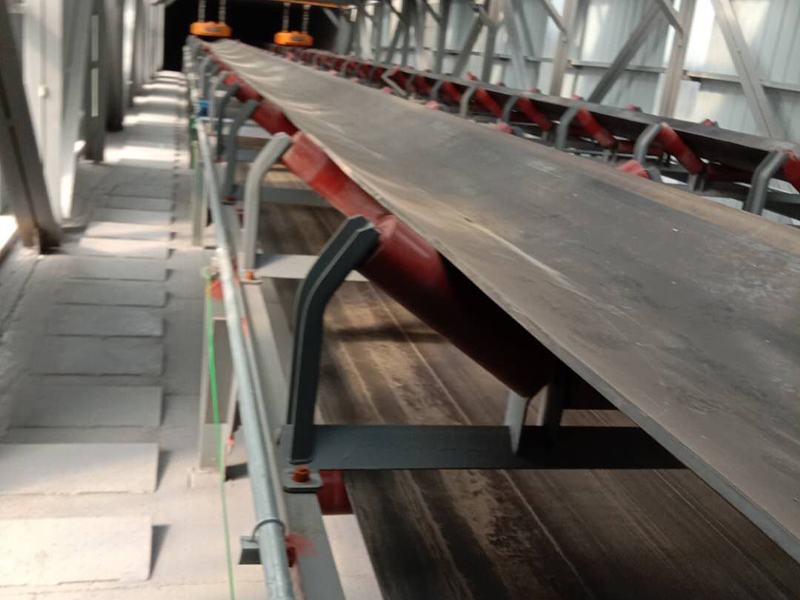
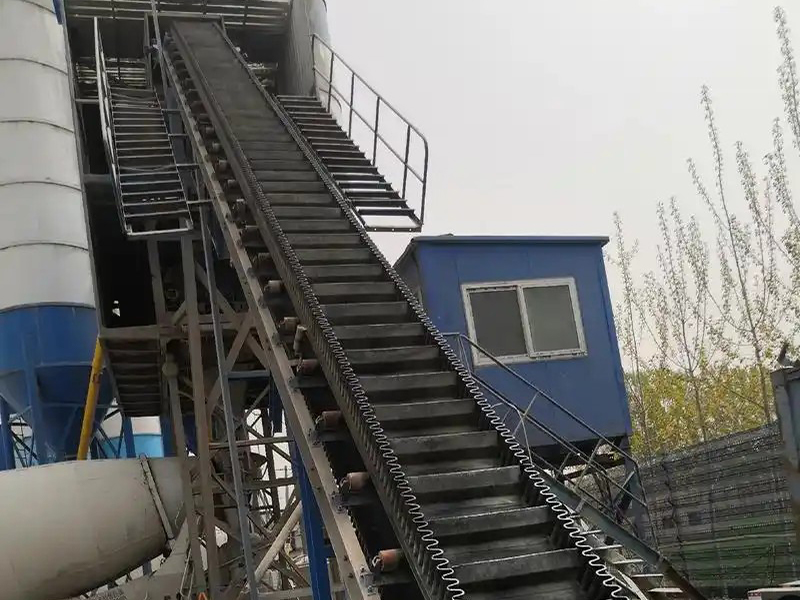
From supplying high-tensile strength belts to the Datong Coal Group for underground mine extraction, to delivering thermal-wear resistant compounds for Conch Cement clinker systems, our material formulations are tailored to meet challenging performance requirements. At Tsingshan Group facilities, our corrosion-resistant acid/alkali belts handle demanding mineral leaching outputs, maintaining system uptime and operational reliability.
We provide end-to-end support for our conveyor belts, offering technical service plans that maximize system performance and extend wear life.
We offer systematic on-site auditing of conveyor paths, tracking misalignment, frame deflection, and belt cover wear rates. Regular inspections identify potential issues early, helping prevent unplanned system downtime.
Our team assists clients in establishing localized spare inventory plans, sizing backup rolls to match operational specifications and ensuring critical components are available for rapid dispatch when required.
We offer hot and cold vulcanized joint splicing kits and on-site engineering instructions. A properly executed finger joint splice maintains up to 90% of the belt's original tensile rating, preventing splice failures.
We supply fast-curing polyurethane elastomers and patch strips for repairing cover gouges. Sealing minor surface damage early prevents moisture penetration and protects the inner fabric matrix from degradation.
As global logistics systems transition toward automation, our conveyor belt designs incorporate smart materials and digital monitoring technologies.
Next-generation "Jinao" conveyor belts are designed to incorporate embedded RFID transponders and continuous sensor arrays. These sensors monitor real-time mechanical stresses, detect cover penetration by foreign objects, and transmit data to centralized PLC systems, enabling predictive maintenance schedules.
To meet strict environmental standards, we are developing bio-synthetic rubber alternatives and eco-friendly vulcanization agents that reduce volatile organic compound (VOC) emissions during processing. These formulations maintain standard wear and ozone resistance profiles while reducing overall environmental impact.
To support space-constrained transit paths, our engineering team is analyzing cleat-to-roller interface stresses. By tailoring the flexural modulus at the base of Herringbone profiles, we reduce joint stresses as the belt runs over flat-faced return rollers, helping extend the working life of the chevron cleats.
Find answers to common technical and operational questions regarding steep-incline herringbone conveyor belt systems.
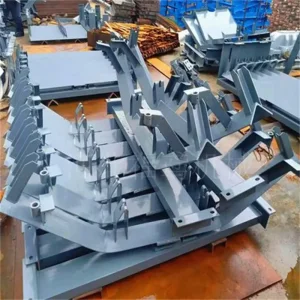
Explore our range of supporting components, including heavy-duty trough idlers, brackets, and cold-resistant belting solutions designed to maintain system alignment.
 Boao Rubber