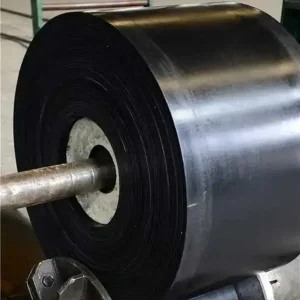
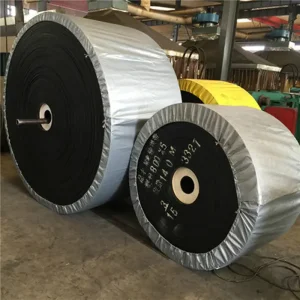
Explore our high-performance, heavy-duty industrial belt portfolio, engineered for global manufacturing, bulk material handling, and rigorous conveying environments.
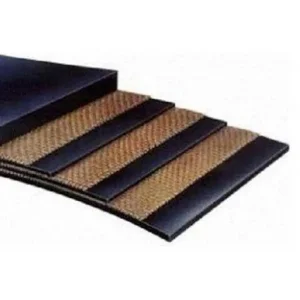
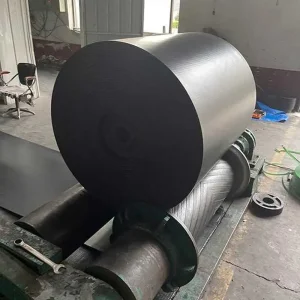
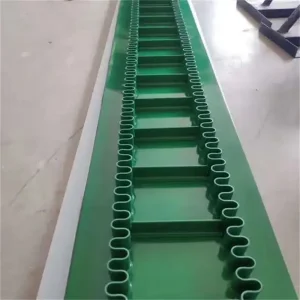
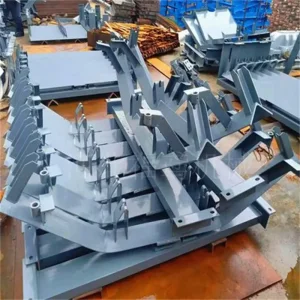
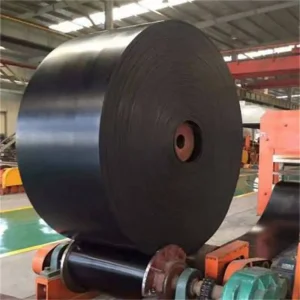
A premier China manufacturer integrating R&D, design, manufacturing, and global industrial service.
Founded in 2004, Hebei Boao Rubber Technology Co., Ltd. (operating under our flagship brand "Jinao") has evolved into one of China's most trusted manufacturers and factories for heavy-duty industrial rubber canvas flat belts, layered conveyor belts, and associated support machinery. Situated in the Boye County Rubber Industrial Park, Baoding, Hebei Province, our facilities span over 30 acres of modern production floor space.
We are committed to delivering engineering excellence through state-of-the-art production lines. From automated mixing, rolling, and carcass ply building to large-scale plate vulcanizers, every aspect of our manufacturing chain is monitored. Our focus on quality ensures our rubber canvas flat belts and conveyor belts perform under the most severe working conditions.
An in-depth analysis of material dynamics, global supply chain paradigms, and advanced manufacturing practices.
In the modern industrial landscape, rubber conveyor and transmission belts serve as the primary arterial network for bulk material handling. Historically, material transport relied heavily on simple leather and standard cotton belts, which suffered from rapid elongation, low tensile strengths, and poor resistance to environmental elements.
The introduction of Rubber Canvas Flat Belts revolutionized heavy industries. By integrating high-strength canvas fibers—initially high-grade cotton, followed by synthetic Polyamide (Nylon / NN) and Polyester (EP)—with optimized elastomeric rubber matrix covers, engineers created composites that withstand severe tension, dynamic flexing, and abrasive wear.
Today's flat belts are not merely raw bands of rubber; they are complex material structures designed using advanced polymer crosslinking. These belts are calibrated to operate under high tension while maintaining longitudinal stability, preventing elongation, and resisting lateral deformation. The canvas plies act as the primary tensile engine, while the rubber formulation provides critical protection against friction, impact, heat, and chemical exposure.
Industrial manufacturing demands specialized belt solutions designed for specific material characteristics. Standard off-the-shelf conveyor belts cannot meet the varying needs of sectors such as steel production or chemical processing:
Our manufacturing facility in Hebei Province leverages modern industrial standards to provide global procurement departments with clear advantages in lead times, quality control, and cost efficiency.
Digital Recipe Formulation & Automated Mixing: The performance of rubber cover compounds relies on accurate chemical mixtures. Our factory utilizes computerized internal mixers to ensure uniform distribution of carbon black, vulcanizers, and anti-aging agents. This high precision guarantees consistent tensile strength across every production run.
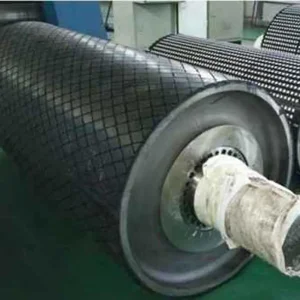
Vertical Integration: By producing both the core rubber belting and supporting hardware (including custom conveyor brackets, impact idler rollers, and ceramic pulley lagging), we eliminate sub-component sourcing delays. This integrated production model ensures all components fit together seamlessly, simplifying maintenance and extending the operating life of the entire conveyor system.
Continuous Vulcanization Monitoring: We operate large-scale plate vulcanizers equipped with automated temperature and pressure sensors. This real-time control prevents under-curing, which causes ply separation, and over-curing, which leads to rubber brittleness.
When sourcing industrial rubber canvas belts, technical procurement teams should evaluate the following structural specifications:
We operate independent physical and chemical laboratories to ensure no substandard materials enter or leave our plant.
We verify the purity of raw materials, polymer compositions, and aging characteristics before mixing to ensure consistent product performance.
We perform rigorous tests for tensile strength, elongation at break, abrasion resistance, and ply adhesion to ensure all belts meet or exceed international standards.
Our quality control program operates on a strict double-inspection protocol. Unapproved raw materials are rejected, and non-conforming finished products never leave the factory.
A comprehensive overview of the "Jinao" brand product lineup, engineered to meet diverse material transport requirements.
Our quality management systems are certified to meet international standards for industrial manufacturing.
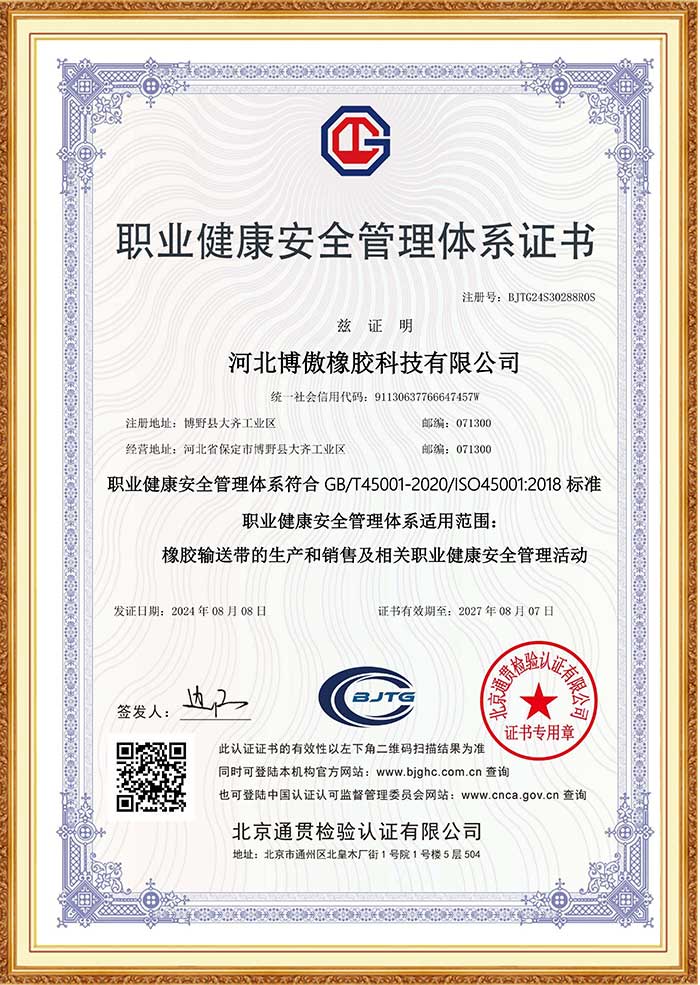
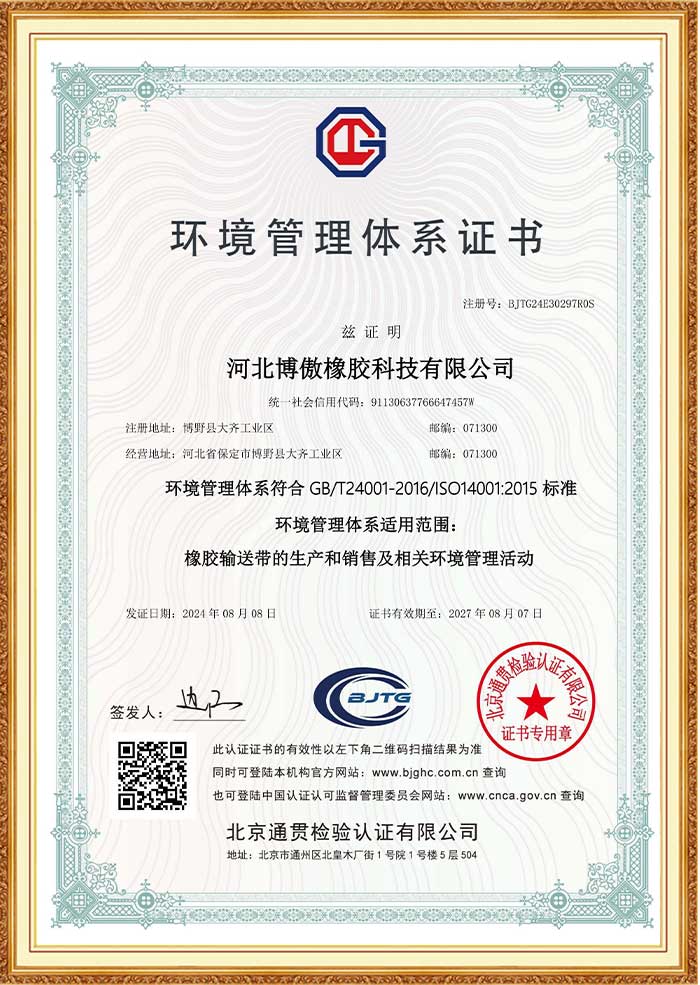
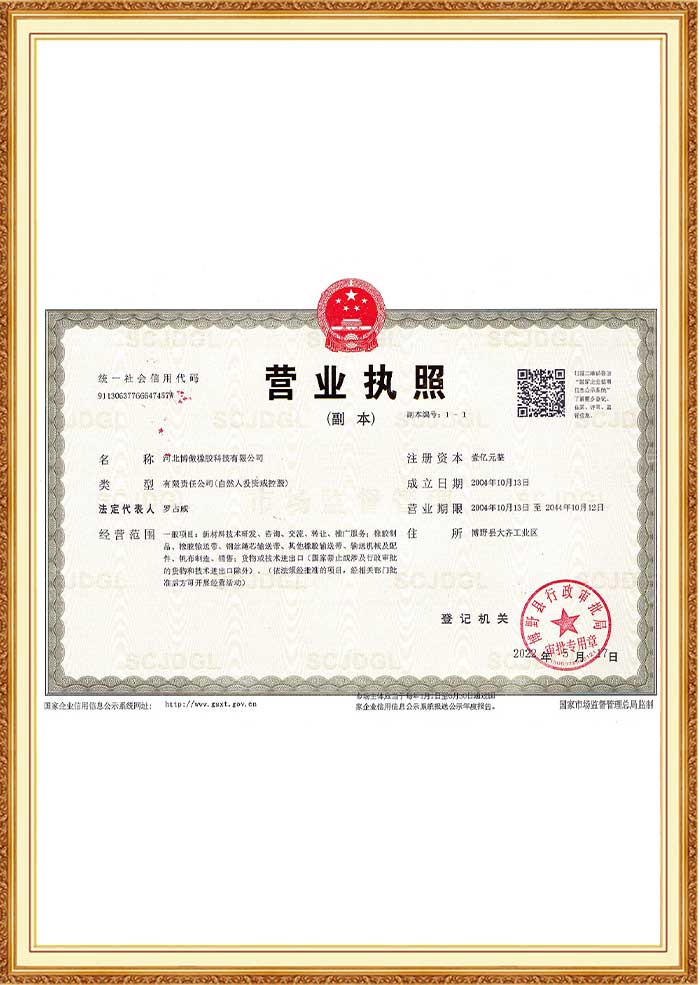
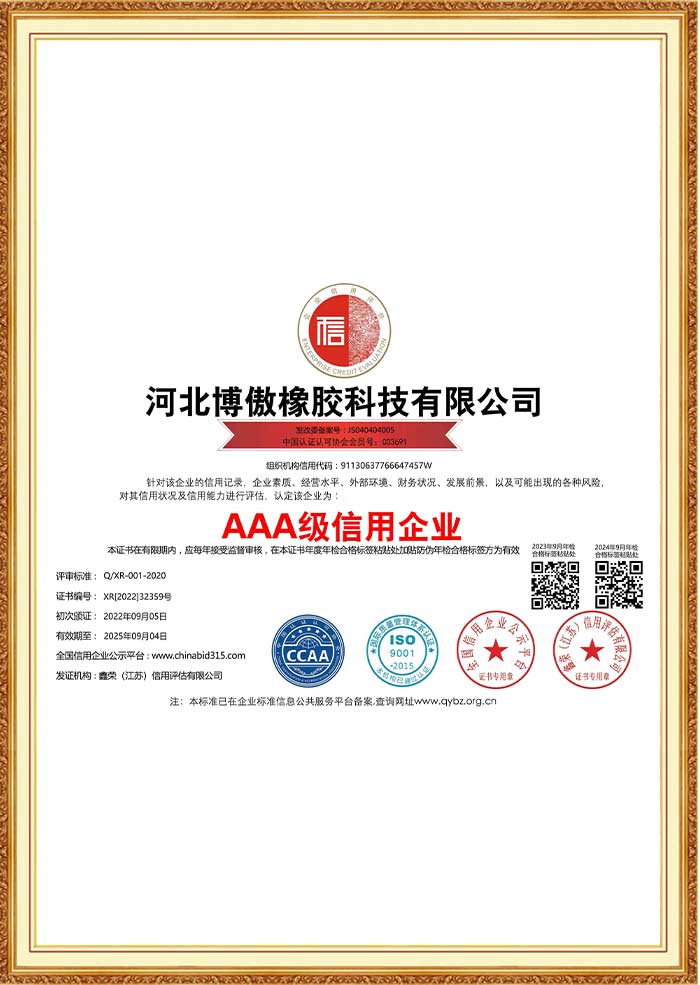
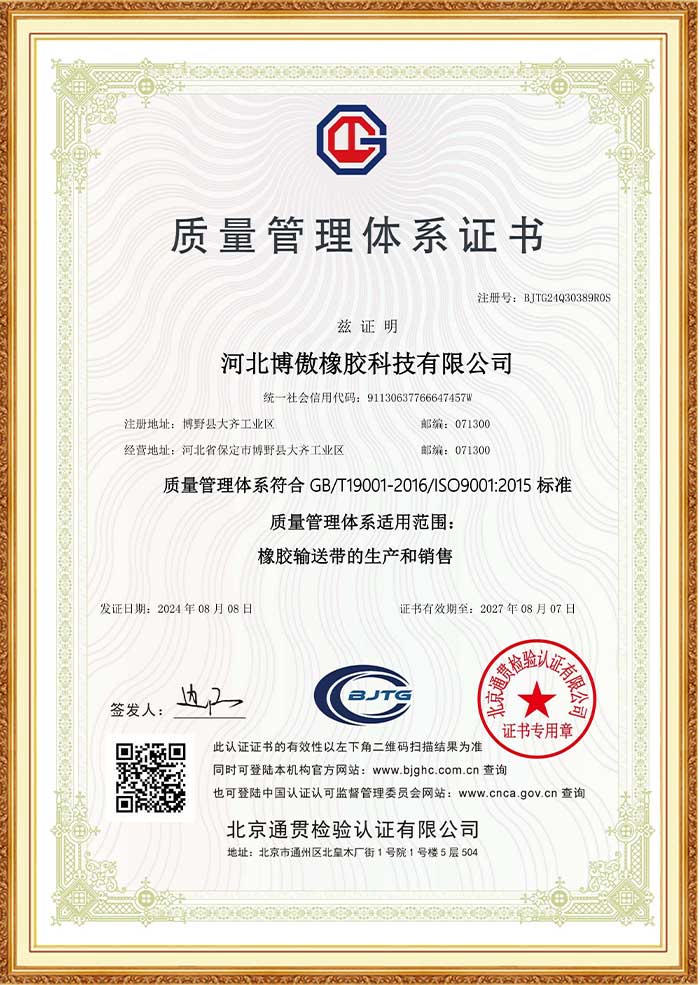
We supply high-performance conveyor belting to major state-owned enterprises, steel manufacturers, and mining groups.
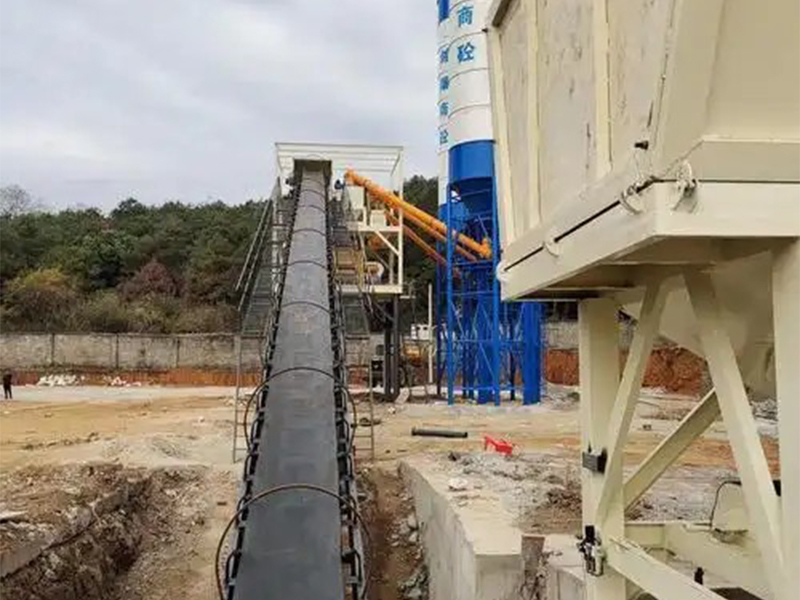
China Railway Group Mixing Plant
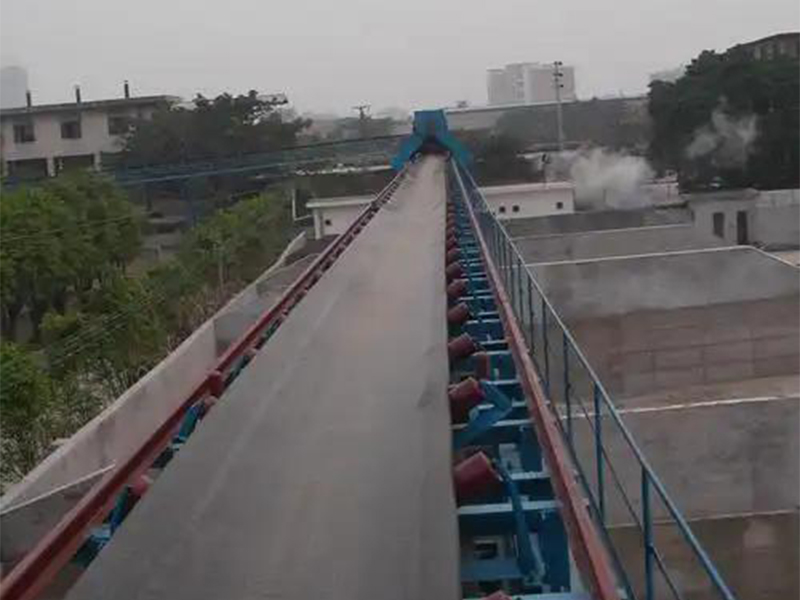
Conch Cement
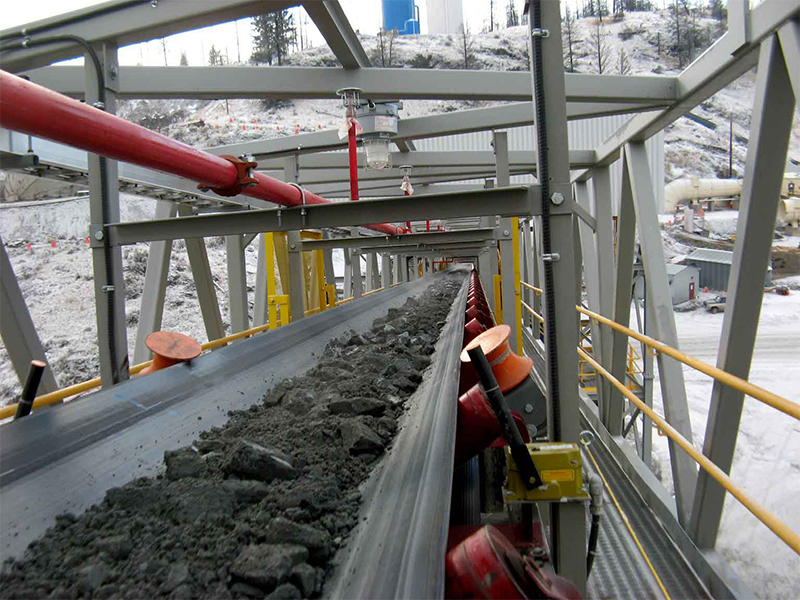
Datong Coal Group
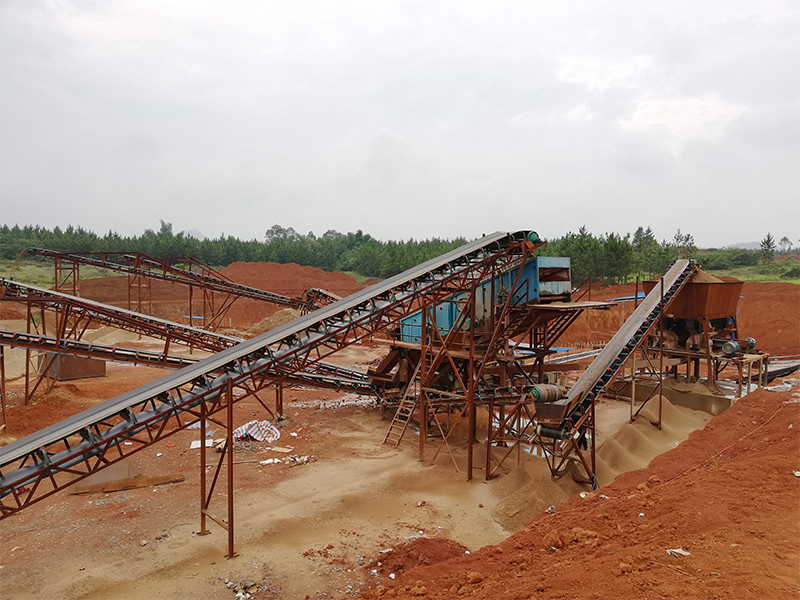
Tsingshan Group
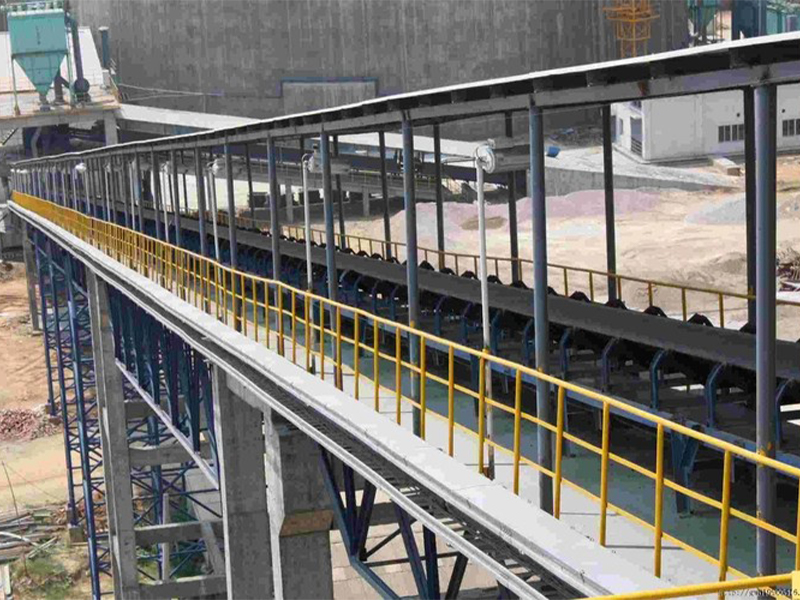
Jidong Cement Group
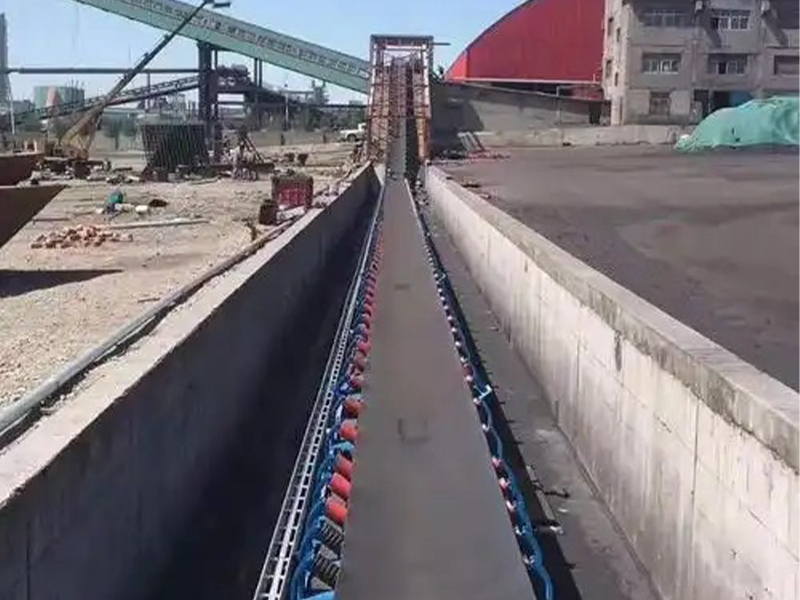
Jinmei Group Coal Conveying Line
Taihang Steel
Puyang Steel Group
We provide full lifecycle technical support to maximize conveyor performance and minimize unplanned downtime.
Our engineers evaluate your conveyor systems, including pulley diameters, material drop heights, and tension requirements, to recommend the optimal belt specification.
We work with high-volume buyers to manage safety stock levels, helping minimize lead times and avoid costly emergency maintenance shutdowns.
We provide detailed guidelines and parameters for cold bonding and hot vulcanized splicing to ensure strong, reliable joints and long service life.
Contact Hebei Boao Rubber Technology Co., Ltd. today. Our engineering team will assist with custom specifications, quote configurations, and sample testing options.
Inquiry NowFind answers to common questions about industrial rubber canvas flat belts, material selection, and procurement.
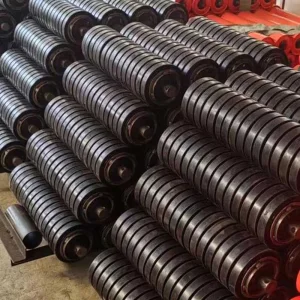
Explore our supporting conveyor hardware, impact idlers, brackets, and highly durable specialty rubber belts.
 Boao Rubber