Explore our specialized heavy-duty conveyor belts, idlers, and engineered support brackets designed to work in synergy with industrial tail drum pulleys.
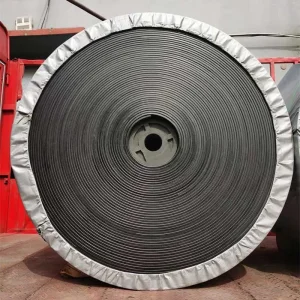
How engineering designs determine system efficiency, reduce downtime, and withstand severe dynamic loads.
In bulk material handling, conveyor systems are the arteries of production. At the terminal point of these systems lies the tail drum pulley (also known as the tail pulley or return drum). Positioned at the back end or loading point of the conveyor, the tail drum pulley serves a dual purpose: it acts as a turnaround point for the returning conveyor belt and provides structural tensioning to prevent belt slippage. Because the tail pulley is located directly beneath the loading zone, it is constantly subjected to massive impact forces, material spillage, and high static and dynamic belt tension.
“An inadequately engineered tail pulley leads to rapid bearing degradation, shaft fatigue, and conveyor belt misalignment—costing operators thousands of dollars in unscheduled downtime. Selecting a tail drum pulley manufactured to rigorous mechanical specifications is critical to industrial success.”
Globally, heavy industries like coal mining, iron ore processing, cement manufacture, and harbor terminals require tail drum pulleys designed to CEMA (Conveyor Equipment Manufacturers Association) or DIN 22101 guidelines. High-performance tail pulleys incorporate heavy-duty crowned shells to facilitate self-centering of the belt, robust keyless locking assemblies (like expansion hubs) to securely lock the shaft to the end discs, and spherical roller bearings housed in solid steel pillow blocks to handle heavy radial loads.
Unrivaled supply chain integration, precision engineering, and quality assurance workflows at Hebei Boao Rubber Technology.
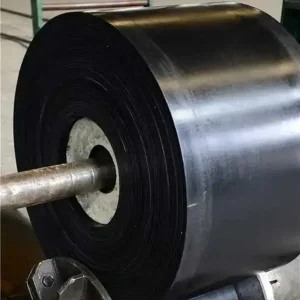
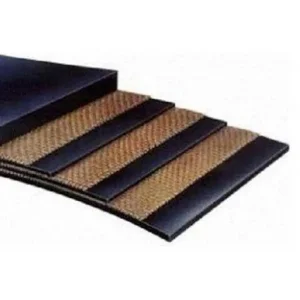
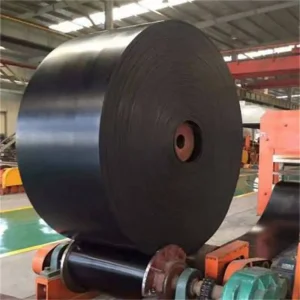
China has become the global hub for conveyor component manufacturing due to structural cost advantages and deep metallurgical expertise. However, the true value of sourcing from China lies in integrated manufacturing. Leading industrial factories, such as Hebei Boao Rubber Technology Co., Ltd. (founded in 2004, operating under the renowned "Jinao" brand), possess the unique capability to produce both the rubber conveyor belts (NN, EP, Steel Cord) and the matching hardware—including conveyor pulleys, roller brackets, and idlers. This cross-product engineering synergy guarantees that the belt and pulley systems are optimally matched for friction coefficients, tracking behaviors, and operational wear rates.
Our Hebei-based factory covers an area of over 30 acres in the Rubber Industrial Park of Boye County. We operate advanced production lines for rolling, forming, vulcanization, and material testing. To maintain the highest quality standards, we implement an independent chemical analysis room and a physical testing laboratory. This ensures that every raw material—from steel plates used for pulley shells to the natural rubber formulated for pulley lagging—undergoes strict verification before hitting the assembly line.
Our facility operates chemistry and physics laboratories monitoring every link from procurement to delivery. Unqualified components never leave the factory floor.
All tail drum pulleys undergo dynamic balancing (ISO 1940 standard) to eliminate centrifugal forces, reduce vibration, and prolong bearing life.
From rolling and forming to vulcanization and final testing, our synchronized conveyor system lines yield higher dimensional accuracy and shorter lead times.
Standard parameters designed to operate under harsh bulk material handling conditions.
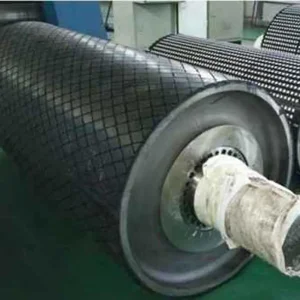
Selecting the appropriate tail drum pulley configuration involves assessing structural load capacities, structural geometry, and ambient environmental conditions. A heavy-duty tail drum pulley typically features a smooth or grooved rubber lagging to prevent material build-up and manage belt tracking.
| Component | Standard Specification | Premium Options (Heavy Duty) | Target Benefits |
|---|---|---|---|
| Pulley Shell (Drum) | Heavy wall carbon steel plate (ASTM A36) | Reinforced structural alloy steel (Q345B) | Withstands radial loads, resists deflection |
| Pulley Shaft | Cold rolled carbon steel (C45 / AISI 1045) | Forged alloy steel (42CrMo / AISI 4140) | Resists torsional stress and bending moments |
| Hub-to-Shaft connection | Keyed hub configuration | Keyless locking assembly (Expansion Sleeve) | Eliminates stress concentration points on shaft |
| Lagging Material | Plain SBR/Neoprene rubber | Ceramic lagging (95% Alumina tiles) | Enhances traction, reduces wear in muddy/wet conditions |
| Bearings | Double-row spherical roller bearings | Split-housing pillow blocks (adapter sleeve mounted) | Self-aligning, accommodates shaft flexing |
| Balancing Standard | ISO 1940 G16 static balance | ISO 1940 G6.3 dynamic balance | Reduces high-speed vibration and structural wear |
Because tail pulleys run on the dirty side of the conveyor belt, they are prone to material build-up. Material pinched between the belt and the pulley causes localized pressure zones, accelerating belt and shell wear. Choosing the correct lagging is vital:
• Plain/Smooth Lagging: Best for dry, clean, non-abrasive environments where material spillage is minimal.
• Diamond / Chevron Grooved Lagging: The grooved profiles channel water and material away, enhancing traction and aiding belt tracking.
• Ceramic Lagging: Incorporating high-grade ceramic tiles embedded in a resilient vulcanized rubber base, ceramic lagging offers maximum abrasion resistance. It is critical for wet, muddy, or highly abrasive applications, such as gold or copper mines.
Tailoring pulley installations to environmental factors and anticipating industry automation.
Conveyor tail pulleys are deployed globally in highly taxing sectors:
1. Steel & Metallurgy: Extreme temperatures and high impact from metallurgical coke or iron ore require heavy-duty reinforced steel pulleys.
2. Coal Mining & Power Stations: Pulleys must feature flame-retardant and anti-static lagging to ensure compliance with underground safety regulations.
3. Fertilizer & Chemical Processing: Acid and alkali-resistant conveyor belts work alongside stainless steel or chemical-resistant coated pulleys to resist corrosion.
4. Ports and Terminal Facilities: Marine atmospheres require specialized marine-grade epoxy coatings (3-coat systems) and labyrinth seals to prevent saltwater ingress into bearings.
Industry 4.0 is accelerating the deployment of smart bulk handling systems. Future-proof procurement plans incorporate "Smart Pulleys" embedded with vibration sensors, temperature probes (resistance temperature detectors), and shaft load cells. These integrated modules monitor bearing health and structural stress in real-time, feeding telemetry data directly into PLC networks or SCADA control platforms. This allows maintenance teams to schedule service interventions proactively, preventing catastrophic belt slippage or bearing lockups.
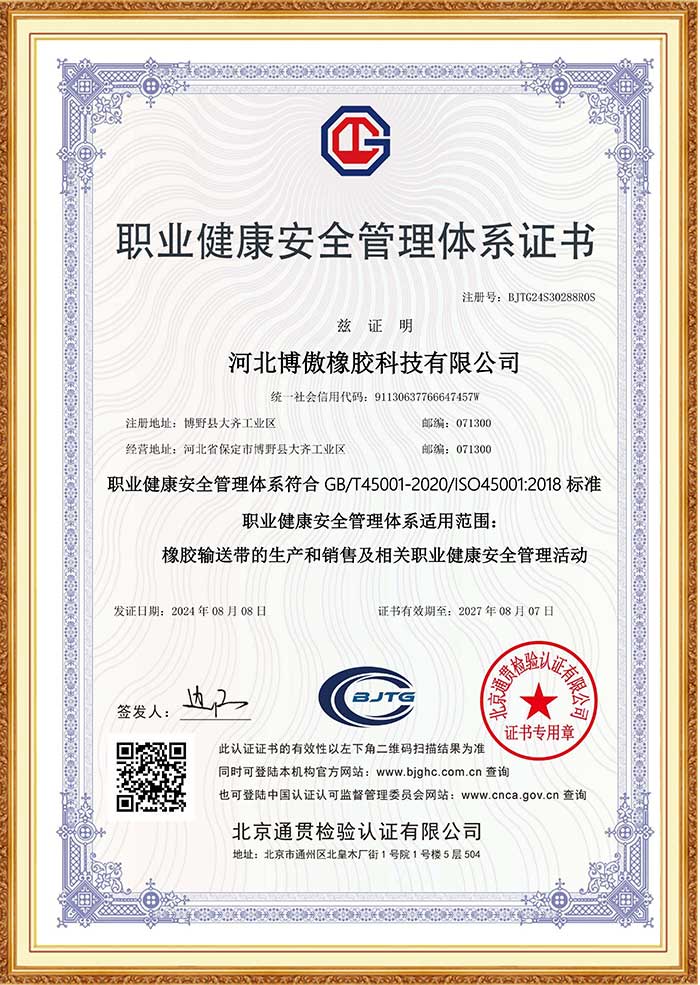
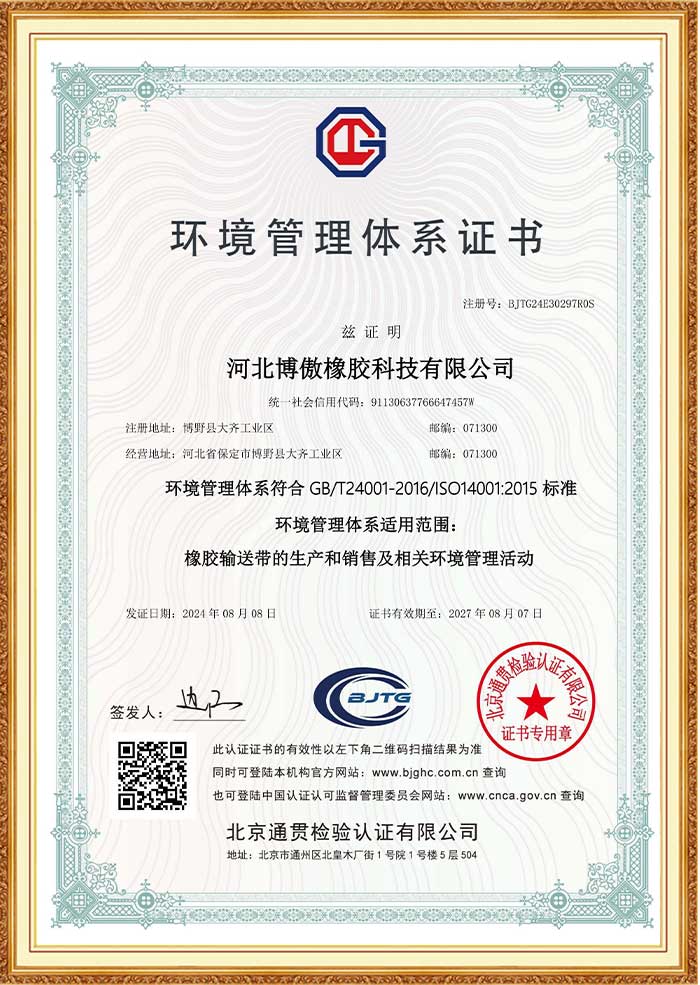
Our manufacturing facility, certified processes, and globally recognized client portfolio.



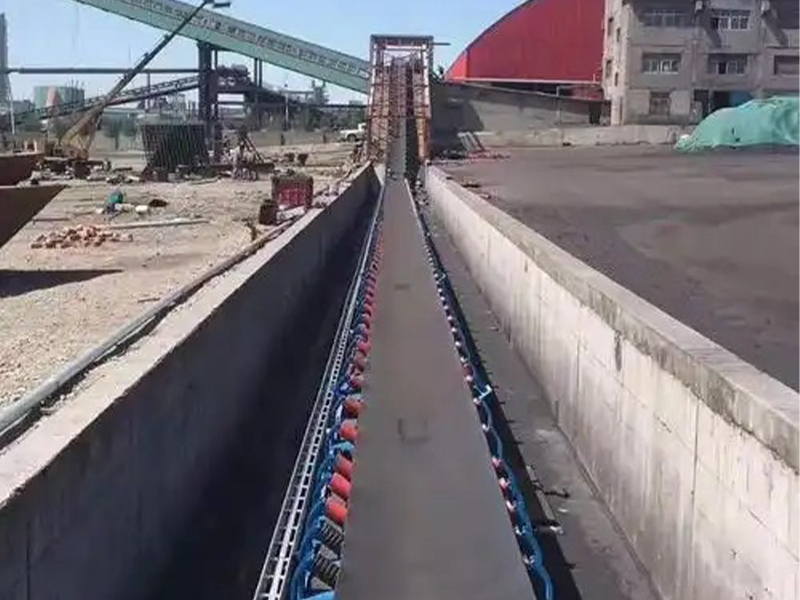
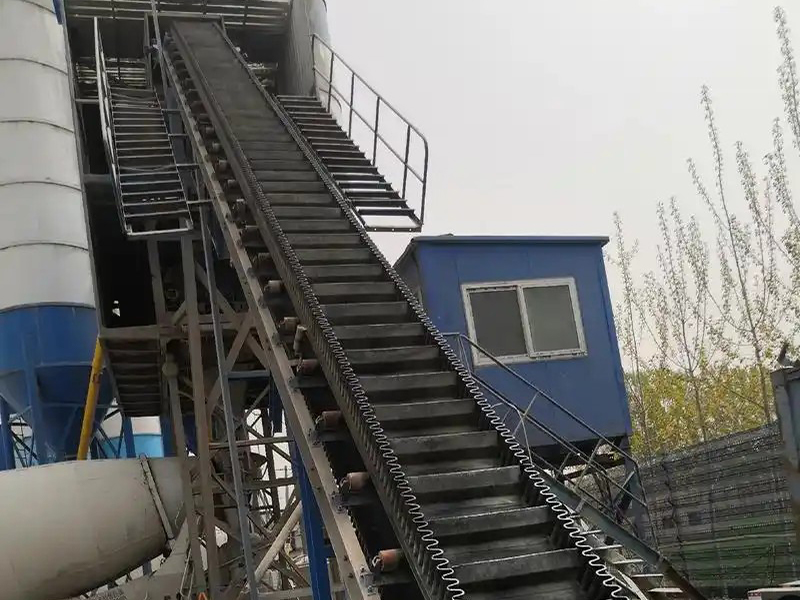
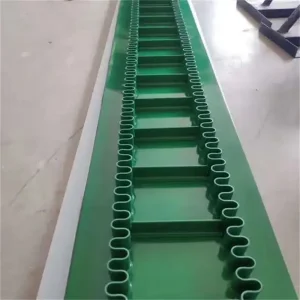
Our comprehensive conveyor belt lineup includes Ordinary Conveyor Belts (NN, EP, PP), Heat-Resistant Conveyor Belts, Circular Belts, High-Temperature Resistant Conveyor Belts, Cold-Resistant Conveyor Belts, Oil and Alkali Resistant Conveyor Belts, Acid and Alkali Resistant Conveyor Belts, Rubber Waterstops, Patterned Conveyor Belts (Herringbone, Pit), High-Inclination Conveyor Belts, and Wavy Edge Conveyor Belts.
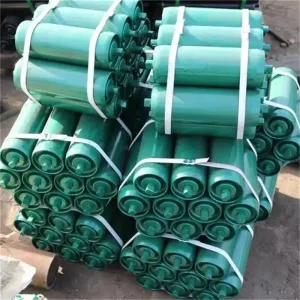
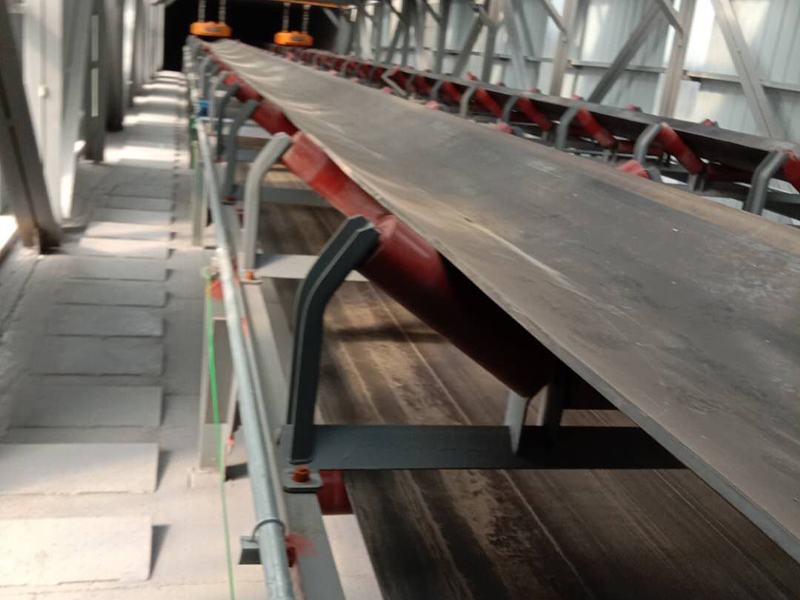
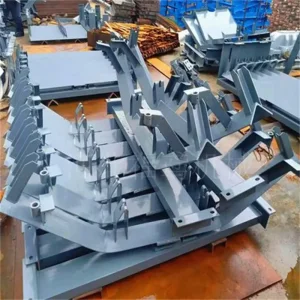
To complement our belts, we manufacture a wide range of accessories: Roller Series Accessories, Ceramic Pulleys, Buffering Rollers, Roller Groups, Blocking Edges, Electric Rollers, Rubber Coated Rollers, Transmission Pulleys, Strong Magnetic Pulleys, and diverse brackets (including Groove Brackets, Centering Brackets, Tensioning Brackets, and Lifting Ears).
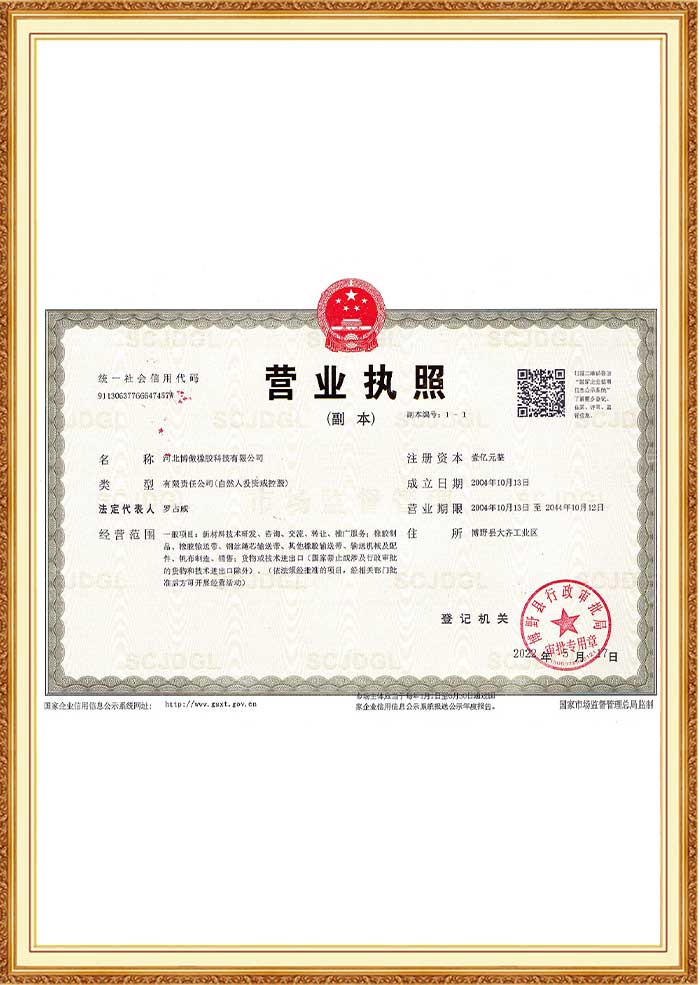
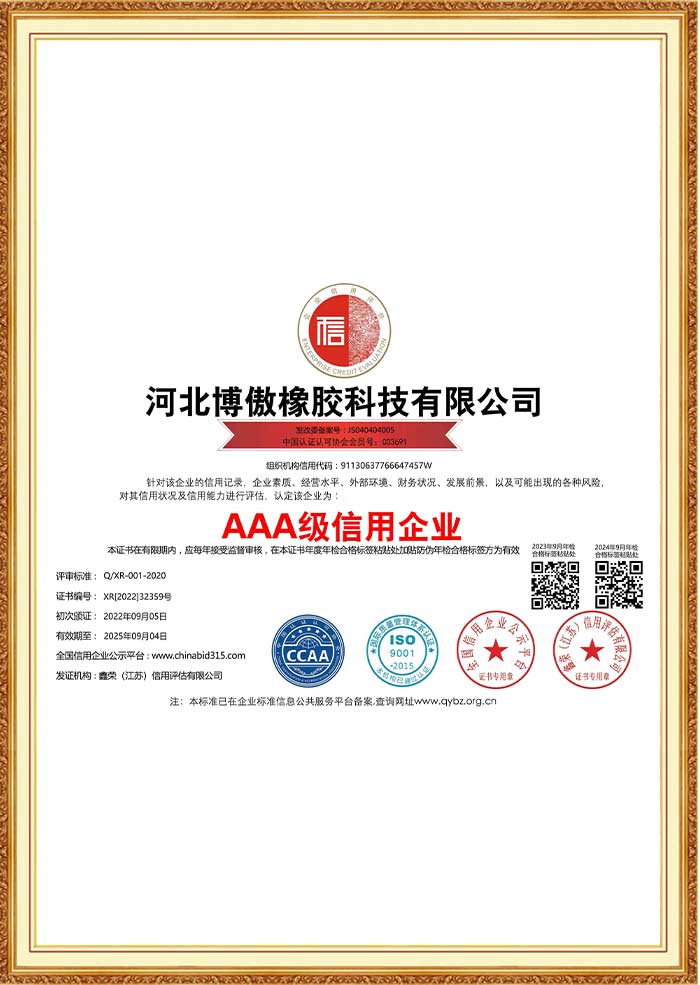
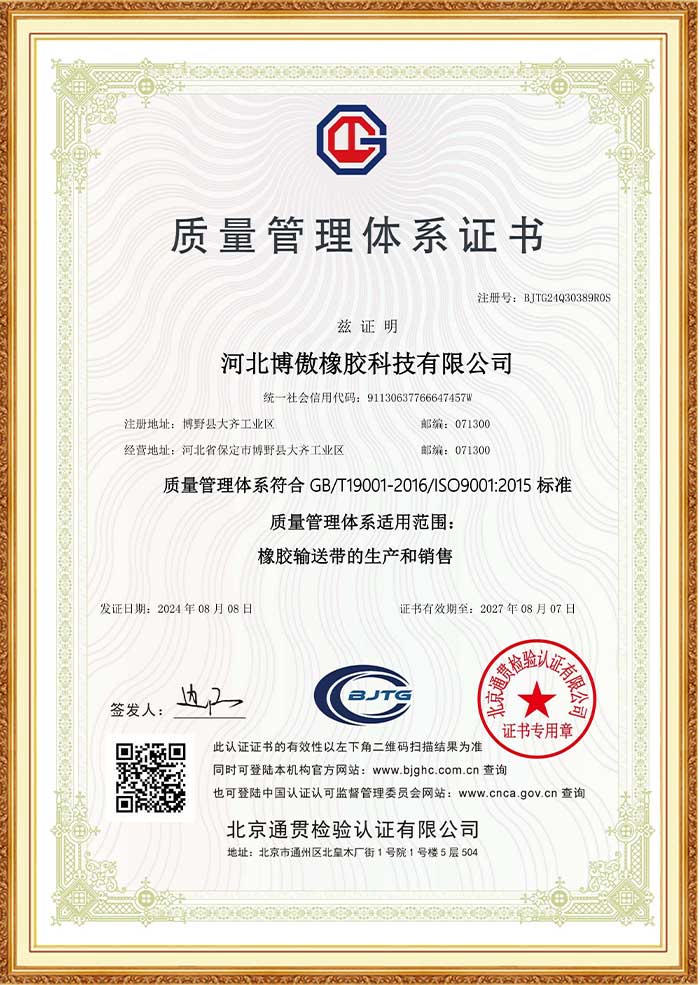
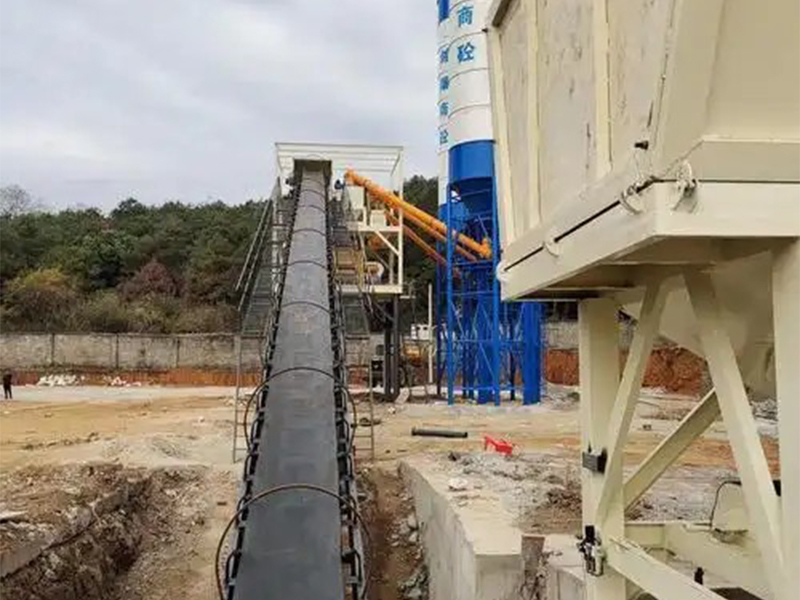
Simplifying industrial procurement with complete technical support and lifecycle management.
Rather than dealing with multiple component vendors, Boao provides all-in-one packaging and engineering solutions. Our design team creates tailored service plans that guarantee optimal system compatibility, extending the operational life of your conveyor belts and pulleys.
Planned replacement, repair, inspection, maintenance, and emergency repair of conveyor belts and matching pulleys.
Supply of conveyor belts and rubber materials, safety stock guarantees, inventory storage, belt bonding, lagging repair, and dynamic inspections.
Improve operational efficiency, minimize energy consumption, extend component life cycles, and maximize mutual benefit.
Expert technical answers regarding conveyor tail drum pulleys, design parameters, and maintenance practices.
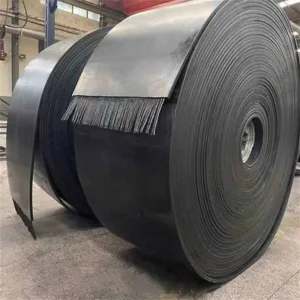
Quality steel cord belts, brackets, and lightweight conveyor solutions designed to match our heavy-duty tail drum pulleys.
 Boao Rubber