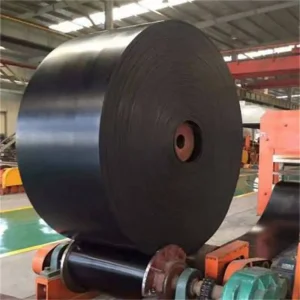
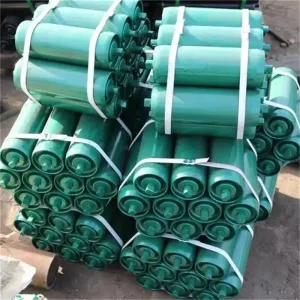
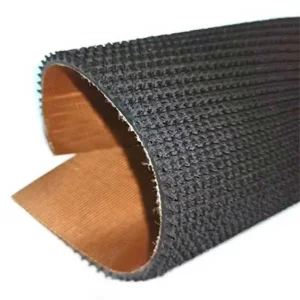
Premium quality wear-resistant chevron and fabric reinforced rubber conveyor belts specifically configured for local bulk logistics operations.
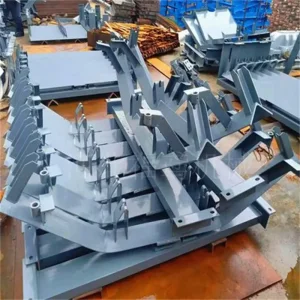
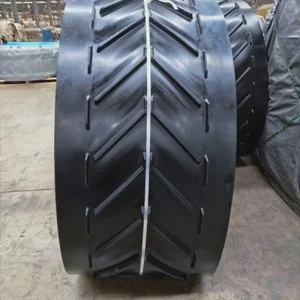
A comprehensive analysis of heavy-duty patterned rubber conveyor belts, global procurement standards, and customized integration with CPEC projects.
In the modern global industrial landscape, bulk material transportation systems are highly dependent on high-tensile, wear-resistant, and structural elastomeric components. Patterned conveyor belts—often termed chevron, cleated, or profile belts—represent a critical sub-segment of industrial logistics technology. These designs prevent material back-slip on inclinations ranging from 20° up to 45°, solving a fundamental mechanical limitation of flat rubber belts. According to global material handling research, the transition from traditional flat conveying to patterned high-angle systems reduces overall conveyor footprint lengths by up to 50%, saving substantial infrastructure costs in plant layout design.
Global logistics hubs, deep-sea ports, and mega-scale mining projects are demanding increasingly stringent compound formulations. Manufacturers must align with global vulcanization and cover-grade standards such as DIN 22102, ISO 10247, and BS 490 to meet these demands. Today, standard compounding has evolved beyond simple synthetic-natural rubber blends; modern formulations integrate high-dispersibility carbon blacks, anti-aging additives, and specialized process oils to optimize tensile strength, elongation at break, and abrasion index limits. This guarantees that modern bulk-handling machinery operates continuously with minimal downtime under severe geological stresses.
In the modern industrial landscape, rubber conveyor belts have become the backbone of bulk material transport systems across multiple sectors. From mining operations extracting raw materials from deep underground to port facilities handling millions of tons of cargo annually, heavy-duty rubber belts facilitate the seamless movement of materials that power our global economy. The evolution of these critical components reflects decades of engineering innovation, material science breakthroughs, and an unwavering commitment to operational efficiency and safety.
As Pakistan accelerates its industrial growth under the China-Pakistan Economic Corridor (CPEC) initiatives, key sectors such as infrastructure, mineral extraction, and chemical processing are undergoing rapid modernization. Pakistan's industrial sectors demand specialized bulk handling solutions to cope with regional geographical and environmental challenges:
Years of Production Expertise
Acres Factory Area
Quality Certified Standard
Inspected Materials & Belts
Understanding compound grading, textile reinforcement matrixes, and chevron pattern geometries optimized for harsh operational conditions.
Patterned rubber conveyor belts (commonly available in Chevron, Herringbone, Pit, and Magic Carpet designs) are selected based on the specific angle of inclination and the flow characteristics of the materials. Below is an engineering overview of standard profile types and their primary application niches:
To ensure high durability, we formulate the base compound utilizing a combination of high-grade natural rubber (NR) and Styrene-Butadiene Rubber (SBR). The inner reinforcement layers (carcass) are constructed using high-modulus, low-shrinkage Polyester-Nylon (EP) fabric or high-tensile Polyamide (NN) fabric. This structure prevents stretching and offers superior resistance to impact tearing.
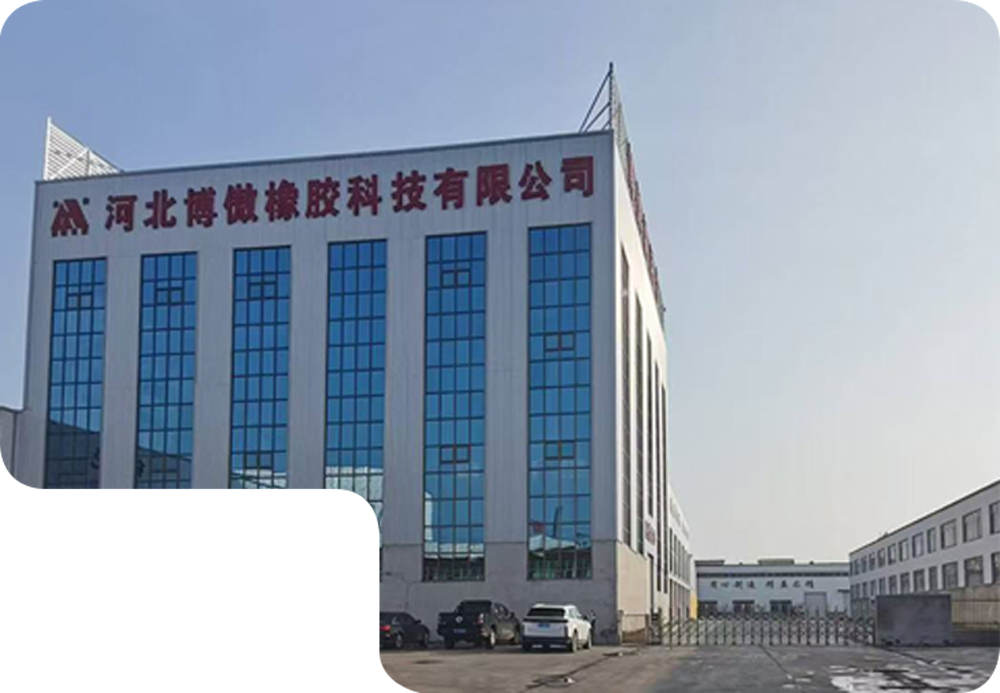
Under the "Jinao" brand, Hebei Boao Rubber Technology Co., Ltd. operates a highly standardized testing facility containing both an independent chemical analysis laboratory and a physical testing laboratory. The quality assurance workflow covers three strict checkpoints:
Hebei Boao Rubber Technology Co., Ltd. (Brand: Jinao) — A professional conveyor belt manufacturing partner with over two decades of global commercial experience.
Hebei Boao Rubber Technology Co., Ltd. is located in the Rubber Industrial Park of Boye County, Baoding, Hebei Province. Founded in 2004, the company spans over 30 acres of advanced manufacturing space, serving heavy industries globally under our registered brand "Jinao".
We are a professional manufacturer in China integrating product development, engineering research, structural design, manufacturing, and technical support services for conveyor belts and supporting machinery components. Having achieved international quality management system certification, we feature multi-stage production lines including rolling, mechanical forming, press vulcanization, and advanced rubber testing equipment.
Our focus is on delivering high-performance, cost-effective solutions for clients operating under extreme conditions, including mining facilities, cement factories, steelworks, and deep-water ports throughout Pakistan and worldwide.
Our independent laboratories monitor every production stage, from raw polymer procurement to final vulcanization. We operate on a strict policy: zero sub-standard materials enter production, and zero unverified products leave our facility.
Equipped with computerized rheometers, tensile testers, and DIN abrasion test systems, our dedicated QC inspectors ensure high performance limits under intensive operating conditions.
Backed by robust technical capabilities and an experienced sales network, our conveyor products are exported to industrial corridors worldwide, including key ports and infrastructure projects in Pakistan.
A comprehensive overview of our elastomeric conveyor belts and premium machinery accessories manufactured for heavy industrial systems.
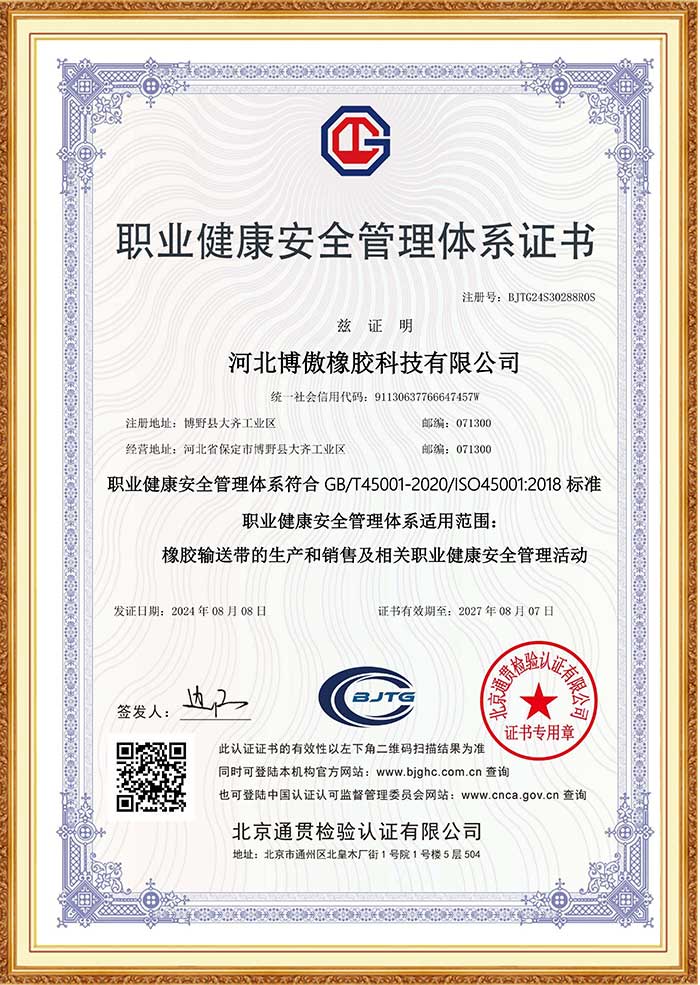
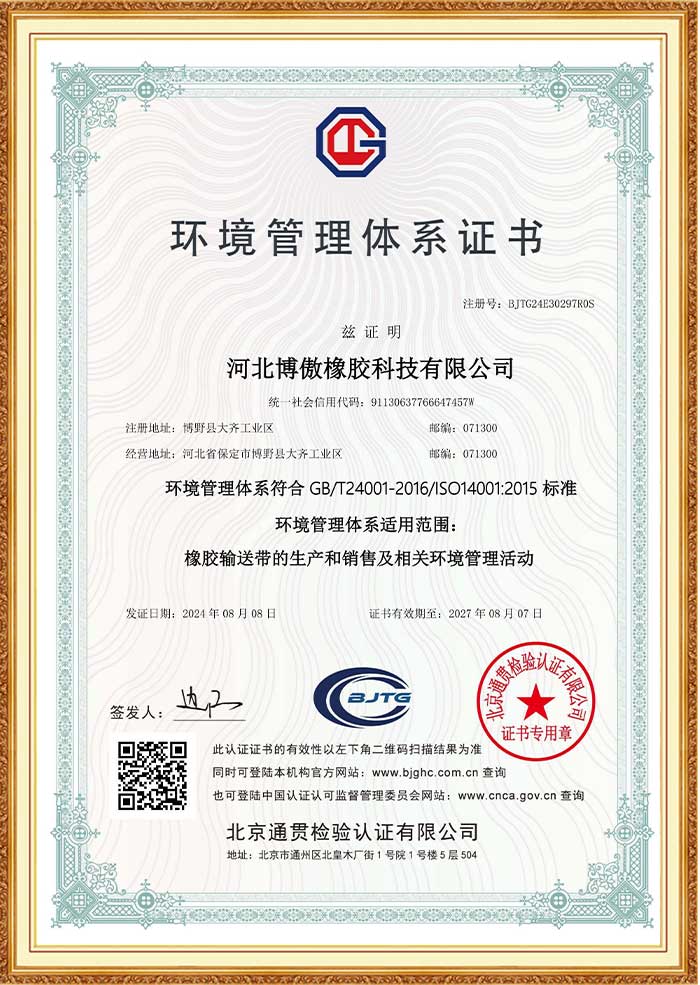
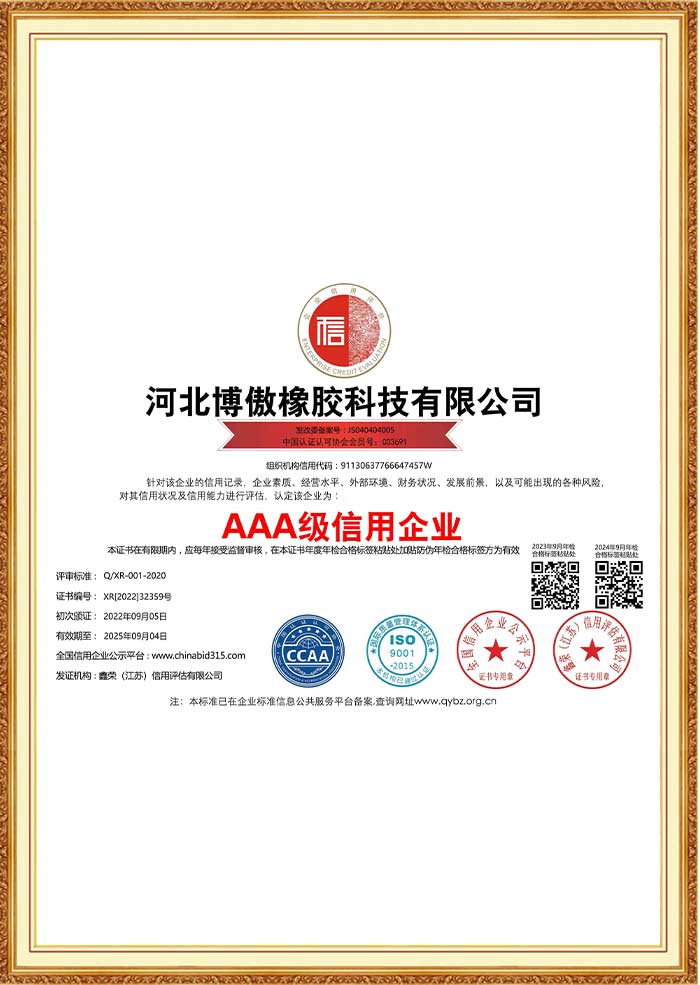
Our commitment to international product quality and manufacturing standards is verified by global compliance bodies.
ISO9001 Certificate
Safety Certification
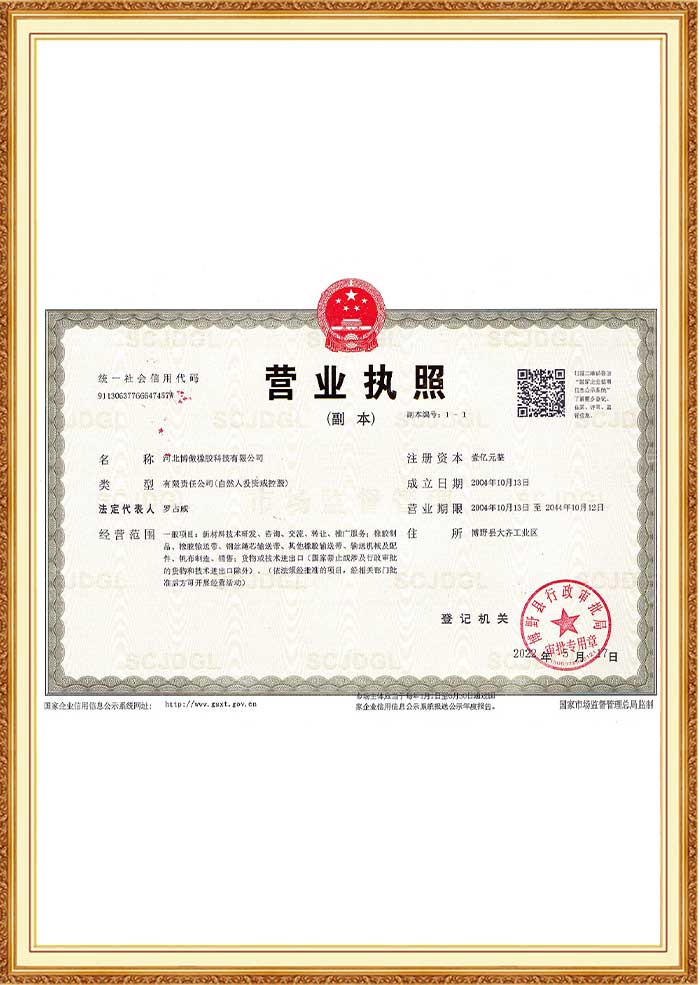
Quality Verification
Eco Compliance
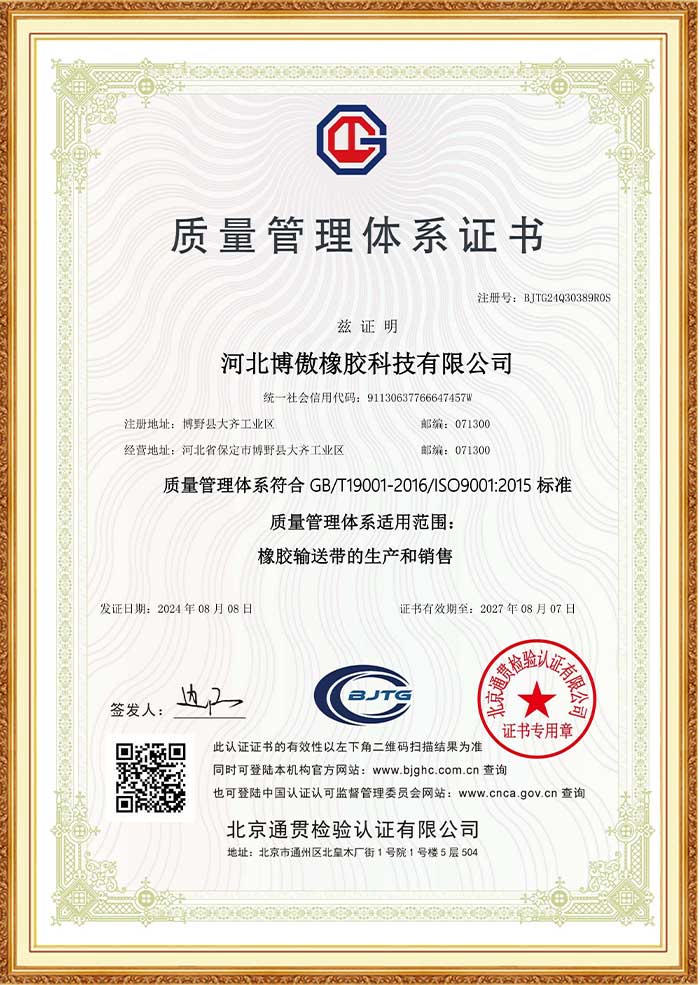
OHSAS Certificate
Supplying robust rubber conveyor belts and accessories to major mineral, cement, and engineering hubs across Pakistan.
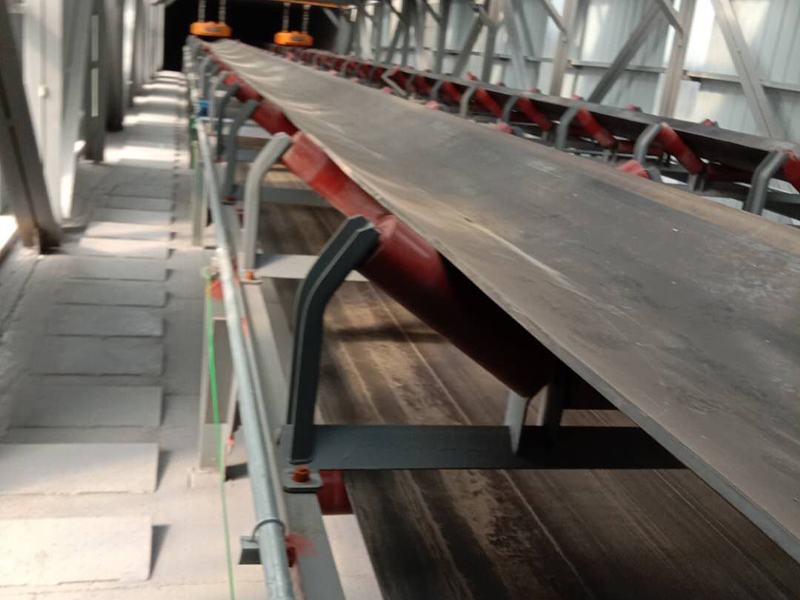
Supplied high-abrasion sintering conveyor belts to withstand extreme heat and impact loads in continuous raw ore production.
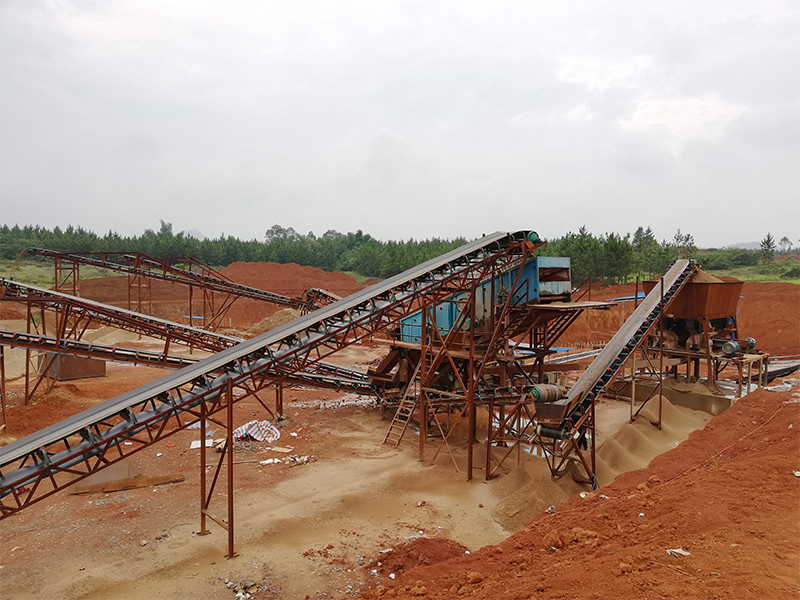
Provided heavy-duty NN-reinforced conveyor lines for high-inclination transport of bulk mineral ores in remote areas.
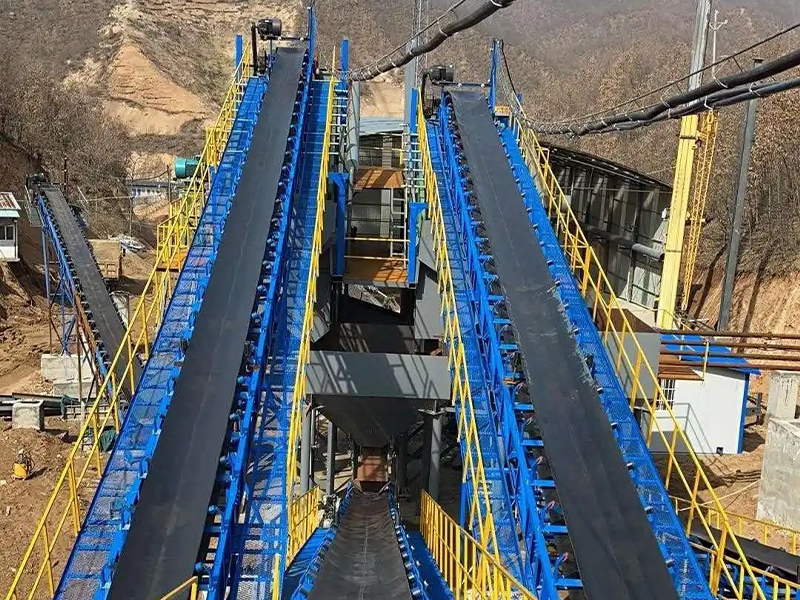
Developed custom steel-reinforced conveyor belt structures designed for high-tonnage mining and stone crushing applications.
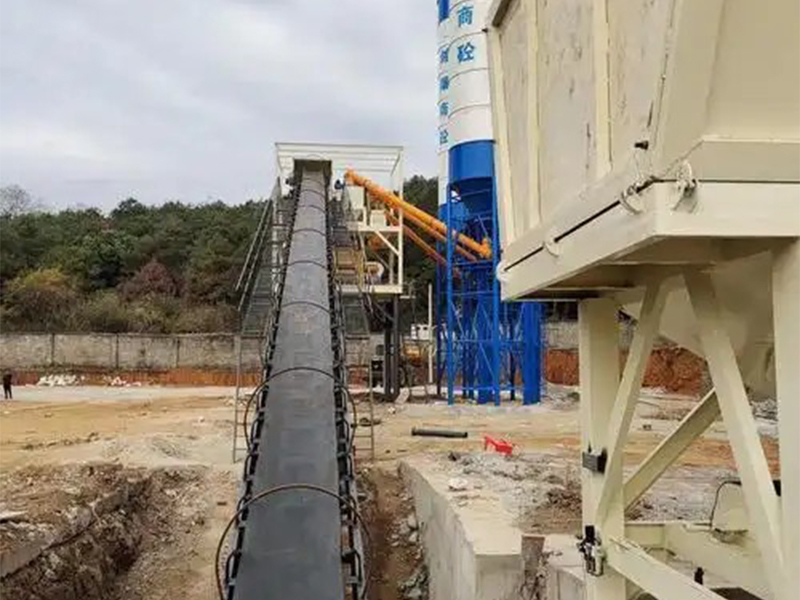
Provided chevron-patterned belts for concrete mixing plants to move wet aggregate materials at angles of 28 degrees.
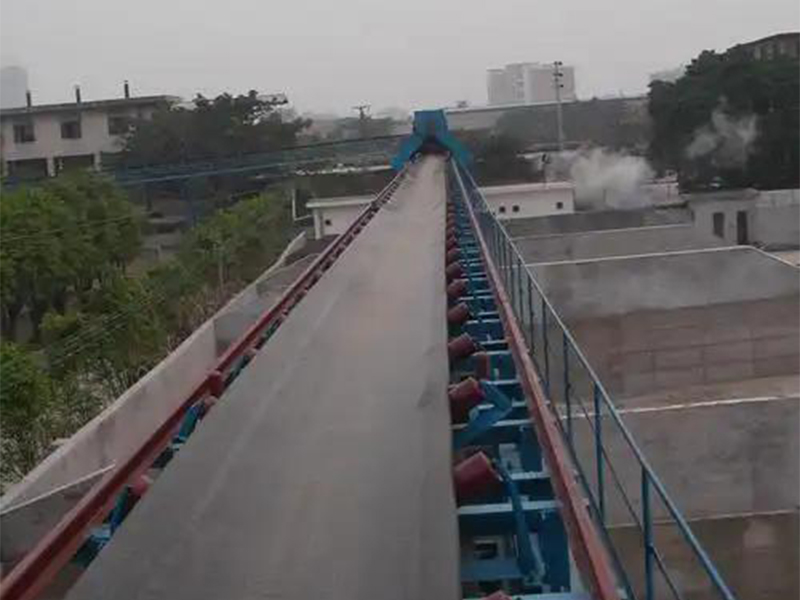
Supplied heat-resistant (HR-T2/T3) conveyor belts to transport raw limestone from quarry crushers directly to storage silos.
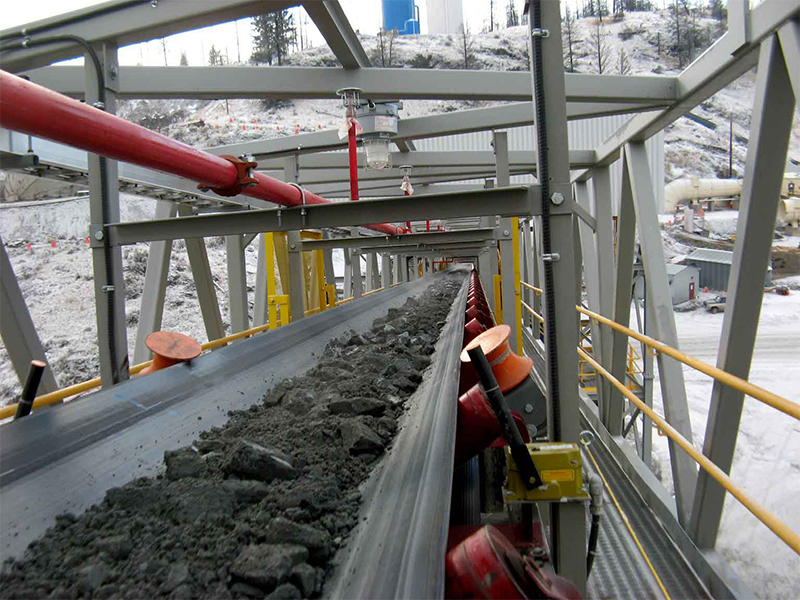
Supplied high-strength EP fabric conveyor belts for handling moist, abrasive lignite coal in open-cast mines.
Comprehensive service plans to optimize the operational lifespan of your conveyor belts and reduce system downtime.
Scheduled belt replacements, repair splicing, structural inspection, and emergency splicing maintenance services to keep your systems running.
Supply of custom vulcanized rubber materials, safety stock management, on-site cold chemical bonding, and hot vulcanizing splicing service.
Designed to maximize conveyor mechanical efficiency, reduce raw cover wear, and optimize the overall return on investment for plant operators.
Routine inspections using laser thickness gauges and thermal scanners to detect structural damage and wear before failure occurs.
The global material handling sector is transitioning toward digitalization. Future developments for the Pakistani mining and cement sectors focus on intelligent monitoring. This includes embedding RFID chips and inductive sensor loops into high-tensile fabric belts. These smart sensors interact with conveyor monitoring systems to detect longitudinal tearing immediately, shutting down drive motors to prevent catastrophic belt damage.
Additionally, material formulations are adapting to reduce environmental impact. Eco-friendly rubber compounds utilize low rolling resistance (LRR) backing compounds, which can reduce energy consumption of conveyor motors by up to 15%. This technology helps operators manage energy constraints and reduce operating costs in regional processing facilities.
Browse our selection of specialized cold-resistant, chemical-resistant, and high-impact conveyor components built for industrial applications.
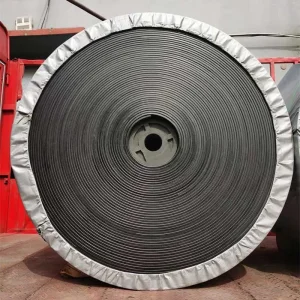
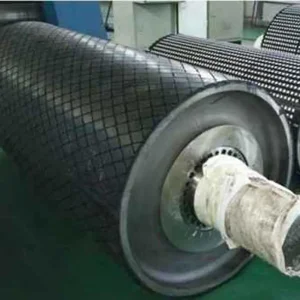
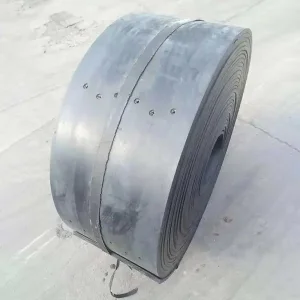
Get professional answers regarding specifications, delivery parameters, and structural matching for Pakistan's heavy industries.
 Boao Rubber