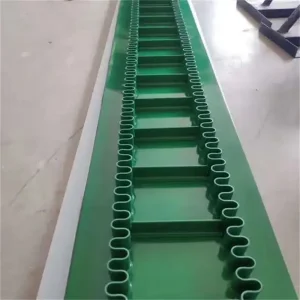
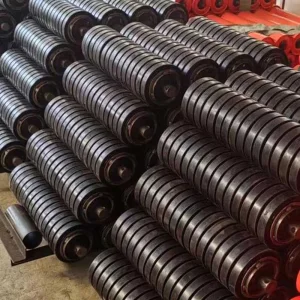
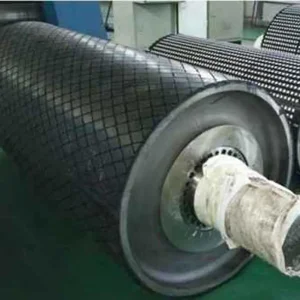
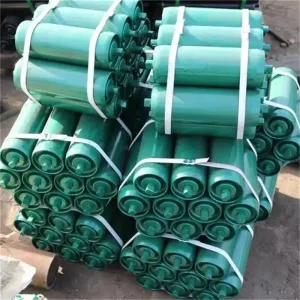
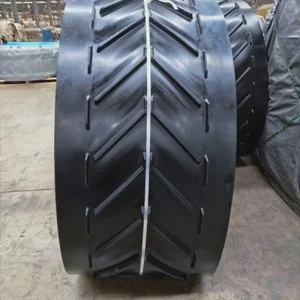
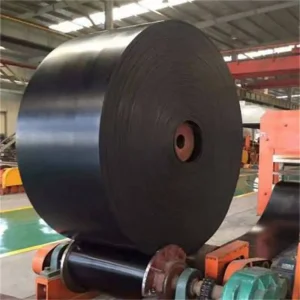
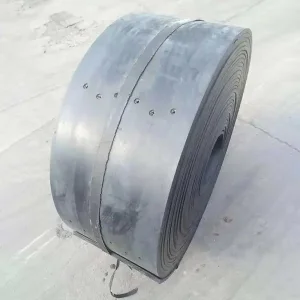
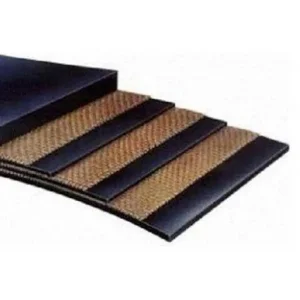
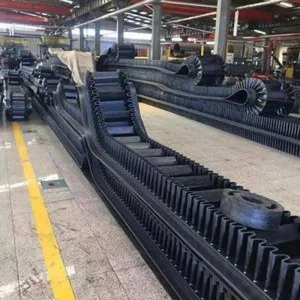
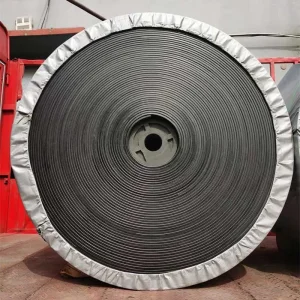
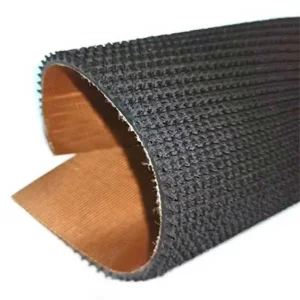
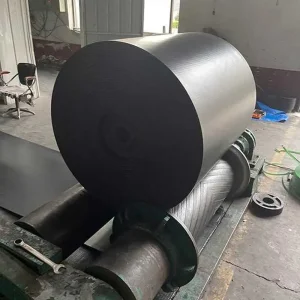
Explore our elite range of conveyor belts, buffer idlers, and structural accessories designed for optimal system longevity.
Within heavy-duty bulk handling, conveyor belts are the primary arteries of steel plants, underground mines, electric generation facilities, and ports. However, the integrity of these systems depends heavily on their weakest links: the spliced joints. This is where high-performance Belt Vulcanizing Machines come in. Standard cold splicing or mechanical fast joints often fail under extreme loads, high temperatures, and chemical exposures. Thermal vulcanization under controlled pressure and heat is the only way to achieve up to 90%+ joint efficiency compared to the parent belt's tensile strength.
Heavy-duty rubber belt splicing requires a deep understanding of polymer cross-linking. Our research shows that maintaining a constant pressure profile of 1.0 to 1.5 MPa at temperatures ranging from 140°C to 150°C for a precise curing cycle is critical. Any temperature fluctuation can lead to under-curing (causing early joint delamination) or over-curing (causing rubber brittleness). Therefore, choosing the best belt vulcanizing machine supplier is a key operational decision for global asset managers.
"Selecting the proper vulcanizing equipment guarantees a structural splice that matches the original technical specs, significantly reducing emergency downtime and boosting conveyor safety."
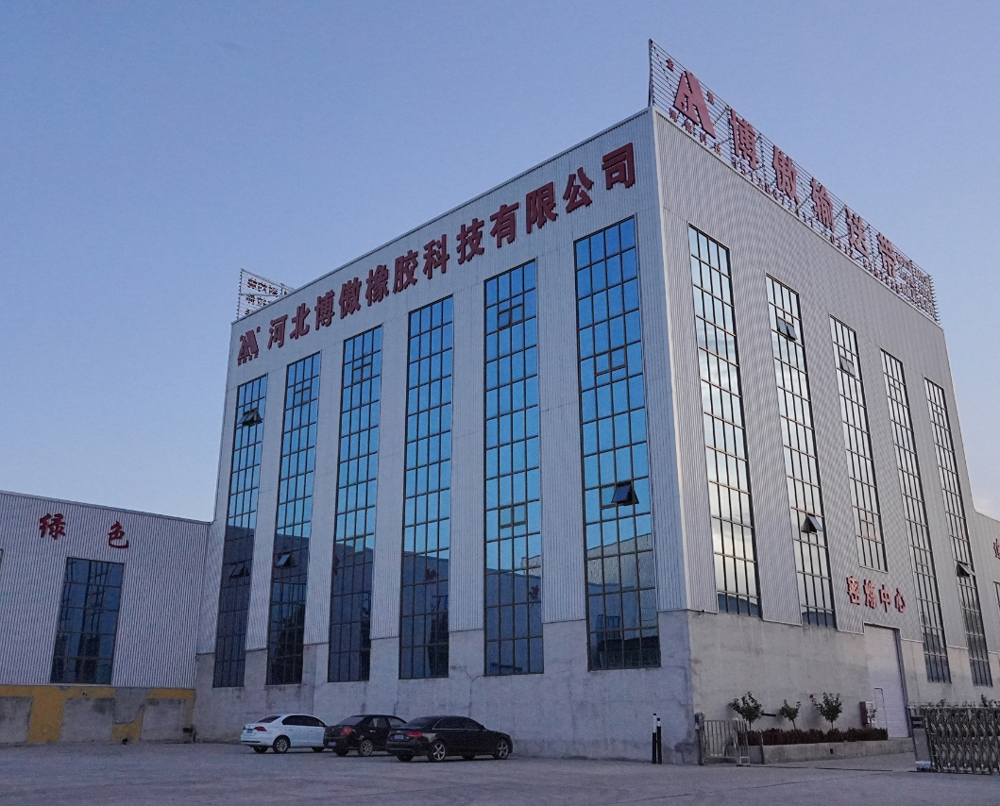
Founded in 2004, Hebei Boao Rubber Technology Co., Ltd. is located in the Rubber Industrial Park of Boye County, Baoding, Hebei Province, China. Boao has grown into a leading manufacturer, integrating product development, engineering research, custom design, manufacturing, and technical field services for premium conveyor belts and accessories under our signature "Jinao" brand.
Our facility houses multiple advanced production lines for rolling, raw material forming, high-capacity vulcanization, and state-of-the-art testing. With our own chemical analysis labs and physics testing facilities, we control every stage of production—from raw rubber polymer procurement to finished products. We ensure that no unqualified products enter our production line or leave our shipping docks.
While we manufacture the highest-grade conveyor belts (including NN, EP, and Steel Wire Rope Core belts), we also specialize in comprehensive conveyor joint engineering, technical service plans, and supplying top-tier conveyor accessories.
Insights into engineering requirements, material standards, and supply chain strategies for high-performance conveyor operations.
Global engineering teams require vulcanizing machinery with automated digital PLCs. Precise temperature control (with +/- 2°C accuracy) prevents thermal degradation of rubber formulas during splicing. Advanced pressure bags must deliver uniform pressure across the entire splicing surface to prevent internal air bubbles.
Vulcanization often occurs in dangerous, dust-heavy, or underground environments. Explosive atmospheres in coal mines require certified explosion-proof control boxes (such as ATEX, IECEx, or mining safety approvals). Global procurement demands equipment that meets CE, UL, and regional safety standards.
Partnering with factories in China's industrial hubs (like Boye County) offers massive cost and logistics advantages. By sourcing both the vulcanizing machines and the raw rubber materials from the same local supply chain, customers benefit from seamless component matching, rapid prototyping, and significantly lower freight costs.
Operational continuity relies on local expertise, certified hardware, and preventative maintenance strategies.
A major risk in industrial procurement is the lack of local support after a purchase. Splicing tools, high-pressure bags, and heating elements wear down and require regular maintenance. The best suppliers offer a complete localized ecosystem: **regional service hubs**, **on-call field engineers**, and **easily accessible spare parts inventories**.
Hebei Boao Rubber Technology mitigates these operational risks with our structured technical service program. We don't just supply products; we provide complete packaging and support solutions in one place. Our service standards are designed to improve conveyor line efficiency, extend the lifespan of rubber belts, and guarantee a reliable safety stock of raw materials for emergencies.
Every Jinao brand product is backed by international testing approvals and certified production standards.
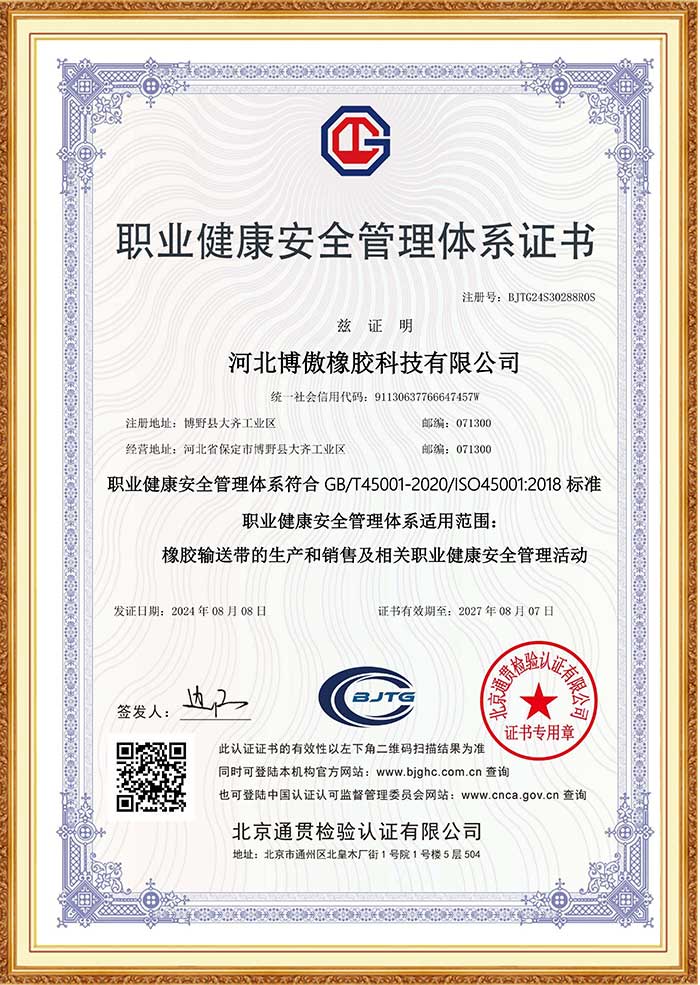
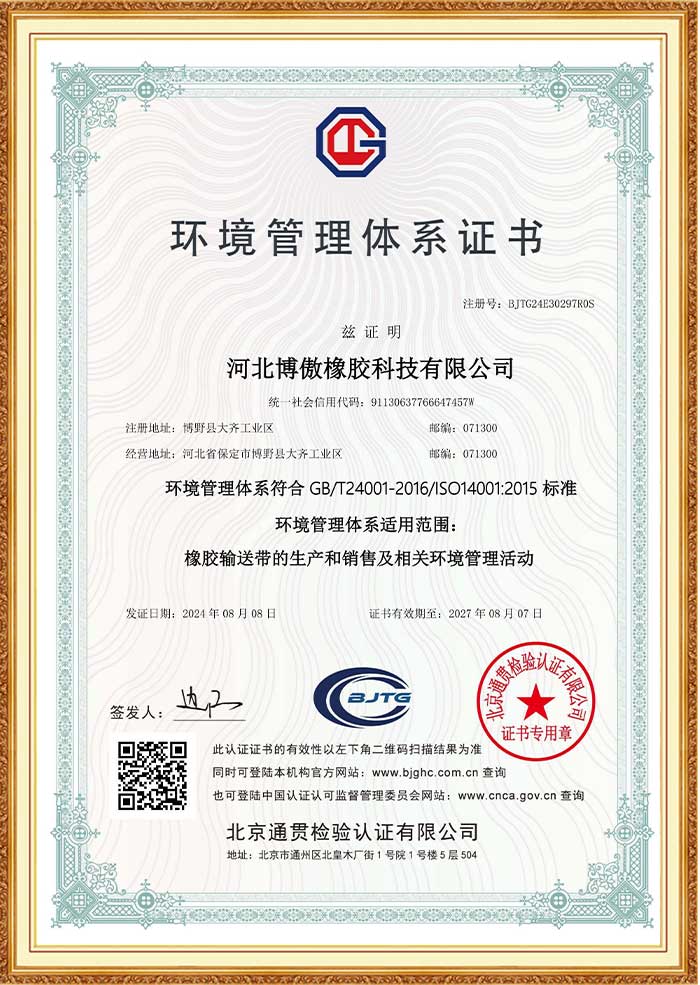
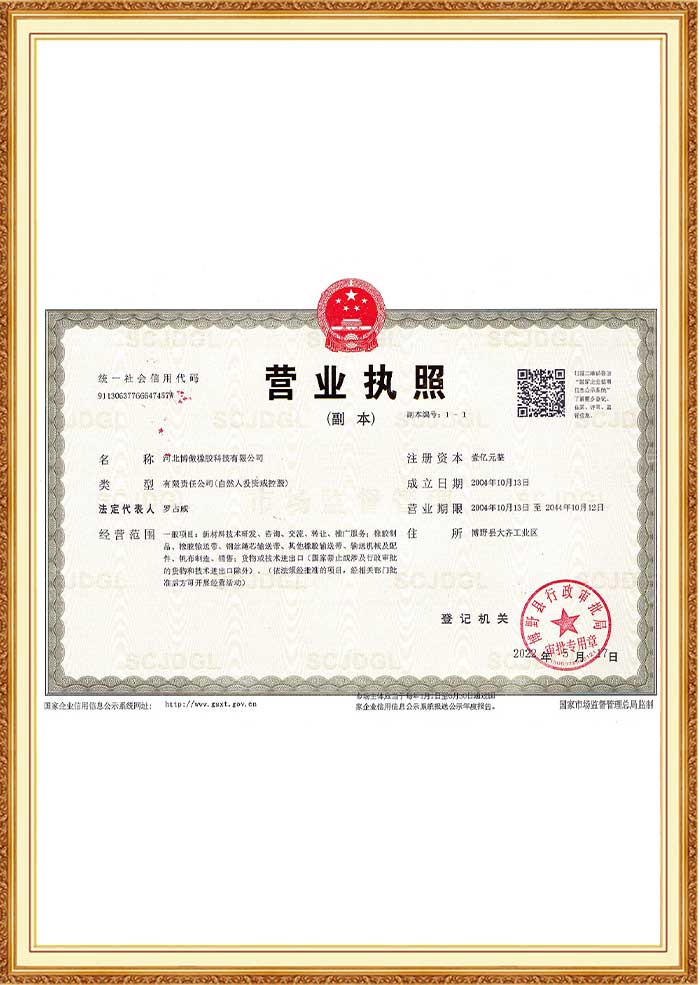
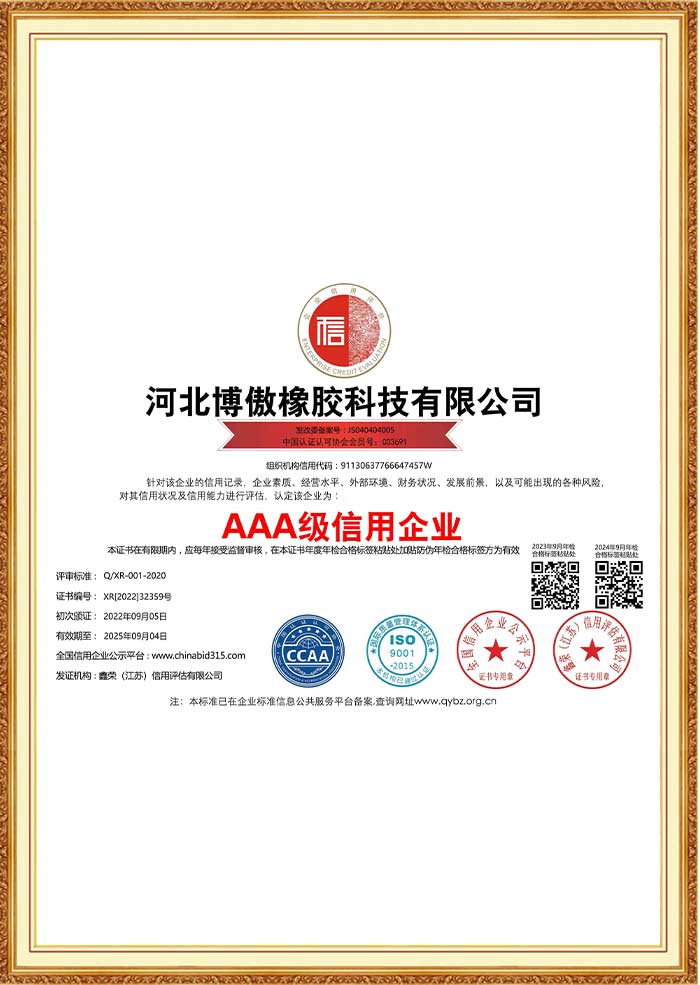
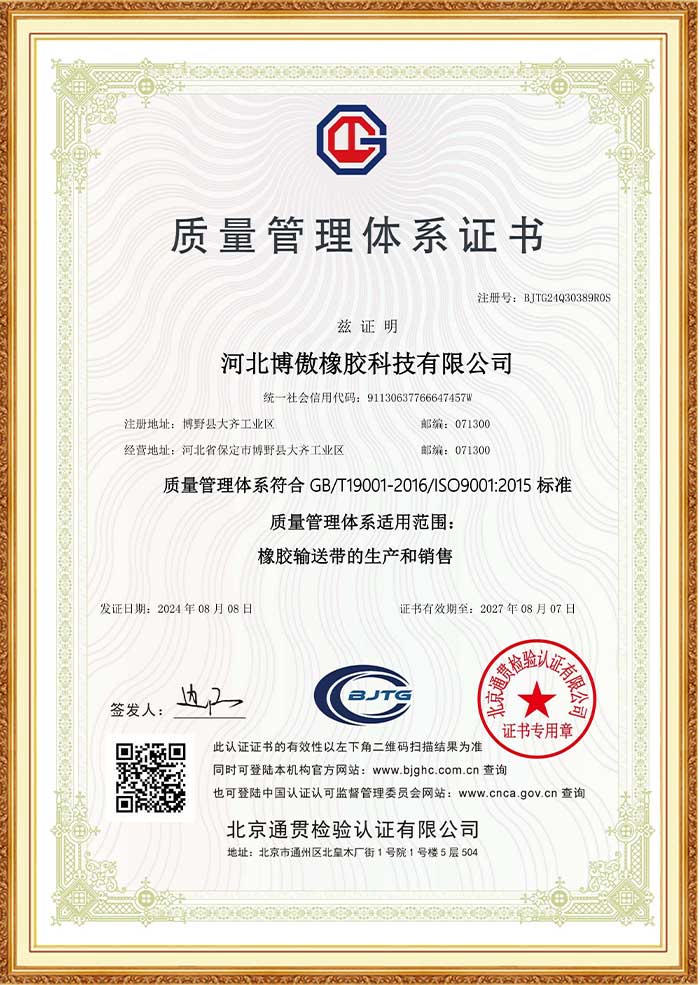
We partner with global heavy-industry enterprises to support their material transport infrastructure.
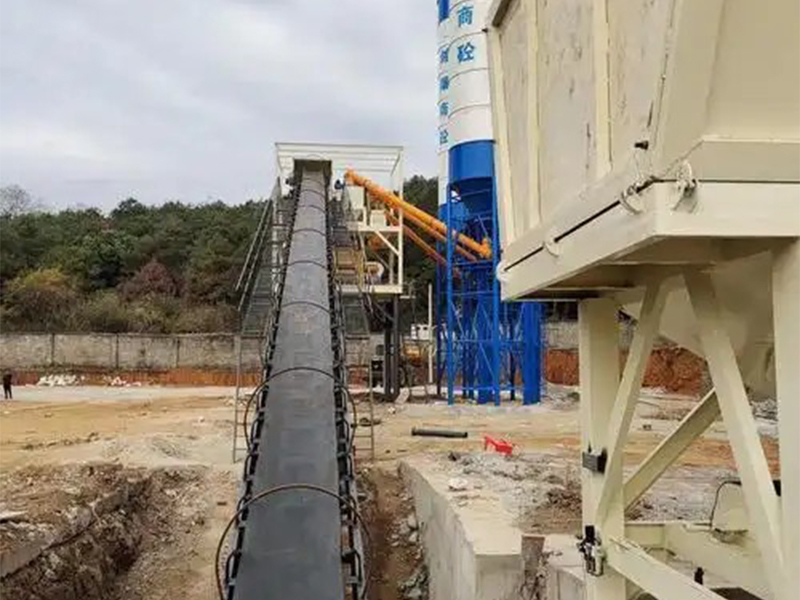
Mixing Plant Operations
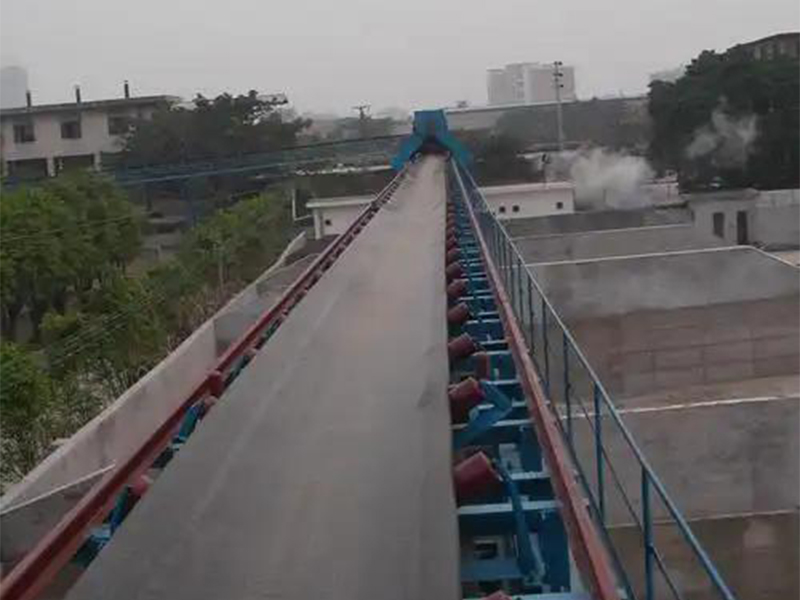
Dry Process Cement Lines
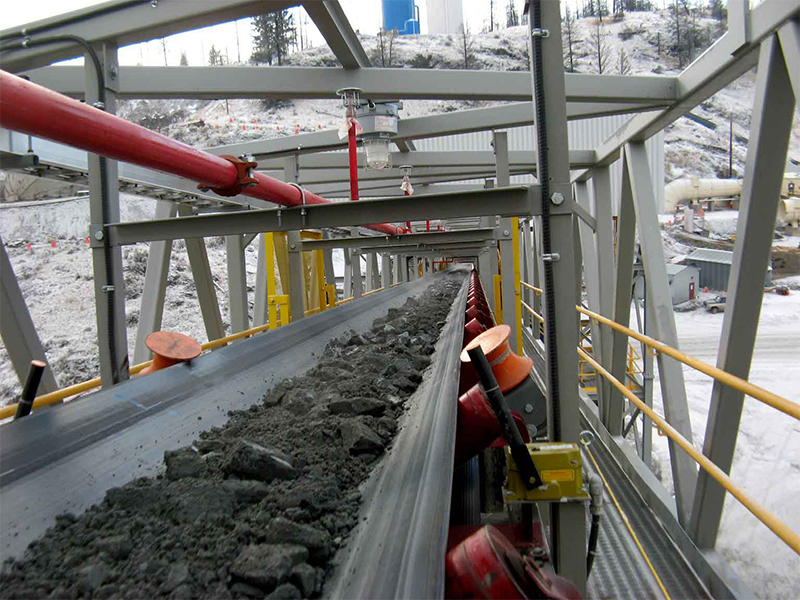
Underground Mine Conveying
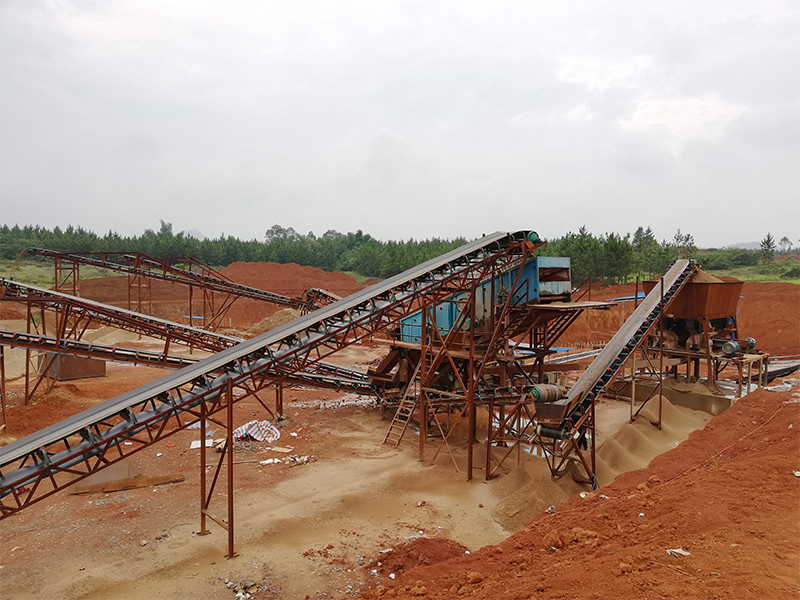
Metallurgical Splicing Systems
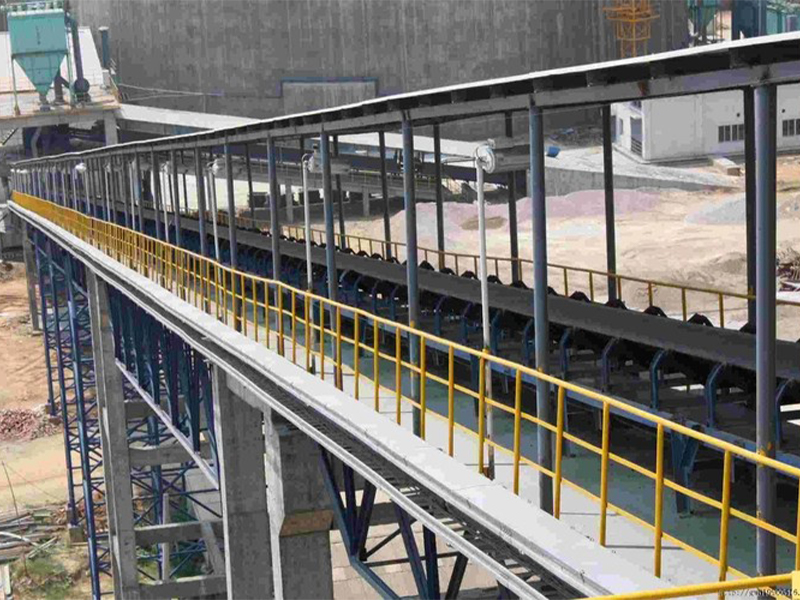
Clinker Conveying Networks
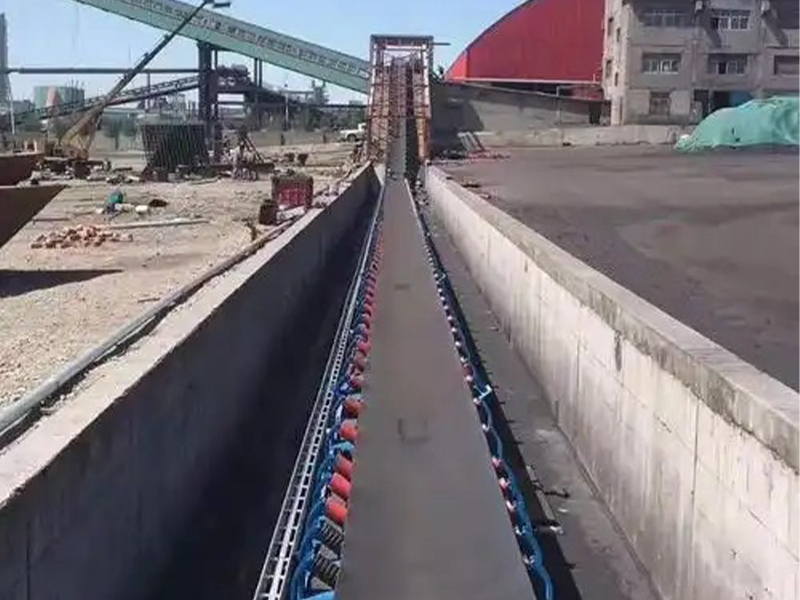
High Inclination Belt Splicing
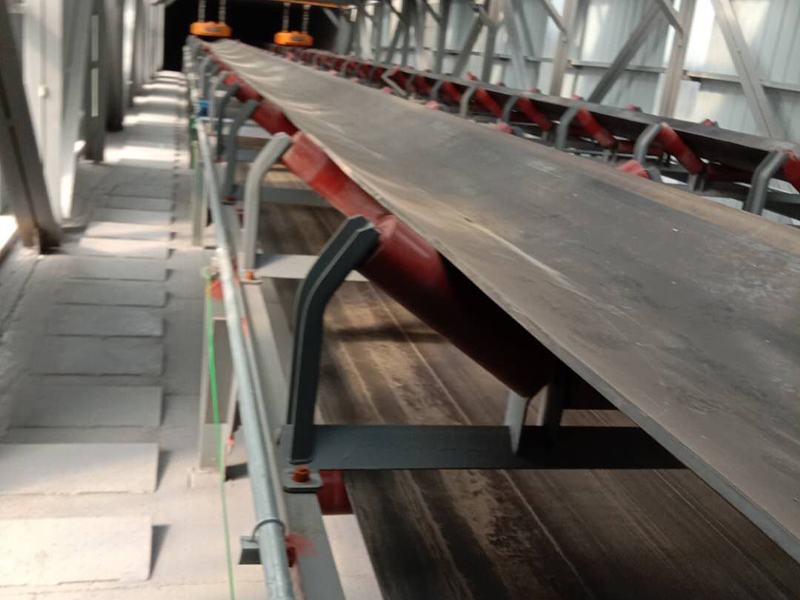
High-Temperature Splicing
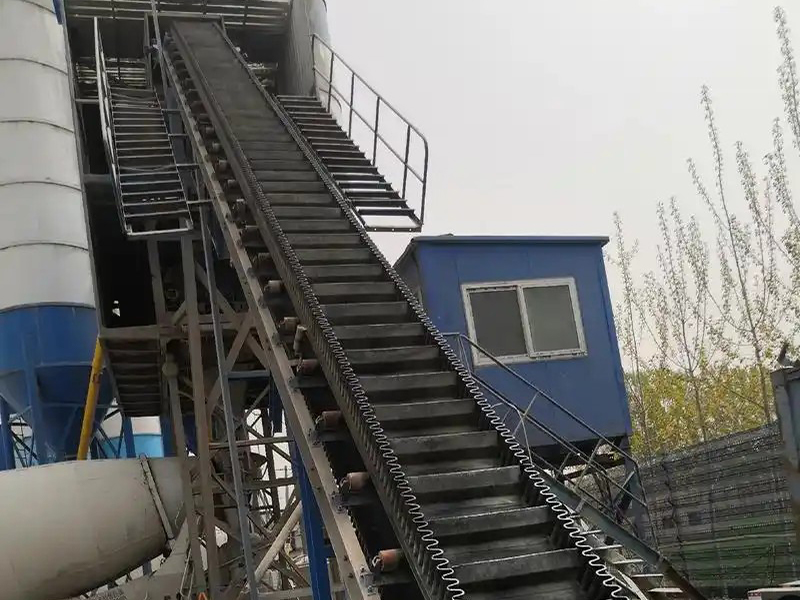
Slag & Ore Material Splicing
The shift toward smart vulcanization, lightweight materials, and high-efficiency operations.
The global conveyor splicing market is experiencing a shift driven by automation and safety standards. Key trends include:
Modern vulcanizers are moving away from manual dials. Newer control boxes feature built-in data logging. Splicing engineers can track the temperature profile of each joint and export the data via Bluetooth or cloud applications, providing a digital quality record for safety audits.
Portability is essential for maintenance crews working high up on conveyor gantries. Modern vulcanizing frames use aerospace-grade aluminum alloys to reduce weight without sacrificing structural strength, allowing plates to withstand up to 200 PSI without bending.
Eco-friendly, solvent-free adhesives and vulcanizing chemicals are replacing volatile organic compound (VOC) alternatives. These green compounds ensure strong polymer cross-linking while keeping field technicians safe.
Detailed technical answers to common queries about conveyor belt vulcanization and machinery procurement.
Explore our technical components designed to work alongside high-durability conveyor systems.
 Boao Rubber