 Boao Rubber
1 / 2
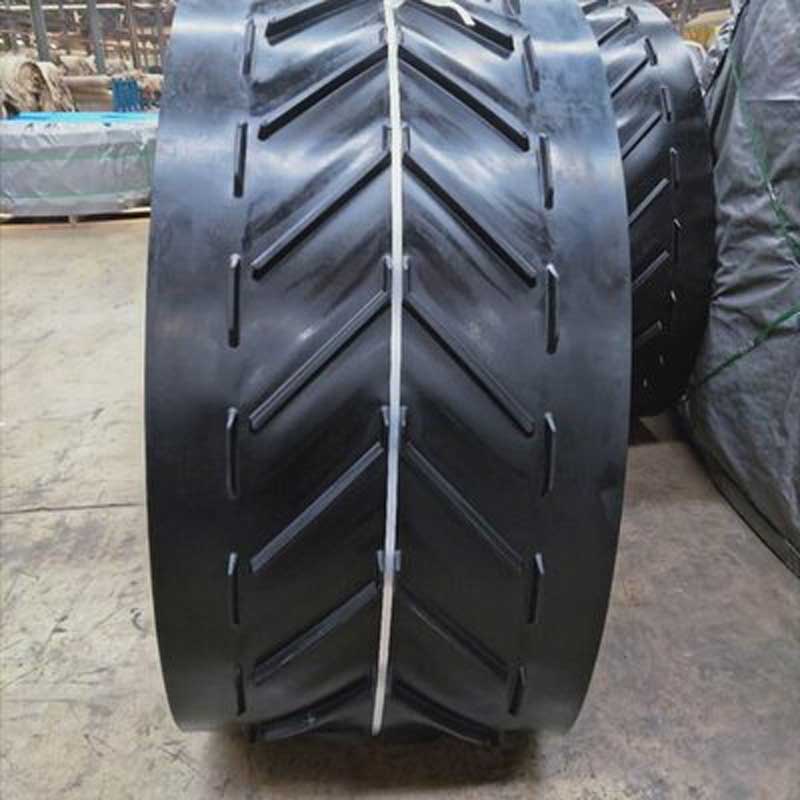
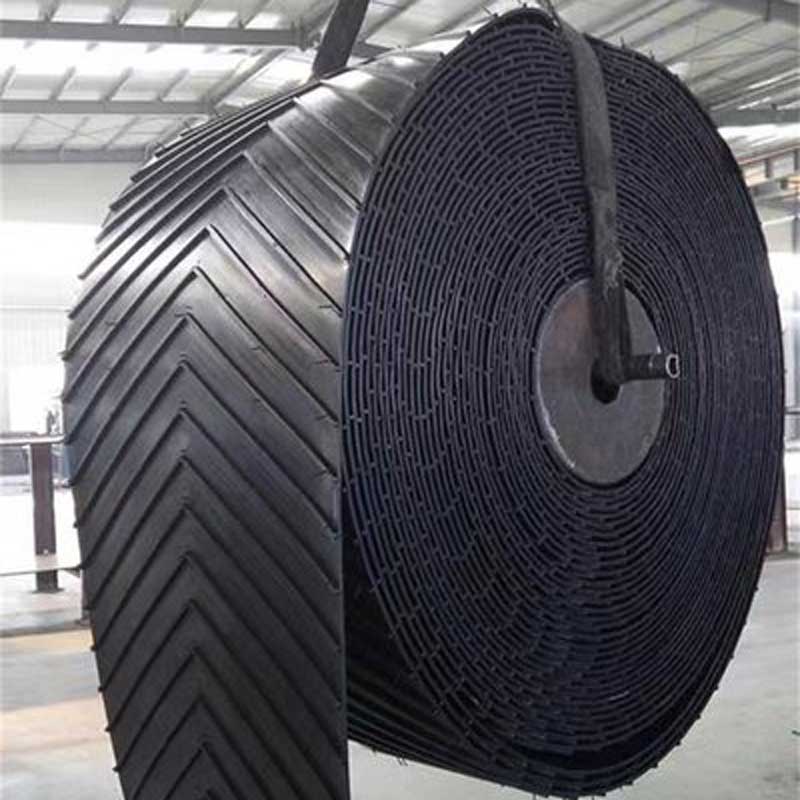
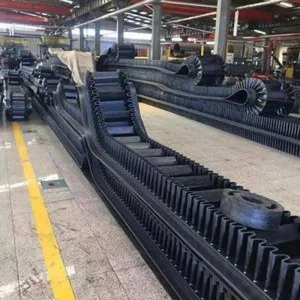
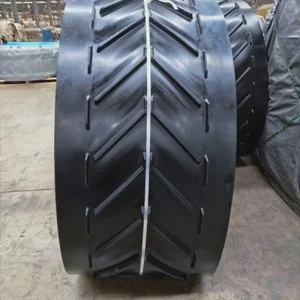
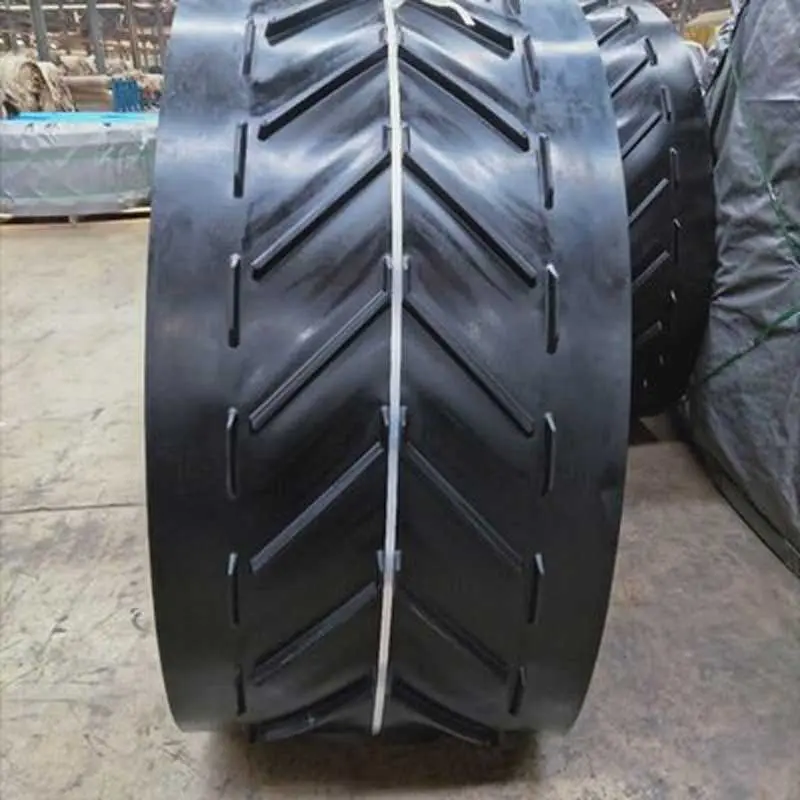
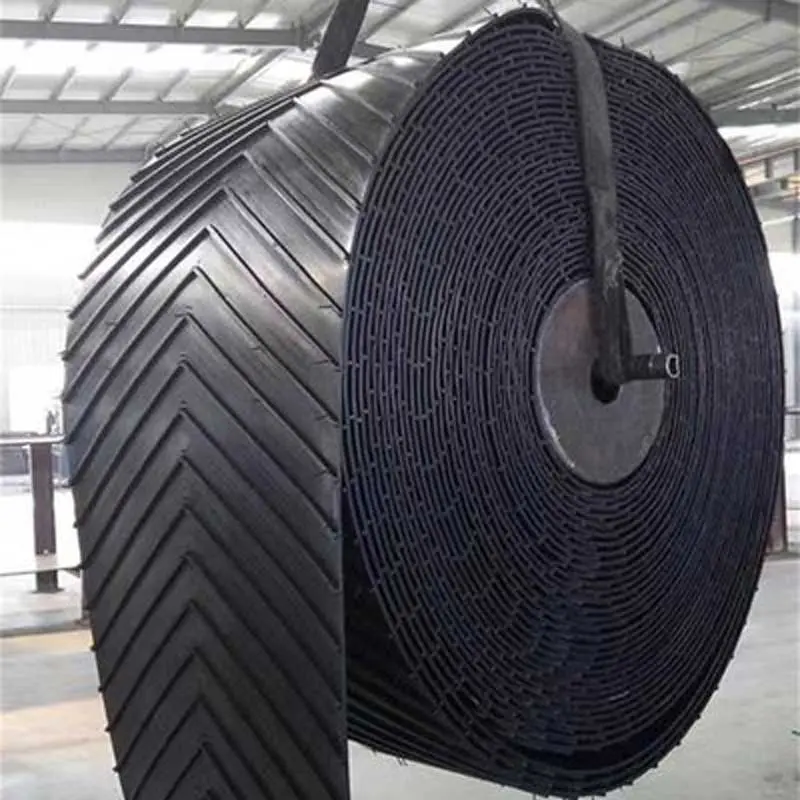
There are "human" shaped patterns on the belt surface that are higher than the belt body. The patterns can be open or closed, and each pattern can be divided into three types: high, medium, and low.
Suitable for conveying powdered, granular, and small materials with an inclination angle of ≤ 40°, as well as bagged materials.
There are strip-shaped patterns on the belt surface that are higher than the belt body, divided into three types: high, medium, and low. Each type can be arranged in sparse, dense, and other forms.
Suitable for horizontal conveying of packaging materials with an inclination angle of ≤ 30°. If the groove is formed, it can replace the herringbone pattern.
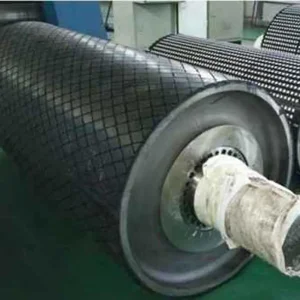
There are granular patterns on the belt surface that protrude from or are embedded in the belt body. The pits can also be made into square holes, edges, and cloth patterns.
Convex patterns: suitable for soft packaging or materials requiring gripping force (e.g., cardboard boxes).
Concave patterns: suitable for granular materials with inclination ≤ 45°.
There are semi-circular (or 1/4 circular) patterns on the belt surface. When the tape is grooved, the pattern is intertwined into a fan-shaped or semi-circular shape — a high pattern category.
Suitable for conveying powder, particles, and block materials with a large inclination angle of ≤ 45°.
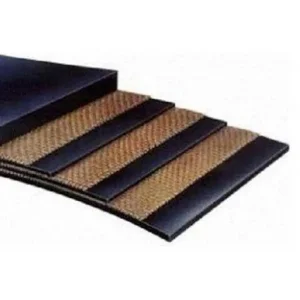
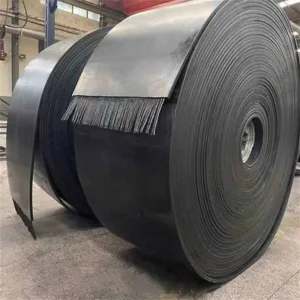
The patterned conveyor belt consists of two parts: the base belt and the patterned belt.
Due to different materials being transported and varying inclination angles, the required pattern shape and height differ. Commonly used varieties include: herringbone, octagonal, fishbone, U-shaped, cylindrical, pockmarked, etc. — or designed per user requirements — suitable for powder, granular, and block materials with an inclination angle of less than 30°.
The patterned conveyor belt should be kept clean during transportation and storage, avoiding direct sunlight or rain and snow immersion, and preventing contact with acids, alkalis, oils, or organic solvents. Maintain a distance of at least one meter from heating devices.
During storage, maintain warehouse temperature between 18–40 °C and relative humidity between 50–80%.
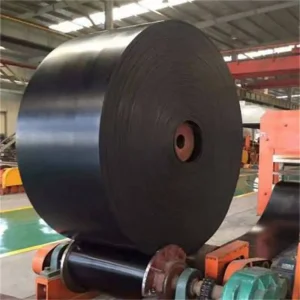
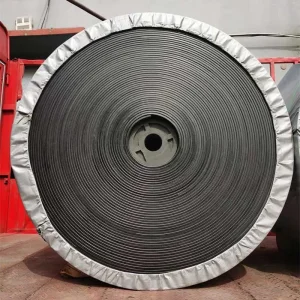
The conveyor belt must be placed in rolls and not folded during storage. Flip once every quarter.
Conveyor belts of different types and specifications should not be used together; adhesive bonding is recommended for joints.
The type, structure, specifications, and number of layers should be selected reasonably according to usage conditions.
Running speed should generally not exceed 2.5 m/s. For materials with large block size and high wear, or fixed unloading devices, low speed should be used.
The relationship between the transmission drum diameter and the fabric layer, the matching of drums, and the groove angle of idlers should be selected per conveyor design regulations.
Feeding direction should follow the belt running direction. Use a chute to minimize material falling distance; shorten roller spacing at the receiving section and use buffer rollers to prevent leakage. Equip the belt with a soft, moderate material-blocking plate to avoid scratching the belt surface.
With the popularization of conveyor belts in industrial production, multiple varieties, high performance, lightweight, multifunctional design, and long service life are key concerns for manufacturers. Correct use of conveyor belts is particularly important. The following precautions should be taken: