Explore our top-tier industrial carrying idlers, rubber buffer rollers, and specialized heavy-duty conveyor belt systems engineered to optimize throughput and mitigate material handling downtime.
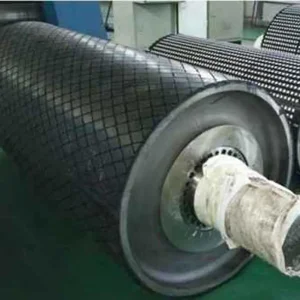
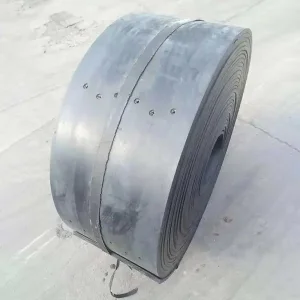
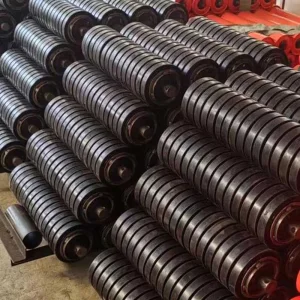
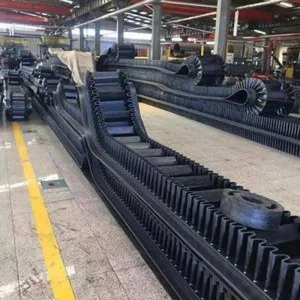
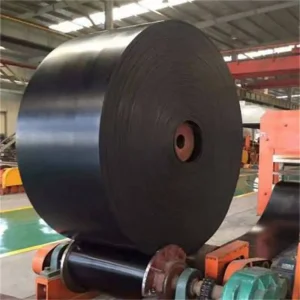
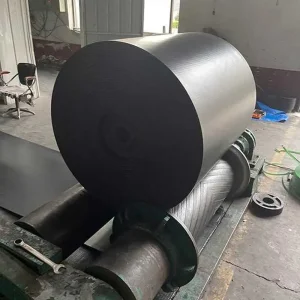
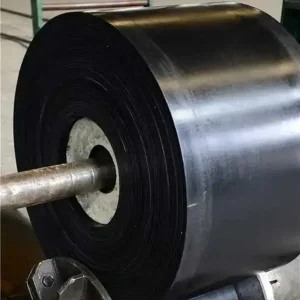
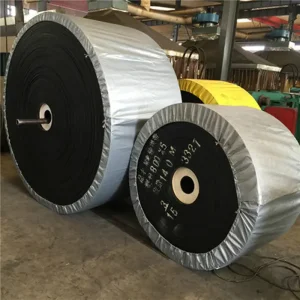
How we combine advanced materials science, stringent quality control systems, and robust logistics infrastructure to keep bulk terminals, mine heads, and heavy industrial facilities operating at peak capability.
Equipped with independent chemical analysis facilities and modern physical testing laboratories. We systematically check raw elastomer profiles, bearing tolerances, steel thickness, and weld concentricity to ensure 100% compliance with international CEMA and DIN standards.
Utilizing fully automated production lines for rolling, vulcanization, forming, and mechanical finishing. Our QA technicians carry out multi-step ultrasonic weld testing, dynamic balancing trials, and airtightness validation on carrying idlers to prevent premature shell wear.
With decades of export experience, we deliver standard and customizable bulk handling hardware to steel mills, thermal power facilities, ports, and mining concessions worldwide. Complete lifecycle tracking guarantees responsive technical support when you need it.
Established in 2004, Hebei Boao Rubber Technology Co., Ltd. (operating under our hallmark brand "Jinao") is positioned as an elite manufacturer in China’s industrial belt and roller sector. Our 30-acre state-of-the-art facility located in the Boye County Rubber Industrial Park, Baoding, Hebei, integrates complete product design, compound R&D, structural engineering, and end-to-end manufacturing.
By operating our own advanced compound mixing mills, vulcanizing presses, steel machining shops, and automated welding lines, we eliminate outsourced dependencies. This vertical integration allows us to enforce extreme tolerance controls on our signature carrying idlers, rubber buffer rollers, impact beds, and specialized heavy-duty conveyor belts.
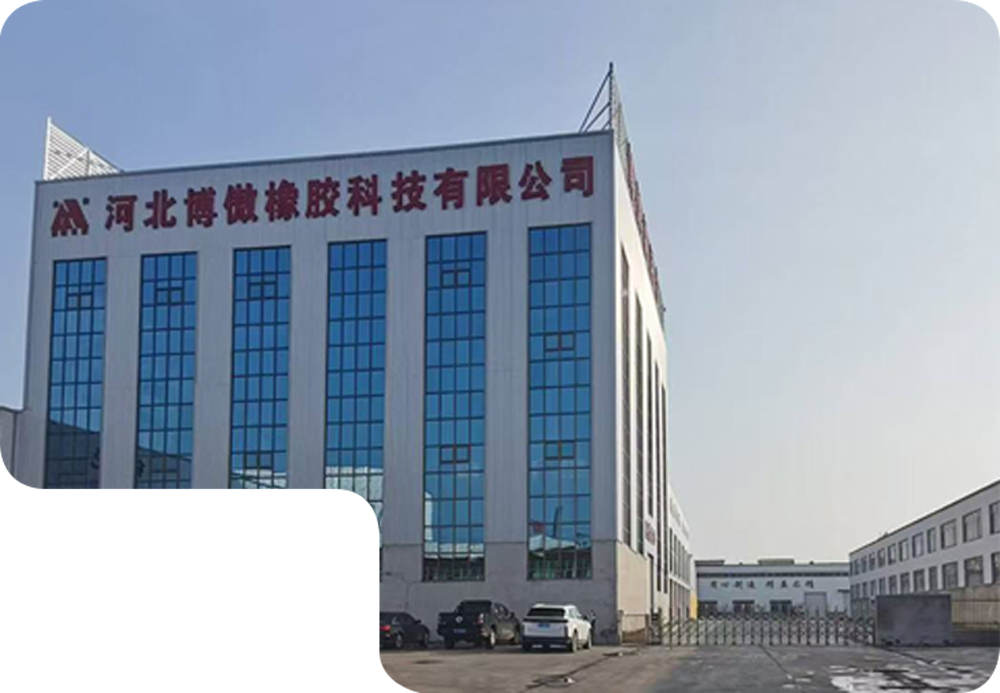
Hebei Boao Rubber Technology Co., Ltd. - Jinao Brand Manufacturing Center
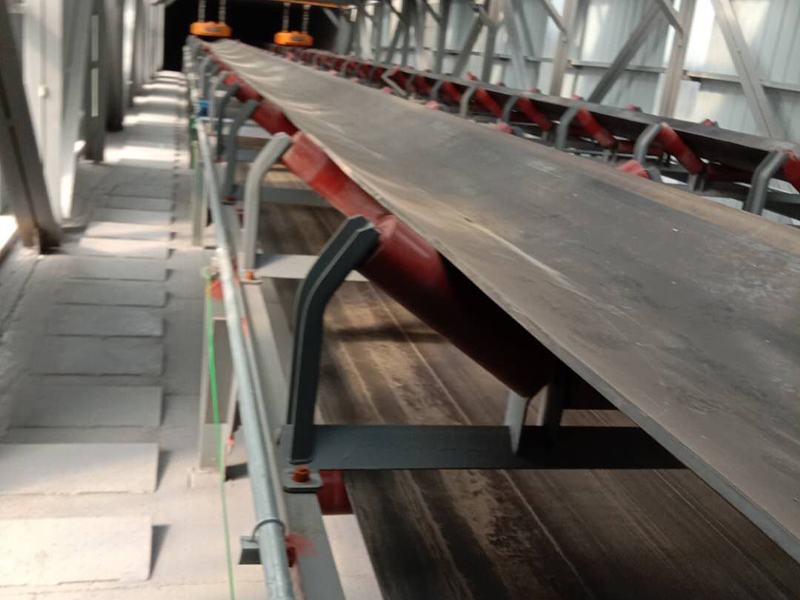
In modern bulk material handling, the performance of the conveyor system relies heavily on the design and maintenance of its structural components. At the core of these structural components are carrying idler rollers. Situated on the load-bearing side of the conveyor system, carrying idlers support not only the heavy conveyor belt itself but also the massive, moving weight of raw minerals, ores, coal, cement clinker, or aggregates.
Ensuring conveyor efficiency requires reducing the system's overall rotational resistance, preventing structural belt tracking misalignment, and minimizing conveyor belt wear. Achieving these goals requires an understanding of how carrying idlers behave under dynamic loads, how advanced sealing assemblies prevent dust ingress, and how localized configurations address specific environmental challenges.
An idler is not just a steel cylinder; it is a highly engineered mechanical system designed to rotate continuously under millions of cycles. Key structural details include:



Procuring material handling hardware from Chinese industrial clusters offers significant strategic benefits for global infrastructure projects:
Global engineering firms and procurement managers require products that comply with local regulatory frameworks and plant specifications. Our engineering processes are structured to meet these requirements:
From freezing high-altitude mines to corrosive coastal ports, specialized carrying idlers are required to handle unique environmental stresses.
In operations like Zijin Mining, copper and gold extraction projects produce heavy, wet, and highly corrosive ore slurries. Our specialized Rubber Buffer Idler Rollers absorb the kinetic energy at loading transfer points. This prevents structural deformation and protects the primary conveyor belt from puncture damage.
Steel mills (e.g., Taihang Steel, Jidong Cement) require component reliability under extreme temperatures and constant abrasive dust exposure. Our CEMA-grade steel carrying trough idlers utilize triple labyrinth seals and heat-stabilized bearings to operate reliably near sinter plants and clinker kilns.
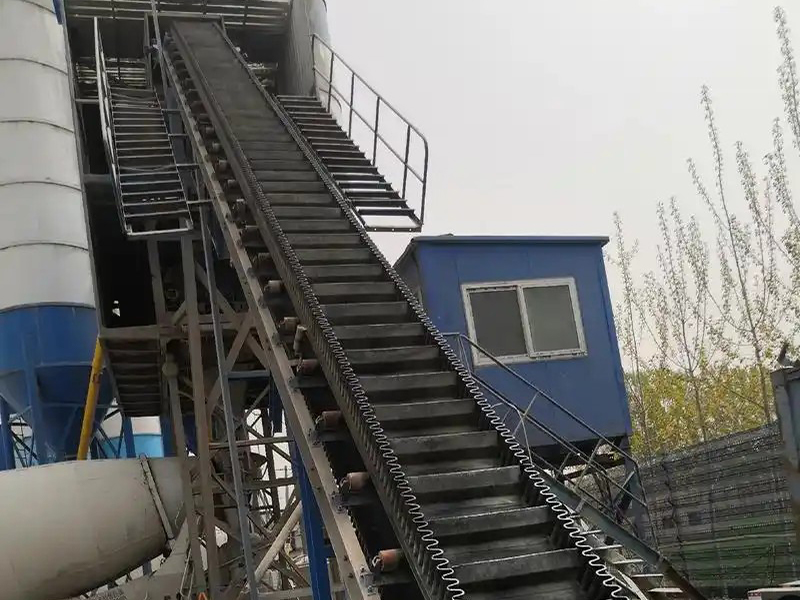
Marine terminals and coal power stations demand continuous operation at high belt speeds (often exceeding 4.5 m/s). We supply balanced carrying idlers with low run-out. This design helps minimize noise levels, reduce power consumption, and extend the operating life of high-angle wavy-edge conveyor systems.
Our manufacturing processes are certified to meet international quality management, environmental safety, and structural durability standards.
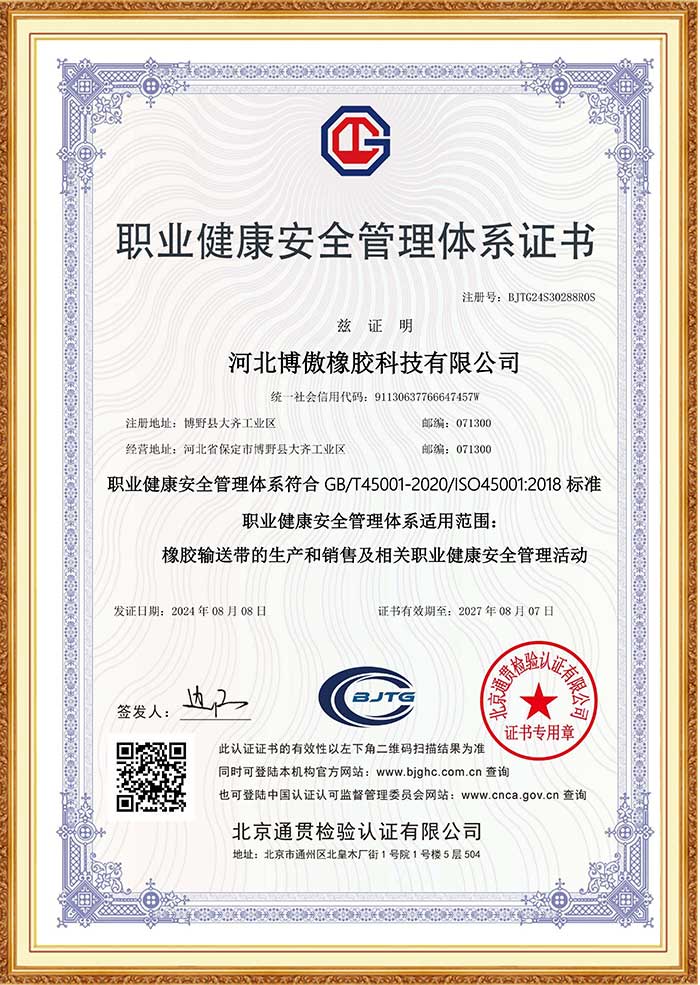
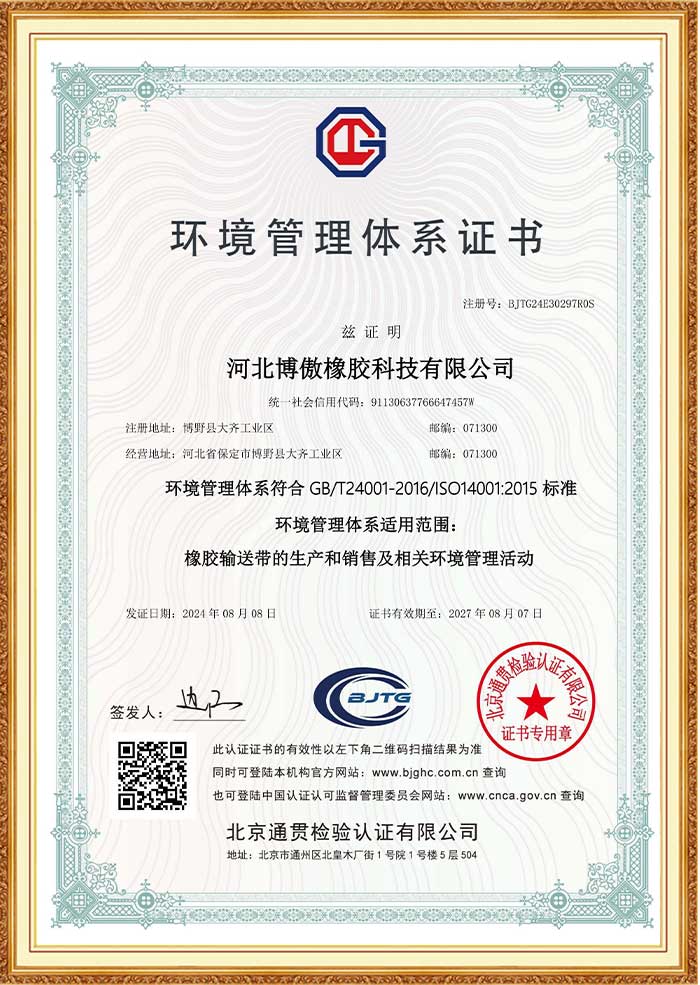
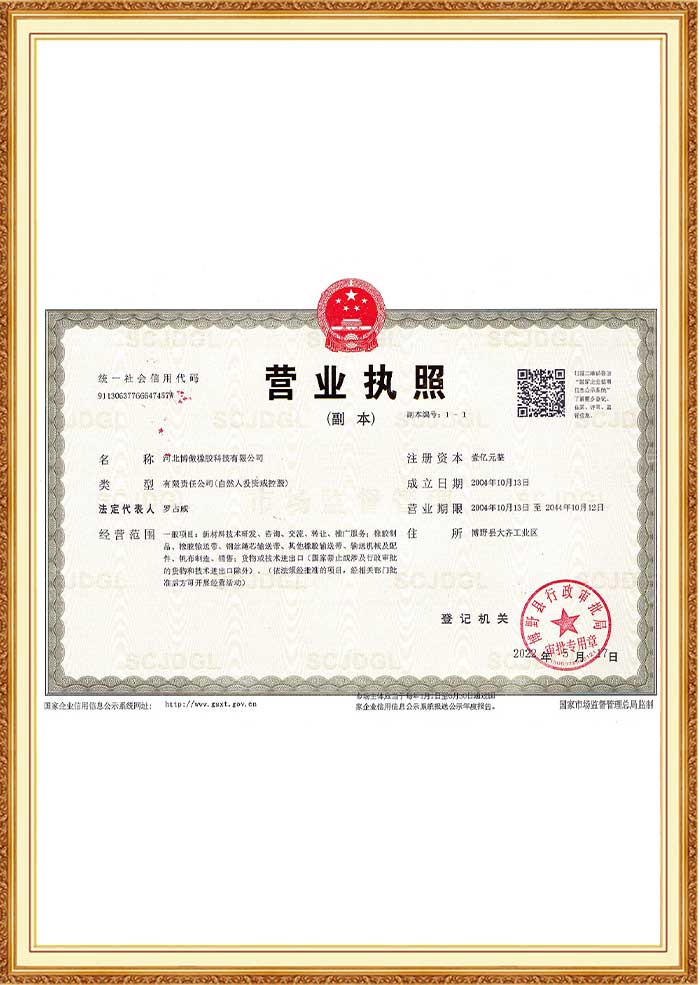
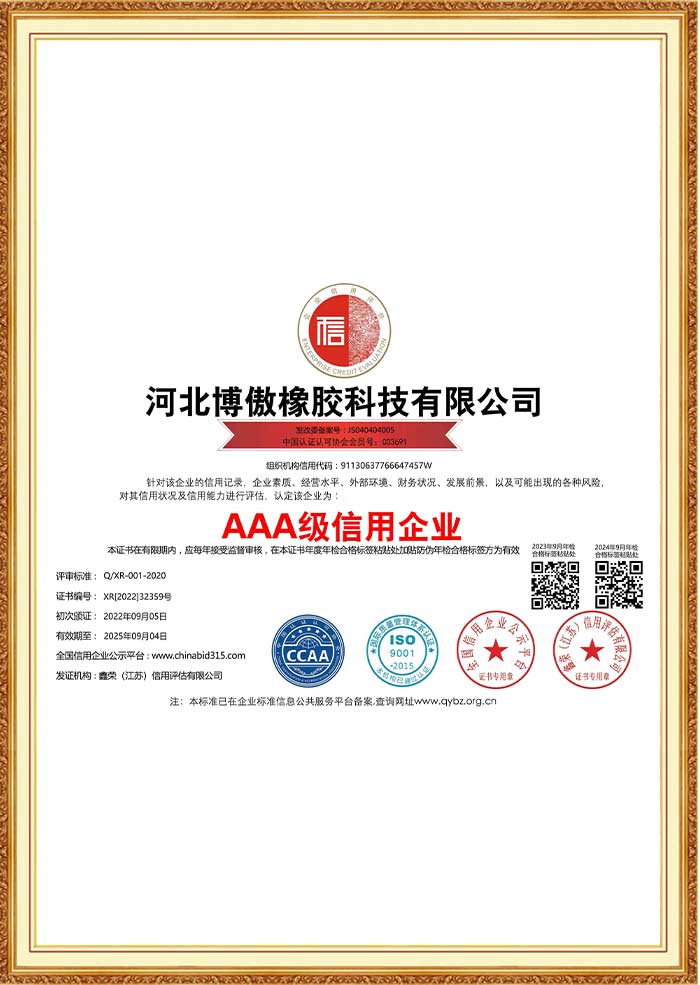
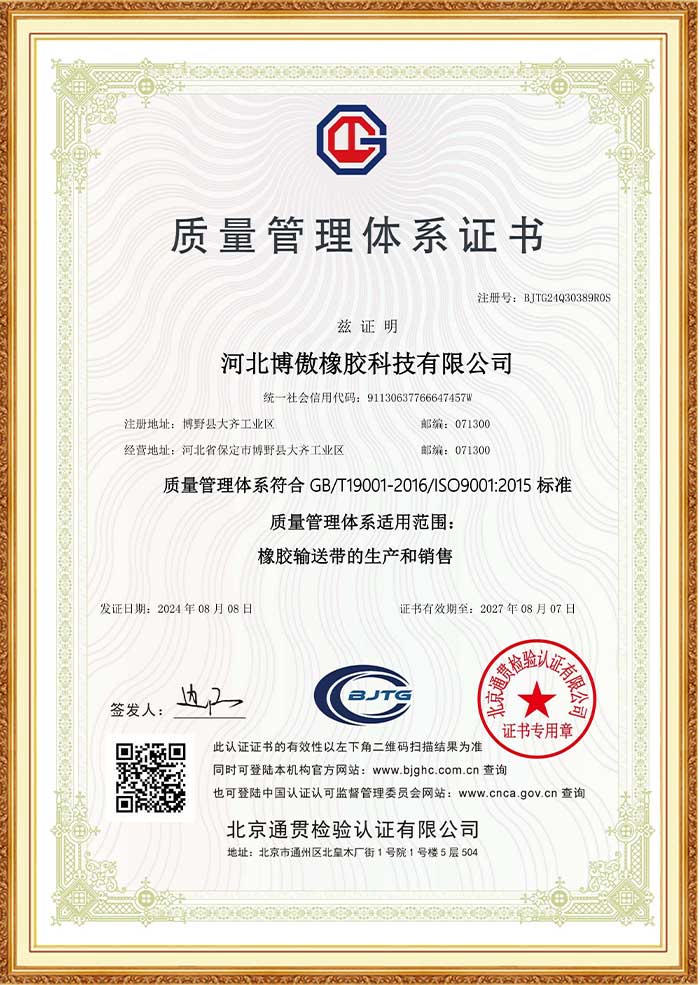
Providing heavy-duty conveyor systems and accessories for high-capacity industrial systems worldwide.
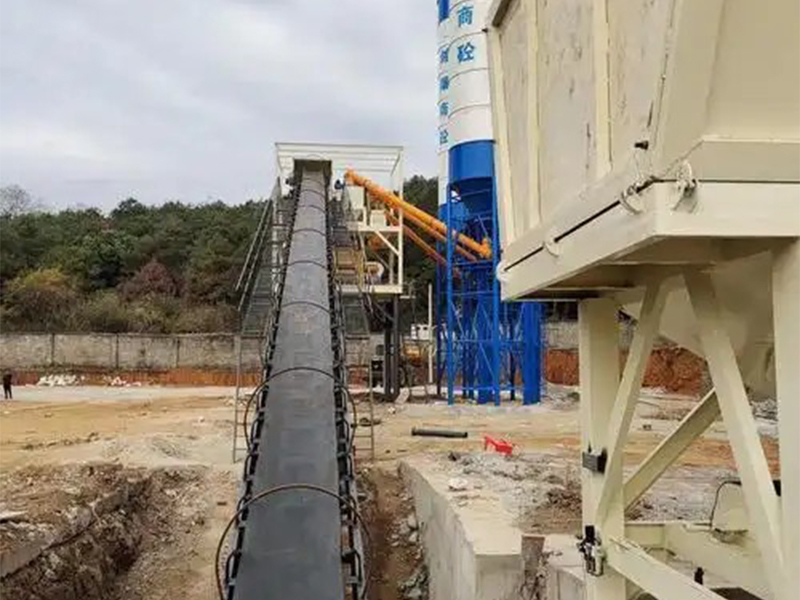
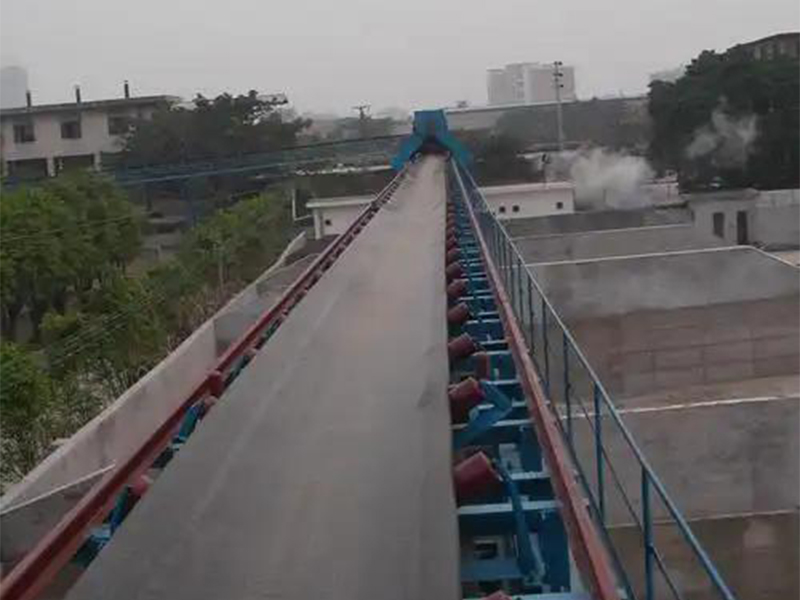
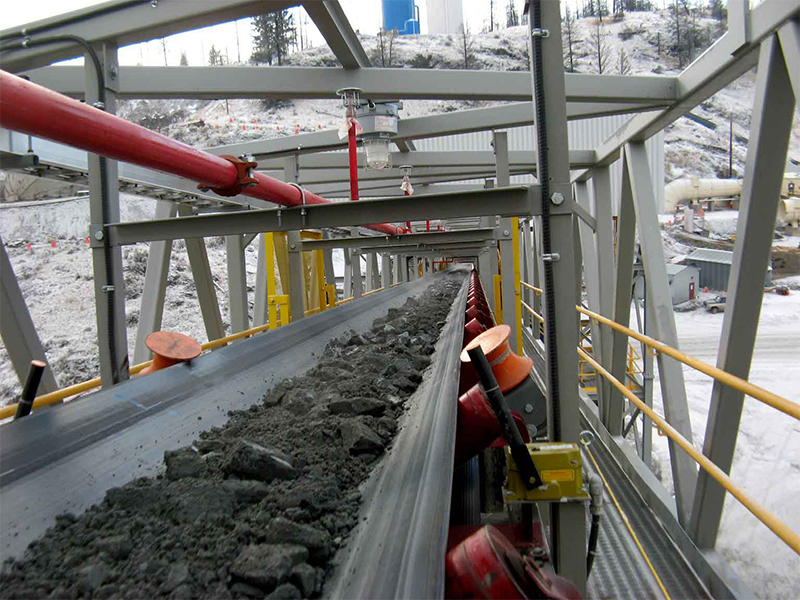
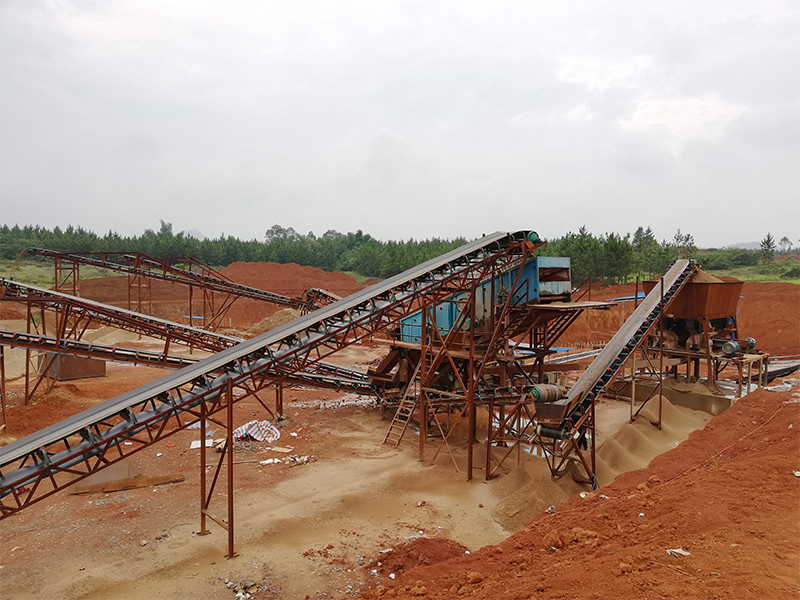
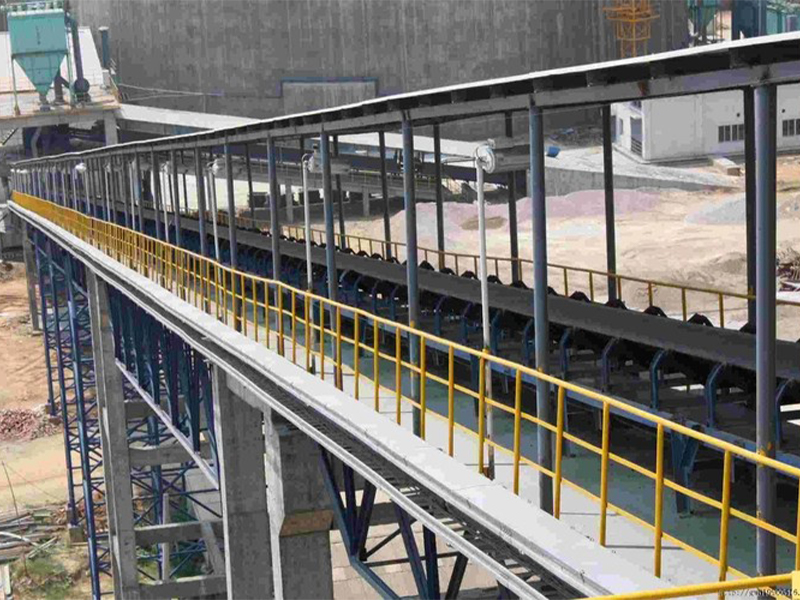
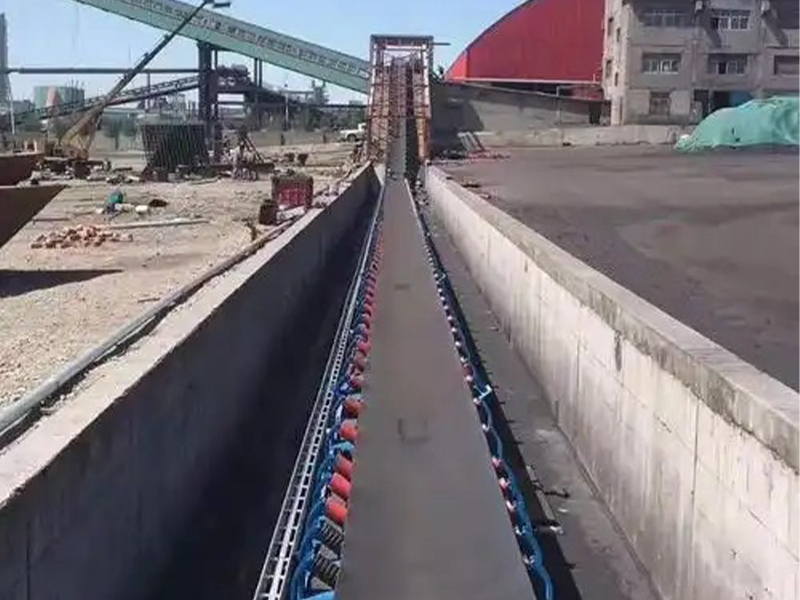
The global bulk handling market is shifting toward smarter, safer, and more energy-efficient systems. To remain competitive, procurement departments must keep these trends in mind:
Unexpected idler bearing failures can cause overheating, which can lead to shell wear or belt damage. Next-generation systems feature carrying idlers with embedded temperature and vibration sensors. These smart idlers transmit data to central control systems, enabling predictive maintenance schedules and minimizing unplanned downtime.
For long overland conveyors, the energy required to rotate thousands of idlers can account for a significant portion of total power consumption. Advanced manufacturers utilize low-drag seal profiles and lighter, high-performance grease formulations. These improvements reduce the breakaway and running torque of each roller, helping to lower plant energy costs.
In environments with high chemical acidity, extreme salinity, or heavy moisture, steel rollers can corrode quickly. High-density polyethylene (HDPE) and composite carrying idlers offer a durable alternative. These lightweight rollers provide corrosion resistance, reduce overall structural weight, and operate with lower noise levels.
Get professional answers to common questions about selecting, maintaining, and sourcing industrial carrying idler rollers.
Carrying idler spacing depends on belt width, bulk material density, and belt tension. For typical heavy-duty mining and aggregate applications with belt widths of 800mm to 1400mm, the standard spacing is 1.0 to 1.5 meters. Spacing is reduced at loading points (to about 0.3 - 0.5 meters) where impact rollers are installed to absorb material falls.
Labyrinth seals create a tortuous path that makes it difficult for fine particulates and moisture to reach the bearing cavity. This design features interlocking male and female segments filled with water-resistant lithium grease. This setup blocks dust particles, which are thrown outward by centrifugal forces during rotation.
Standard steel rollers lack elasticity. When large rocks or ores drop onto a steel roller, the impact forces can cause structural damage to the roller frame and potentially puncture the conveyor belt. Rubber buffer rollers utilize elastic rubber rings to absorb and distribute the impact energy, protecting the conveyor structure.
Using standardized components (such as CEMA in North America or DIN in Europe) ensures that replacement carrying idlers match the shaft diameters, mounting dimensions, and load ratings of your existing conveyor structure. This compatibility simplifies maintenance sourcing and reduces replacement times.
A high-quality carrying idler roller operating under normal conditions can achieve a lifespan of 30,000 to 50,000 hours. The actual operating life depends on material abrasiveness, environmental moisture, dust levels, and regular belt maintenance schedules.
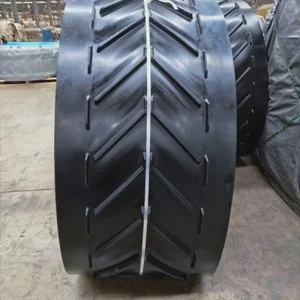
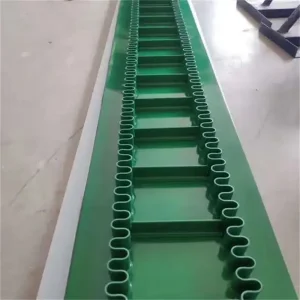
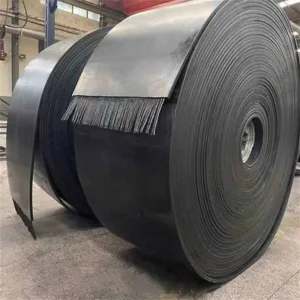
Complete your bulk materials layout with our range of high-strength rubber conveyor belts, impact-resistant idlers, and custom wear-resistant components.
Need custom shaft dimensions, specialized rubber durometer profiles, or dynamic balancing certifications? Our engineering team will review your system layout drawings and provide a detailed quotation.
Inquiry Now Boao Rubber