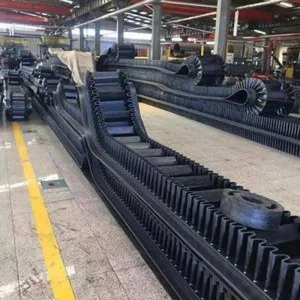
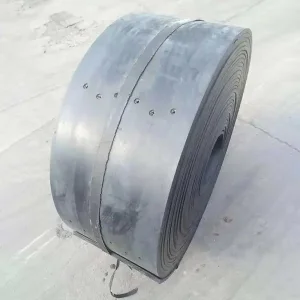
Direct factory supply of high-grade steel wire rope, chemical resistant, pattern profile, and high-tensile fabric conveyor systems.
An in-depth technical analysis of heavy-duty carcass architecture, wear factors, and system integration parameters.
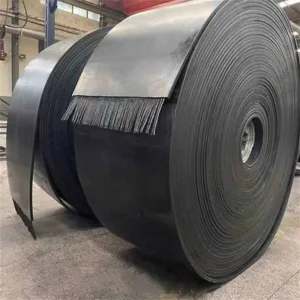
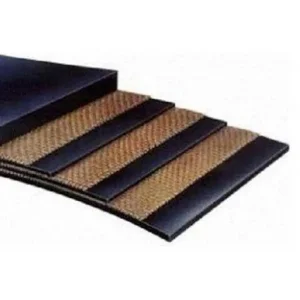
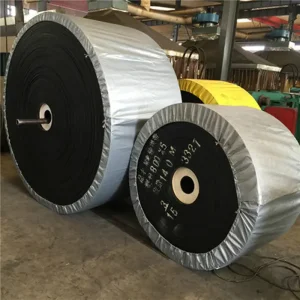
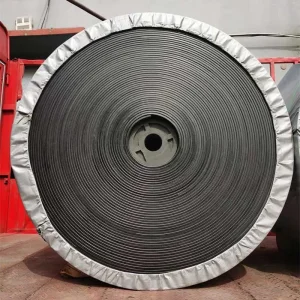
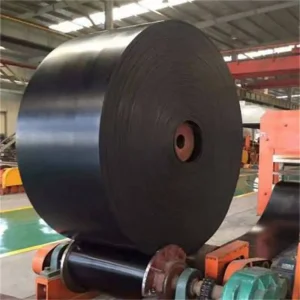
In heavy industrial conveyor systems, bulk solids handling requires a resilient carcass structure to withstand continuous tensile loading, point-impact stress, and longitudinal flexing. The designation Cc56 (Cotton-Cotton 56oz) represents a premier standard in heavy fabric reinforcements. Manufactured using tightly woven, high-tensile cotton fibers in both the warp (longitudinal) and weft (transverse) directions, Cc56-grade belts deliver structural stability and outstanding rubber adhesion values.
While modern synthetics (such as polyester EP or polyamide NN) are widely used, Cc56 canvas holds a critical position in high-temperature installations and materials requiring natural elasticity. The cotton fibers possess a unique ability to expand and contract under severe thermal transitions without experiencing the sudden structural degradation common in thermoplastic fibers. The natural fiber orientation provides excellent physical mechanical anchorage for the rubber skim coats, lowering the risks of ply separation under intense load stresses.
International procurement trends demonstrate a clear shift toward energy conservation and system reliability. Large-scale global enterprises demand belt structures that limit rolling resistance and minimize power consumption. Sourcing directors look for conveyor components with strict wear metrics (e.g., DIN 22102 abrasion ratings under 90mm³) to prolong line life. Additionally, safety regulations require flame-retardant (FR) properties for underground operations, and anti-static certifications for grain silos and coal operations.
Procurement models have shifted from short-term component purchases to lifecycle cost assessments (TCO - Total Cost of Ownership). Industrial operators prioritize manufacturers who supply complete testing certifications—ranging from raw compound rheometer profiles to finished-belt tensile evaluations—minimizing the risks of unscheduled system downtime.
To evaluate the long-term reliability of a Cc56 conveyor system, plant engineers must assess several operational criteria:
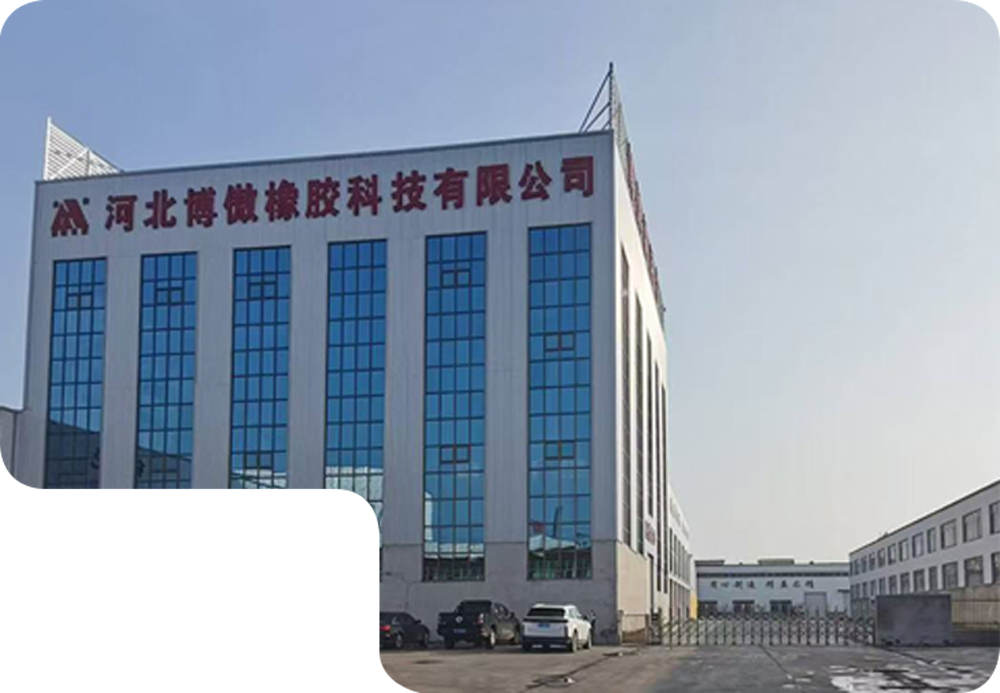
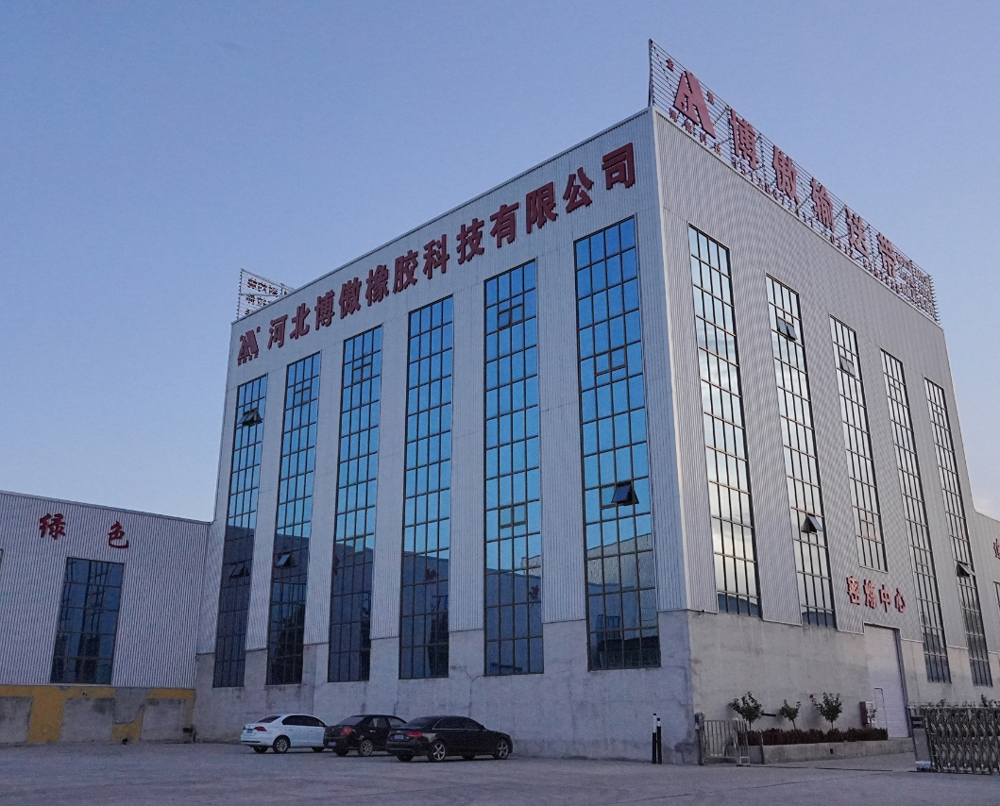
Learn about Hebei Boao Rubber Technology Co., Ltd. and our commitment to rubber innovation.
Built on technical precision, independent quality assurance, and robust global logistics.
We maintain an independent chemical analysis laboratory and physical testing facility to verify every production phase, from raw polymers to finished goods. Substandard materials are restricted from the plant floor, ensuring only certified products are dispatched to our clients.
Certified inspection staff, precision testing machinery, and standardized analytical processes run continuously. We perform testing for tensile resistance, elongation under tension, heat resistance, cover wear loss, and adhesion dynamics.
Supported by solid technical engineering and dedicated field service, our conveyor products are exported to industrial regions worldwide. We serve operations in metallurgy, thermal energy generation, mining, construction materials, seaport terminals, and fertilizers.
Comprehensive system support, custom engineering, and predictive maintenance protocols designed to extend system uptime.
The transition from procurement to long-term operations requires reliable field service and structured maintenance. At Hebei Boao Rubber Technology Co., Ltd., we provide end-to-end technical service plans that help prevent conveyor failures, increase transport efficiency, and lower the Total Cost of Ownership.
Scheduled belt replacements, hot vulcanized splicing, cover wear mapping, and emergency system support.
Raw rubber compounding supply, critical safety stock storage, vulcanization splicing, localized inspection, and belt diagnostics.
Improving operational reliability, decreasing unexpected belt failures, and reducing energy draw per metric ton of transported material.
Predictive analysis of belt stress points, edge-wear management, and localized alignment checks to extend service life.
Modern bulk transport systems require durable conveying solutions. In the past, industrial operations used simple natural rubber formulations with light cotton carcasses, which were vulnerable to moisture rot and quick wear. As mining and processing plants scaled up, developers designed highly engineered rubber compounds capable of carrying heavy, abrasive materials over longer distances and through extreme environments.
Today's heavy-duty rubber belts are complex composite structures. They combine specialized synthetic polymers, wire-rope reinforcements, and multi-ply fabric carcasses with high-integrity adhesion systems. As a result, modern belting can operate continuously under extreme tensile stress and impact loads, forming the foundation of global bulk handling infrastructure.
Explore our complete manufacturing capabilities, including multi-ply fabric, steel core, and custom profile solutions.
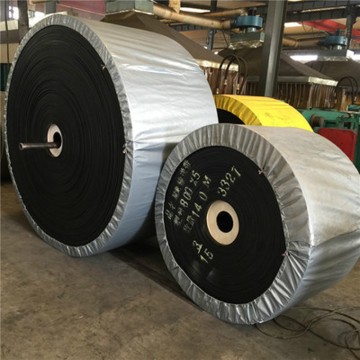
Specifically designed for hot sinter, cement clinker, and chemical processing.
Technical Specifications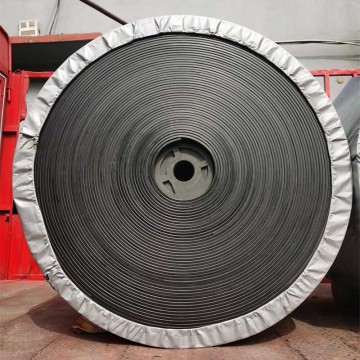
Designed for high performance in sub-zero mining environments.
Technical Specifications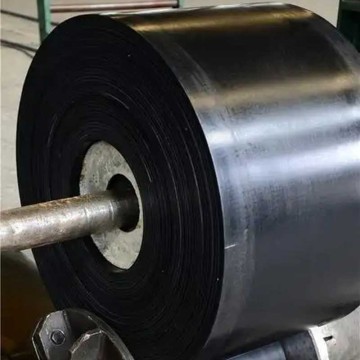
Specially formulated cover rubber to resist chemical wear and oxidation.
Technical Specifications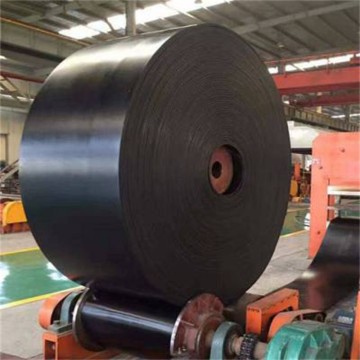
Features a high-elasticity nylon carcass for superior load flexibility.
Technical Specifications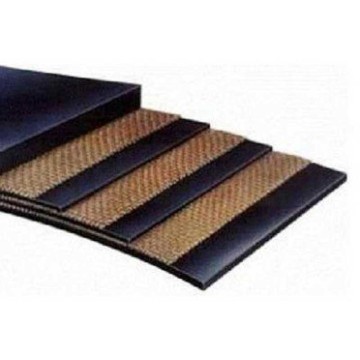
Cost-effective, high-reliability solution for everyday material transport.
Technical Specifications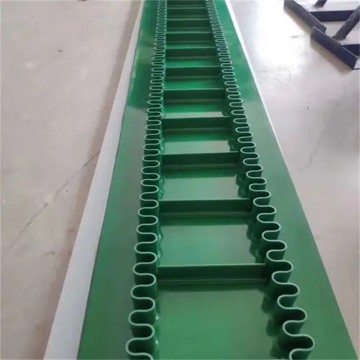
Optimized for light industrial, logistics, and processing applications.
Technical Specifications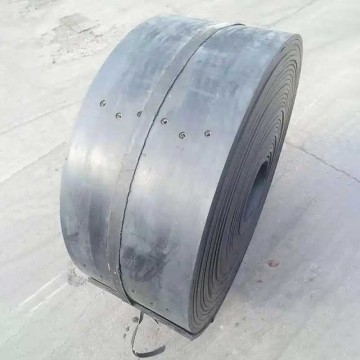
High bolt-holding strength for vertical elevator installations.
Technical Specifications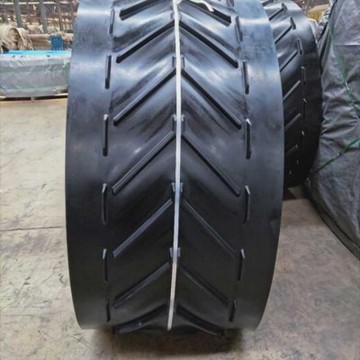
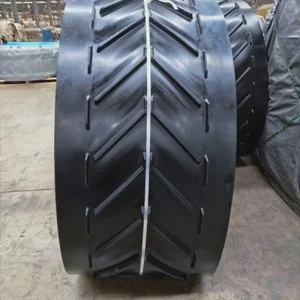
Chevron patterns designed to prevent back-slip on inclined lines.
Technical Specifications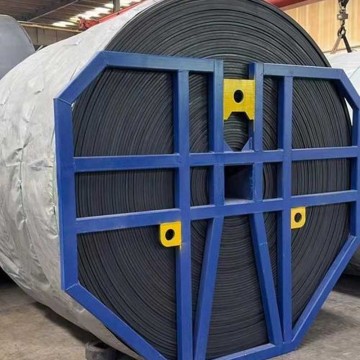
Equipped with high-tensile steel cord reinforcement to prevent puncture tearing.
Technical Specifications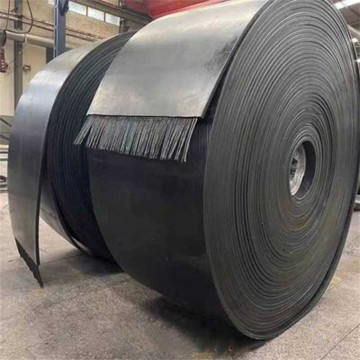
Engineered for long-haul overland transport and deep mining operations.
Technical Specifications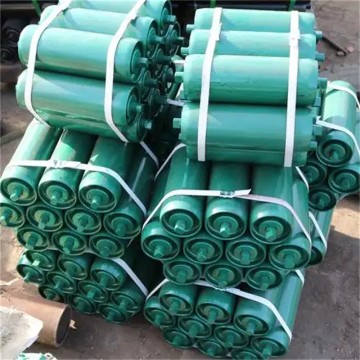
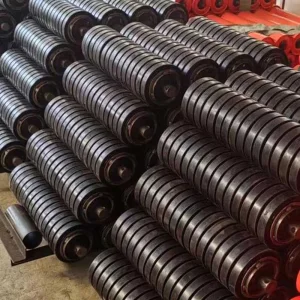
Durable, low-noise components that maintain belt alignment.
Technical Specifications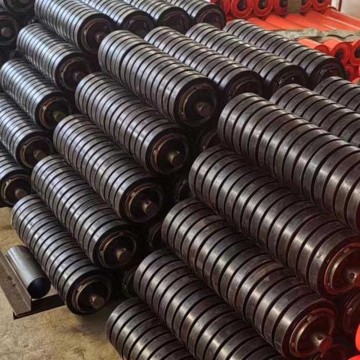
Placed at feed points to absorb impact energy and protect the belt.
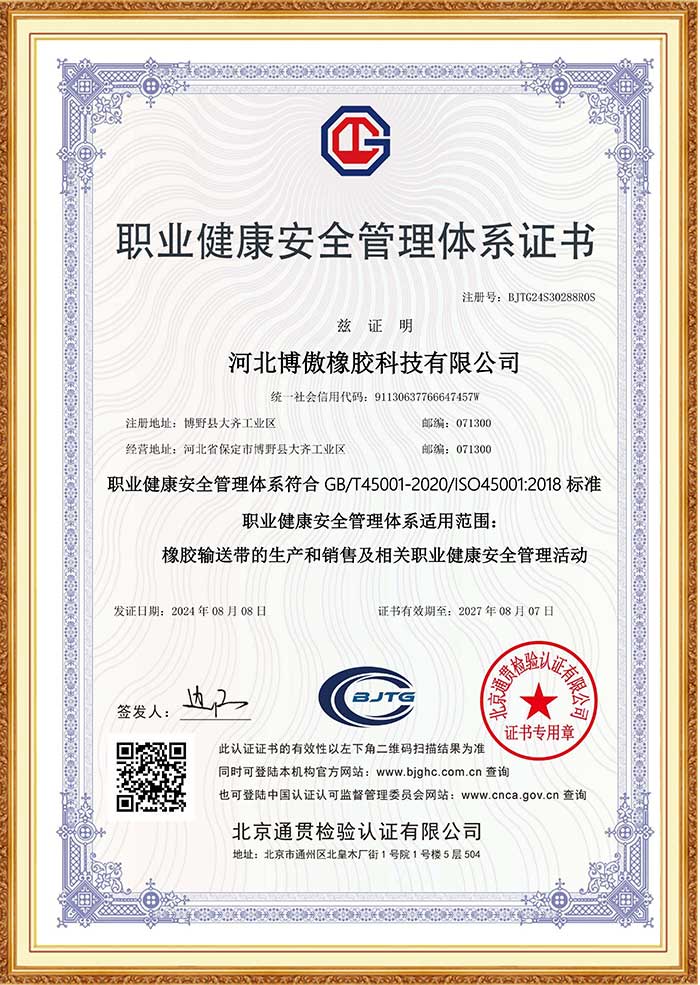
Technical SpecificationsOur manufacturing and processing lines comply with international safety, environmental, and quality assurance standards.
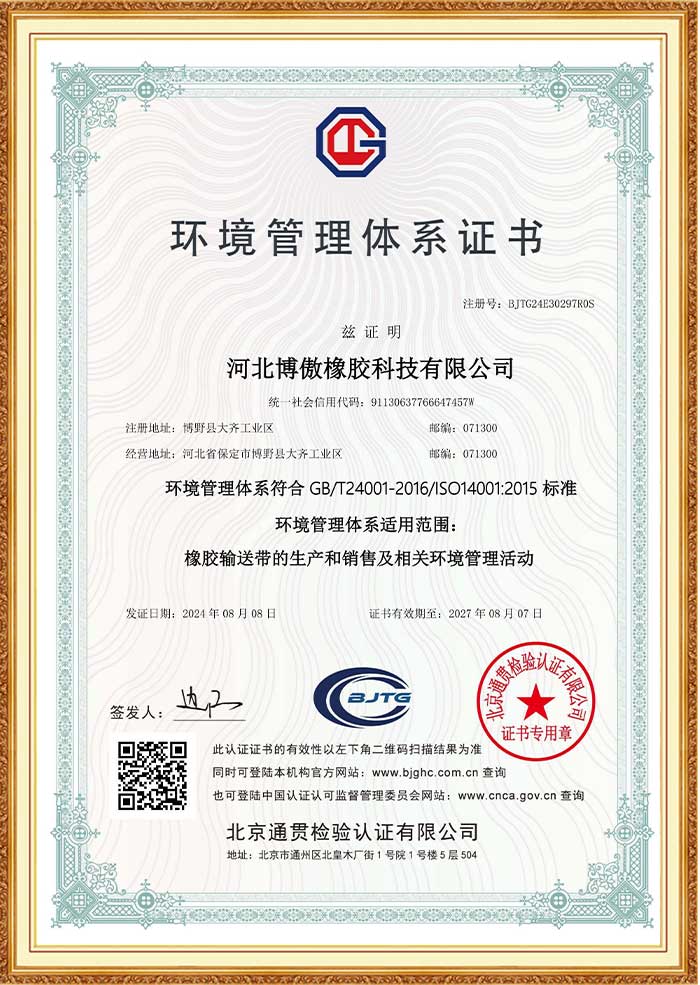
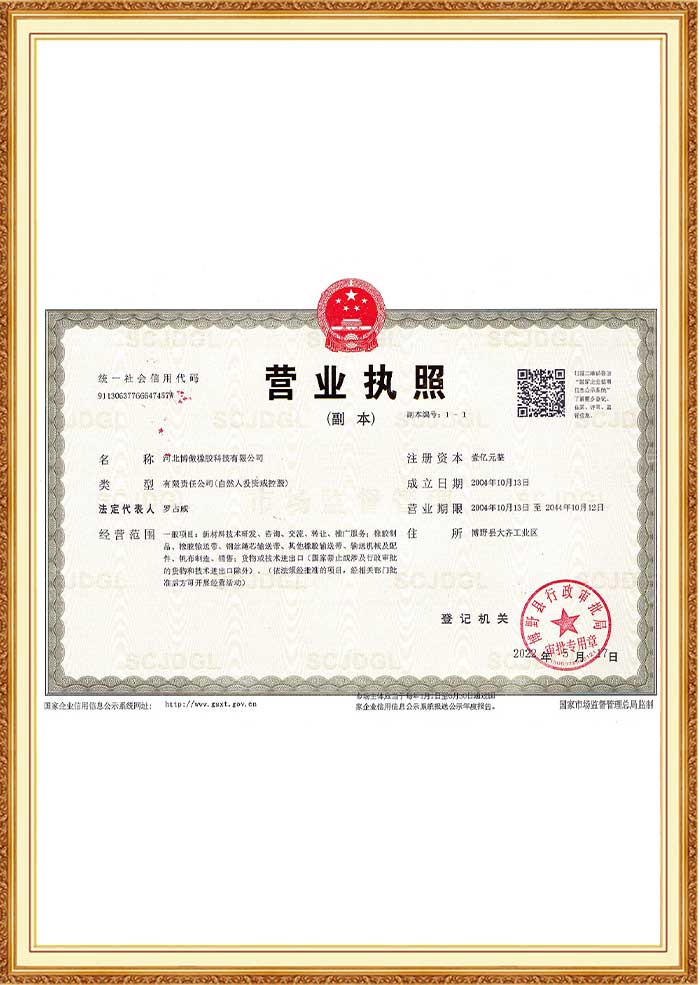
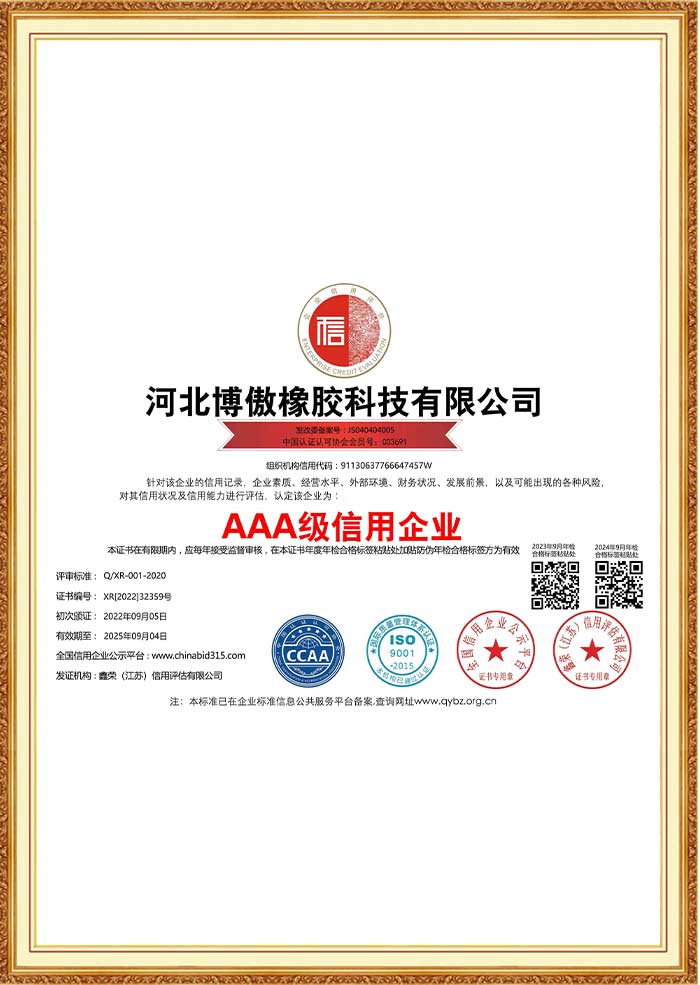
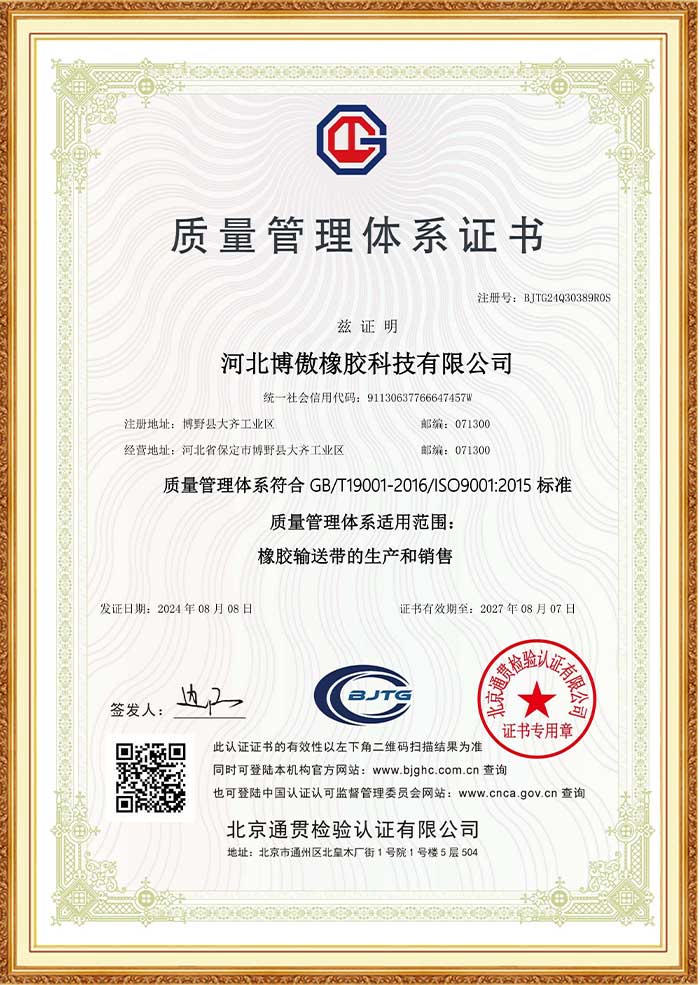
Partnering with global mining groups, steel manufacturers, and engineering companies.
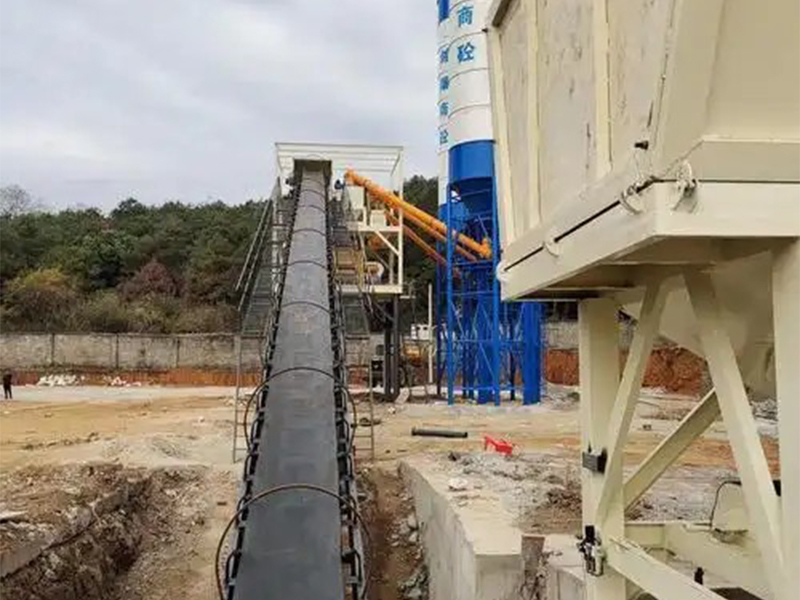
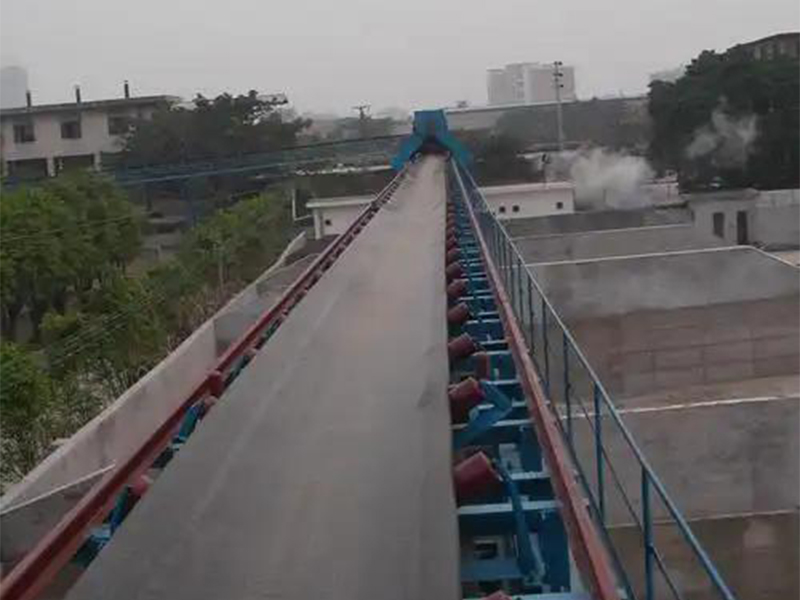
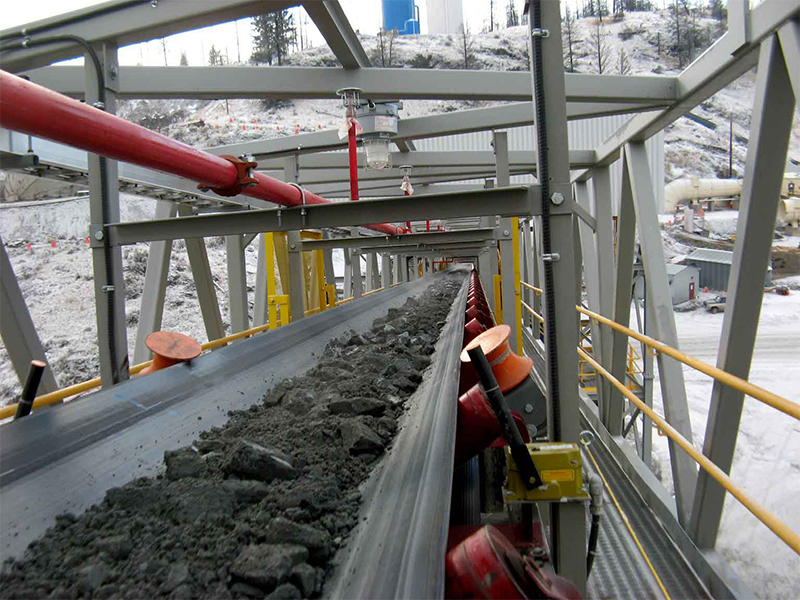
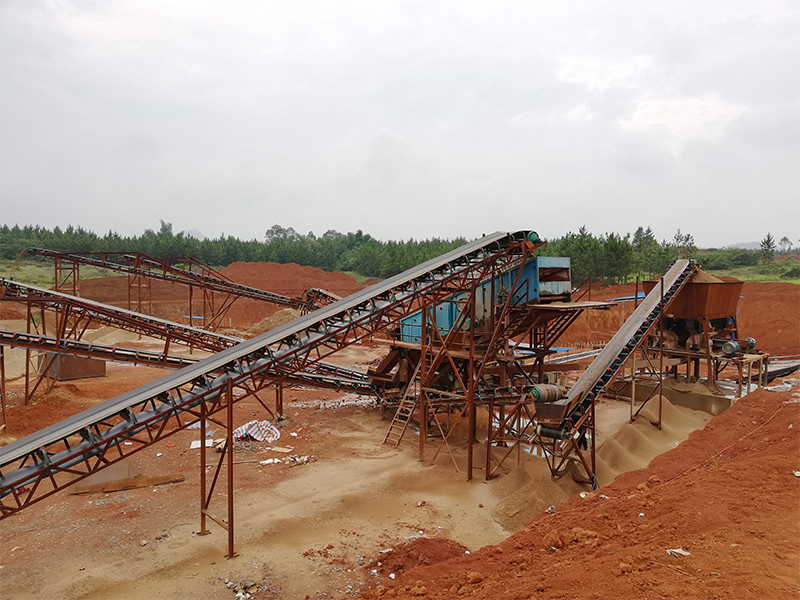
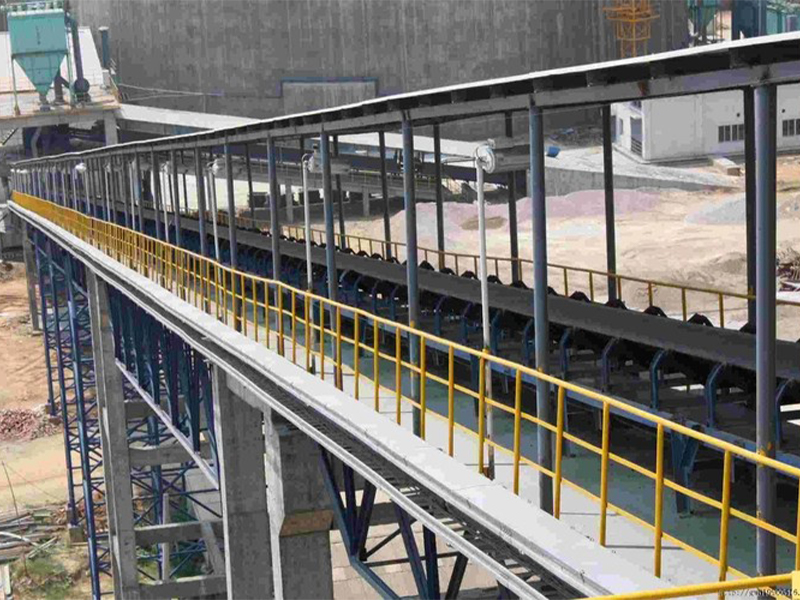
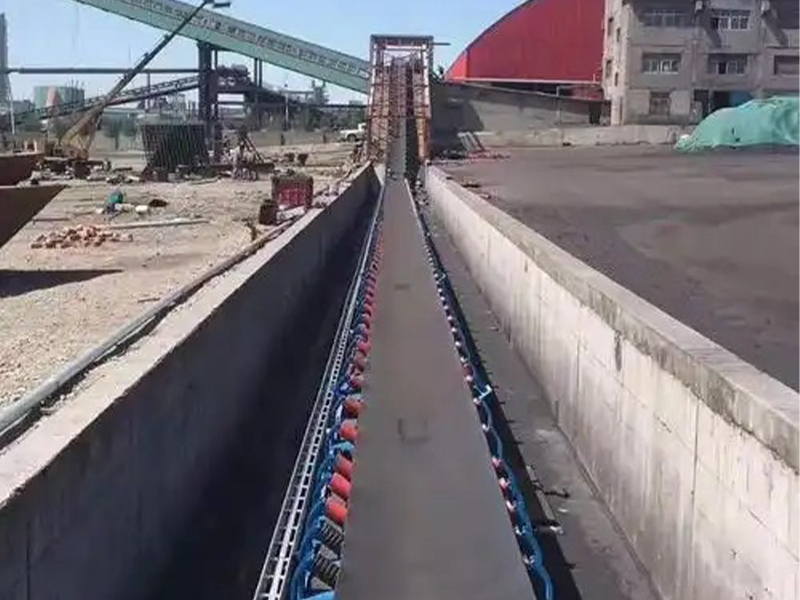
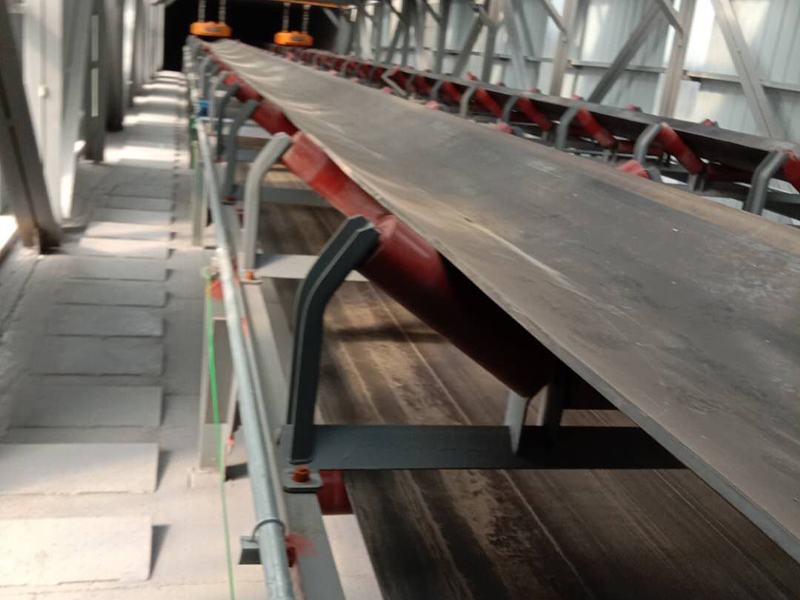
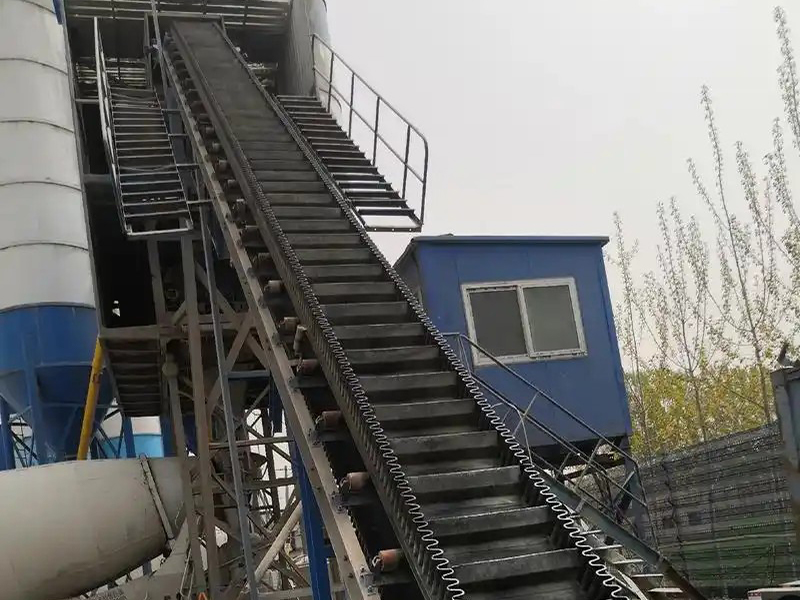
How modern engineering is aligning bulk material logistics with carbon neutrality goals.
In long-distance conveyor installations, over 60% of the energy consumed by the drive motors goes toward overcoming the indentation rolling resistance. This resistance occurs as the belt travels over the support idler rollers. Sourcing and engineering teams are focusing on **Low Rolling Resistance (LRR)** compounds for the bottom rubber covers.
By optimizing the viscoelastic behavior of the base compound, engineers can limit energy loss at the belt-roller contact point. This reduction in indentation losses lowers overall power requirements, which helps decrease operational greenhouse gas emissions and reduces the need for high-voltage drive hardware in long overland lines.
Manual wear inspections can be inefficient and are often completed only after damage has occurred. Next-generation systems integrate conductive loops and RFID tracking nodes directly into the multi-ply fabric carcass or steel wire rope core. These sensors monitor the physical state of the belt and provide early detection of rip risks, track alignment issues, and map cover thickness changes in real time.
Environmental standards require manufacturers to rethink traditional compounding recipes. Green compounding focuses on replacing petroleum-based process oils with plant-based alternatives and using recycled rubbers in non-critical structural layers. Implementing modern, low-emission vulcanization lines helps decrease factory carbon intensity while ensuring finished products retain high levels of adhesion and tensile integrity.
Technical answers to common engineering, procurement, and maintenance questions.
Our engineering and support teams are available to assist with product selection, layout calculations, and wear lifecycle evaluations. Reach out today for a prompt response.
Request Technical Data SheetsA full selection of heavy-duty components and specialized compounds engineered for tough industrial conditions.
 Boao Rubber