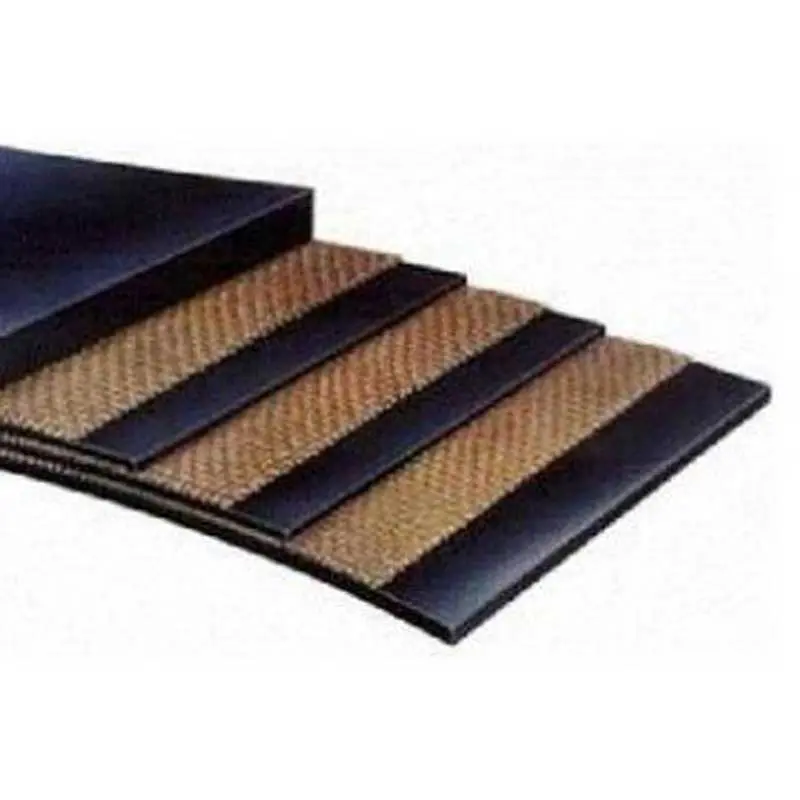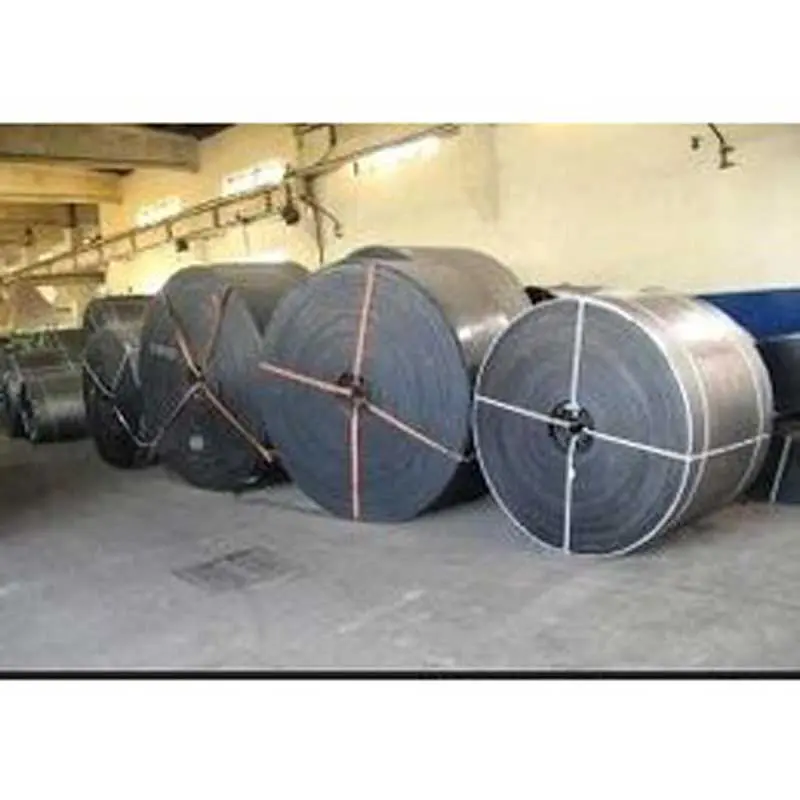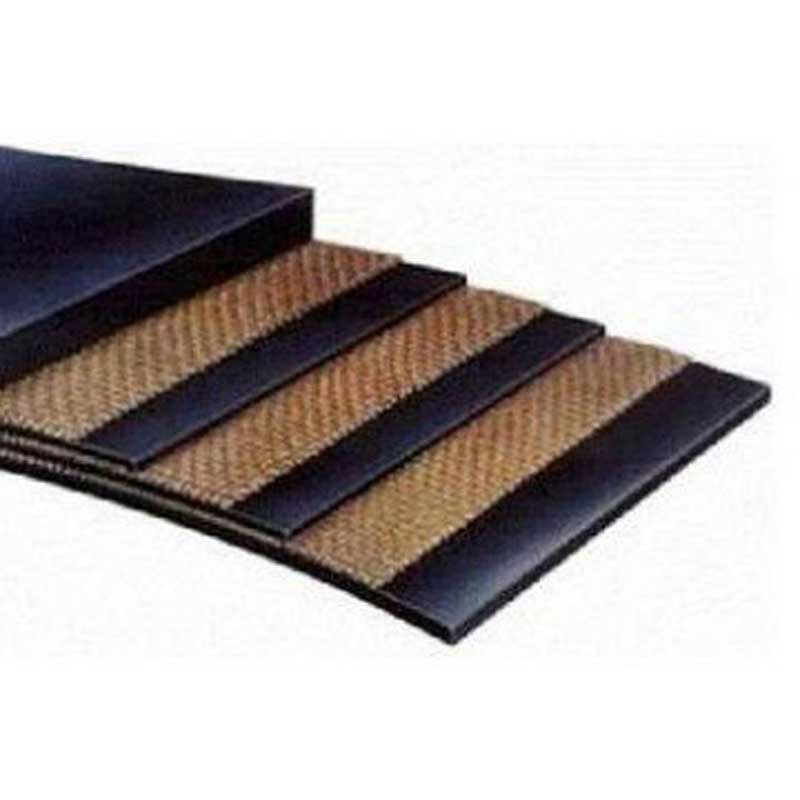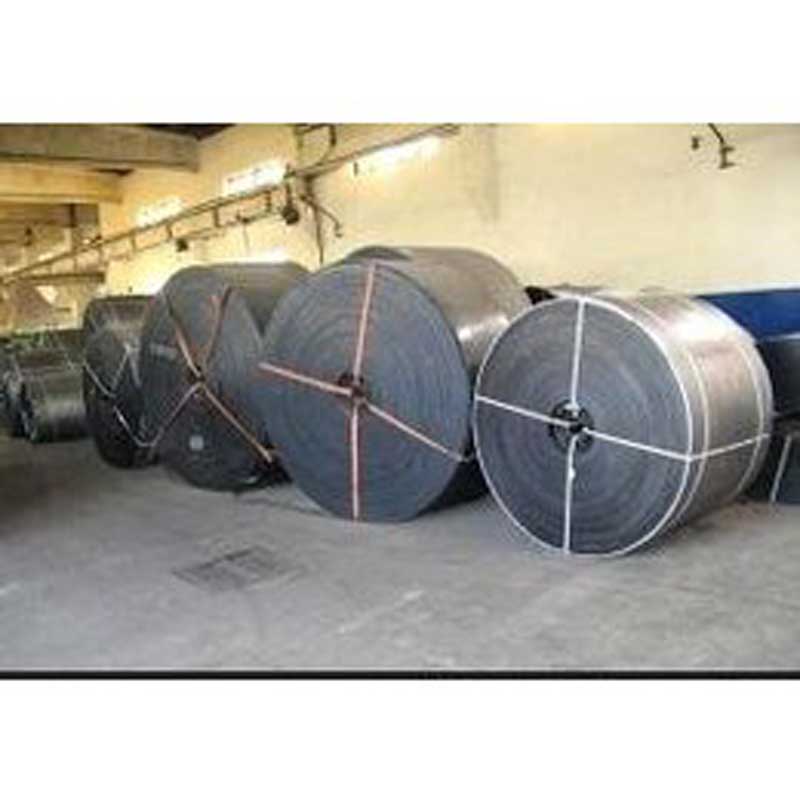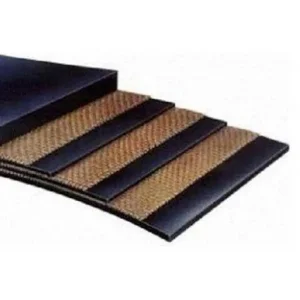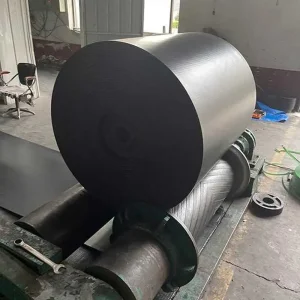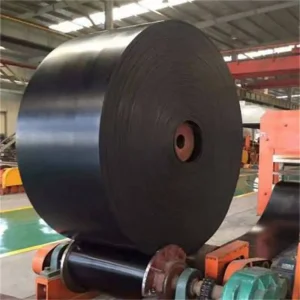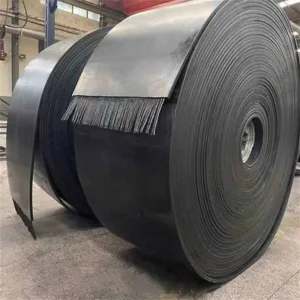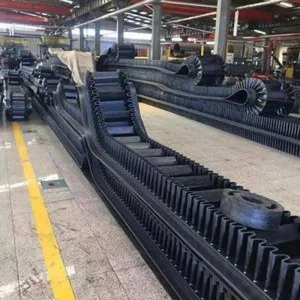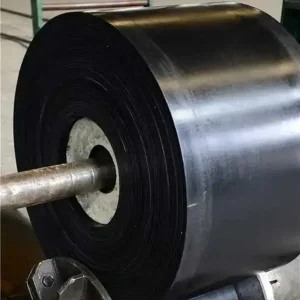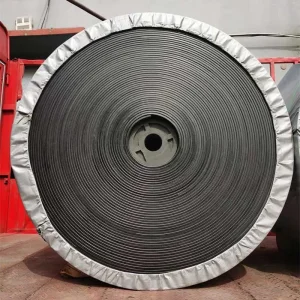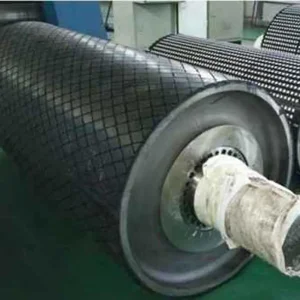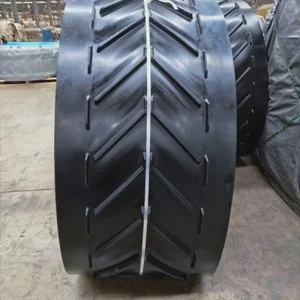
Ordinary conveyor belts are divided into many specifications and models according to different usage environments and requirements:
1
By Transportation Volume & Width: Commonly used models include B300, B400, B500, B600, B650, B800, B1000, B1200, B1400, B1600, B1800, B2000 (B = width in millimeters).
2
By Usage Environment: Models include heat-resistant, cold-resistant, acid & alkali resistant, oil-resistant, and food conveyor belts.
- Ordinary & food conveyor belts: upper cover ≥ 3.0mm, lower cover ≥ 1.5mm
- Heat-resistant, cold-resistant, acid/alkali-resistant & oil-resistant belts: upper cover ≥ 4.5mm, lower cover ≥ 2.0mm
- Upper and lower cover thickness can be increased by 1.5mm depending on specific usage environment.
🌡️ New Material Conveyor Belt — Advanced Performance: Designed for continuous operation from -73°C to +260°C, with superior chemical resistance, excellent insulation, low friction coefficient, and high dimensional stability under high temperature and pressure environments.
📄 Execution Standard: GB/T7984-2001
Covering Layer Performance Requirements:
Tensile Strength
≥ 15 MPa
Elongation at Break
≥ 350%
Interlayer Bonding (avg.)
≥ 3.2 N/mm
Cover-to-Layer Bonding
≥ 2.1 N/mm
Available Conveyor Belt Types by Application:
Oil Resistant
Anti-Skid
Climbing
Acid & Alkali Resistant
Heat Resistant
Cold Resistant
Flame Resistant
Corrosion-Resistant
Moisture-Proof
Low-Temperature Resistant
High-Temperature Resistant
Flame Retardant