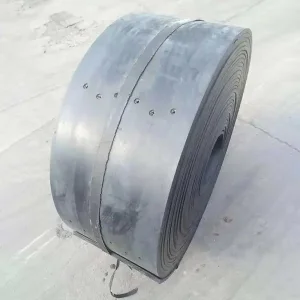
Direct supply from Hebei Boao Rubber Technology Co., Ltd. custom-engineered for international systems.
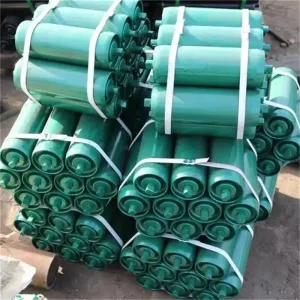
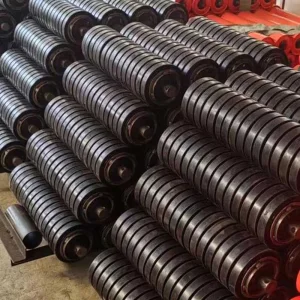
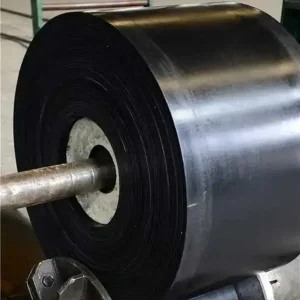
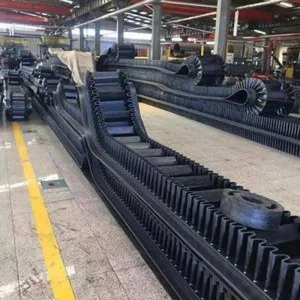
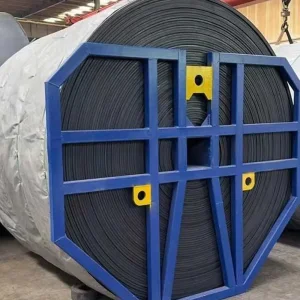
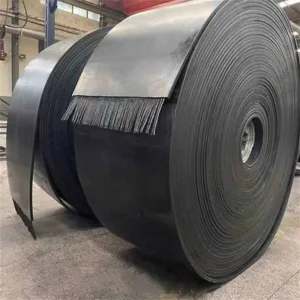
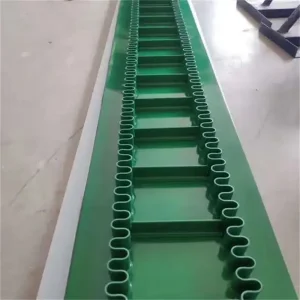
A comprehensive analysis of durability, material science, and operational longevity in heavy bulk logistics.
In modern industrial operations, material handling systems are the arteries of production. The performance, reliability, and lifecycle cost of rubber conveyor belts dictate the overall productivity of mines, power plants, steel mills, and maritime ports. Among various conveyor belt construction methodologies, the design of the belt edge is critical.
Moulded Edge Conveyor Belts represent a high-tier engineering response to the common failure modes associated with cut-edge belts. While cut-edge belts are slit from wider manufactured rubber slabs—leaving the internal textile or steel reinforcement cords exposed to ambient atmosphere and mechanical shear—moulded edge belts are cured to their final width within high-pressure vulcanizing presses. This creates a continuous, protective rubber boundary around the internal tension element, isolating the load-bearing textile or steel cord reinforcement from mechanical abrasion, fluid infiltration, and atmospheric degradation.
To understand the longevity of a conveyor belt, we must analyze the structural interface between the rubber cover and the reinforcement fabric (EP, Nylon, or Steel Cord).
| Performance Criterion | Moulded Edge Construction | Cut Edge Construction |
|---|---|---|
| Carcass Exposure | Complete encapsulation; zero exposed fabric threads or steel wires. | Reinforcement elements visible and exposed at the lateral boundaries. |
| Moisture & Chemical Ingress | Inpenetrable rubber seal prevents capillary absorption of water or corrosive fluids. | Fibers absorb moisture via capillary action, leading to internal rot or cord corrosion. |
| Delamination Risk | Miniscule; integrated edge design absorbs lateral shear during mistracking. | High; localized ply separation initiates easily at the exposed cut face. |
| Edge Wear & Fraying | Resilient, solid rubber edge prevents fiber pulling and unraveling. | Lateral friction leads to shredding of reinforcement plies and premature failure. |
| Application Suitability | Aggressive chemical environments, high moisture, steel wire cores, heavy mining. | Dry, light-duty, short-haul, indoor or non-critical package handling. |
During operation, conveyor belts frequently experience lateral drift or mistracking, contacting the conveyor structure, self-aligning idlers, or safety limit switches. In a cut-edge belt, this friction quickly tears open the exposed fabric layers, allowing water, fine dust, and acidic/alkaline process fluids to seep inside. Over time, moisture travels along the cords (capillary wicking), causing internal adhesive degradation, rotting of organic fibers, or oxidation of steel wire cores. In contrast, Boao’s moulded edge technology vulcanizes a thick, highly resilient rubber border directly into the belt carcass, providing an energy-absorbing barrier that prevents structural unraveling and extends field longevity by up to 40% in harsh settings.
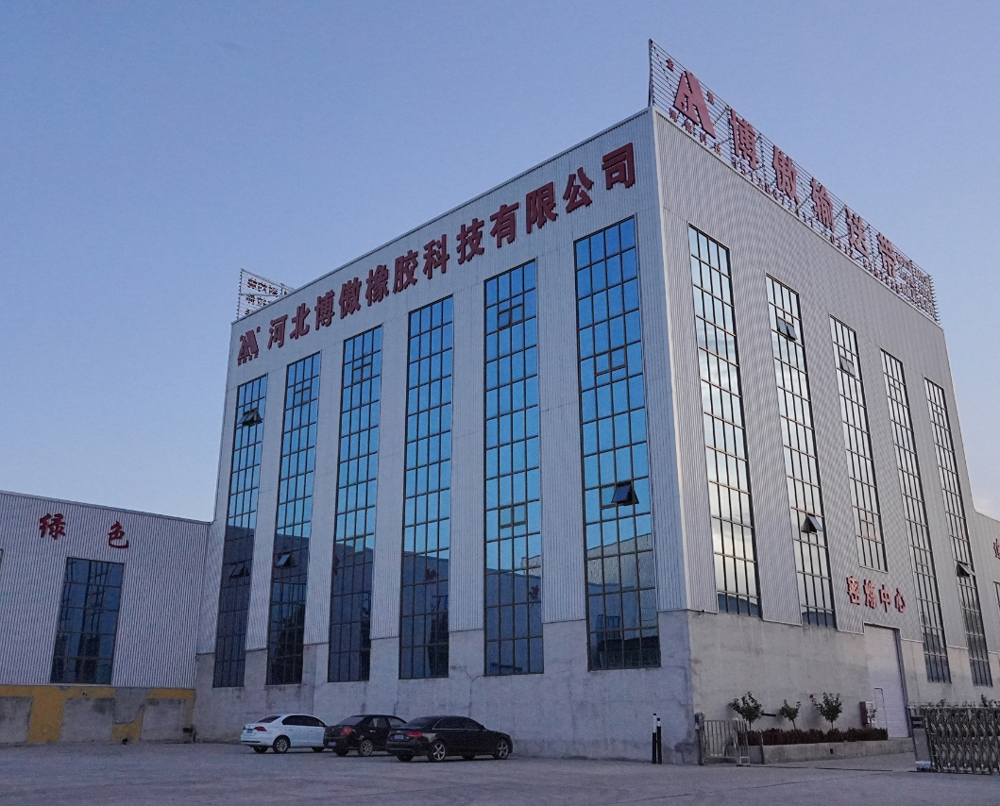
Established in 2004 and situated in the industrial heartland of the Boye County Rubber Industrial Park, Baoding City, Hebei Province, our state-of-the-art facility spans over 30 acres. Under our flagship brand "Jinao", we have evolved into an international research, design, and manufacturing powerhouse specializing in high-performance rubber conveyor belts and critical conveyor accessories.
Our facility integrates advanced formulation research laboratories, dynamic chemical analysis stations, physical stress-strain testing systems, and high-capacity vulcanizing presses. This complete vertical integration guarantees that every square meter of conveyor belting complies with domestic and international quality management standards.
How moulded edge engineering resolves critical logistical bottlenecks across global industrial complexes.
Underground and open-pit mining operations transport raw abrasive ores over long distances, often involving steep vertical climbs. Moulded edge steel wire rope and heavy fabric belts prevent moisture ingress that causes core corrosion and ply separation under high tension forces.
Handling sintered materials, hot coke, and slag requires conveyor belts capable of resisting temperatures up to 220°C. Moulded edge belts maintain cover rubber bond strength even when the sides are exposed to localized hot zones, preventing edge curling and mechanical splitting.
Ports loading coal, iron ore, and grains must contend with saline air and fluctuating moisture levels. Standard cut-edge belts fail rapidly as marine humidity degrades the exposed weave, while moulded edge belts lock out moisture completely.
Unlike typical cut-edge belts that simply snip off the surplus width, Jinao's moulded edges undergo a proprietary co-vulcanization process. The main body plies and the solid rubber edge strip are chemically cross-linked using specific sulfur donors under 180°C heat and 2.5 MPa hydraulic pressure. This forms a continuous vulcanized web where the rubber cover and the edge form a singular, monolithic polymer structure. This eliminates the microscopic stress-concentration boundaries that cause delamination when the belt is bent around pulleys or driven through deep troughing angles.
Ensuring compliance with DIN 22102, AS 1332, and ISO standards through physical and chemical validation.
At Hebei Boao Rubber Technology Co., Ltd., we believe that reliable products are born from scientific verification. Our specialized chemical and physics laboratories analyze all incoming raw materials, from natural and synthetic rubbers to high-tensile polyester/nylon yarns and steel cables.
Our In-House Testing Protocols Include:

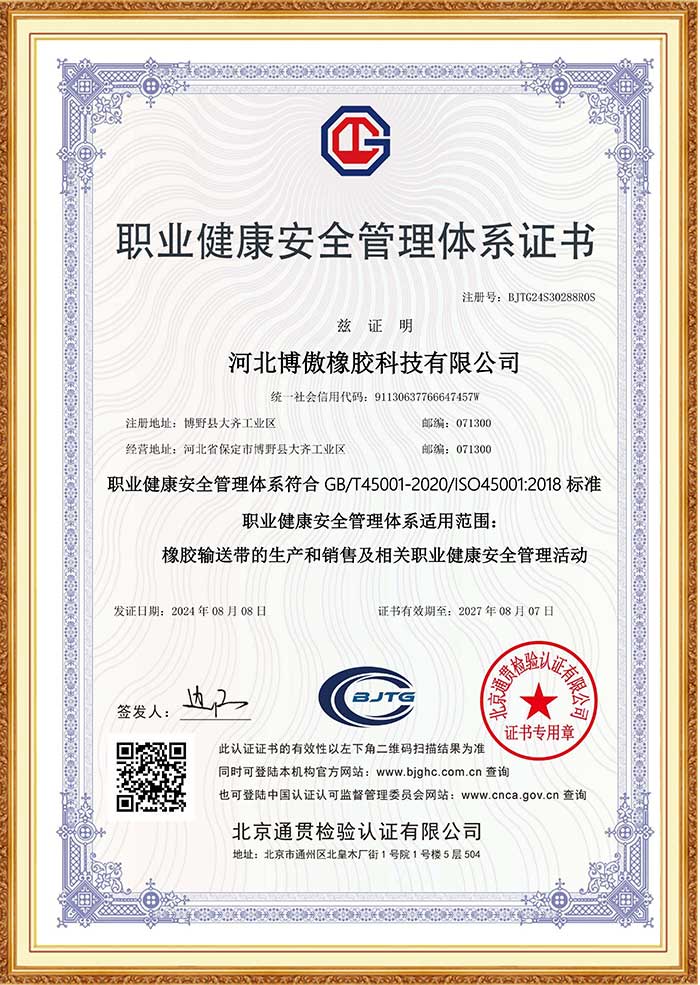
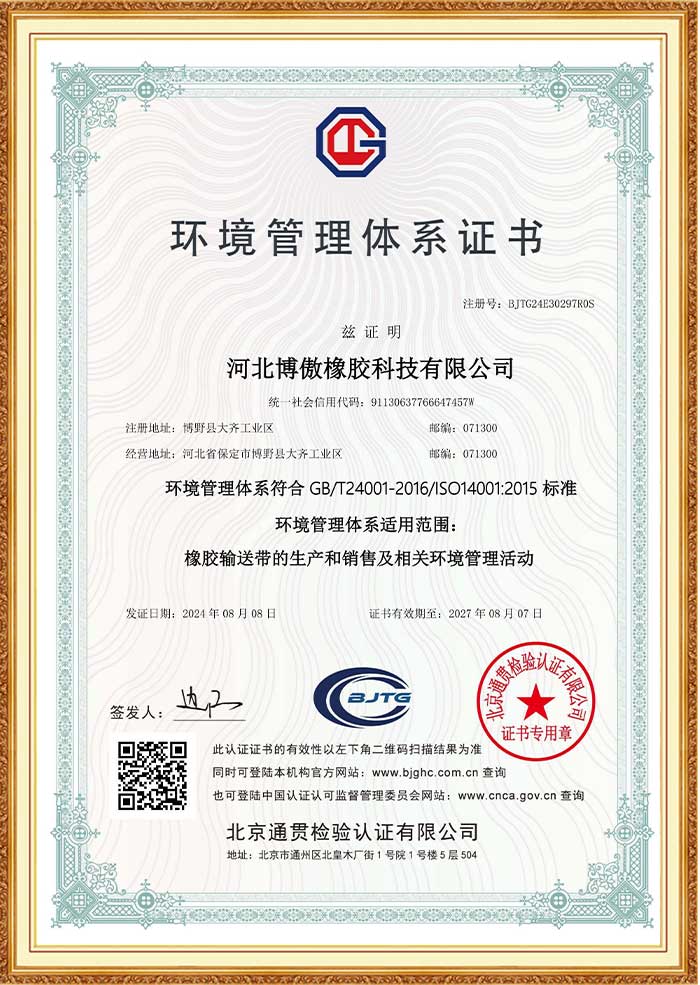
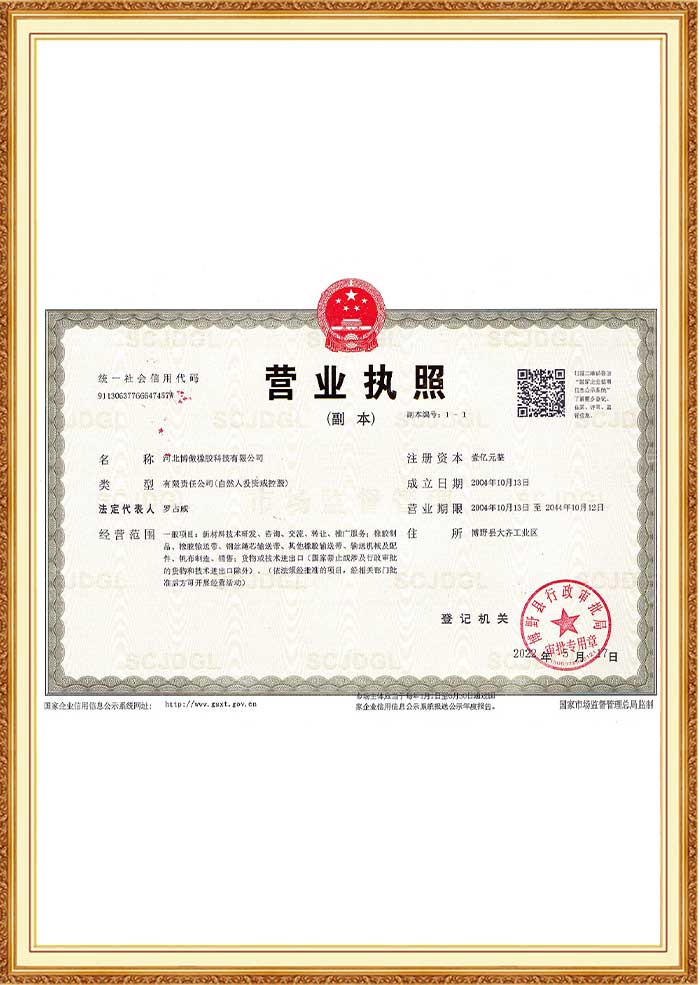
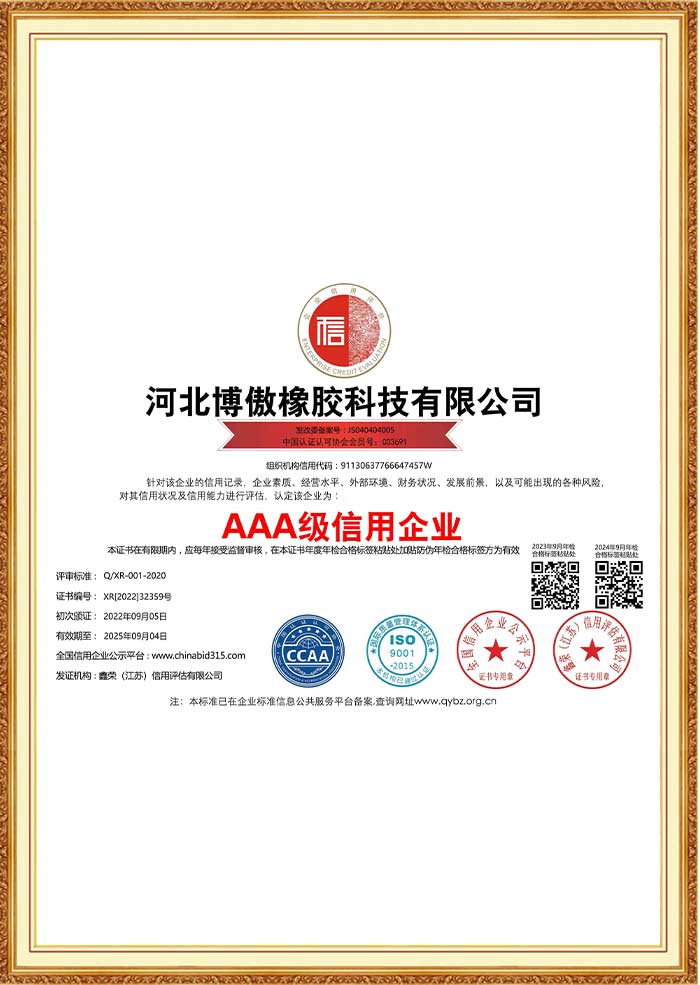
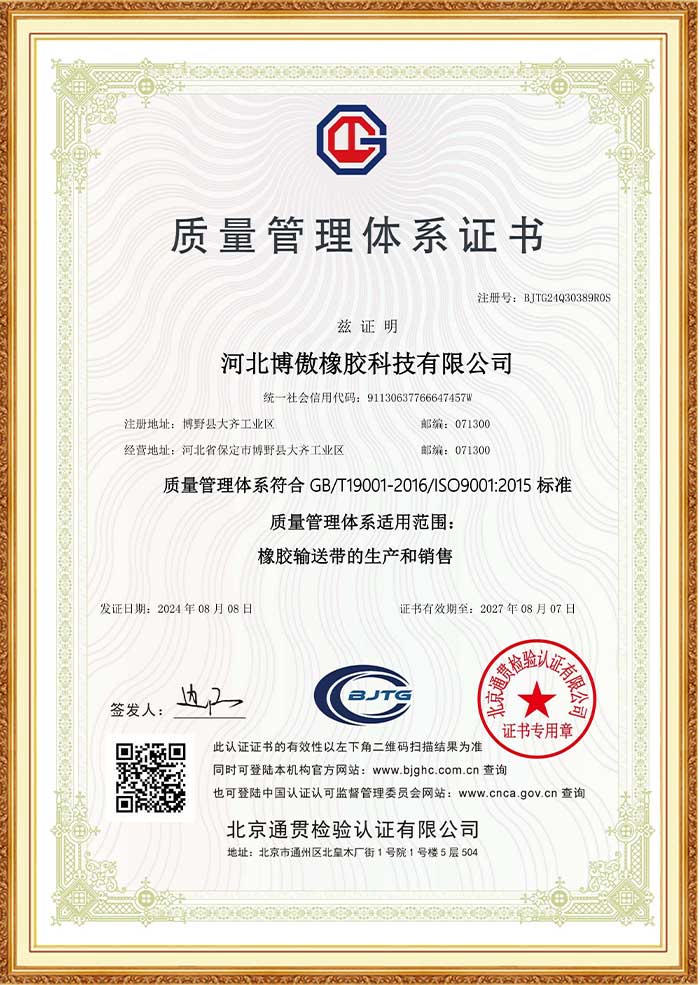
Our commitment to global standards is demonstrated through international certifications and systemic audits.
Serving major infrastructure complexes, mining organizations, and metallurgical groups with customized solutions.
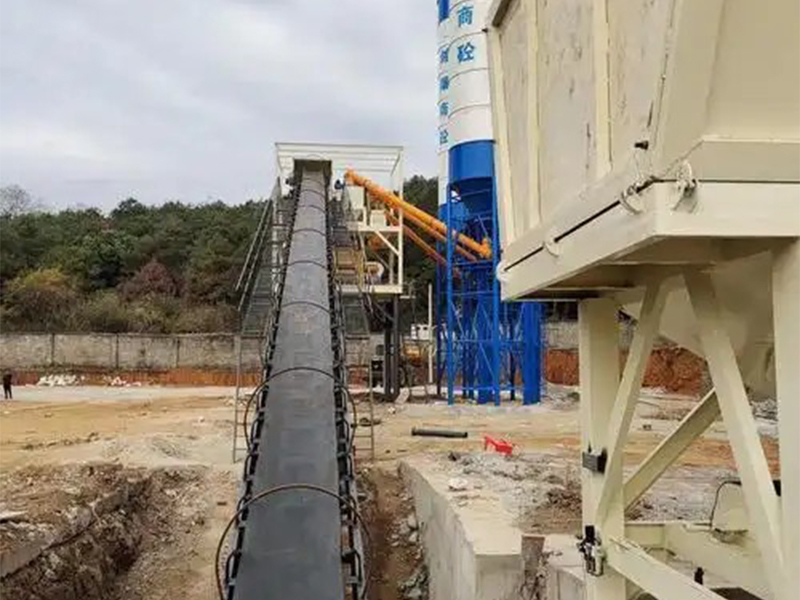
Reliable aggregate and cement material feed lines running continuous high-inclination operations without ply fraying.
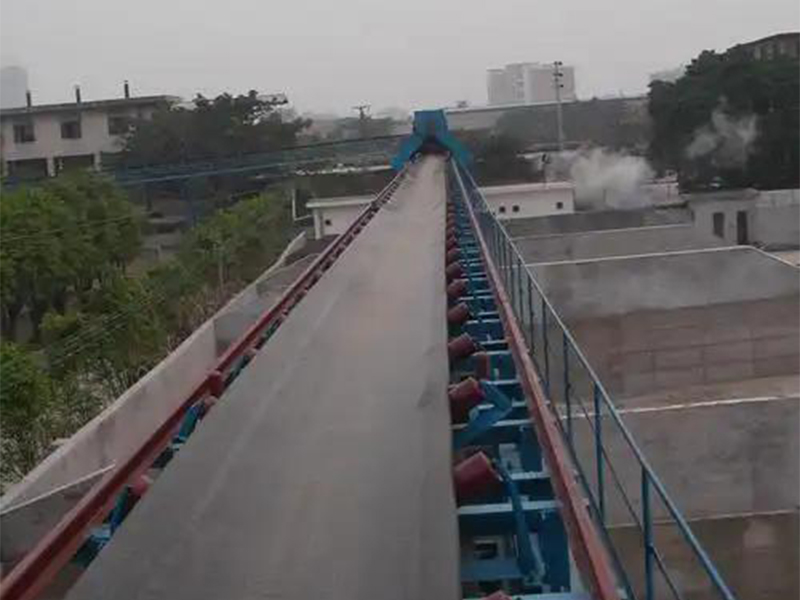
Heat-resistant EP conveyor belts designed for clinker transport, resisting material temperatures up to 200°C.
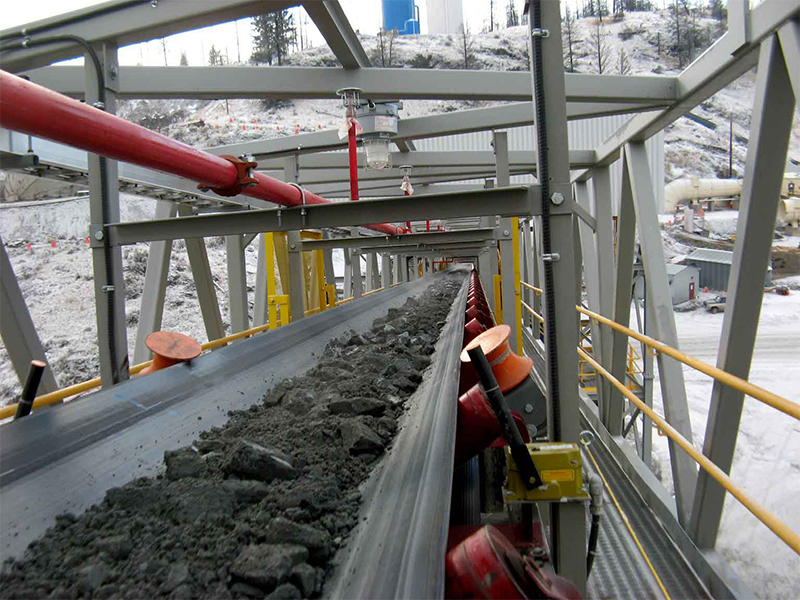
Underground heavy coal handling systems featuring flame-retardant and anti-tear steel wire rope core belts.
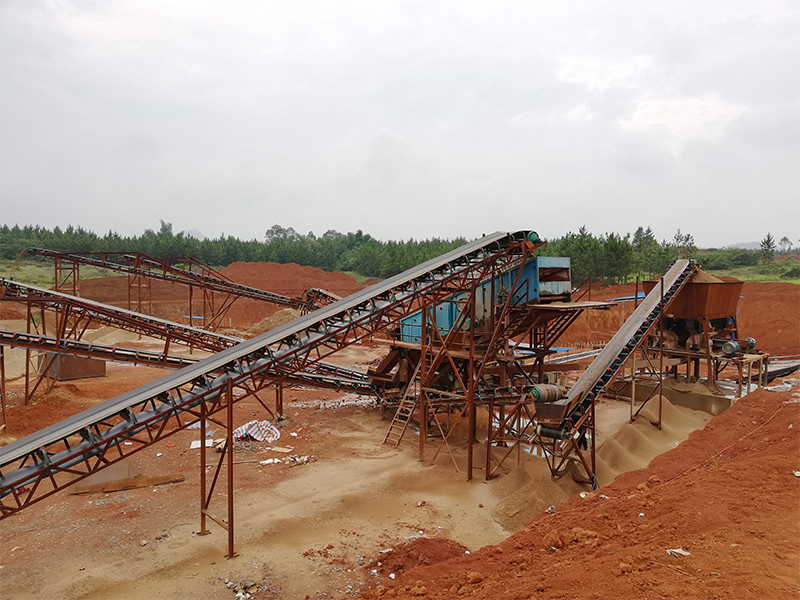
Metallurgical raw material feed belts conveying highly abrasive metals, coke, and flux agents.
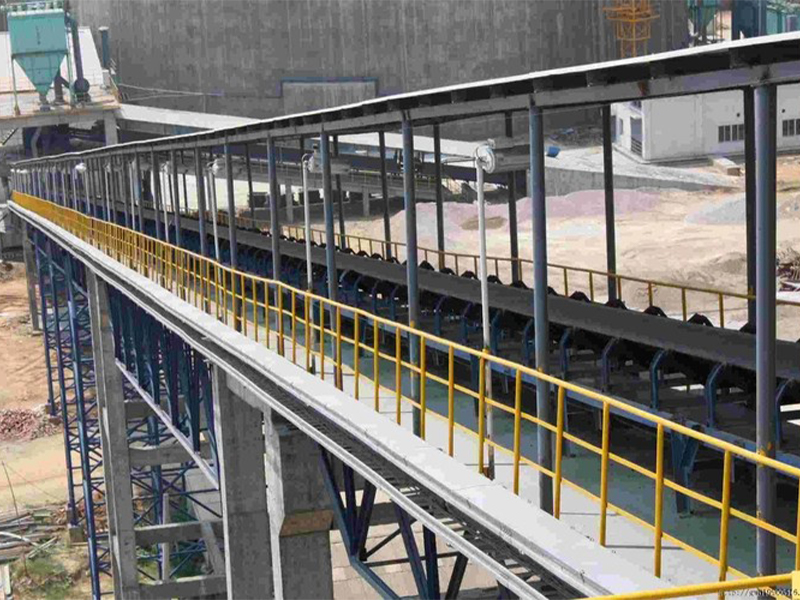
Long-distance overland transport systems operating in variable weather conditions, secured by moulded-edge cover rubber.
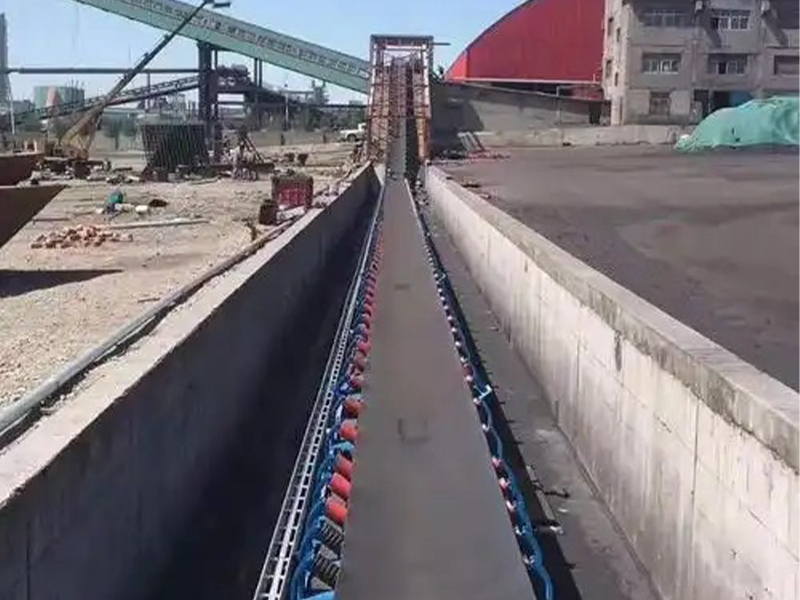
Dynamic impact-resistant conveyor systems utilizing specialized rubber buffer idlers and high-tensile belts.
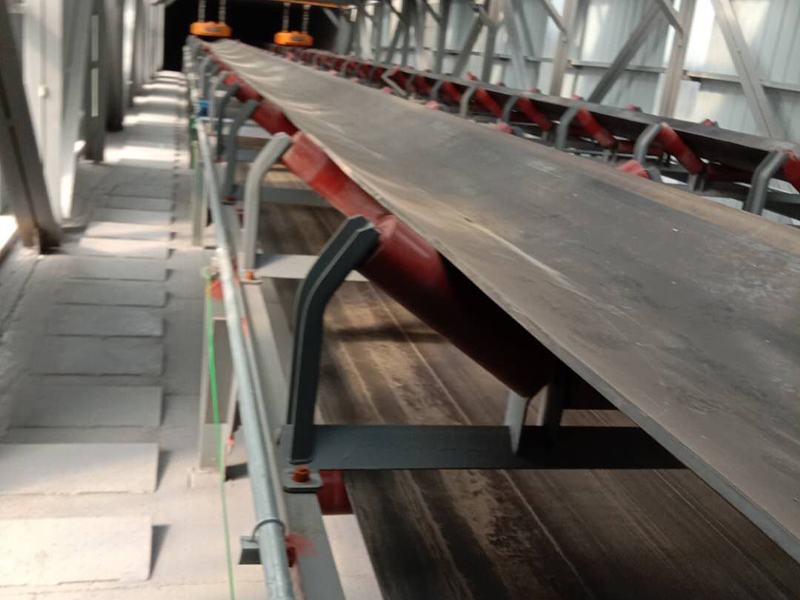
High-reliability scrap and raw material feeding systems that handle sharp metallic impacts under heavy tension.
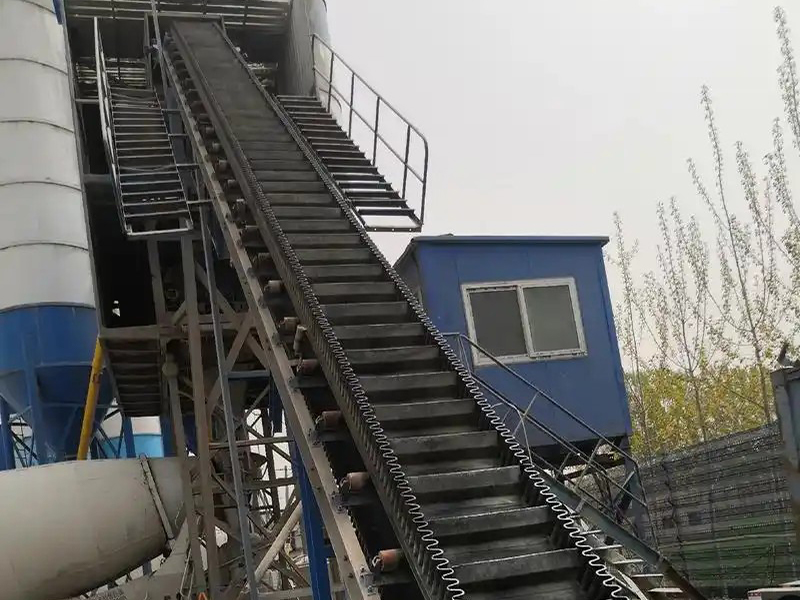
Raw iron ore and limestone transport systems requiring reliable high-adhesion and chemical-resistant belting.
Comprehensive engineering services designed to minimize downtime and extend material handling lifecycles.
Our site engineers analyze thickness wear, tracking alignment, joint stability, and edge integrity to schedule maintenance intervals before issues turn into structural failures.
We supply specialized raw rubber compounds, cover sheets, and vulcanizing reagents to match the structural strength of our original conveyor belt, guaranteeing maximum joint integrity.
Whether handling hot slag at 200°C or moving minerals at -40°C, our physical and chemical laboratories modify base elastomers to optimize resistance to abrasion, ozone, oil, acid, or heat.
Discover our key catalog lines, engineered for high reliability in modern material handling systems.
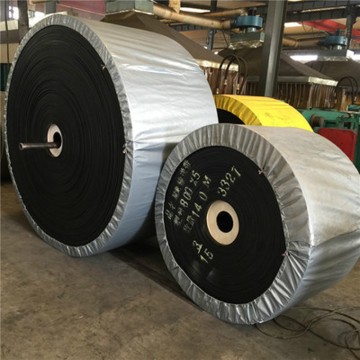
Ideal for high-temperature cement, fertilizer, and sintering operations.
Learn More →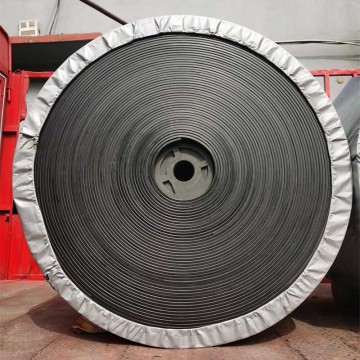
Designed to retain elasticity and flex in extreme sub-zero climates.
Learn More →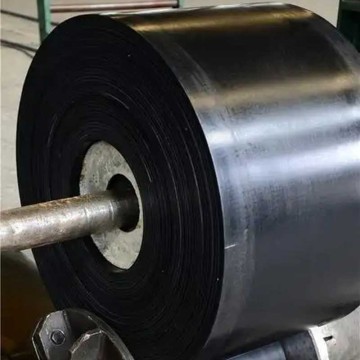
Specialized chemical resistant covers to prevent premature swelling.
Learn More →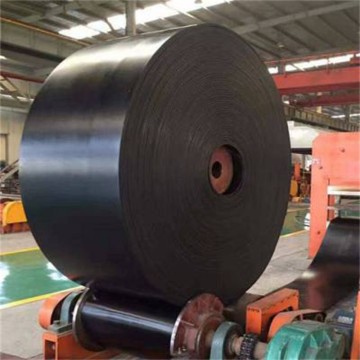
Exceptional impact resistance, flex fatigue life, and elasticity.
Learn More →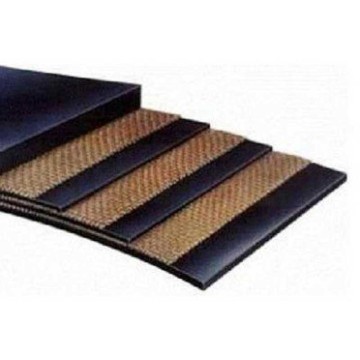
Standard reliable logistics for gravel, sand, and non-corrosive aggregates.
Learn More →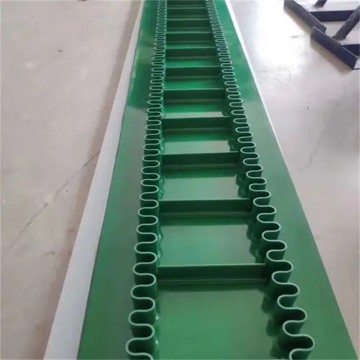
Ideal for food processing, packing plants, and light bulk materials.
Learn More →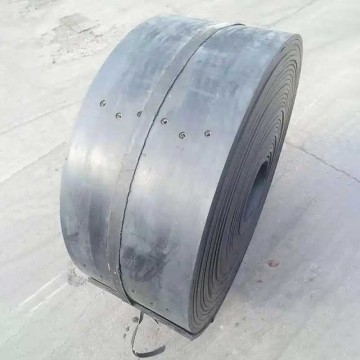
High strength vertical elevator belts designed for grain silos and industrial bulk lifting.
Learn More →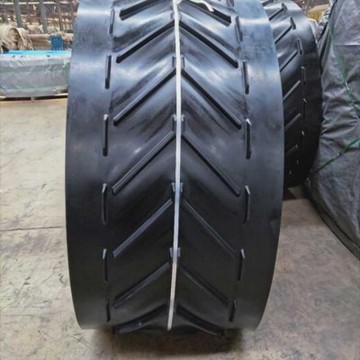
Chevron and textured profiles for preventing material back-slip on inclines.
Learn More →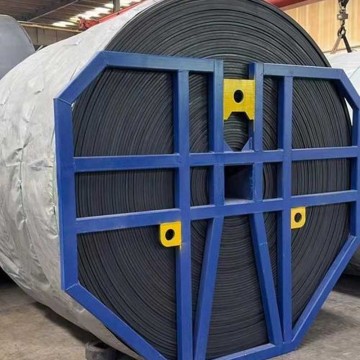
Reinforced with transverse steel wire meshes to prevent longitudinal slitting.
Learn More →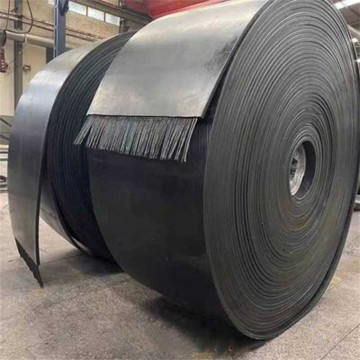
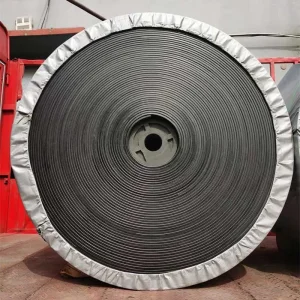
Excellent for long distance, heavy load, and high tension bulk transport.
Learn More →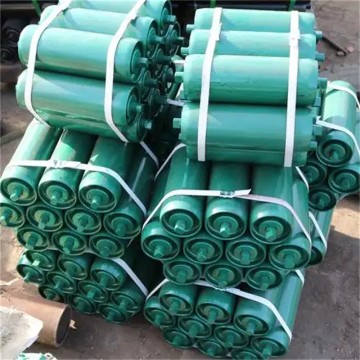
Heavy-duty self-cleaning idlers designed for precise tracking stability.
Learn More →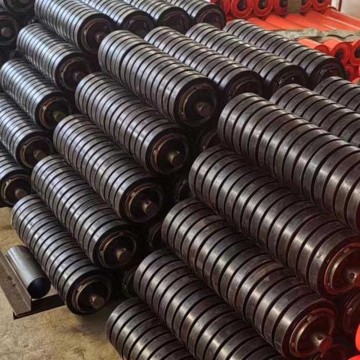
Impact-absorbing rubber rings to protect the belt carcass in loading zones.
Learn More →The specifications for conveyor systems differ significantly by region. Industrial markets in Europe and North America prioritize strict safety profiles, such as flame retardancy (EN 12882, MSHA standards) and low emissions. In Australia and South America, mining operators prioritize long haul transport capabilities, demanding steel cord belts with high abrasion resistance (typically conforming to AS 1332 standards).
Hebei Boao Rubber Technology Co., Ltd. satisfies these requirements by engineering target-formulated cover compounds. By utilizing high-grade synthetic elastomers combined with specialized vulcanization accelerators and anti-aging agents, our Jinao belts resist dry rot and ozone cracking, even in open-pit mines under intense UV exposure. Our moulded edge design ensures the internal reinforcing fibers remain isolated from external atmospheric and chemical hazards.
Industrial logistics systems are rapidly adopting automated monitoring technologies. In response to this transition, Boao Rubber is integrating digital monitoring technologies into our heavy-duty belting lines:
Clear, technical answers to common queries regarding moulded edge conveyor belts, design choices, and system applications.
Moulded edge conveyor belts are cured to their final width within vulcanization molds, sealing the reinforcement layers under high pressure. Cut edge belts are slit from wider rubber sheets, leaving the internal fibers exposed. Moulded edge belts are preferred for high-tension, wet, corrosive, or high-friction environments to prevent delamination and internal wear.
We operate in-house physics and chemistry testing laboratories. Every production run undergoes raw material inspection, compound rheology testing, pull-strength verification, and post-vulcanization DIN abrasion tests. This ensures our products comply with ISO 9001 and international safety standards.
Yes, our Jinao brand offers specialized compounding. We manufacture acid/alkali-resistant, cold-resistant (down to -40°C), and high-heat resistant rubber belts (retaining structural stability up to 220°C).
In steel wire cord belts, the core steel cords carry extremely high tension loads. If moisture reaches these steel cords, they corrode and weaken, leading to belt failure. A moulded rubber edge completely encapsulates the steel wires, protecting them from ambient moisture and preventing premature corrosion.
Our products are manufactured in Boye County, Baoding, Hebei, China, on a facility spanning over 30 acres. We supply components globally, serving heavy industries in steel, metallurgy, coal, cement, and port logistics.
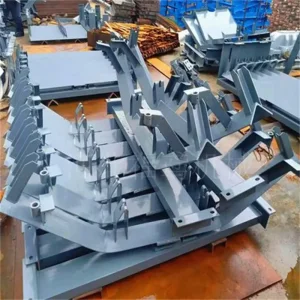
Ensure reliable belt alignment, impact absorption, and system safety with our high-durability accessories.
 Boao Rubber