Premium grade components engineered for critical load cycles, high-abrasion applications, and extreme operational environments.
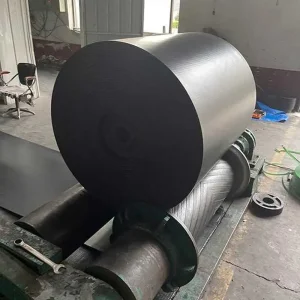
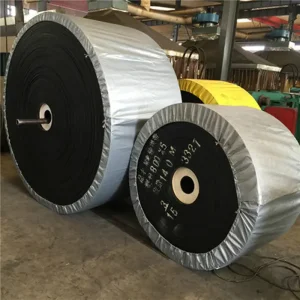
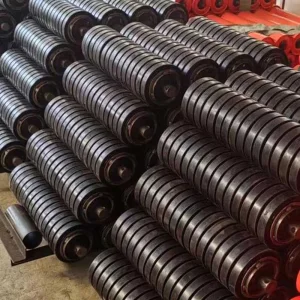
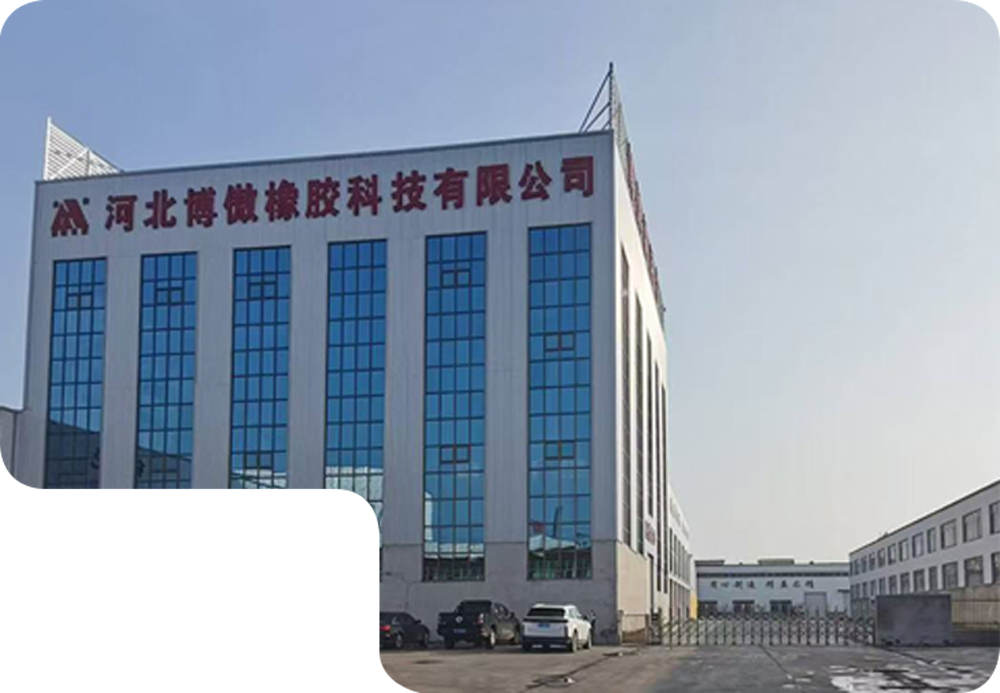
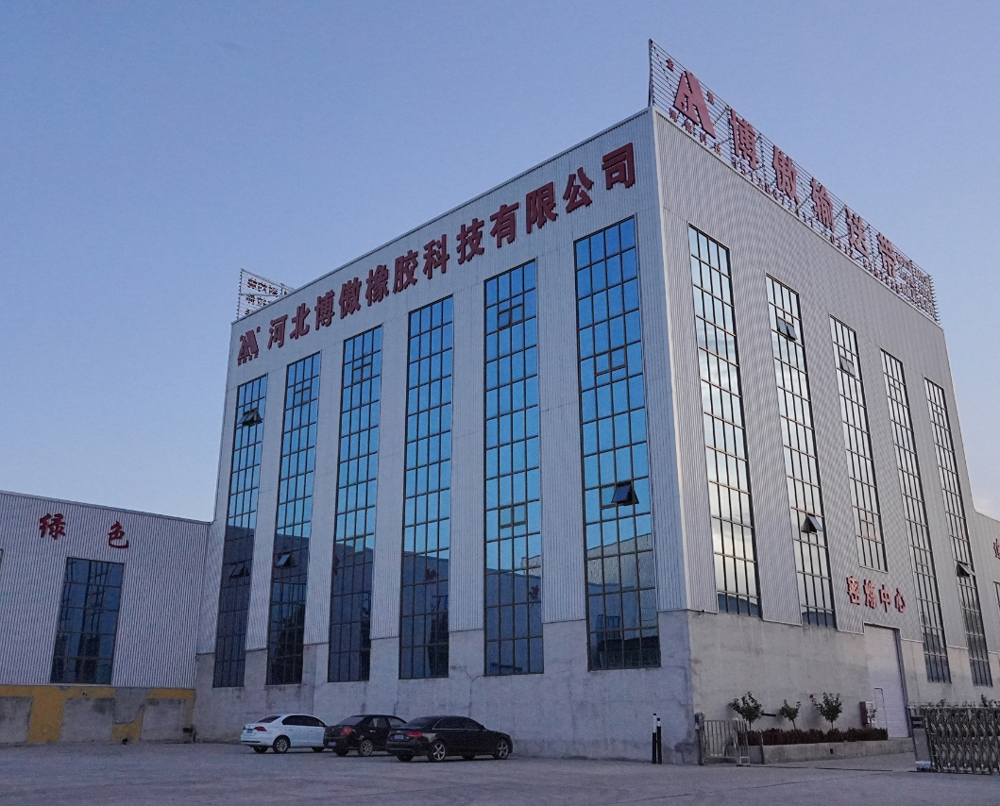
Founded in 2004, Hebei Boao Rubber Technology Co., Ltd. is located in the Rubber Industrial Park of Boye County, Baoding, Hebei Province. Over the last 22 years, the company has expanded to cover an area of over 30 acres, cultivating our signature product brand, "Jinao". We are a professional Chinese manufacturer integrating product research, design, engineering, and manufacturing of conveyor belts alongside system accessories.
We hold international quality management system certifications and maintain multiple advanced manufacturing lines for rolling, forming, vulcanization, and material testing. Our focus remains on the production of high-performance Ordinary Steel Cord Conveyor Belts designed to offer low elongation, high tensile strength, and long-term reliability under severe load configurations.
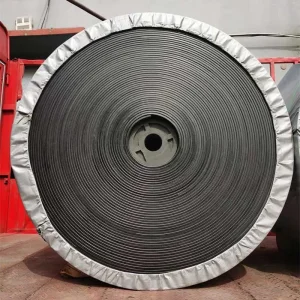
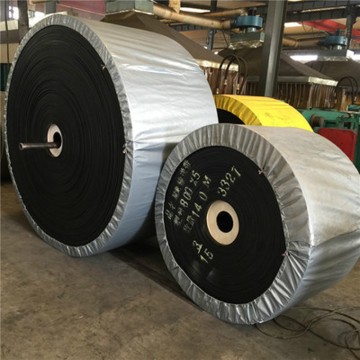
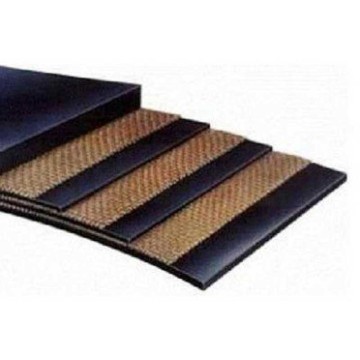
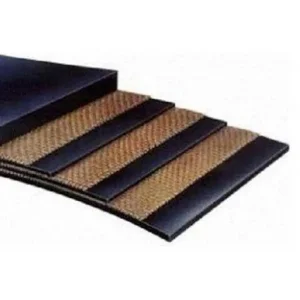
Ordinary steel cord conveyor belts are engineered using high-strength steel wires aligned longitudinally in a single plane, fully encased in a rubber matrix. This design provides high tensile strength alongside low elongation under tension. Compared to traditional fabric carcass (EP or NN) options, steel cord configurations exhibit minimal elongation (typically under 0.2% at working load). This simplifies take-up stroke designs and facilitates longer conveying distances.
The steel wires feature a zinc coating to resist oxidation and improve chemical adhesion with the rubber compound. The cover rubber is formulated to withstand mechanical impacts, tearing, and abrasive wear. This structure handles high-speed material flows and high-volume delivery cycles with a reduced risk of carcass degradation.
Hebei Boao Rubber Technology Co., Ltd. operates inside one of China's primary rubber industrial clusters in Boye County, Baoding. This location provides access to raw materials, experienced engineering talent, and logistical networks.
We manage both chemical analysis laboratories and physics testing facilities. We execute raw material qualification inspections, inline vulcanization checks, and final product audits (including cord adhesion, tensile strength, abrasion resistance, and flame retardancy tests). We follow a strict operational policy: no substandard raw materials enter our facility, and no non-conforming products leave our production lines.
Providing quality assurance, systematic quality controls, and a national delivery network for global bulk transport lines.
Our independent chemical analysis and physics laboratories monitor each phase from raw material intake to delivery. We conduct standard-based testing to verify that all shipped batches align with technical metrics.
We employ professional inspectors, laboratory equipment, and standardized testing procedures to verify the dimensional accuracy, cord adhesion, and physical properties of each production run.
Backed by our technical team, our conveyor components are exported globally and distributed across China. We provide system parts to steel mills, mines, ports, and power plants.
When designing long-distance, high-capacity conveyor routes, choosing between steel cord reinforcement and textile ply carcasses (EP/NN) is a critical decision. Below is a comparison outlining the mechanical characteristics of each reinforcement type:
| Mechanical Property | Steel Cord Conveyor Belt (Ordinary) | Fabric Carcass Conveyor Belt (EP / NN) | Engineering Significance |
|---|---|---|---|
| Tensile Strength Range | ST 500 to ST 5400 N/mm | EP 100 to EP 600 N/mm per ply | Allows for higher load limits and extended, single-flight conveyor layouts. |
| Working Elongation | Extremely low (≤ 0.2%) | Moderate (1.5% to 2.5%) | Reduces the required take-up pulley stroke, simplifying tensioning system design. |
| Troughability Ratio | Excellent (deep troughs up to 45°) | Variable (limited by fabric thickness) | Allows for higher cross-sectional material loading and reduces edge spillage. |
| Impact Resistance | High (reinforced by thick rubber covers) | Moderate (absorbs impact through elasticity) | Protects against damage from sharp materials at drop-chute transfer zones. |
| Splicing Efficiency | High (bonded via steel vulcanization) | Moderate (mechanical fasteners or ply splicing) | Delivers joint strength matching the belt's rating for long-term service. |
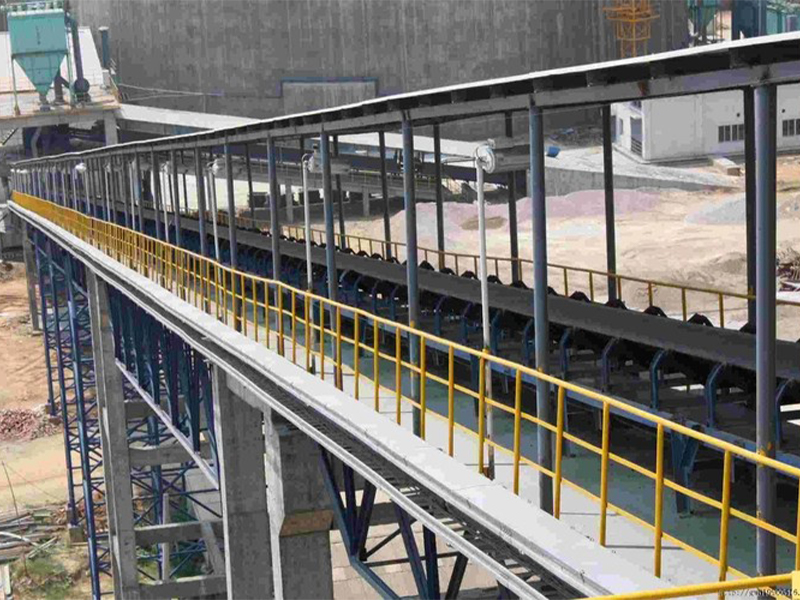
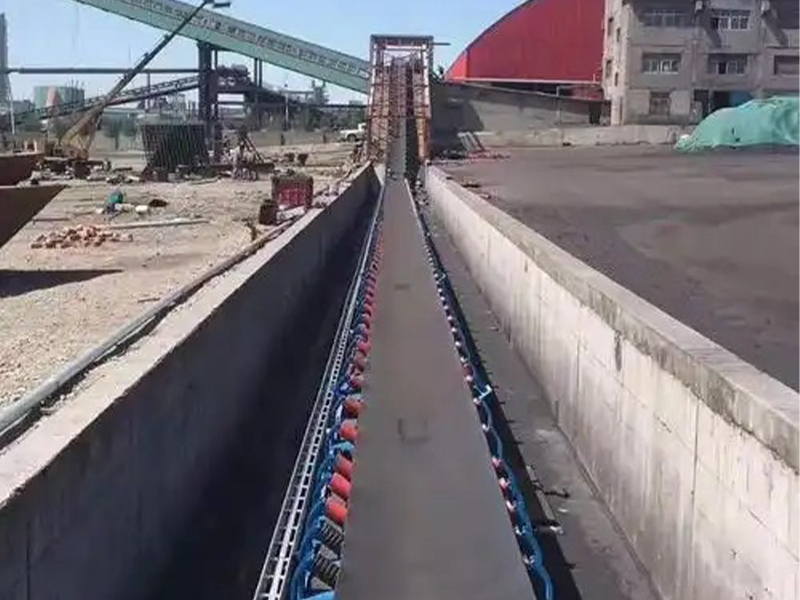
Conveyor systems are not standalone units; they are key links in regional industrial supply chains. Jinao brand products are configured for specific roles within heavy-industry facilities:
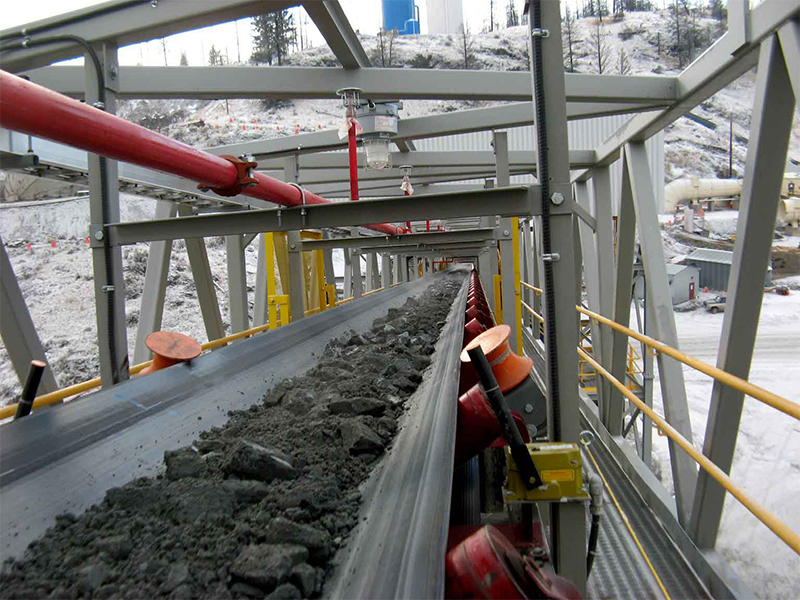
Underground and open-cast mines require continuous hauling of heavy ores and raw coal. Our high-tensile steel cord belts handle high load volumes, and we offer flame-retardant configurations for safety in underground environments.
Conveying sinter, coke, and iron ore demands resistance to both high mechanical stress and elevated temperature ranges. Combining steel cord structures with heat-resistant cover formulations helps keep sinter transport lines running consistently.
Limestone and clinker are highly abrasive. Our wear-resistant rubber covers shield the internal steel cords from premature wear, helping extend service life in aggregate plants.
Ship loaders and terminal stockyards move high tonnages at fast speeds. Low-elongation steel cord belts help ensure system uptime during unloading operations.
Our comprehensive production capabilities cover specialized rubber belting series as well as custom mechanical conveyor components.
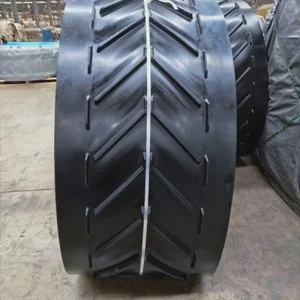
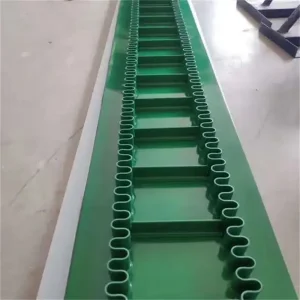
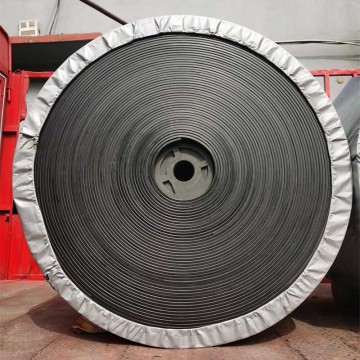
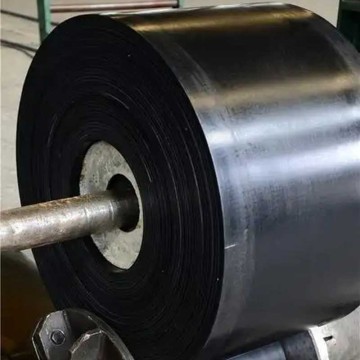
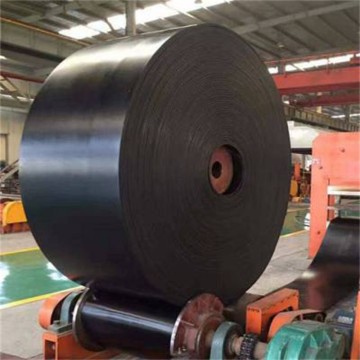
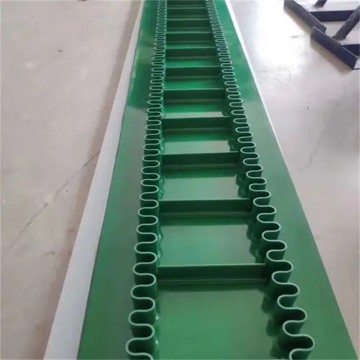
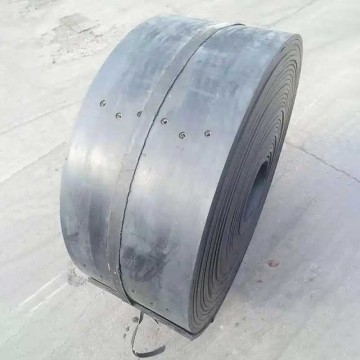
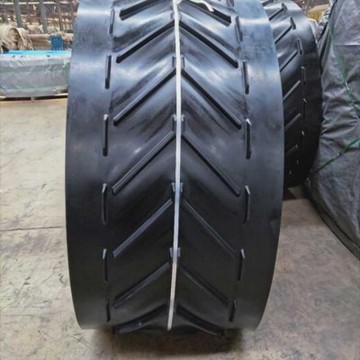
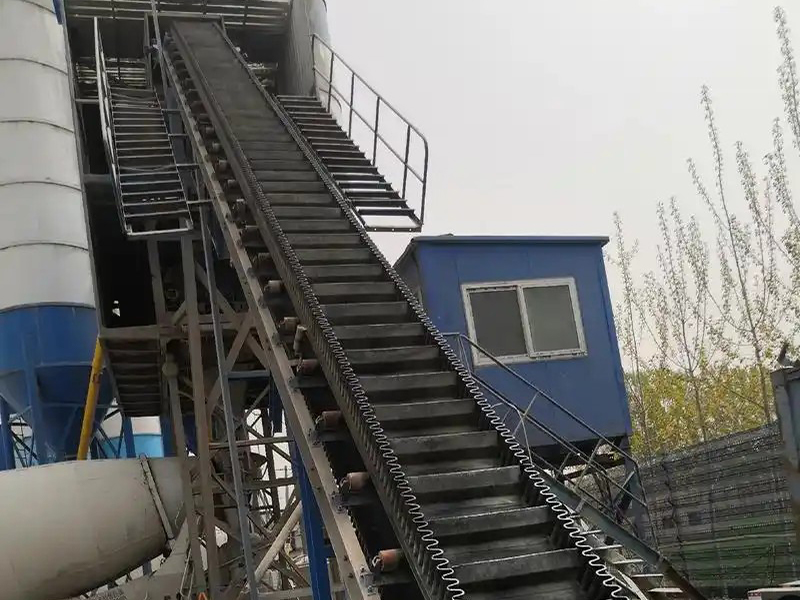
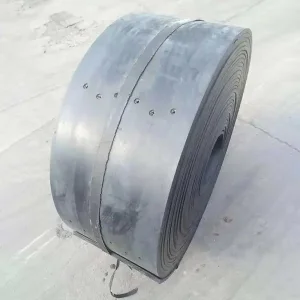
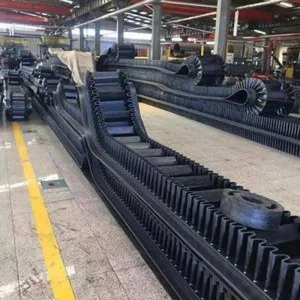
We manufacture a wide range of specialized conveyor belts, including: ordinary conveyor belts (NN, EP, PP), heat-resistant conveyor belts, circular belts, high-temperature resistant conveyor belts, cold resistant conveyor belts, oil and alkali resistant conveyor belts, acid and alkali resistant conveyor belts, rubber waterstop belts, patterned conveyor belts (herringbone, pit), high inclination conveyor belts, wavy edge conveyor belts, and high-tensile steel cord conveyor belts.
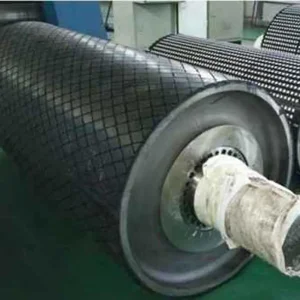
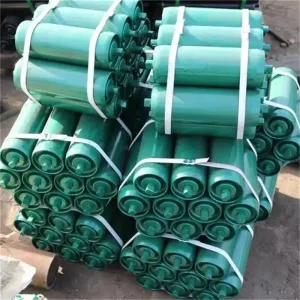
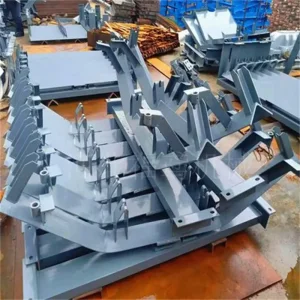
In addition to rubber belts, we engineer and supply complete components, including: roller series accessories, ceramic rollers, buffering rollers, roller groups, blocking edges, rollers, and other roller series accessories, electric rollers, rubber coated rollers, transmission rollers, strong magnetic rollers, brackets, and other accessories, groove brackets, centering brackets, tensioning brackets, and lifting ears.
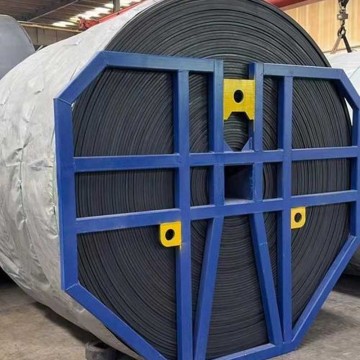
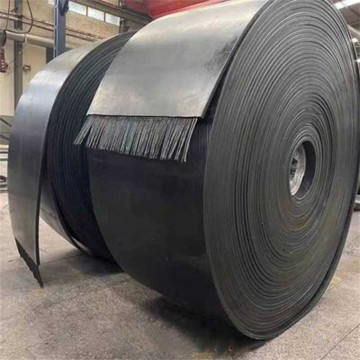
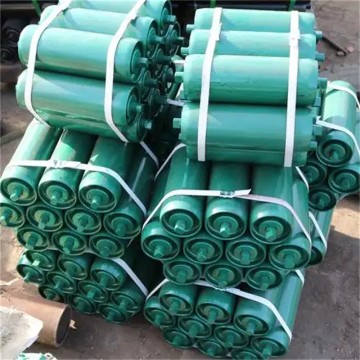
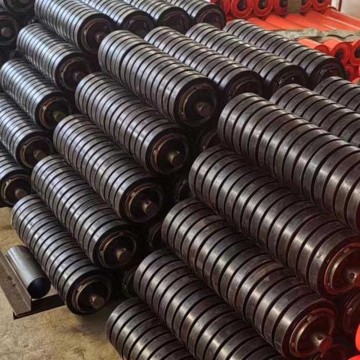
Skip the hassle of sourcing from multiple suppliers – our factory provides your ideal conveyor solutions and supporting hardware all in one place.
We provide planned replacement, hot and cold splicing repair, visual inspection, routine maintenance, and emergency response services for heavy-duty conveyor belts.
We manage the supply of replacement belts and raw rubber repair materials, assist with safety stock parameters to meet production demands, and handle daily inventory controls for warehouse spares.
Our technical support focuses on improving the running efficiency of conveyor systems, reducing wear on covers, and helping clients balance cost-performance metrics.
We design maintenance programs aimed at ensuring stable equipment operation, mitigating tracking errors, and extending the service lifecycle of conveyor installations.
Demonstrated performance across large-scale industrial operations, mining groups, and steel plants.
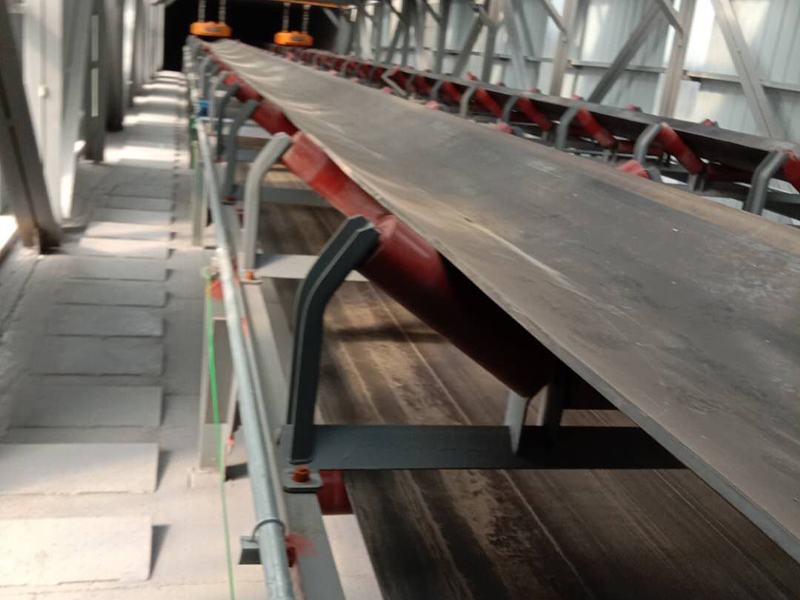
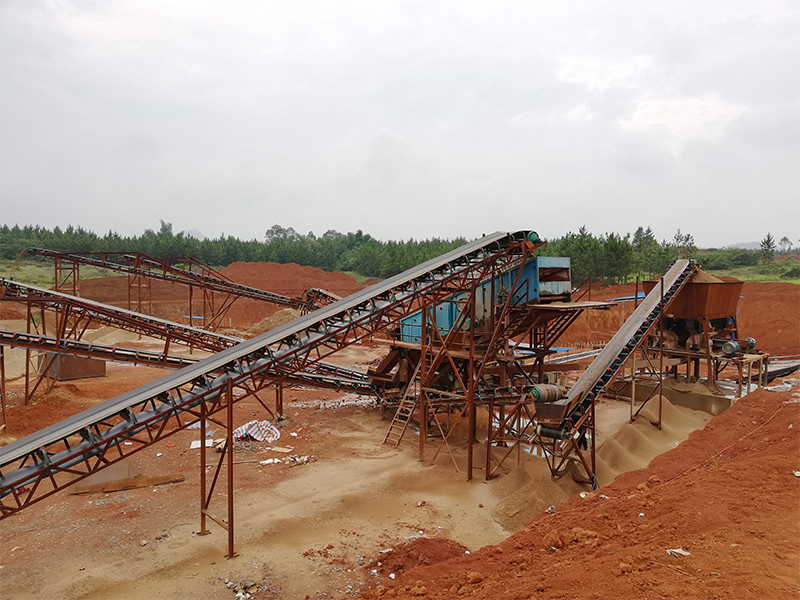
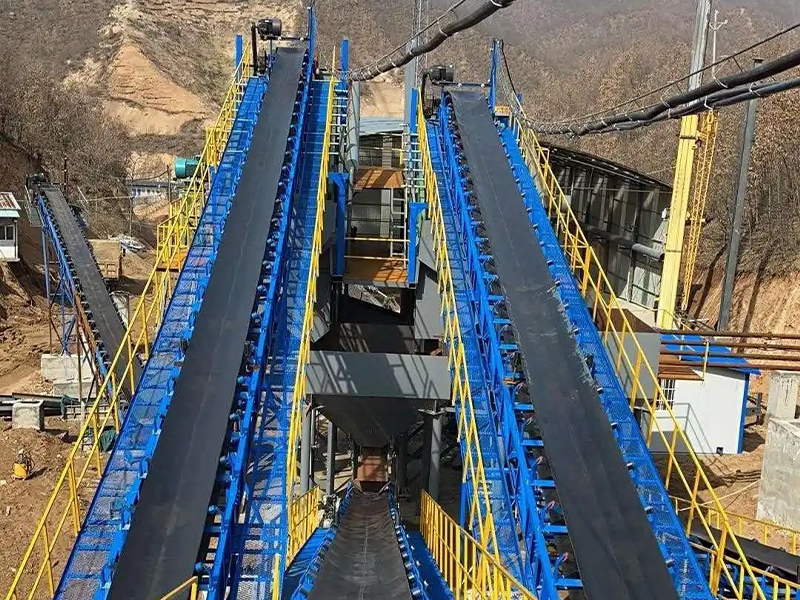
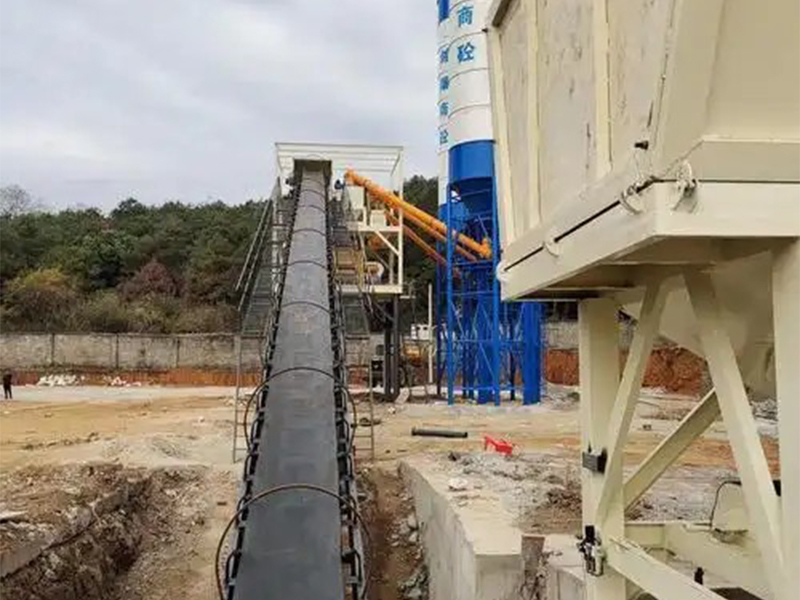
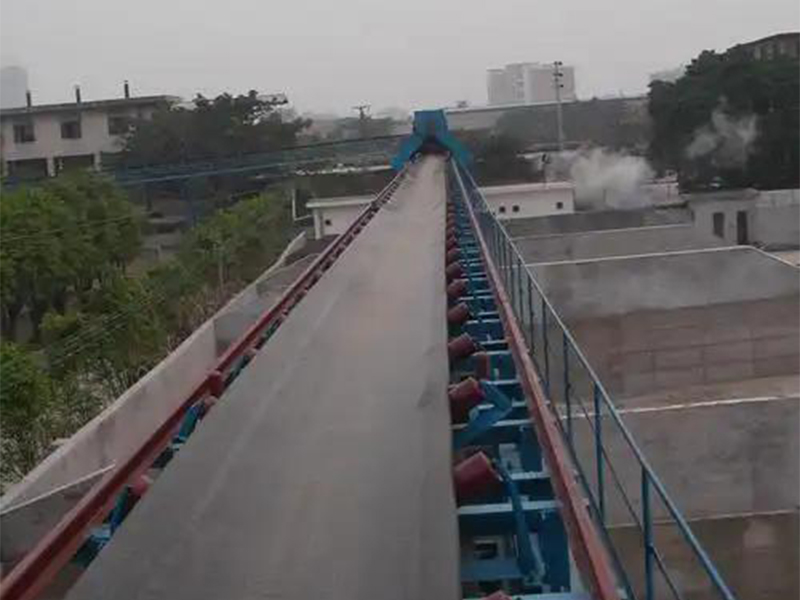
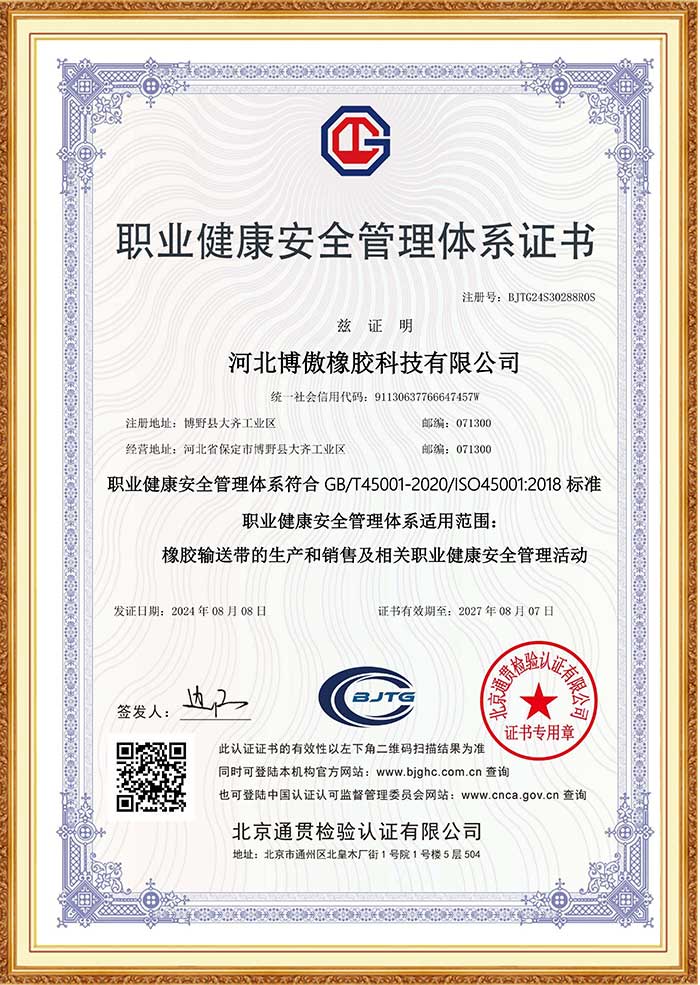
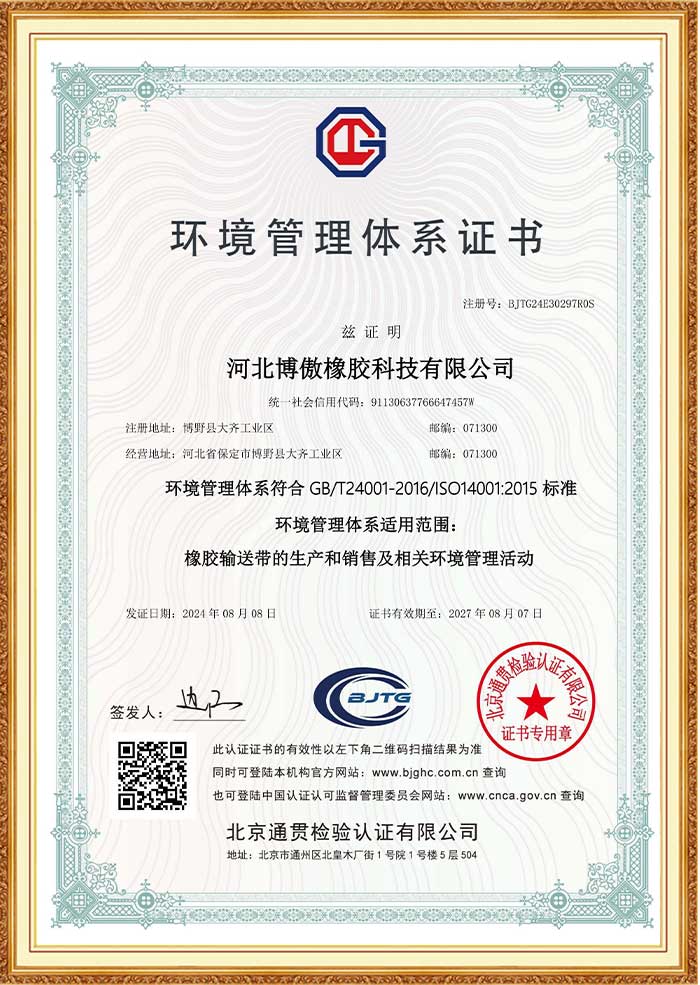
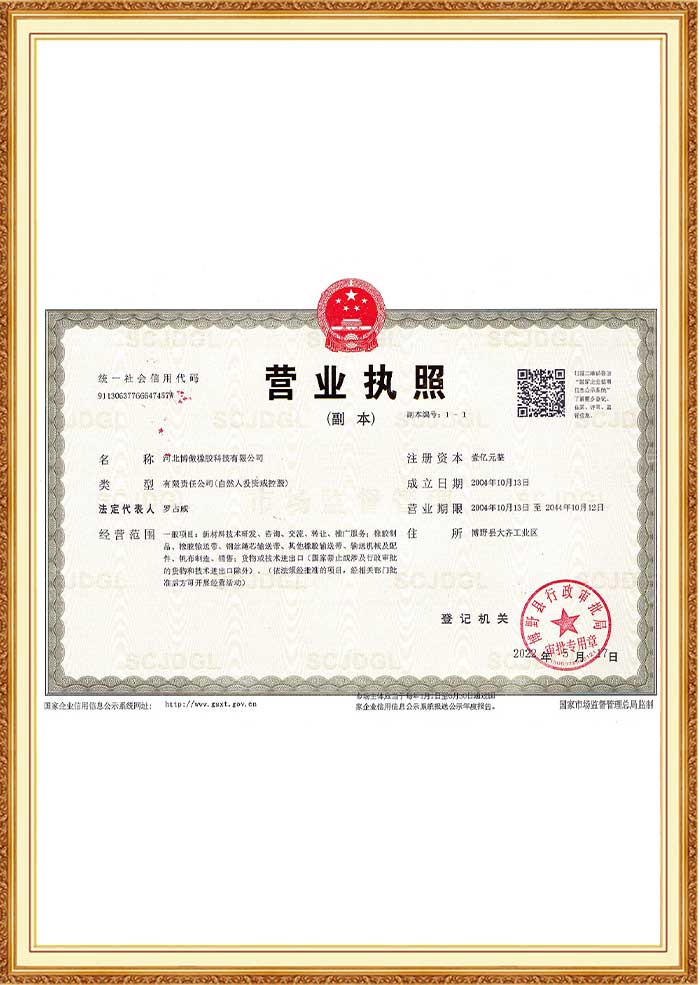
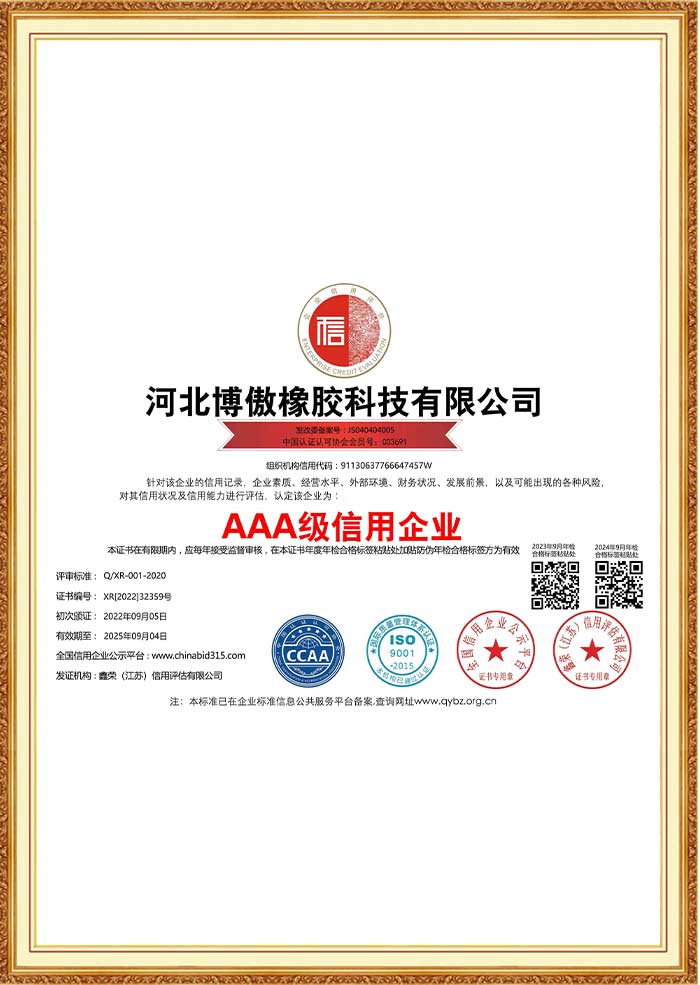
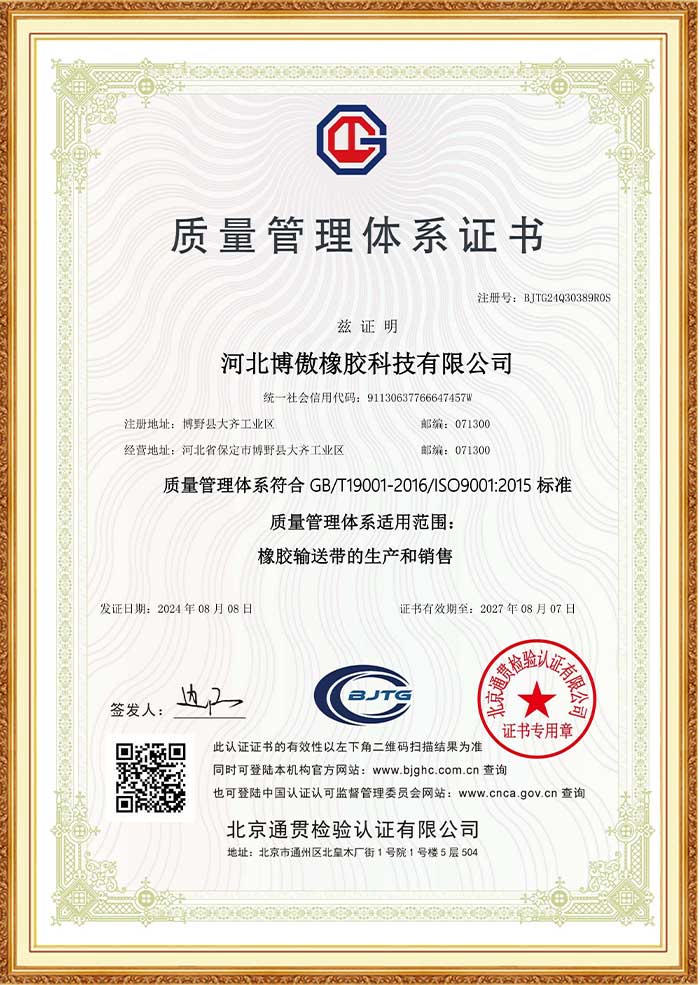
In order to build confidence in "Boao" products, we maintain strict adherence to quality system audits and certifications.
The heavy material handling sector is transitioning toward higher automation levels and lower operational footprint. Key technological trends impacting steel cord conveyor belting design include:
An ordinary steel cord conveyor belt relies on a single plane of longitudinal steel cables to provide tensile strength, which is suitable for standard long-distance material handling. An anti-tear steel cord conveyor belt includes additional reinforcing layers, such as transverse steel cords, high-strength fabrics, or metal meshes, placed above or below the primary cable plane. These transverse reinforcements act as barriers to stop sharp objects from puncturing the belt and causing longitudinal rips.
Adhesion quality is essential to prevent internal ply separation. We use zinc-coated steel cords that undergo inline chemical bonding treatment. Our compound development team adjusts the active sulfur and cobalt-salt additions within the core rubber compound to optimize cross-linking with the zinc layer during vulcanization. We run pull-out testing on every batch in our physics laboratory to confirm compliance with DIN 22131 and ISO 15236 standards before shipping.
Pulley diameters must be sized to prevent excessive bending stress on the steel cords. The minimum diameter depends on the cord thickness, belt rating (ST rating), and pulley location (drive, tail, or snub pulley). For example, an ST 2000 belt typically requires a drive pulley diameter of at least 800mm to 1000mm. Operating with undersized pulleys can lead to cord fatigue and core rubber degradation. Our engineering department can calculate specific dimensions for your system layout.
We recommend hot vulcanized splicing to maintain joint integrity. The process involves stepping the steel cords in a staggered pattern based on the belt's tension rating, applying specialized tie-gum rubber, and vulcanizing the joint under heat (approx. 145°C) and pressure using a portable splicing press. Cold splicing and mechanical fasteners are not recommended for high-tension steel cord systems due to the risk of joint failure.
Explore our range of conveyor belts, wear-resistant components, and supporting hardware manufactured at our boye facility.
Our engineering team can assist with technical specifications, belt selection, tension calculations, and customized accessory design. Contact us to request product quotes.
Inquire Now Boao Rubber