Engineered for extreme wear, impact management, and continuous material flow in international bulk conveying networks.
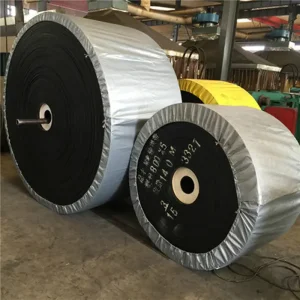
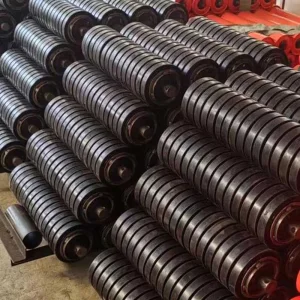
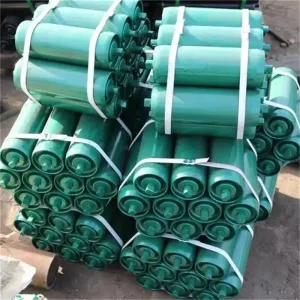
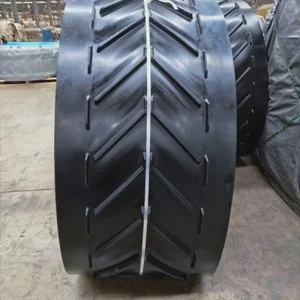
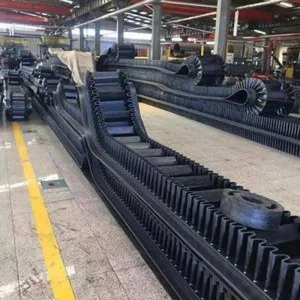
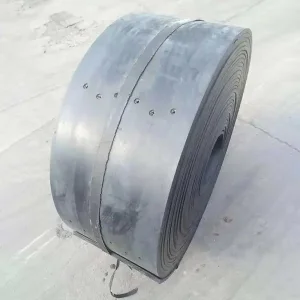
Modern industrial material handling systems rely heavily on conveyor structures that operate continuously under demanding environmental conditions. At the core of these setups are belt conveyor idler rollers. These specialized support components maintain structural integrity, minimize belt sag, and optimize energy efficiency. Selecting the correct idler configuration directly impacts system longevity, operational uptime, and total cost of ownership (TCO).
According to international heavy manufacturing benchmarks, choosing optimized idler designs and high-tier sealing configurations can reduce belt wear rates by up to 35% and cut system energy usage by nearly 15%.
For more than two decades, Hebei Boao Rubber Technology Co., Ltd. has developed and manufactured conveyor systems and accessories under our "Jinao" brand. We design and deliver high-performance belt conveyor idler rollers, brackets, and rubber conveyor belts to support mineral extraction, heavy metallurgy, and bulk logistics worldwide.
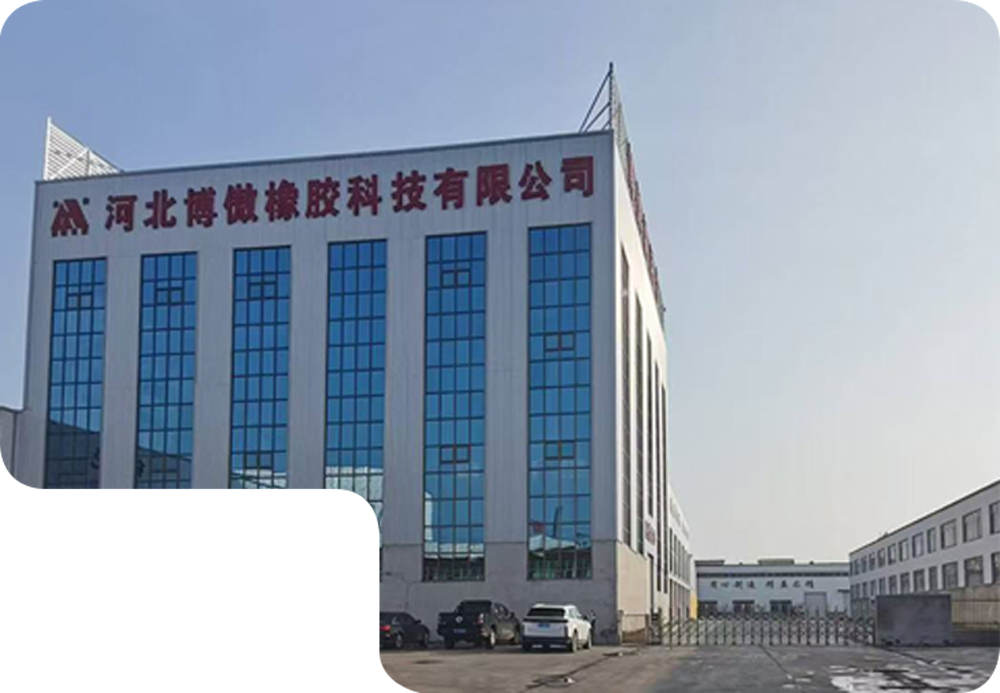
Our Boye County production complex in Baoding, Hebei Province covers more than 30 acres. Our facilities integrate material formulation, vulcanization, precision steel fabrication, and independent laboratory testing to control product quality at every stage, from raw materials to final shipping.
A detailed look at idler geometries, structural configurations, and operational roles in heavy-duty conveyor systems.
Troughing idlers support the loaded belt, shaping it into a trough that secures materials during transport. These units consist of a central horizontal roller flanked by two inclined wing rollers, with standard wing angles of 20°, 35°, and 45°.
Positioned at material loading points, impact idlers feature heavy-duty steel cores wrapped in resilient rubber buffers. They absorb the energy of falling materials, protecting the belt carcass from puncture, indentation, and structural damage.
Return idlers support the empty belt on its return run. These rollers can be configured as flat steel cylinders or fitted with rubber discs to shed sticky materials and prevent build-up on the belt surface.
Equipped with a central pivot mechanism, training idlers detect belt drift and automatically swing to guide the belt back to its center path. This prevents edge wear and structural damage caused by misalignment.
Garland idlers link individual rollers together using flexible chain connectors, suspending them from the conveyor frame. This flexible configuration adapts well to high speeds and irregular, heavy loads, and is easy to service in high-capacity mining installations.
Designed for damp, sticky, or abrasive environments, these idlers use spiral rubber configurations or ceramic outer shells. They actively clean the belt and resist wear, preventing premature roller failure in harsh operational zones.
| Idler Type | Common Application Zones | Standard Angular Configurations | Sealing Architecture | Material Options |
|---|---|---|---|---|
| Troughing Rollers | Main carrying run, high-capacity material transit | 20°, 35°, 45° | Triple Labyrinth Seal (IP65) | Carbon Steel, HDPE, Polyurethane |
| Impact Buffer Rollers | Material transfer points, drop-chutes | 20° to 35° | Multi-stage dust/water seal | Resilient Rubber Compound over Steel |
| Return Flat Rollers | Conveyor return side (empty belt run) | Horizontal (0°) | Labyrinth style contact seal | Hardened steel, rubber disc sleeve |
| Self-Aligning/Training | At critical intervals (every 10-15 modules) | Pivoting self-adjustment | Double-sealed bearing housing | Reinforced Structural Steel |
| Suspended Garland | Mobile trippers, heavy quarrying, open-pit mines | Flexible linkage (variable) | Heavy-duty mining-spec seal | Reinforced alloy links, steel roll shell |
Operating out of the Boye Rubber Industrial Park in Baoding, Hebei, our factory leverages a highly developed local industrial cluster. This concentrated supply chain ensures consistent access to high-quality raw materials, including specialty steel tubing, precision bearings, and natural rubber formulations. This local integration helps us maintain stable production timelines and competitive pricing, even during global supply shifts.
Our facility runs multiple production lines for calendering, molding, vulcanization, and machining, which allows us to process orders efficiently. We manage quality through an independent chemical analysis lab and a physical testing room, verifying that all incoming steel and outbound rubber compounds meet international standards.
By coordinating our manufacturing, testing, and shipping workflows, we deliver reliable, factory-direct products to bulk material handling projects around the world.
How engineering updates, material improvements, and digital monitoring systems are changing conveyor component performance.
We optimize roller internal geometries, use low-viscosity bearing greases, and install non-contact labyrinth seals to reduce rotational resistance. Lowering drag decreases the overall motor power required to drive the conveyor system, reducing energy consumption and operating costs.
For corrosive or high-moisture environments, we offer rollers made from HDPE, ultra-high-molecular-weight polyethylene (UHMWPE), and polyurethane. These materials resist chemical attack and help prevent adhesive build-up, reducing wear on the belt surface.
We are exploring the integration of temperature and vibration sensors within the bearing housings. These sensors monitor roller condition in real time, allowing operators to schedule maintenance before components fail, avoiding unplanned downtime.
Our conveyor belts and roller assemblies support critical operations across diverse industries, from high-capacity ports to heavy metallurgy.
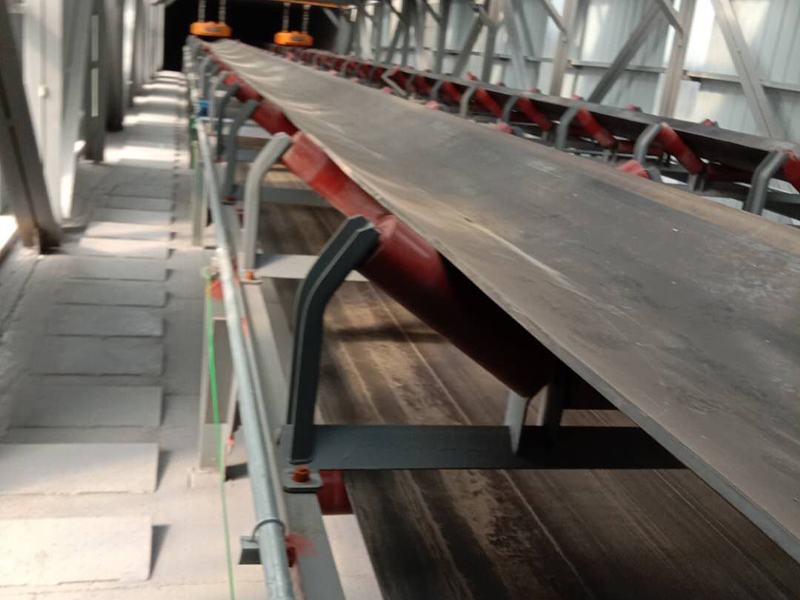
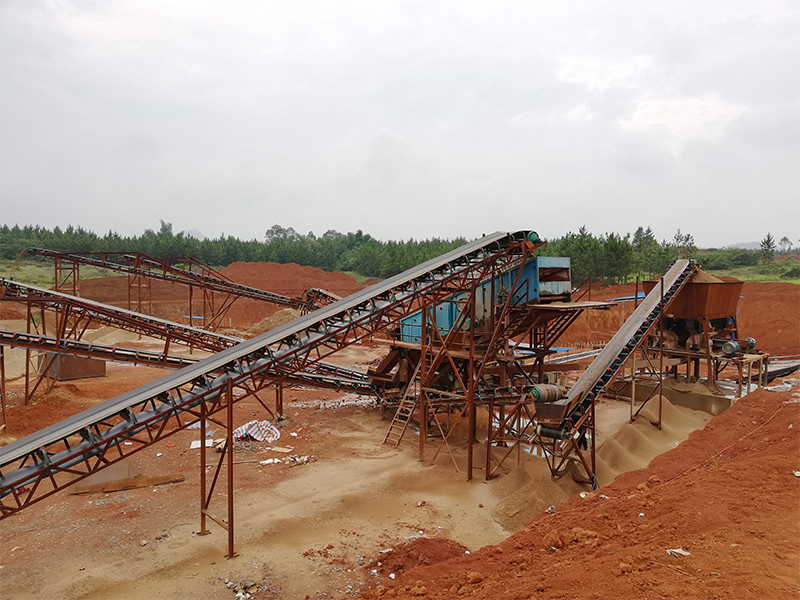
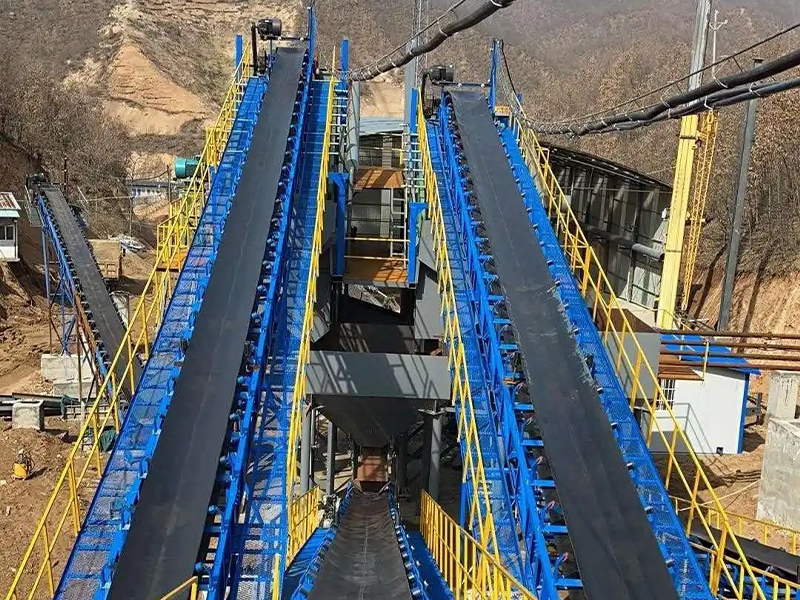
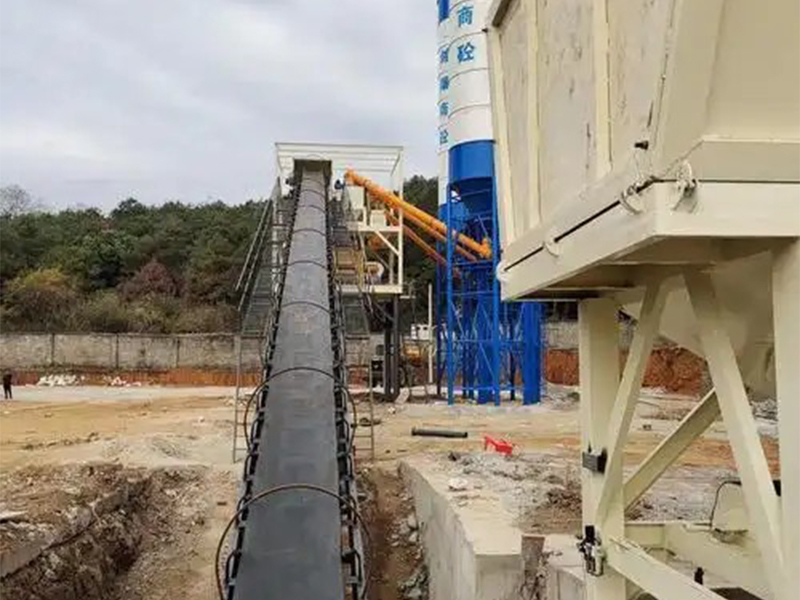
In high-volume iron ore and coal extraction, our impact idlers and high-strength steel-cord belts manage heavy dynamic loads at primary drop points, protecting the conveyor structure from damage.
For high-temperature processing zones, our heat-resistant rubber belts and specialized rollers handle sinter and hot coke at temperatures up to 200°C, maintaining stable performance in demanding environments.
In dry-processing environments, we use multi-stage labyrinth seals to protect roller bearings from abrasive dust, preventing premature bearing failure and extending maintenance intervals.
Our manufacturing and testing processes align with recognized international standards, helping us support operations in diverse industrial markets. We maintain certifications for quality management and design compliance across all product lines.
Our testing labs evaluate key performance metrics, including rubber tensile strength, belt elongation, steel weld integrity, and bearing seal performance. By checking these properties before delivery, we ensure our components operate reliably under field conditions.
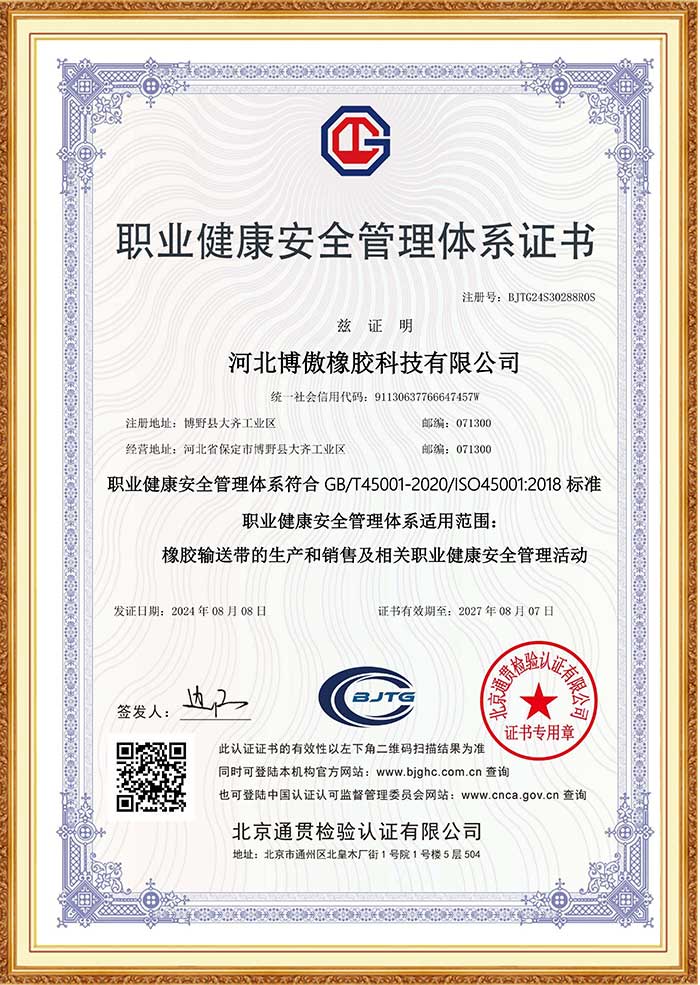 Jinao Brand Certification
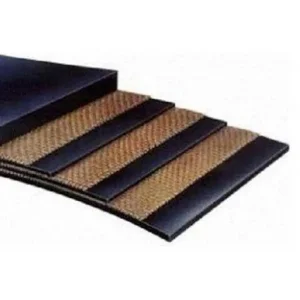
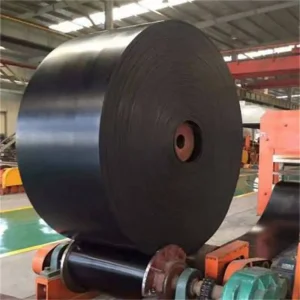
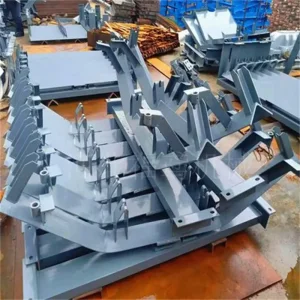
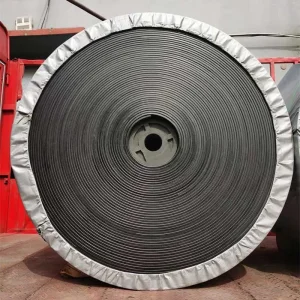
Factory-direct structural brackets, reinforced rubber belts, and specialized rollers for high-capacity material handling.
Technical clarifications on conveyor idler selection, design calculations, and maintenance practices.
Conveyor idler types are designed for specific roles along the conveyor path. Troughing idlers support the loaded belt and shape it to prevent spillage. Impact idlers use rubber rings to absorb energy at material loading points, protecting the belt carcass. Return idlers support the empty belt on its return run, while self-aligning idlers pivot to correct belt drift and keep the system tracking straight.
High dynamic runout causes vibration, which increases wear on both the roller bearings and the conveyor belt. Aligning the bearings accurately within the roller housing ensures smooth rotation, reduces friction, and lowers energy consumption. This alignment helps extend the operational life of the roller assembly.
Labyrinth seals use a multi-chambered, non-contact path that prevents dust, fine particles, and water from reaching the bearing grease. By keeping contaminants out of the bearing, these seals reduce friction, prevent premature wear, and protect the roller in dusty mining and cement handling setups.
Selecting the right bracket dimensions requires knowing the belt width, the angle of the troughing rollers (typically 20°, 35°, or 45°), the diameter of the idler roller shaft, and the mounting hole spacing on the conveyor frame. Standardizing these dimensions ensures the brackets align correctly with the conveyor structure.
Operating temperatures determine what materials are suitable for the belt and rollers. High-temperature environments (up to 200°C) require heat-resistant rubber compounds to prevent cracking. Cold-weather applications (down to -40°C) require specialized low-temperature rubber to keep the belt flexible and ensure the bearing lubricants inside the rollers flow properly.
 Boao Rubber