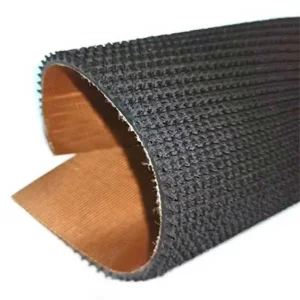
Explore our premium range of industrial conveyor belts, specialized idler rollers, and mounting brackets designed to meet the toughest heavy-duty applications.
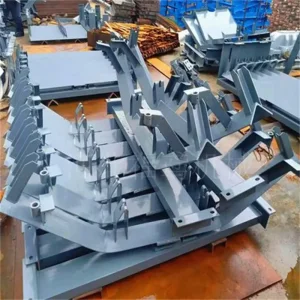
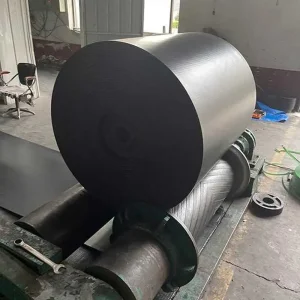
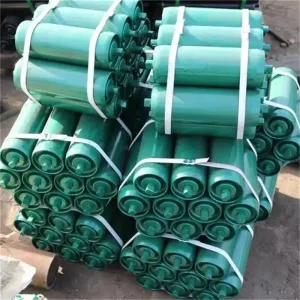
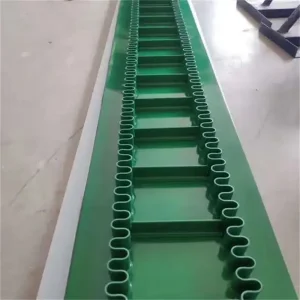
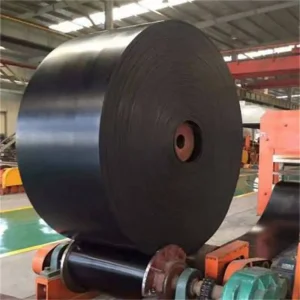
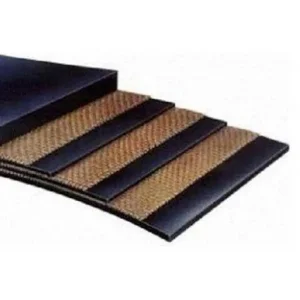
Analyzing technical parameters, material science breakthroughs, and structural optimizations for modern conveyor systems.
In the modern industrial landscape, heavy-duty material transport infrastructures serve as the mechanical lifeblood of global energy, manufacturing, and supply chains. From large-scale metallurgical plants and aggregate quarries to high-throughput deep-water ports and thermal power stations, the continuous, uninterrupted flow of bulk materials dictates overall operational efficiency. At the heart of these complex material handling ecosystems lies the conveyor belt system, a high-stress mechanical assembly whose longevity and performance heavily depend on two core components: premium reinforced rubber conveyor belts and high-precision engineered belt idler rollers.
From a macroeconomic and thermodynamic perspective, conveyor belt systems are massive consumers of electrical energy. In long-distance overland conveyors, up to 60% of the total drive power is consumed by Indentation Rolling Resistance (IRR). IRR occurs as the elastomeric bottom cover of the conveyor belt continuously deforms over the cylindrical surface of the belt idler rollers.
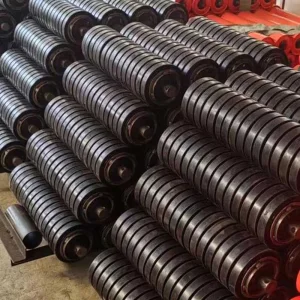
To mitigate these massive operational energy losses, advanced manufacturing focuses on two key fields: optimizing the viscoelastic properties of the rubber compounds and reducing the Total Indicator Runout (TIR) of the idler rollers. When China belt idler roller factories execute high-precision shell machining and implement tight tolerance controls (achieving a radial runout of ≤ 0.5 mm), the mechanical vibration is minimized. This significantly reduces dynamic rubber deformation, resulting in an immediate 10% to 15% drop in structural energy demands. Additionally, proper alignment of the idler sets through robust centering brackets prevents belt tracking errors, eliminating frictional drag against structural frames.
The international market for bulk material transport components is undergoing rapid evolution. Geographically, heavy mining hubs in Western Australia, Chile, South Africa, and Brazil demand heavy-duty, large-diameter idlers capable of running 24/7 under harsh conditions (such as iron ore and copper mining). Meanwhile, logistics hubs in North America and Western Europe focus heavily on smart warehousing, automated sorting systems, and lightweight, flame-retardant PVC/PU conveyor belts.
China belt idler roller suppliers have established a commanding position in this global supply chain. By utilizing automated assembly lines, advanced electrostatic powder coating setups, and integrating strict quality testing parameters directly within the Boye County industrial cluster, Chinese factories deliver high-quality conveyor components at competitive scales. These products meet international standards, including CEMA (Conveyor Equipment Manufacturers Association), DIN, ISO, and AS (Australian Standards), allowing global engineering partners to optimize their systems with certified components.
Hebei Boao Rubber Technology Co., Ltd.
Located in the prominent Rubber Industrial Park of Boye County, Baoding, Hebei Province, Hebei Boao Rubber Technology Co., Ltd. was established in 2004. Spanning a modern production footprint of more than 30 acres, the company has dedicated over two decades to precision engineering and material science breakthroughs.
Under our registered brand name "Jinao", we have developed a comprehensive industrial system integrating research and development, mechanical design, material compounding, precision manufacturing, and global technical services. Our facility features advanced, automated production lines for raw rubber refining, precision fabric calendering, high-pressure vulcanization, and mechanized steel roller fabrication.
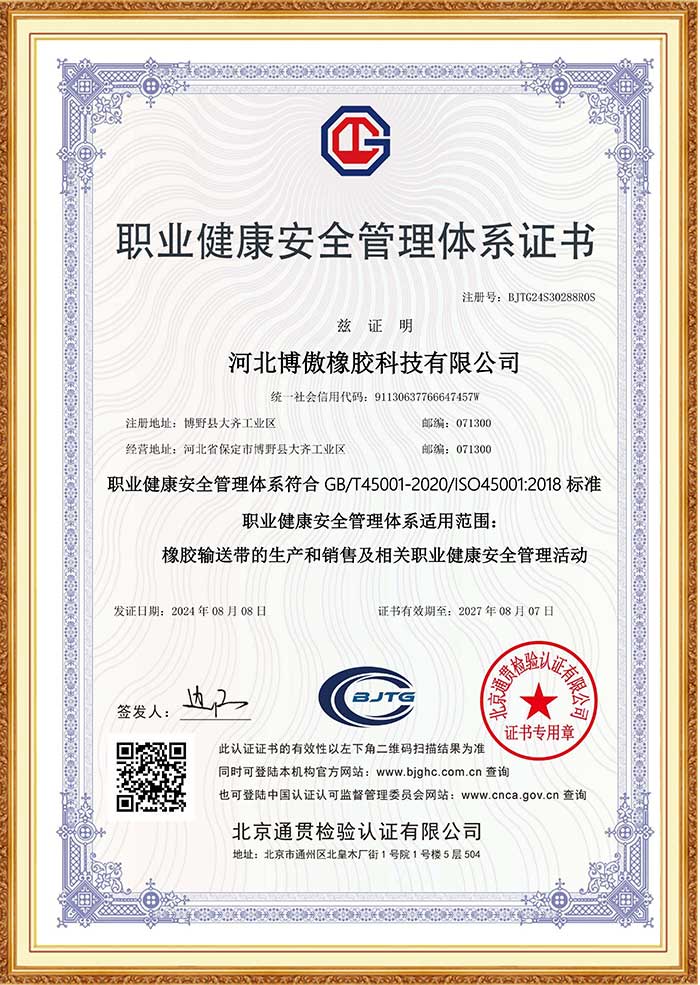
By establishing rigorous QA/QC processes, Boao has passed the international ISO 9001 quality management system certification. We serve heavy industries nationwide and worldwide, supplying high-performance components to steel mills, metallurgical operations, coal mines, cement plants, power generators, fertilizer installations, grain depots, and port terminals.
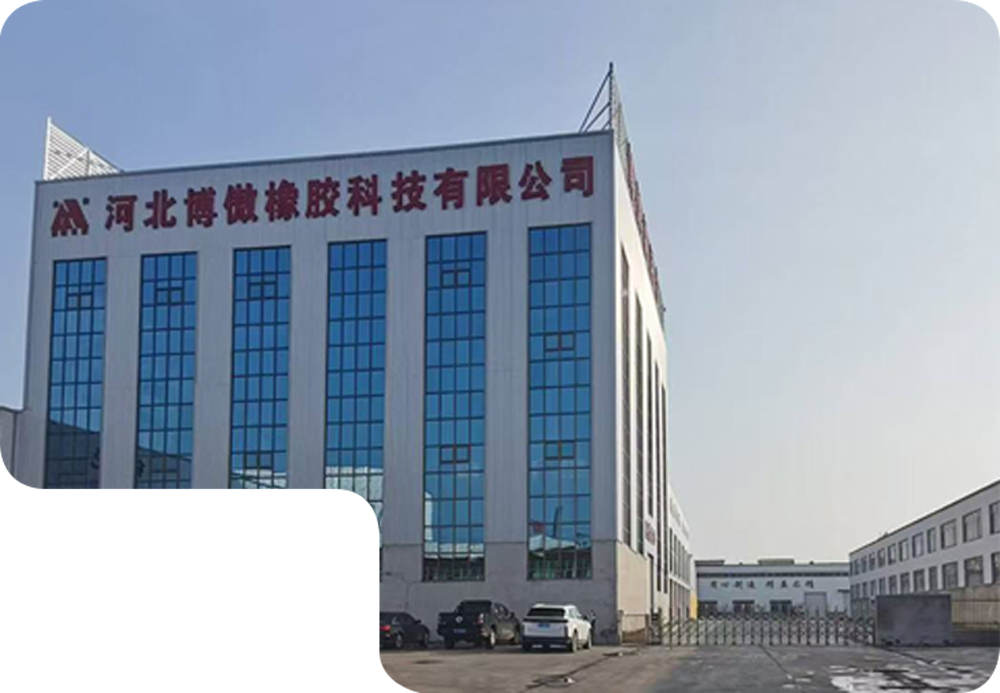
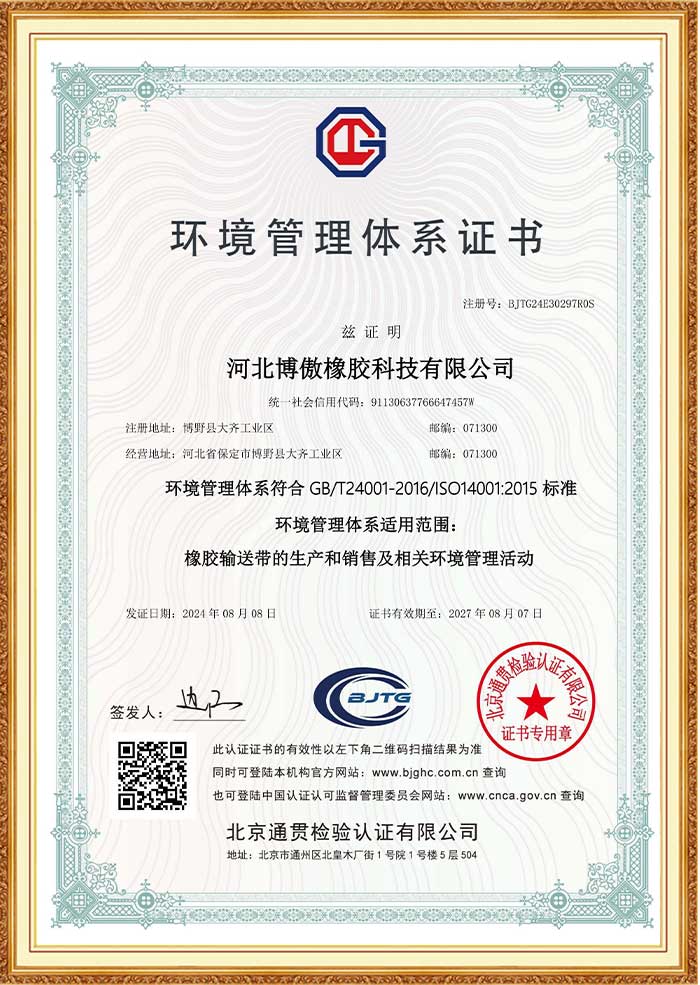
Built on certified quality assurance protocols, in-house laboratories, and a global logistics footprint.
We feature an independent chemical analysis lab and a structural physics laboratory to test all raw compounds, textile fabrics, steel cords, and structural shells before production.
Equipped with advanced testing tools for dynamic balance, radial runout, water-proof sealing integrity, and axial load limits. Unqualified components are strictly prevented from leaving the facility.
Our complete support systems and reliable after-sales services allow us to supply leading projects in heavy metallurgy, power, mining, and shipping ports globally.
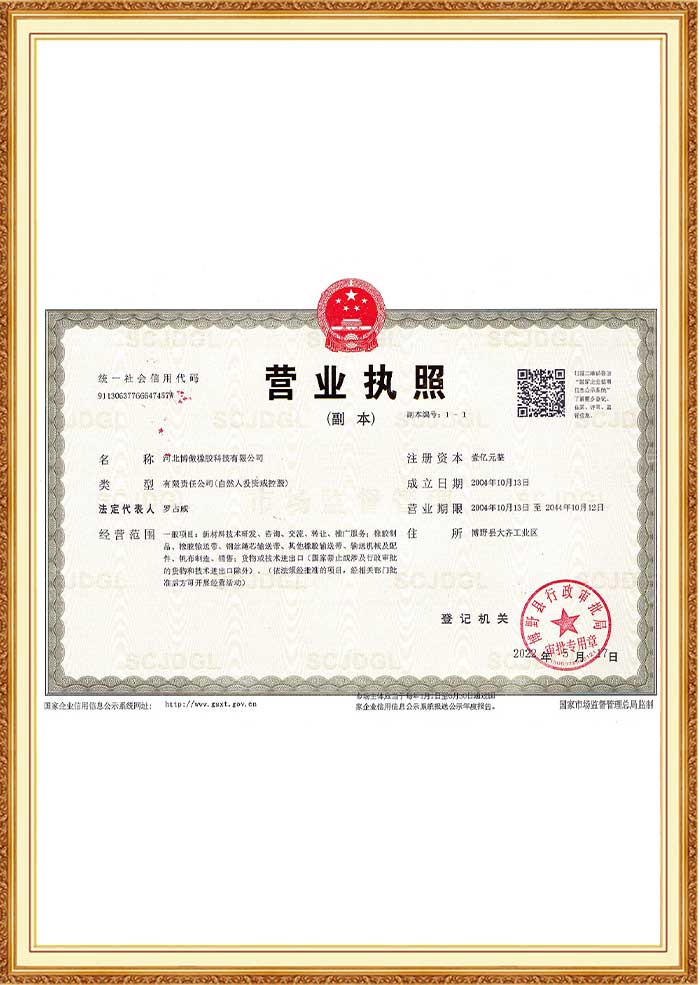
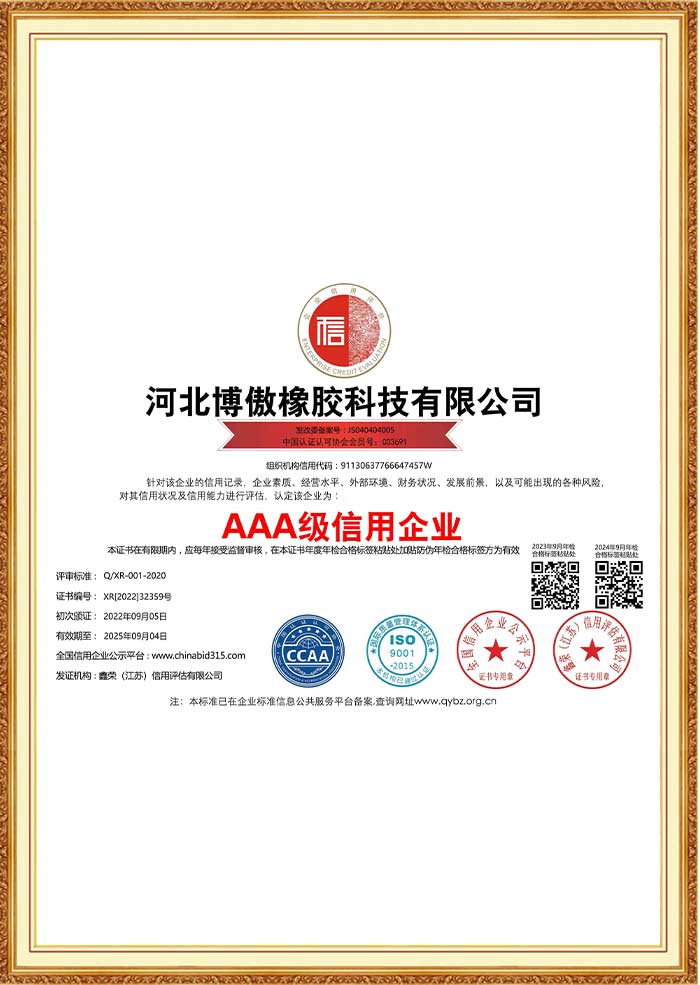
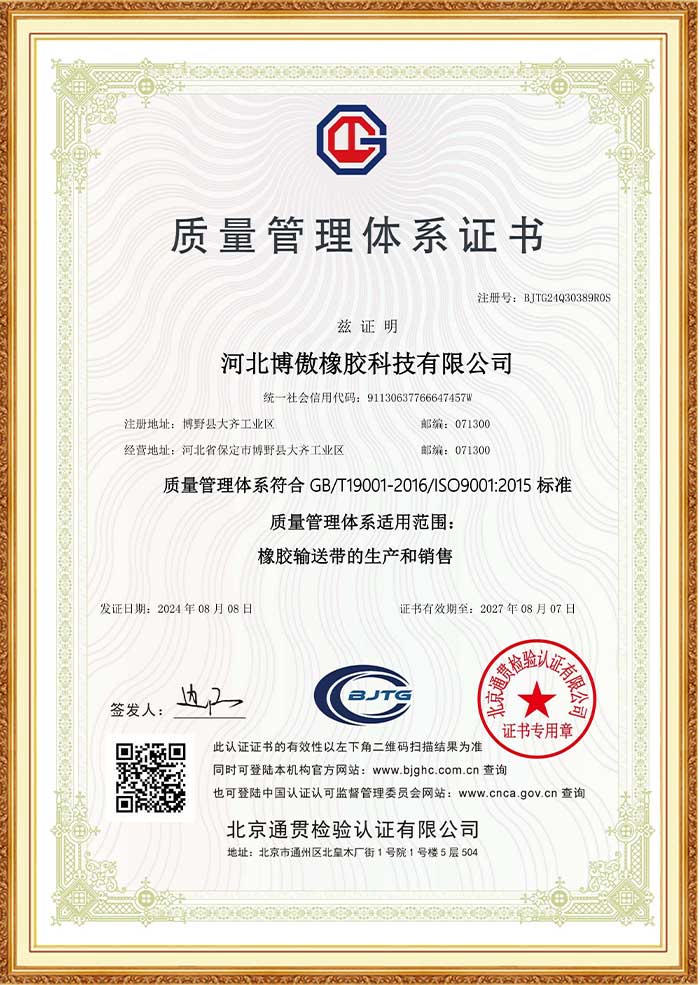
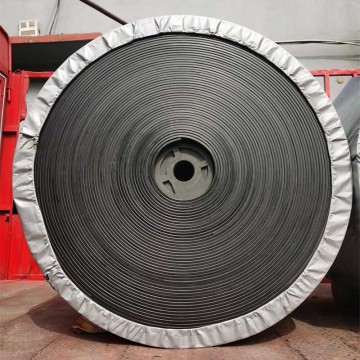
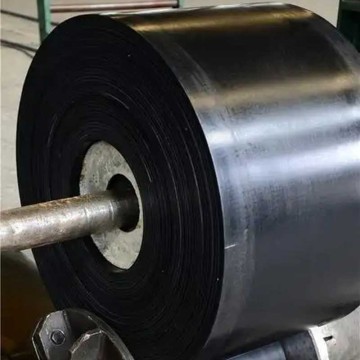
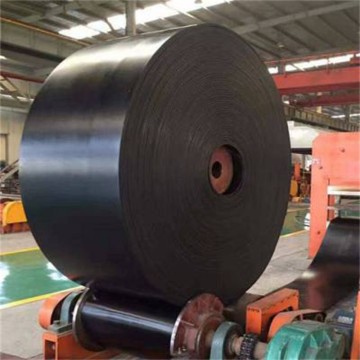
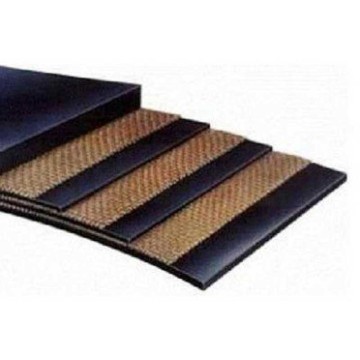
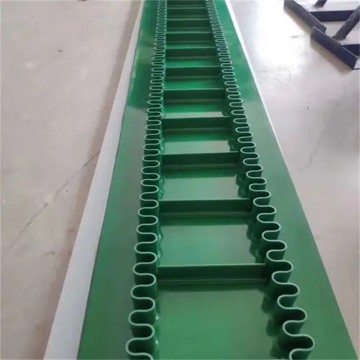
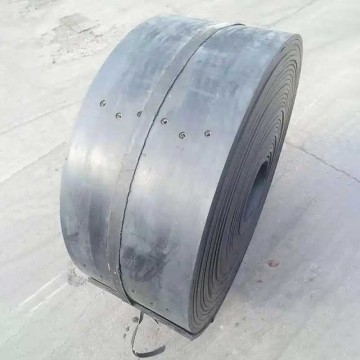
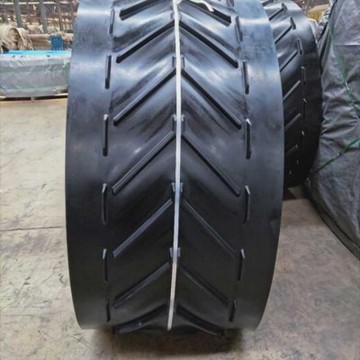
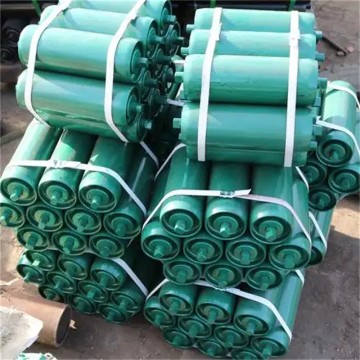
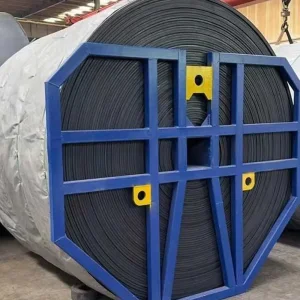
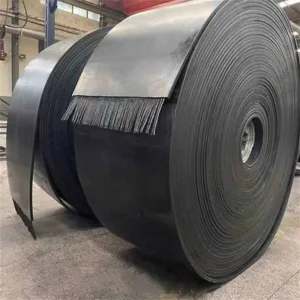
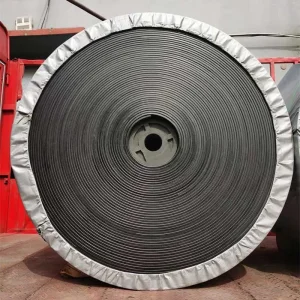
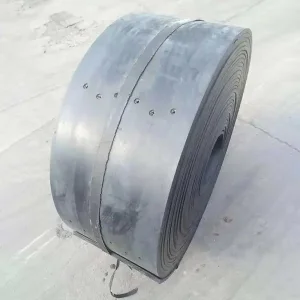
Comprehensive catalog of Boao Jinao-branded conveyor rubber belts and support accessories engineered for heavy material handling operations.
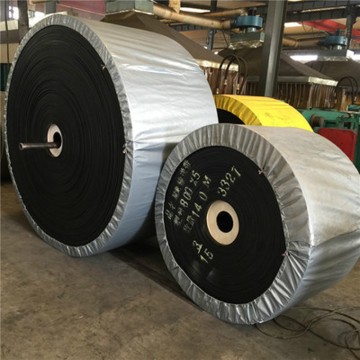
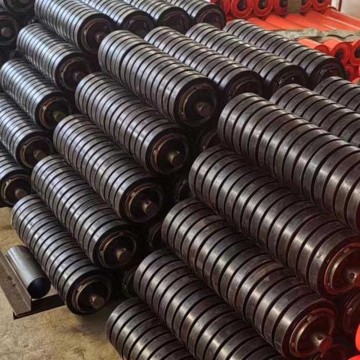
How leading global enterprises implement high-durability conveyor systems to secure operational uptime.
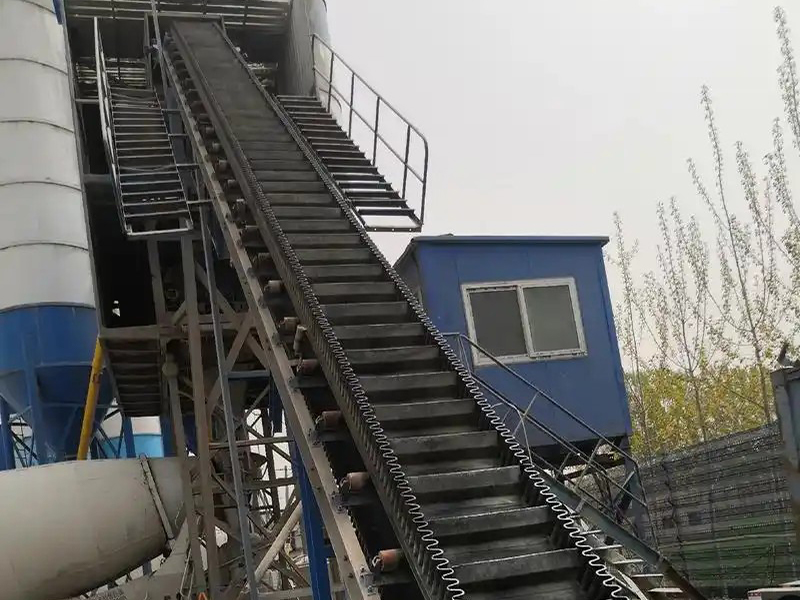
In demanding heavy-duty environments, selecting conveyor belt components requires balancing system tension parameters with local environmental conditions. For instance, a coal processing facility operating in sub-zero winter temperatures requires Cold Resistant Rubber Conveyor Belts designed to retain elastic flex and avoid brittle cracks at down to -50°C. Conversely, metallurgical plants transporting hot sintered ore require Heat-Resistant Conveyor Belts featuring high-performance EPDM covers that resist thermal degradation at up to 250°C.
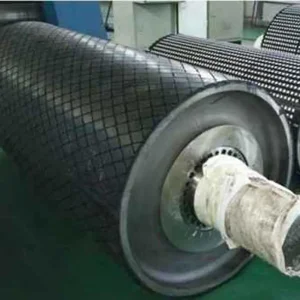
The durability of a belt idler roller depends directly on its structural design. High-quality idlers rely on three key components:
Our engineered solutions have supported major projects worldwide, proving their reliability across various demanding conditions. Some of our key industrial partnerships include:
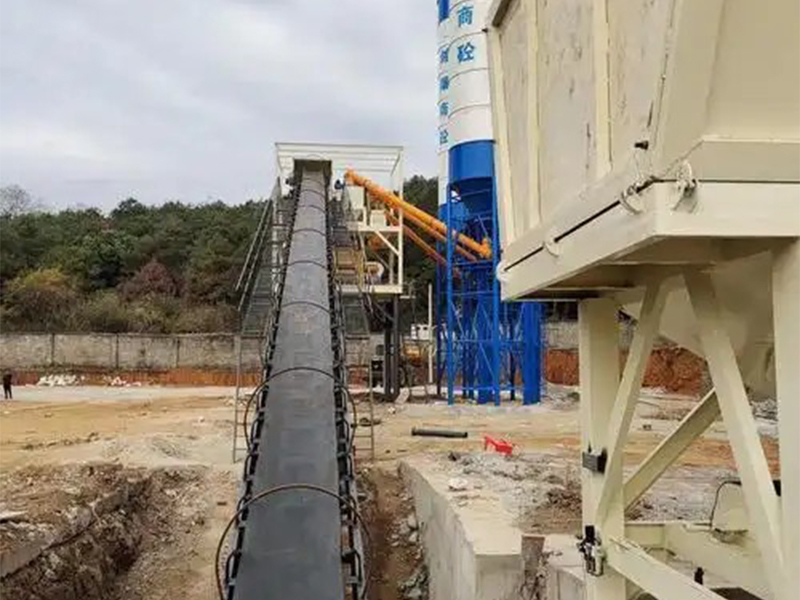
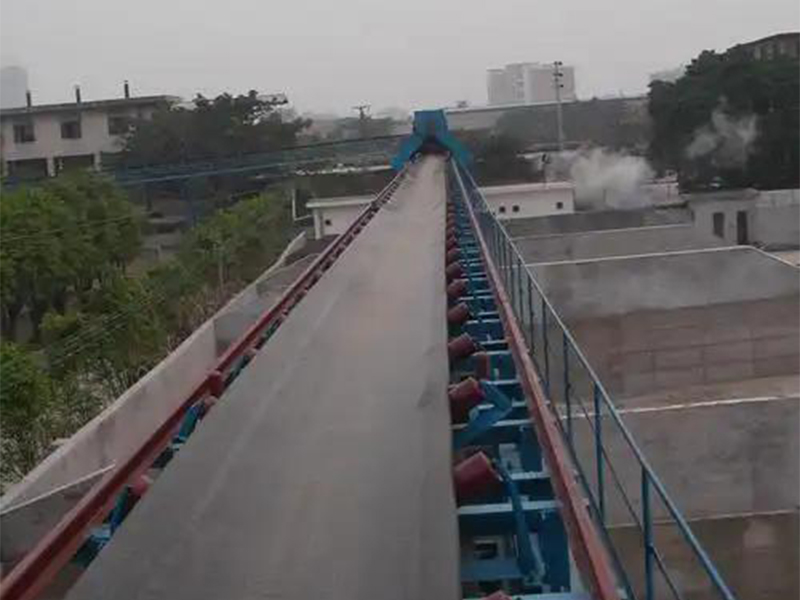
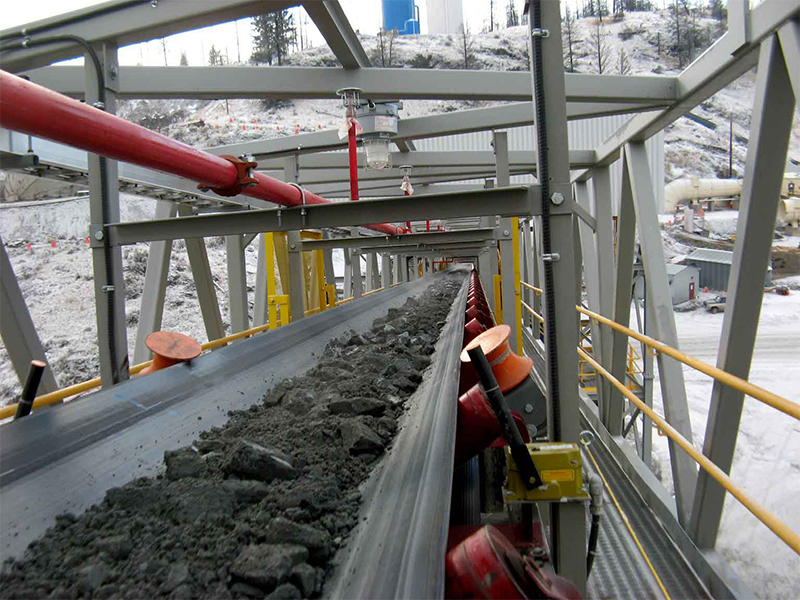
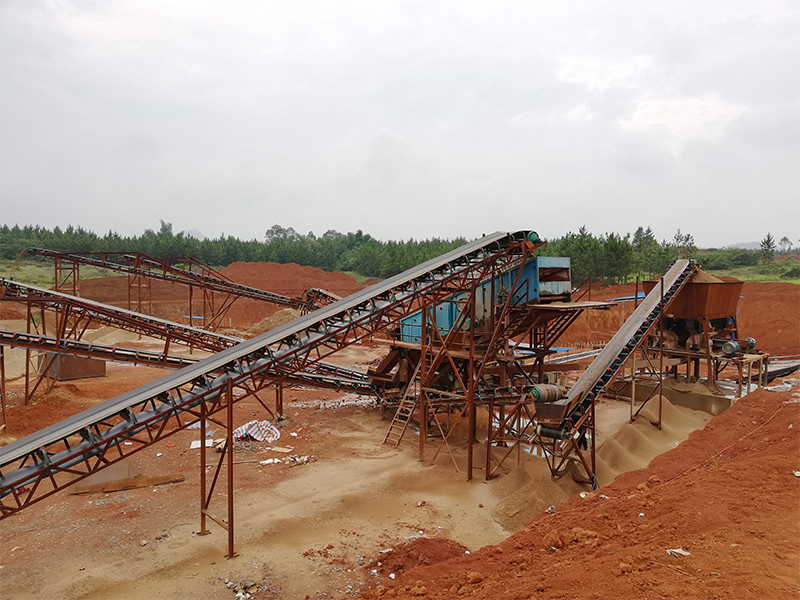
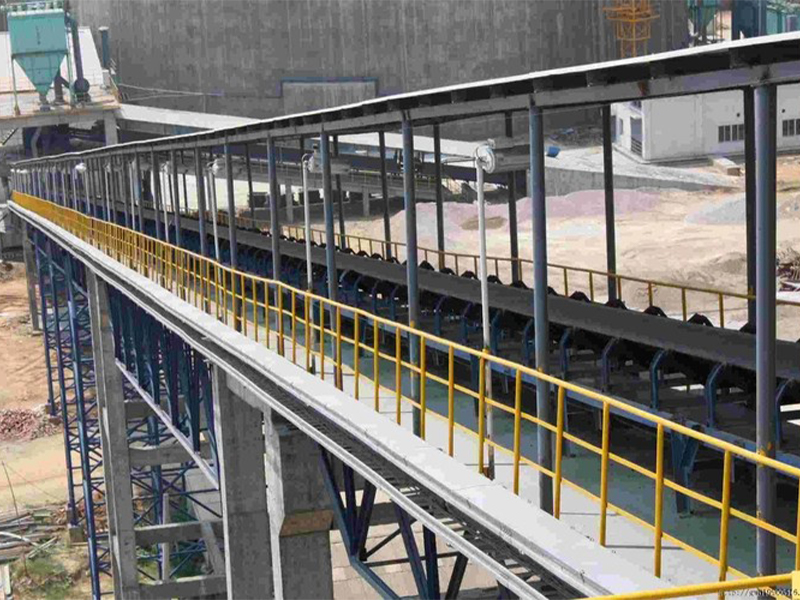
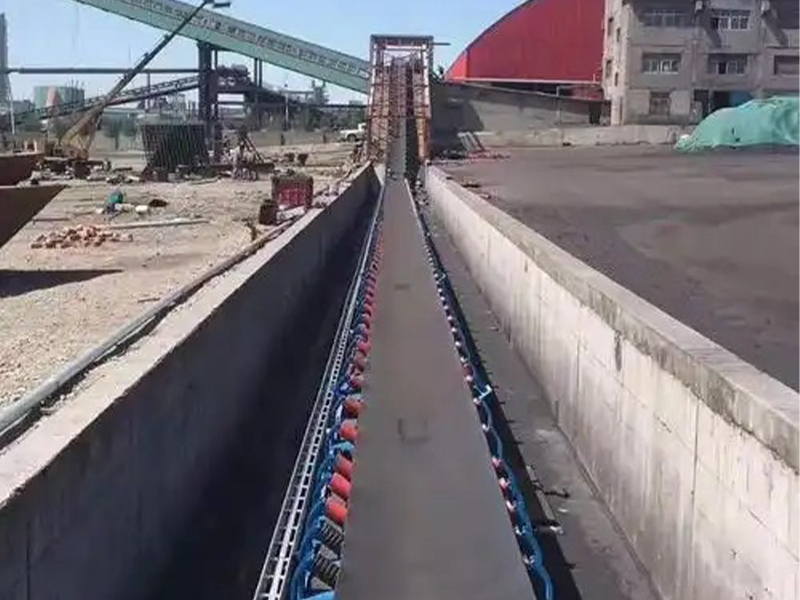
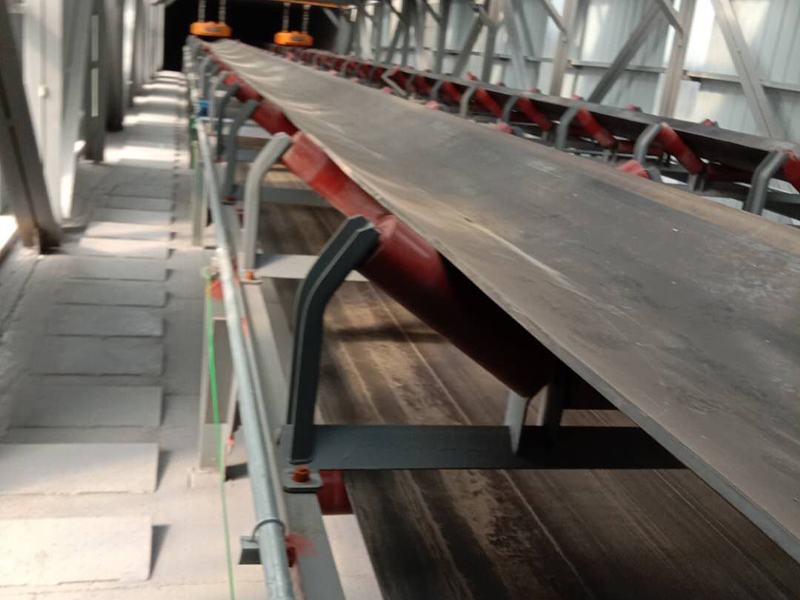
Comprehensive site inspection, preventive maintenance routines, and inventory management options designed to maximize system runtime.
We provide planned replacement, precision mechanical repair, on-site inspection, preventative maintenance, and emergency technical services for conveyor installations.
Our support covers the supply of conveyor belts, brackets, and rubber materials, safety stock optimization, scheduled belt splicing, rubber surface repairs, and emergency mechanical support.
We focus on improving operational efficiency, reducing the replacement frequency of conveyor components, and establishing a reliable, mutually beneficial partnership with our clients.
We work to ensure safe, stable, and cost-effective equipment operation, extending the overall lifetime of your conveyor installation.
The global conveyor technology field is moving toward digitalization and environmental sustainability. Next-generation conveyor systems are incorporating IoT-based monitoring to track equipment health in real-time. By embedding temperature and vibration sensors within the idler roller shaft, operators can detect bearing wear or alignment issues before they lead to unexpected downtime.
Additionally, environmental standards are driving the development of eco-friendly rubber compounds and recyclable composites. Transitioning from standard steel idlers to Ultra-High-Molecular-Weight Polyethylene (UHMWPE) or composite rollers reduces components' weight, lowers operational noise, and cuts down on overall system power consumption. As a forward-looking manufacturer, Boao is active in researching these materials, matching our product development with global sustainability and carbon reduction goals.
Expert answers to common engineering questions regarding the selection, installation, and maintenance of conveyor components.
Explore our high-performance conveyor belts and specialized idlers designed for extreme industrial load requirements.
 Boao Rubber