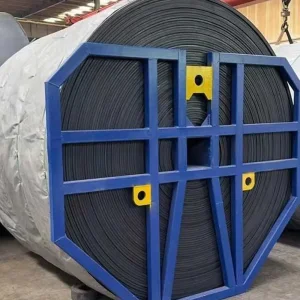
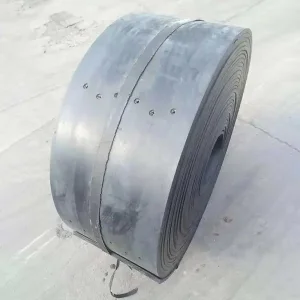
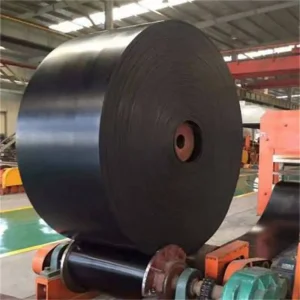
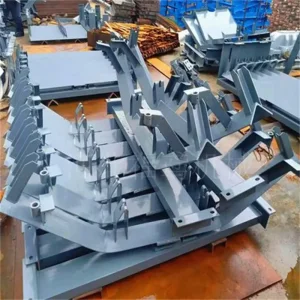
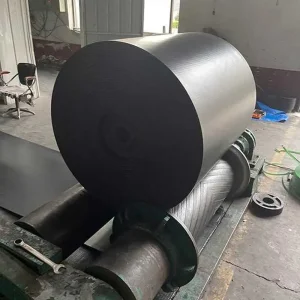
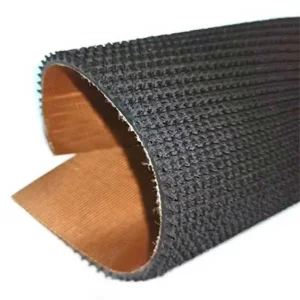
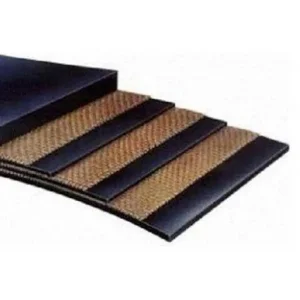
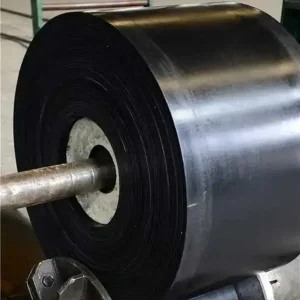
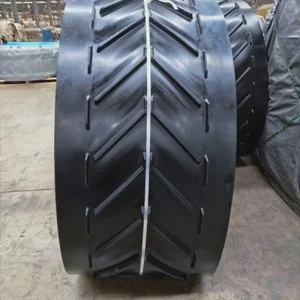
Engineered to deliver exceptional traction, structural integrity, and maximum reliability across extreme bulk material handling operations.
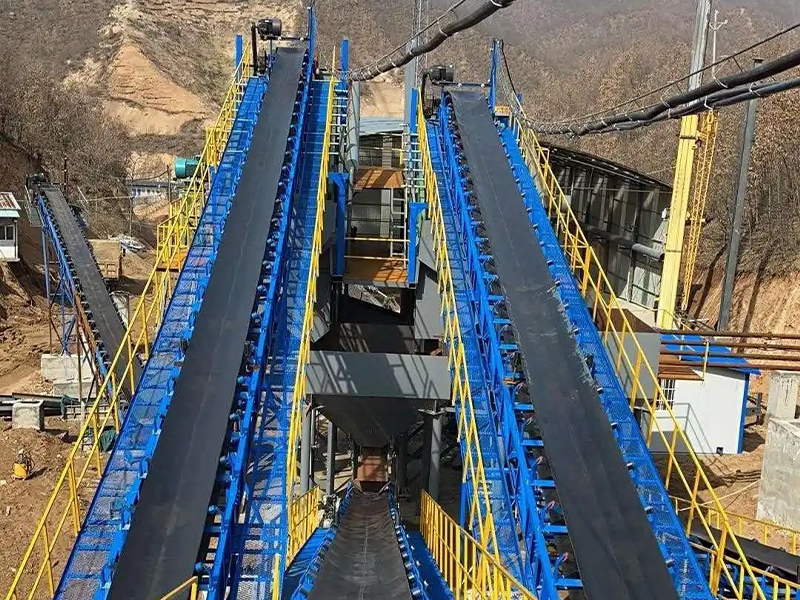
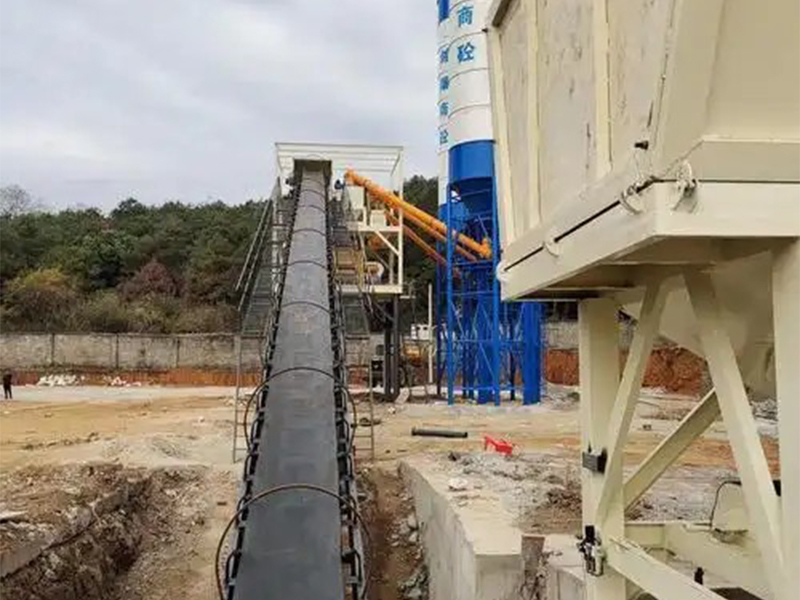
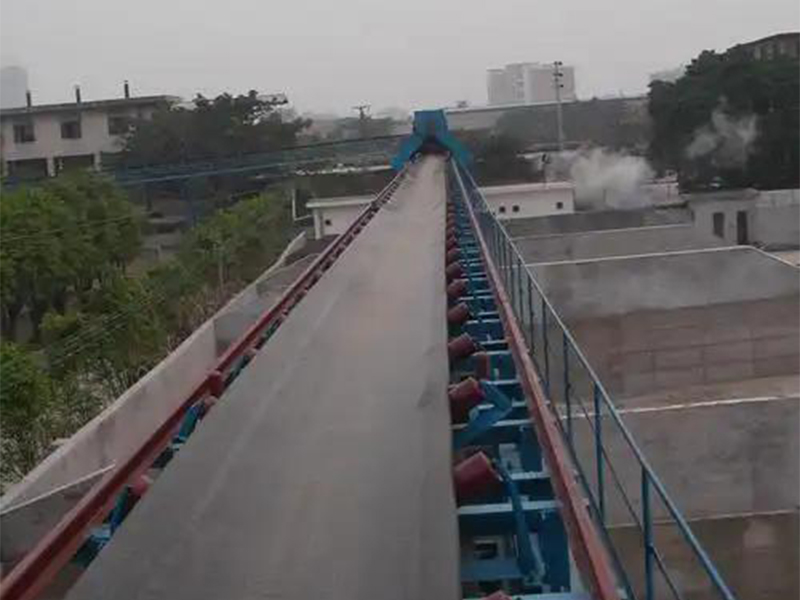
Conveyor belt drum assemblies—also referred to as conveyor pulleys—represent the operational core of heavy-duty material handling. Their engineering directly dictates the efficiency, throughput capacity, and mechanical safety of bulk logistics across sectors like open-pit mining, smelting, cargo hubs, and processing plants. Globally, the demand for high-reliability conveyor drums is driven by the rapid automation of bulk transport systems and the expansion of high-load maritime port terminals.
Modern conveyor systems demand drive, tail, snub, and take-up drums that can withstand continuous tension, dynamic loads, and harsh operating environments. Whether in underground coal mines dealing with explosive hazards or chemical plants battling high acidity, conveyor drums serve as the torque transmitter and stabilization vector for the system. Selecting a premium manufacturer is critical to eliminating unplanned downtime, which can cost industrial plants thousands of dollars per hour.
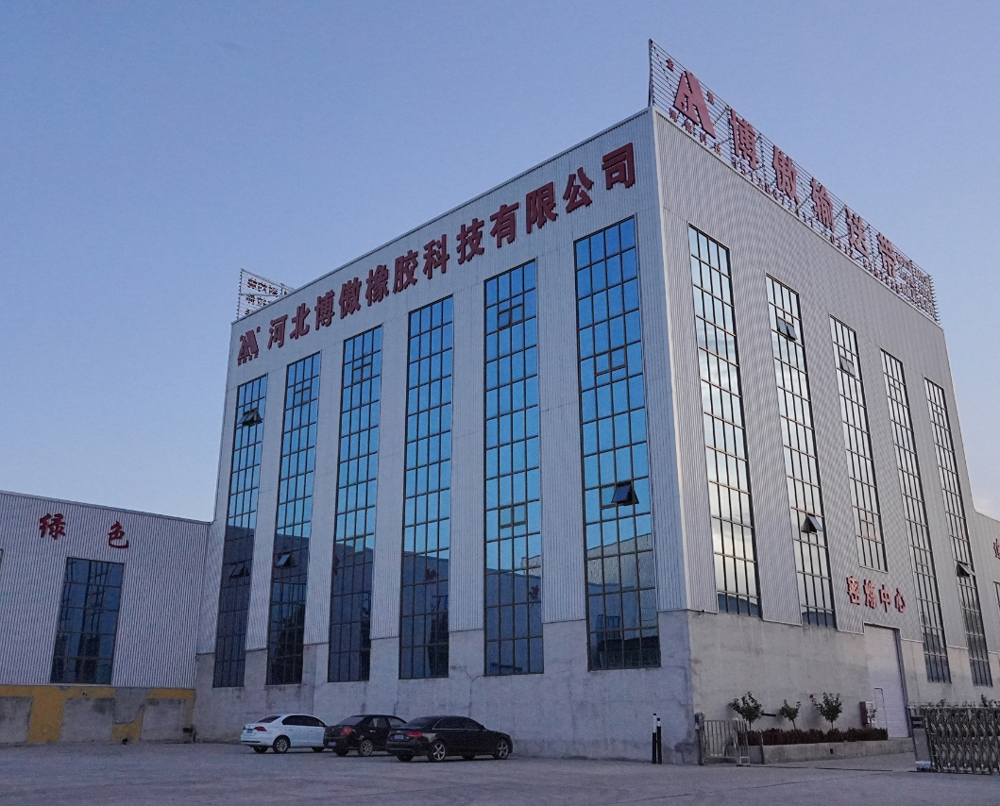
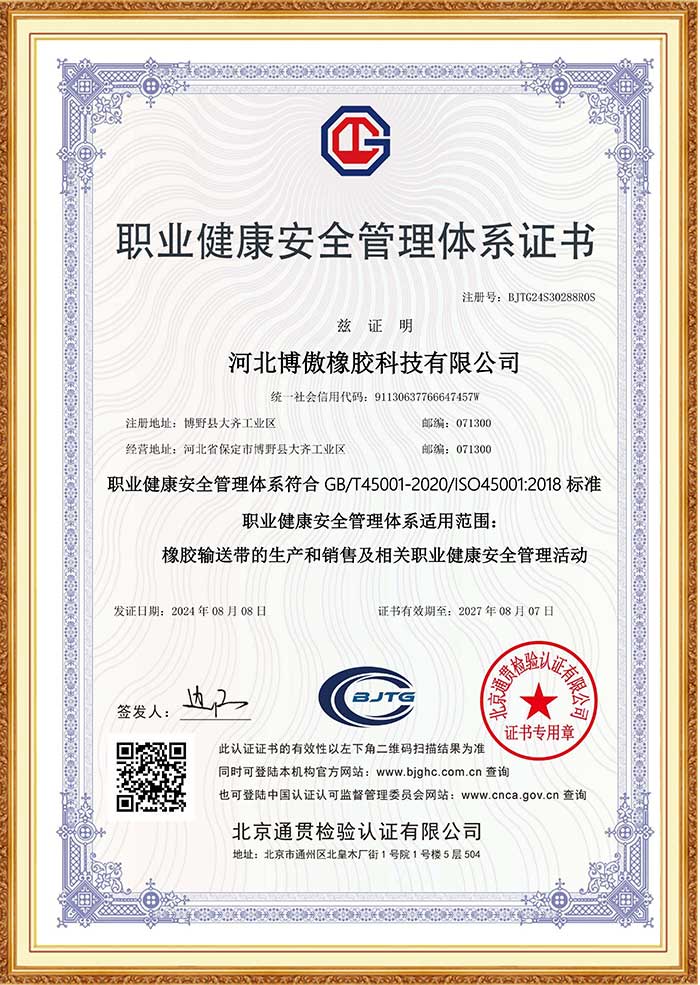
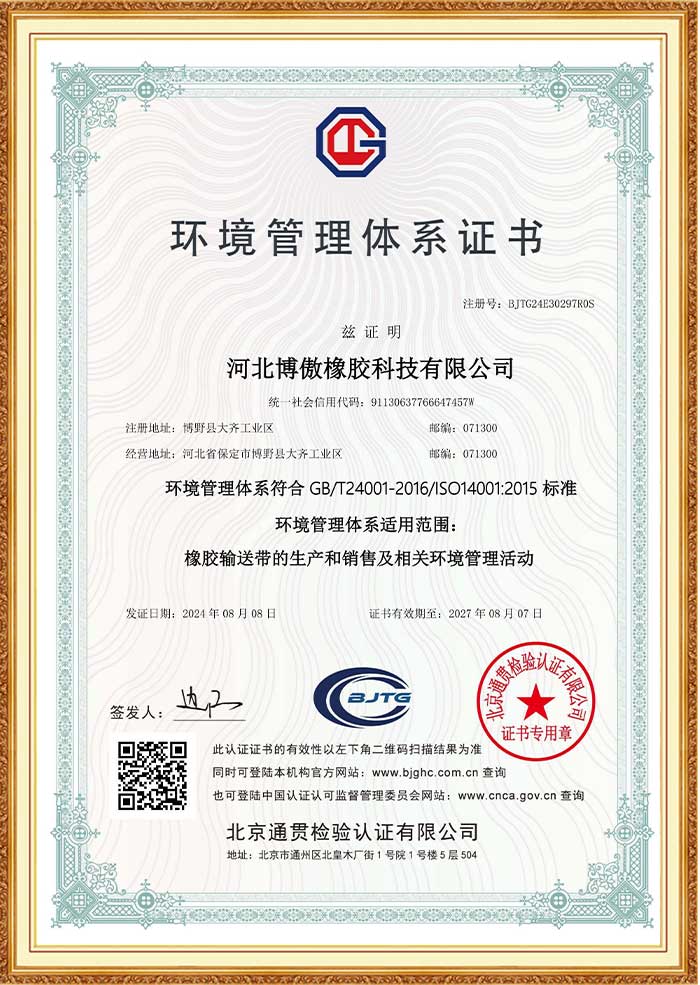
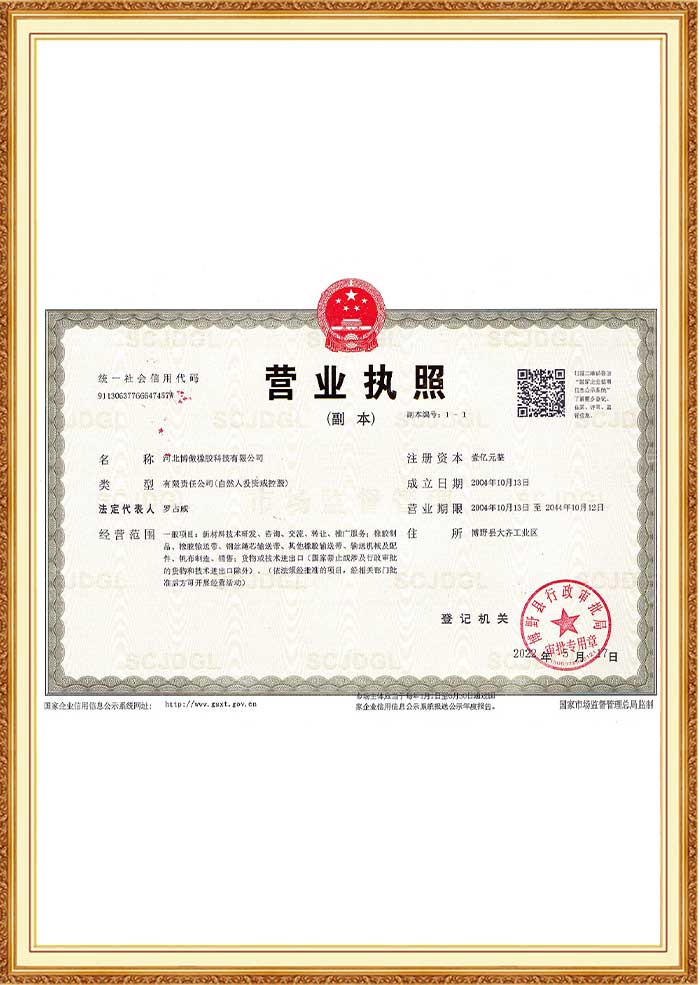
Established in 2004 and situated within the Rubber Industrial Park of Boye County, Baoding, Hebei Province, Hebei Boao Rubber Technology Co., Ltd. is an industry-leading Chinese enterprise specializing in the integration of R&D, design, manufacturing, and technical support for conveyor belts, industrial drums, and mechanical accessories.
Under our premium proprietary brand "Jinao", we have built advanced production lines covering the entire fabrication cycle: from raw material formulation, rolling, and forming, to advanced vulcanization, CNC machining, and comprehensive physical/chemical laboratory diagnostics. Our focus on quality has made us a trusted partner for steel mills, ports, cement plants, and mining conglomerates globally.
Operating across a modern facility of over 30 acres, Hebei Boao integrates manufacturing capabilities with field services. We provide a single-source ecosystem for bulk handling plants—supplying both high-end fabric/steel cord conveyor belts and matching heavy-duty drums, idlers, and brackets.

How our independent testing laboratories and strict QA procedures ensure reliable performance in the field.
Our in-house chemical analysis room inspects incoming raw materials, checking polymer density, rubber compound properties, and steel reinforcement tension before manufacturing begins.
Equipped with advanced instruments, our laboratory runs destructive and non-destructive tests. We measure tensile strength, wear rates, heat aging, and dynamic balance to confirm that products meet global standards.
We enforce a strict quality policy: unqualified materials are rejected at intake, and finished items that do not meet specification are not cleared for delivery. Every shipped product features a traceable test certificate.
Reliable performance under high-volume bulk transport demands.
| Target Industry | Common Operations | Primary Technical Challenges | Our Customized Drum & Belt Solutions |
|---|---|---|---|
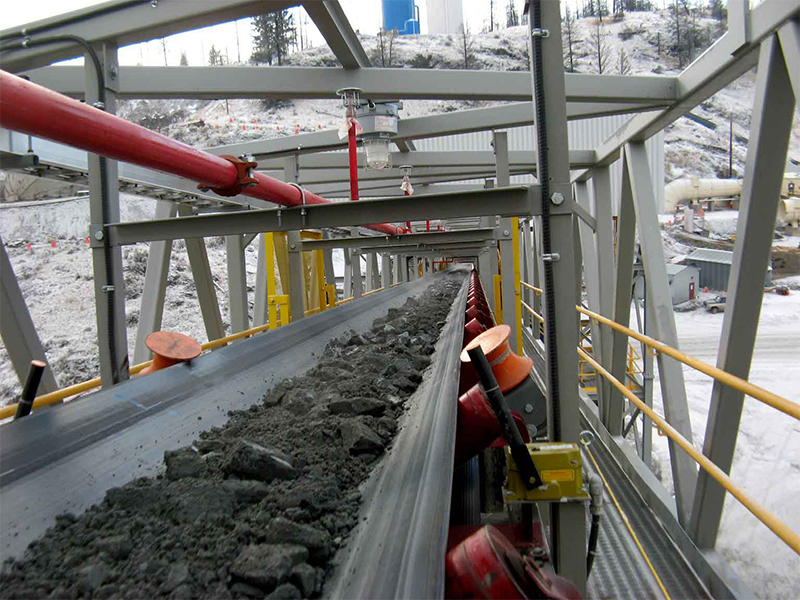
| Mining & Coal Extraction | Deep shaft hauling, overland transport, raw mineral handling. | Combustible dust, high impact, heavy particulate wear. | Flame-retardant anti-tear belts + ceramic lagged drive pulleys. |
| Steel & Metallurgy | Sinter feeding, blast furnace transport, slag evacuation. | Elevated temperatures (up to 200°C), abrasive materials. | Heat-resistant EP belts + heavy-duty drum shells with thermal insulation. |
| Cement & Aggregates | Clinker handling, limestone storage, bulk shipping. | High abrasive dust, vertical lifts, steep inclines. | Lifting/bucket elevator belts + high-tension steel-reinforced drive drums. |
| Ports & Marine Terminals | Ship loading and unloading, high-capacity stacking. | Salt spray corrosion, high humidity, variable weather. | Corrosion-resistant paint + polyurethane lagged pulleys with taconite seals. |
Innovation is shaping the future of bulk conveyor systems. Here is how manufacturing standards are changing to meet new operational demands.
The integration of thermal and vibration sensors within the pulley shaft allows real-time bearing condition monitoring. This prevents overheating and catastrophic bearing failures, shifting operations from reactive to predictive maintenance.
Innovative elastomer matrices reduce energy loss at the belt-pulley interface. Utilizing specialized rubber formulations can lower overall conveyor motor energy consumption by up to 12% in long-distance overland runs.
Direct hot-vulcanized ceramic lagging with 95% Al2O3 tiles features dimpled surfaces for optimal belt grip. This eliminates slippage under wet, muddy, or ice-crusted mining conditions, protecting the belt's bottom cover from wear.
Manufactured using advanced technology to align with various material handling designs.
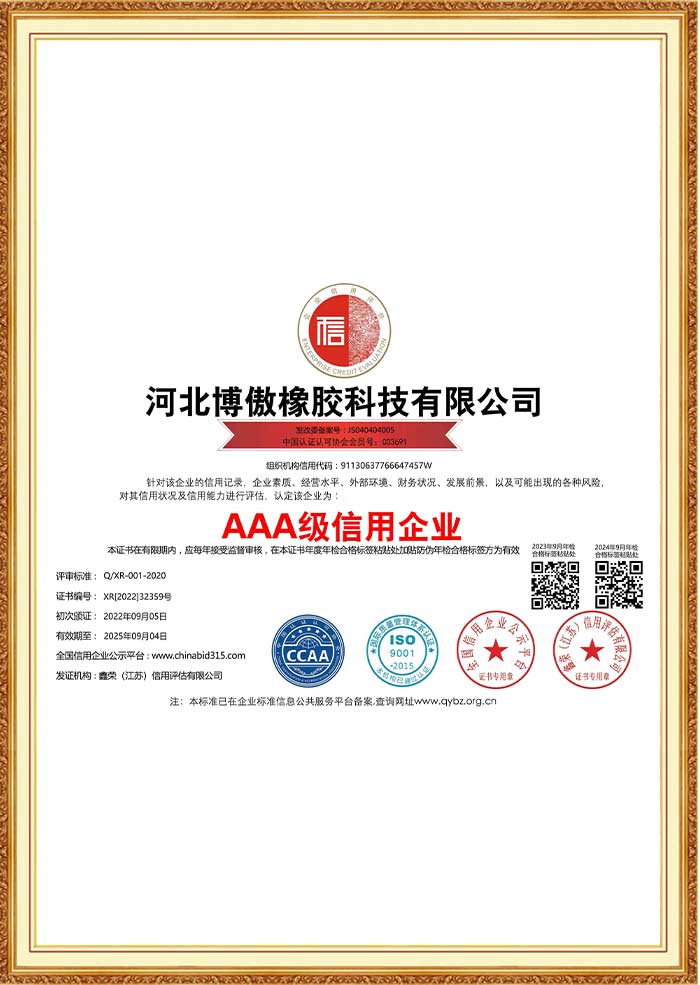
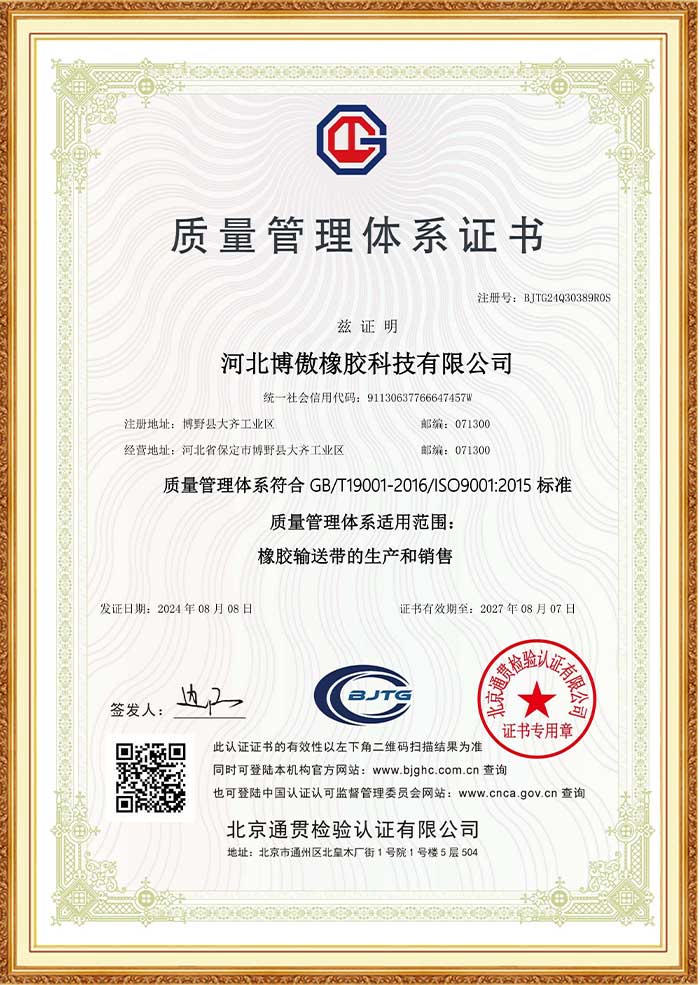
A comprehensive approach to minimizing wear and extending the lifespan of conveyor installations.
We work to help operators lower cost-per-ton throughput through structural support, component matches, and proactive wear mitigation.
Our service programs provide structured support for complex bulk handling installations. From initial design consulting and tension analysis to emergency hot-vulcanized splicing and on-site alignment, we work to optimize your conveyor system's overall reliability.
Our components are relied on in challenging bulk transport projects across steel, coal, and cement sectors.
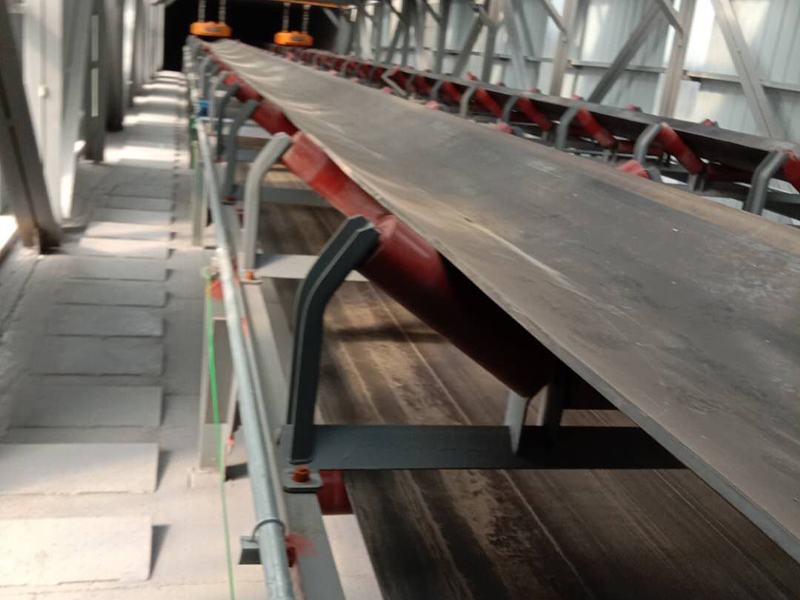
Taihang Steel
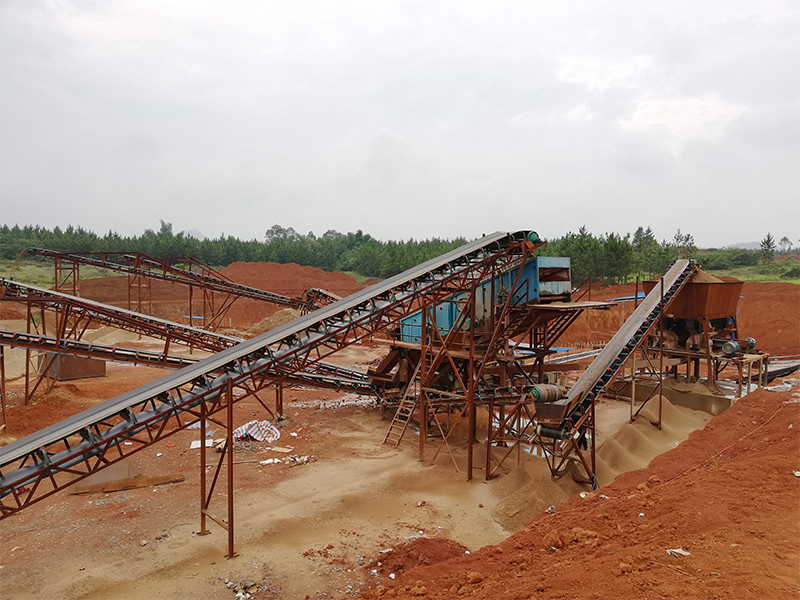
Tsingshan Group
Zijin Mining
China Railway Group
Conch Cement
Datong Coal Group
Professional engineering answers addressing maintenance, design selections, and operational performance.
Engineered for high-volume logistics, processing systems, and demanding transport applications.
 Boao Rubber