Industrial grade solutions manufactured under strict ISO quality standards for ultimate bulk transport efficiency.
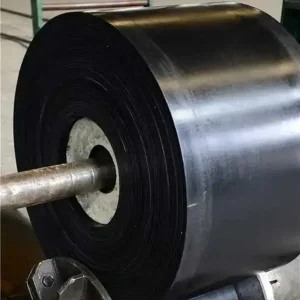
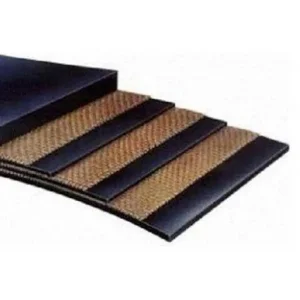
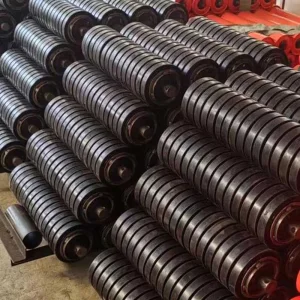
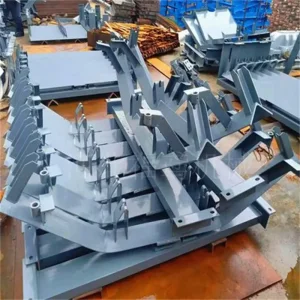
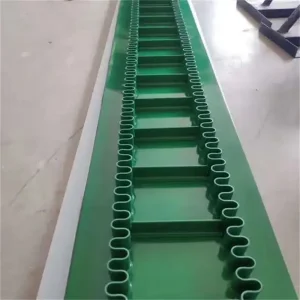
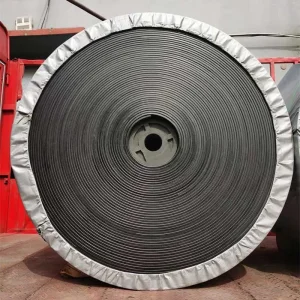
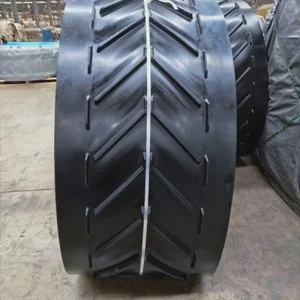
In heavy industrial conveyor systems, belt mistracking remains one of the primary drivers of operational downtime, structural wear, material spillage, and workplace safety hazards. When a conveyor belt drifts away from its central path, it can cause catastrophic edge damage to the belt, damage the steel framework, or lose material along the system line. Self-aligning tracking idlers are mechanical safeguarding mechanisms that dynamically adjust and stabilize the belt's path in real time.
Globally, sectors such as coal mining, iron ore processing, deep-water port terminals, grain silos, and cement production depend heavily on continuous conveyor operation. A single tracking failure can stall production lines, incurring thousands of dollars per hour in losses. By using pivoting or friction-based steering elements, tracking idlers automatically react to lateral belt movements, providing a corrective force that steers the belt back to the mechanical center line.
"Reliable conveyor belt tracking is not merely about physical alignment; it is a baseline requirement for reducing power consumption, eliminating material waste, and extending the operating lifetime of costly rubber belts."
Established in 2004 in the prestigious **Boye Rubber Industrial Park** (Baoding, Hebei Province), Hebei Boao Rubber Technology Co., Ltd. has developed over more than two decades into a leading Chinese manufacturer. Under the registered trademark "Jinao", we engineer and supply heavy-duty conveyor belts along with matching steel accessories, components, brackets, and self-aligning tracking rollers.
With an production footprint exceeding 30 acres, Hebei Boao operates state-of-the-art processing lines for rubber compounding, rolling, forming, vulcanization, and roller manufacturing. Our vertical integration allows us to design and build brackets and tracking systems that pair seamlessly with various belt materials (EP/NN layered fabrics, steel wire ropes, and high-temperature rubber compounds) to deliver maximum synergy and system wear life.
Advanced engineering, verified material quality control, and a high-efficiency Chinese supply chain.
Our in-house physics and chemistry testing laboratories conduct detailed analytical checks on raw compounds, steel tubing, bearings, and seals. This guarantees that all components meet DIN, CEMA, and ISO standards before shipping.
Equipped with specialized testing gear, our inspectors perform dynamic balancing tests, run-out measurements, and dust/water sealing efficiency audits on all self-aligning tracking rollers.
Backed by deep technical expertise and professional field service teams, Jinao brand components are exported globally. They reliably serve heavy steel plants, deep mines, ports, and power stations.
To prevent belt damage, self-aligning tracking idlers utilize mechanical physics to correct path drift. The dynamic forces generated between the moving conveyor belt and the tracking idler guide the belt back to its center path. Standard self-aligning setups include the following engineering designs:
Built with a centralized rotation mechanism, these units pivot on a spherical bearing. When the conveyor belt drifts, the uneven friction forces cause the entire carriage frame to pivot forward on the drifted side. This steering action returns the belt to the center line.
By using tapered rollers on the wings, the linear surface speed varies from the inner to the outer diameter. This speed difference creates a centering force vector that coaxes the belt inward, providing continuous tracking correction.
Fitted with vertical edge rollers on both sides, these units provide direct mechanical guidance. When the belt edge touches a side roller, it pivots the main idler frame to redirect the belt, offering immediate protection for high-value conveyor belts.
Our engineering department customizes the pivot angle, roller taper, and seal type to match the customer's operational parameters. This matches system tension, belt speed, and bulk density requirements to ensure tracking performance in difficult mining and industrial environments.
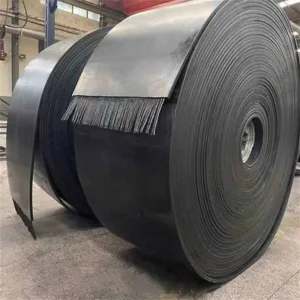
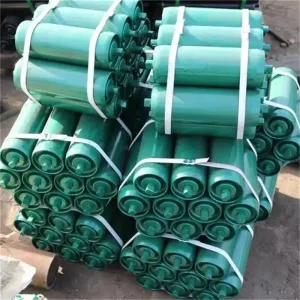
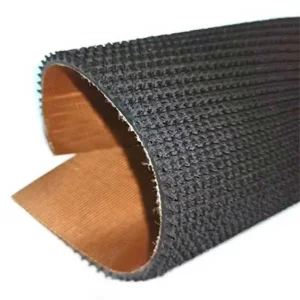
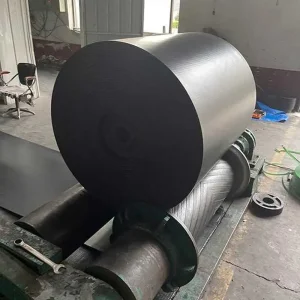
Our complete range of industrial heavy conveyor belts and supporting idler hardware.
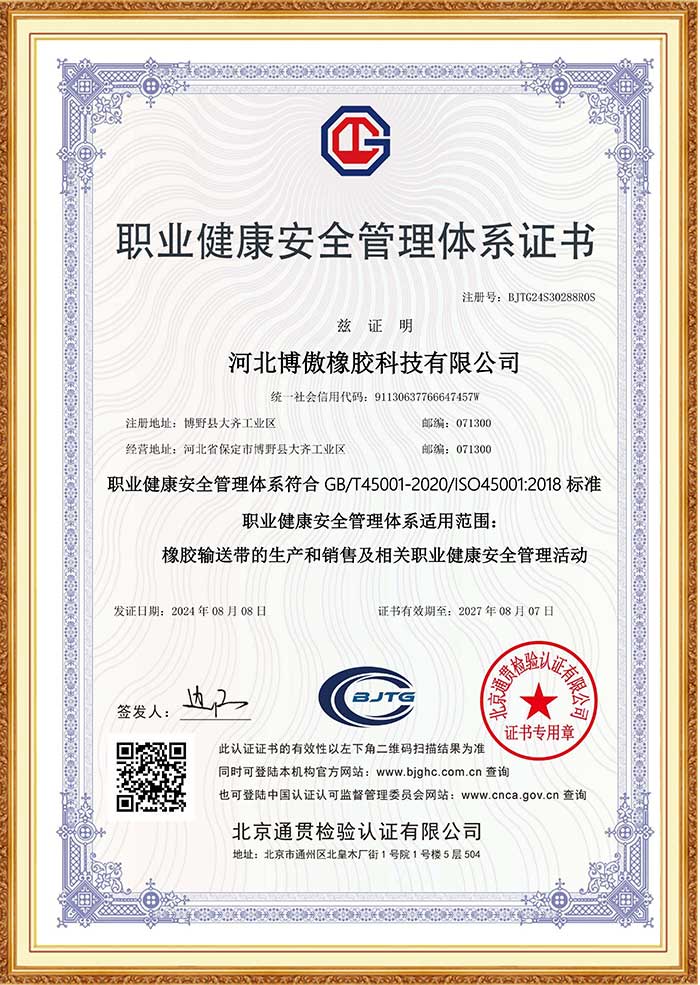
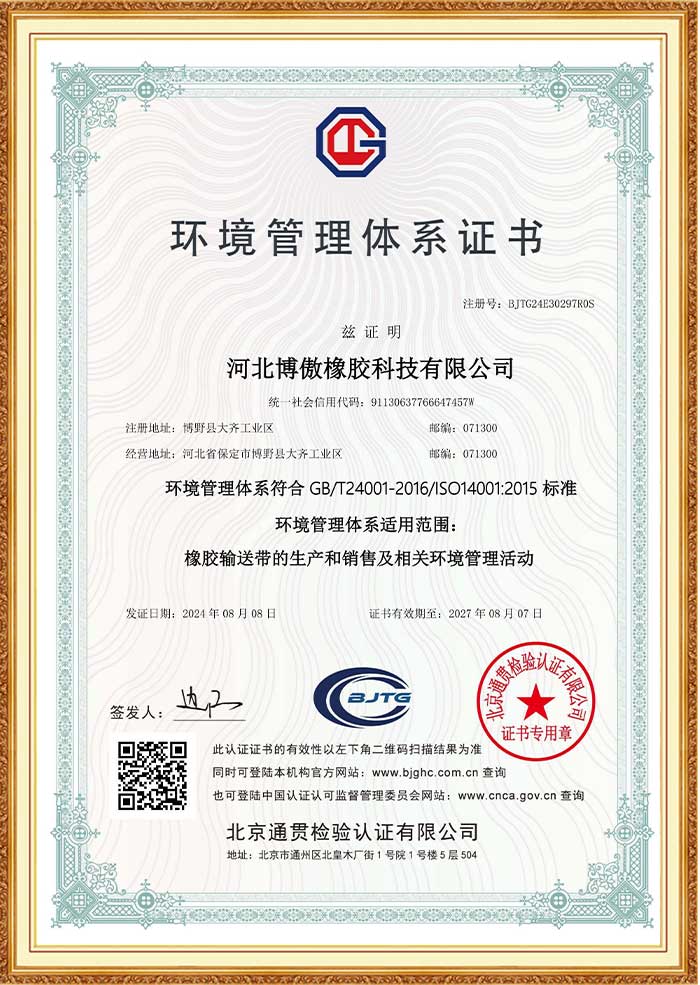
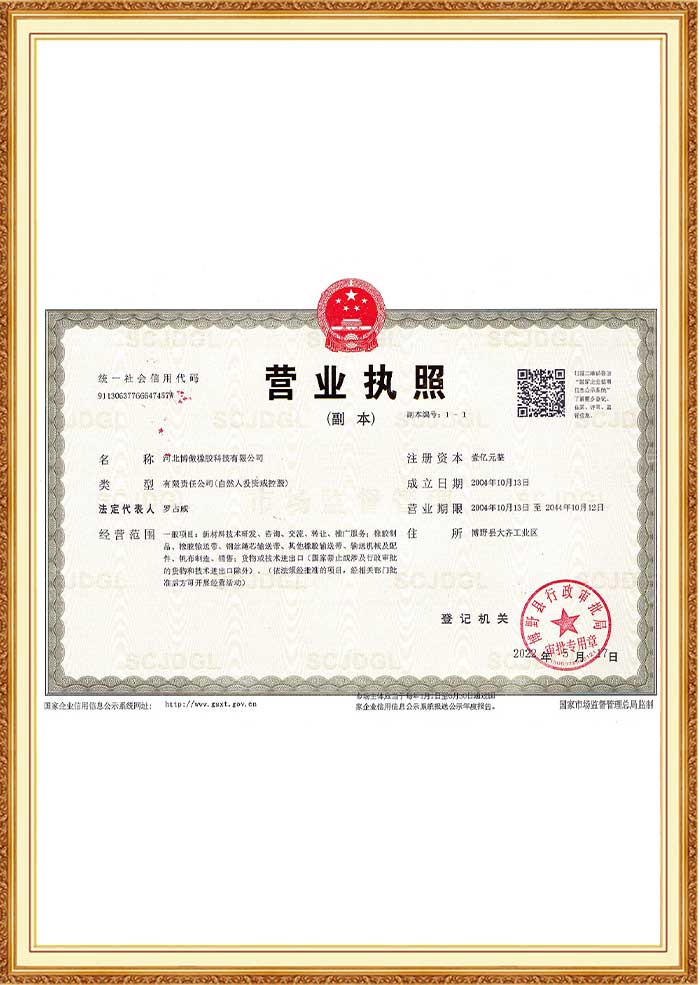
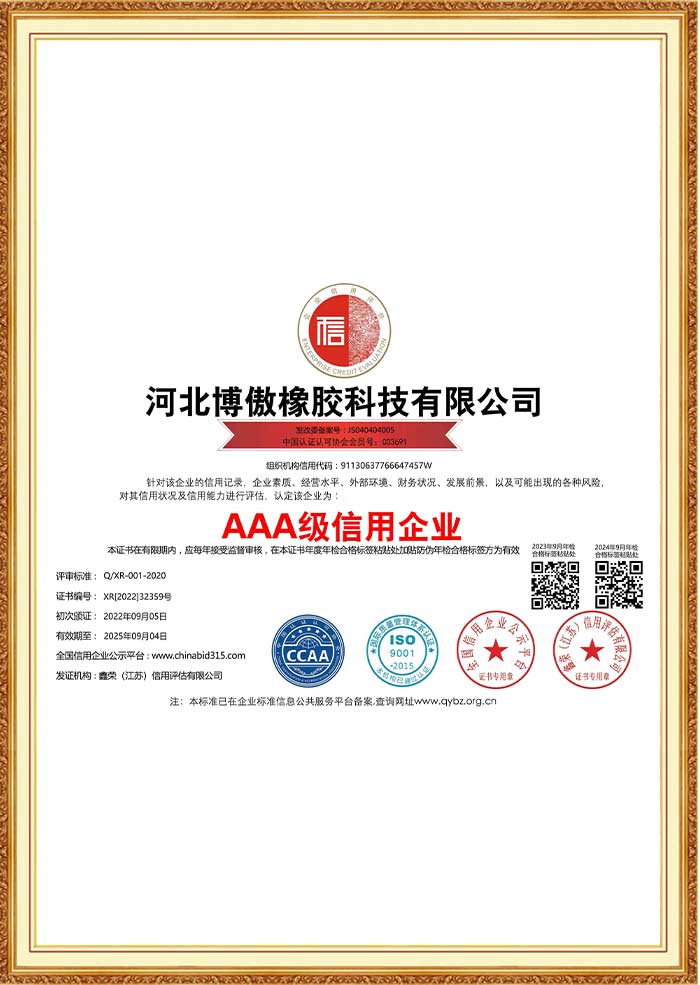
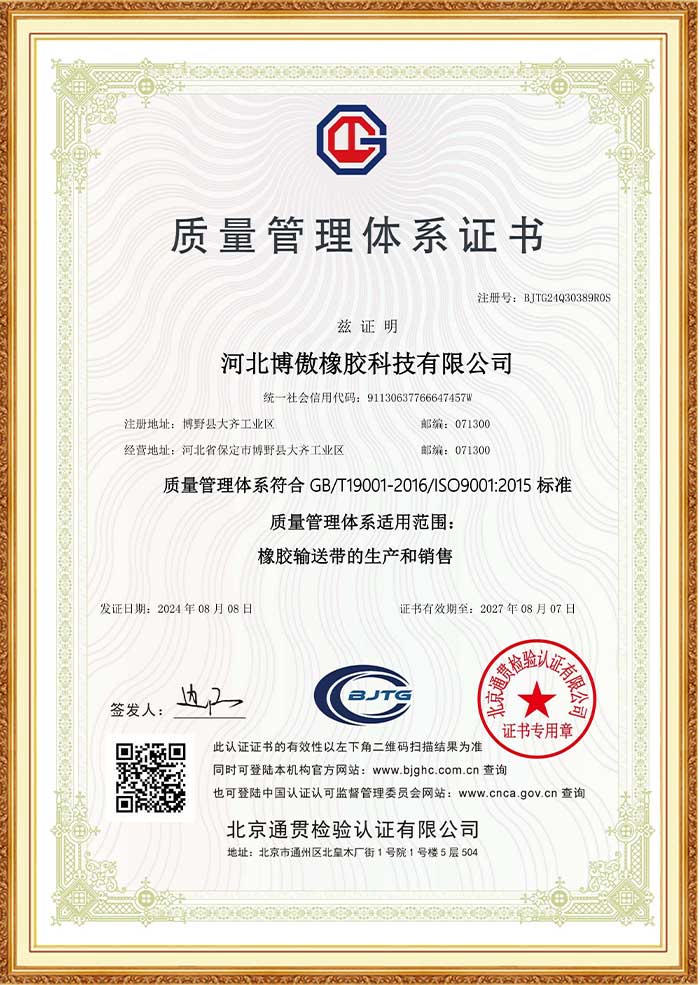
We manufacture and test our products to verify they meet world-class industry standards.
Jinao products deliver reliable performance in challenging environments for leading industrial groups.
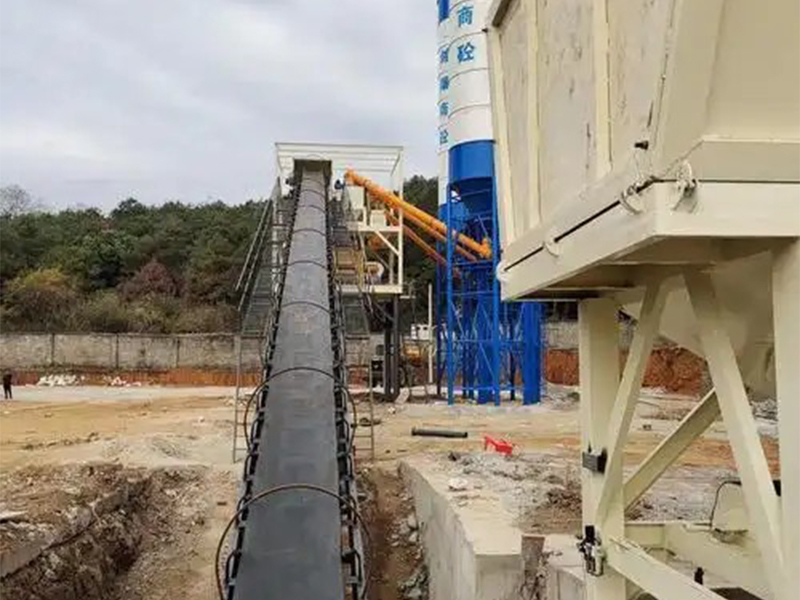
China Railway Mixing Plant
Conch Cement Group
Datong Coal Group
Tsingshan Group
Jidong Cement Group
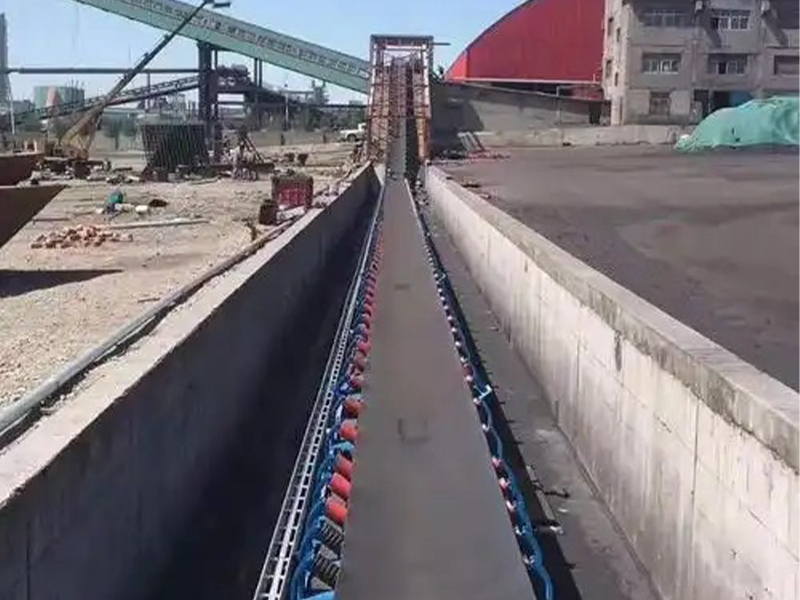
Jinmei Group Coal Line
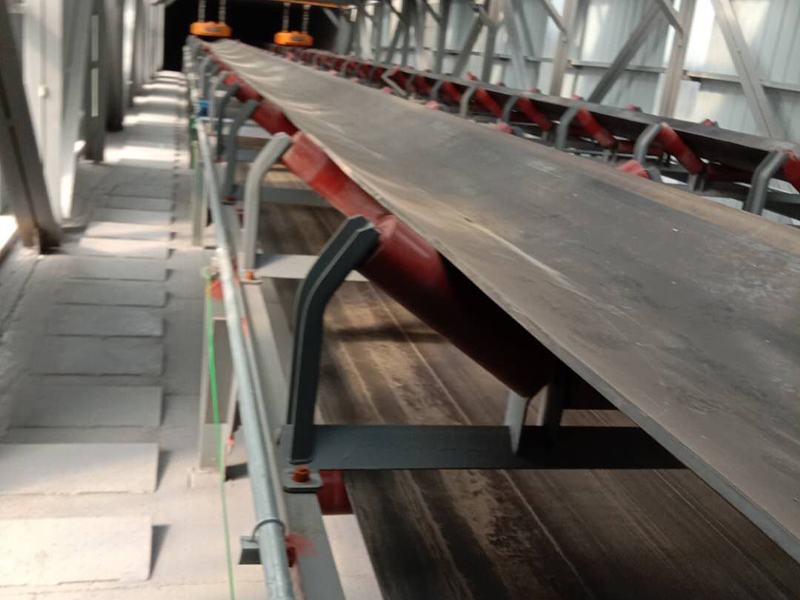
Taihang Steel Group
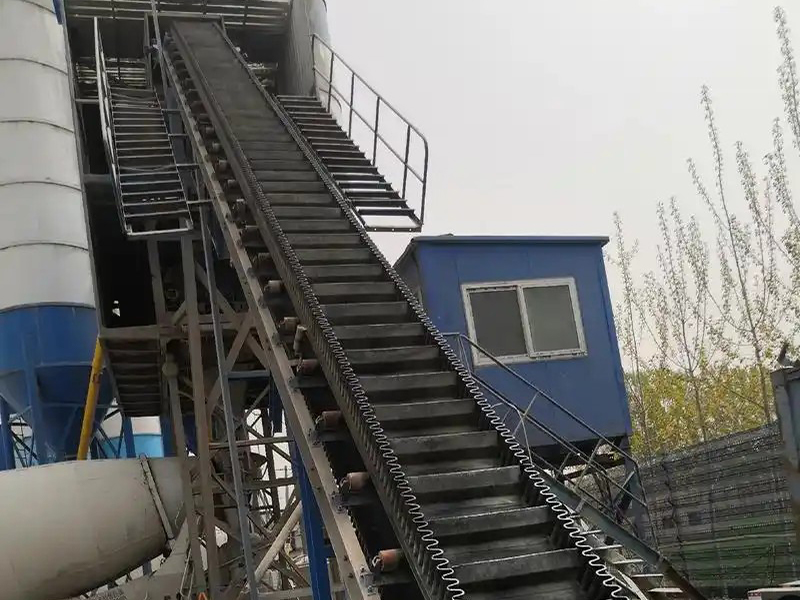
Puyang Steel Group
We work with our clients through structured service plans to support long-term operational efficiency.
Comprehensive service support encompassing scheduled system replacement, on-site belt repair, routine tracking adjustments, and 24/7 emergency response to protect against conveyor belt structural failure.
Supply of wear-resistant rubber compounds, vulcanization materials, and spare parts. We manage buffer stocks, conduct routine inspections of pivoting tracking idlers, repair minor cover wear, and execute high-strength hot joints.
We target significant reductions in belt energy loss, complete mitigation of mistracking risk, and maximum extension of structural components. This creates a mutually beneficial, highly optimized logistics environment.
We deliver site-specific solutions optimized for material density, conveyor tension, and operational environments to ensure safe, stable, and cost-effective bulk transport.
Procuring heavy-duty belt tracking components from Chinese factories requires careful evaluation of technical criteria. To help sourcing departments make informed decisions, our engineering team has compiled this checklist of essential parameters:
Verify the steel tubing grade meets international standards. High-load operations require seamless carbon steel with a shell thickness of at least 4.0mm to 6.0mm. This prevents tube deformation under high belt tension.
Bearings must be double-sealed deep groove ball types (such as SKF, FAG, or top-tier Chinese brands like LYC/HRB). The seal must be a multi-stage labyrinth design (dust and water-proof) to prevent grease contamination in dirty environments.
Precision cold-drawn steel shafts with tight dimensional tolerances ensure minimal runout. Total Indicator Runout (TIR) must be verified below 0.5mm, and dynamic balance must meet ISO 1940 standards to prevent high-speed vibration.
By partnering with Hebei Boao Rubber Technology, global buyers gain access to advanced design engineering, state-of-the-art testing laboratories, and a reliable partner with 22 years of industry experience.
Detailed technical answers addressing common questions about conveyor belt tracking and idler maintenance.
Conveyor belt mistracking is usually caused by three main issues: structural problems (misaligned frames or crooked pulley installations), environmental factors (material buildup on the rollers or uneven material loading), and belt-related issues (poor quality joints or uneven belt wear). Using self-aligning tracking idlers helps counteract these forces to keep the belt centered.
These units feature a central pivot bearing that allows the idler frame to swing. When the belt drifts to one side, it contacts guide rollers or creates uneven friction across the idler face. This force pivots the idler frame, creating a steering effect that guides the belt back to the center line.
For optimal performance, tracking idlers should be installed approximately 3 to 5 meters before the head and tail pulleys, as well as every 15 to 30 meters along the carrying and return runs. They should also be positioned in areas prone to movement, such as near loading points and tensioning zones.
Yes, our Jinao brand components can be custom-engineered to meet CEMA (USA), DIN (Germany), AS (Australia), and SANS (South Africa) dimensional standards. This includes adjusting shaft diameters, mounting slots, and roller materials to match our customers' conveyor frames.
Our quality control lab performs raw compound checks, steel thickness validation, bearing tolerance audits, and weld inspections. We also conduct run-out measurements and dust/water sealing audits to verify that all components meet our quality standards before leaving the factory.
Routine maintenance should include cleaning off material buildup, verifying the pivot mechanism swings freely, and checking that the rollers rotate smoothly. The seals and bearings should also be inspected periodically to ensure no dirt or water has entered.
Additional steel wire reinforcement belts, specialized rubber formulas, and wear-resistant rollers.
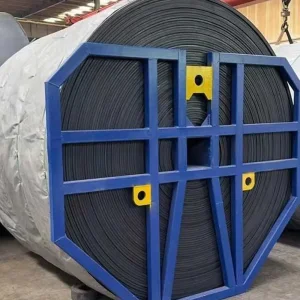
 Boao Rubber