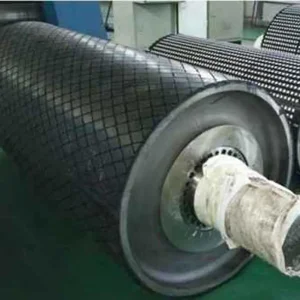
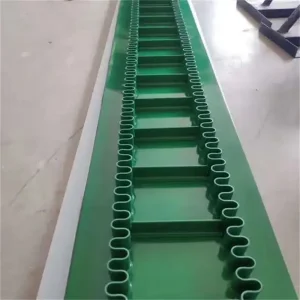
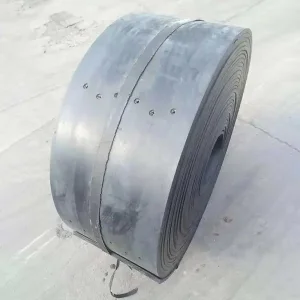
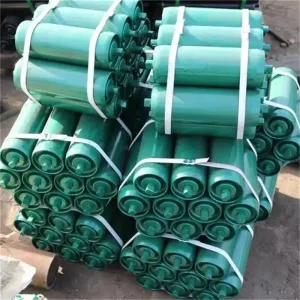
Explore our elite selection of high-durability rollers, lightweight belts, and core rubber solutions engineered for harsh operating environments.
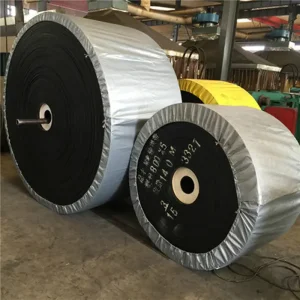
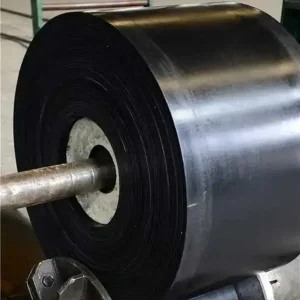
In modern industrial applications, material handling reliability acts as the backbone of global operations. Large-scale installations—ranging from open-cast coal mines, metallurgical processing plants, cement manufacturing facilities, to transshipment ports—rely heavily on uninterrupted conveyor belt transport systems. The jointing, splicing, and continuous restoration of conveyor belts represent a critical bottleneck. A conveyor belt is only as strong as its weakest joint. It is in this context that conveyor belt vulcanizing machines assume paramount importance.
Hot vulcanization is universally acknowledged as the premium splicing technique. Under controlled parameters of high thermal output, structural compression, and scientific pressure cycles, the raw rubber compounds molecularly cross-link with the conveyor belt carcass. Unlike mechanical fasteners or cold chemical bonding agents, which suffer from moisture ingress, mechanical wear, and chemical degradation, hot vulcanizing restores up to 90% to 98% of the original conveyor belt's structural integrity. This guarantees that heavy-duty belts, such as Steel Wire Rope Core or high-tension fabric belts (EP, NN), operate securely under intense dynamic load conditions.
Located in the heart of the Boye County Rubber Industrial Park, Baoding, Hebei Province, Hebei Boao Rubber Technology Co., Ltd. has established a formidable presence in the bulk logistics and heavy-duty conveyor sector since its founding in 2004. With over 22 years of specialized engineering experience, the company operates across an expansive facility exceeding 30 acres.
Under its signature "Jinao" brand, Hebei Boao designs, manufactures, and services high-grade conveyor systems, including specialized wear-resistant rubber belts, rollers, brackets, and related industrial accessories. Having secured international quality management certifications, Boao integrates structural design, physical and chemical raw testing, advanced forming, and vulcanization systems.
By leveraging sophisticated physics and chemical analysis laboratories, Boao ensures that every raw material batch and every finished piece conforms to stringent national and international compliance benchmarks. This rigorous approach prevents unqualified products from leaving the factory floor, securing trust across heavy industries globally.

A professional-grade conveyor belt vulcanizing press consists of several engineering assemblies designed to operate harmoniously under extreme environments. Understanding the core structural components enables engineers and procurement teams to specify the correct machinery configuration:
The pressure bag or hydraulic fluid plate applies uniform force across the entire splice interface. Leading Chinese manufacturers use advanced high-tensile rubber pressure bladders, which adjust to platen contours, preventing joint pressure drops and structural voids.
Thermal platens utilize specialized silicone rubber elements or armored heating cables to achieve rapid and uniform heat distribution. Uniform heat ensures even chemical cross-linking and prevents localized overheating, which degrades elastomeric compounds.
Modern digital control panels monitor temperature sensors across multiple zones. They regulate the heating and holding phases automatically, and sound alerts once optimal curing duration is reached, ensuring process consistency.
Historically, uneven pressure application has been a frequent cause of premature splice failure. If one section of the splice receives only 70% of the target pressure, the internal fabric plies or steel cords will not bond correctly to the vulcanizing rubber sheets, resulting in localized shear failures or moisture ingress.
To solve this, advanced China-based factories implement precision-extruded aluminum alloy platens featuring high mechanical strength and exceptional heat conductivity. By integrating rapid cooling channels inside the heating platens (designed for air or water circulation), modern machines drop temperatures from 145°C down to 60°C within 15 to 20 minutes, securing the polymer structure and allowing conveyor operators to tension and restart the system rapidly.
| Specification Feature | Standard Heavy-Duty Vulcanizer | Premium Heavy-Duty Vulcanizer (China Factory Spec) |
|---|---|---|
| Platen Heating Temperature Range | 0 to 160°C | 0 to 200°C (Adjustable) |
| Heating Up Time (Room Temp to 145°C) | < 40 mins | < 25 mins |
| Cooling Method | Natural Air Cooling | Integrated Water / Rapid Force Air Cooling (< 15 mins) |
| Operating Pressure Limits | 1.0 - 1.5 MPa (145 - 217 PSI) | Up to 2.5 MPa (362 PSI) for Steel Cord Systems |
| Temperature Uniformity | ± 5°C | ± 2°C (Via multi-point thermistor control) |
Our industrial presence is backed by recognized certificates and high-tier enterprise implementations globally.
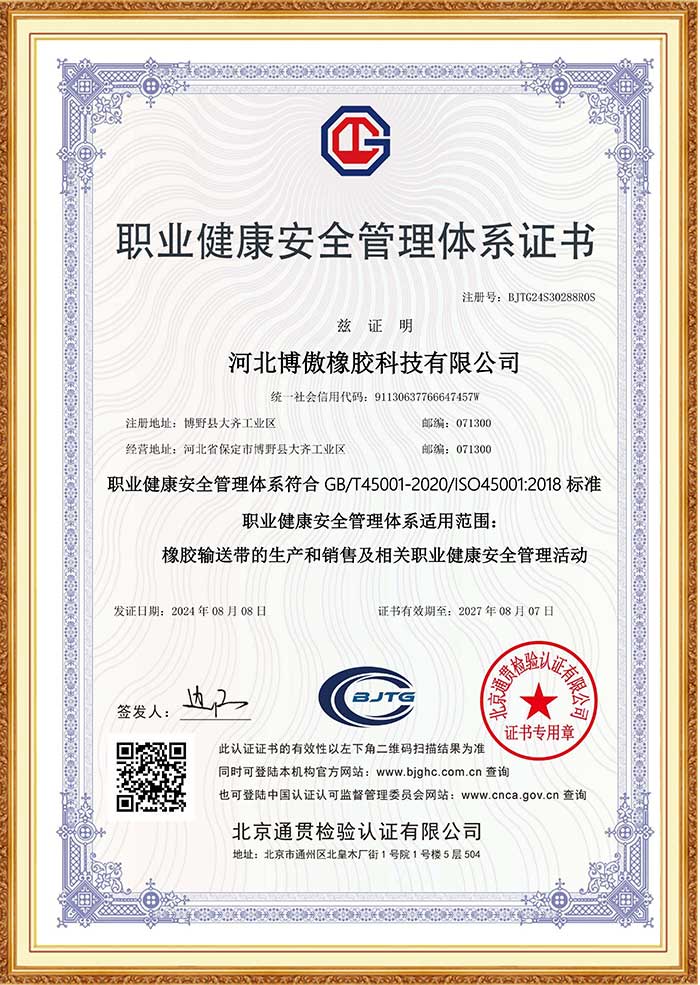
ISO9001 Certification
Safety Compliance Cert
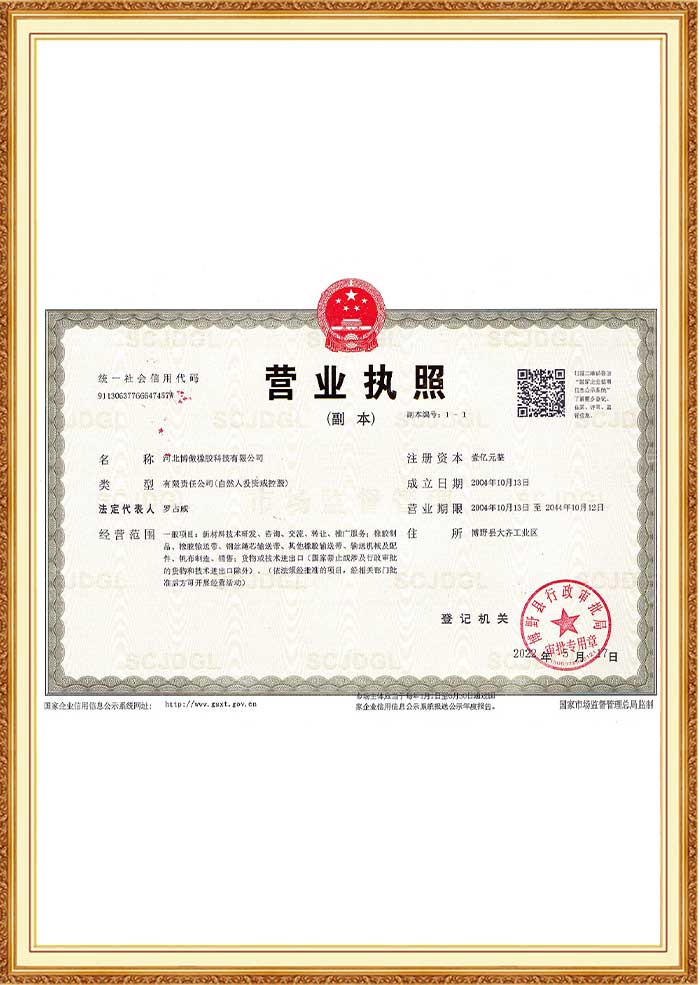
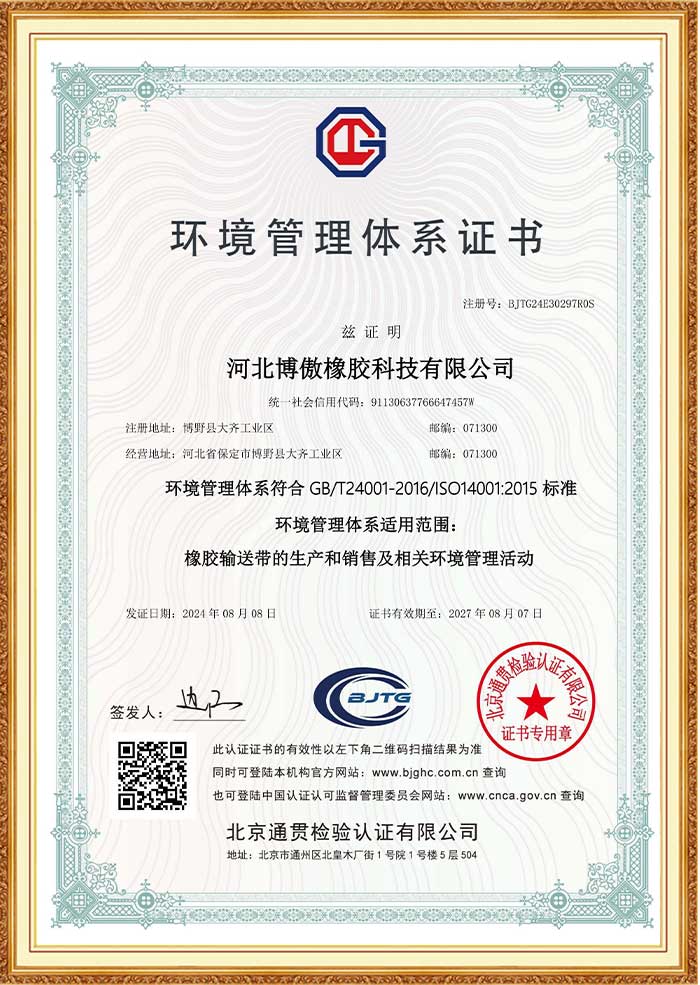
Environmental Certificate
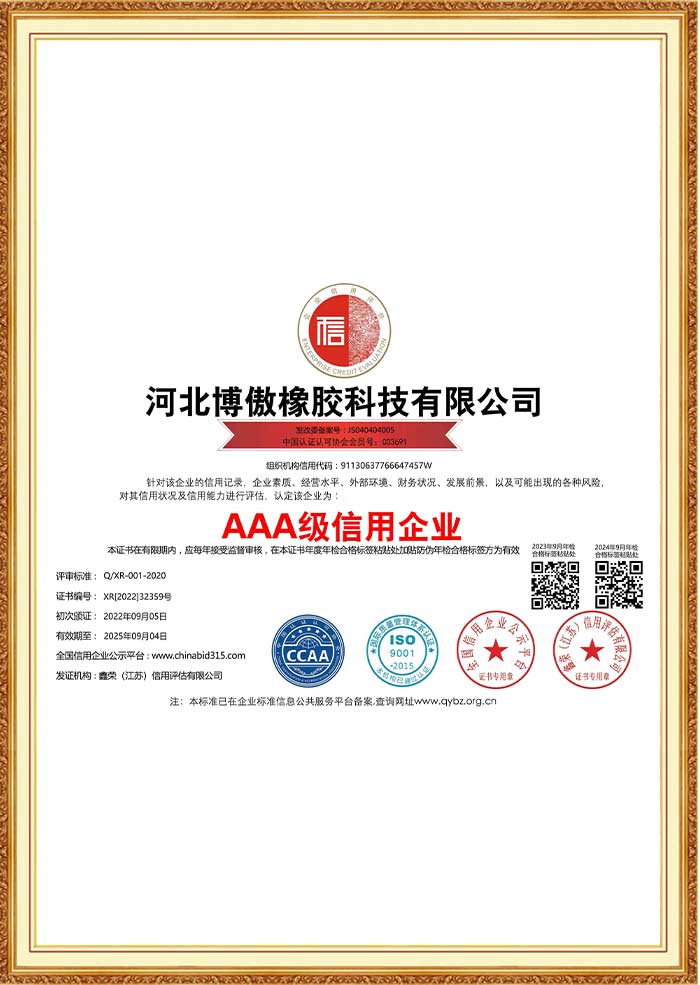
Heavy Quality Assurance
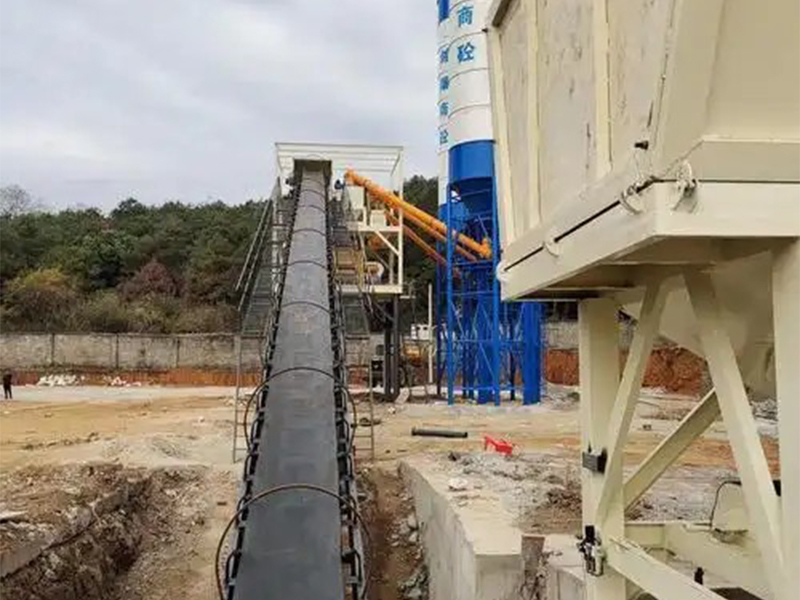
China Railway Group
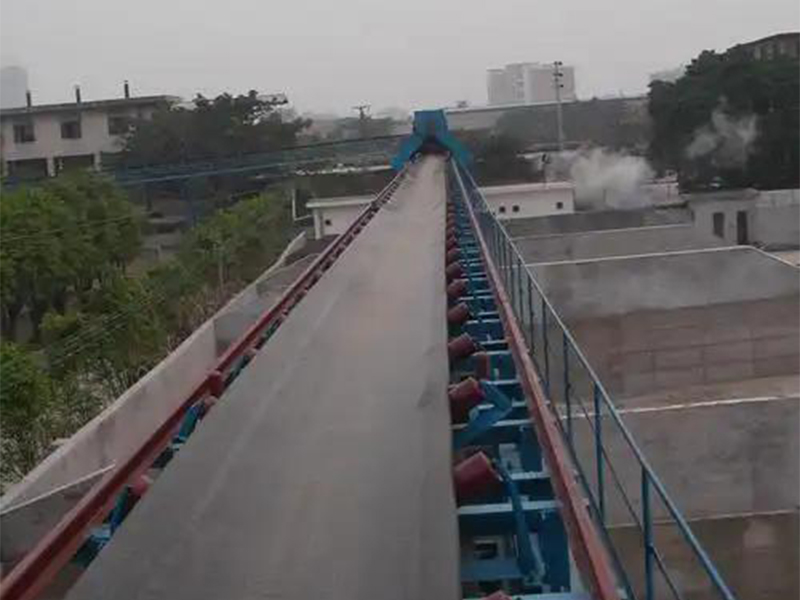
Conch Cement
Datong Coal Group
Tsingshan Group
Taihang Steel
Industrial procurement departments are increasingly turning to top-tier Chinese manufacturers to source conveyor belt vulcanizing equipment. This structural shift is driven by the unique concentration of supply chain integrations, manufacturing speed, and technical capabilities localized in major industrial parks like Baoding, Hebei.
By placing manufacturing facilities in Baoding, companies like Hebei Boao Rubber Technology enjoy direct access to raw elastomer supply, specialized steel rolling facilities, specialized heavy-industrial design institutes, and skilled technical labor. Unlike manufacturers who operate isolated assembly shops, these integrated factories manage every stage of production under one roof: from compound formulation, custom pressure plate milling, to electrical testing. This leads to shorter lead times, customizable dimensions, and lower export costs.
A key concern for global mining and manufacturing enterprises is the localization of equipment support and compliance with regional safety standards. Premium Chinese vulcanizer factories build machinery in strict alignment with regional explosion-proof certifications, including:
Furthermore, top suppliers provide localized setup support, technical documentation in multiple languages, remote troubleshooting via IoT-linked control units, and global dispatch of field engineers for commissioning major conveyor installations.
Global operations rarely utilize a "one-size-fits-all" conveyor belt profile. A single mine may run high-speed overland EP-belts requiring quick vulcanization setups, alongside massive ST4500 steel-cord belts that require high-compressive forces and customized step-vulcanizing patterns. High-performance factories address these requirements by offering custom platen shapes (rectangular vs. rhomboid with angles of 16° to 22°), custom voltage configurations (220V, 380V, 440V, 660V), and modular frame designs that can be transported manually in restricted mine shafts or elevated structures.
The conveyor jointing industry is undergoing rapid changes driven by digitization, energy efficiency regulations, and workplace safety requirements. Let us analyze where conveyor belt vulcanization technology is heading over the next decade:
The introduction of IoT-enabled sensors allows vulcanizing machines to upload real-time temperature, pressure, and curing data to the cloud. This data creates a digital twin of the splice. Engineers can verify if a joint has cured correctly at every square centimeter. If pressure drops or heating deviates, the digital controller logs the anomaly, allowing on-site inspectors to take immediate corrective actions before the belt is tensioned.
Traditional steel cross-beams on heavy vulcanizers are heavy, requiring cranes and multiple crew members to set up. Splicing teams are now transitioning to high-tensile titanium or custom aerospace aluminum alloy beams. These lightweight structures maintain rigidity under 200+ PSI pressure while reducing assembly weight by over 30%, improving handling safety on high-elevation structures.
Requires intrinsically safe, explosion-proof vulcanizing units with water-glycol pressure delivery systems to eliminate fire hazards in methane-rich shafts.
Requires high-corrosion-resistant aluminum housings and waterproof electric seals to withstand humid, saline atmospheres during bulk ship-loading operations.
Focuses on high-temperature resistant splice jointing of heat-resistant rubber belts carrying sintering mixtures, red-hot coke, or chemical slag.
Answers to critical technical and procurement questions, compiled by senior application engineers.
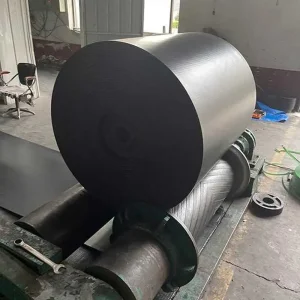
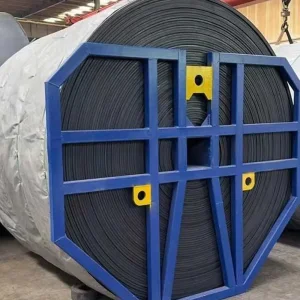
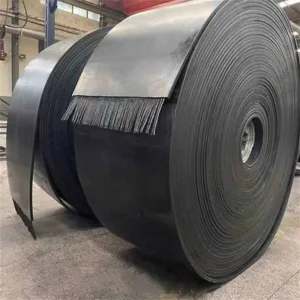
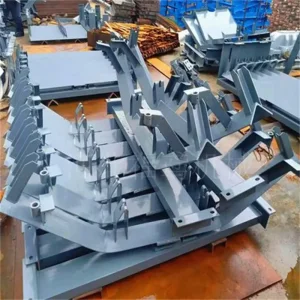
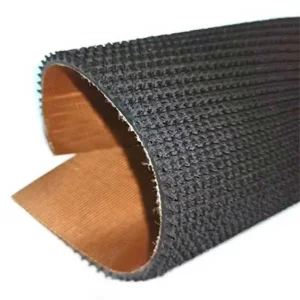
Complete your bulk material handling setup with certified steel wire core belts, high-grip patterns, and durable support structures.
 Boao Rubber