High-performance manufacturing solutions engineered to exceed demanding material transport requirements across global heavy industries.
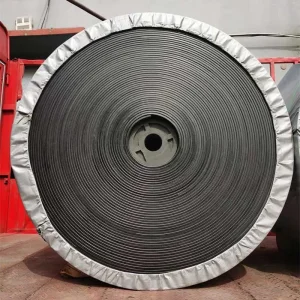
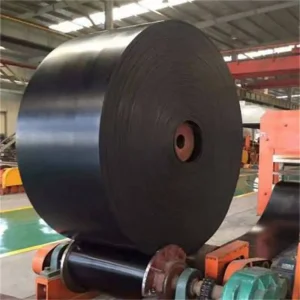
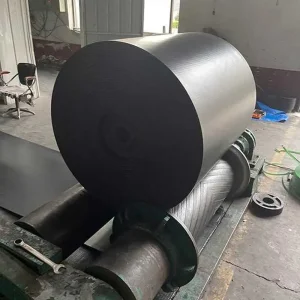
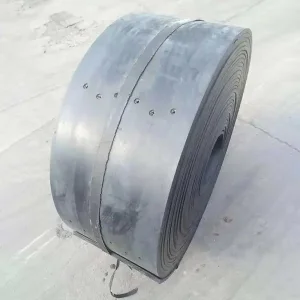
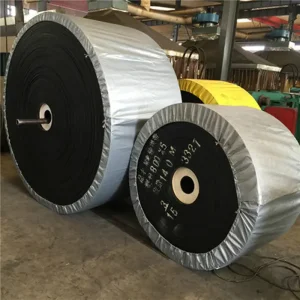
In the modern industrial landscape, rubber conveyor belts have become the backbone of bulk material transport systems across multiple sectors. From mining operations extracting raw materials from deep underground to port facilities handling millions of tons of cargo annually, heavy-duty rubber belts facilitate the seamless movement of materials that power our global economy. The evolution of these critical components reflects decades of engineering innovation, material science breakthroughs, and an unwavering commitment to operational efficiency and safety.
As global mining, manufacturing, and logistic infrastructures expand, the requirements placed on conveyor rubber bands (commonly referred to as industrial conveyor belts) have dramatically intensified. Today’s systems demand higher load capacities, steeper incline capability, exceptional wear resistance, and the ability to operate under extreme environmental constraints. Whether encountering thermal stress in cement kilns or sub-zero operations in high-altitude environments, selecting the appropriate rubber belt is vital to avoiding catastrophic downtime.
A premier manufacturer integrating professional development, design, and manufacturing services for industrial rubber conveyor systems.
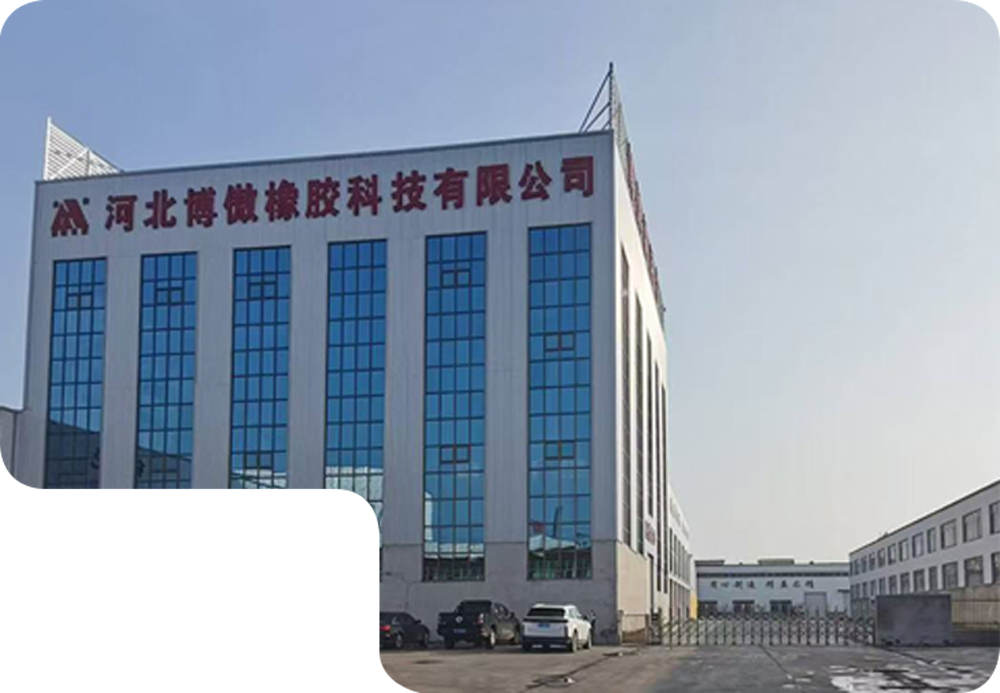
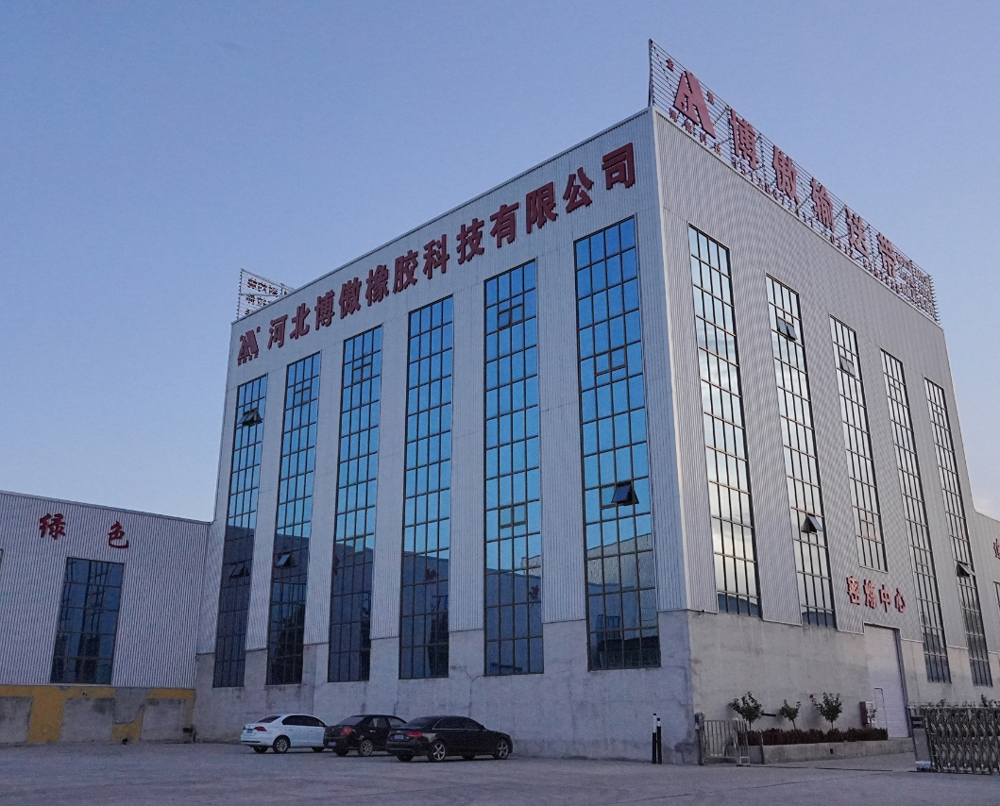
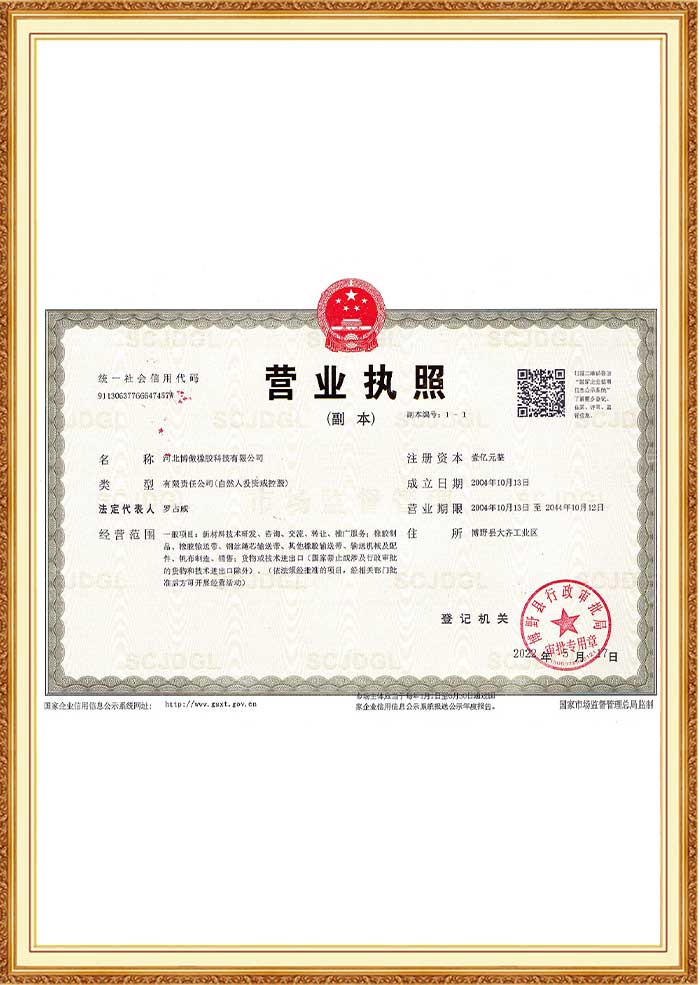
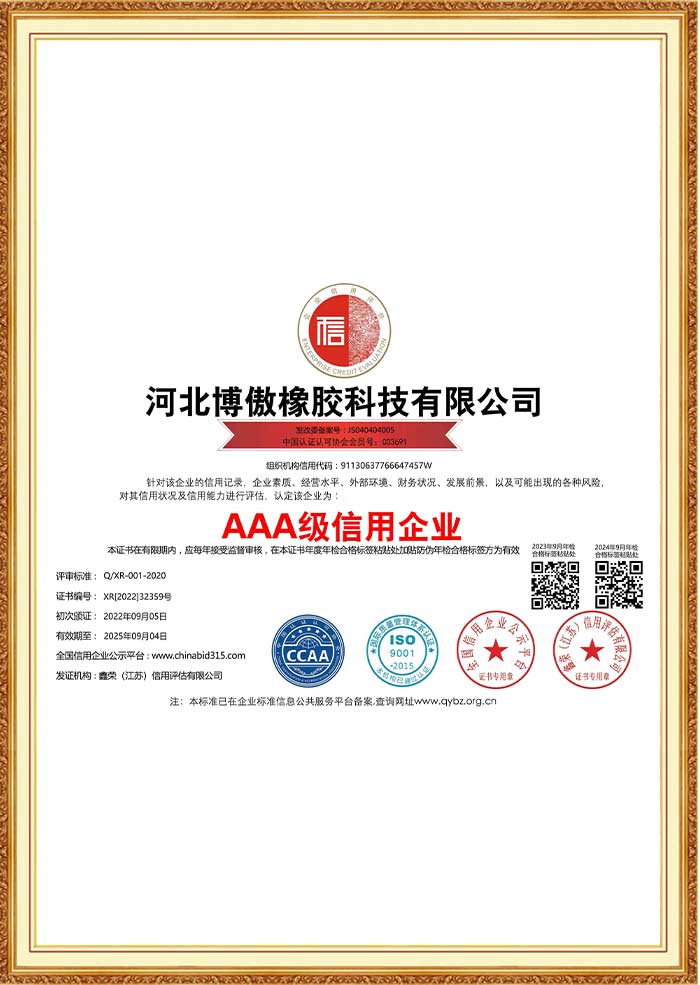
Located in the prestigious Rubber Industrial Park of Boye County, Baoding, Hebei Province, Hebei Boao Rubber Technology Co., Ltd. was founded in 2004. Over the course of more than two decades, the enterprise has expanded its footprint to encompass an area of over 30 acres, cultivating advanced production technologies and robust operational standards. Under our registered brand "Jinao", we manufacture an array of premium-grade conveyor belts and mechanical accessories engineered to optimize processing times across a spectrum of material handling workflows.
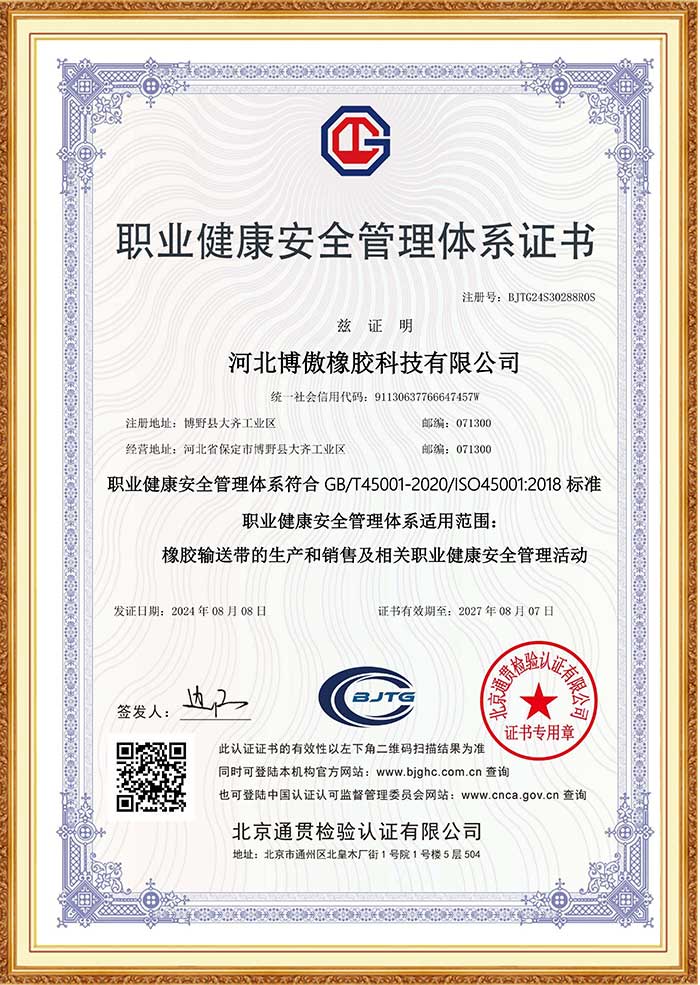
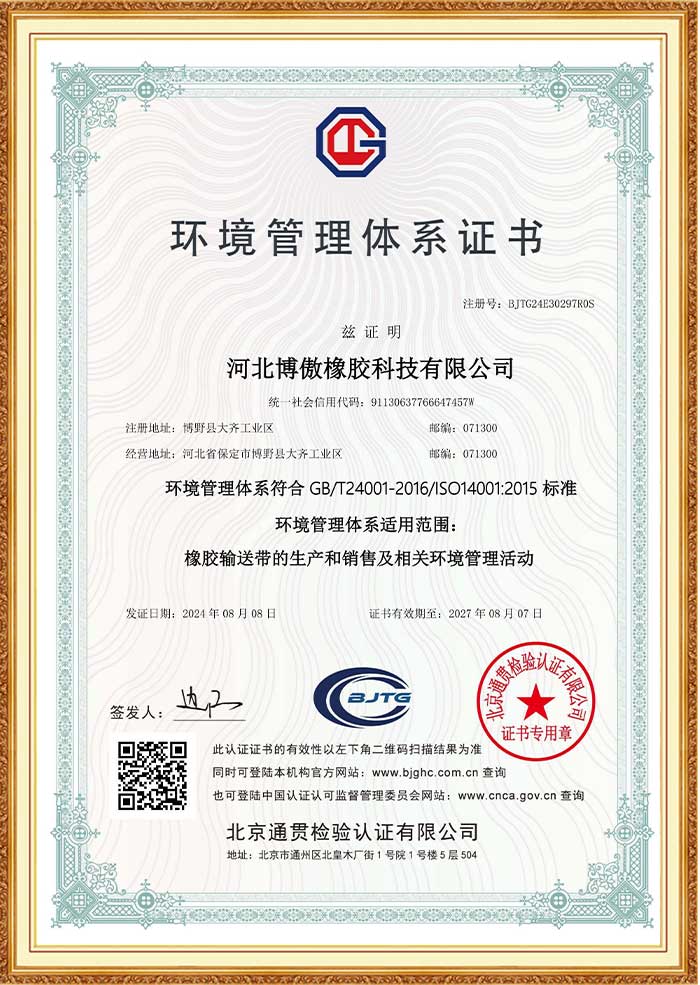
We have successfully passed the international quality management system certification, cementing our reputation as a trusted manufacturing partner. Our modern facility houses complete testing suites (covering raw material analysis through to finished vulcanized product verification) alongside multiple advanced manufacturing lines for rolling, calendering, forming, and vulcanizing rubber.
Rigorous quality control systems combined with advanced engineering competencies to guarantee operational longevity.
Operating an independent chemical analysis laboratory and a physics testing suite. We perform comprehensive checks on incoming raw materials, internal compound mixing, and final vulcanized properties to ensure zero defects exit our plant.
Our team of highly qualified inspectors utilizes computer-controlled tensile testers, DIN abrasion drums, ozone chambers, and thermal aging ovens to monitor belt performance metrics under simulated site conditions.
Backing our materials with an active global service network. Our belt systems handle demanding bulk materials in steelworks, metallurgical refineries, coal mines, power generation facilities, cement operations, grain terminals, and deepwater ports.
Explore our dual focus in high-end rubber belting and robust supporting conveyor components.
Hebei Province, particularly the Boye Industrial Zone, has established itself as the global manufacturing cluster for heavy-duty rubber processing. This geographic localization affords global purchasers significant structural advantages that extend beyond unit cost reductions. The integration of chemical suppliers, synthetic polymer developers, and specialized heavy machinery manufacturers within a 50-mile radius allows factories like Hebei Boao Rubber Technology to dramatically accelerate development pipelines and scale production to meet project lead times.
Our raw material sourcing benefits from long-term supply agreements with primary chemical processing plants. This secures access to high-grade natural rubber, high-performance SBR (Styrene Butadiene Rubber), EPDM, and specialized DuPont synthetic fibers. Calendering plants can access high-modulus polyester (EP) and polyamide (NN) fabrics woven directly to specification, minimizing transport lag and reducing inventory costs.
| Supply Chain Element | Traditional Global Source | Boao Integrated Supply Chain | Impact on Procurement Cost & Quality |
|---|---|---|---|
| Raw Elastomer Sourcing | Multi-stage international brokers | Direct volume partnerships with primary refiners | Consistently low raw material variance; lower overall cost. |
| Fabric Reinforcement | Imported synthetic carcasses | Locally-milled high-modulus EP/NN fabrics | Optimized adhesion properties; fast customization. |
| Molding & Vulcanization | High-operating-cost localized setups | Large-scale multi-plate continuous presses | Highly competitive pricing for large-scale infrastructure runs. |
Furthermore, the concentration of skilled mechanical engineers and rubber chemists in Hebei enables rapid prototyping. When custom dimensions, special profiles, or non-standard cleat configurations are requested by international clients, our R&D cycle takes days rather than weeks. This dynamic agility underpins our ability to support fast-track industrial installations globally.
For international procurement teams managing bulk handling plants, navigating standard specifications is key to risk mitigation. Belts must operate under specific mechanical stress values, which are calculated via tensile strength at break (N/mm) and the required safety factors. The primary international standards governing rubber conveyor belts include:
This standard dictates criteria for fabric ply conveyor belts. It categorizes cover grades based on tensile strength and abrasion resistance:
• Grade W: High abrasion resistance. Ideal for highly abrasive materials like quartz, granite, slag, and copper ore. Maximum wear volume: 90 mm³.
• Grade X: Superior cut, gouge, and impact resistance. Designed for heavy impact points, large lump sizes, and sharp-edged metallic ores. Maximum wear volume: 120 mm³.
• Grade Y: General-purpose wear properties. Best for standard bulk handling applications including grain, sand, coal, and limestone. Maximum wear volume: 150 mm³.
Predominantly applied in harsh mining layouts throughout Oceania, specifying stringent adhesion standards between plies (e.g., minimum 6.0 N/mm) to prevent delamination under the intense reverse bending stresses of tight pulley designs.
For underground mining operations, fire safety is paramount. Conveyor belts must satisfy strict flame retardancy tests (such as ISO 340 or MSHA Title 30 regulations) to prove that the rubber self-extinguishes within seconds when exposed to an open flame, avoiding flame propagation along conveyor tunnels.
One of the historical hurdles for procuring Chinese conveyor belting was the challenge of post-sale technical support and localized installation. Modern exporters like Hebei Boao Rubber Technology have bridged this gap by forming strategic alliances with regional engineering agencies, vulcanization specialists, and mechanical technicians across Europe, South America, Australia, and Africa.
When a heavy mining site or power plant replaces a conveyor belt run, the installation process requires hot vulcanized splicing on-site. Boao supports these processes by:
Compliance extends to global regulatory frameworks. All raw materials used in our rubber compounding conform to the European REACH standards (Registration, Evaluation, Authorisation and Restriction of Chemicals), ensuring that our products do not emit hazardous compounds during operation in indoor processing environments, such as grain silos or food manufacturing warehouses.
The conveyor belting industry is undergoing a digital and ecological transition. As part of our forward-thinking strategy, Hebei Boao Rubber Technology integrates advanced materials and structural sensing technologies into our "Jinao" line:
Integrating vulcanized sensor loops directly into the rubber plies of steel cord belts. In the event of a longitudinal tear caused by trapped metal, the system triggers an emergency stop to minimize belt damage.
Formulating cover compounds that reduce the indentation rolling resistance of the belt over the idlers. LRR compounds can lower overall conveyor power consumption by up to 15% in long-distance systems.
Using enhanced Ethylene Propylene Diene Monomer bases to extend heat resistance beyond 200°C for hot clinker transport in modern cement manufacturing.
Conveyor belt failures are rarely caused by age; they typically stem from a mismatch between the belt specifications and the local operating environment. Selecting the correct compound and carcass layout ensures durability across diverse operational scenarios:
In high-latitude mining environments (such as northern Canada, Scandinavia, or Inner Mongolia), standard SBR rubber glass-transitions and becomes brittle, leading to severe cracking and delamination. Our Cold-Resistant Rubber Conveyor Belts use specialized polymer blends that maintain elasticity and tensile strength at temperatures down to -50°C.
Transporting wet phosphate rock, sulfur piles, or potash fertilizer exposes the conveyor belt carcass to chemical attack. Standard compounds swell, lose mechanical strength, and decay. Under these conditions, we supply Acid & Alkali Resistant Conveyor Belts featuring nitrile or chloroprene-modified covers that prevent chemical penetration.
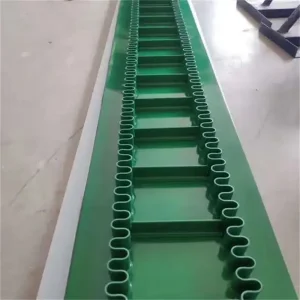
In space-constrained underground shafts or vertical storage depots, flat belts are limited to inclines of roughly 18 degrees. To solve this, we engineer Chevron Patterned Belts and Corrugated Sidewall Belting. These configurations facilitate steep-angle or vertical elevation of loose bulk materials, optimizing footprint requirements.
Partnering with leading industrial enterprises to support high-capacity bulk material handling lines.
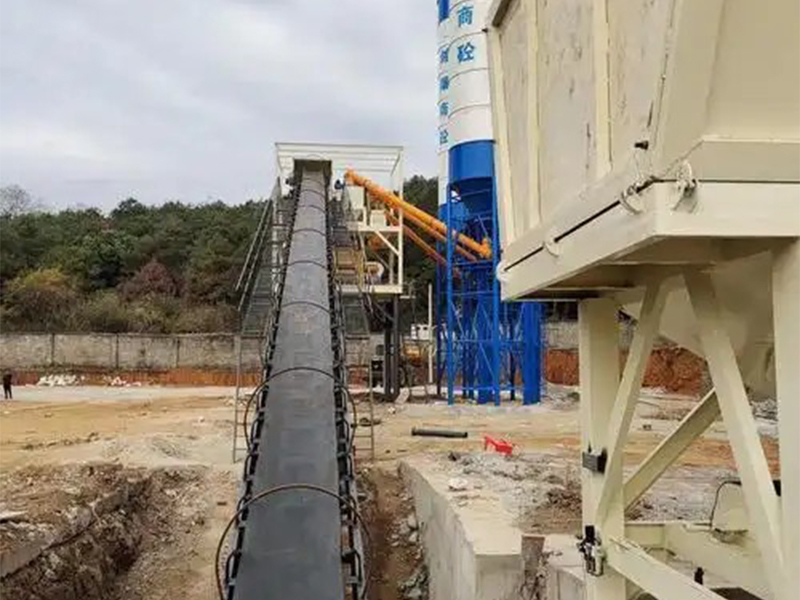
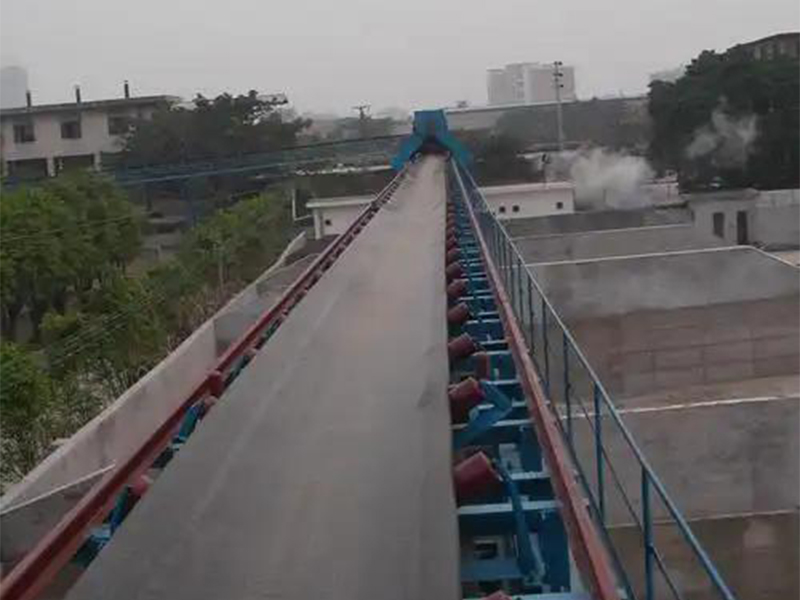
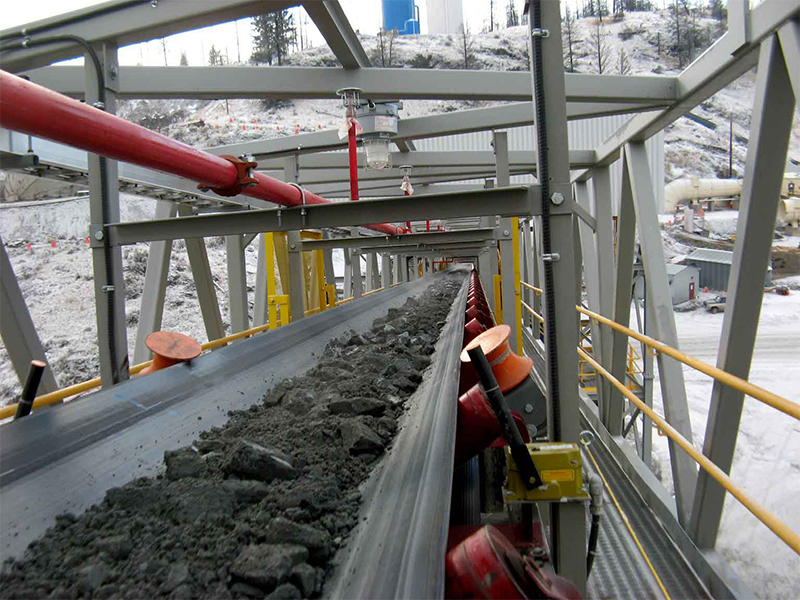
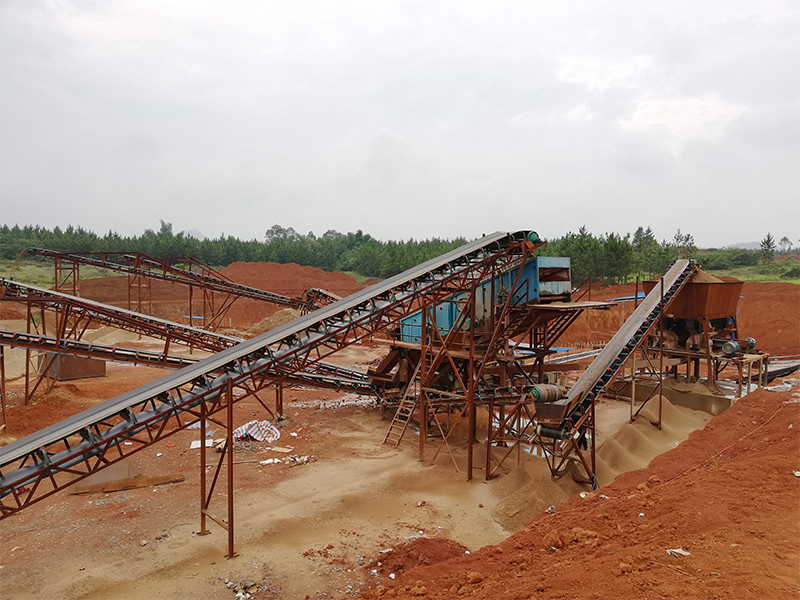
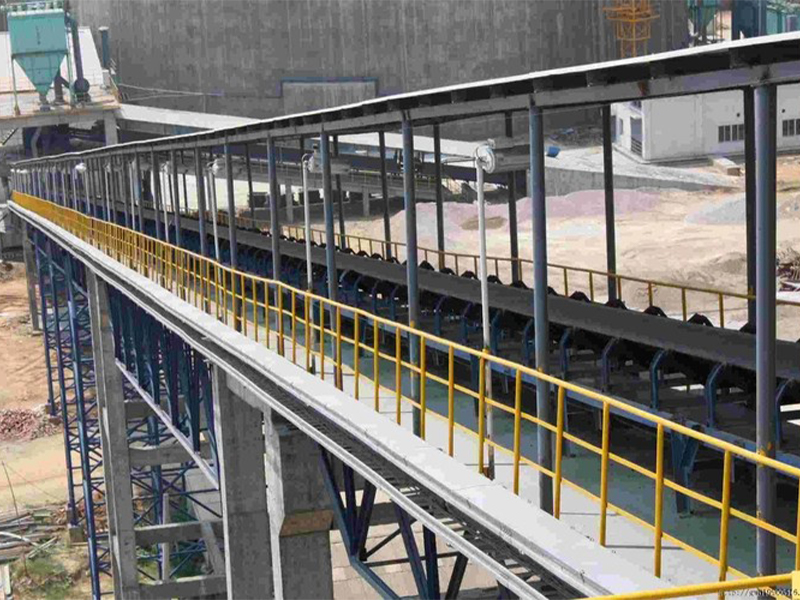
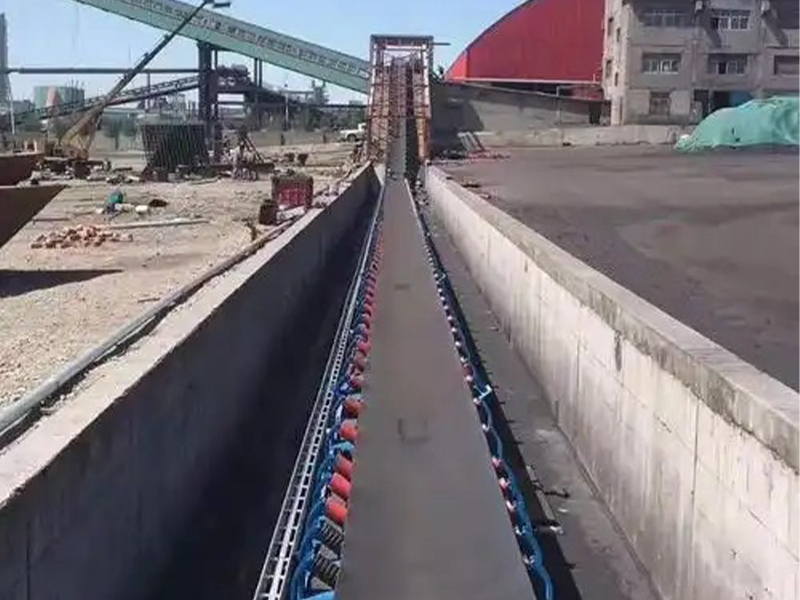
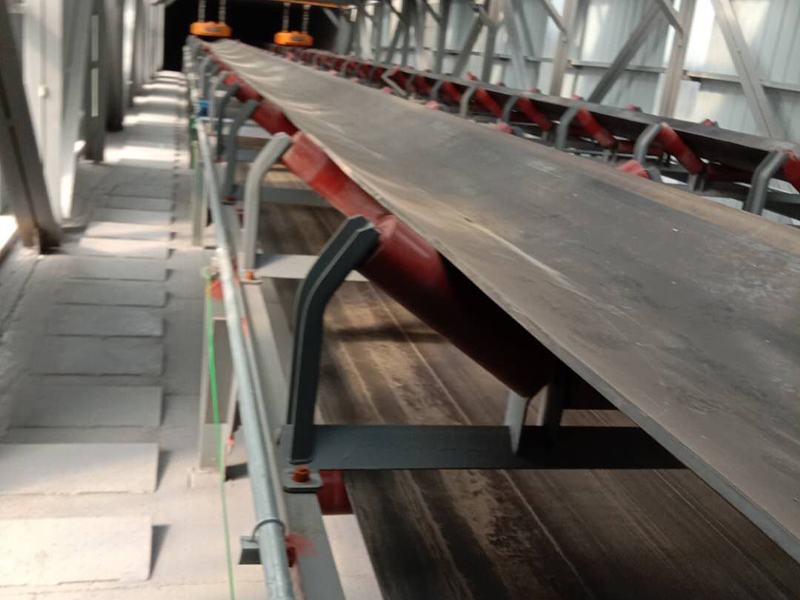
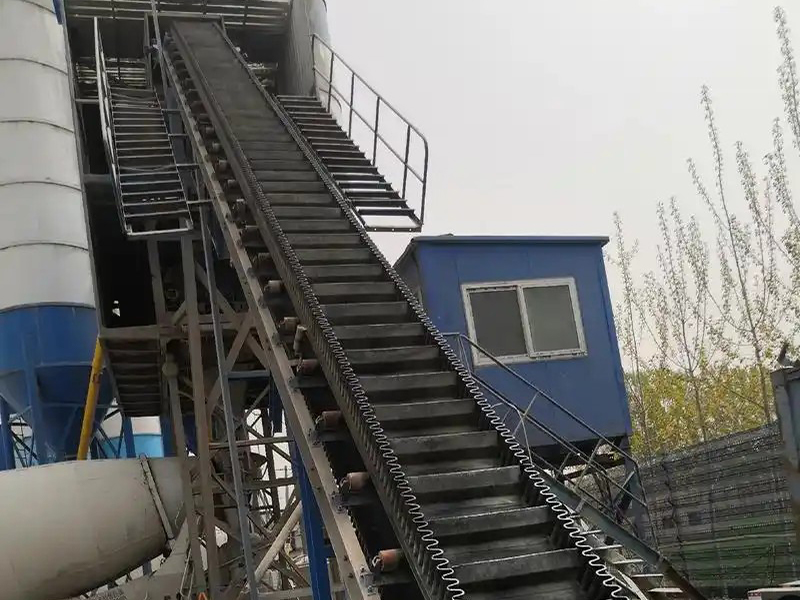
Skip the hassle of sourcing from multiple suppliers – our factory provides your ideal packaging and conveying solutions all in one place. We offer comprehensive service plans designed to maximize the lifespan of your conveyor rubber bands and optimize material transport efficiency:
Planned replacement, repair, inspection, preventative maintenance, and emergency response services for conveyor belt networks.
Supply of conveyor belts and rubber splicing materials, maintenance of safety stocks, daily inventory, routine inspections, and hot/cold vulcanizing joint installation.
Designed to improve the operational efficiency of belt conveyors, reduce belt wear, extend components' operational lifespan, and ensure workplace safety.
Through this proactive maintenance program, our engineers work alongside your operations team to extend the service life of conveyor belts, optimize pulley configurations, and ensure stable bulk handling operations.
Expert technical answers to key questions surrounding industrial rubber conveyor belt procurement.
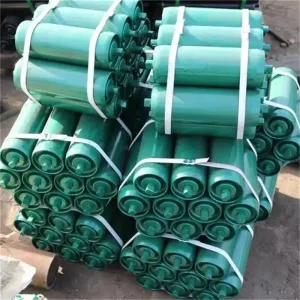
Explore our range of heavy-duty steel wire core belts, robust rollers, and custom mounting accessories.
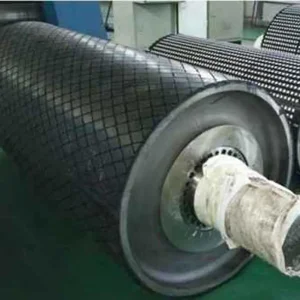
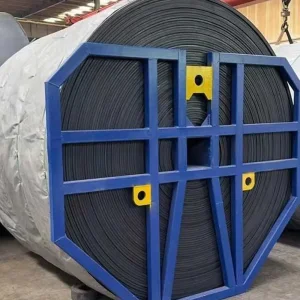
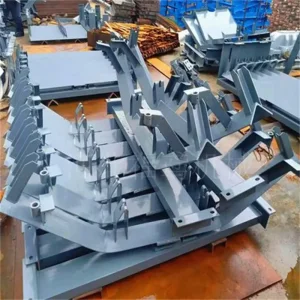
We are committed to providing you with the highest quality products and excellent services. If you have any questions or need assistance with our conveyor belts, idler rollers, or accessories, please feel free to reach out. Our engineering team is ready to provide custom specifications and volume quotes.
CONTACT OUR ENGINEER Boao Rubber