In modern high-performance mechanical systems, power transmission efficiency dictates operational cost and mechanical longevity. As industrial automation, robotics, automotive engineering, and automated logistics systems scale globally, the demand for precision timing components has surged. Among these, the neoprene timing belt remains the premier engineering standard. Synthetic chloroprene elastomer (commercially recognized as Neoprene) bridges the gap between natural rubbers and highly specialized polymers, offering an optimal performance-to-cost ratio for dynamic mechanical applications.
Neoprene timing belts are designed to transfer torque with absolute precision, preventing slip through exact tooth-mesh synchronization with pulleys. This design prevents phase misalignment in critical machinery like CNC routers, multi-axis packaging machinery, and automotive internal combustion systems. Chinese manufacturing hubs have scaled production to meet this demand, transitioning from high-volume factories to technology-driven operations that integrate chemical synthesis, precision tool-molding, and real-time Quality Assurance (QA).

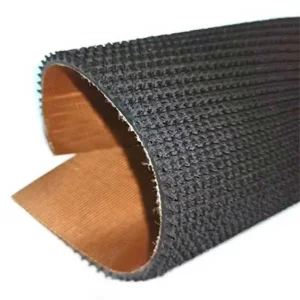
To understand the reliability of a high-quality neoprene timing belt, one must analyze its compound design and cross-sectional architecture. The chemical structure of chloroprene rubber consists of repeating units of chlorobutadiene, which confers excellent resistance to thermal degradation, ozone cracking, and chemical solvents.
| Structural Layer | Primary Material Choice | Functional Benefit |
|---|---|---|
| Elastomeric Backing | Neoprene (Chloroprene Rubber) | Protects the inner cords against ozone, ambient heat, structural abrasion, and oil misting. |
| Tensile Cords | High-modulus Fiberglass / Kevlar (Aramid) | Provides longitudinal strength, zero-stretch capabilities, and resistance to high-frequency fatigue. |
| Tooth Structure | Formulated Neoprene Compound | Engineered to resist shear stress, retain geometric configuration, and withstand dynamic loading. |
| Protective Facing | Woven Nylon Canvas (Polyamide) | Reduces friction, minimizes operational noise, and shields teeth from wear and localized shear stresses. |
The interaction between the tensile cord and the neoprene compound determines the belt's overall service life. A major failure mode in high-load setups is tooth shear, which occurs when localized stress exceeds the elastic limit of the polymer. By compounding neoprene with reinforcing agents like carbon black and vulcanization accelerators, premium China timing belt factories enhance structural stiffness (measured via Shore A hardness) without sacrificing flexibility.
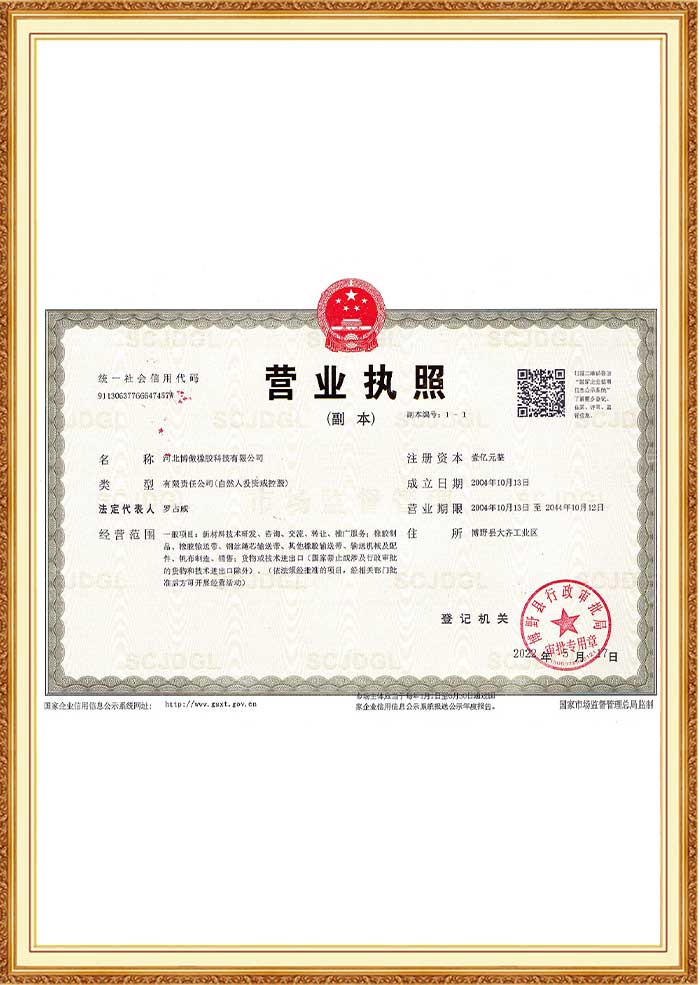
Located in the Rubber Industrial Park of Boye County, Baoding, Hebei Province, Hebei Boao Rubber Technology Co., Ltd. (founded in 2004) is a leading professional manufacturer in China. The factory integrates product development, chemical research, engineering design, manufacturing, and technical business services under our proprietary brand "Jinao".
With an area exceeding 30 acres, Hebei Boao operates advanced production lines for compound rolling, forming, vulcanization, and finished product inspection. Our facilities feature a complete chemical analysis lab and a physics testing laboratory, ensuring raw material monitoring from incoming compounds to outbound shipments. We enforce strict quality control: non-conforming materials cannot enter processing lines, and no finished product leaves our loading docks without passing quality checks.

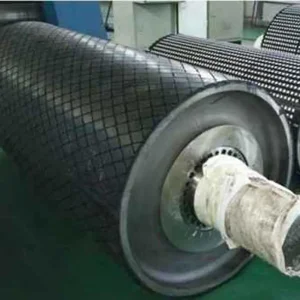
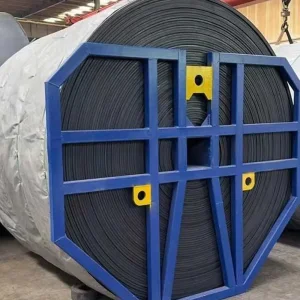
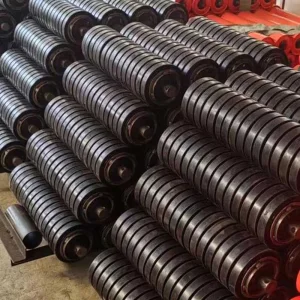
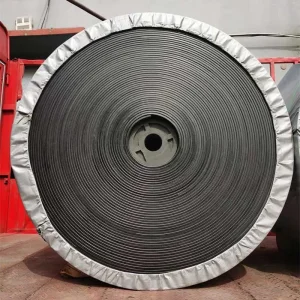
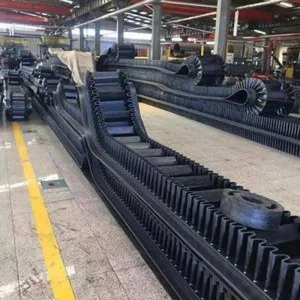
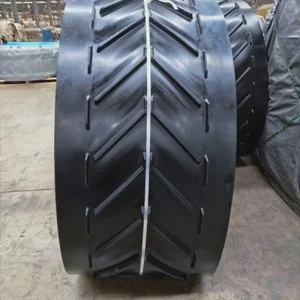
While timing belts serve precise positioning systems, their underlying technology extends to high-capacity industrial material handling. The Jinao brand supports diverse sectors including steel, metallurgy, coal mining, cement plants, power generation, and bulk shipping terminals.
Our wear-resistant neoprene compounds and steel-reinforced conveyor structures withstand high impact loads and high-friction iron ore handling at major plants, including Taihang Steel and Puyang Steel.
Flame-retardant, anti-static, and explosion-resistant rubber compounds transport pulverized coal and fly ash in thermal plants and mines, including Datong Coal Group and Jinmei Group.
Designed for abrasive materials like clinker, dry lime, and aggregate, our belts resist abrasive wear, preventing premature micro-tearing in demanding applications like Conch Cement.
This expertise underpins our neoprene timing belt production. The same chemical research that produces high-performance heat, cold, acid, and alkali-resistant conveyor belts informs our synchronous power transmission components, ensuring they resist premature degradation in contaminated environments.
Timing belts and conveyor belts are dynamic wear components. Our engineering support includes a comprehensive technical service plan to reduce downtime and optimize operational lifespans.
Slight pulley misalignments can cause uneven tracking and belt edge wear. Jinao's service protocols use laser alignment tools to ensure dynamic tension remains centered, avoiding localized fatigue.
By measuring tooth hardness (Shore A) and monitoring ozone-related micro-cracks over time, maintenance teams can schedule timing belt replacements during planned shutdowns instead of dealing with sudden mid-shift failures.
Operating environments with oil misting, high humidity, or dynamic temperature swings require specific polymer properties. Our engineering team customizes compounds—from heat-resistant Conveyor systems to specialized neoprene polymers—to match your operating parameters.
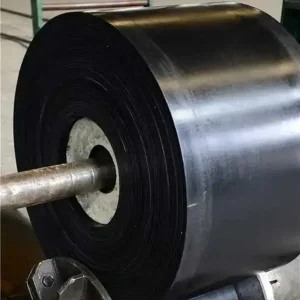
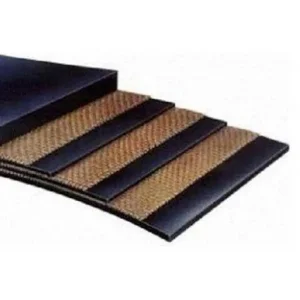
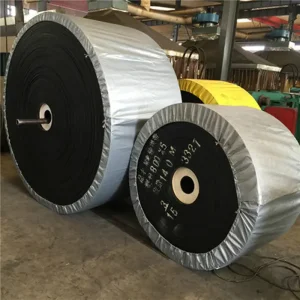
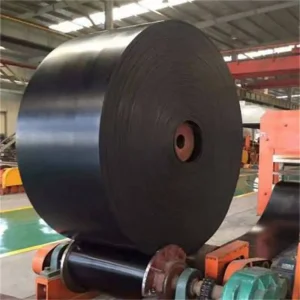
In the modern industrial landscape, rubber conveyor belts have become the backbone of bulk material transport systems across multiple sectors. From mining operations extracting raw materials from deep underground to port facilities handling millions of tons of cargo annually, heavy-duty rubber belts facilitate the seamless movement of materials that power our global economy. The evolution of these critical components reflects decades of engineering innovation, material science breakthroughs, and an unwavering commitment to operational efficiency and safety.
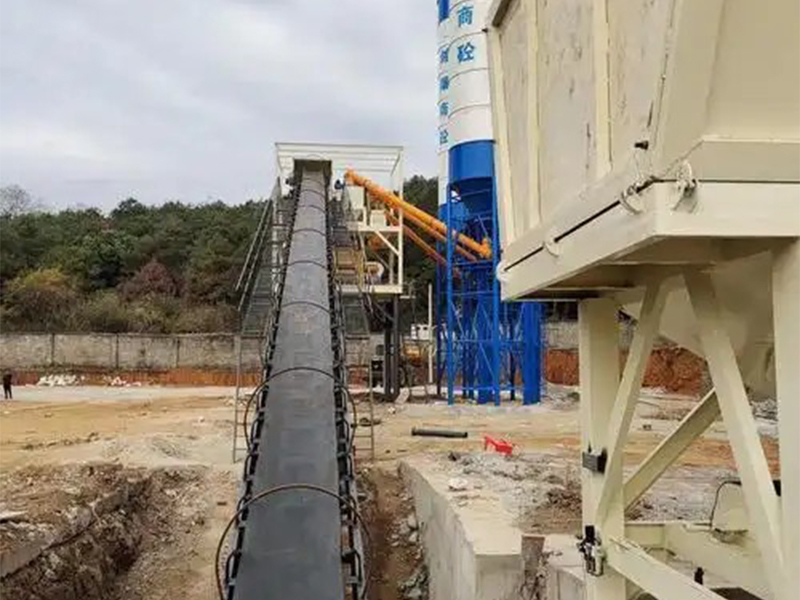
China Railway Group Mixing Plant
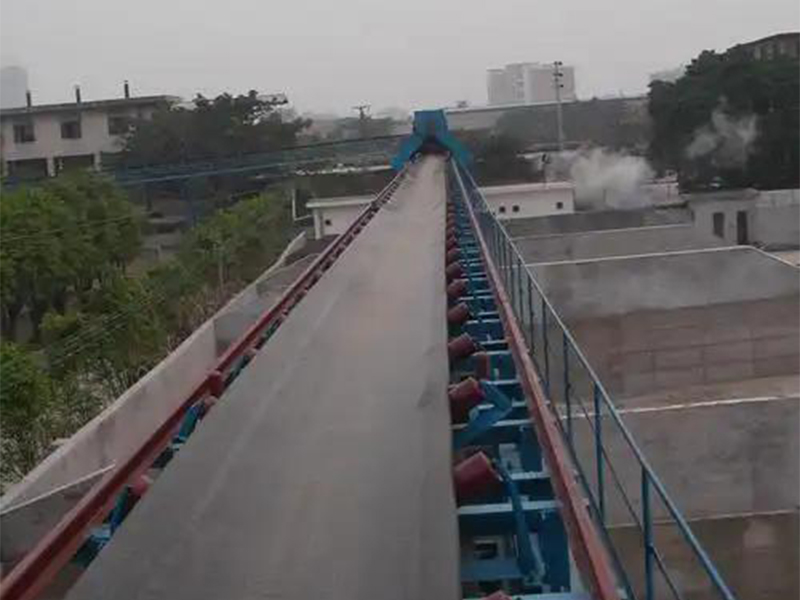
Conch Cement
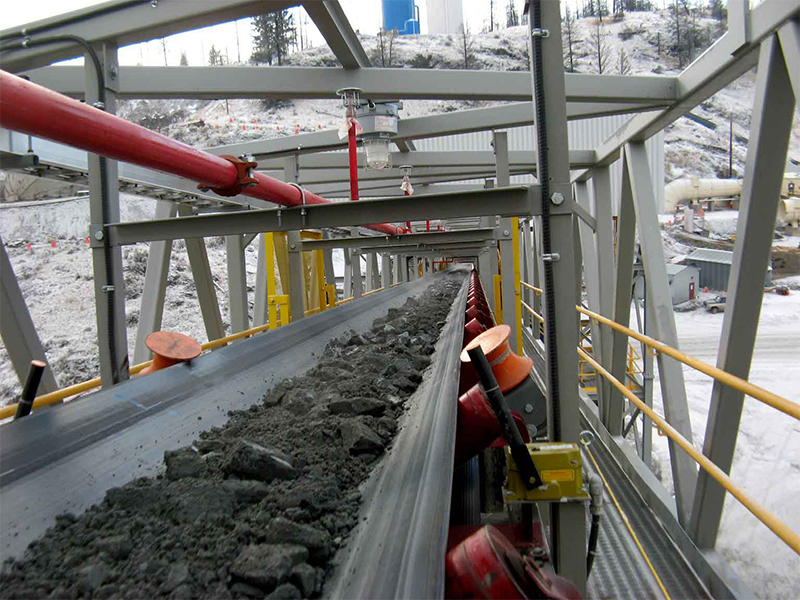
Datong Coal Group
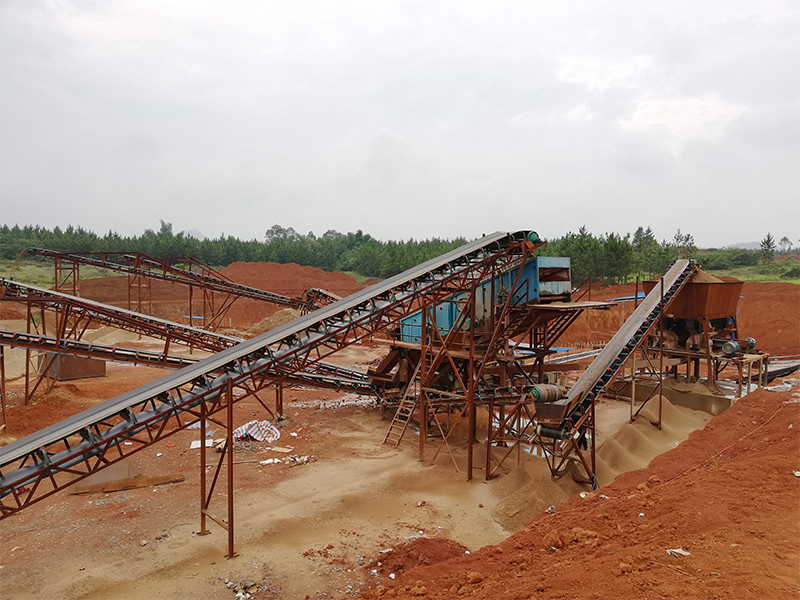
Tsingshan Group
The power transmission and bulk conveying industries are evolving toward greater precision, smart diagnostic integration, and environmental compliance. Our R&D roadmap outlines these emerging technologies:
Neoprene offers a balanced profile of structural features. It resists degradation from oils, environmental ozone, UV exposure, and ambient heat, while retaining its elastic properties and tooth geometry under high dynamic shear stress. This makes it more durable than natural rubber in demanding industrial environments.
Premature tooth shear is typically caused by insufficient belt tension, pully misalignment, or exceeding the belt's rated torque capacity. To prevent this, ensure precise tensioning (using sonic tension meters), verify pulley alignment, and specify high-modulus tensile reinforcements like fiberglass or aramid cords.
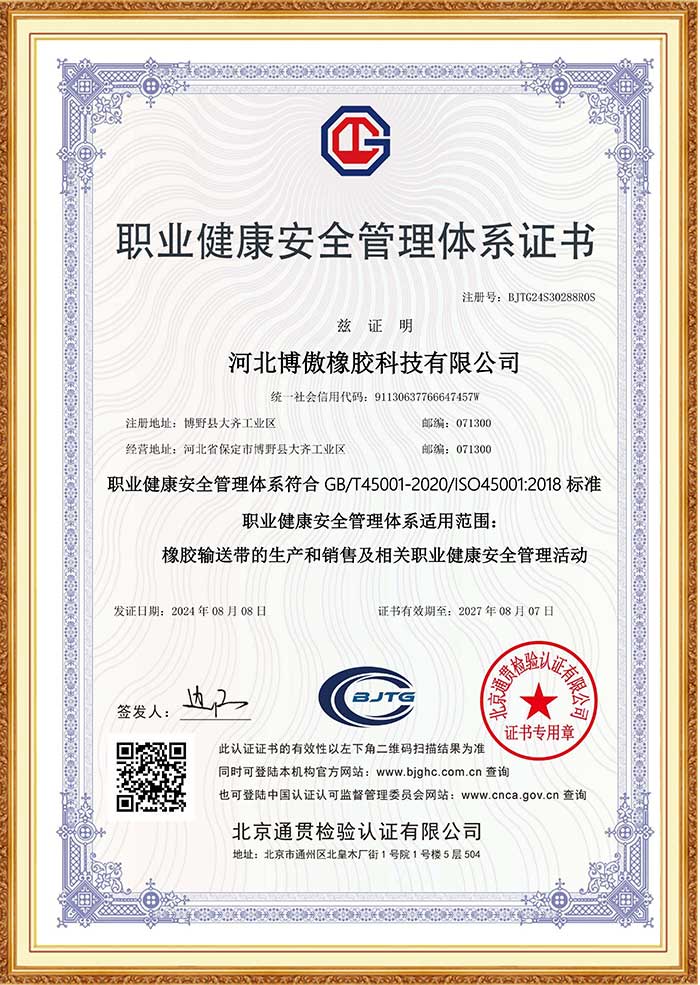
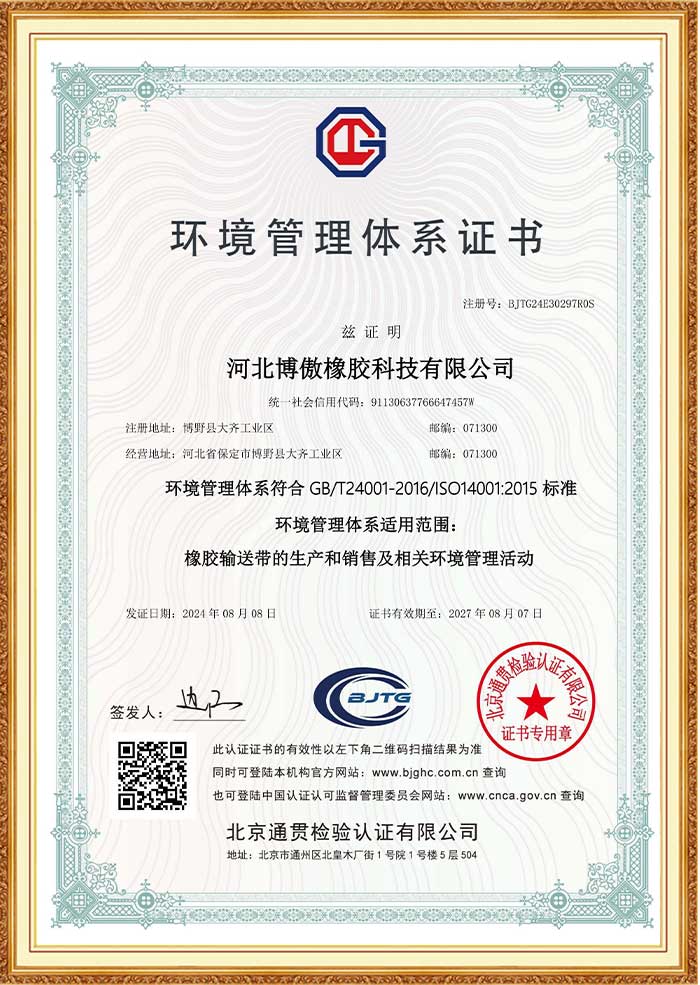
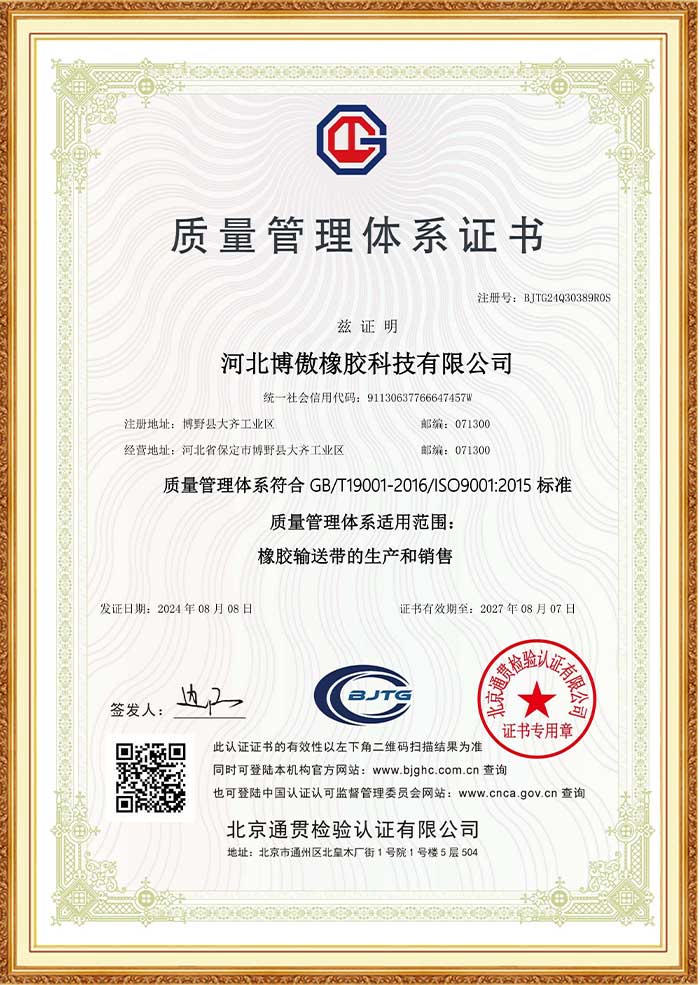
Our facility is certified under ISO9001:2015 Quality Management Systems. Our conveyor belts and synchronous products are manufactured to meet GB, DIN, ISO, and RMA industrial standards, ensuring reliability and compatibility for global equipment designs.
We provide high-quality power transmission and material handling solutions. For custom dimensions, specific rubber compounding requests, or volume production quotes, please fill out the form, and our engineering team will get back to you within 24 hours.
 Boao Rubber