🛠️ Anti-Tear Steel Wire Rope Core Conveyor Belt
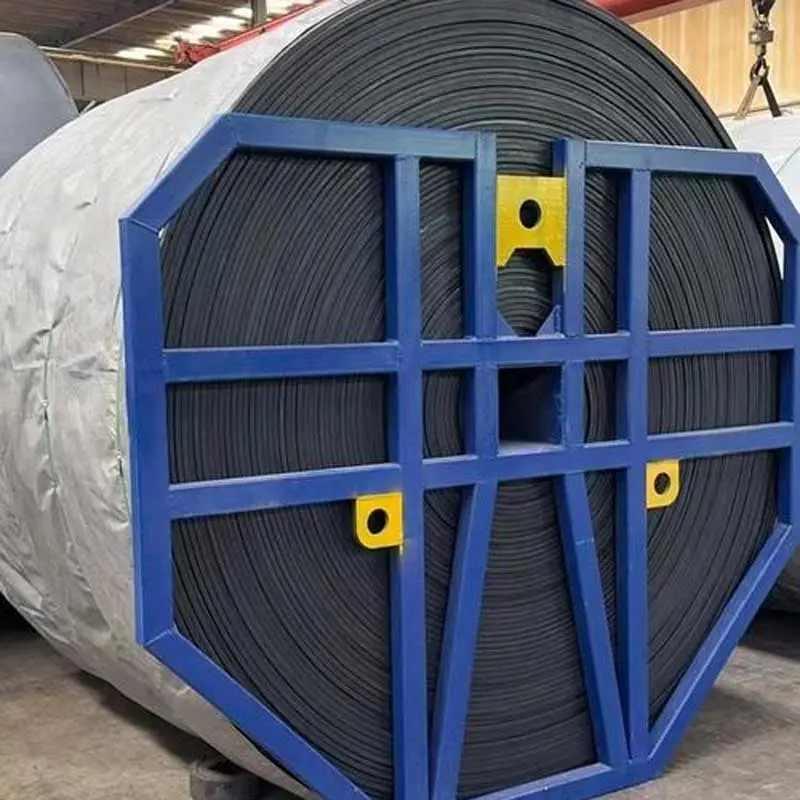
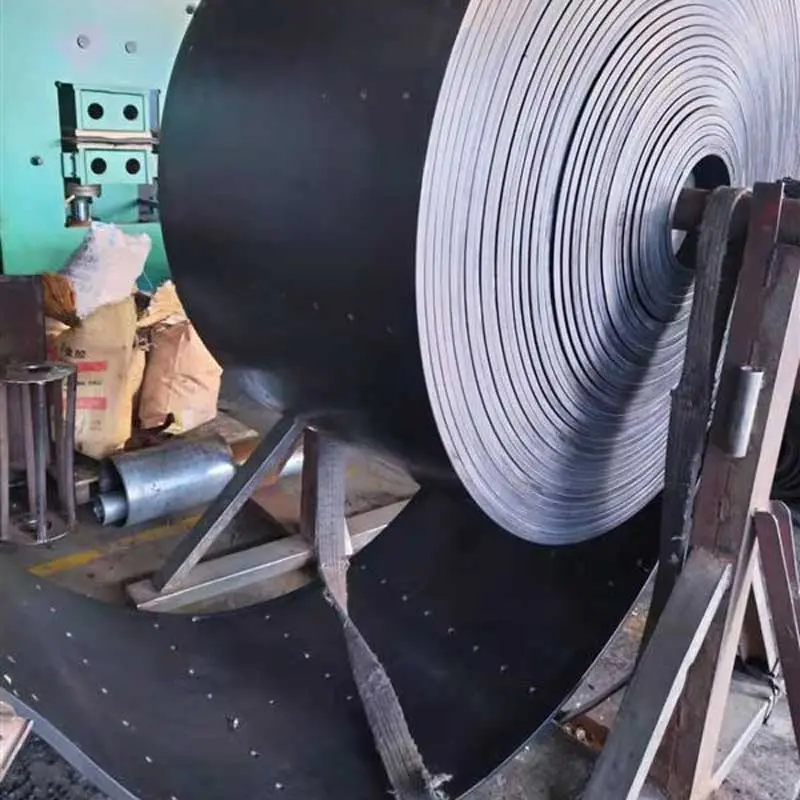
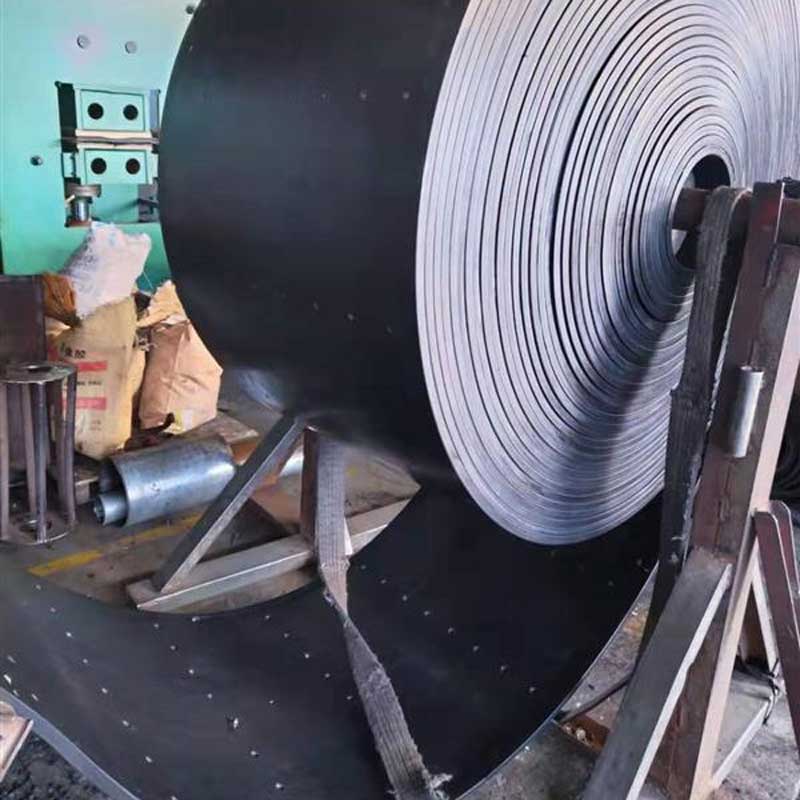
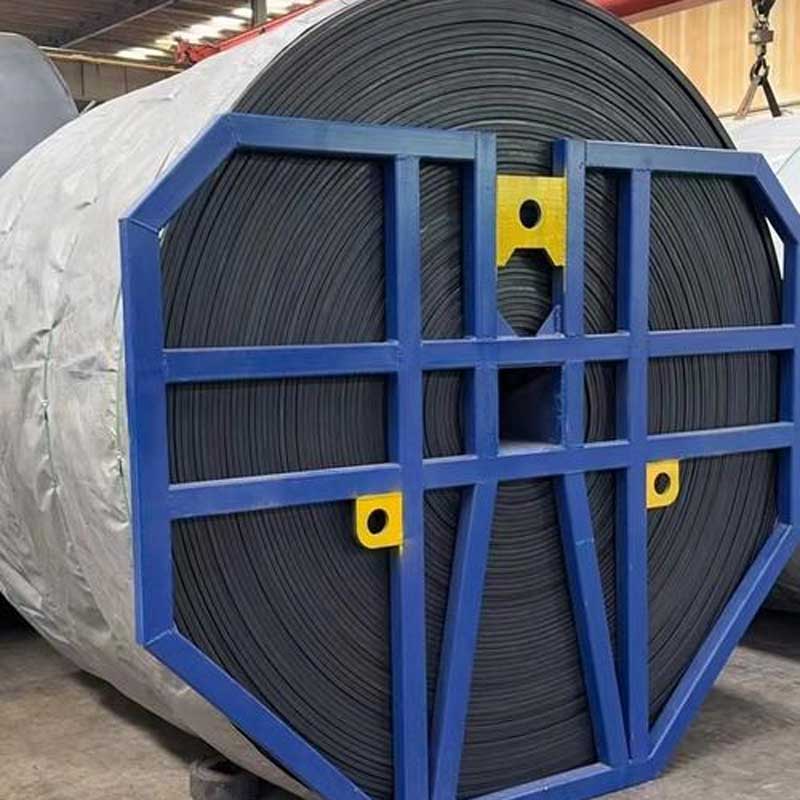
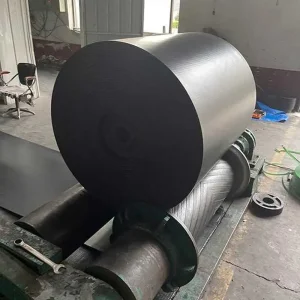
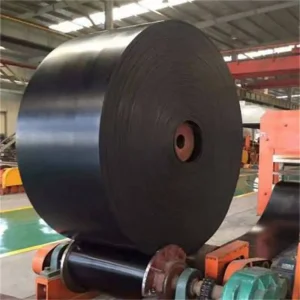
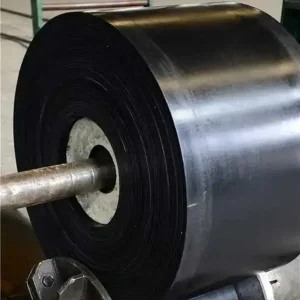
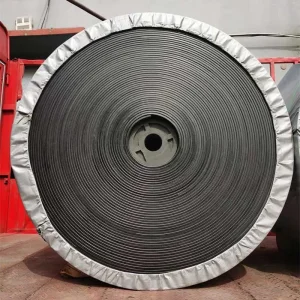
The anti-tear steel wire rope core conveyor belt is a rubber conveyor belt with steel wire as the skeleton and exceptional anti-tear performance.
⚙️
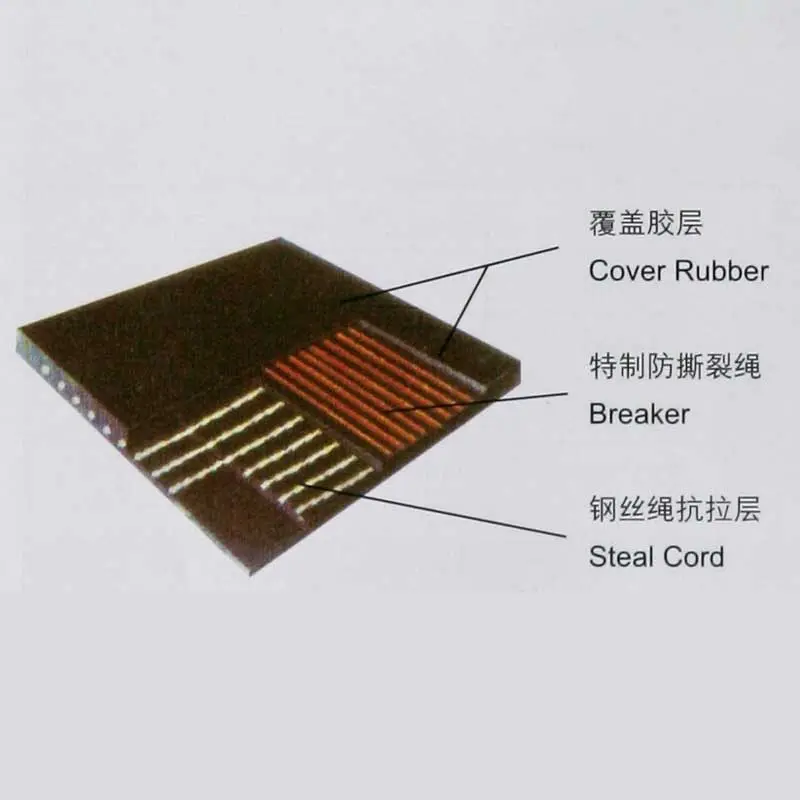
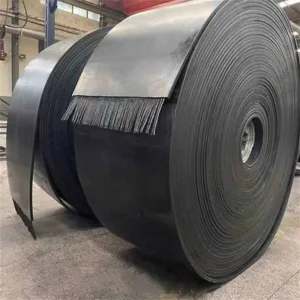
Structural Features: A horizontally uniformly arranged high elongation steel wire rope or high-strength high elongation synthetic wire rope is set on top (or up and down) of the steel wire rope core as an anti-tear layer. The anti-tear layer is perpendicular to the direction of the conveyor belt, which can effectively block sharp hard objects from piercing and resist tearing.
✔️
Performance Advantages: It has the advantages of high tensile strength, good impact resistance, long service life, small elongation during use, good slotting ability, and good flexural flexibility. It can withstand long-distance and high-speed material transportation.
🏢
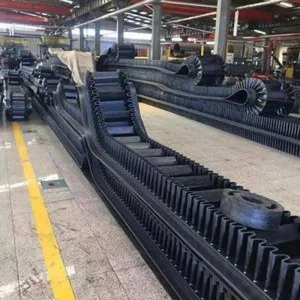
Application Scenarios: Suitable for material transportation in industries such as coal mines, mines, ports, power, metallurgy, and building materials that require tear resistance.
1
National Standard (HG/T3646): Models start with ST/S (ST = steel wire rope core, S = tear resistance). Example: ST1000S-1200 — the number after ST is the longitudinal tensile strength (N/mm), and the last number is the width (mm).
2
Structure-Based Subdivisions: ST-S (chemical fiber rope anti-tear), ST-G (steel wire rope anti-tear). Derivative models for special conditions: ST1600S-F (wear-resistant), ST2000S-H (high temperature resistant).
📌 Common Core Strength Levels
ST1000
ST1250
ST1600
ST2000
ST2500
ST3150
ST4000
📌 Common Bandwidth (mm)
650mm
800mm
1000mm
1200mm
1400mm
🔗 Wire Rope Core Lifting Belt
The steel wire rope lifting belt features high tensile strength, good impact resistance, long service life, small elongation, good groove forming ability, and excellent flexural flexibility — ideal for long-distance, high-speed material transportation.
🔧
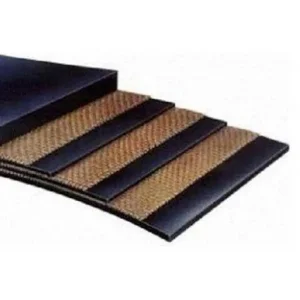
Composition: This product is composed of core adhesive, steel wire rope, cover layer, and edge adhesive.
🏢
Usage: Widely used for transporting materials in coal, mining, building materials and cement, ports, metallurgy, electricity, chemical industry, and other fields.
1
By Cover Adhesive Performance: Ordinary, flame-retardant, heat-resistant, wear-resistant, cold-resistant, acid & alkali resistant, and other varieties.
2
By Internal Structure: Ordinary structure type, transverse reinforcement type, and pre-embedded coil tear-resistant type.
📌 Strength Specifications (N/mm)
St630
St800
St1000
St1250
St1600
St2000
St2500
📌 Width Specifications (mm)
200
250
300
350
400
450
550
600
680
800
850
1000
1050
1200
1300
1400
🔥 Steel Wire Rope Core Flame-Retardant Conveyor Belt
The steel wire rope core flame-retardant conveyor belt is made of steel wire rope as the tensile skeleton with a rubber cover layer containing added flame retardants — designed for environments with flammable and explosive risks, meeting dual requirements of anti-static and flame retardancy.
📌
Model Labeling: Based on ST (steel wire rope core) + tensile strength + Z (flame retardant) + belt width. Example: ST1250Z-1000. Common execution standard: MT668. Tensile strength grades: ST1000~ST4000. Belt width: 650~1400mm.
✔️
Key Characteristics: High tensile strength, impact resistance, good grooving performance, prevents flame spread, reduces static electricity accumulation, and avoids ignition of surrounding flammable/explosive materials (e.g., coal).
🏢
Main Applications: Coal mine underground operations, chemical transportation of flammable and explosive materials. Special models also offer wear resistance, tear resistance, and oil resistance.
❓ Frequently Asked Questions (FAQ)
Q: What is the difference between an anti-tear steel wire rope core conveyor belt and a standard steel wire rope core conveyor belt?
The anti-tear version includes an additional transverse anti-tear layer — made of high-elongation steel wire rope or synthetic fiber rope — placed perpendicular to the belt's running direction. This layer prevents sharp objects from piercing through the belt, providing protection that standard steel wire rope core belts do not have.
Q: What industries commonly use anti-tear steel wire rope core conveyor belts?
These belts are widely used in coal mines, metal and non-metal mines, ports, power plants, metallurgy, and building materials industries — any application where conveyed materials may include sharp or heavy objects that risk tearing the belt.
Q: How do I read the model number of a steel wire rope core flame-retardant conveyor belt?
The model follows the format: ST + tensile strength (N/mm) + Z (flame retardant indicator) + belt width (mm). For example, ST1250Z-1000 means a steel wire rope core belt with 1250 N/mm tensile strength, flame-retardant properties, and 1000mm belt width.
Q: What are the available types of wire rope core lifting belts based on working conditions?
Wire rope core lifting belts are available in multiple varieties: ordinary, flame-retardant, heat-resistant, wear-resistant, cold-resistant, and acid & alkali resistant. By internal structure, they can be ordinary, transverse-reinforced, or pre-embedded coil tear-resistant types.
Q: What tensile strength grades are available for steel wire rope core conveyor belts?
Common tensile strength grades (in N/mm) include: ST630, ST800, ST1000, ST1250, ST1600, ST2000, ST2500, ST3150, and ST4000. The appropriate grade is selected based on the conveying distance, load, and operating conditions of the application.
Q: Why is the flame-retardant conveyor belt required in coal mine applications?
Underground coal mines contain flammable gases such as methane and coal dust that can ignite easily. Flame-retardant conveyor belts prevent flame spread along the belt surface, reduce static electricity buildup, and comply with safety standards (such as MT668), significantly reducing the risk of fire or explosion in these hazardous environments.
 Boao Rubber