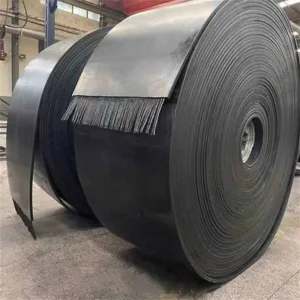
Direct access to our certified manufacturing line and factory-overstock reserves. High durability, strict testing, and immediate dispatch.
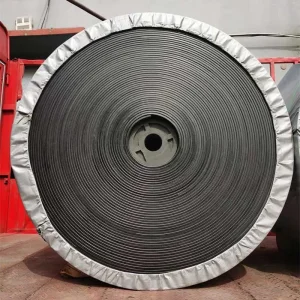
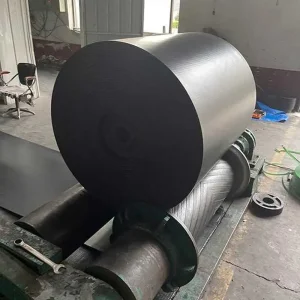
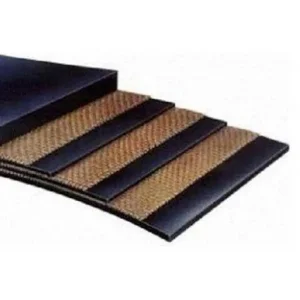
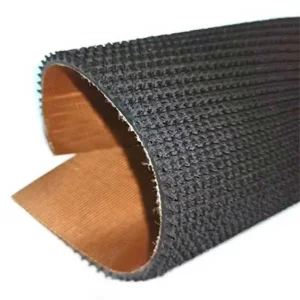
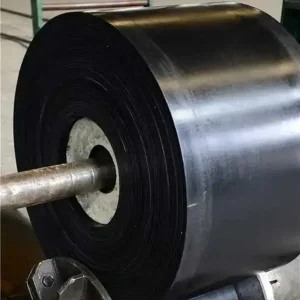
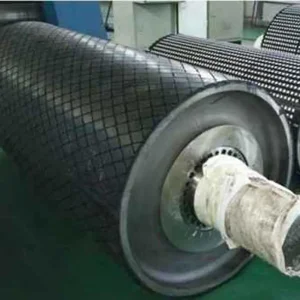
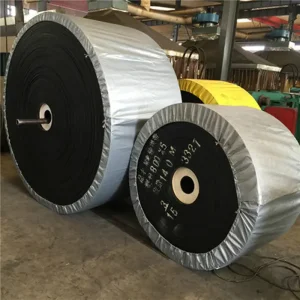
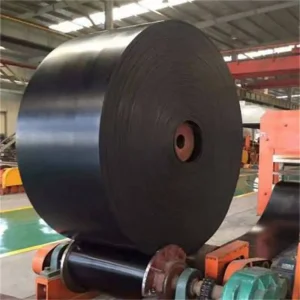
In modern aggregate processing, open-pit mining, smelting, power generation, and bulk shipping industries, the rubber conveyor belt serves as the circulatory system of operations. Because these heavy-duty elastomeric structures undergo immense mechanical strain, leading corporations strictly manage their lifecycles. High-capacity steel cord and multi-ply fabric conveyor belts are regularly replaced according to preventative maintenance schedules. This practice gives rise to a valuable secondary market segment: factory-surplus, short-run remnants, and certified, high-grade second-hand rubber conveyor belting.
For industrial operators looking to optimize capital expenditures (CAPEX), sourcing high-durability surplus belts from a reliable Chinese manufacturer is a highly viable alternative to cheaper, lightweight, or substandard new imports. Repurposed industrial rubber belting boasts thick cover rubber and dense fabric reinforcement (EP/NN/Steel Cord), making it highly resistant to impact, abrasion, cutting, and weather-inflicted degradation.
By leveraging factory-direct overstock and repurposed belt rolls, secondary industries—such as scrap processing, agricultural packaging, civil infrastructure defense, and heavy equipment manufacturing—obtain structural rubber material at a fraction of the cost of new compounds. This aligns with circular economy principles by extending the lifecycle of heavy rubber products, significantly reducing the carbon footprint of industrial operations.
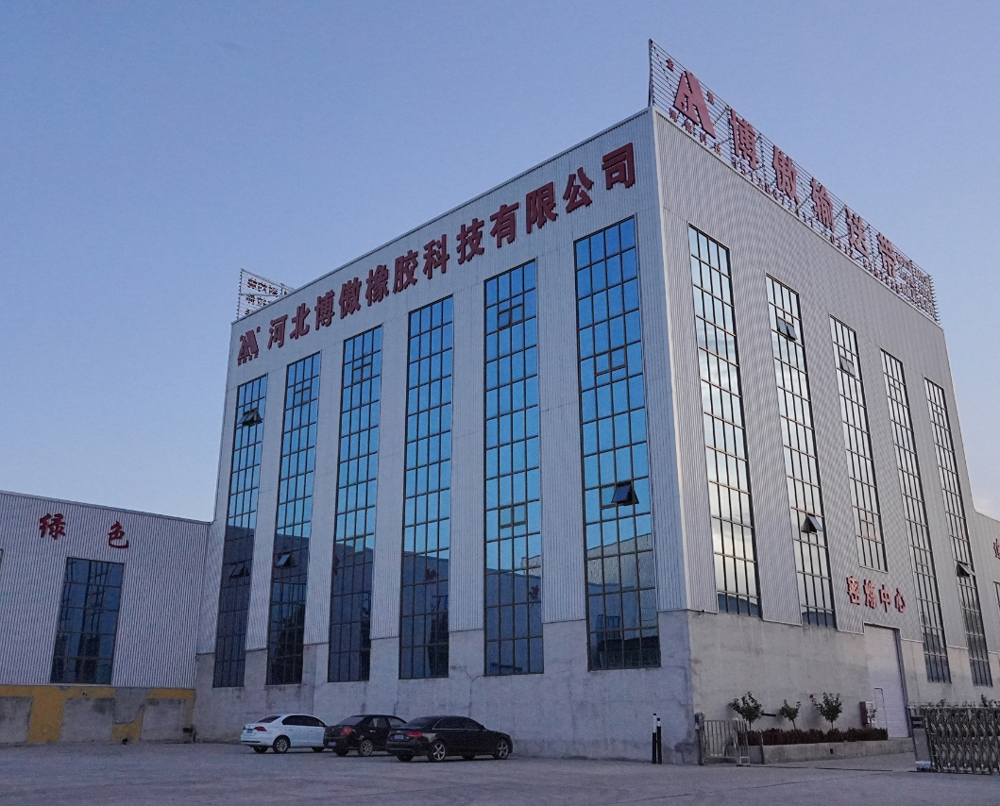
Combining 22 years of vulcanization engineering with a sprawling 30-acre state-of-the-art facility in Baoding, Hebei.
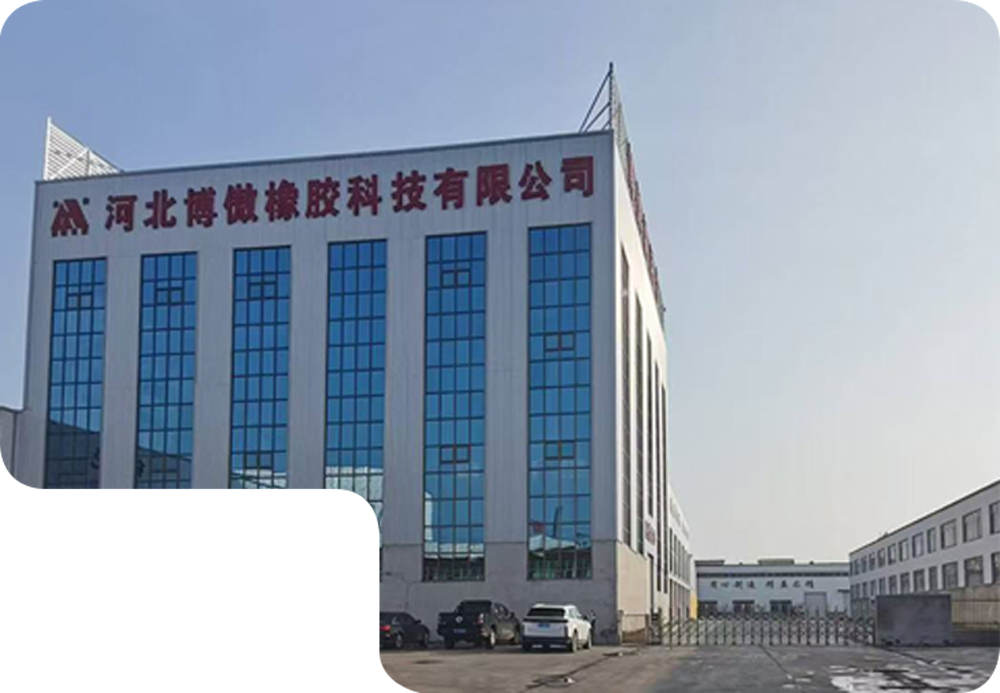
Established in 2004, Hebei Boao Rubber Technology Co., Ltd. has developed into a premier domestic manufacturer integrating product development, research, structural design, precision manufacturing, and comprehensive global business services. Located in the specialized Rubber Industrial Park of Boye County, Baoding, Hebei Province, our facilities span more than 30 acres of modern production and warehousing space.
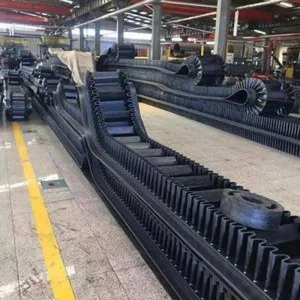
Our flagship "Jinao" brand represents reliable engineering across various categories, including multi-ply fabric belts (NN, EP, PP), high-angle wavy edge sidewall belts, steel wire rope core belts, heat-resistant, cold-resistant, and acid/alkali-resistant options. With advanced production lines handling rolling, forming, vulcanization, and continuous rubber testing from raw materials to finished products, our plant delivers unmatched quality assurance in both new production and factory-surplus distribution.
"We strictly follow the principle that unqualified raw materials must not enter our processing lines, and products failing to meet standards are strictly prohibited from leaving our facility. This commitment to quality extends directly to our factory-overstock, B-grade, and repurposed surplus inventories."


How industries leverage heavy-duty repurposed rubber substrates to optimize operational costs.
Due to their exceptional durability, shock absorption, and chemical resistance, second-hand EP and nylon rubber conveyor belts are widely used as floor liners in dairy cattle barns, horse stables, and feeding alleys. The rubber compound protects livestock joints from concrete floors and stands up to organic acids and frequent cleaning cycles.
In aggregate processing sites, quarries, and mining feed hoppers, recycled thick-ply conveyor belts function as excellent impact wear liners. Instead of deploying expensive hard steel plates, engineers mount sections of used rubber belt to deflect falling stone and ore, reducing noise pollution and equipment wear.
The saltwater resistance and high tensile structure of steel wire and nylon-reinforced belts make them ideal for marine applications. Shipyards and commercial ports install these belts as buffer strips on docks, boat slips, and tugboat hulls to absorb impacts during berthing operations.
During heavy blasting or demolition projects, thick steel-cord conveyor belts are linked together to form durable blast mats. These mats contain flying debris and protect surrounding civil infrastructure from shockwaves and fragmentation.
For industrial workshops, agricultural garages, and fitness facilities, factory-surplus rubber belting provides a cost-effective, heavy-duty floor cover. The rubber helps isolate machinery vibrations, deadens noise, and protects the underlying concrete from fluid leaks and physical impacts.
Understanding carcass reinforcement, cover compound integrity, and quality categorization standards.
| Belt Base Type | Core Reinforcement Type | Primary Grade Features | Second-Hand / Surplus Application Suitability |
|---|---|---|---|
| Multi-Ply Nylon (NN) | Nylon/Nylon Warp & Weft Fabric plies | High elasticity, excellent fatigue resistance, high shock absorption. | Perfect for localized traction mats, agricultural conveyors, and animal stall flooring. |
| Polyester (EP) | Polyester Warp, Polyamide Weft plies | Low structural elongation, high heat stability, moisture resistance. | Suitable for light-to-medium industrial bulk handling, aggregate scrapers, and workshop floors. |
| Steel Wire Rope Core | High-tensile longitudinal steel cables | Ultra-high tensile rating, minimal elongation, extreme cut/tear resistance. | Ideal for heavy blast mats, marine fender pads, and soil erosion prevention barriers. |
| Chevron & Profile Patterned | Molded V-cleat, magic carpet, or ribbed profiles | Enhanced friction, anti-slip surface structures, material control. | Perfect for steep incline agricultural feed conveyors or slip-resistant pedestrian walkways. |
SEO & Quality Assurance Note: Unlike typical second-hand brokers who source weathered, worn-out scrap belts, Hebei Boao supplies factory-surplus and short-roll remnants. These items are stored in a climate-controlled warehouse, preserving up to 90-95% of their original tensile properties, cover rubber thickness, and adhesion ratings.
Our manufacturing complex in the Boye County Industrial Cluster, Baoding, Hebei, benefits from a complete, vertically integrated production ecosystem. This proximity allows us to source raw polymers, high-tensile steel cord, and multi-ply fabric reinforcement at highly competitive rates. Our optimized raw material sourcing, automated vulcanizing lines, and efficient production workflows significantly reduce overhead costs.
Additionally, we utilize advanced energy-recovery vulcanization presses to minimize power consumption per unit. This level of control allows us to manage overstock and custom remnant batches without relying on third-party trading markups. As a result, we can offer factory-surplus conveyor belts at highly competitive prices, making them a cost-effective choice for international distributors and industrial end-users alike.
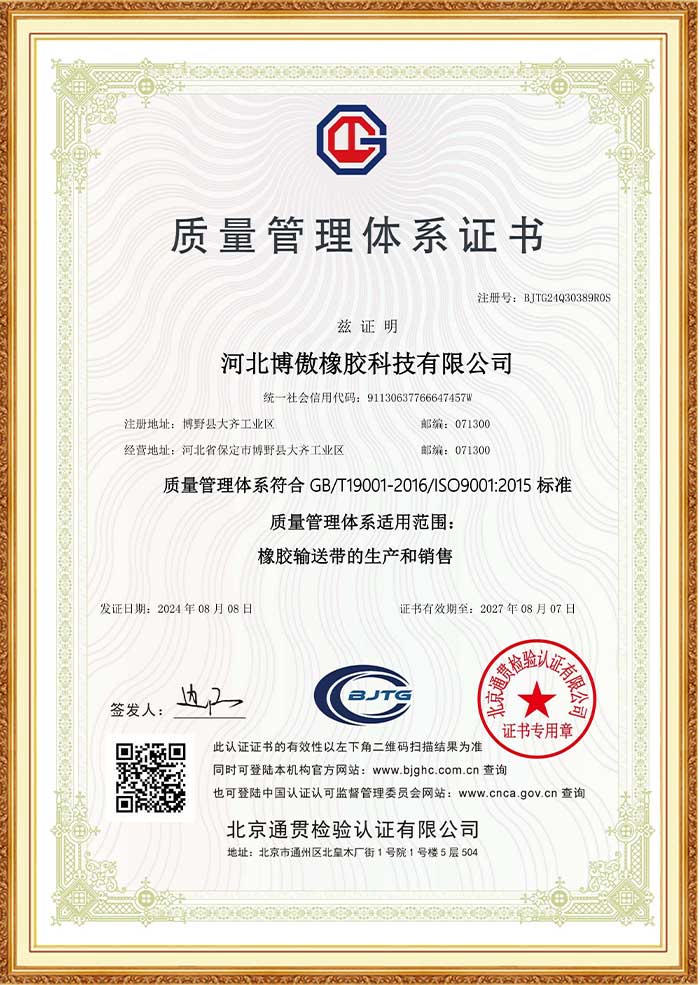
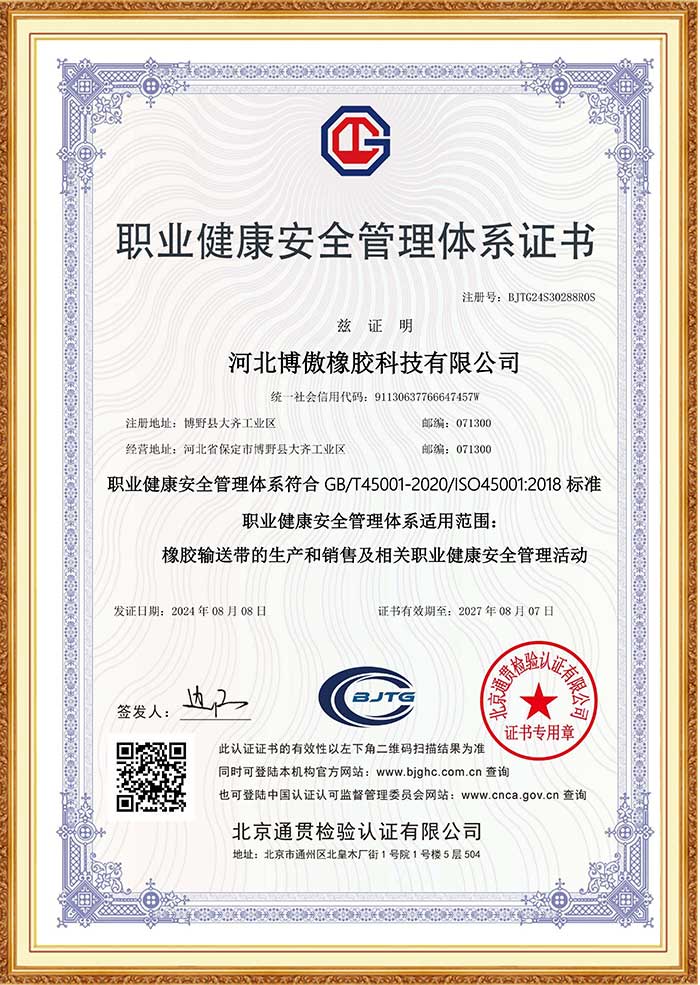
Every roll of Jinao brand surplus rubber conveyor belting undergoes strict inspection at our on-site chemical analysis and physics laboratory to ensure it meets our structural safety and wear standards.
Providing professional, end-to-end technical support from custom sizing and belt splicing to heavy-duty industrial field deployments.
We provide comprehensive lifecycle support for conveyor belting systems, including custom slitting, edge sealing, mechanical fastener installation, and preventative maintenance consultations.
All surplus and overstock belts are inspected to ensure cover-to-carcass adhesion, ply alignment, and physical wear resistance meet international GB, DIN, and ISO specifications.
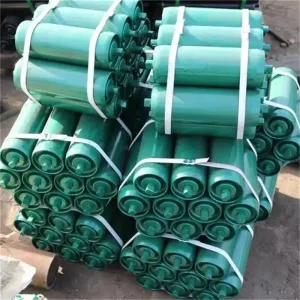
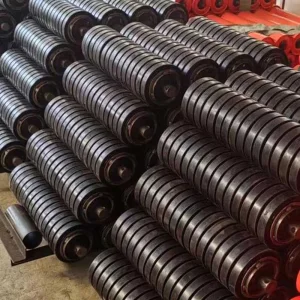
We work directly with engineering partners to supply matching idlers, pulleys, and impact beds to ensure the retrofitted surplus belting integrates seamlessly with your existing conveyor infrastructure.
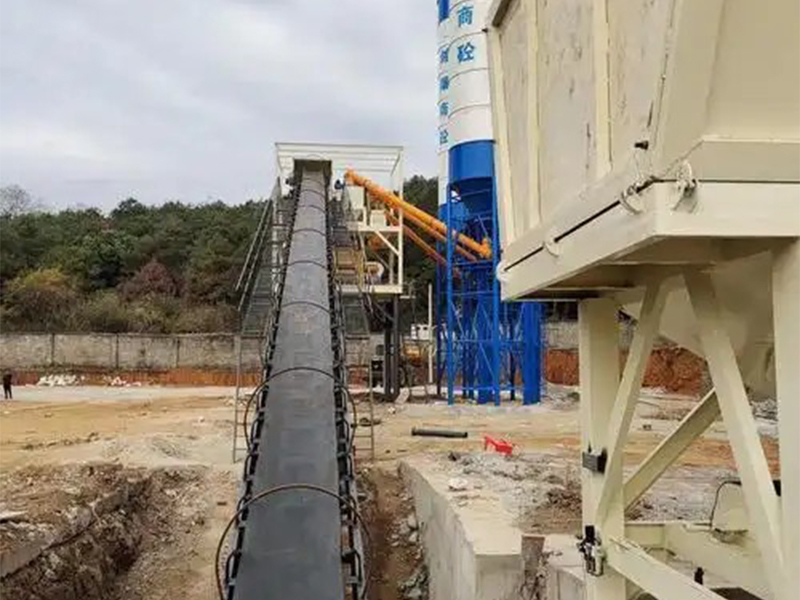
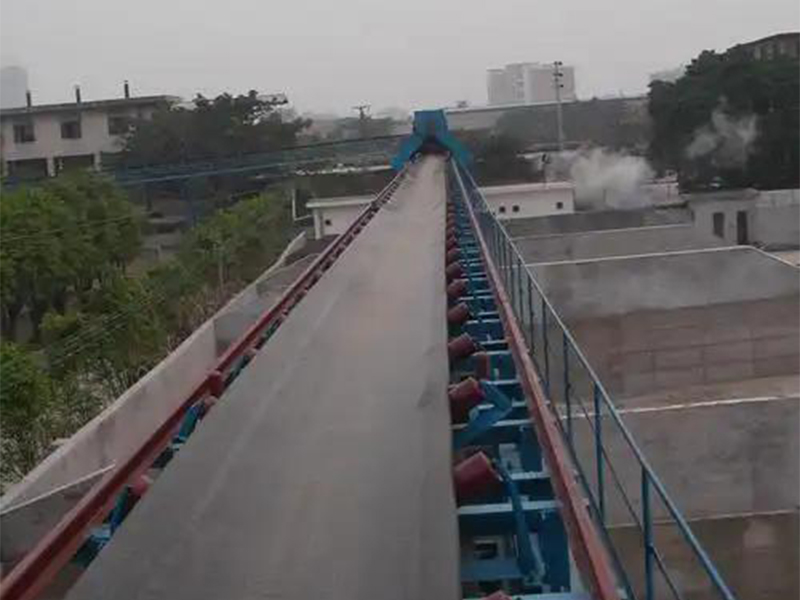
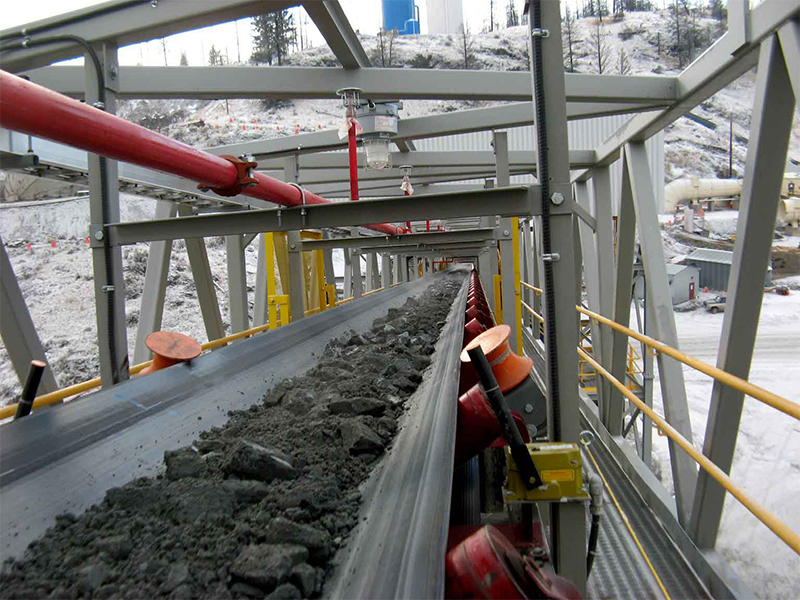
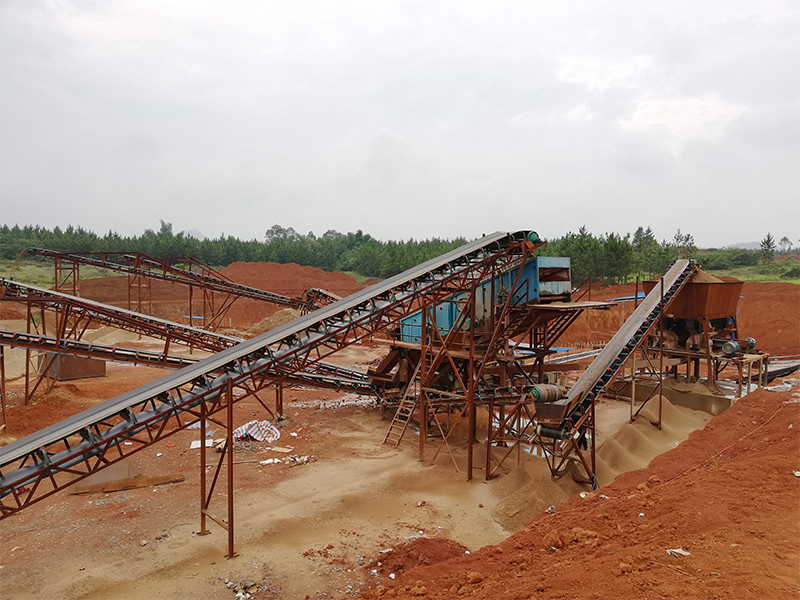
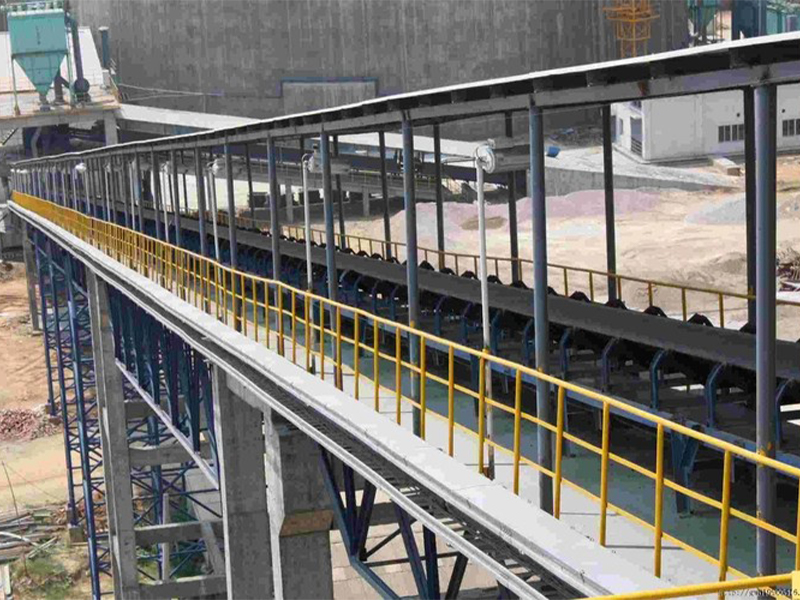
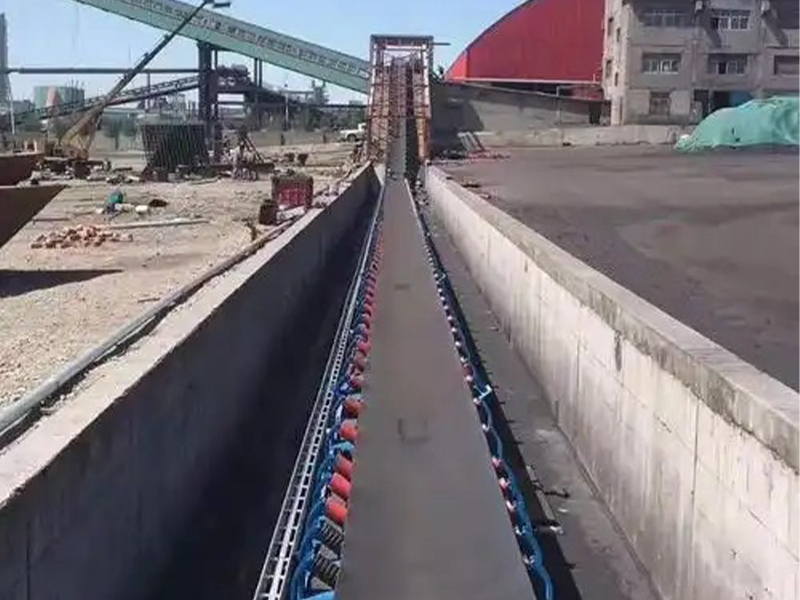
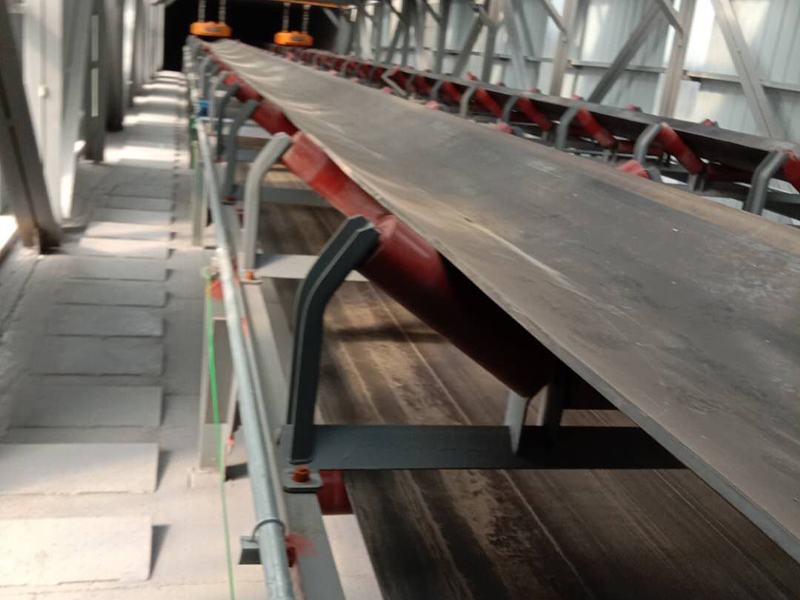
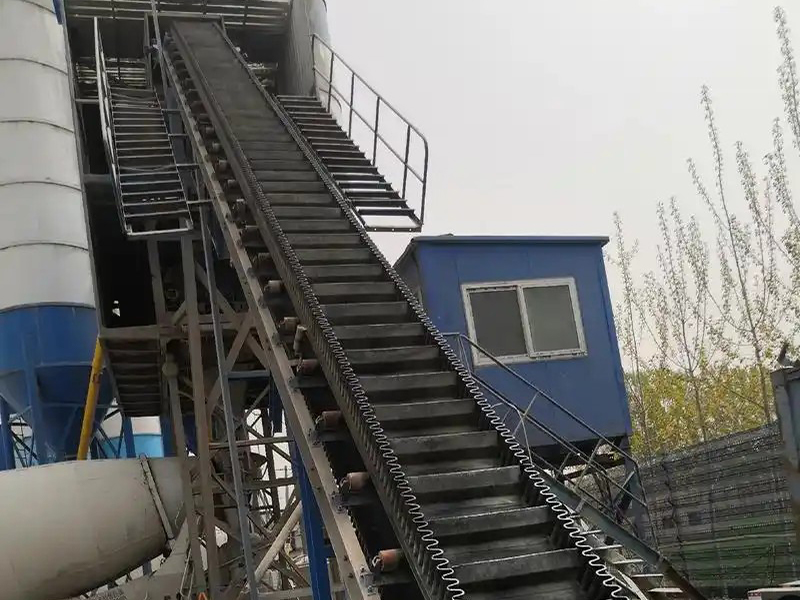
Our conveyor belt products are deployed across heavy industrial operations nationwide, including mining complexes, steel mills, and cement plants.
How sustainable sourcing models and industrial recycling technologies are reshaping the conveyor belt industry.
As sustainability regulations tighten globally, the industrial sector is shifting away from linear consumption patterns. Traditionally, worn-out rubber conveyor belts were sent to landfills or incinerated, causing carbon emissions and environmental waste. Today, advanced recycling processes allow companies to repurpose and reuse these high-strength rubber structures.
As a leading manufacturer, Hebei Boao Rubber Technology Co., Ltd. is committed to this ecological shift. By classifying and redistributing factory overstock and high-grade remnants, we help prevent raw materials from going to waste. Our engineering team is currently testing mechanical reclaim techniques to clean, re-edge, and certify used rubber belts, ensuring they meet the safety standards required for secondary industrial applications.
Additionally, our research focuses on eco-friendly vulcanization agents and smart RFID integration. This technology will allow operators to track a belt's mechanical history and assess its suitability for repurposing at the end of its primary service life. This circular economy model lowers CAPEX for secondary operations while supporting global carbon reduction goals.
Technical guidance from our quality control team to help you make informed procurement decisions.
Factory-surplus belts are unused rolls that remain from overruns, canceled orders, or short-roll ends from custom runs. They have not been installed and have been kept in controlled warehouse conditions, retaining nearly all of their original strength. Second-hand belts have been previously installed on conveyors. While they may show surface wear, their high-tensile internal reinforcement remains structurally sound, making them a cost-effective choice for secondary applications like lining, buffers, or low-tension conveyance.
Every surplus roll undergoes testing in our in-house laboratory. We check the cover rubber's abrasion resistance (DIN standard limits), ply adhesion strength, and core fabric tension limit. This testing ensures that even B-grade or remnant stock matches the specified working load limits before shipment.
Yes. Our facility is equipped with automated slitting machinery that can cut wide rolls (up to 2200mm) into custom widths. We also offer edge-sealing services to prevent the multi-ply fabric core from absorbing moisture and delaminating under wet conditions.
It depends on the application. For impact-heavy uses, such as chute lining or stable mats, NN (Nylon) is preferred because of its superior elasticity and shock absorption. For applications requiring minimal stretch and high dimensional stability, such as outdoor walkways or secondary material handling, EP (Polyester) is the more suitable option.
For high-tension applications, we recommend hot vulcanized splicing, as it preserves up to 90% of the belt's original tensile rating. For low-tension, utility, or secondary applications, mechanical fasteners (like bolt solid plate or rivet fasteners) offer a faster, more cost-effective installation option that does not require specialized vulcanizing presses.
When stored in cool, dry conditions away from direct sunlight, ozone sources, and oil contaminants, unused factory-surplus rubber belts can maintain their structural properties for up to 5 to 7 years. We recommend verifying cover flexibility and checking for surface dry rot before putting long-stored belts into service.
Yes. Although steel-cord belts are difficult to cut using standard tools due to their internal steel cables, they can be processed using industrial shear cutters or abrasive saws. Once cut, they make highly durable marine dock fenders, heavy blast mats, and erosion-control barriers that resist tearing and deformation.
Sourcing factory overstock directly diverts fully functional industrial rubber from landfills or high-emission incineration. It extends the product's useful life, offsets the energy-intensive processing of new rubber compounds, and contributes to resource efficiency in industrial supply chains.
Explore our complete range of specialized wear products, custom rollers, and steel rope core belts sourced from the Hebei Boao plant.
 Boao Rubber