Precision engineered components direct from our ISO-certified manufacturing facility to secure continuous belt alignment and heavy-duty transport efficiency.
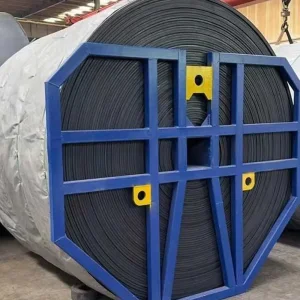
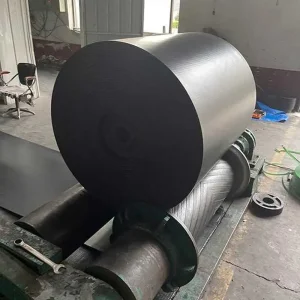
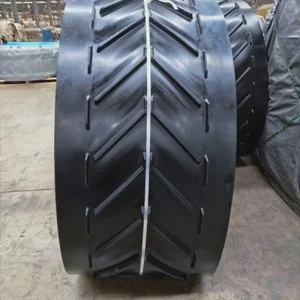
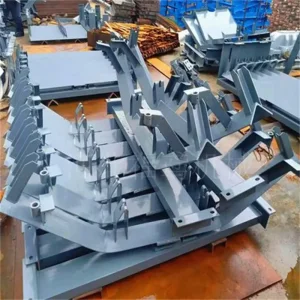
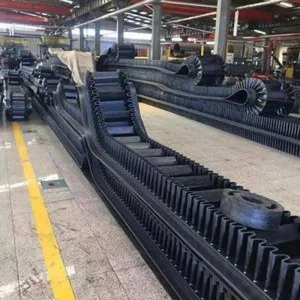
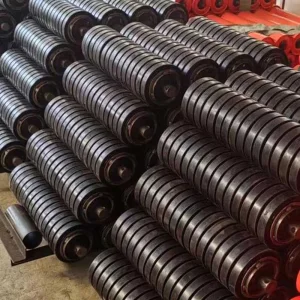
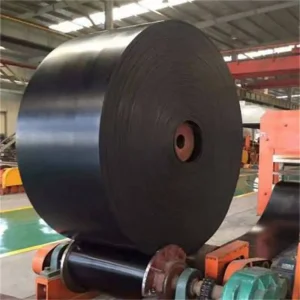
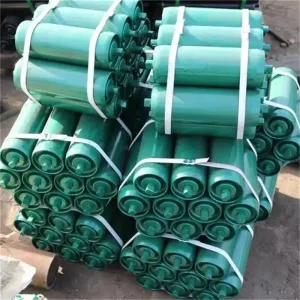
In modern industrial operations, belt conveyor systems represent the circulatory system of mines, steel mills, cement plants, and maritime ports. A persistent and highly disruptive engineering challenge within these networks is conveyor belt mistracking. Misalignment of the conveyor belt is not merely a superficial tracking issue; it is a primary driver of mechanical failure, premature conveyor belt wear, material spillage, and severe operational hazards. As a premier Chinese manufacturer of heavy-duty conveyor parts, Hebei Boao Rubber Technology Co., Ltd. (offering our renowned Jinao brand) designs and fabricates premium self-aligning idler frames to counteract dynamic tracking forces and safeguard industrial throughput.
Belt mistracking is typically triggered by structural offsets, asymmetrical material feeding, accumulation of residues on rollers, or environmental factors such as strong crosswinds. Without dynamic self-aligning idler frames, structural damage to the belt carcass is inevitable. When a belt shifts off-center, its edges rub against support steelwork, leading to edge fraying, ply separation, and eventual catastrophic failure. From a semantic standpoint, industry procurement specialists look beyond basic "brackets" or "steel supports"; they seek structural integrity, friction-activated corrective alignment, and dynamic pivot mechanisms that adapt in real time to fluctuating load pressures.
Self-aligning idler frames (also known as training idlers or centering brackets) function on a simple yet highly effective mechanical feedback principle. When the conveyor belt shifts away from the central longitudinal path, it comes into contact with the side guide rollers (outrigger rollers) of the self-aligning frame. The friction created by this contact exerts an axial force that rotates the entire pivot frame on its central vertical axis.
This angular rotation adjusts the relative direction of the tracking rollers, steering the belt back to its center path. Beyond protecting the belt, proper alignment dramatically reduces the system's overall energy consumption. An misaligned belt creates parasitic drag, forcing the drive motors to pull harder to overcome structural friction. Standardizing on Boao Jinao self-aligning frameworks delivers measurable savings in electrical overheads and mechanical stress across the conveyor assembly.
Equipped with advanced production lines covering rolling, forming, vulcanization, and heavy mechanical pressing. Our steel fabrication facility handles automated welding and precise geometry configuration for every single centering bracket and idler frame.
We feature an independent chemical analysis room and physics laboratory. Quality control begins at the raw steel and rubber compound phase. No sub-standard materials enter our assembly, and no product leaves without passing structural stress limits.
Jinao brand conveyor components are deployed in heavy industries nationwide and exported globally. Our products are widely utilized in major sectors including metallurgy, steel fabrication, coal mining, cement formulation, power plants, grain storage, and port cargo handling.
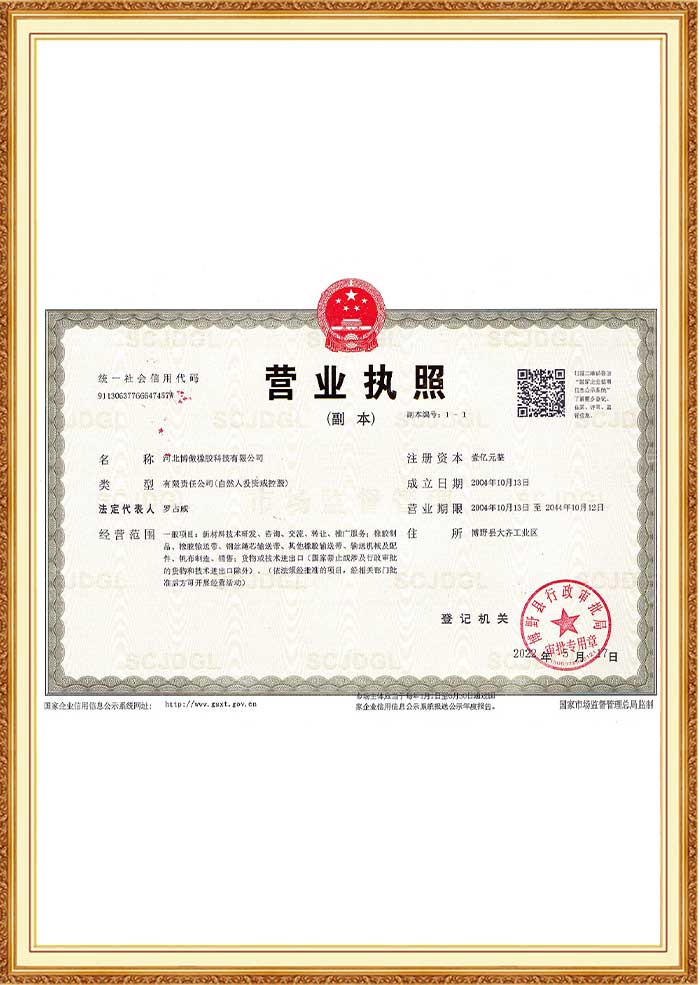
Founded in 2004, Hebei Boao Rubber Technology Co., Ltd. sits in the Rubber Industrial Park of Boye County, Baoding, Hebei Province. Over our 22-year trajectory, we have scaled our production grounds to cover more than 30 acres. We have evolved from a regional belt fabricator into an integrated, international manufacturer of conveyor systems and critical support components.
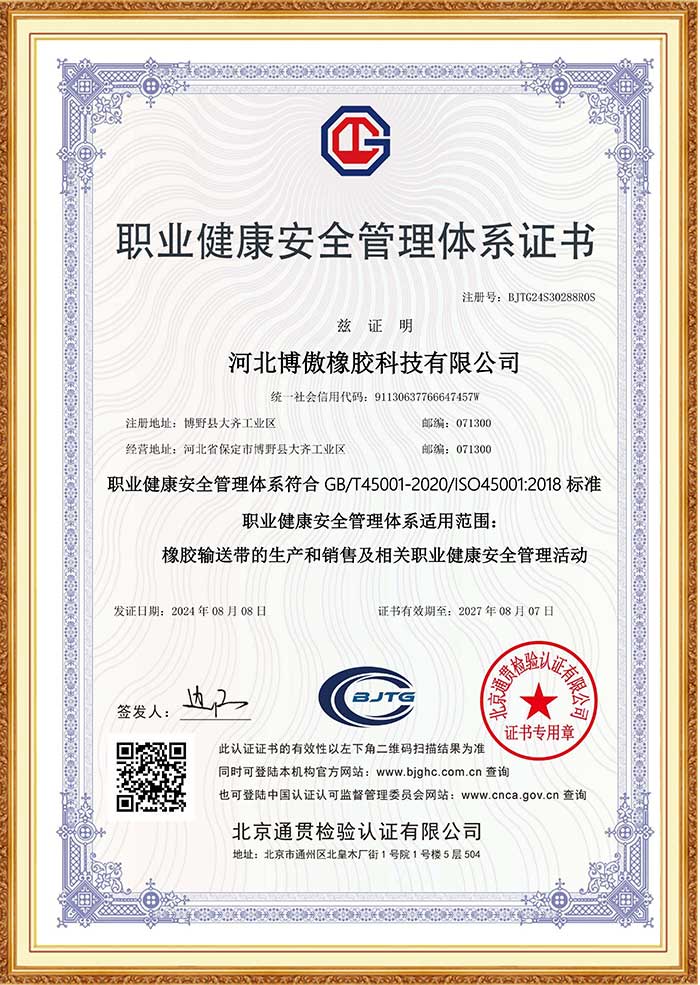
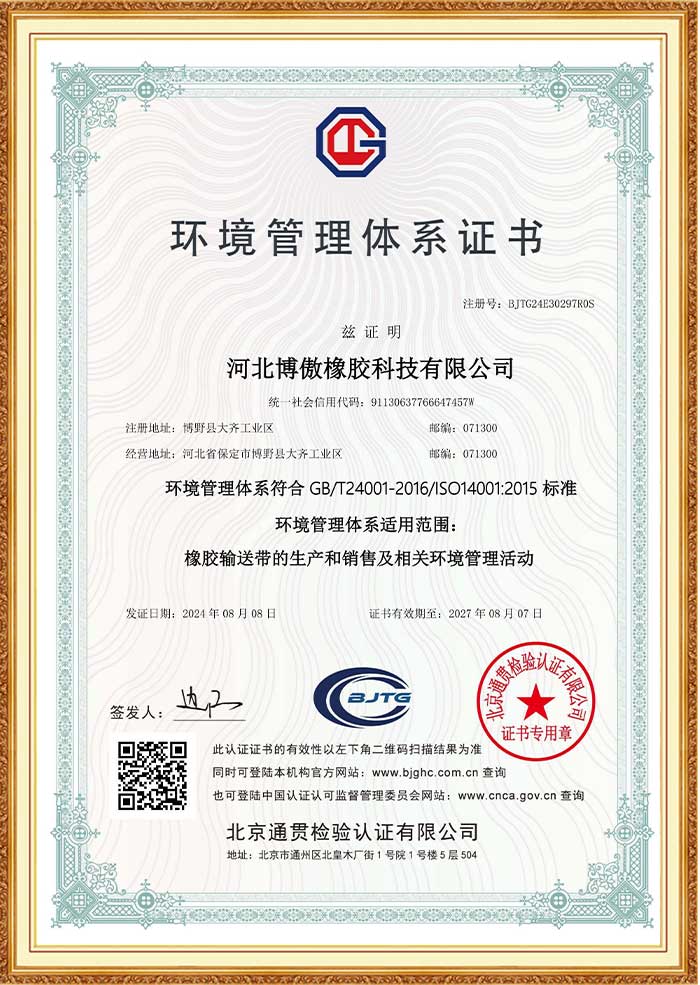
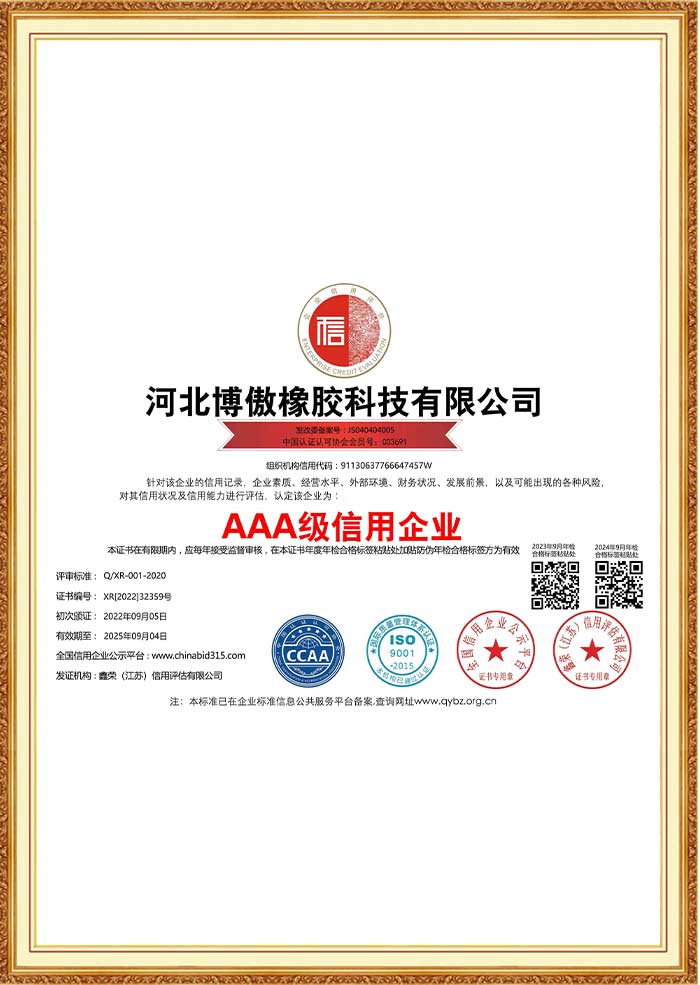
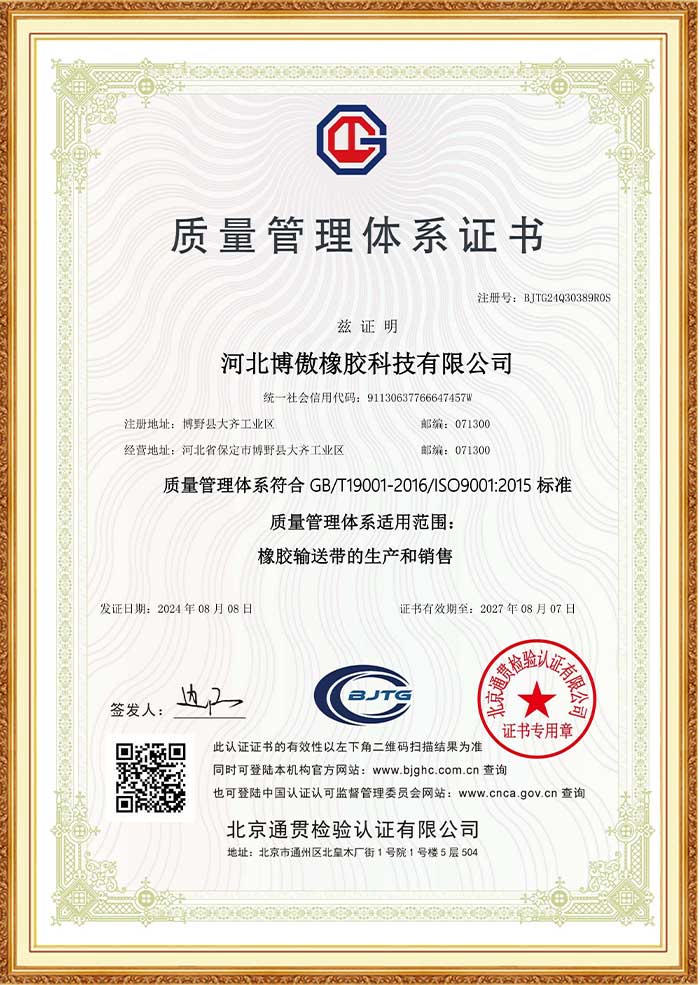
Unlike assembly houses that buy and resell components, our facility controls the entire production cycle. This is why Boao is trusted by global engineering giants such as Conch Cement, Datong Coal Group, and Tsingshan Group. Whether we are rolling high-grade steel profiles or formulating anti-tear compounds for rubber conveyor belts, our unified quality management system ensures every component complies with strict CEMA, DIN, and ISO standards.
Conveyor systems do not follow a one-size-fits-all model. The engineering variables—such as trough angles, bandwidth, operational speed, and load types—dictate the mechanical structure of the supporting framework. Standard installations leverage specific self-aligning variants to target drift issues efficiently.
| Idler Frame Category | Operating Principle | Primary Application Areas | Maximum Corrective Force |
|---|---|---|---|
| Troughing Self-Aligning Idler | Utilizes side guide rollers and a central rotary pivot bearing. Friction shifts the frame angle. | General bulk handling, high capacity coal mines, and power plant conveyors. | High dynamic correction capacity. |
| Friction Self-Aligning Idler | Uses high-friction tapered rubber rollers at the frame edge to accelerate pivot steering. | Sticky material handling, wet minerals, high moisture transport zones. | Instantaneous mechanical response. |
| Flat/Return Self-Aligning Idler | Deploys pivot actions on the return side of the belt to maintain centralized tail entry. | Underbelly return run of the belt conveyor where clearance is limited. | Medium alignment correction. |
| V-Return Self-Aligning Idler | Combines return-side tracking with a V-shaped configuration for optimal belt nesting. | High-speed, long-distance overland conveyors carrying heavy bulk material. | Exceptional structural guidance. |
For international procurement departments, sourcing mechanical conveyor accessories requires balancing capital expenditure (CAPEX) with long-term operational expenditure (OPEX). Selecting low-grade, non-engineered idler frames can lead to bearing failures, structural collapse, and accelerated belt wear. This results in costly downtime that quickly eclipses any initial purchase savings.
Operating in underground coal mines requires products certified with flame-retardant and anti-static parameters. Marine port operations require C5-M high-durability marine-grade paint coatings to resist salt spray corrosion.
Low runout tolerance on rollers prevents structural resonance and vibration. Jinao rollers keep runout below 0.5mm, extending bearing service life and stabilizing the belt path.
Aligning frames must withstand impact loads under heavy material flow. Structural designs validated through Finite Element Analysis (FEA) ensure frames do not bend or deform over time.
To ensure smooth international trade operations, our supply chain teams coordinate all export documentation, shipping logistics, and packaging details. We pack steel frames in anti-rust treated crates, securing them for ocean freight transport. Our team handles every step from export clearance in China to customs documentation at destination ports, preventing unexpected port delays.
Empowering leading industrial enterprises with robust conveyor systems and reliable support networks.
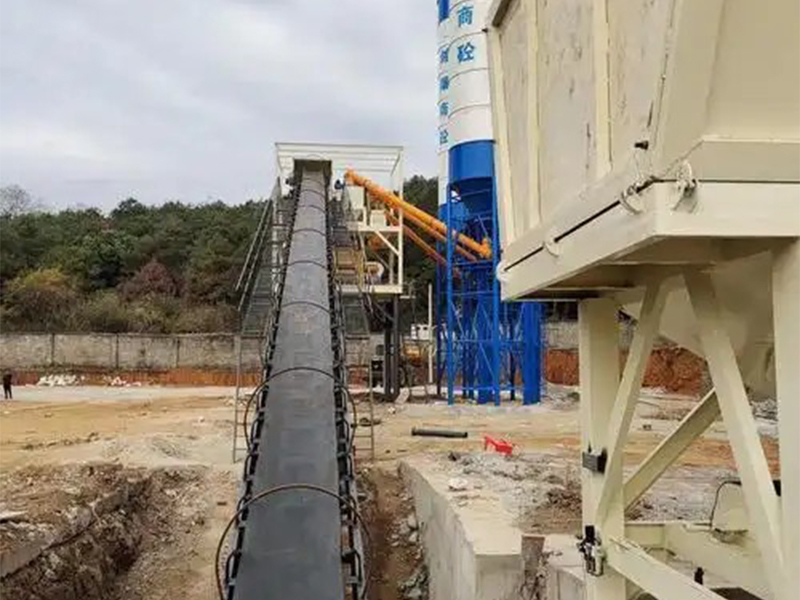
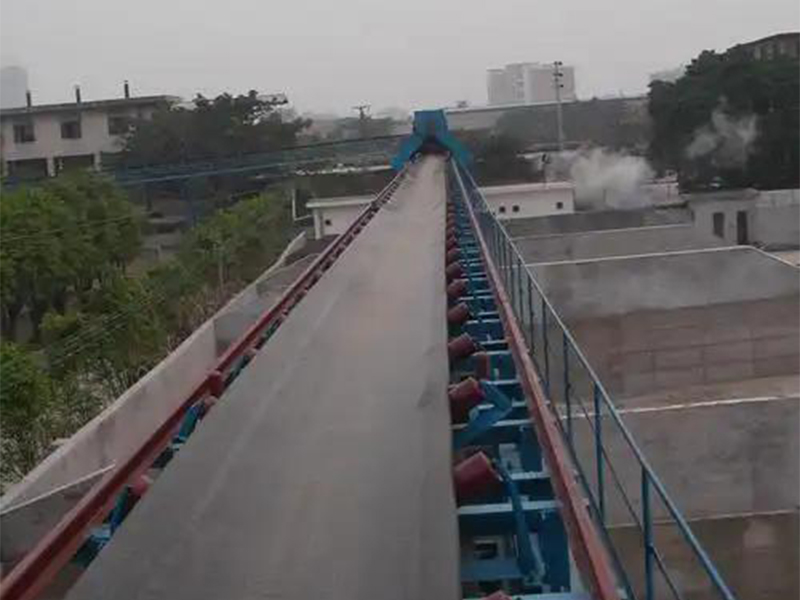
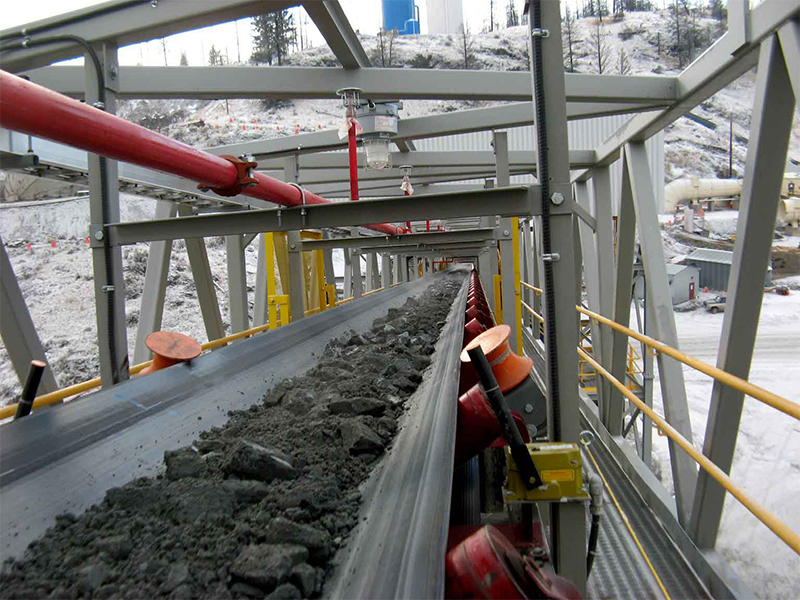
As heavy industries pursue decarbonization and digital transformation, the humble conveyor belt assembly is evolving. The next generation of self-aligning idler frames will incorporate smart sensing technologies. Standard guide rollers are being replaced by sensor-enabled outriggers that measure contact pressure and frequency, sending real-time tracking data to PLC networks.
This allows control room operators to monitor belt health, log tracking performance trends, and identify structural issues before they trigger a system trip. At Hebei Boao Rubber Technology, we are actively developing smart idler frames with embedded RFID tracking and wireless vibration sensors, preparing our customers for predictive maintenance models.
Environmental regulations require manufacturing facilities to minimize their carbon footprint. Our steel fabrication facility works to optimize material utilization, source low-emission steel billets, and employ eco-friendly powder coating lines that release zero VOCs. By improving pivot bearing efficiency, our frames lower mechanical friction, reducing the total energy required to run long-distance belt conveyor lines.
Comprehensive engineering services to keep your materials moving, reduce conveyor downtime, and maximize belt lifespan.
We provide planned replacement, precision repairs, site inspections, scheduled maintenance, and emergency response services for industrial conveyor belts and supporting structural frames.
We supply rubber materials, maintain safety stock buffers, manage storage of replacement belts, complete vulcanized joints, perform routine inspections, and carry out emergency structural repairs.
Our goal is to optimize belt runout, reduce friction coefficients, minimize tracking errors, and lower energy costs, establishing a mutually beneficial partnership for our clients.
We work to extend the active lifecycle of your conveyor belts, prevent premature steel wear, and ensure the safe, stable, and cost-effective operation of your material handling equipment.
We are committed to delivering high-quality products and reliable engineering support. If you need a quotation, custom design drawings, or technical advice for your conveyor system, contact our engineering department today.
Our engineering team responds to all inquiries with detailed technical proposals within 24 business hours.
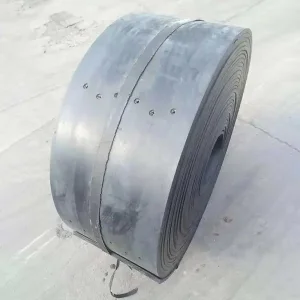
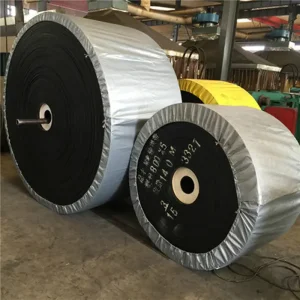
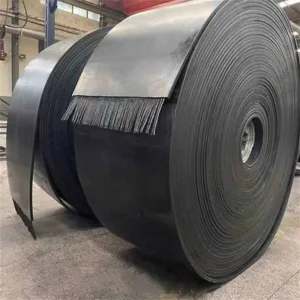
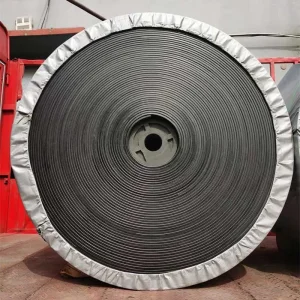
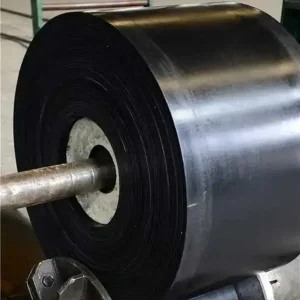
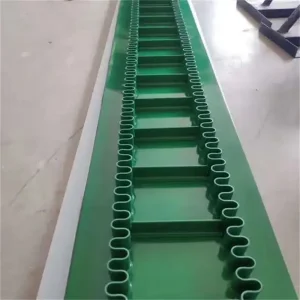
Contact Our EngineersExplore our full line of wear-resistant, high-temperature, and flame-retardant conveyor belts engineered to work with Jinao self-aligning structures.
 Boao Rubber