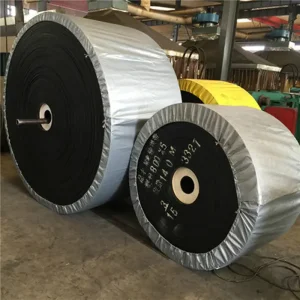
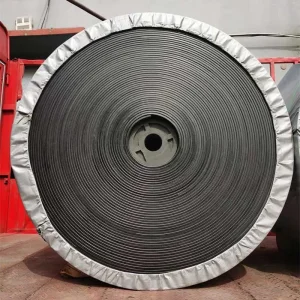
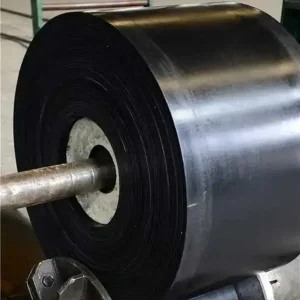
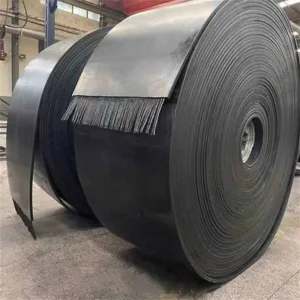
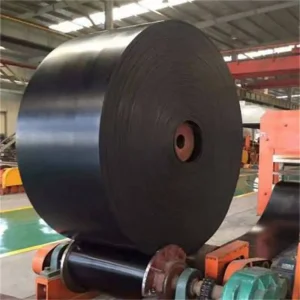
Direct factory supply of high-grade rubber and PVC-PU conveyor belts optimized for diverse material handling workflows and drive requirements.
An in-depth analysis of synchronous transmission technology, market vectors, and material handling frameworks in modern heavy industries.
In modern manufacturing and high-capacity processing environments, the transmission of mechanical power and structural bulk materials requires absolute efficiency. Toothed rubber drive belts, often designated as synchronous or timing belts, represent a crucial technological intersection between precision mechanical engineering and advanced polymer chemistry. Unlike conventional flat or V-belt drive configurations that rely purely on friction interfaces, synchronous toothed designs engage via positive tooth engagement. This mechanical locking eliminates slip, limits structural tension loads on bearings, and ensures a constant velocity ratio, making them essential components for automotive drivetrains, industrial robotics, precision packaging, heavy-duty mining, and material logistics.
From a global commercial standpoint, the demand for rubber drive and conveyor belts is expanding rapidly. Driven by the rapid automation of warehouses, infrastructural scaling in developing economies, and the continuous expansion of mineral extraction projects, heavy industries demand transmission elements that operate with minimal downtime. The international manufacturing landscape is consolidating around suppliers who can provide customized compounding solutions—specifically formulated polymers that resist thermal degradation, oil contamination, chemical exposure, and intense mechanical abrasion.
"According to industrial engineering benchmarks, upgrading friction-drive setups to toothed synchronous transmission configurations can optimize system efficiency by up to 98%, cutting cumulative maintenance expenditures by roughly 35% over a multi-year lifecycle."
To perform reliably in high-stress applications, toothed drive belts must utilize optimized layers of polymer matrices and internal reinforcement systems. Typically, these components are engineered around three critical structural layers:
| Component Layer | Primary Materials Applied | Core Functional Value |
|---|---|---|
| Elastomeric Body (Teeth/Backing) | Chloroprene (CR), EPDM, Hydrogenated Nitrile (HNBR) | Thermal stability, high shear resistance, ozone and oil shielding. |
| Tensile Member (Cord) | Fiberglass, High-Tensile Steel Wire, Aramid (Kevlar) | Minimal elongation, high dimensional stability, high fracture limits. |
| Facing Fabric (Tooth Jacket) | Woven Nylon/Polyamide with low friction coating | Friction mitigation, wear protection on pulleys, noise reduction. |
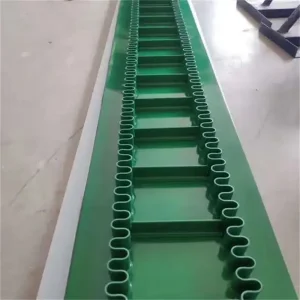
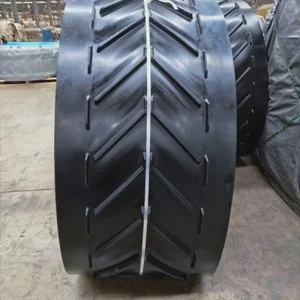
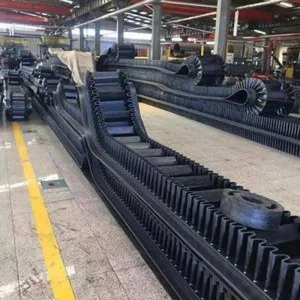
The manufacturing processes implemented by Hebei Boao Rubber Technology Co., Ltd. leverage these material groups to construct robust belting profiles. Whether running heavy-duty bulk materials along steep inclines with patterned rubber profiles, or executing high-precision synchronizations, understanding the chemical structure of the rubber matrix is essential.
Hebei Boao Rubber Technology Co., Ltd. (Brand: Jinao) — A professional manufacturing facility integrating advanced research, mechanical design, and comprehensive quality assurance.
Founded in 2004 and headquartered within the Rubber Industrial Park of Boye County, Baoding, Hebei Province, Hebei Boao Rubber Technology Co., Ltd. has established a reputation for manufacturing high-durability conveyor systems under our signature brand "Jinao". Over more than two decades, we have evolved from a regional manufacturer into a comprehensive production-oriented enterprise, combining core material development, machinery accessory design, and international service.
Our manufacturing facility includes modern, automated production lines for compounding, rolling, forming, vulcanization, and finished product inspection. To maintain the highest quality standards, we operate an independent chemical analysis room and physical laboratory. This in-house facility guarantees that every stage of production—from the sourcing of raw elastomers and tensile reinforcing cords to final product curing—is continuously monitored. We follow a strict operational standard: no uninspected raw materials enter our compounding floor, and no products leaving our factory are released without matching our certified technical specifications.
Our physics and chemistry labs test tensile strengths, abrasion metrics, thermal aging curves, and chemical compatibility, ensuring durability in demanding applications.
We provide comprehensive lifecycle support, including preventative maintenance, on-site splicing, custom tooth design profiles, and calculated tension analyses.
From high-heat processing plants to sub-zero transport routes, our "Jinao" brand is built to handle the industry's most challenging material conveyance tasks.
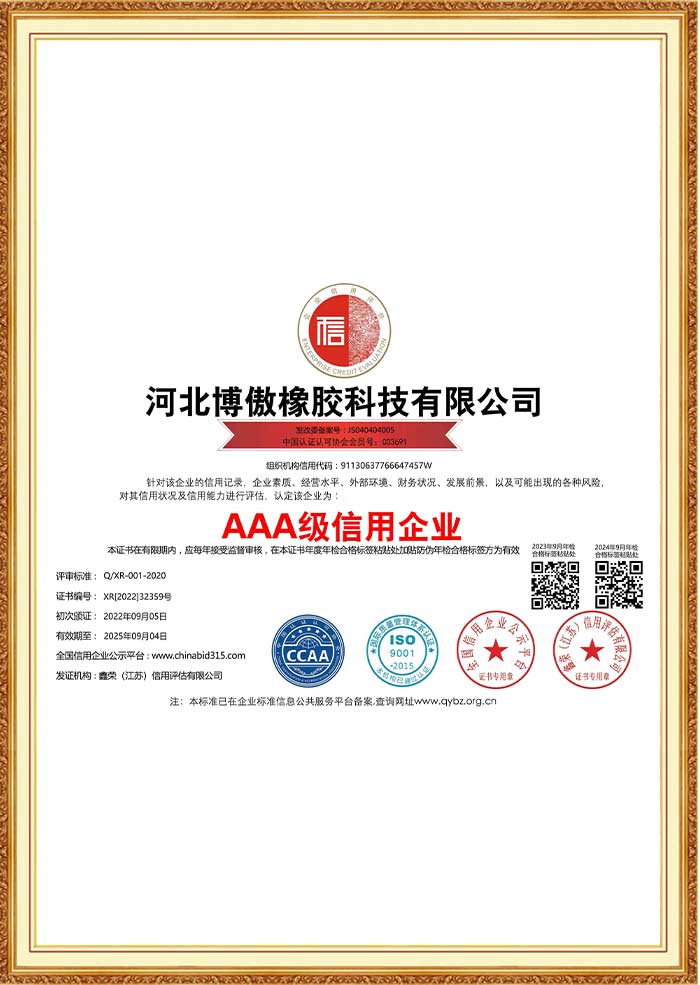
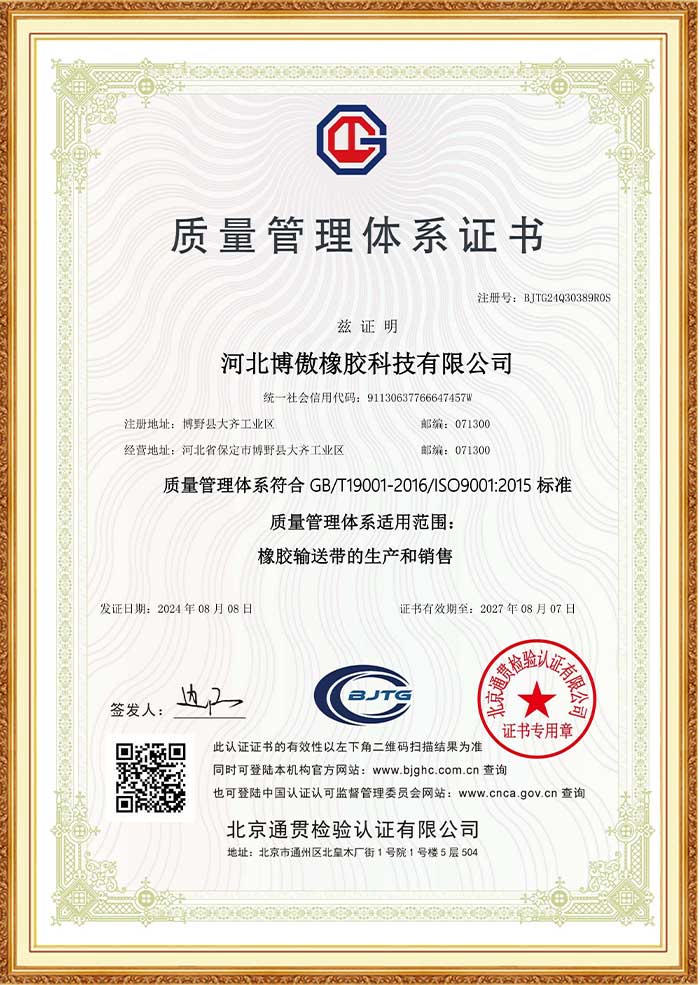
To establish international reliability and transparency, Hebei Boao Rubber Technology actively certifies our manufacturing processes and facilities. Below are our official certifications:
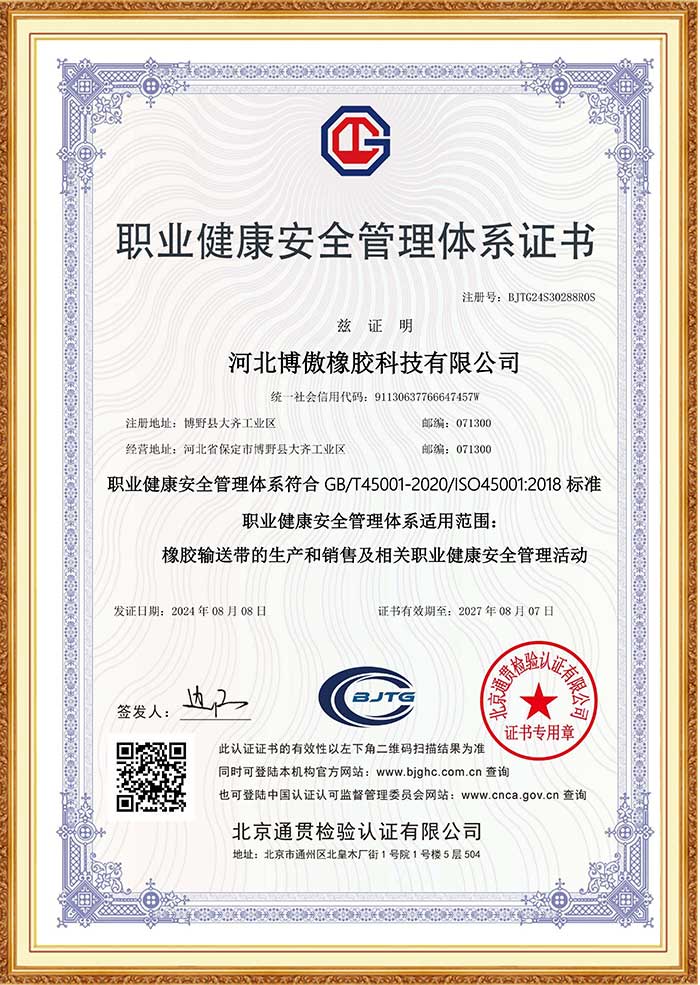
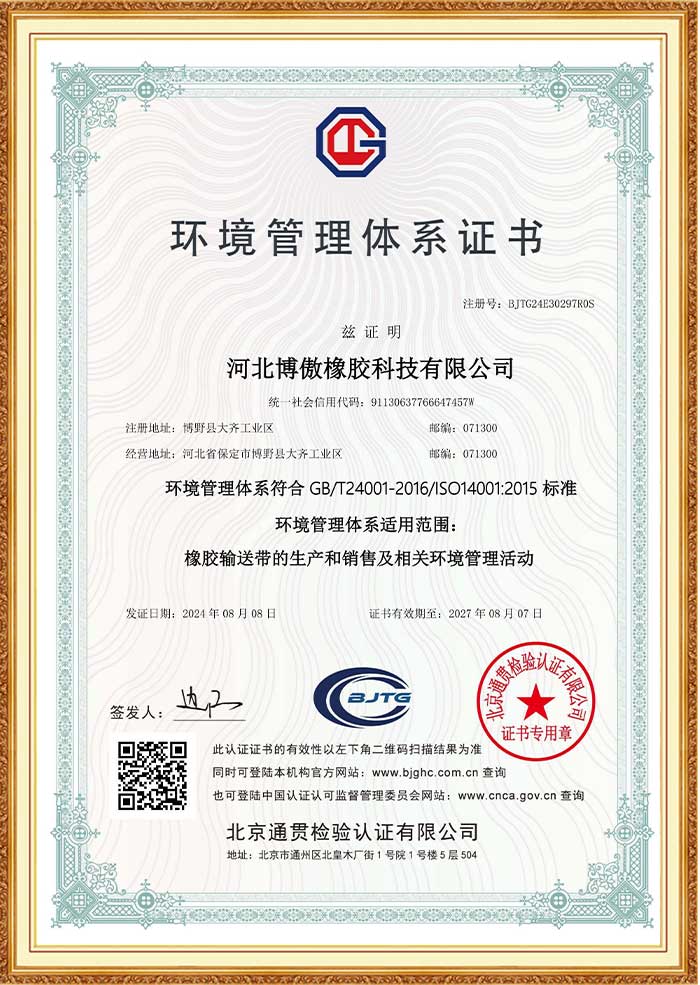
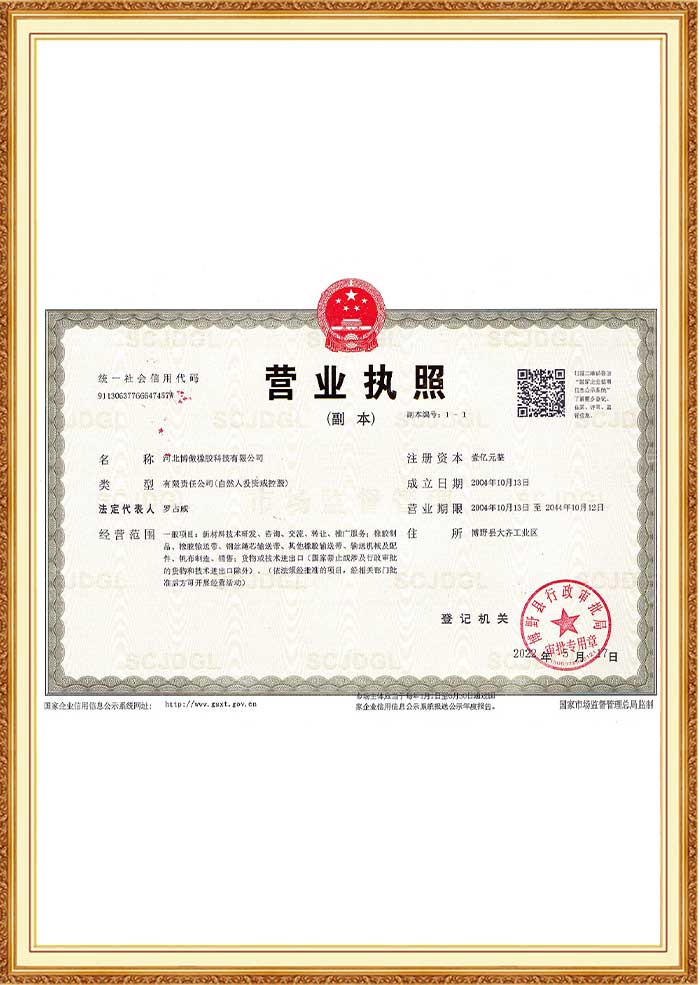
Pioneering the transition from traditional black rubber profiles toward smart, high-durability, energy-efficient synchronous drives.
As industrial production speeds increase and operational margins tighten, traditional rubber belting must evolve. Modern synchronous setups are exposed to higher rotational speeds, rapid stop-start stress cycles, and extreme temperatures. To address these demands, our engineering department focuses on three primary developments:
Standard chloroprene (neoprene) belts perform well under general operating conditions, but fail in high-temperature environments. By upgrading to ethylene propylene diene monomer (EPDM) and hydrogenated nitrile butadiene rubber (HNBR), our belts operate reliably in ambient temperatures ranging from -40°C to +150°C. EPDM provides excellent resistance to ozone degradation and flex cracking, while HNBR offers the oil resistance needed for heavy-duty automotive, mining machinery, and chemical processing environments.
While steel cord reinforcements remain the standard for high-tension conveyor belts, toothed drive belts require high flex fatigue resistance and minimal elongation. Our next-generation transmission belts feature carbon fiber tensile members and high-modulus aramid cords. These materials offer exceptional dimensional stability, ensuring tooth pitches align precisely with pulleys over years of operation.
The future of heavy-duty material handling lies in predictive maintenance. Our current research focuses on integrating RFID microchips and conductive sensing paths directly into the belt's backing layer. These sensors monitor structural integrity, splice stress, and wear patterns in real-time, sending data to operators before a mechanical failure occurs.
"By using modern elastomer compounding and aramid cord designs, we have reduced belt stretch by up to 75% compared to polyester-reinforced alternatives. This ensures precise tracking and prevents tooth-jump failures in high-torque industrial machinery."
From large-scale mining operations to structural steel mills, Jinao brand components deliver reliable material transport and power transmission.
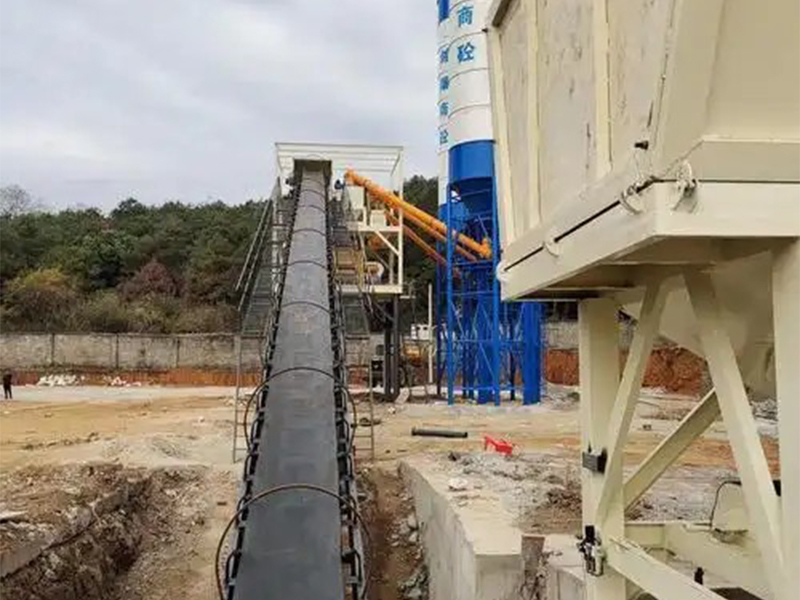
Infrastructure & Construction
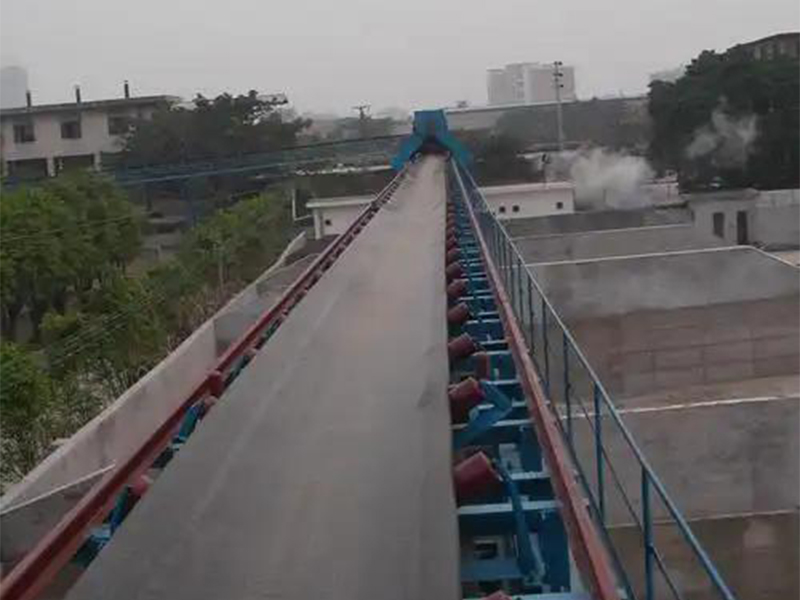
Aggregates & Conveyance
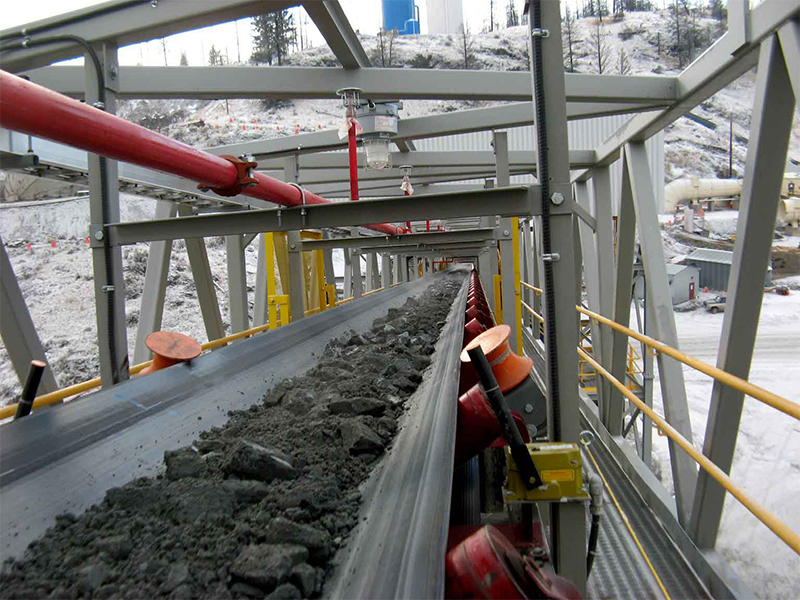
Heavy Mining & Transport
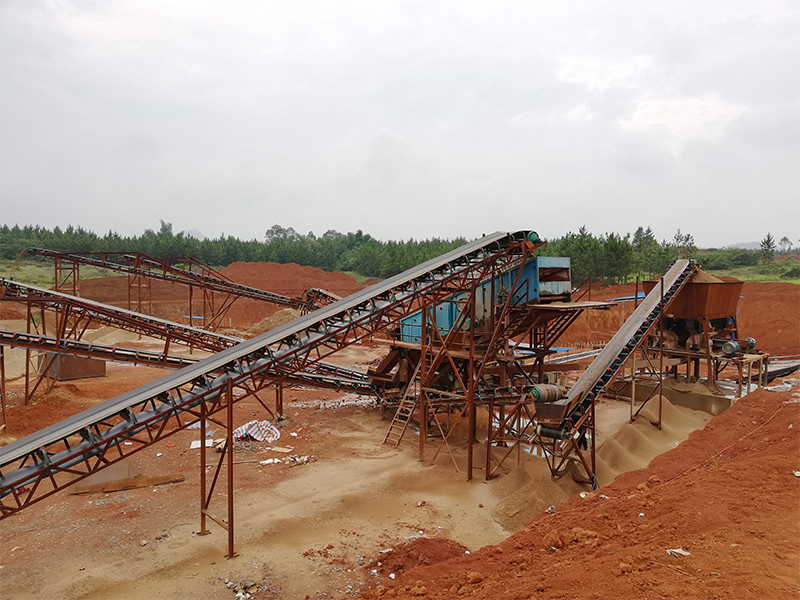
Stainless Steel & Metallurgy
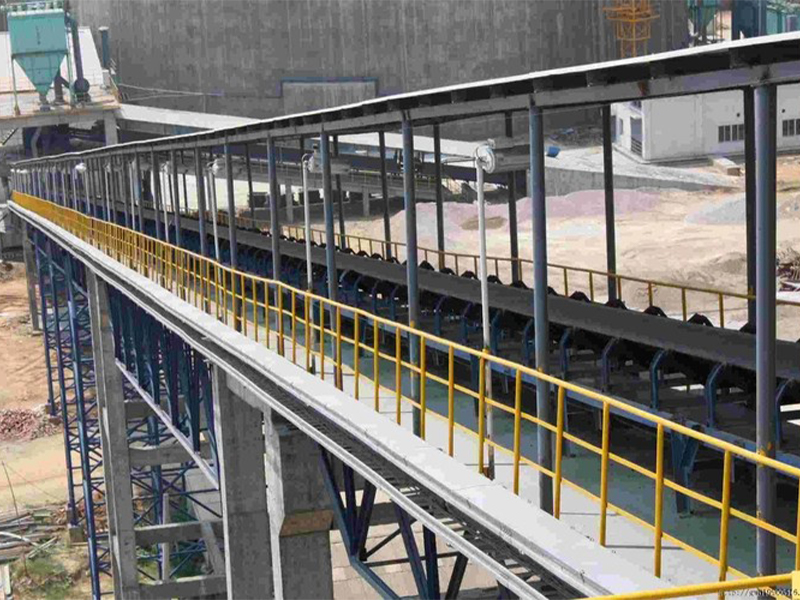
Extreme Heat Environments
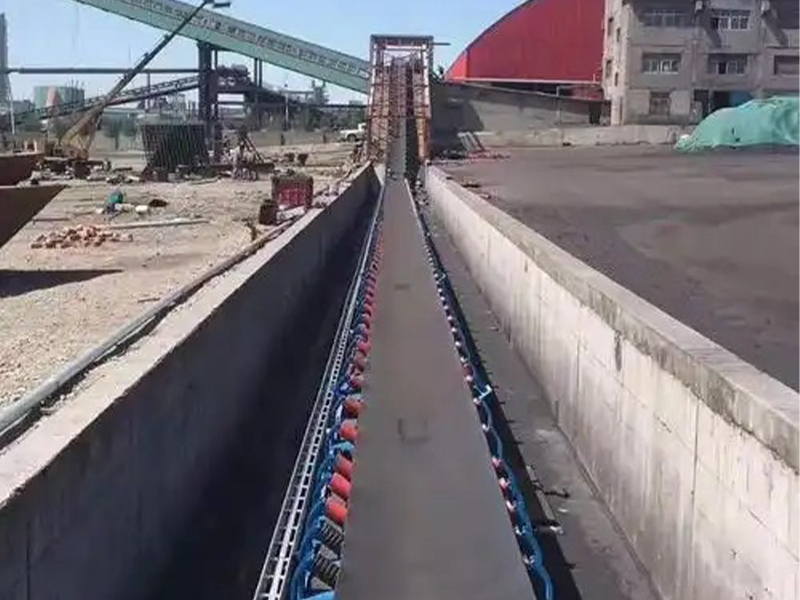
Coal & Mineral Transit
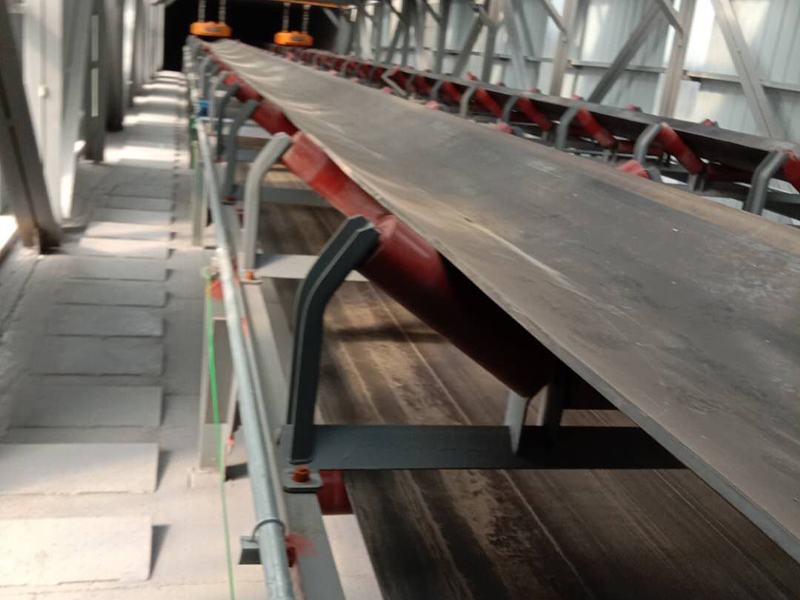
Heavy Metallurgy & Processing
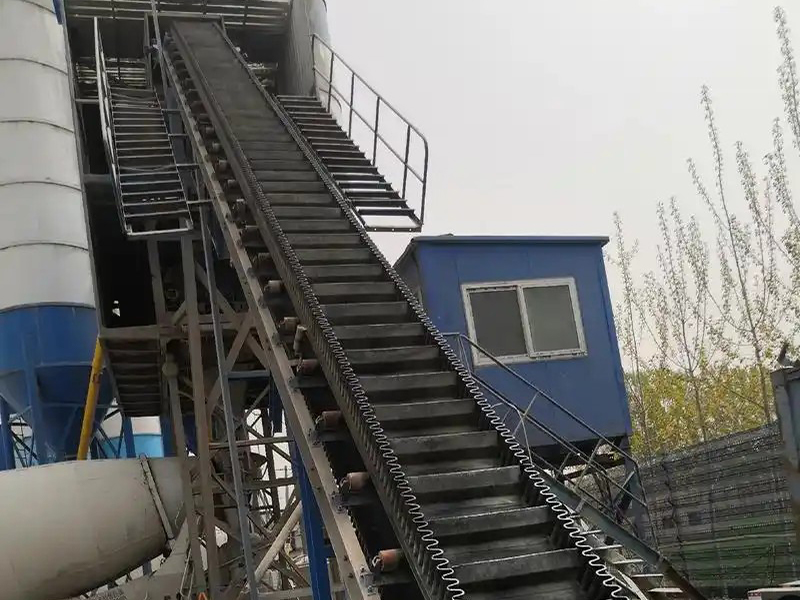
High Impact Heavy Industry
In addition to belt manufacturing, we provide complete technical service plans. Working with multiple suppliers can complicate operations. We simplify this by serving as a single source for customized belt designs, structural calculations, and ongoing support. Our engineering services cover four main areas:
Expert answers addressing the selection, maintenance, and material science of advanced industrial rubber belts.
Explore our complete range of high-performance conveyor and transmission belts, built for reliability in demanding operating conditions.
Contact our engineering department to discuss custom tooth profiles, material formulations, tension calculations, or pricing options for your project.
Inquire Now Boao Rubber