Engineered for extreme performance and continuous material handling demands under strict regulatory frameworks.
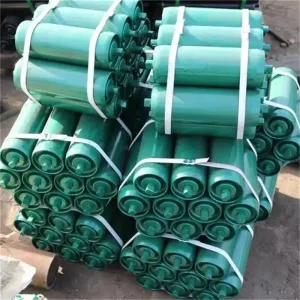
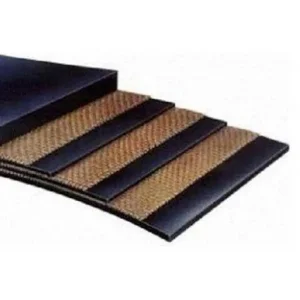
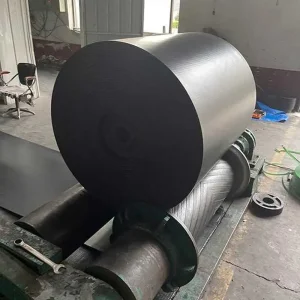
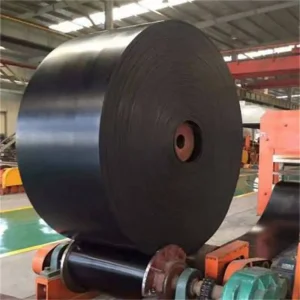
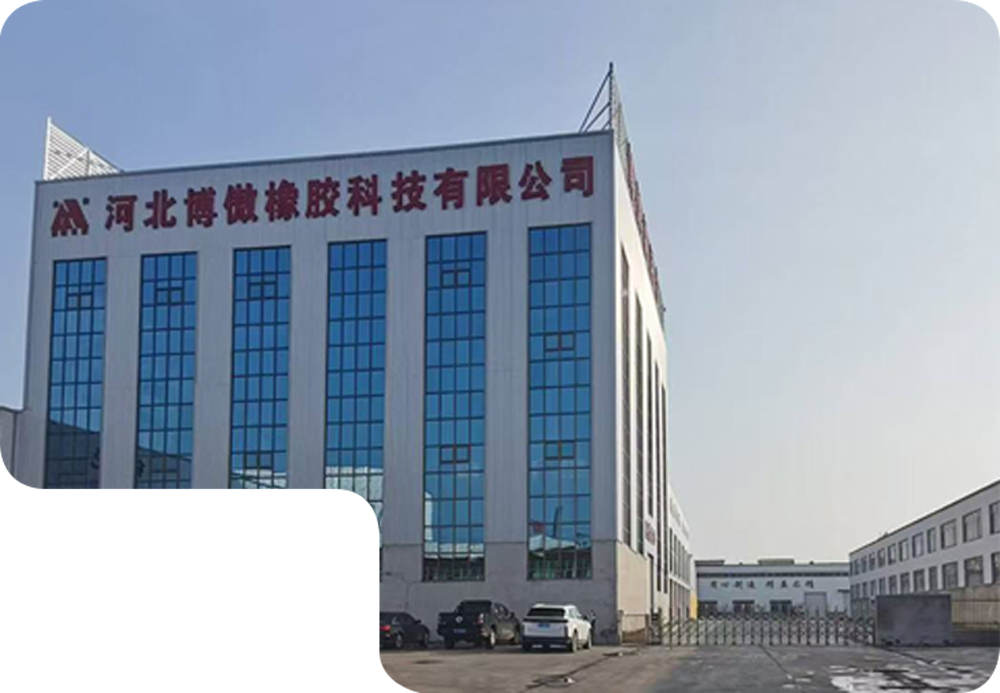
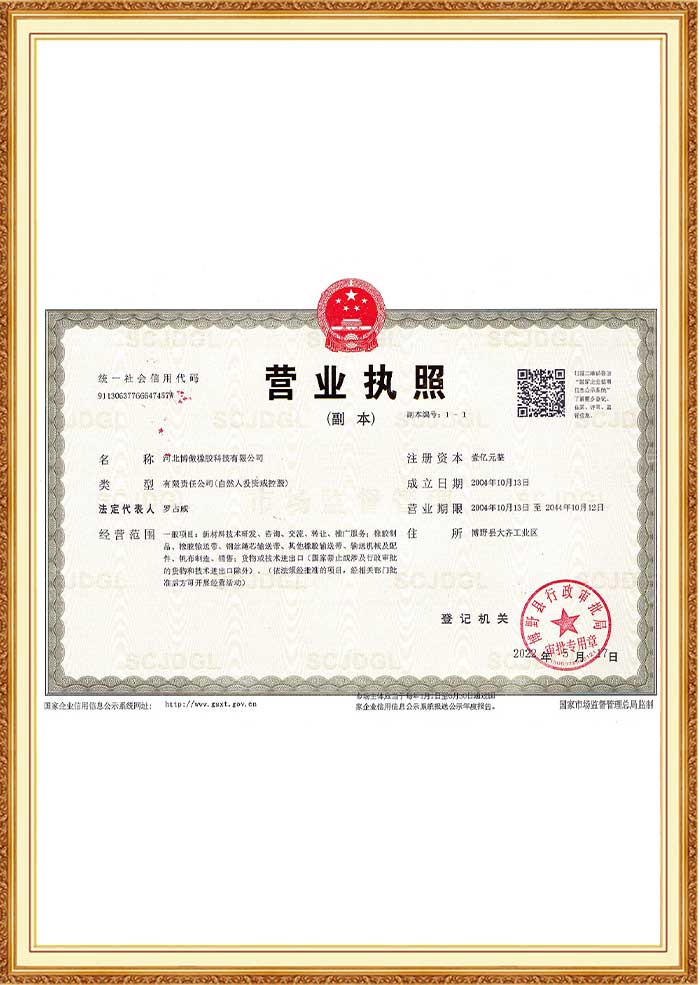
Located in the prestigious Rubber Industrial Park of Boye County, Baoding, Hebei Province, Hebei Boao Rubber Technology Co., Ltd. (established in 2004, covering over 30 acres) operates as an ISO-certified, enterprise-grade engineering powerhouse. Under our registered brand "Jinao", we lead the research, development, custom design, manufacturing, and supply of industrial conveyor belts and premium conveyor machinery accessories. Our facility integrates automated rolling, advanced heat-forming, continuous vulcanization, and material-integrity testing under one roof, guaranteeing robust components for demanding clients in Tokyo, the greater Kanto area, and worldwide heavy industries.
Consult with Our Engineers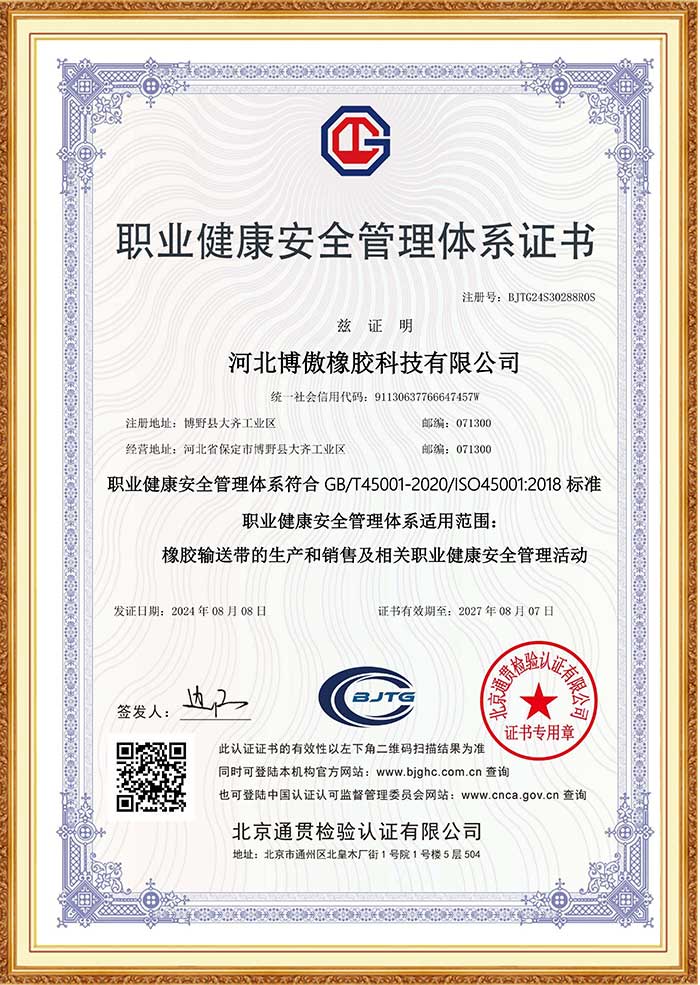
ISO 9001
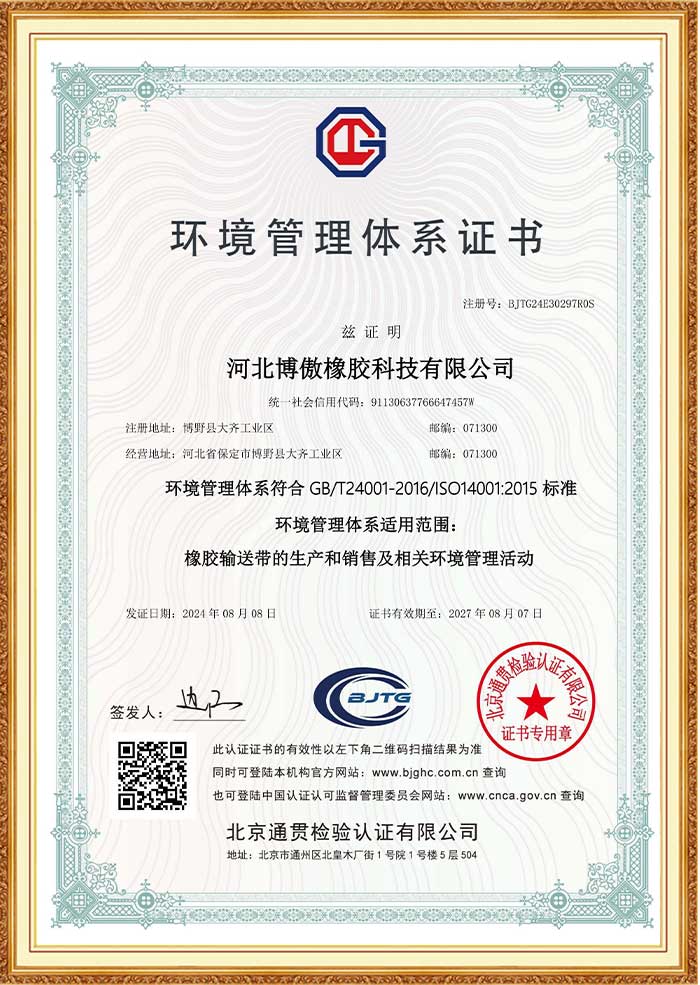
EMS Standard
OHSAS 18001
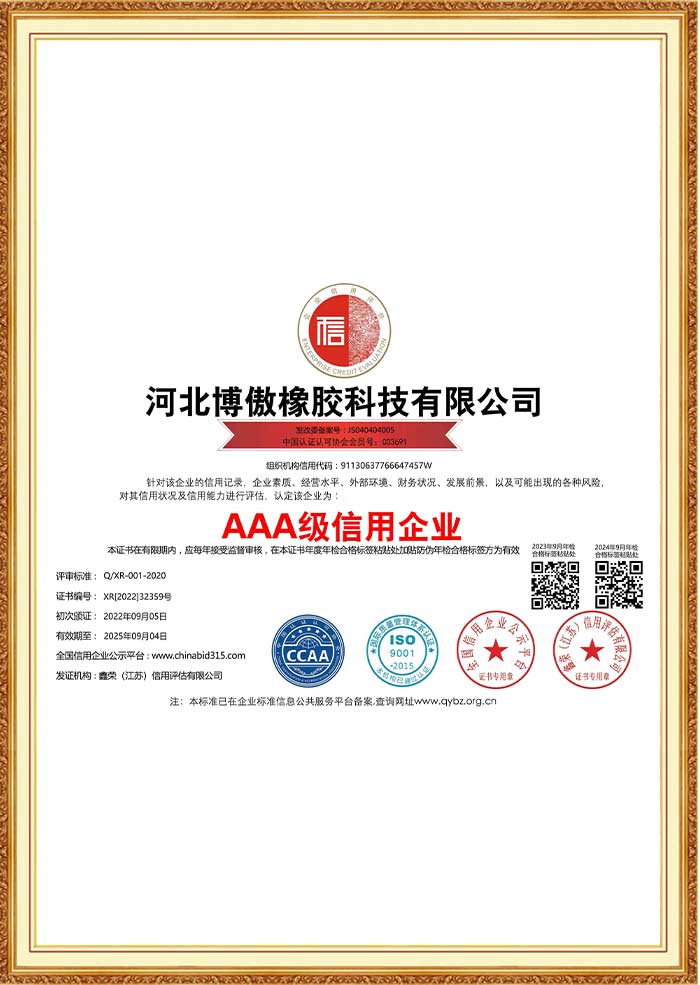
GB Compliance
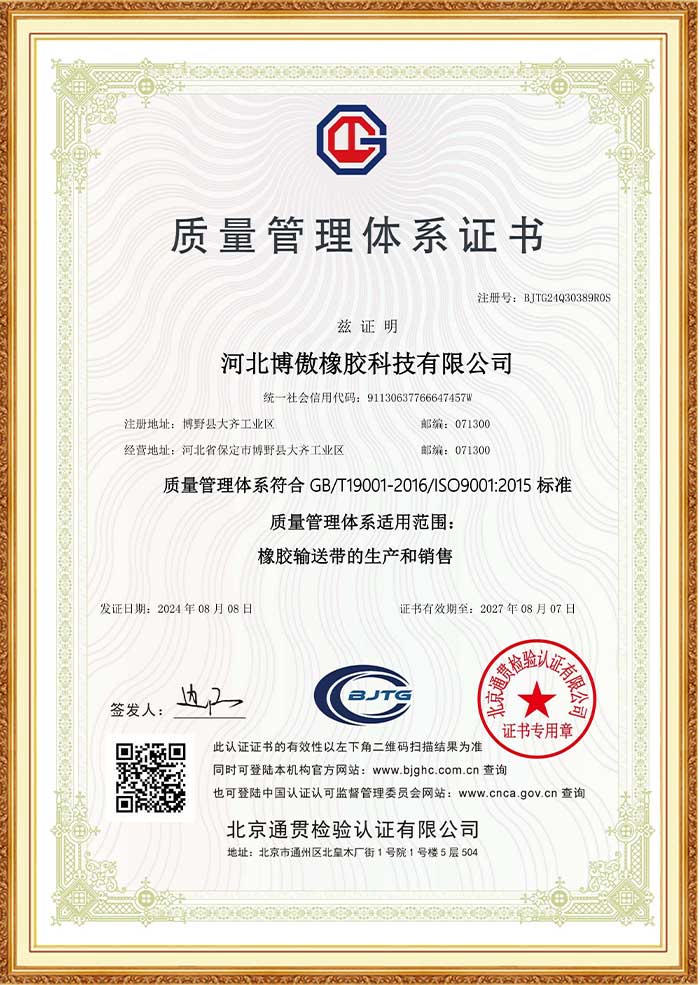
Export Quality Cert
An authoritative analysis of logistics pipelines, compounding chemistry, and sustainable infrastructure developments.
The Greater Tokyo Area forms the largest urban metropolitan economy in the world. Behind this dense cluster of high-tech firms, residential towers, and automated commercial hubs lies an intricate, high-throughput logistical framework. The Port of Tokyo handles upwards of 80 million tons of cargo annually, shifting vast volumes of dry bulk materials, construction raw elements, post-industrial packaging, and heavy parts every day. High land values, restricted footprints, and stringent noise, vibration, and safety codes mean that urban transport systems must operate within optimized, vertical, and enclosed paths.
To achieve high-efficiency throughput without expanding physical footprints, industries in Tokyo are switching from flat layouts to vertical and high-angle material transport systems. These configurations place major demands on belt structural integrity, requiring specialized high-angle wavy-edge conveyor belts, anti-tear steel-wire reinforcements, and highly resilient rubber compounds that do not deform or leak fine materials under continuous operations. Our company provides products designed for these exact needs, offering high-durability, space-saving layouts that match Tokyo's tight industrial footprint requirements.
Globally, bulk material transport systems are undergoing a deep transformation. Supply chain disruptions, combined with rising energy and material costs, make unexpected maintenance shutdowns extremely expensive. In mining operations, heavy steel mills, and marine terminals, a single day of belt failure can lead to hundreds of thousands of dollars in lost productivity. This has driven the industry to prioritize total lifecycle reliability over low initial purchase costs.
Modern processing complexes now require belts that resist heat, chemical degradation, extreme cold, and mechanical wear. For example, steel wire rope core belts are now widely utilized for high-load, long-distance transport, replacing traditional multi-ply fabric belts in deep mining and high-capacity port terminals. These steel-reinforced systems exhibit minimal elongation under load, which significantly reduces the tension-adjustment footprint and lowers energy draw across long installations.
“Operational efficiency in modern conveyor design is no longer just about load capacity. It is defined by how well the belting compound resists local environmental stress while minimizing systemic drag, rolling resistance, and maintenance downtime.”
The convergence of conveyor system hardware and digital intelligence is reshaping bulk logistics. "Smart Rollers" integrated with high-sensitivity thermal and acoustic micro-sensors are becoming standard in modern facilities. These embedded sensors monitor continuous vibration, internal bearing temperatures, and alignment deviations, transmitting telemetry to AI-driven predictive maintenance platforms.
Through real-time telemetry, maintenance teams can identify a failing idler roller weeks before a catastrophic freeze, preventing thermal damage or tearing to the expensive belt. Additionally, modern vulcanization processes now incorporate smart tracking chips inside the rubber layers, enabling operators to trace manufacturing batch, service history, and remaining rubber thickness digitally.
Conveyor belts operate in harsh environments, from sub-zero logistics chains to super-heated coke plants. Custom chemical compounding is critical to meeting these varied demands:
Global ESG regulations have pushed bulk material handling toward greener solutions. Because large conveyor lines consume significant amounts of electricity, reducing system drag is key to lowering carbon emissions. We develop Ultra-Low Rolling Resistance (ULRR) rubber compounds for the bottom cover of our belts. These formulas reduce indentation losses as the belt rolls over idlers, saving up to 15% of energy consumption.
In addition to saving energy, we focus on eco-friendly manufacturing. Our production lines use closed-loop heat recovery to capture vulcanization steam, and we actively work to incorporate recycled rubber and plant-derived polymer binders. By extending the service life of our products, we help our clients minimize industrial waste and move toward carbon neutrality.
Proven reliability in demanding operating environments worldwide.
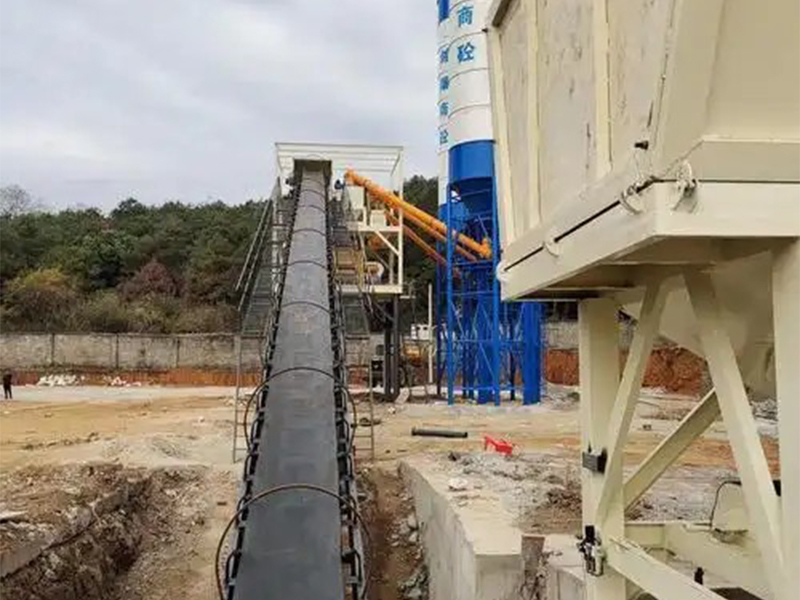
Heavy-duty corrugated sidewall conveyor belts installed for high-angle sand and aggregate transit.
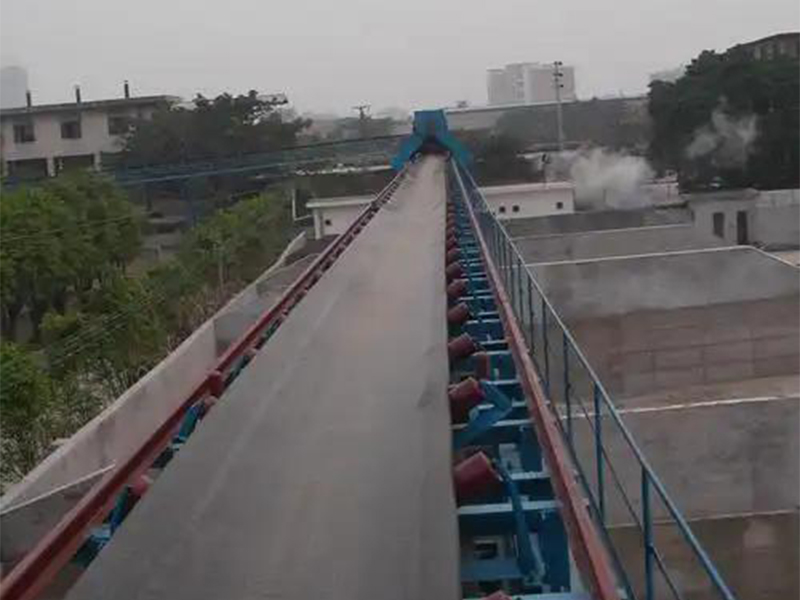
EPDM heat-resistant belts used to transport hot clinker at temperatures consistently exceeding 180°C.
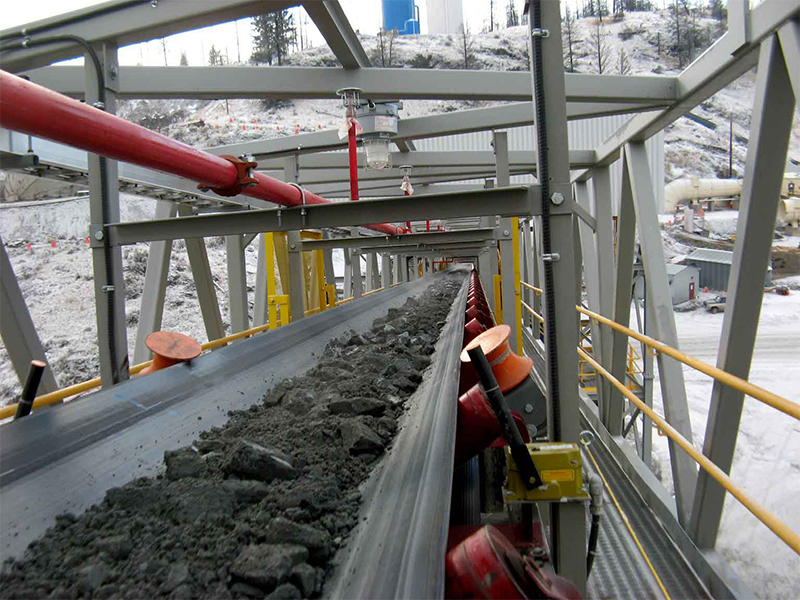
Flame-retardant steel wire rope core belts designed to prevent sparks and underground fire hazards.
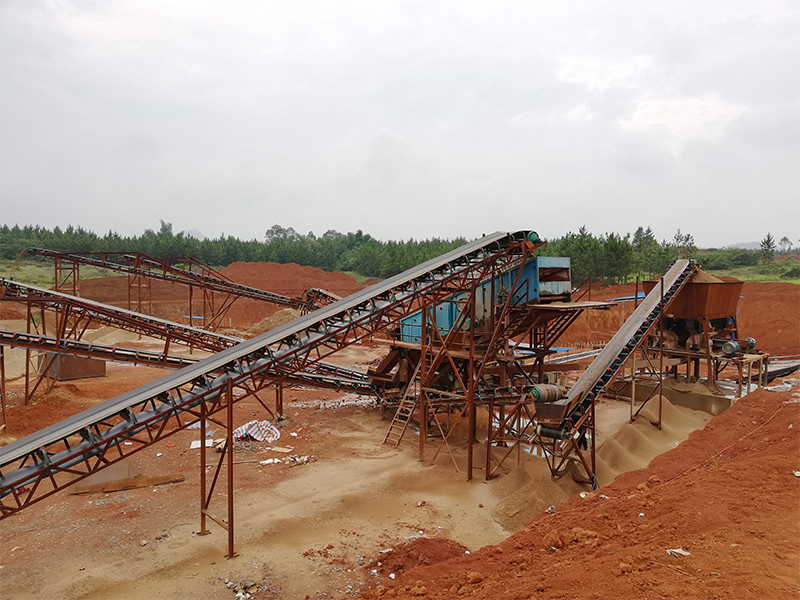
Acid- and alkali-resistant belts installed for handling raw corrosive ores at international processing plants.
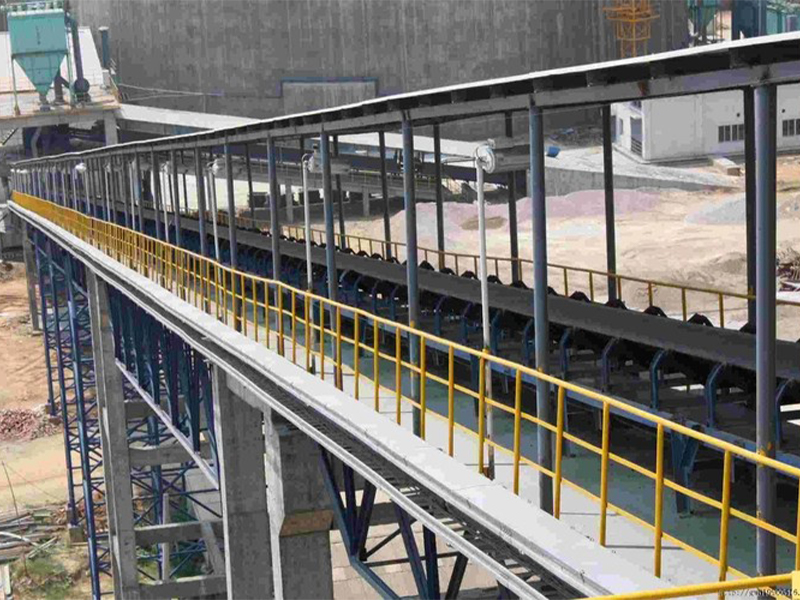
High-durability chevron patterned belts used for material transport up steep inclines.
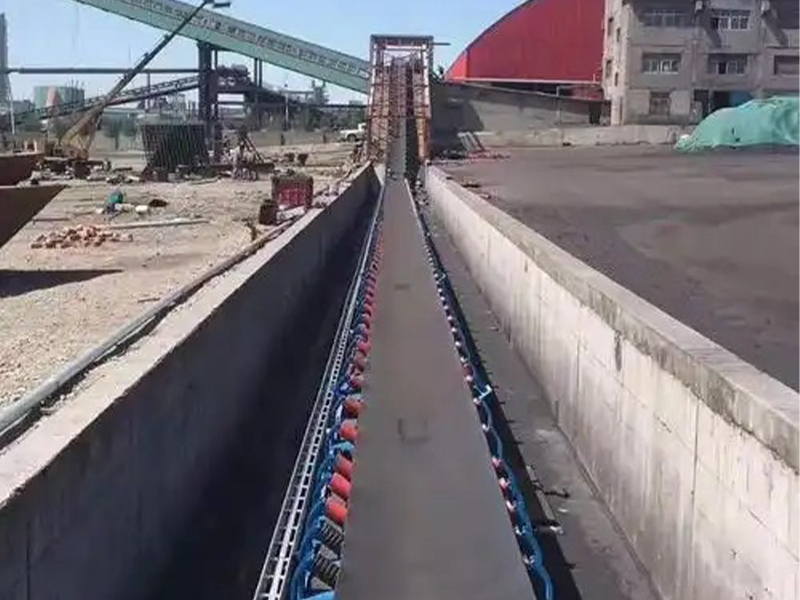
Abrasion-resistant belts installed for continuous operations in major mining operations.
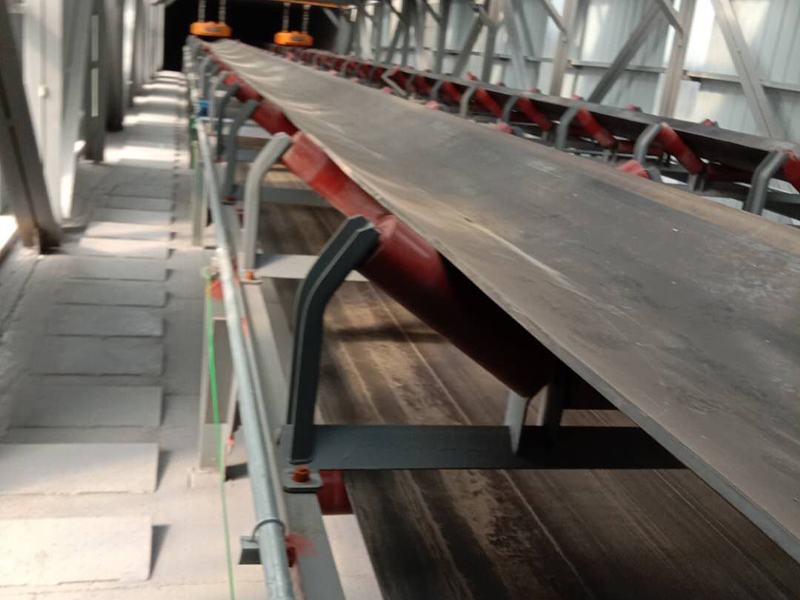
Specialized heat-resistant belts designed for moving iron ore slag under extreme thermal conditions.
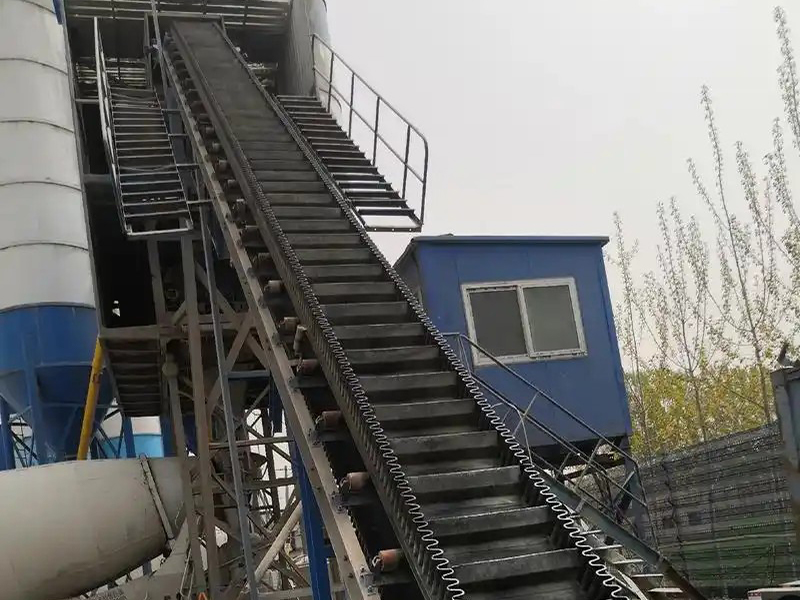
Nylon (NN) reinforced conveyor belts engineered for heavy impact handling at blast furnace feeders.
End-to-end support, from planning and material selection to scheduled maintenance and joint inspections.
We analyze system characteristics, loading heights, ambient temperatures, and chemistry profiles to ensure the selected belt matches your operating conditions.
Using precise rolling and vulcanization equipment, we build custom fabric, steel core, and chemical-resistant cover layers designed to meet your specific requirements.
We handle customs clearance, import documentation, and secure packaging to ensure components arrive safely and on time at your facility.
Answers to common engineering and sourcing questions for Tokyo and international buyers.
Select from our complete range of specialized industrial belts and heavy-duty rollers.
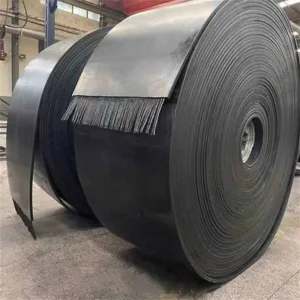
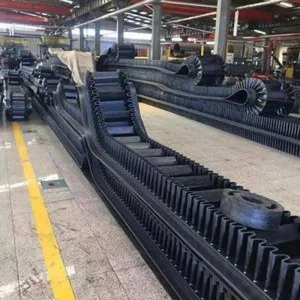
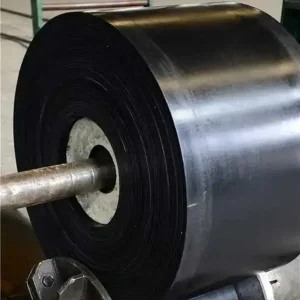
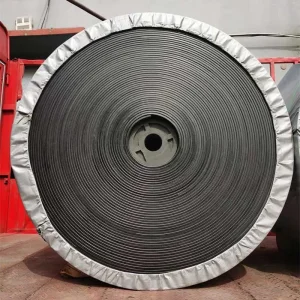
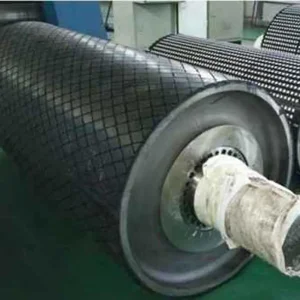
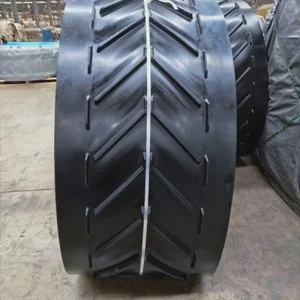
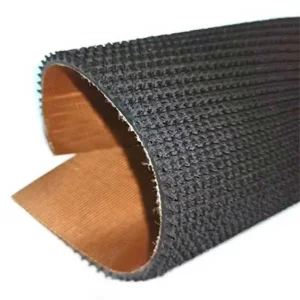
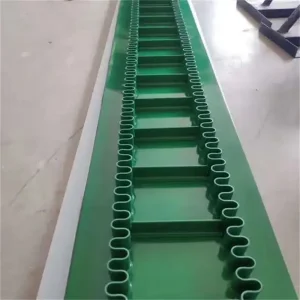
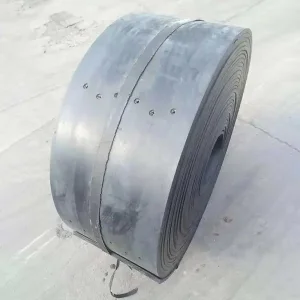
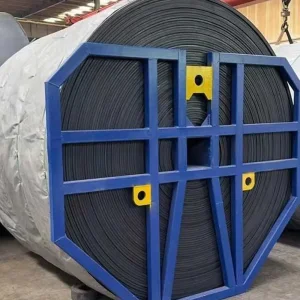
Highly durable solutions designed for demanding industrial environments.
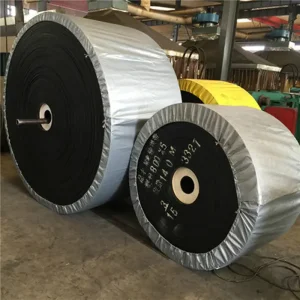
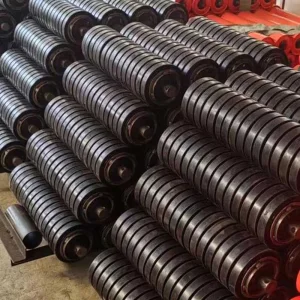
 Boao Rubber