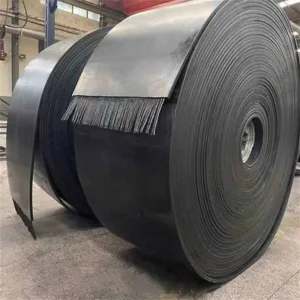
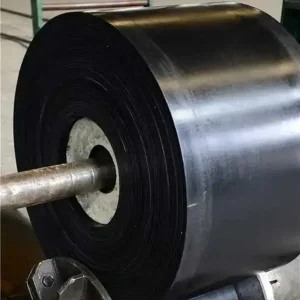
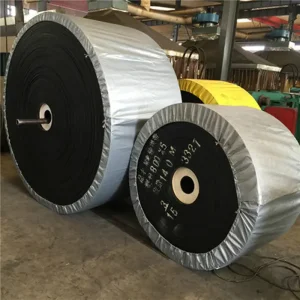
Heavy-duty configurations designed to perform in the demanding mineral fields and quarries of Lesotho.
Years Experience
Acres Factory Area
ISO Quality Certified
Technical Support
An in-depth analysis of bulk handling solutions optimized for high altitudes, abrasive geology, and logistical challenges.
Lesotho's industrial and mining sectors operate under unique and demanding circumstances. With elevations consistently exceeding 1,400 meters—and climbing to over 3,000 meters in mining hubs like Letšeng—bulk material transport systems face geographic challenges unseen in lower altitude areas. High UV radiation, substantial temperature swings between hot African days and sub-zero winter nights, and the highly abrasive nature of kimberlite, basalt, and sandstone require heavy-duty conveyor belts that resist premature aging, cracking, and tearing.
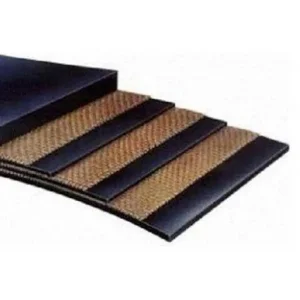
Developing conveyor solutions for these mountainous areas requires high-strength nylon (NN) and polyester (EP) textiles, reinforced steel wire rope cores, and ozone-resistant covers. Hebei Boao Rubber Technology Co., Ltd. uses its 22-year manufacturing background to provide custom conveyor systems that match these environmental conditions, helping Lesotho's mines, cement plants, and quarries run efficiently with minimal downtime.
In high-altitude areas like the Maloti Mountains, standard rubber compounds degrade quickly due to atmospheric ozone and intense UV exposure. The cross-links in natural and synthetic rubbers break down, causing surface micro-cracks that grow under stress. Furthermore, cold mountain winter temperatures can make regular rubber stiff and brittle, leading to higher rolling resistance, belt slippage, and splice failures.
Boao's R&D team addresses this by blending cold-resistant polymers and antioxidants into the elastomer matrix. Our cold-resistant conveyor belts remain flexible and functional at temperatures as low as -40°C. This compound maintains elasticity, keeps the rubber-to-fabric adhesion strong, and reduces power consumption during cold-start operations in freezing conditions.
Industrial operations in Lesotho, such as basalt quarrying and processing, deal with sharp, heavy materials that drop directly onto belts from heights. Without protection, this can puncture or cut the belt. High-performance rubber impact idlers and buffer rollers help cushion this force. To protect the conveyor belt further, anti-tear steel cord belts with cross-rigid reinforcement resist rips and tears from trapped metal or sharp stones.
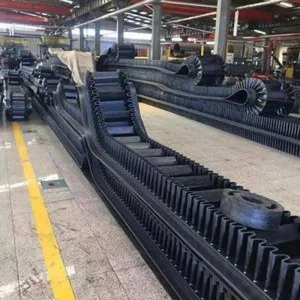
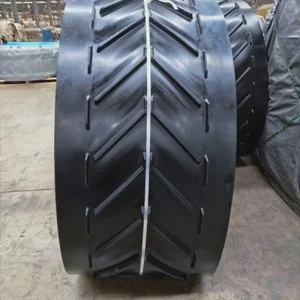
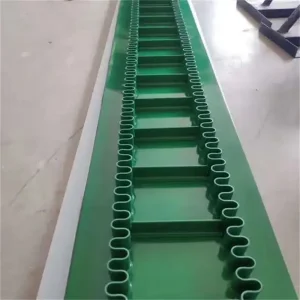
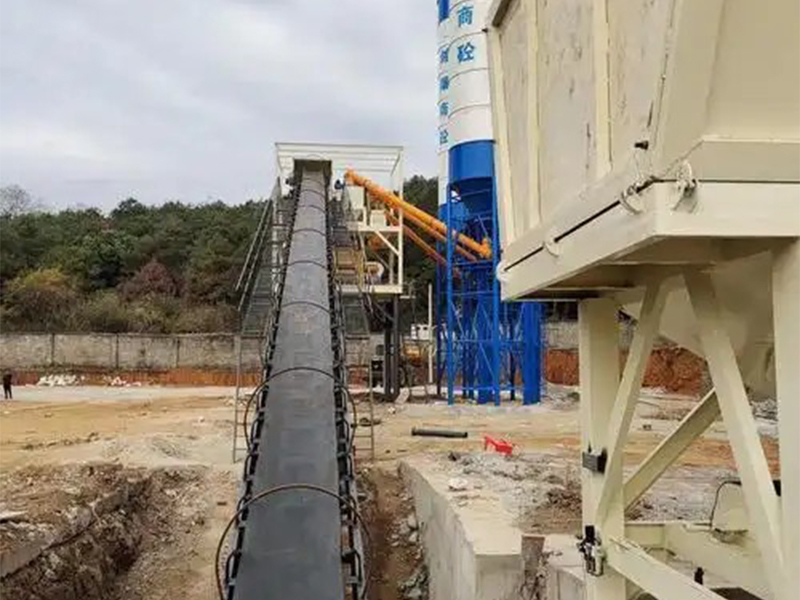
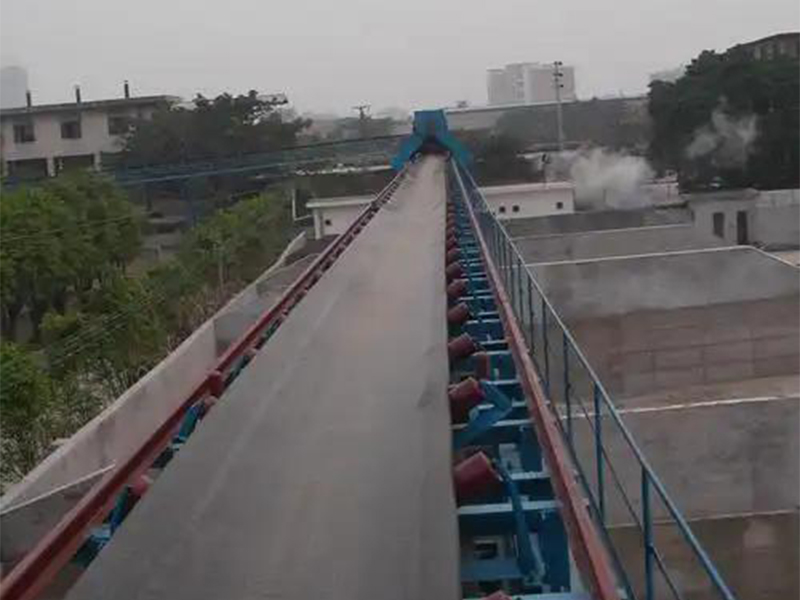
For steep-incline transport, we offer wavy edge conveyor belts and patterned chevron belts. These designs prevent material back-sliding on angles up to 90 degrees, helping facilities maximize vertical lift in tight, mountainous spaces.
Our 22-Year Heritage of Manufacturing Excellence, Rigorous Testing, and Global Standards Compliance.
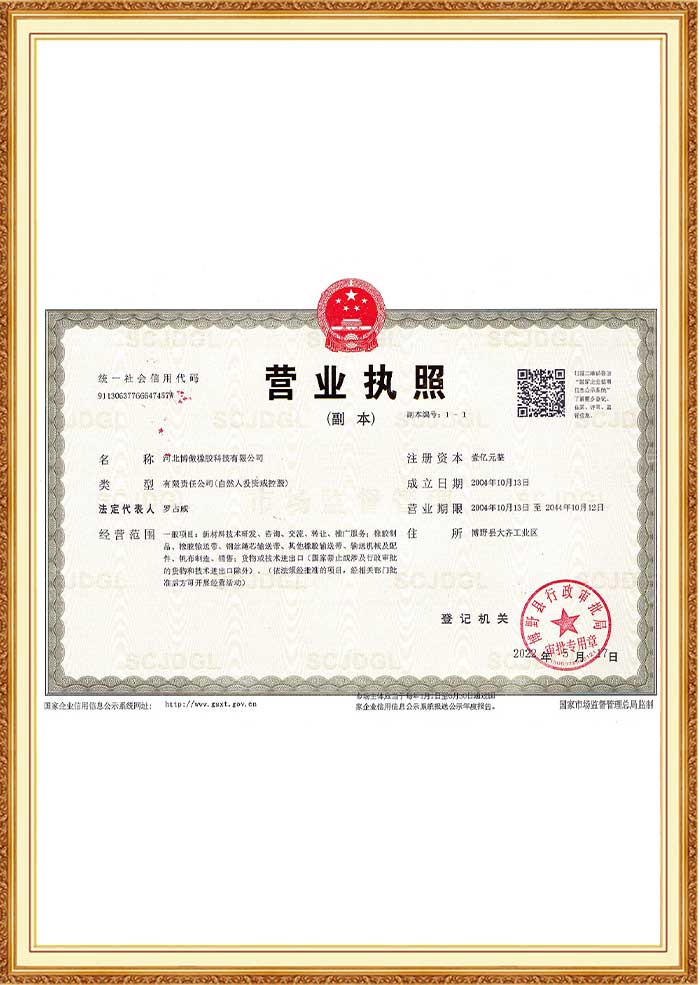
Located in the Rubber Industrial Park of Boye County, Baoding, Hebei Province, Hebei Boao Rubber Technology Co., Ltd. covers an area of over 30 acres. Since our founding in 2004, we have grown into a professional manufacturer that integrates product development, research, design, production, and after-sales service for conveyor belts and conveyor accessories.
Under our brand name "Jinao", we run advanced production lines for rolling, forming, vulcanization, and material testing. This setup allows us to monitor quality from raw chemical inputs to the finished product, keeping our output compliant with international standards.
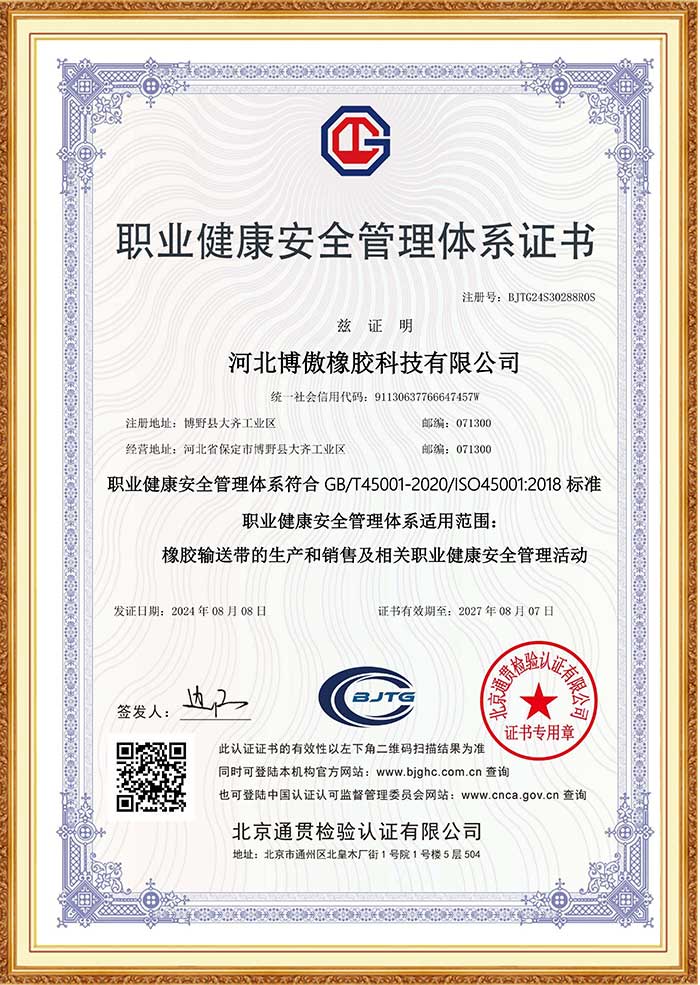
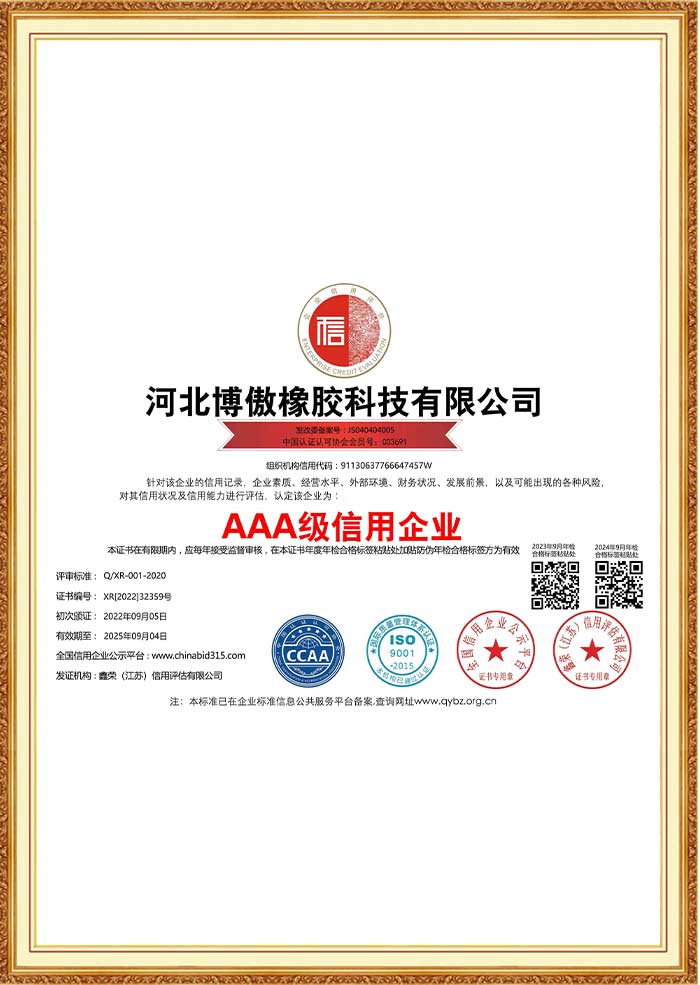
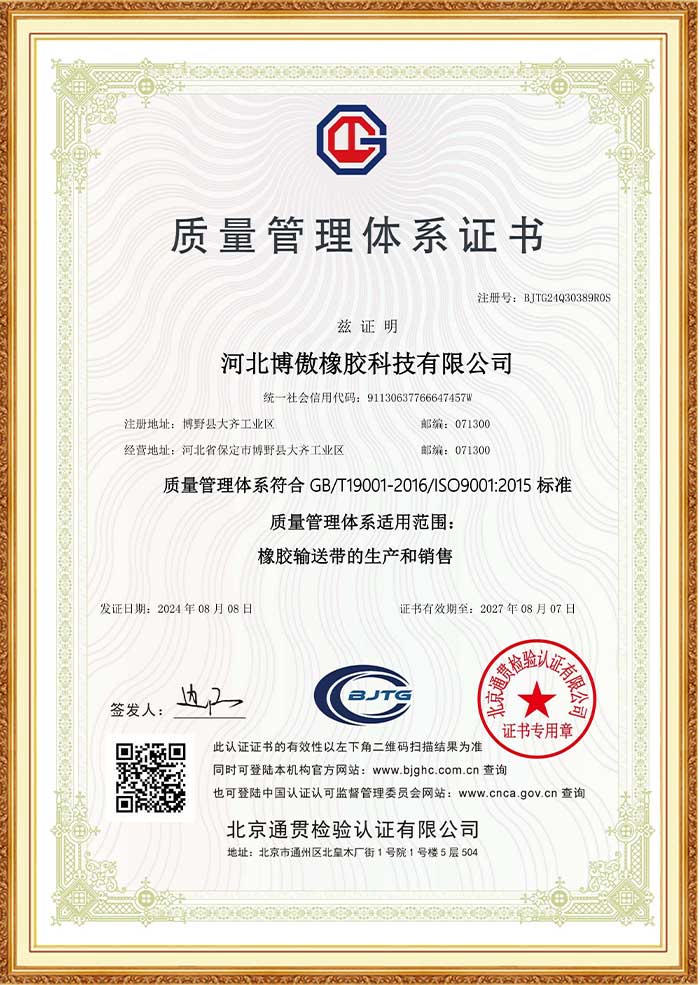
Our facility is ISO 9001 certified. We operate an independent physical laboratory and chemical analysis room to test tensile strength, abrasion resistance, and safety parameters before any shipment is cleared.
Contact Our Engineering Team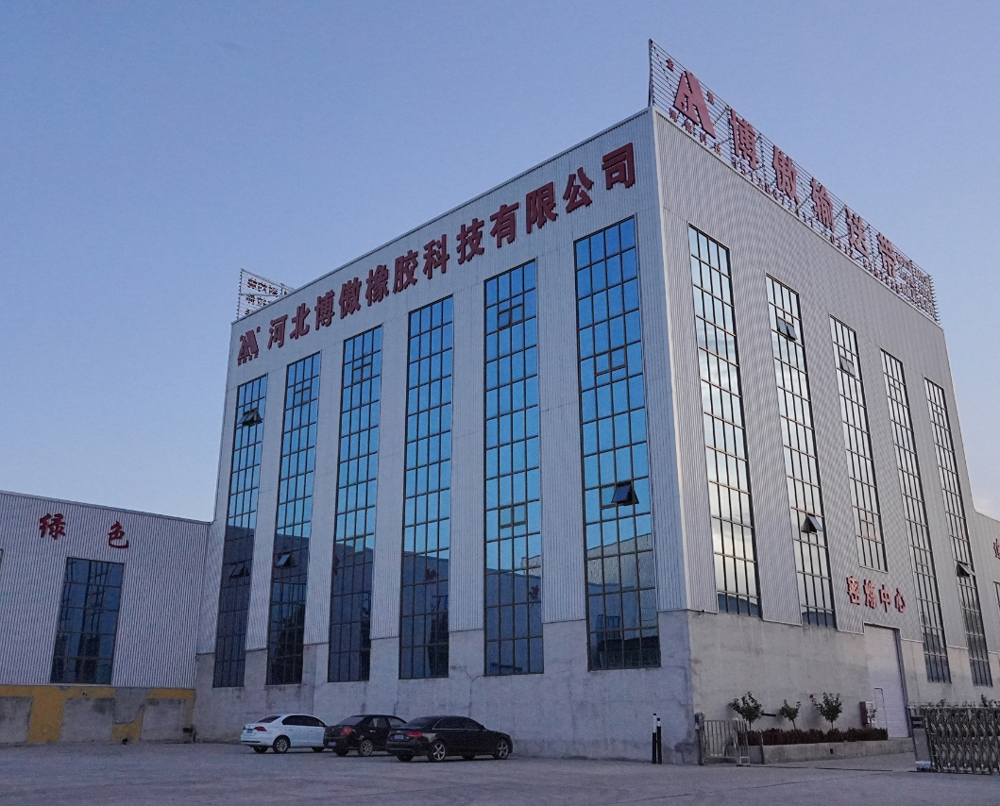
Complete product customization, local logistics support, and comprehensive field services.
We manage shipping routes from China to the Port of Durban, South Africa, followed by direct truck delivery across the border into Maseru, Maputsoe, and remote mining sites in Lesotho, ensuring secure and predictable arrivals.
Our laboratories test raw rubber batches, synthetic materials, and steel wire cords. Every belt is checked for tensile strength, elongation at break, abrasion loss, and flame retardancy before shipment.
We provide structural technical plans, hot vulcanized splicing guidance, on-site wear diagnostics, and maintenance schedules to help operators extend the service life of their material handling equipment.
Our products are used by major organizations worldwide, demonstrating our ability to handle complex, large-scale projects.
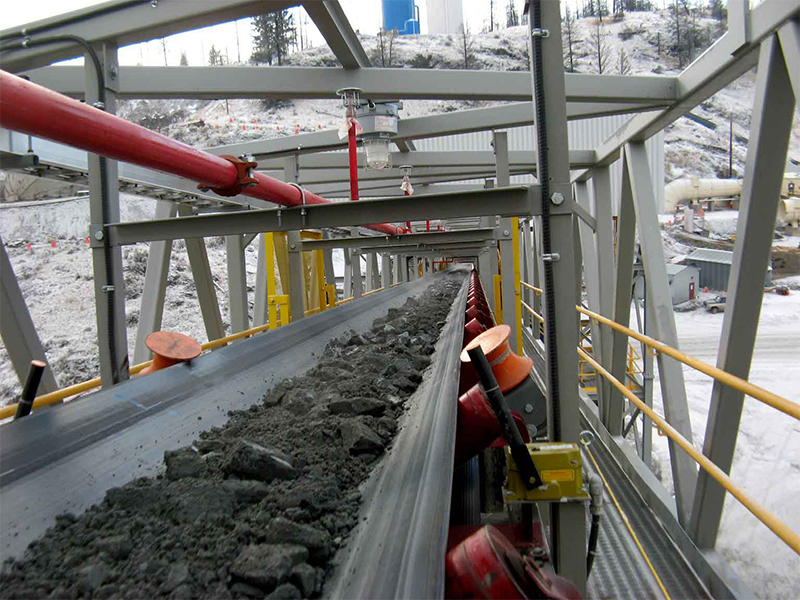
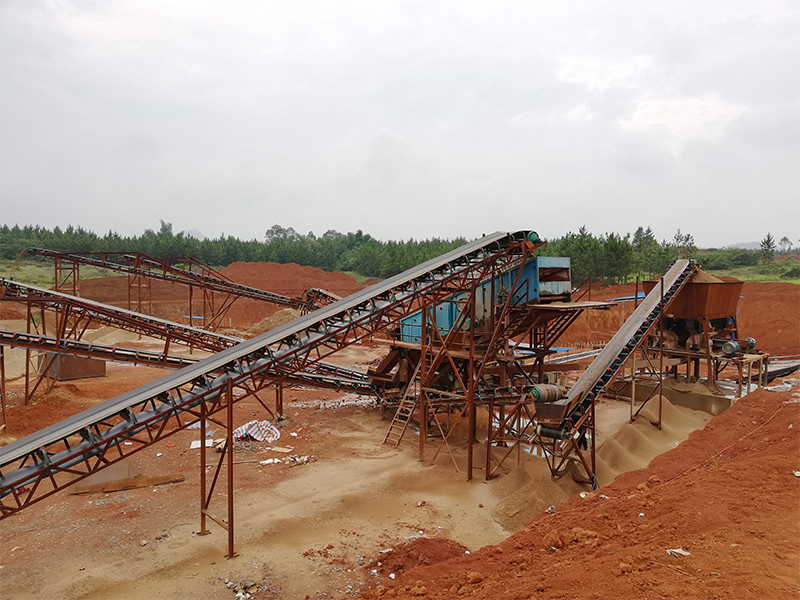
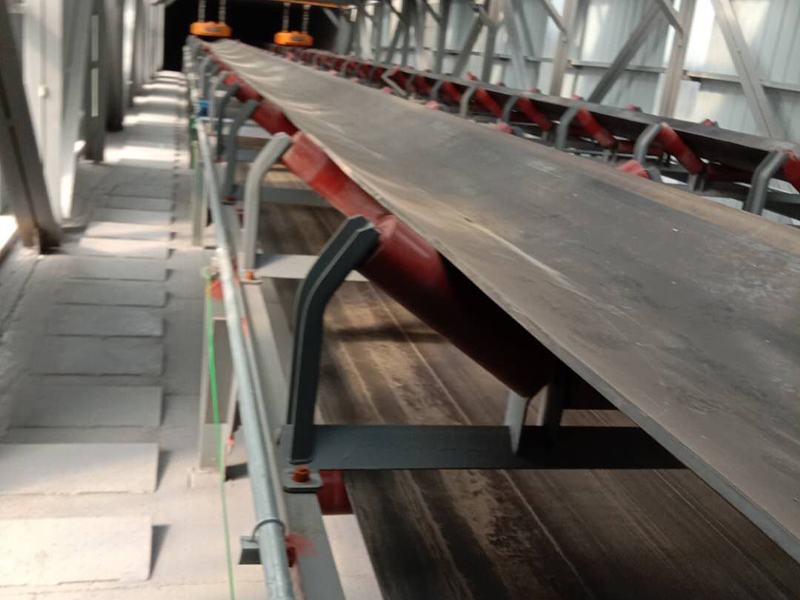
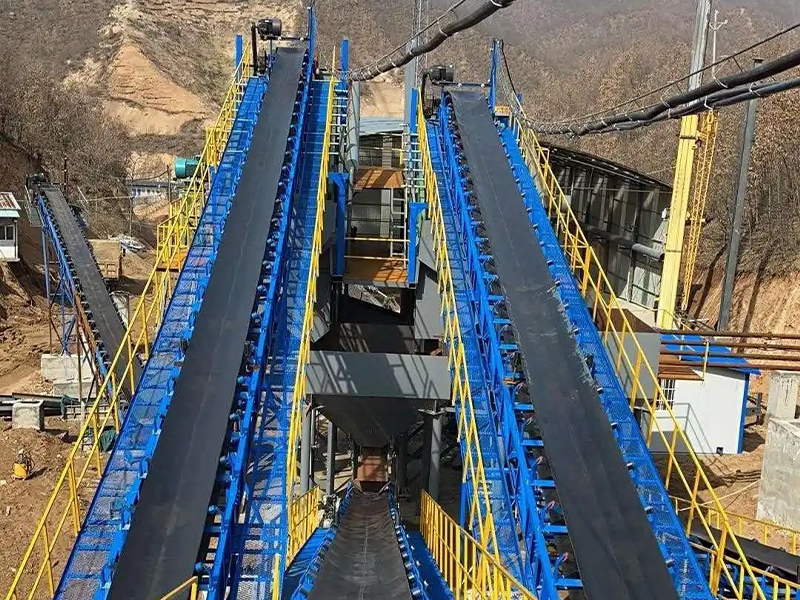
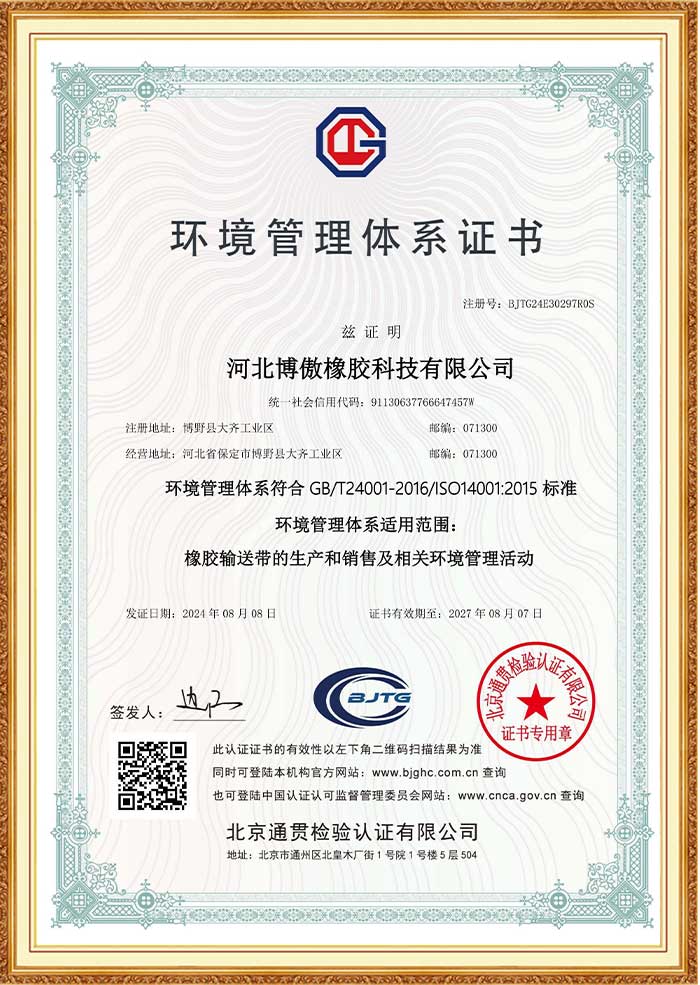
Fully compliant with international quality and safety benchmarks, customized for Lesotho's logistics and topography.
Covering the remaining range of high-temperature, impact-absorbing, vertical lift, and anti-tear belting solutions.
Choosing between Nylon-Nylon (NN) and Polyester-Polyester (EP) carcass fibers depends on the application's physical requirements. NN belts are known for their high elasticity, impact resistance, and flexibility, making them suitable for long-distance transport of heavy, jagged materials that cause structural stress. Their elasticity allows the belt to bend easily over pulleys and return to shape after impact.
Conversely, EP belts offer a high modulus of elasticity, minimal elongation under load, and resistance to water and heat. Because EP belts stretch very little, they are a practical option for systems with short take-up travel distances or areas with variable humidity, as the synthetic polyester fibers do not absorb moisture or lose strength when wet.
Basalt is highly abrasive, registering high on the Mohs scale of mineral hardness. Conveying basalt fragments requires top-cover compounds designed to resist cutting, gouging, and scoring. Hebei Boao Rubber Technology Co., Ltd. manufactures covers compliant with international standards (such as DIN 22102 and SANS 1173), offering options with low volumetric abrasion loss (often below 90 mm³).
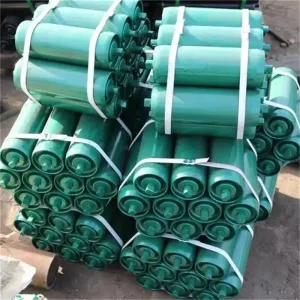
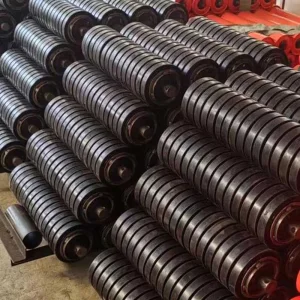
To reduce wear, it is also important to maintain the conveyor idlers. Sealed bearings, dust-proof caps, and precise concentricity in trough-type and suspended idlers minimize drag. This keeps the belt running smoothly, reduces friction, and lowers the power needed to operate the system.
Shipping industrial goods into landlocked Lesotho requires organized logistics. Because the country is surrounded by South Africa, ocean freight from our factory in China is delivered to the Port of Durban. From Durban, the cargo travels by road or rail through border posts like Maseru Bridge, Maputsoe (Ficksburg), or Caledonspoort.
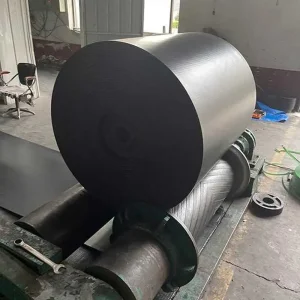
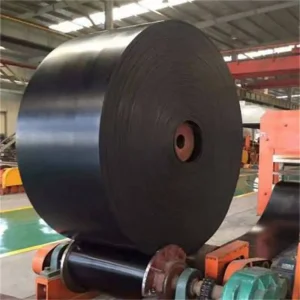
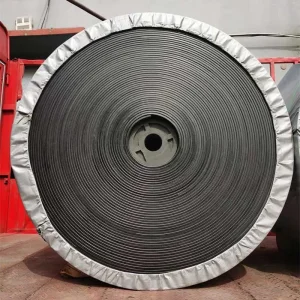
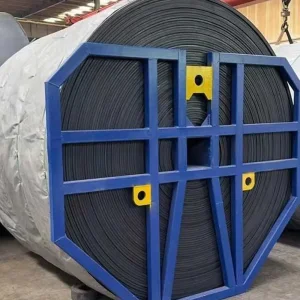
We work with regional freight forwarders to handle Southern African Customs Union (SACU) documentation and clearance. The conveyor belts are shipped on reinforced steel reels with weather-resistant packaging to prevent damage during transit, ensuring they arrive on-site ready for installation.
Answers to common questions about using, selecting, and maintaining conveyor systems in regional conditions.
High altitudes expose materials to increased ultraviolet (UV) radiation and ozone levels, which can accelerate the aging and cracking of standard rubber covers. Boao uses specialized anti-ozonant and anti-oxidant additives in our rubber compounds to protect the material from UV degradation, helping to maintain performance and extend service life in high-altitude environments.
Nylon (NN) belts offer high elasticity and impact resistance, making them well-suited for long-distance systems carrying large, heavy materials. Polyester (EP) belts have lower stretch under tension and resist moisture, making them practical for applications where take-up space is limited or environmental humidity varies.
Underground operations and enclosed processing facilities carry risks of friction-induced heat or electrical issues. Flame-retardant conveyor belts are formulated to self-extinguish when the heat source is removed, preventing fires from spreading along the conveyor line and helping to protect both personnel and equipment.
We package products in reinforced steel reels and ship them via ocean freight from China to the Port of Durban, South Africa. From Durban, we coordinate overland road transport through border posts such as Maseru Bridge or Maputsoe, handling the necessary transit documentation for smooth delivery.
Standard manufacturing for customized orders takes 20 to 30 days, depending on the specifications and volume. Shipping from China to Durban takes approximately 25 to 30 days, followed by 3 to 5 days for customs clearance and regional delivery to your site.
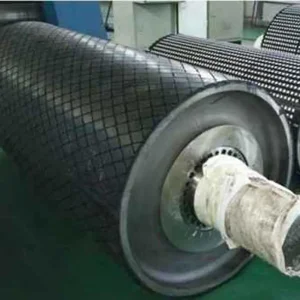
Yes. Under the "Jinao" brand, we manufacture a complete line of conveyor components, including ceramic pulleys, rubber buffer rollers, troughing frames, and self-aligning brackets. This allows customers to source complete, compatible conveyor systems from a single supplier.
Discuss your operational requirements, physical layout, and material challenges with our technical specialists. Get a comprehensive quote and material recommendation tailored for the Lesotho market.
 Boao Rubber