Heavy-duty structures and reliable rubber formulation engineered for metropolitan expansion, mining, and bulk delivery systems.
Sourcing demands for heavy logistics networks, infrastructure engineering, and high-performance equipment in South Korea.
The Seoul Capital Area (SCA) including Incheon and Gyeonggi-do is the economic and industrial engine of South Korea. While Seoul acts as the technological and financial headquarters, the surrounding region houses massive manufacturing zones, shipping terminals, and waste management complexes. Modern logistics parks supporting the Incheon logistics hub and Gimpo distribution centers demand robust, low-maintenance material handling systems. Seamless transportation of raw materials, packaging boxes, chemical ingredients, and minerals is a critical operational parameter for domestic suppliers.
South Korean enterprises are rapidly moving towards "Smart Logistics" and fully automated warehouse management. In this modern context, material handling is no longer a simple mechanical operation; it has become an integrated part of system analytics. Standard components are expected to provide longer operational lifespans, low-energy footprints, and extreme resistance to friction, environmental changes, and temperature variations.
*Compiled data based on industrial distribution profiles of major logistics networks surrounding Incheon Port and Seoul Subway Lines 7-9 construction expansions.
Understanding the strict engineering specifications and technological evolution of modern bulk conveyance.
With environmental audits tightening across South Korea, plants seek energy-saving rubber formulations. Optimizing the bottom cover layer reduces indentation rolling resistance, lowering system motor power usage by up to 12% in long-distance pipelines.
In thermal power stations, steel smelting, and chemical processing facilities throughout the Capital Area, conveyor belts must withstand continuous hot clinker (up to 200°C) or highly acidic sludge without cracking, splitting, or cover delamination.
Underground applications demand rigorous fire resistance profiles. Our flame-retardant industrial rubber is processed through advanced vulcanization, creating self-extinguishing covers conforming to global anti-static and fire-safety directives.
Designed to carry extreme tonnages over dynamic routes, steep inclines, and corrosive factory settings.
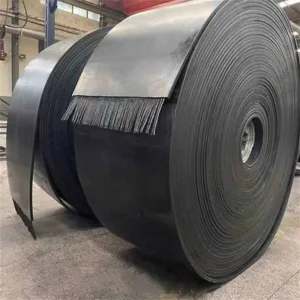
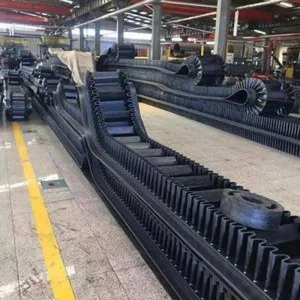
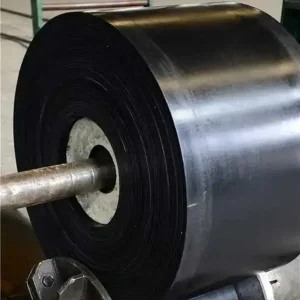
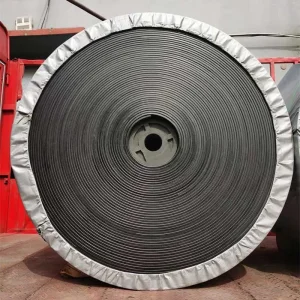
Product Brand: "Jinao"
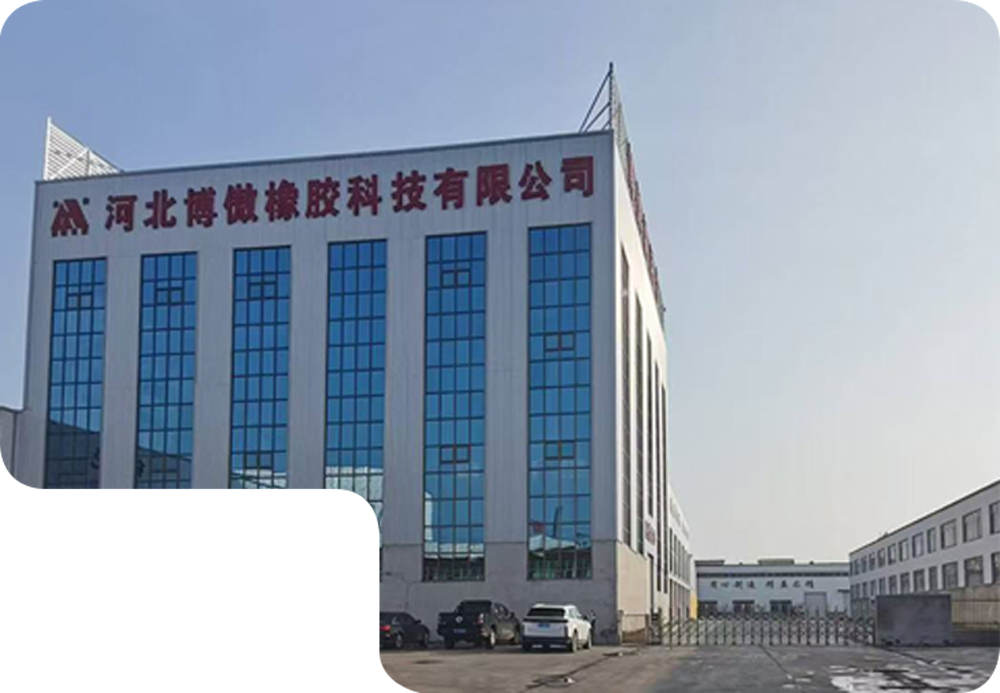
Established in 2004 and spanning an area of over 30 acres in the Rubber Industrial Park of Boye County, Baoding, Hebei Province, Hebei Boao Rubber Technology Co., Ltd. has developed into a premium production-oriented enterprise with modern equipment, diversified products, and a growing international market presence.
We are a professional manufacturer in China that integrates product development, research, design, manufacturing, and business services for conveyor belts and conveyor machinery accessories. We have passed the international quality management system certification in one go. The company has multiple advanced equipment production lines for rolling, forming, vulcanization, and rubber testing (from raw materials to finished products).
With an independent chemical analysis room and physics laboratory, Boao guarantees timely monitoring of every link from raw material procurement to product delivery, ensuring that unqualified materials do not enter the factory and unqualified finished goods never leave the site.
Every belt conforms to domestic and international standards. We actively engage in enterprise quality certifications to earn full consumer trust.
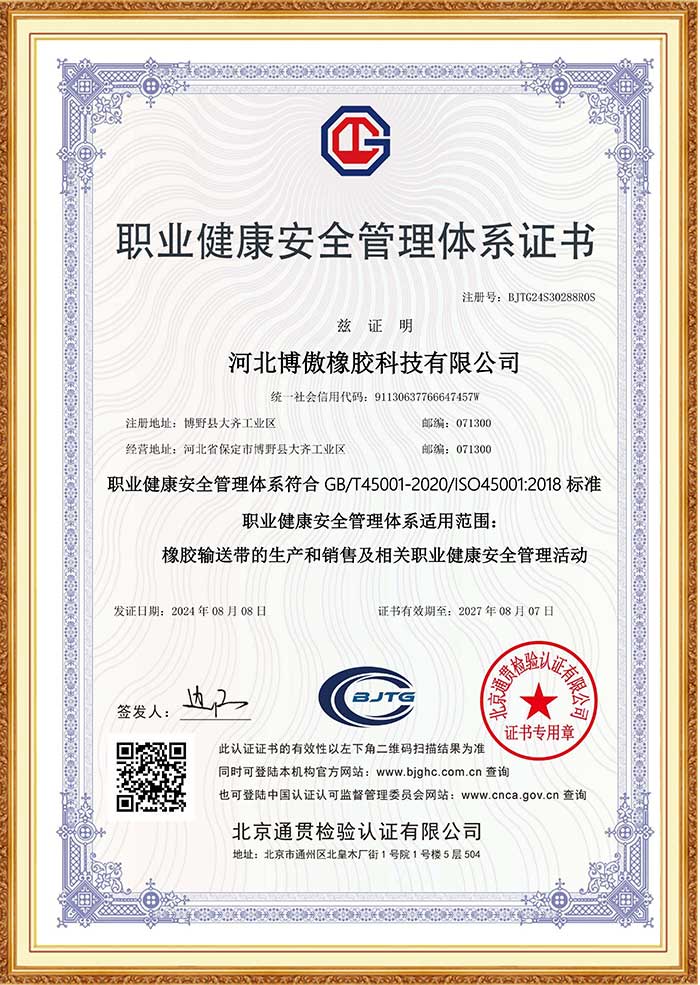
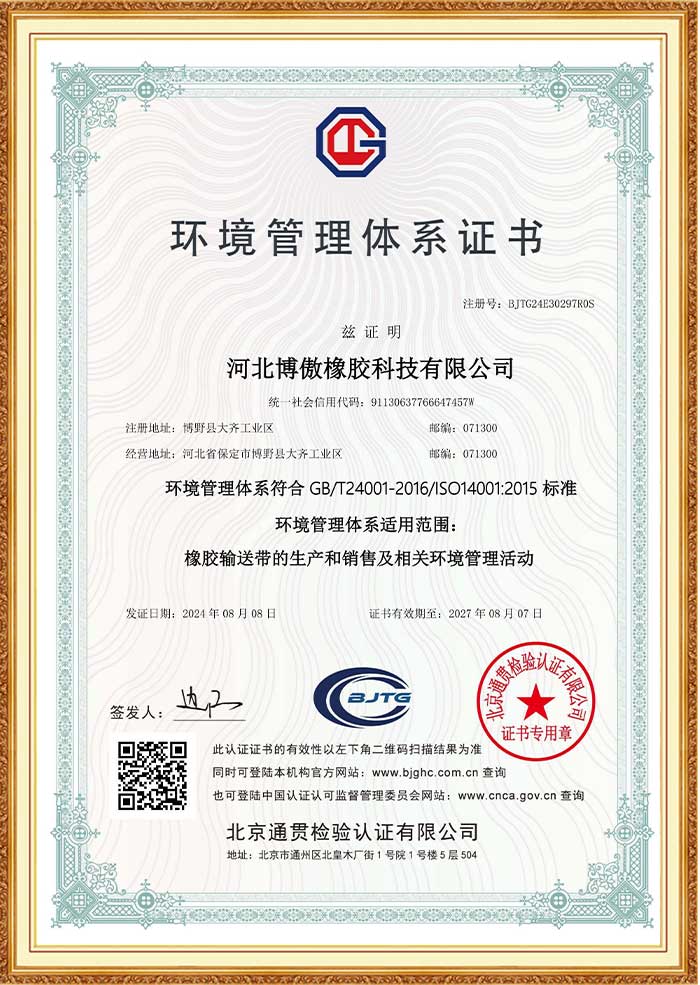
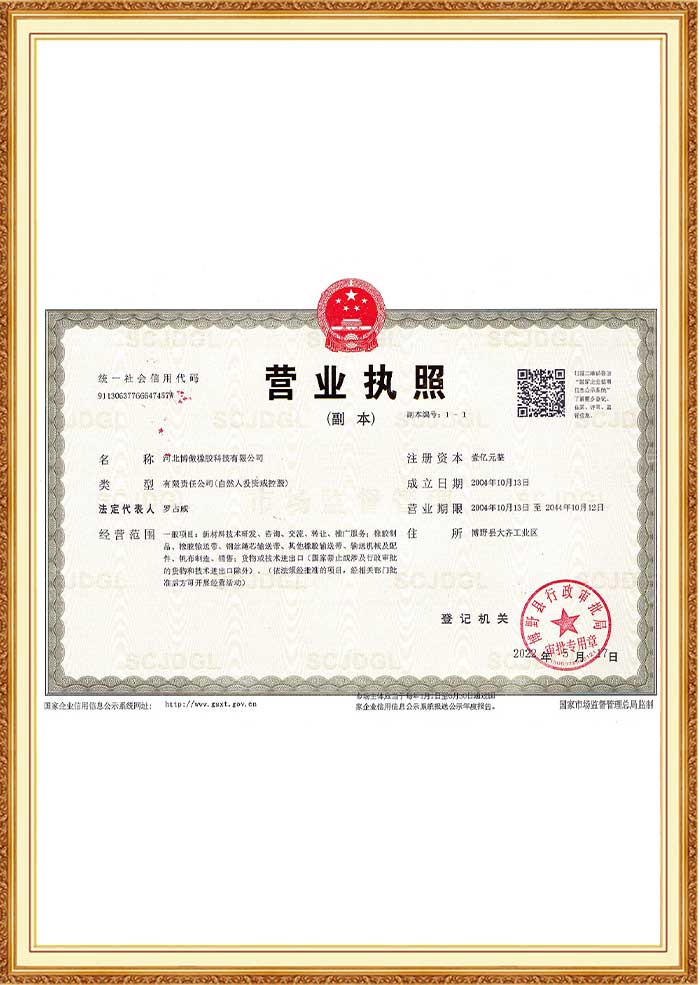
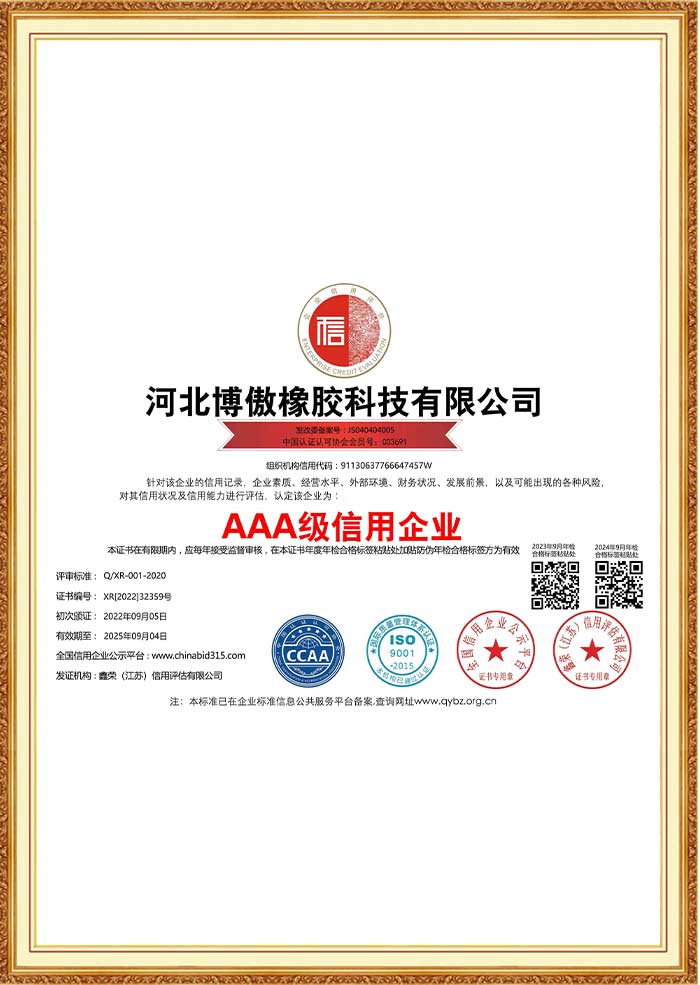
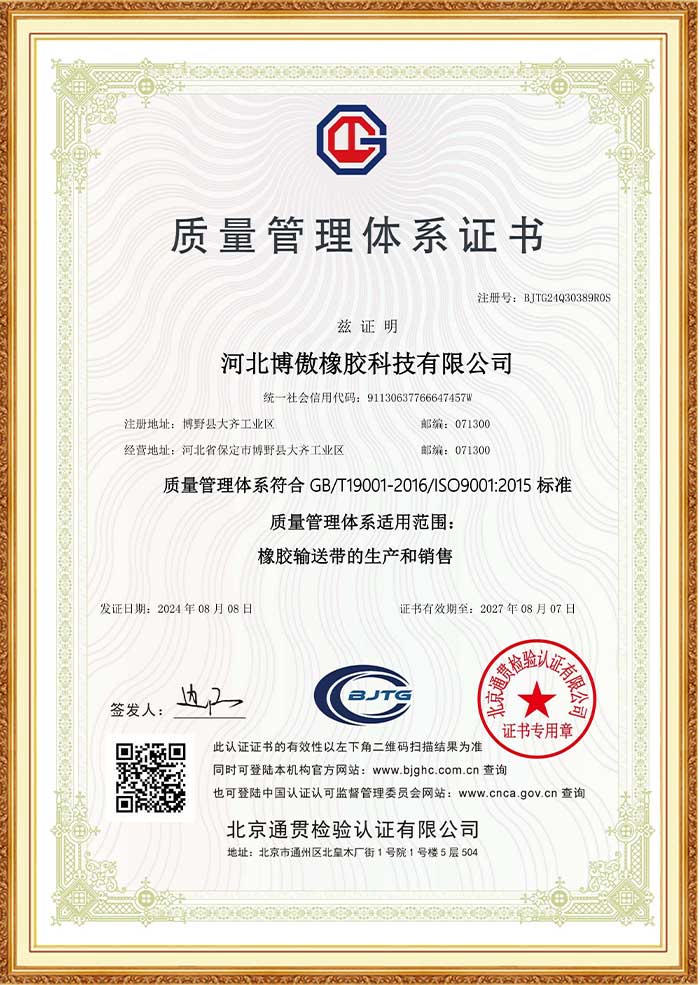
Independent chemical analysis room and physics laboratory guarantee timely inspection of all rubber ingredients, fabrics, and steel wires before production.
Professional quality inspectors, sophisticated testing machines, and advanced tensile, flame, and wear-test methods guarantee perfect output.
With strong technical support and comprehensive after-sales systems, products are exported worldwide and widely used in major heavy industry complexes.
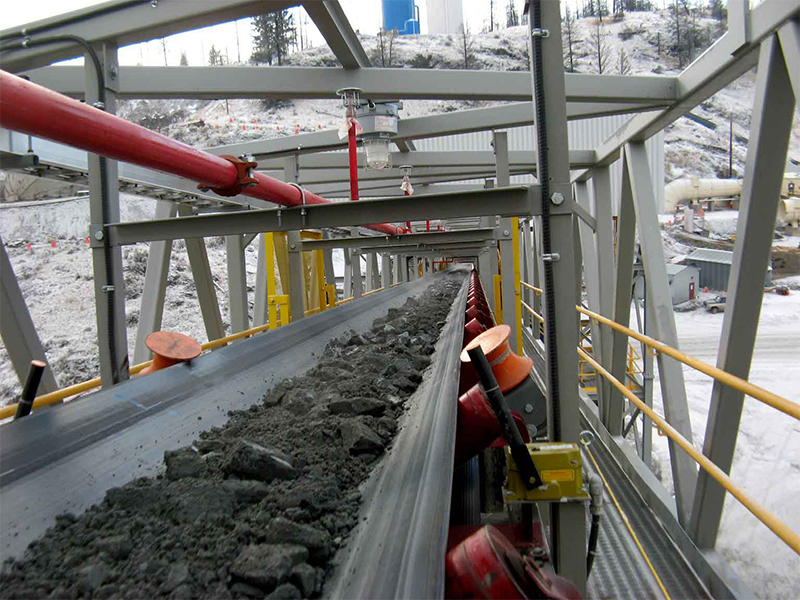
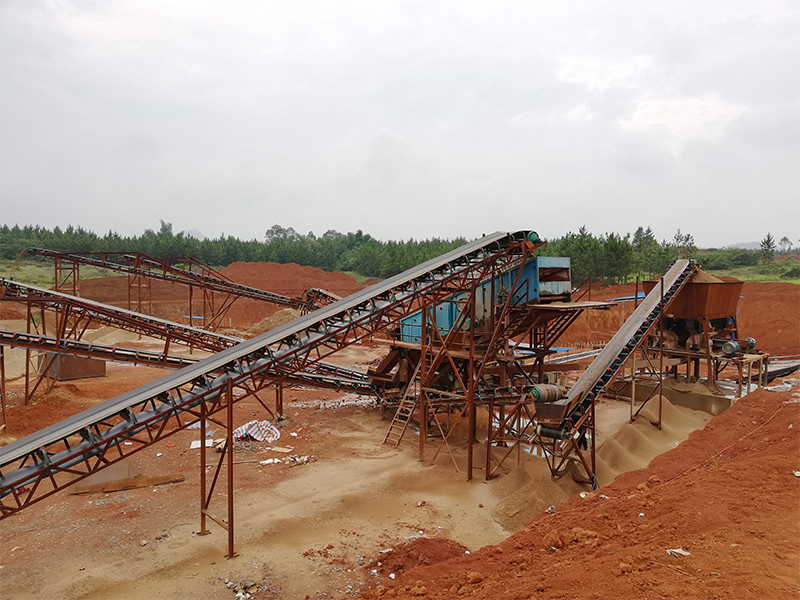
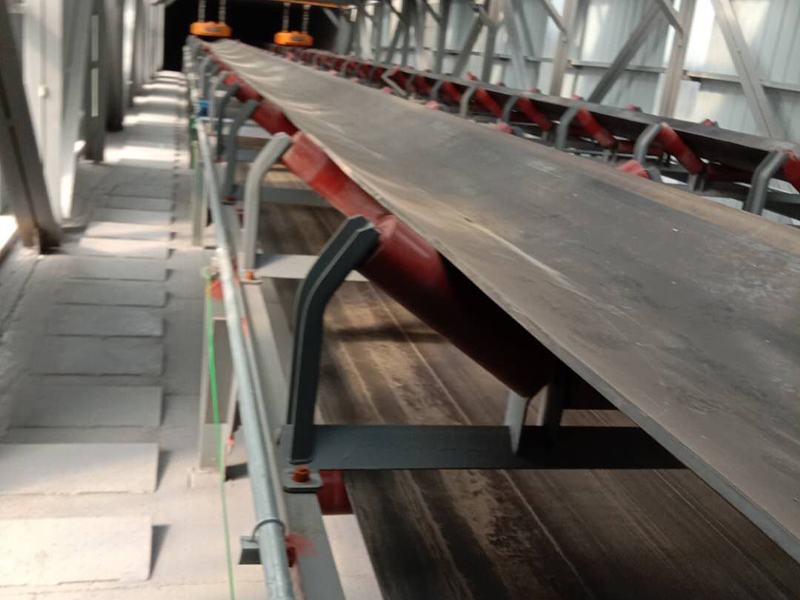
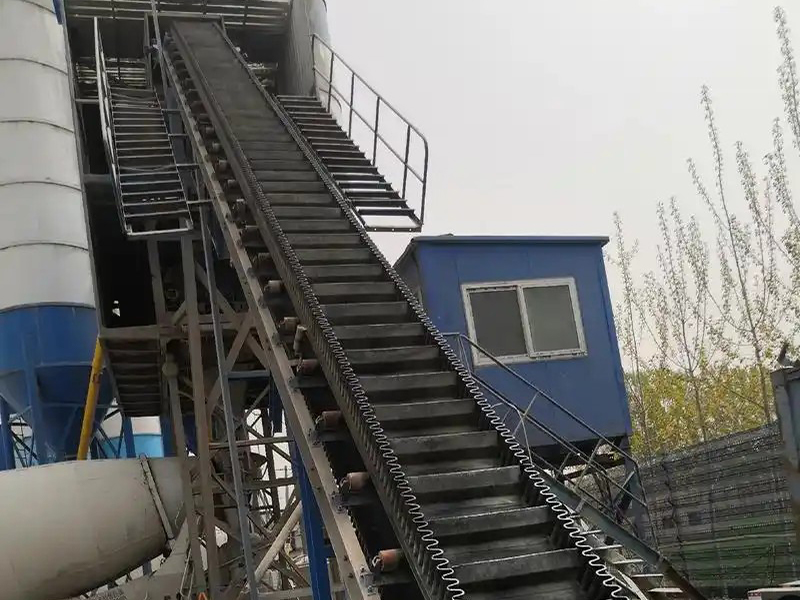
Widely used by top-tier industrial corporations in steel, metallurgy, cement, mining, power generation, grain depots, and port projects.
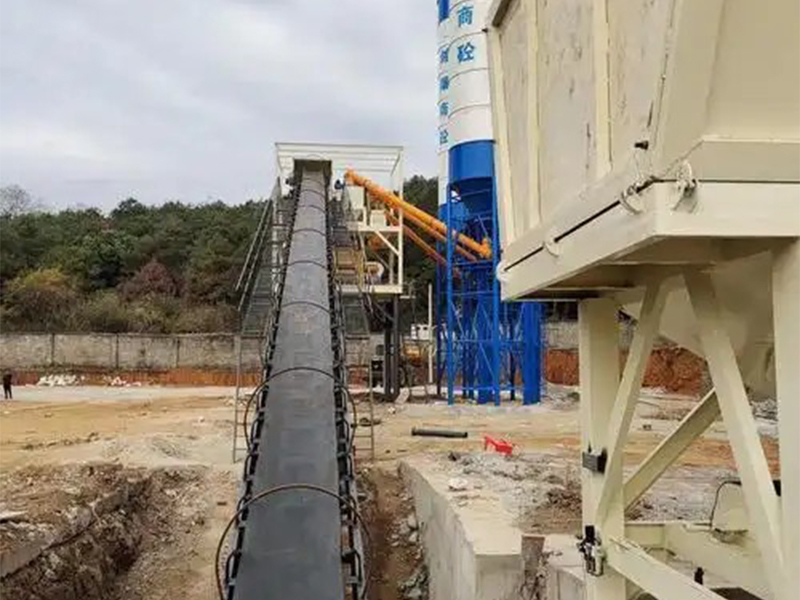
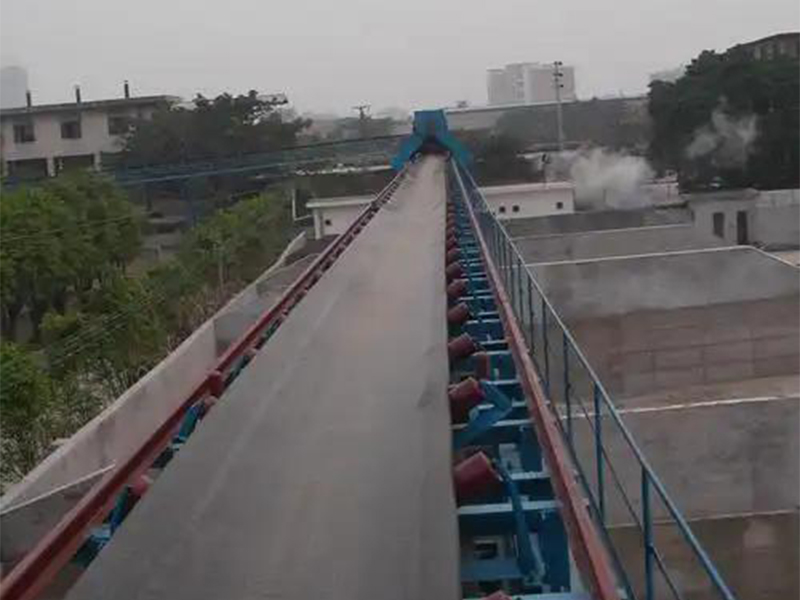
One-stop solution to skip the hassle of sourcing from multiple suppliers – our factory covers your entire installation and maintenance lifecycle.
Planned replacement, cold/hot vulcanization splicing, routine safety inspection, system monitoring, and emergency repair services for industrial belt networks.
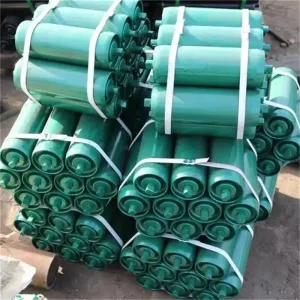
Supply of conveyor belts, rollers, and repair materials. Guarantee of safety stock, customized roll storage management, structural edge repair, and cover patching.
Enhancing the transport efficiency of high-speed bulk machinery, reducing cover abrasion, minimizing energy loss, and establishing long-term mutual benefits.
To achieve safe, continuous, and highly cost-effective equipment operation, significantly extending the service life of heavy-duty rubber belts.
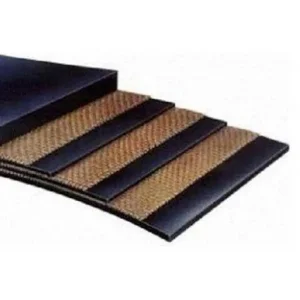
In modern industrial layouts, fabric and steel wire rope reinforced rubber belts represent the central arterial system of material transportation. From extraction points deep underground to high-speed ports moving millions of tons of dry cargo annually, heavy-duty belts perform critical, high-load work. The engineering evolution of these systems demands constant material science improvements. SBR, Natural Rubber, EPDM, and special polyurethanes are selected and combined to achieve the exact hardness, elongation, and safety compliance required for our buyers' operations.
Our engineering team works closely with logistics operators to identify typical failure points. Whether dealing with cover cuts from sharp coal chunks, chemical degradation from oily organic goods, or extreme thermal fatigue in steel mills, Boao develops targeted rubber compounds to maximize service lifespans.
A comprehensive portfolio of high-grade accessories, patterned profiles, and heavy-duty steel core solutions.
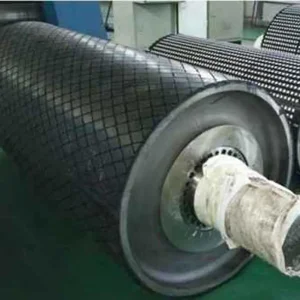
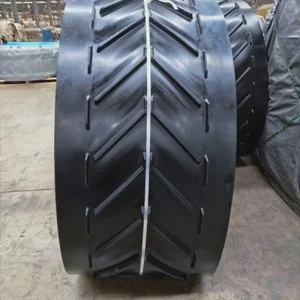
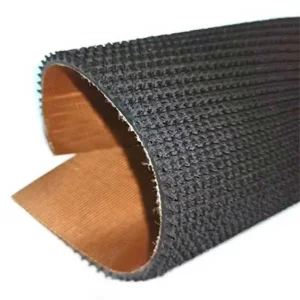
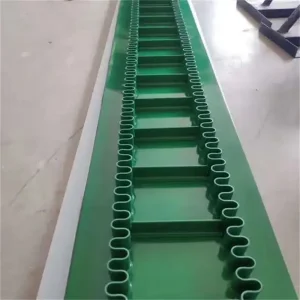
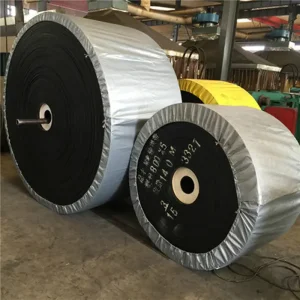
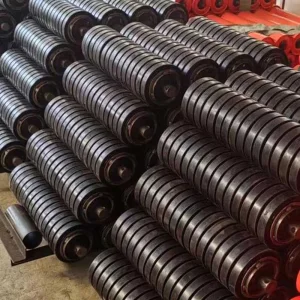
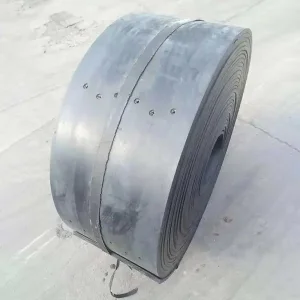
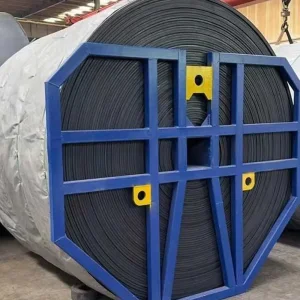
Industrial machinery components supplied to the Gyeonggi-Incheon industrial corridor must comply with specific local regulations. Sourcing agents look for certifications matching KS M 6536 (general classification for rubber belts) and related safety parameters for coal terminal conveyors. The cover rubber must offer high abrasion resistance (typically < 120 mm³ loss under DIN 53516 testing) and superior tensile properties to prevent elongation over extended distances.
South Korea's push towards smart factories has driven demand for active monitoring systems. By inserting sensor loops directly into the carcass during vulcanization, operators can monitor belt health in real-time. Rip-detector sensors identify gouges or longitudinal tears caused by trapped metal, sending immediate shutdown signals to prevent catastrophic failures. When splicing, using high-purity rubber compounds matching the original belt grade is critical to ensuring long service life at joint locations.
Timely supply chain logistics is crucial for industrial operations. Because Hebei Boao Rubber Technology Co., Ltd. is located in the Rubber Industrial Park of Boye County, Baoding, close to major northern China ports, we maintain direct freight channels to Incheon Port. This proximity enables fast, cost-effective container transport, helping Seoul enterprises keep minimal safety stocks while ensuring a secure supply of replacement belts and roller systems.
By engineering specialized low indentation rolling resistance (LIRR) compounds for bottom rubber covers, we help system operators lower their carbon footprints. In long overland installations, this formulation significantly reduces indentation losses over support rollers, saving up to 15% in power consumption and supporting the ESG goals of modern industrial enterprises.
Essential information on shipping, compliance, custom specifications, and after-sales service for Seoul logistics partners.
Partner with a trusted manufacturer with over 22 years of experience. Contact our engineering team for customized configurations, detailed technical drawings, and bulk pricing for the Seoul metropolitan area.
 Boao Rubber