These high-durability layered conveyor belts are optimized for cold-climate operations, maritime ports, and heavy-duty steel processing lines throughout the Nordic region.
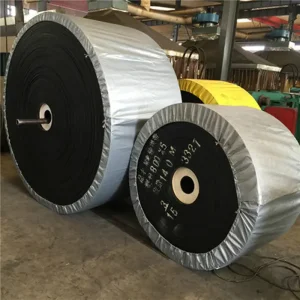
Engineered to withstand temperatures up to 200°C in heavy smelting processes.
View Technical Specifications →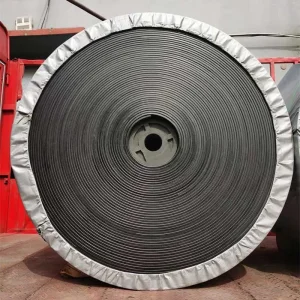
Formulated for flexible material transport in sub-zero Arctic temperatures down to -50°C.
View Technical Specifications →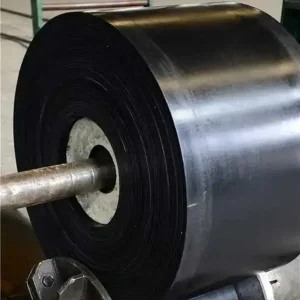
High chemical resistance suited for fertilizer production and pulp facilities.
View Technical Specifications →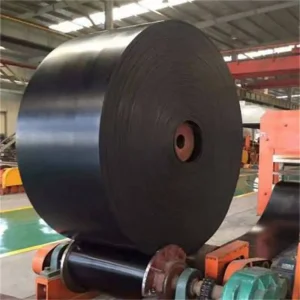
Optimal flexibility and high impact strength for long-distance Norwegian port routes.
View Technical Specifications →Norway represents one of the most demanding geographic zones globally for industrial material handling. Key economic pillars—such as iron ore mining in Kirkenes and Svalbard, deep-sea shipping port facilities in Narvik and Oslo, advanced cement plants (like Norcem in Brevik), and offshore mineral exploration—rely heavily on robust conveyor systems. The harsh Arctic and sub-Arctic winter conditions mean standard rubber compounds quickly undergo embrittlement, leading to surface cracking, high energy consumption due to belt stiffness, and unexpected carcass failure.
Operating in these high-latitude zones requires layered conveyor belts specifically designed to handle extreme temperatures (often dipping below -40°C) without losing elasticity. Furthermore, maritime bulk loading docks require anti-corrosive, salt-water-resistant cover layers that prevent degradation when exposed to marine environments. As Norway accelerates its transitions toward green industrial processes, selecting low rolling-resistance conveyor belts is vital to reduce operational energy consumption.
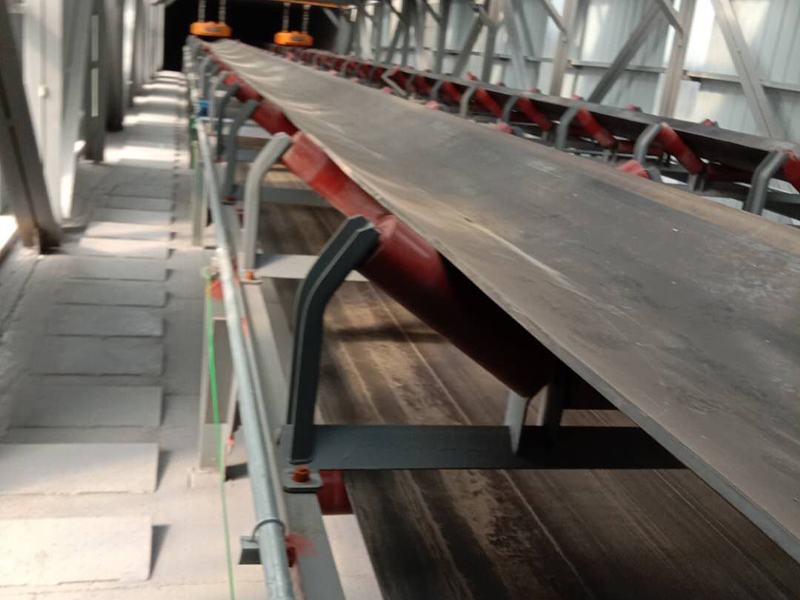
Modern layered conveyor belts utilize advanced polymers and multi-ply fabric configurations (EP/NN/Steel Cord) to optimize tension distribution and impact absorption. Our continuous development ensures that our formulations are tailored for critical mechanical properties:
| Layer Compound/Carcass | Material Composition | Key Properties | Primary Industrial Use Case |
|---|---|---|---|
| Cold-Resistant Rubber Cover | Butadiene Rubber (BR) & Natural Rubber (NR) Blend | Flexible down to -50°C, high abrasion resistance (< 90 mm³) | Svalbard Coal Handling, Kirkenes Iron Ore Excavation |
| Polyamide/Nylon (NN) Carcass | High-Elasticity Nylon Fiber Multi-Plies | Outstanding fatigue resistance, high elongation, elastic recovery | Curved overland conveyors, heavy bulk impact points |
| Polyester (EP) Carcass | Polyester Warp & Polyamide Weft Fibers | High tensile strength, low wet elongation, rot-resistant | Long-distance maritime loading terminals and mineral refineries |
| Heat-Resistant EPDM Cover | Ethylene Propylene Diene Monomer (EPDM) | Withstands dry bulk temperatures up to 200°C (peaks up to 250°C) | Sintering, clinker handling in Norwegian cement plants |
By implementing Low Rolling Resistance (LRR) compounds on the pulley-side cover, conveyor networks can achieve an immediate 10% to 15% reduction in motor energy consumption. This is a critical metric for Norwegian operators aiming to meet strict ESG and climate regulations.
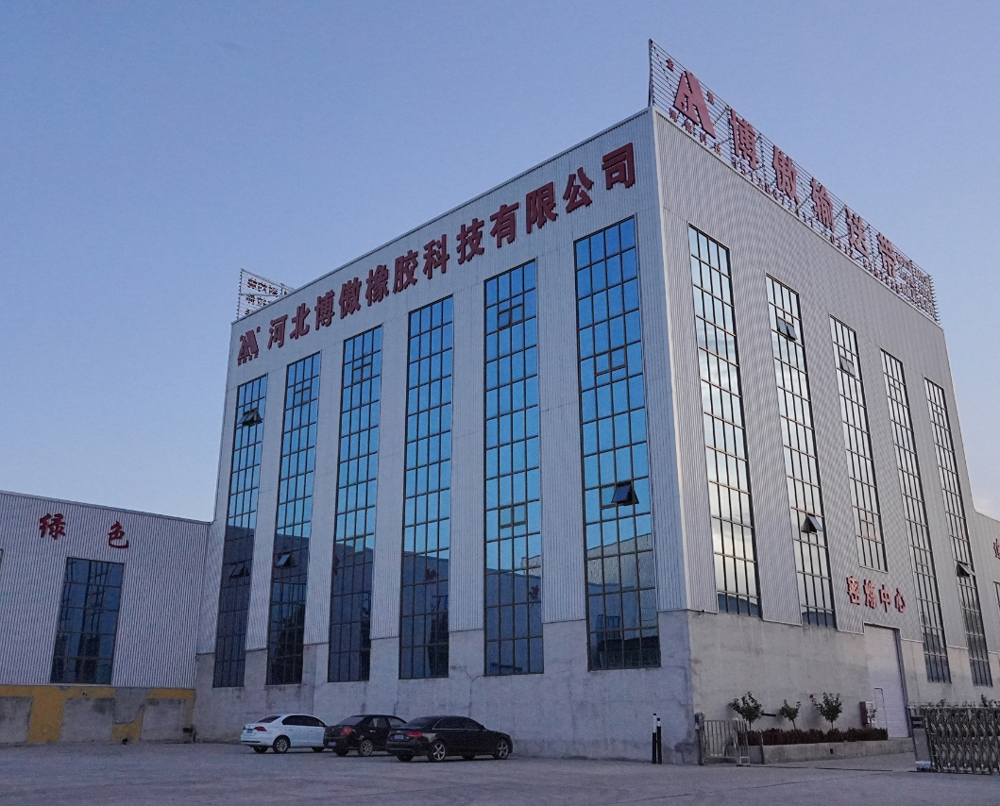
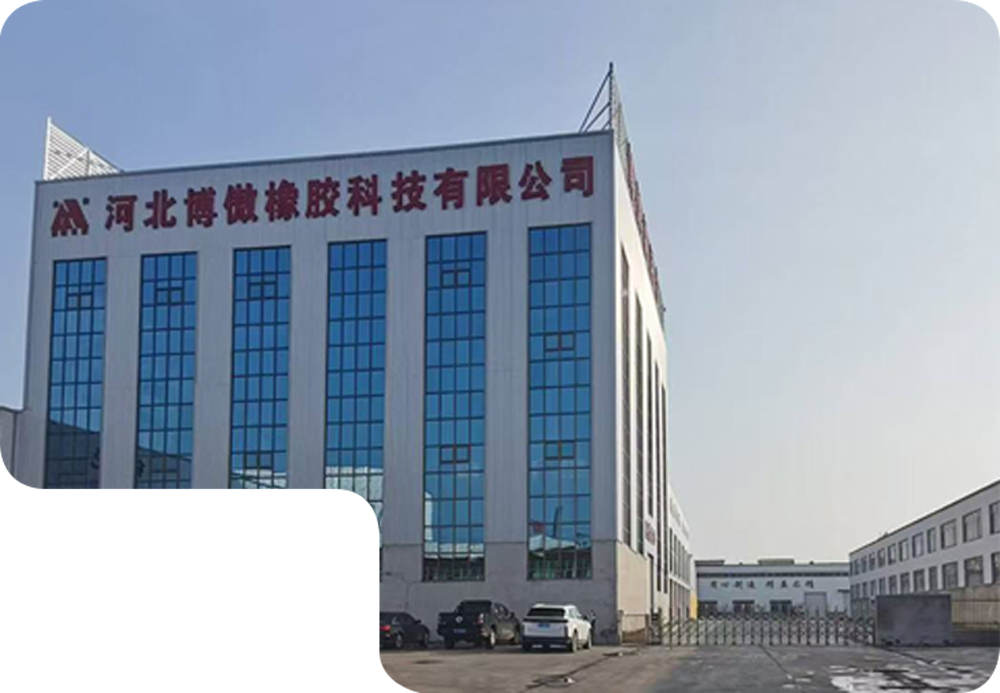
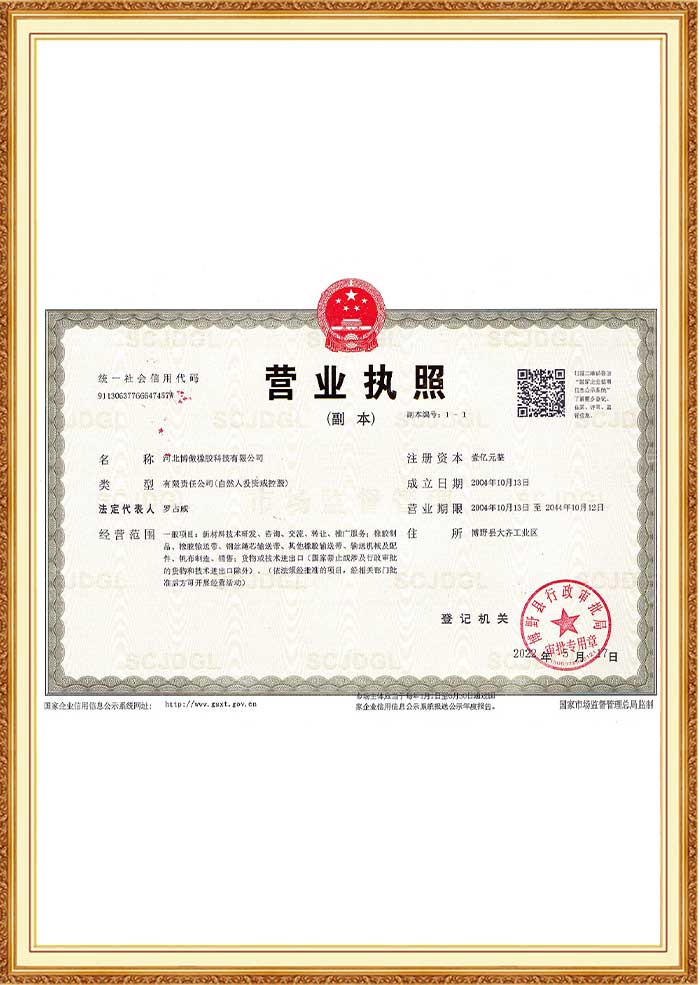
Hebei Boao Rubber Technology Co., Ltd. (producing under the Jinao Brand) brings over 22 years of localized manufacturing expertise. Operating out of our 30-acre facility in the Rubber Industrial Park of Boye County, Baoding, Hebei, China, we operate advanced computerized calendering, vulcanizing, and testing facilities.
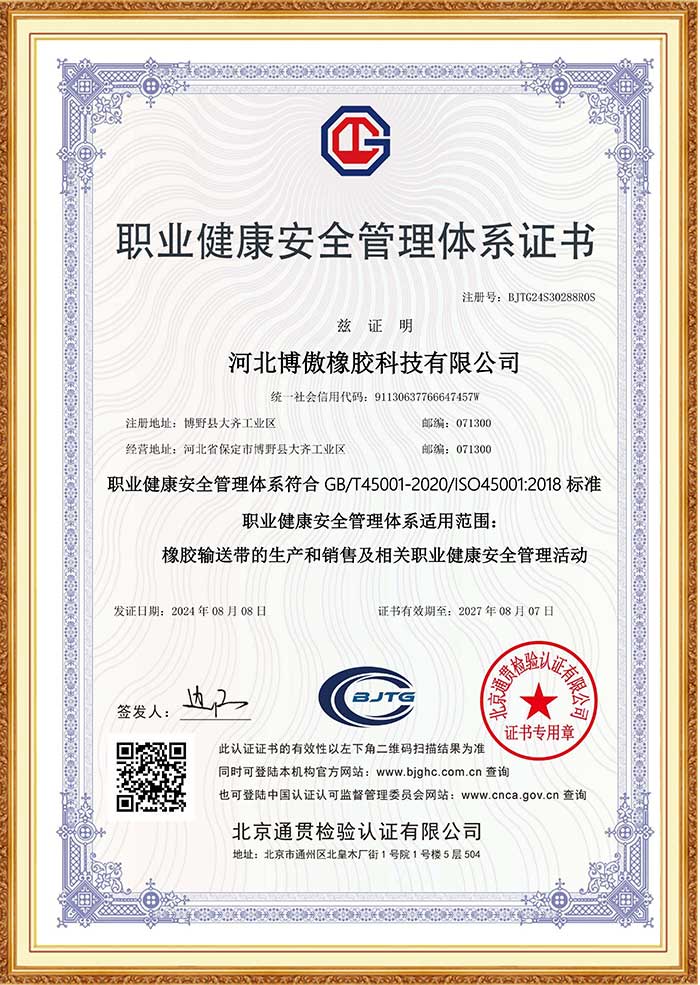
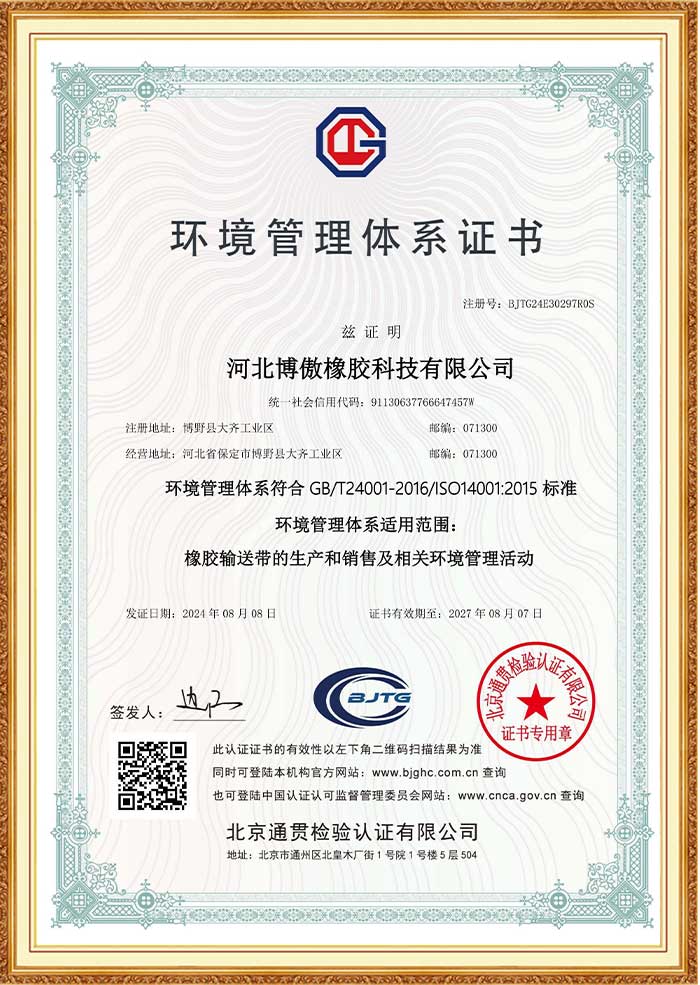
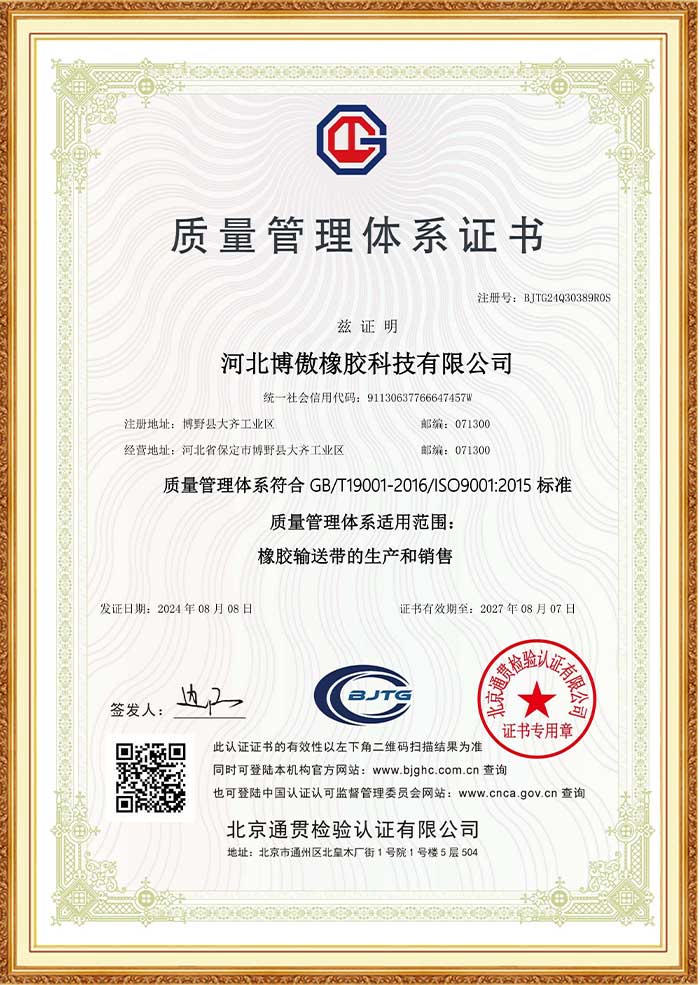
Our ISO 9001:2015-certified fabrication facility executes end-to-end quality monitoring on all rubber batches. From checking pure polymer viscosities to evaluating tensile strength and elongation metrics on finished multi-ply configurations, every batch is traceably certified. Because of our scale and efficient supply networks, we offer Norwegian enterprises rapid design cycles, high product consistency, and a significant cost-to-performance advantage.
Our internal testing laboratory is equipped with state-of-the-art testing tools to verify that our belts perform reliably under harsh operational conditions. All production steps must pass our strict internal verification processes before shipment.
We supply full laboratory testing documentation and certificate logs with every shipment, ensuring complete technical transparency.
Our conveyor systems are trusted globally by leading steel manufacturers, cement production plants, chemical companies, and port authorities. Below are some of our collaborative success stories:
Taihang Steel Heavy Smelting
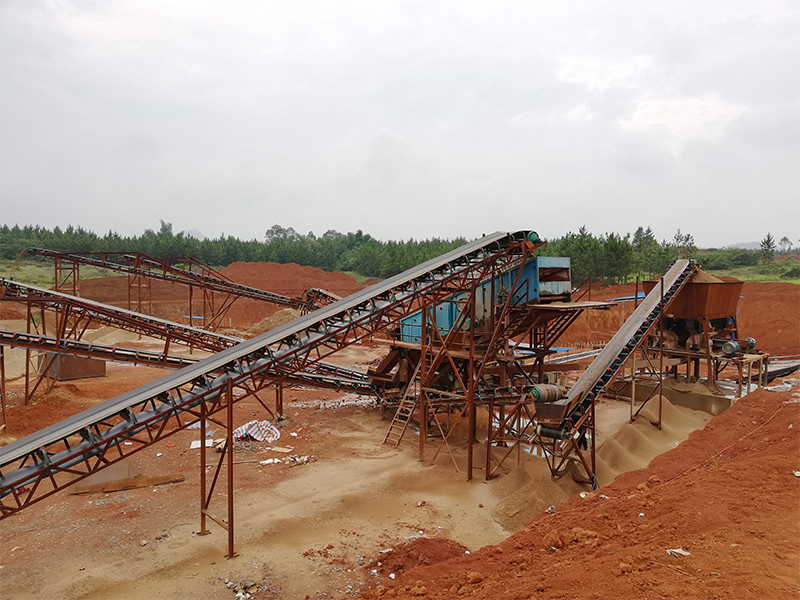
Tsingshan Group Mining Logistics
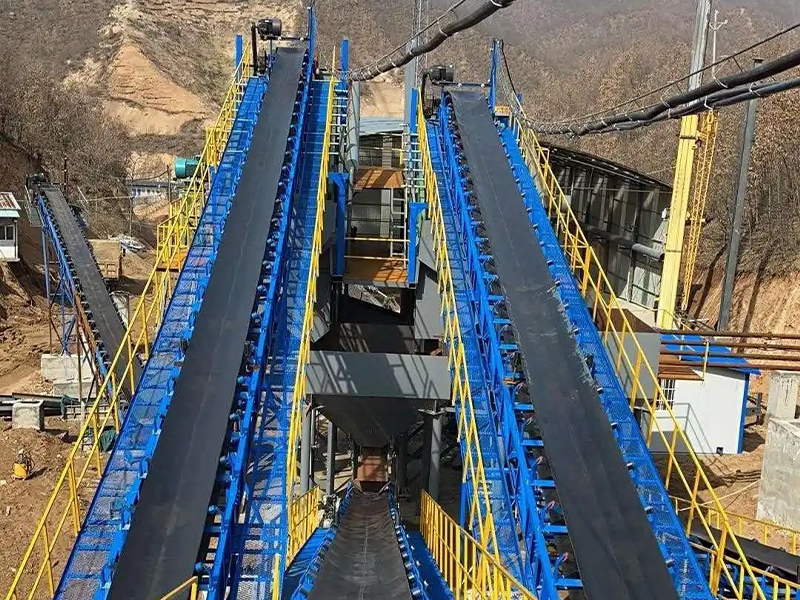
Zijin Mining Bulk Transport
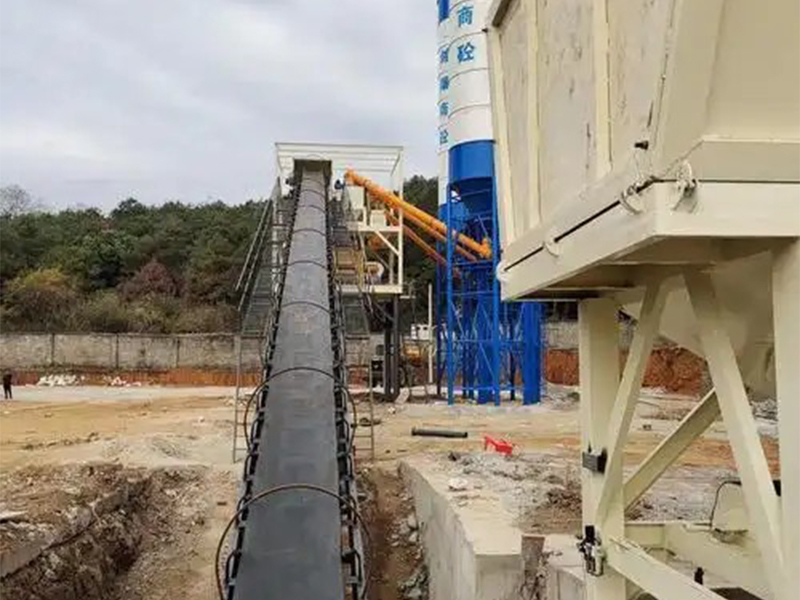
China Railway Group Mixing Plant
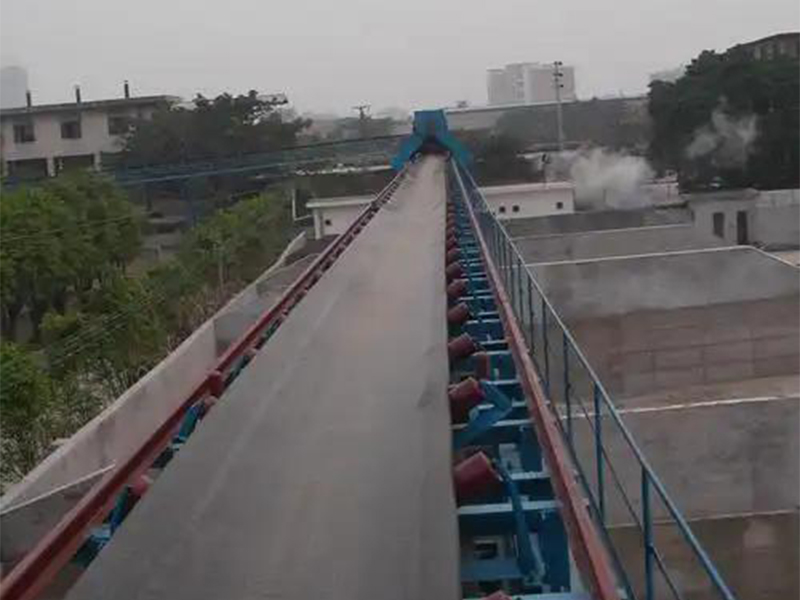
Conch Cement Bulk Handling
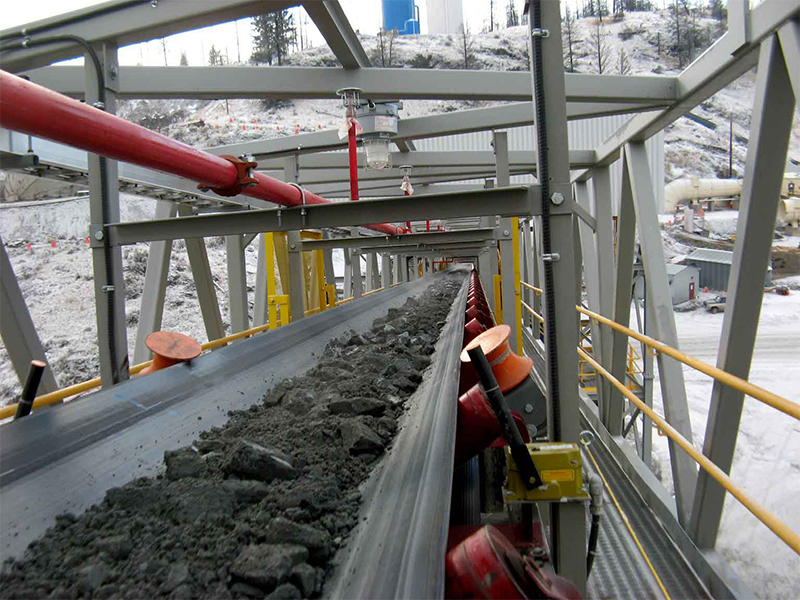
Datong Coal Group Extraction
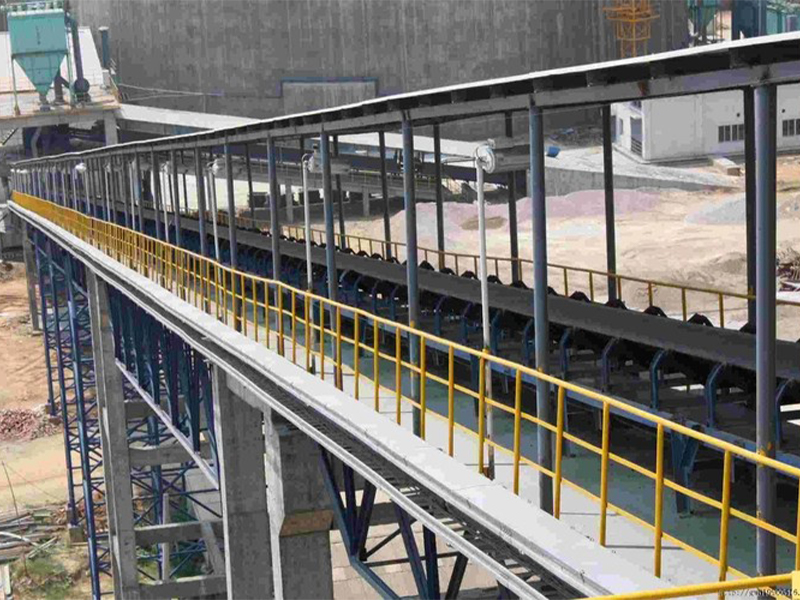
Jidong Cement Group Systems
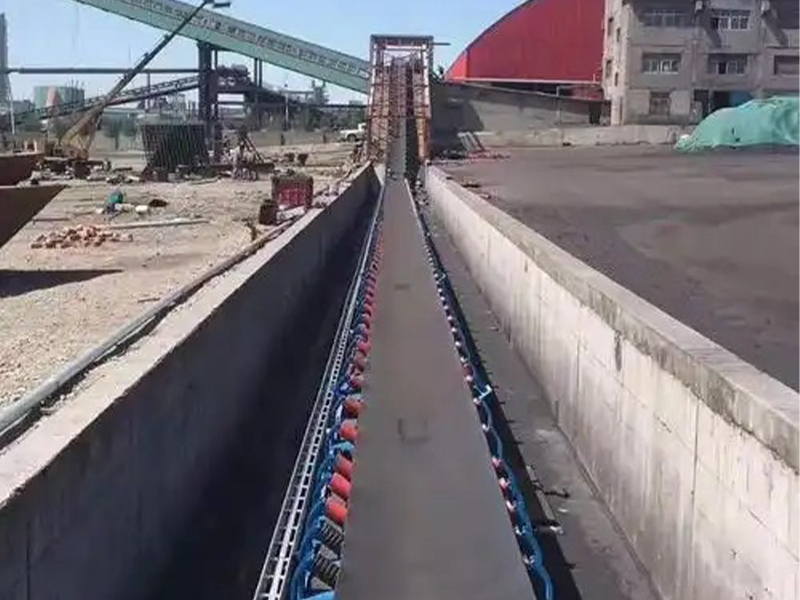
Jinmei Group Coal Handling
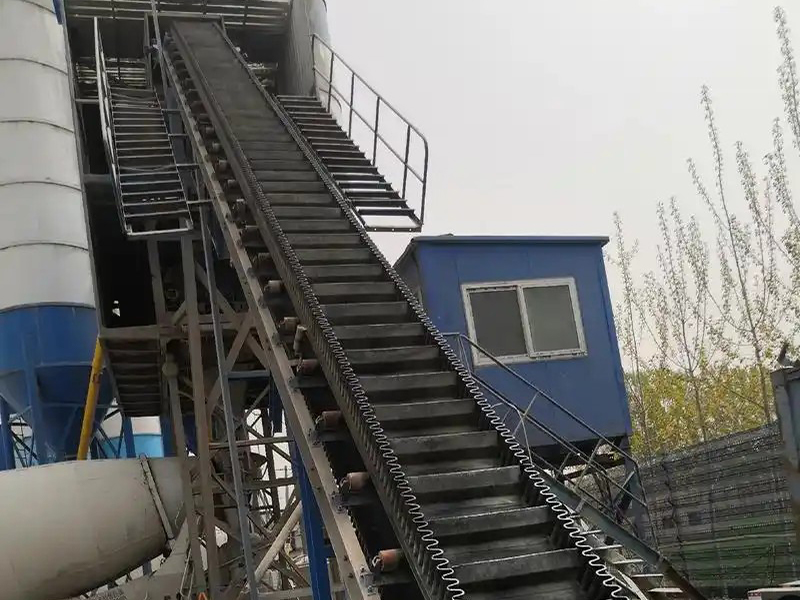
Puyang Steel Group Metallurgy
Norway enforces strict environmental regulations. Materials used in the industrial, marine, and mining sectors must comply with European chemicals regulations (REACH registration, evaluation, authorization, and restriction of chemicals). Our conveyor belts are manufactured with formulation controls to keep them free of SVHCs (Substances of Very High Concern) and restricted plasticizers/phthalates.
We also offer fire-resistant conveyor options that meet European EN 12882 safety norms for aboveground systems, as well as ATEX directive standards for underground applications where dust explosion risks exist.
By working with Hebei Boao Rubber Technology, you receive high-quality industrial components that meet strict European environmental and worker safety standards.
Browse our catalog of conveyor belts designed to optimize uptime and improve performance across demanding industrial environments in Norway.
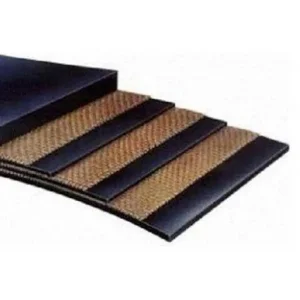
Cost-effective multi-ply construction for general aggregate and bulk operations.
View Technical Specifications →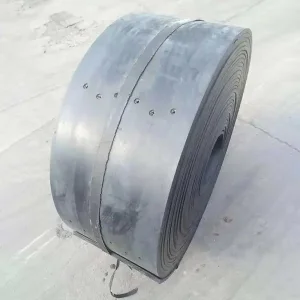
High tension elevator belts designed for deep mines and tall processing towers.
View Technical Specifications →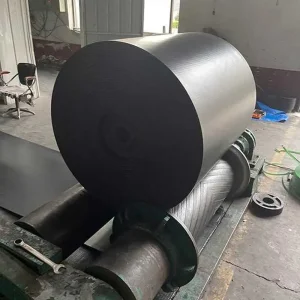
ISO/EN fire-safe compounds to prevent ignition and flame spread in confined spaces.
View Technical Specifications →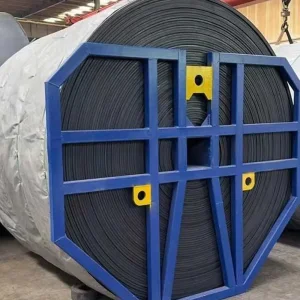
Steel cords combined with high-resistance weft barriers to protect against tears from sharp rocks.
View Technical Specifications →
Premium chemical-resistant cover grades for chemical refining and maritime bulk transport.
View Technical Specifications →
Designed for high-tension, long-haul mining corridors across challenging terrain.
View Technical Specifications →
High carcass integrity under continuous high impact stress.
View Technical Specifications →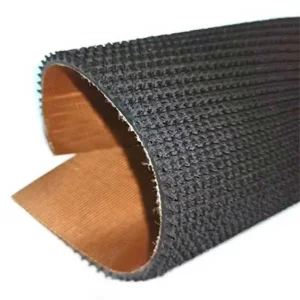
Herringbone, chevron, and convex profiles designed to prevent product slide-back on steep slopes.
View Technical Specifications →To ensure maximum system efficiency, high-performance belts must be supported by premium rollers, proper troughing idlers, and optimized lightweight belts.
Excellent troughability and impact response for primary rock crushing stations.
View Details →
Retains elasticity and flexibility under prolonged exposure to frost.
View Details →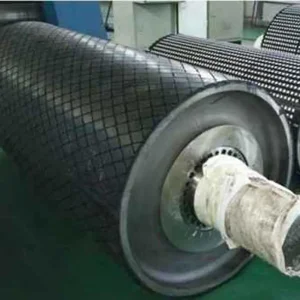
Machined precision rollers with labyrinth seals to exclude humidity, dust, and corrosive salts.
View Details →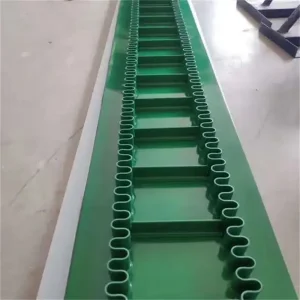
Food-safe, chemical-resistant PVC and polyurethane belts for packaging, logistics, and processing.
View Details →To prevent unscheduled downtime, we support Norwegian operators with structured service plans, preventive maintenance recommendations, and site-splicing guidance. A conveyor system's overall lifetime depends directly on proper installation and correct tension alignment.
We supply specialized vulcanization kits and detailed hot splicing manuals for on-site technicians. In environments with heavy thermal fluctuation, hot vulcanized splicing provides 90% to 95% joint strength relative to the parent carcass. We also supply premium rubber repair strips for fast, cold-bonded repairs on surface cuts.
| Splicing Method | Joint Strength | Curing Time Required | Best Operational Setting |
|---|---|---|---|
| Hot Vulcanization | 90% - 95% | 4 - 8 Hours (heating + cooling) | Heavy mining, high-tension systems, high-temperature belts |
| Cold Adhesive Bonding | 70% - 80% | 12 - 24 Hours (room temperature chemical cure) | Urgent repairs on fabric belts, low-tension lines |
| Mechanical Fasteners | 50% - 60% | Immediate startup | Temporary joints, low-speed agricultural transport |
Contact our technical engineering team for bulk pricing, customized rubber compounding options, and tailored mechanical support.
 Boao Rubber