Home >
Hot Products >
Best PVC-PU Lightweight Conveyor Belt - Quality China Supplier & Factory for Durable Solutions Supplier, Suppliers
1 / 2
Best PVC-PU Lightweight Conveyor Belt - Quality China Supplier & Factory for Durable Solutions Supplier, Suppliers
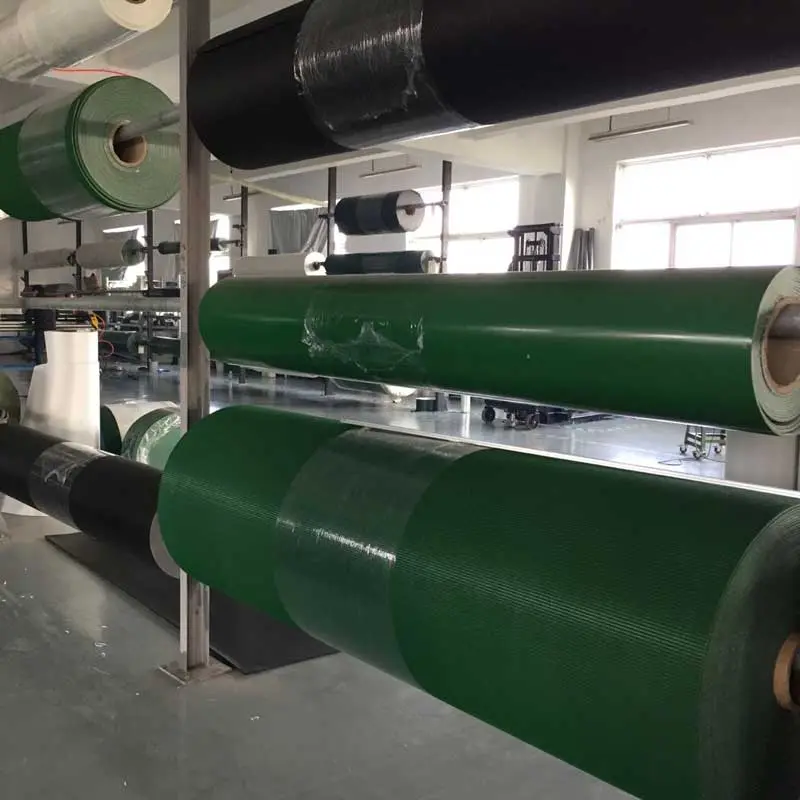
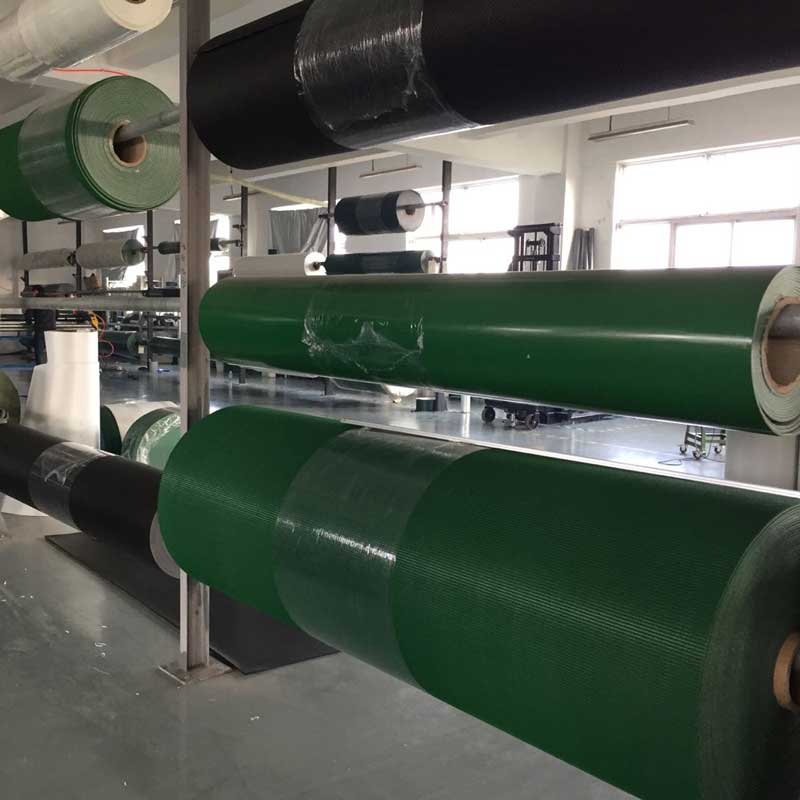
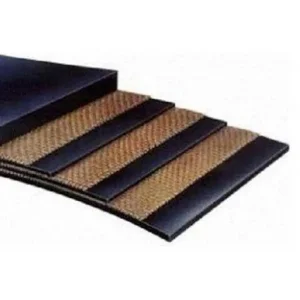
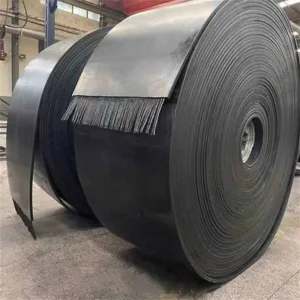
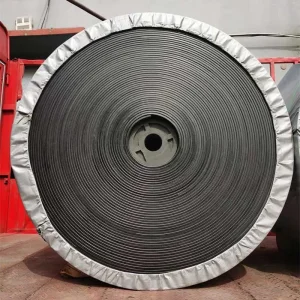
Lightweight conveyor belts are essential components in various industries and are primarily made from PVC, rubber, and PU materials. These belts are designed for efficiency and durability, making them a reliable choice for suppliers and manufacturers seeking high-quality solutions, **Key Features of Lightweight Conveyor Belts:**, **Tri-Layer Construction**: Lightweight conveyor belts typically consist of three distinct layers that enhance their performance. The top layer, composed of diverse materials, thicknesses, and surface patterns, significantly impacts adhesion and the physical, chemical, and mechanical characteristics of the belt, **Strong Layer Innovation**: The second layer utilizes different fabric materials to form a strong base, which influences the belt's application range. Factors such as guidance, load bearing, elongation, static electricity management, smoothness, and suitability for knife edge turning depend on the fabric structure used in the manufacturing process, **Base Design Excellence**: The design of the bottom layer is crucial for ensuring noise resistance, wear resistance, and compatibility with support plates or shafts. This layer's attributes contribute to the overall adaptability and lifespan of the conveyor belt, As a leading factory in China, we take pride in supplying high-quality lightweight conveyor belts that cater to various industry needs. Our commitment to innovation and excellence makes us a trusted choice among suppliers seeking optimal performance and reliability in conveyor systems. Choose us for your lightweight conveyor belt needs and experience superior quality and service
Heavy load industries: Metallurgy, building materials, wood, postal, chemical, and more
Also widely used as a process processing belt across various production lines; all non-white grades are anti-static treated
Folding PU Food Conveyor Belt
WhiteGreenFDA CompliantFGA Compliant
Thickness: 0.8, 1.4, 2.5 | Colors: White, Green
Applications: Food industry conveyor lines, chocolate coating, and cake industry
Temperature resistance range: -10°C ~ 80°C
Anti-slip belt: Green and white, small raised or horseshoe-shaped pattern on surface — suitable for transporting loose or powder materials on inclines
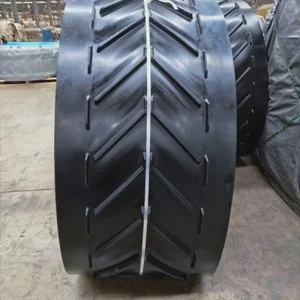
Special patterned belt: Deep pattern, anti-slip, suitable for special occasions and special material processing/transportation
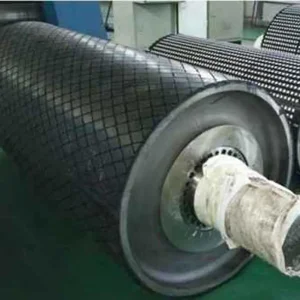
Diamond grid pattern belt: Increases surface friction and grip force to prevent slipping — suitable for automotive particle processing and transportation
Guide belt: Positioning guide strip added to transmission surface — ensures directional and anti-deviation operation
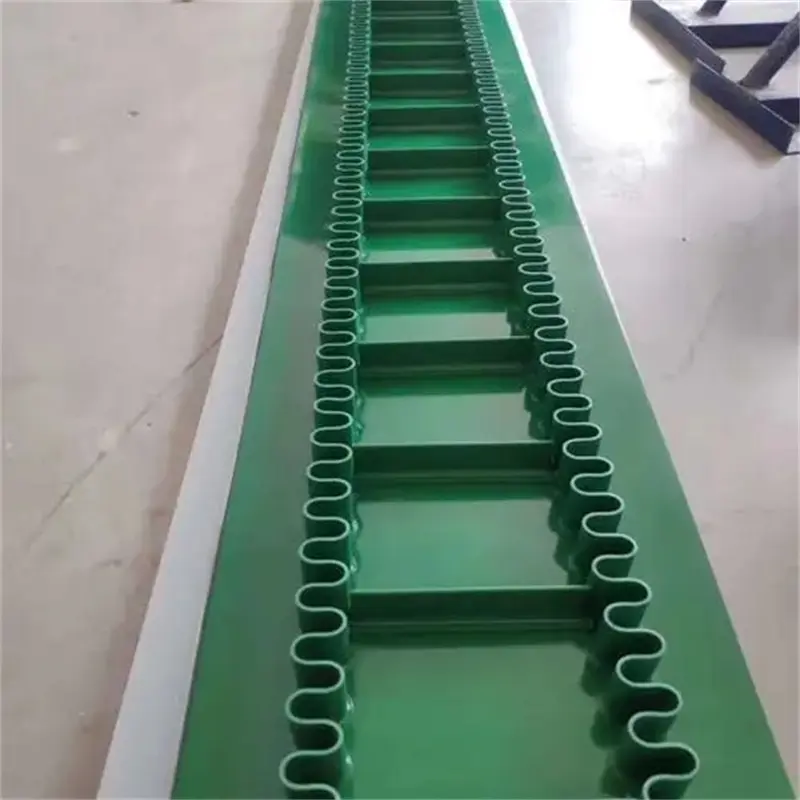
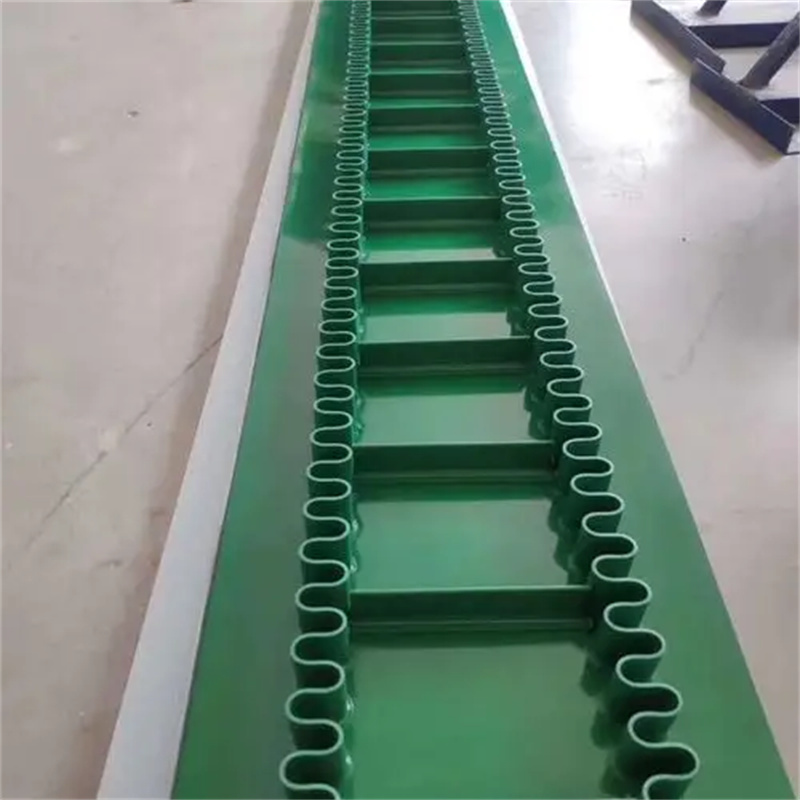
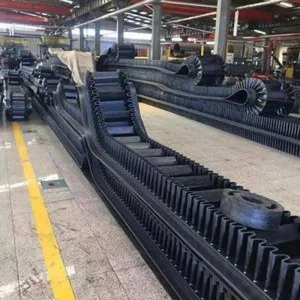
Lift belt: Horizontal barrier installed on the loading surface — ensures materials rise and are transported securely
Skirt edge belt: Ensures materials do not scatter or spill during transportation
Sanding machine belt: Special belt for sanding machine wood processing, with various surface patterns ensuring safe and reliable processing
Key Features for Food Industry Conveyor Belts
Resistant to acid, alkali, organic solvents, and animal/plant/mineral oils and fats
Can be equipped with guide bars and baffles
Compliant with FDA and FGA food hygiene standards
Lightweight conveyor belts applicable across food, logistics, electronics, tobacco, wood, stone, fitness, and more industries
Frequently Asked Questions
What is the difference between PVC and PU conveyor belts?
PVC conveyor belts are generally more cost-effective and suitable for general industrial use in food, electronics, tobacco, and packaging. PU (polyurethane) conveyor belts are specifically designed for food-grade applications, offering compliance with FDA/FGA standards, better resistance to oils, acids, and alkalis, and suitability for direct contact with food products.
What temperature range can PU food conveyor belts withstand?
PU food conveyor belts have a temperature resistance range of -10°C to 80°C, making them suitable for both refrigerated food processing environments and moderately heated production lines.
What joint types are available for PVC conveyor belts?
PVC conveyor belts are available with serrated joints, stepped oblique joints, or metal buckle joints. The choice of joint type depends on your specific application requirements, load conditions, and the type of production line being used.
Are the rubber conveyor belts anti-static?
Yes. All rubber product conveyor belts, except for the white food hygiene grade, are treated with anti-static treatment. This is especially important in industries such as electronics, tobacco, and chemical processing where static electricity can pose safety or quality risks.
Can conveyor belts be customized with guides, baffles, or special patterns?
Yes. Through special processing, conveyor belts can be customized into guide belts (with positioning guide strips), lift belts (with horizontal barriers), skirt edge belts (to prevent material spillage), or belts with various surface patterns such as anti-slip textures, diamond grid patterns, or deep special patterns for specific processing needs.
Which industries are lightweight conveyor belts suitable for?
Lightweight conveyor belts are highly versatile and can be applied across a broad range of industries including food processing, logistics, electronics manufacturing, tobacco, wood processing, stone cutting, fitness equipment, and many more production line applications.
 Boao Rubber