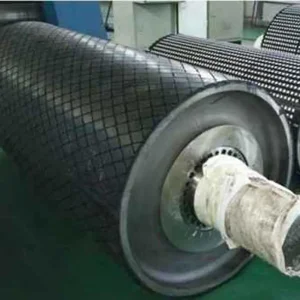
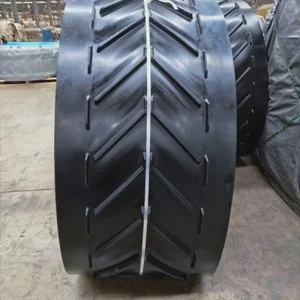
📋 Product Introduction
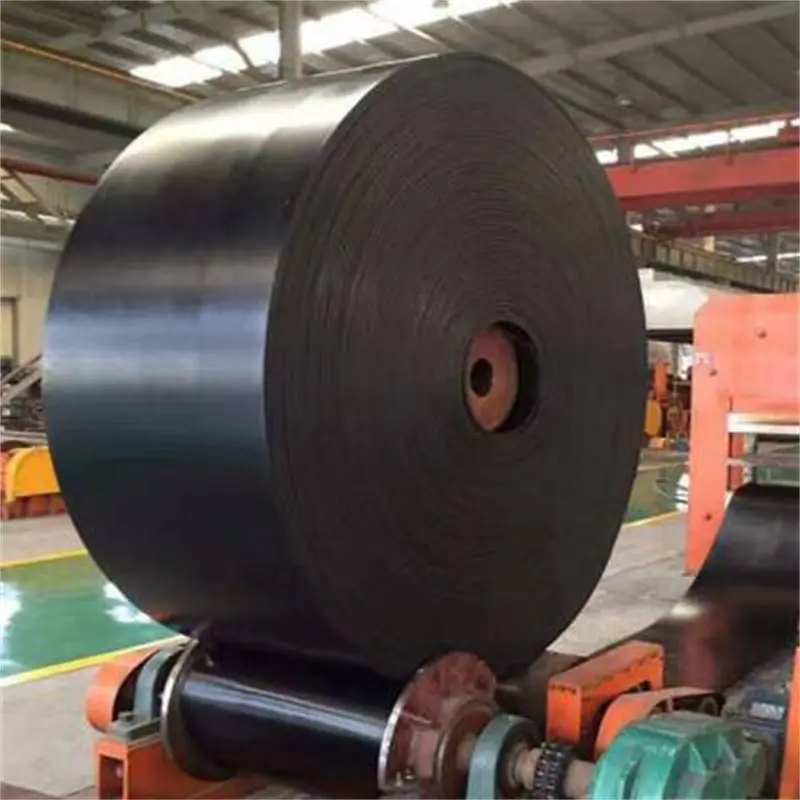
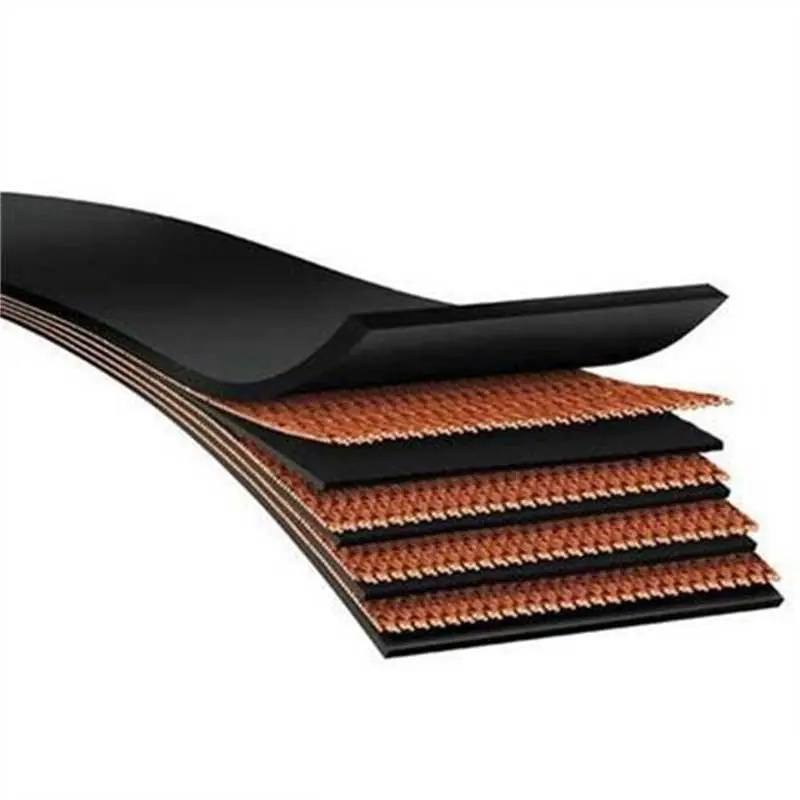
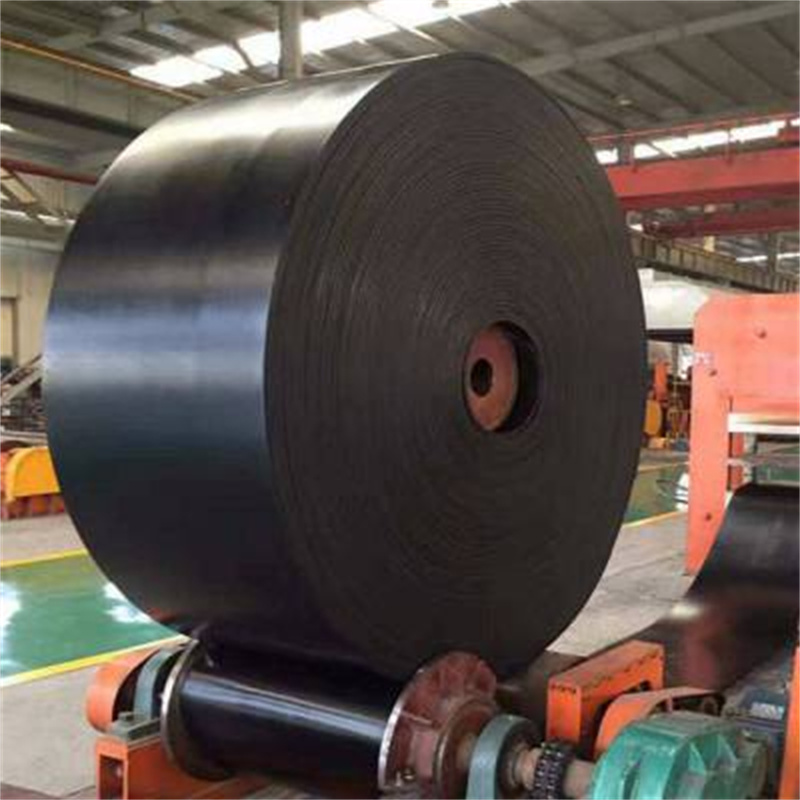
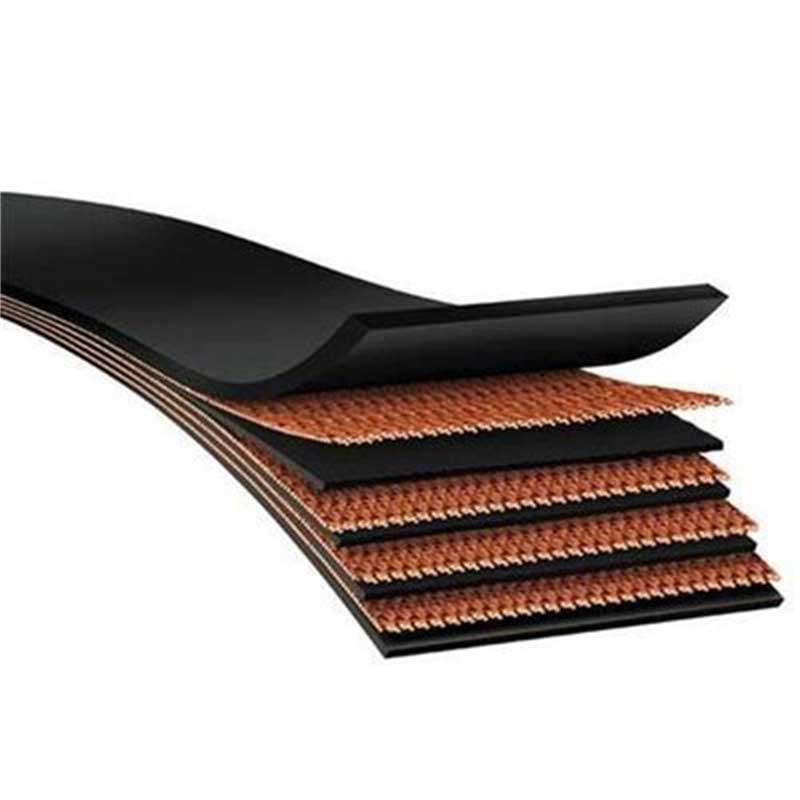
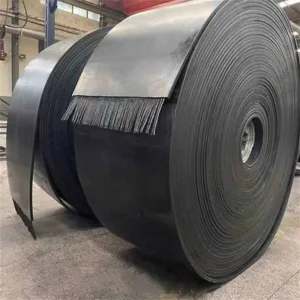
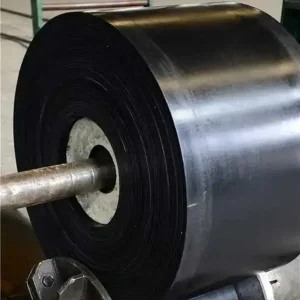
Nylon core conveyor belts have the characteristics of thin belt body, high strength, impact resistance, good performance, high interlayer adhesive strength, excellent flexibility, and long service life. They are suitable for conveying materials under medium to long distance, high load and high-speed conditions. Nylon conveyor belts not only have these advantages, but most importantly, they are fast and convenient, greatly improving work efficiency and completeness.
Cold Resistant
Acid Resistant
Alkali Resistant
Oil Resistant
Wear-Resistant
According to different purposes, it can be divided into lifting belts, power belts, and conveyor belts.
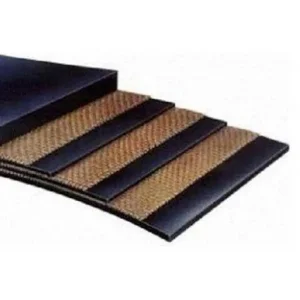
According to the different structures, it can be divided into ordinary laminated type, impact resistant type with lateral reinforcement layer, and tear resistant type.
Standard Specification
- Core Materials: NN100, NN150, NN200, NN300, NN400, NN500
- Bandwidth: 100mm – 3000mm
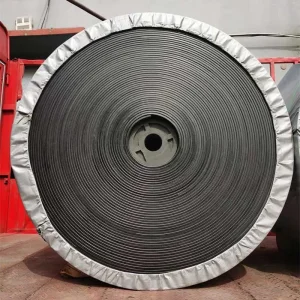
- Fabric Layer: 1 – 10 layers
- Cover Adhesive (Working): 1.5 – 8mm
- Cover Adhesive (Non-Working): 0mm – 4.5mm
Extended Specification
- Core Materials: NN100, NN150, NN200, NN250, NN300, NN350, NN400, NN450, NN500
- Bandwidth: 100mm – 3000mm
- Fabric Layer: 1 – 10 layers
- Cover Adhesive (Working): 1.5 – 8.0mm
- Cover Adhesive (Non-Working): 1.5 – 4.5mm
✨ Product Features
🏭 Application
- This product is refined from nylon canvas through processes such as rolling, forming, and vulcanization.
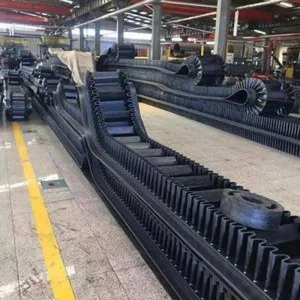
- This product is suitable for different usage conditions and can be made into different structures such as edge wrapped, open edge, middle ladder, edge ladder, etc.
⚙️ Features
- Good elasticity, impact resistance, and wear resistance of the belt.
- Good flexibility and easy to groove.
- No mold corrosion occurs.
Technical Standards — National Standard GB/T7984-2001
Nylon (NN) Conveyor Belt:
• Cover layer: tensile strength not less than 15 MPa, tensile length at break not less than 350%, wear amount ≤ 200 mm³
• Average interlayer bonding strength (longitudinal): not less than 4.5 N/mm between layers; not less than 3.2 N/mm between covering adhesive and fabric layers
• Longitudinal elongation at break (full thickness): not less than 10%
• Longitudinal reference force elongation (full thickness): not more than 4%
Frequently Asked Questions
Q What are the main advantages of nylon core conveyor belts?
Nylon core conveyor belts offer a thin belt body, high tensile strength, excellent impact resistance, superior flexibility, high interlayer adhesive strength, and a long service life. They are especially suited for medium to long distance, high load, and high-speed material conveying applications.
Q What types of nylon conveyor belts are available based on structure?
Based on structure, nylon conveyor belts can be divided into three main types: ordinary laminated type, impact resistant type with a lateral reinforcement layer, and tear resistant type. Each type is designed to meet specific operational demands.
Q What core materials are used in nylon conveyor belts?
Nylon conveyor belts use various core material grades including NN100, NN150, NN200, NN250, NN300, NN350, NN400, NN450, and NN500. The choice of core material depends on the load requirements and specific application conditions.
Q What bandwidth and fabric layer options are available?
Nylon conveyor belts are available in bandwidths ranging from 100mm to 3000mm, with fabric layers from 1 to 10 layers. The cover adhesive thickness on the working surface ranges from 1.5mm to 8.0mm, and from 0mm to 4.5mm on the non-working surface.
Q What technical standards do nylon conveyor belts comply with?
Nylon conveyor belts comply with the Chinese National Standard GB/T7984-2001. Key performance requirements include a cover layer tensile strength of at least 15 MPa, break elongation of at least 350%, wear amount ≤ 200 mm³, and interlayer bonding strength of no less than 4.5 N/mm.
Q Are nylon conveyor belts resistant to harsh environmental conditions?
Yes. Depending on the covering adhesive used, nylon conveyor belts can be manufactured to be cold resistant, acid resistant, alkali resistant, oil resistant, or wear-resistant, making them suitable for a wide range of industrial environments and challenging operating conditions.
 Boao Rubber