Home >
Hot Products >
Best Rubber Buffer Idler Roller - China Suppliers & Factory for Corrosive Environment Solutions Supplier, Factories
1 / 2
Best Rubber Buffer Idler Roller - China Suppliers & Factory for Corrosive Environment Solutions Supplier, Factories
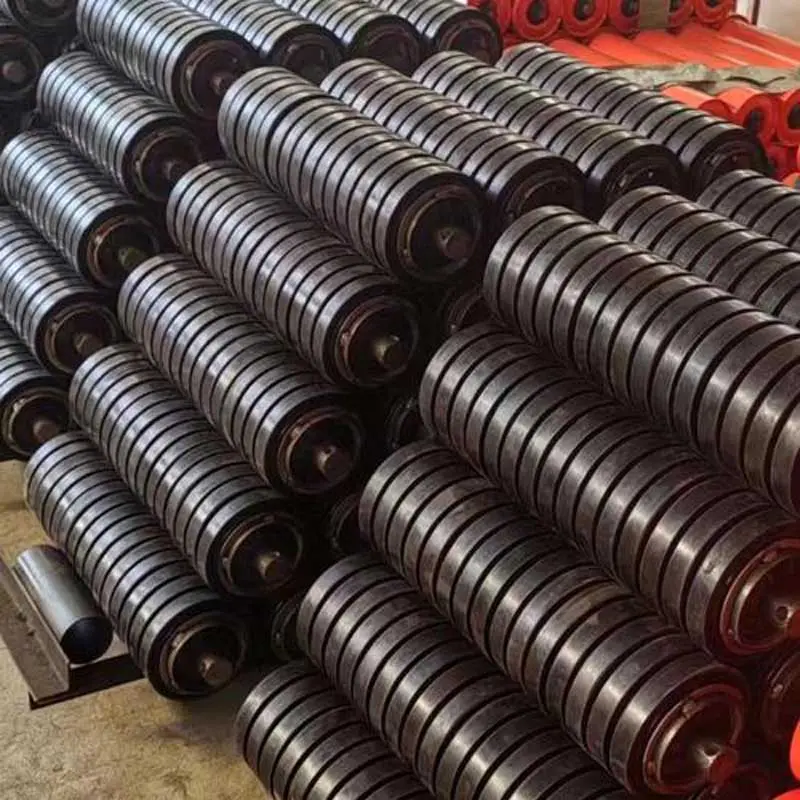
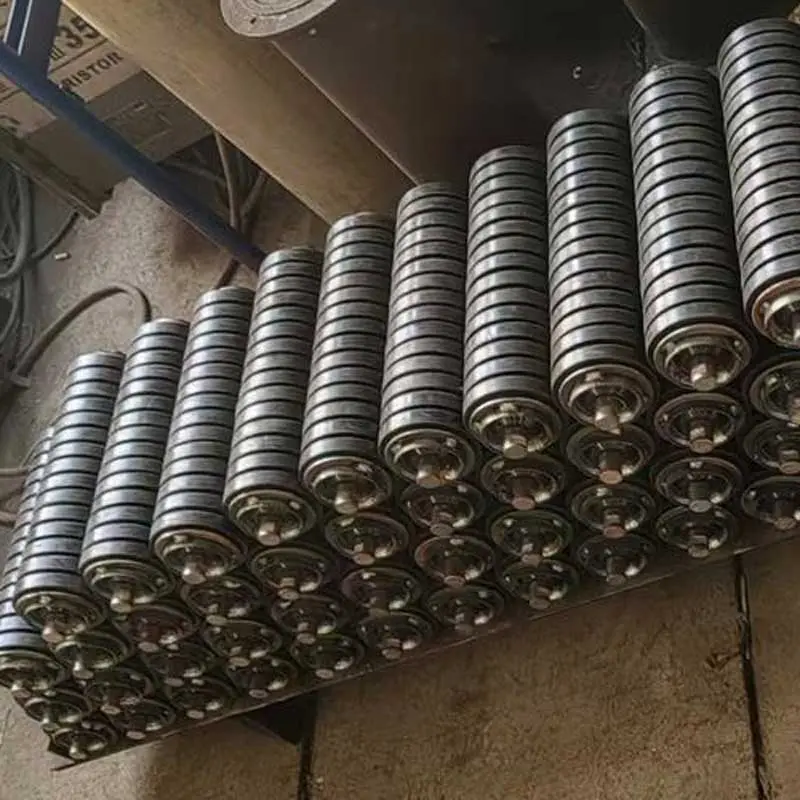
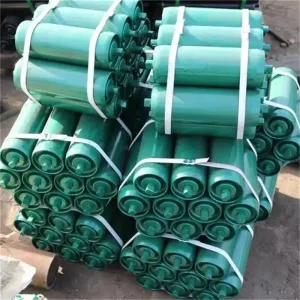
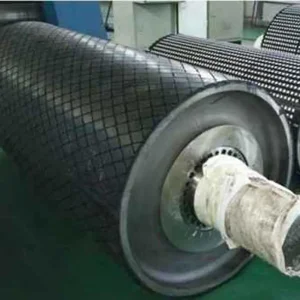
Introducing the Impact Idler – a revolutionary solution designed specifically for use in corrosive environments such as coal washing plants, coking plants, and chemical processing facilities. As a leading China supplier, we bring you the ultimate impact idler that effectively reduces the impact of falling materials on belt conveyors, ensuring the longevity and reliability of your equipment, Constructed from advanced polymer materials, our Impact Idler boasts toughness over 10 times that of ordinary metals and a lifespan five times greater than traditional column shoes. Its lightweight yet sturdy design offers exceptional corrosion resistance, flame retardancy, and anti-static properties, making it ideal for mining and harsh environments, The roller body features mechanical properties akin to bronze, providing excellent wear resistance and self-lubricating performance without compromising the integrity of the conveyor belt. Our specialized buffering roller delivers unmatched anti-corrosion performance, with both the roller body and sealing components crafted from durable polymer materials. When installed in corrosive settings, the service life of our Impact Idler surpasses that of standard rollers by more than five times, Choose our Impact Idler for superior performance in challenging conditions, and partner with a trusted factory in China to enhance your conveyor systems today
The buffer roller is lightweight and has low rotational inertia. The specialized polymer material for rollers is lightweight, with a specific gravity of one seventh that of steel. Rollers made from this material weigh about half of ordinary rollers, have low rotational inertia, and low friction between rollers and belts.
Purpose
Buffer rollers are installed below the receiving section of the conveyor to reduce the impact of materials on the conveyor belt during material dropping, thereby extending the service life of the conveyor belt. The spacing between buffer rollers is generally 100–600 millimeters.
Standard Diameter Parameters
According to the Chinese national conveyor industry standards, there are four standard types of buffer roller diameters for belt conveyors with a belt width of 500mm–1400mm:
Ø 89 mm
Ø 108 mm
Ø 133 mm
Ø 159 mm
With the emergence of wide belt conveyors, the diameter of buffer rollers has also shown an increasing trend.
Installation and Selection
In terms of installation and purchasing, pay attention to the following key points:
Increase the density of buffer roller installation to reduce impact force per unit area.
Regularly inspect and replace damaged rollers in a timely manner.
For conveyor belts with large drop heights, install buffer air locks and replace buffer rollers with buffer beds.
Evaluate radial runout and flexibility of the roller during purchasing.
Check axial displacement and axial bearing capacity of the roller.
Ensure adequate dust and water resistance, as well as impact resistance of the roller.
Protection
1
Buffer Roller Temperature Protection
When the temperature of the belt conveyor drum exceeds the limit due to friction with the belt, the detection device installed closely to the drum sends an overtemperature signal. After receiving the signal, the receiver delays for 3 seconds, causing the execution part to act, cutting off the power supply to the motor, and the conveyor automatically stops running, providing temperature protection.
2
Roller Group Speed Protection
If the conveyor malfunctions — such as motor burnout, mechanical transmission damage, belt or chain breakage, or belt slipping — the magnetic switch in the accident sensor (SG) installed on the driven part cannot be closed or cannot close at normal speed. The control system then follows the inverse time characteristic and, after a certain delay, the speed protection circuit activates, cutting off the motor power supply to prevent the accident from expanding.
3
Buffer Roller Coal Bunker Level Protection
There are two coal level electrodes in the coal bunker — high and low. When there are no empty cars in the bunker, the coal level gradually rises. When the coal level reaches the high-level electrode, the coal level protection is activated. Starting from the first belt conveyor, each conveyor stops one by one due to coal stacking at the tail of the machine.
Frequently Asked Questions
Q
What is a buffer roller and what is it used for?
A buffer roller is a specialized conveyor component installed beneath the receiving section of a conveyor belt. Its primary purpose is to absorb the impact force of falling materials, thereby protecting the conveyor belt from damage and extending its service life.
Q
What are the advantages of polymer buffer rollers over standard steel rollers?
Polymer buffer rollers have a specific gravity approximately one seventh that of steel, making them roughly half the weight of ordinary steel rollers. This results in lower rotational inertia and reduced friction between the roller and belt, improving overall conveyor efficiency.
Q
What are the standard diameter sizes for buffer rollers?
According to Chinese national conveyor industry standards, the four standard buffer roller diameters for belt widths of 500mm–1400mm are: Ø 89mm, Ø 108mm, Ø 133mm, and Ø 159mm. Larger diameters are also available for wide belt conveyor applications.
Q
What should be considered when selecting buffer rollers for purchase?
Key selection criteria include: radial runout of the roller, roller flexibility, axial displacement tolerance, dust and water resistance rating, axial bearing capacity, and the roller's overall impact resistance. These factors directly affect performance and durability in demanding conveying environments.
Q
How does buffer roller temperature protection work?
A detection device mounted close to the conveyor drum monitors operating temperature. If the drum temperature exceeds the set limit due to belt friction, an overtemperature signal is triggered. After a 3-second delay, the control system cuts off the motor's power supply and the conveyor stops automatically to prevent damage.
Q
What is the recommended installation spacing for buffer rollers?
The recommended installation spacing for buffer rollers is generally between 100mm and 600mm, depending on the material load, drop height, and belt width. For applications with large drop heights, it is advisable to increase roller density or replace buffer rollers with a buffer bed for enhanced protection.
 Boao Rubber