Purpose
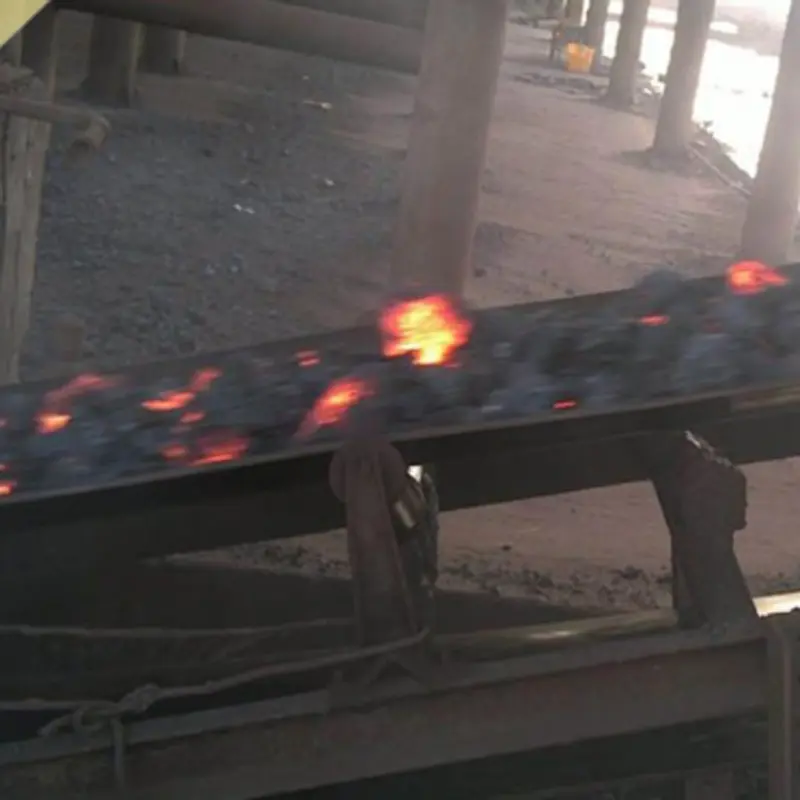
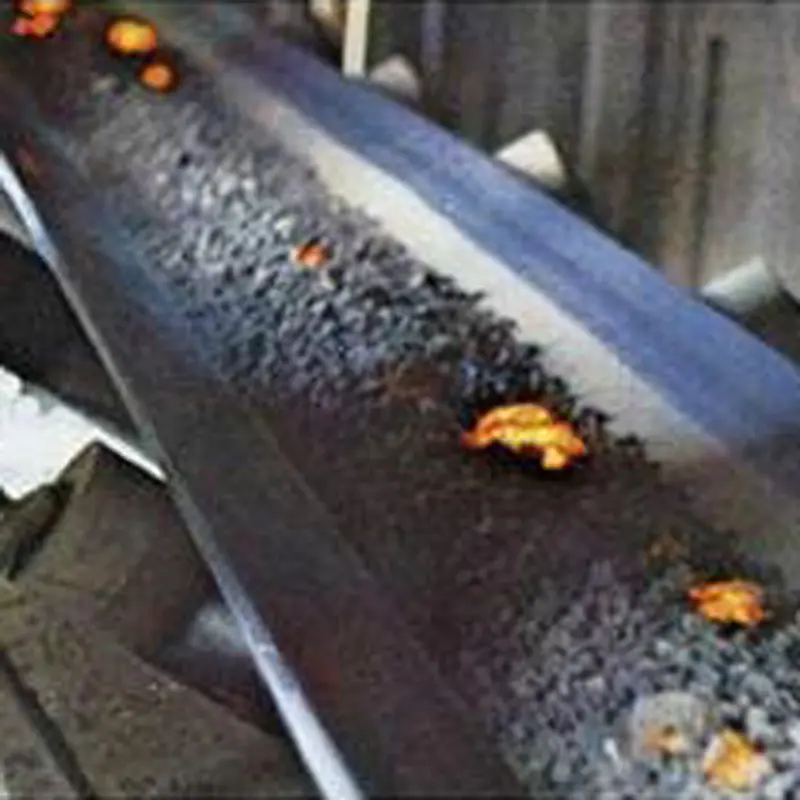
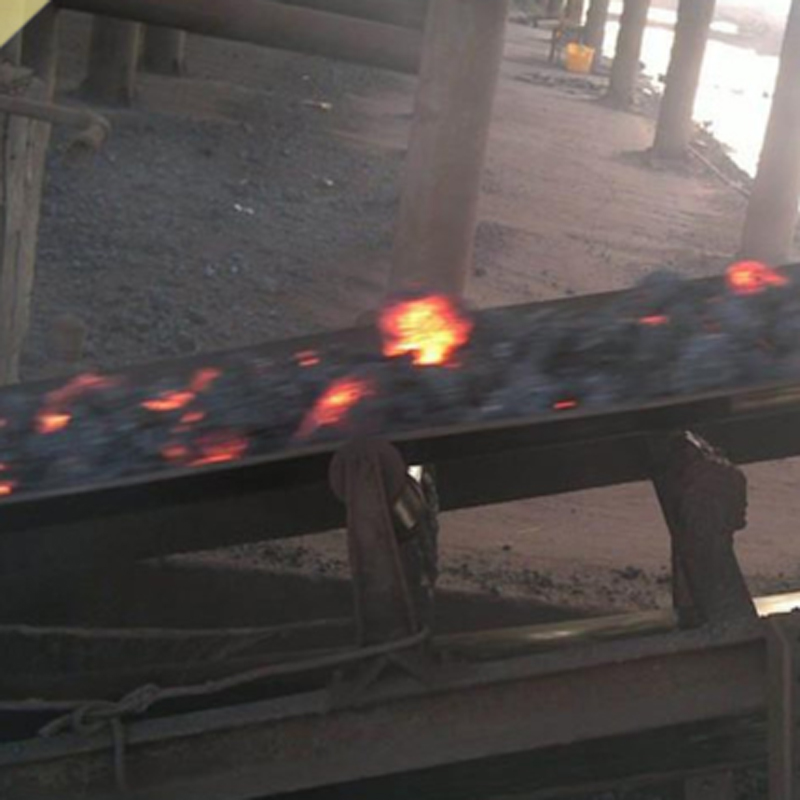
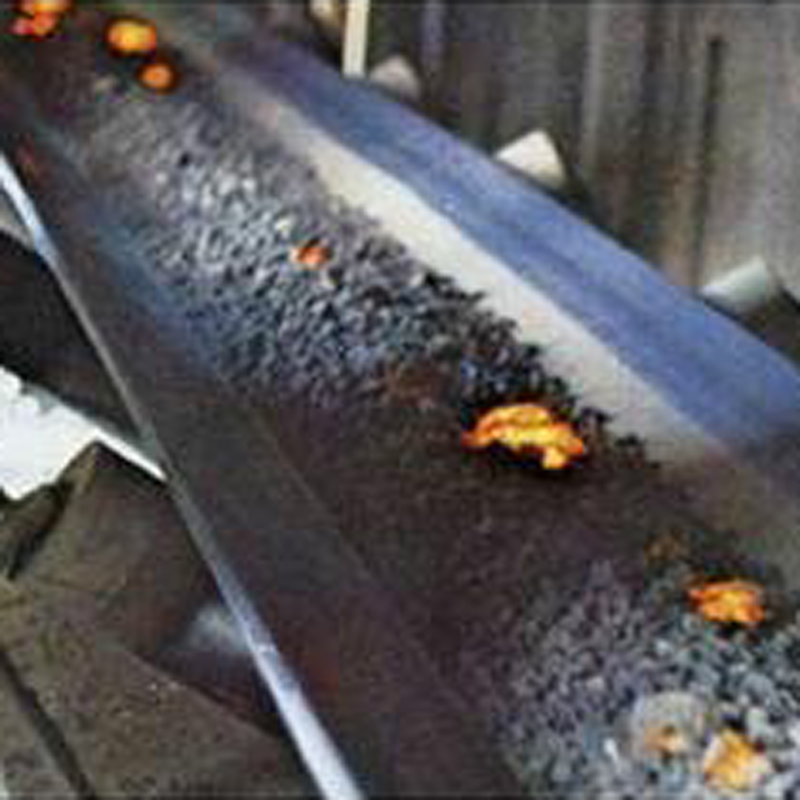
🏭 Mainly used in metallurgy and construction industries to transport high-temperature materials such as sintered ore, coke, and cement clinker. Material temperature should not exceed 800 °C, and surface temperature should not exceed 220 °C.
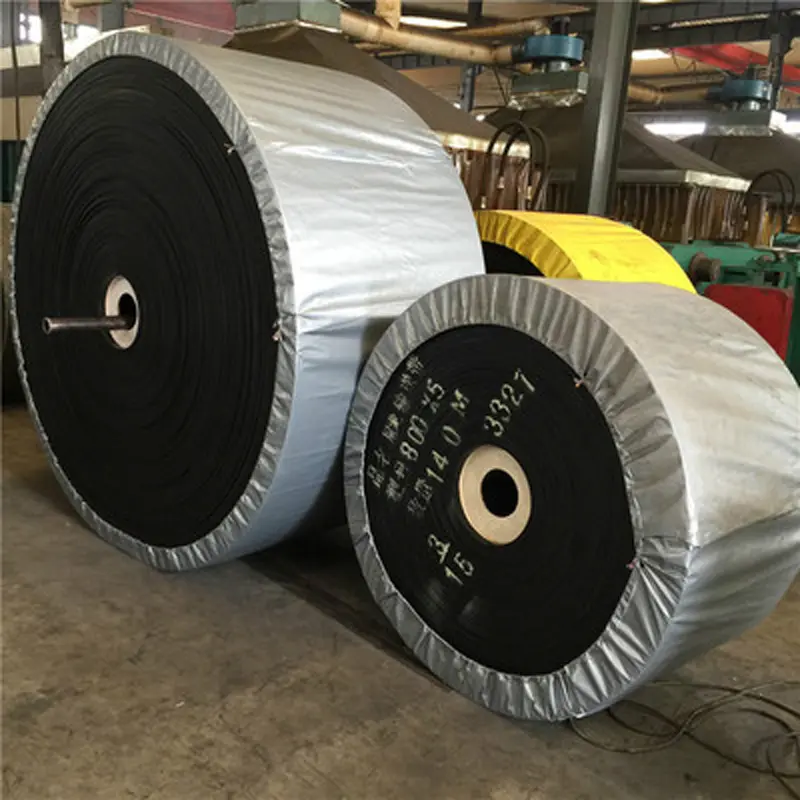
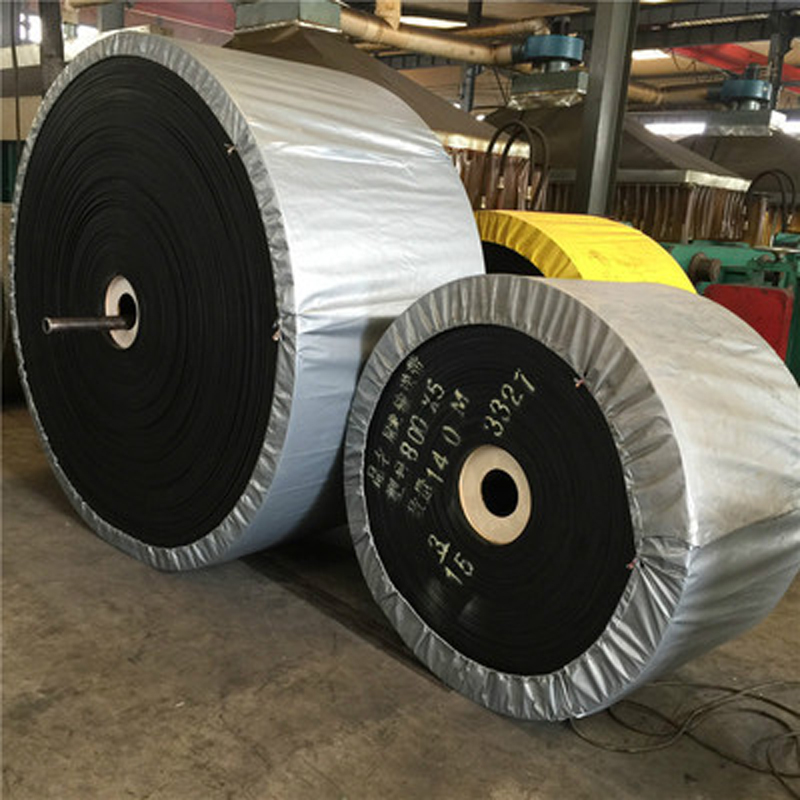
The cover layer is made of EPDM rubber, and the skeleton material uses domestically produced high-temperature resistant canvas. The unique formula design solves key problems of high saturation, poor adhesion, and low interlayer adhesion of EPDM rubber. It features light weight, long lifespan (approximately 2–4 times) compared to standard belts, and excellent heat resistance.
📋
Implementing the standard of "General purpose fabric core conveyor belts with rubber or plastic covering", this standard adopts the international standard draft ISO/FDIS14890-1999.
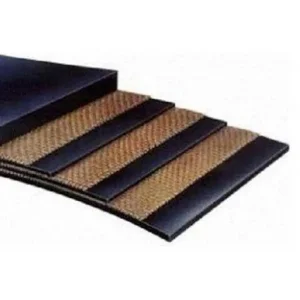
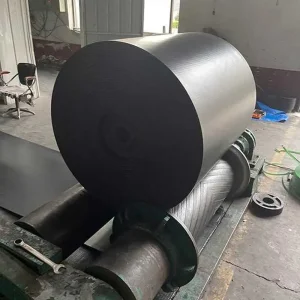
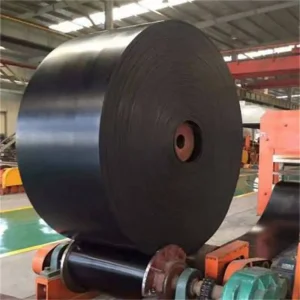
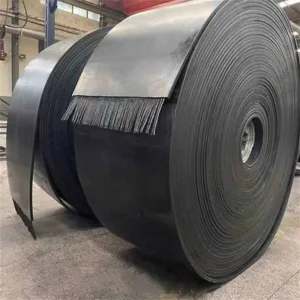
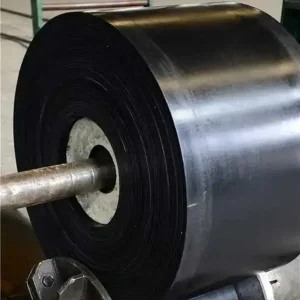
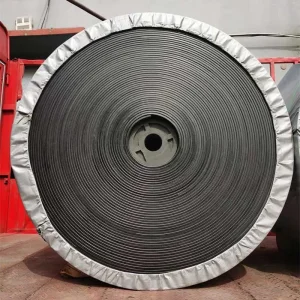
A heat-resistant conveyor belt is made of multiple layers of rubber cotton canvas (polyester cotton cloth) or polyester canvas covered with high-temperature resistant or heat-resistant rubber, bonded together by high-temperature vulcanization — suitable for transporting hot coke, cement, slag, and hot castings below 175 °C.
1. The specifications are the same as ordinary conveyor belts.
2. The product complies with HG2297-92 standard.
3. Heat-resistant conveyor belts can be divided into four types:
-
T1
Type I: Can withstand test temperatures not exceeding 100 °C, with a maximum short-term operating temperature of 150 °C.
-
T2
Type II: Can withstand a test temperature not exceeding 125 °C, with a maximum short-term operating temperature of 170 °C.
-
T3
Type III: Can withstand test temperatures not exceeding 150 °C, with a maximum short-term operating temperature of 200 °C.
-
T4
Type IV: Can withstand a test temperature not exceeding 175 °C, with a maximum short-term operating temperature of 250 °C.
Physical Properties
📐
Strength Aging Difference
23 IRHD (Pre vs. Post Aging)
📈
Maximum Value After Aging
88 IRHD
📉
Tensile Strength Decrease Rate
40% change rate
🔬
Lowest Value After Aging
5 MPa minimum
🔄
Tensile Strength Change Rate
60% performance change
📏
Minimum Value After Aging
150% elongation minimum
🔗 High-temperature resistant steel mesh conveyor belt is made of steel wires woven vertically and horizontally. The surface is galvanized or copper plated, and the lower surface is covered with a rubber layer. During transportation of high-temperature materials, the overall surface does not peel off — its performance is more reliable than layered heat-resistant conveyor belts.
A heat-resistant conveyor belt is made of multiple layers of rubber cotton canvas (polyester cotton cloth) covered with high-temperature resistant rubber, bonded together by high-temperature vulcanization — suitable for transporting hot coke, cement, slag, and hot castings below 240 °C.
1. The specifications are the same as ordinary conveyor belts.
2. The product complies with HG2297-92 and GB/T20021-2005 standards.
3. Heat-resistant conveyor belts can be divided into five types:
-
T1
Type I: Can withstand test temperatures not exceeding 100 °C, with a maximum short-term operating temperature of 150 °C.
-
T2
Type II: Can withstand a test temperature not exceeding 125 °C, with a maximum short-term operating temperature of 170 °C.
-
T3
Type III: Can withstand test temperatures not exceeding 150 °C, with a maximum short-term operating temperature of 200 °C.
-
T4
Type IV: Can withstand a test temperature not exceeding 175 °C, with a maximum short-term operating temperature of 400 °C.
-
T5
Type V: Can withstand a test temperature not exceeding 240 °C, with a maximum short-term operating temperature of 600 °C.
Key Features
This conveyor belt is mainly used in metallurgy, building materials, casting, coking, and chemical engineering industries to transport high-temperature solid materials such as sintered ore, coke, cement, and fertilizers. The heat resistance and service life mainly depend on the heat resistance of the covering layer and the belt core.
- Cover layer rubber uses high-performance materials: styrene butadiene rubber, butyl rubber, and ethylene propylene rubber for superior heat resistance.
- Belt core uses polyester cotton and polyester canvas with heat resistance and low heat-shrinkage properties.
- Available in four temperature resistance grades: T1 (100 °C), T2 (125 °C), T3 (150 °C), T4 (175 °C) test temperatures.
- Strength and width specifications are identical to ordinary conveyor belts, enabling easy replacement.
- Complies with national standard GB/T 20021-2005 "Canvas Heat-resistant Conveyor Belt".
- Advanced versions incorporate flame retardant insulation agents, anti-ablation agents, and thermal conductivity agents for extreme conditions.
📌 Tape Marking Example
200 · 1200 · EP · 5 · 1000 · 8+3 · T2
Length: 200m | Width: 1200mm | Core: EP canvas (5 layers) | Strength: 1000 N/mm | Cover: 8mm (top) + 3mm (bottom) | Grade: T2 (≤125 °C test temperature)
To meet higher operating temperatures, some manufacturers have also developed heat-resistant conveyor belts that can withstand higher temperature levels and high-temperature conveyor belts resistant to burning. Flame retardant insulation agents, anti-ablation agents, and thermal conductivity agents are added to the cover layer rubber to improve high-temperature and anti-ablation properties.
Frequently Asked Questions (FAQ)
Q
What is the maximum material temperature a heat-resistant conveyor belt can handle?
The material temperature should not exceed 800 °C, while the surface temperature of the belt should not exceed 220 °C. For specific high-temperature grades (T1–T5), the maximum short-term operating temperature ranges from 150 °C up to 600 °C depending on the type selected.
Q
What are the different heat-resistant conveyor belt grades and their temperature limits?
Heat-resistant conveyor belts are classified into five grades: T1 (test ≤100 °C, max 150 °C), T2 (test ≤125 °C, max 170 °C), T3 (test ≤150 °C, max 200 °C), T4 (test ≤175 °C, max 400 °C), and T5 (test ≤240 °C, max 600 °C). Each grade is suited to different industrial applications.
Q
What industries commonly use heat-resistant conveyor belts?
Heat-resistant conveyor belts are widely used in metallurgy, building materials, casting, coking, and chemical engineering industries. They are ideal for transporting high-temperature materials such as sintered ore, coke, cement clinker, slag, and hot castings.
Q
What materials are used in the cover layer and belt core of heat-resistant conveyor belts?
The cover layer is typically made from high-performance rubbers such as EPDM (ethylene propylene rubber), styrene butadiene rubber, or butyl rubber. The belt core uses polyester cotton canvas or polyester canvas, selected for their heat resistance and low heat-shrinkage characteristics.
Q
What quality standards do heat-resistant conveyor belts comply with?
Heat-resistant conveyor belts comply with multiple standards including HG2297-92, GB/T20021-2005 ("Canvas Heat-resistant Conveyor Belt"), and the international standard draft ISO/FDIS14890-1999 for general purpose fabric core conveyor belts.
Q
What is the advantage of a steel mesh heat-resistant conveyor belt over a layered belt?
The high-temperature resistant steel mesh conveyor belt is woven from vertically and horizontally arranged steel wires, with a galvanized or copper-plated surface and a rubber underside. Unlike layered belts, the steel mesh belt does not peel or delaminate during high-temperature material transport, offering greater reliability and durability in extreme conditions.
 Boao Rubber