Home >
Hot Products >
China Rubber Lifting Conveyor Belt Suppliers - High-Quality Factory Production for Bucket Elevators
1 / 2
China Rubber Lifting Conveyor Belt Suppliers - High-Quality Factory Production for Bucket Elevators
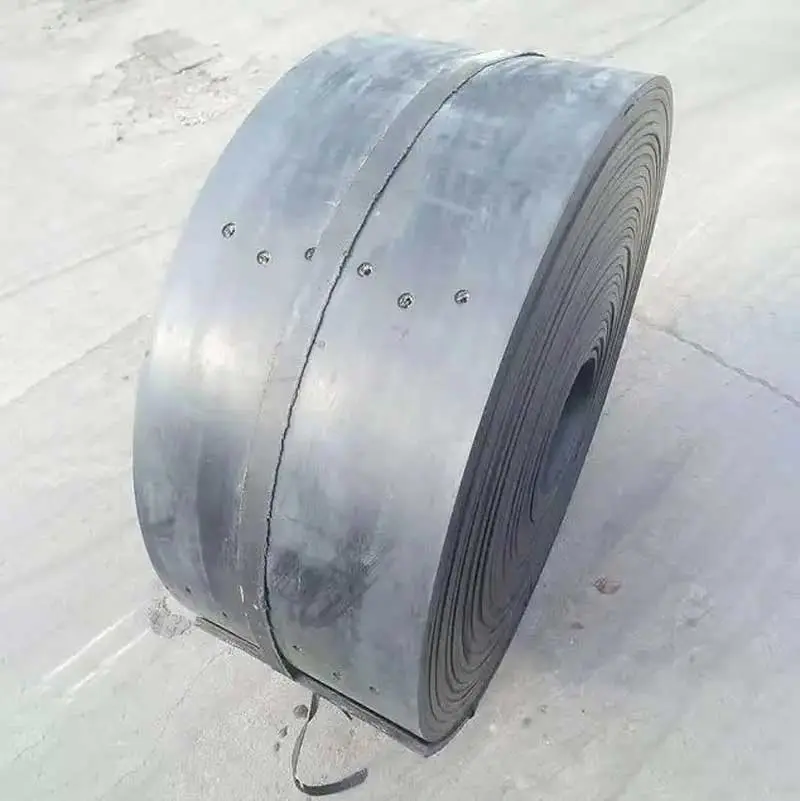
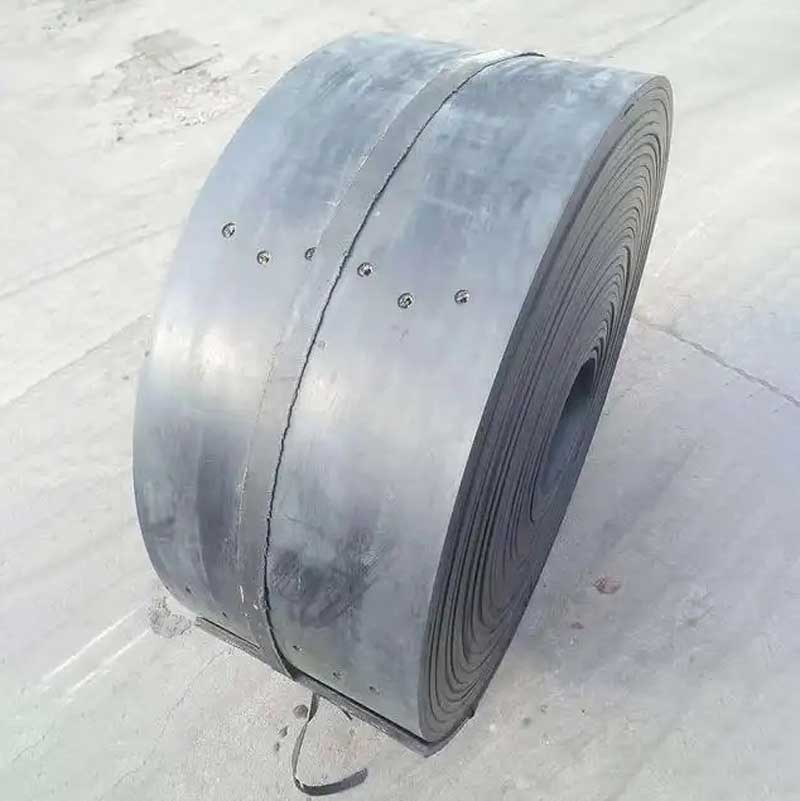
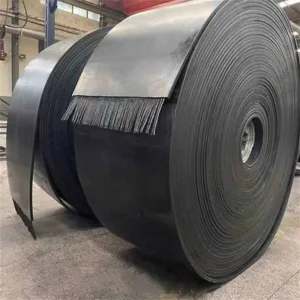
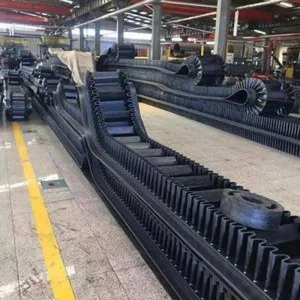
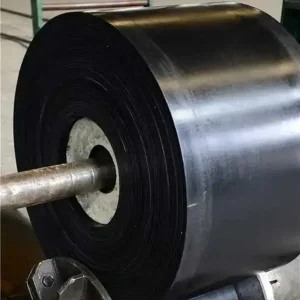
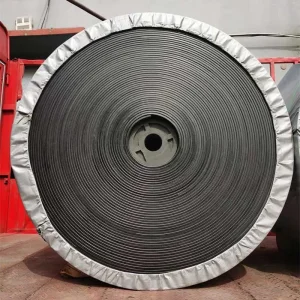
Introducing our high-quality Rubber Lifting Belt, an essential industrial rubber product widely used in China. As a robust conveyor belt solution, it is specifically designed for hopper installations and acts as a vital traction component in bucket elevators, efficiently lifting and transporting various materials, Our Rubber Lifting Belts are available in two core structures: fabric core and steel wire rope core, catering to diverse industrial needs. To suit different applications, we classify our belts based on wear resistance and material load capacities into three distinct types: D-type for strong wear resistance, L-type for moderate wear, and T-type for heat resistance, ideal for conveying high-temperature materials, As a leading supplier and factory in the industry, we are committed to providing top-notch rubber lifting solutions that meet the highest standards of quality and durability. Enhance your operations with our reliable Rubber Lifting Belts, designed for efficiency and longevity in material handling
📌 Marking Example 1 (Fabric Core): 1000 B 9508 4.5T × 3.0 1000 NN5
Strength: 1000 N/mm | Produced: August 1995 | Upper cover: 4.5mm | Lower cover: 3mm | Belt width: 1000mm | Core: Nylon canvas, 5 layers
📌 Marking Example 2 (Steel Wire Rope Core): St1000 B 9508 5T × 5T 1200 φ3.5
Strength: 1000 N/mm | Produced: August 1995 | Upper & lower cover: 5mm each | Belt width: 1200mm | Wire rope diameter: 3.5mm Complies with: Chemical Industry Standard HG/T 2577-1994 "Rubber Lifting Belt"
This standard was revised in 2005 and is currently awaiting approval. The revised standard has been renamed as "Rubber or Plastic". The strength and width specifications of fabric core and steel wire rope core lifting belts are consistent with those of general-purpose conveyor belts. The covering layer performance is classified into three types:
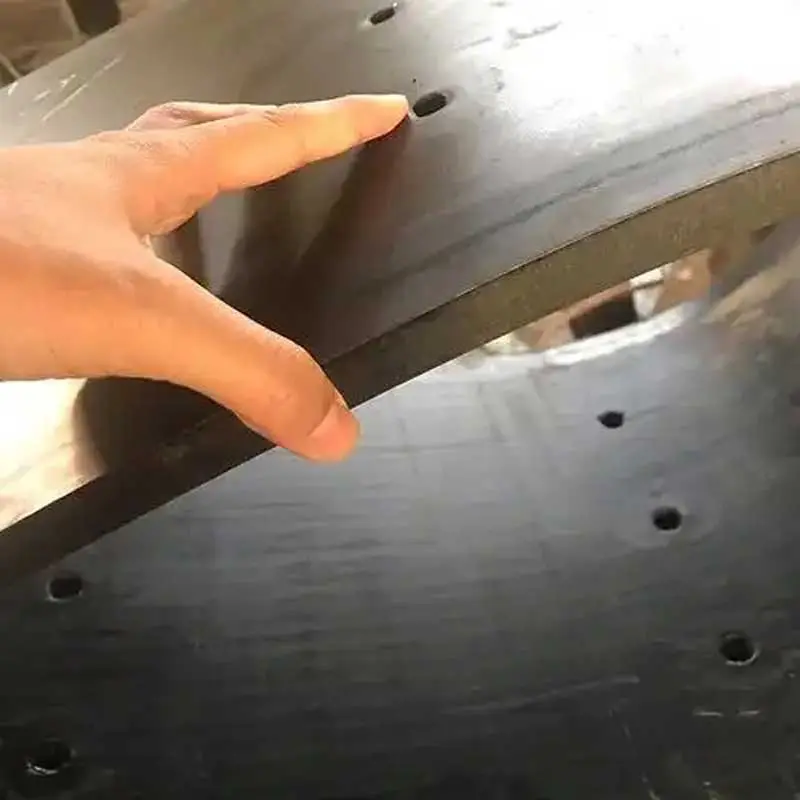
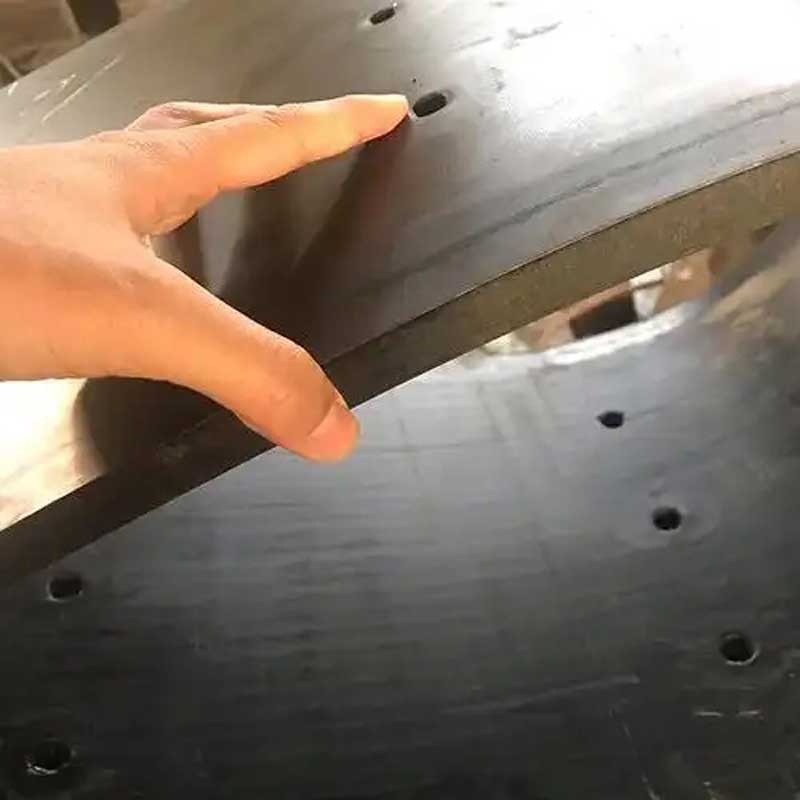
The revised standard also specifies the punching and drilling requirements of lifting belts.
Further Details
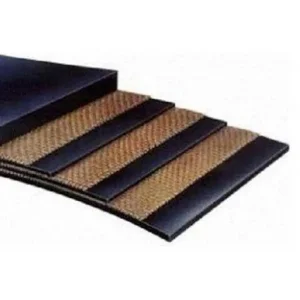
The rubber lifting belt is made up of multiple layers of adhesive fabric, and the core of the belt should generally be covered with adhesive. It can be categorized by temperature, core material, and performance characteristics:
Heat-Resistant Lifting Belts
Ordinary Lifting Belts
Full Cotton Core Belts
Polyester-Cotton Interwoven Belts
Nylon Core Belts
EP (Polyester-Nylon) Lifting Belts
The physical properties and grade of the covering adhesive are divided based on wear resistance and load requirements:
What are the main types of rubber lifting belts available?
Rubber lifting belts are primarily available in two types based on their core material: fabric core lifting belts and steel wire rope core lifting belts. They can be further classified by temperature resistance (heat-resistant or ordinary) and by core composition (full cotton, polyester-cotton interwoven, nylon, or EP).
What strength specifications are available for fabric core lifting belts?
The strength specifications (N/mm) for fabric core lifting belts include: 100, 125, 160, 200, 250, 315, 400, 500, and above. Width specifications (mm) range from 150 to 1600, covering options such as 200, 300, 400, 500, 600, 650, 700, 800, 1000, 1200, 1400, and 1600.
How do I read the adhesive tape marking on a rubber lifting belt?
The marking code provides key information about the belt. For example, 1000 B 9508 4.5T × 3.0 1000 NN5 indicates: strength of 1000 N/mm, bucket type, produced in August 1995, upper cover thickness 4.5mm, lower cover thickness 3mm, belt width 1000mm, nylon canvas core with 5 layers. Similarly, steel wire rope core belts use a "St" prefix (e.g., St1000) and include the wire rope diameter (e.g., φ3.5).
What covering layer performance types are available for rubber lifting belts?
The covering layer is classified into three performance types: L-Type for general environmental conditions, T3-Type for heat resistance not exceeding 150°C, and T4-Type for heat resistance up to 175°C. Additionally, covering adhesives are graded by wear resistance into D-Type (strong wear), L-Type (moderate wear), and T-Type (heat resistant).
What standard governs rubber lifting belts?
Rubber lifting belts currently comply with the chemical industry standard HG/T 2577-1994 "Rubber Lifting Belt". This standard was revised in 2005 and is awaiting approval. The revised standard is renamed "Rubber or Plastic" and aligns the specifications of lifting belts with those of general-purpose conveyor belts. It also adds requirements for punching and drilling of lifting belts.
What are the common width specifications for rubber lifting belts?
The main width specifications (in mm) for rubber lifting belts are: 150, 200, 250, 300, 350, 400, 500, and 600. For fabric core belts, widths extend up to 1600mm, while steel wire rope core belts are available in widths up to 1400mm, offering a broad range to suit different industrial applications.
 Boao Rubber