 Boao Rubber
1 / 3
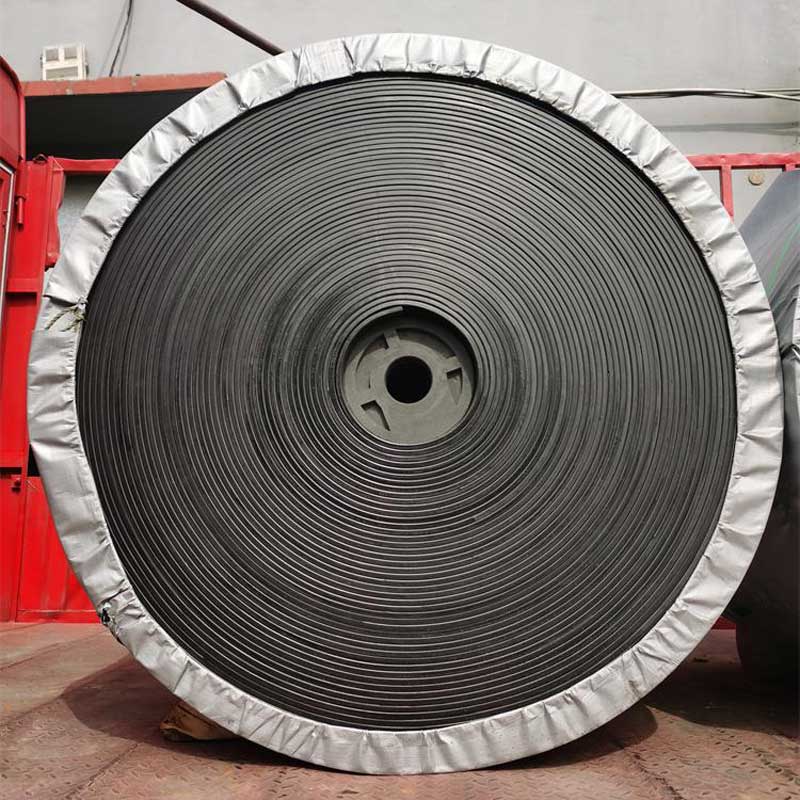
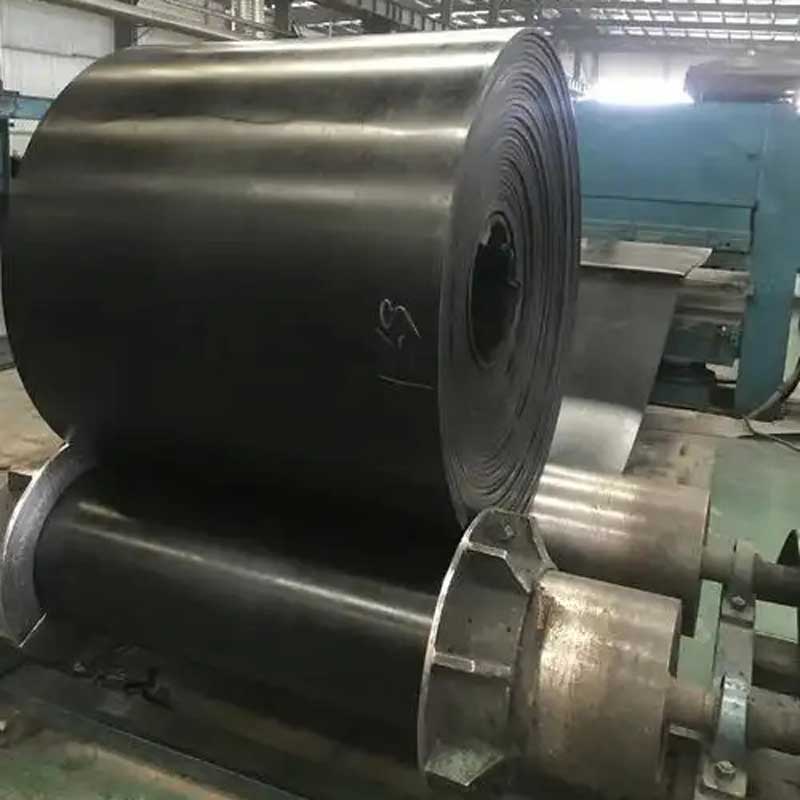
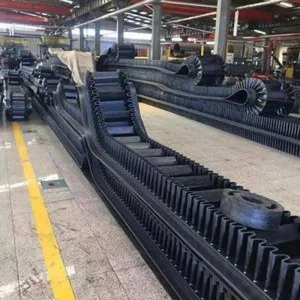
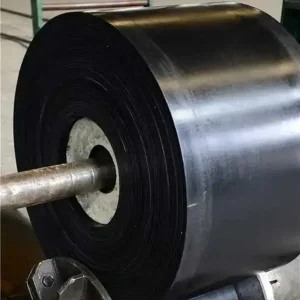
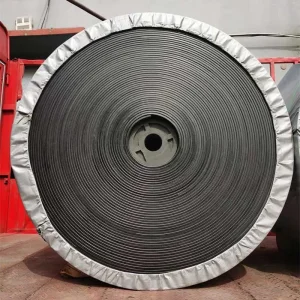
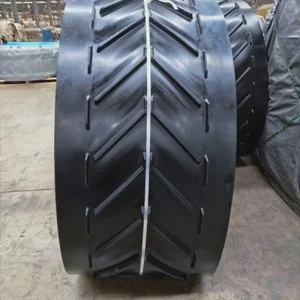
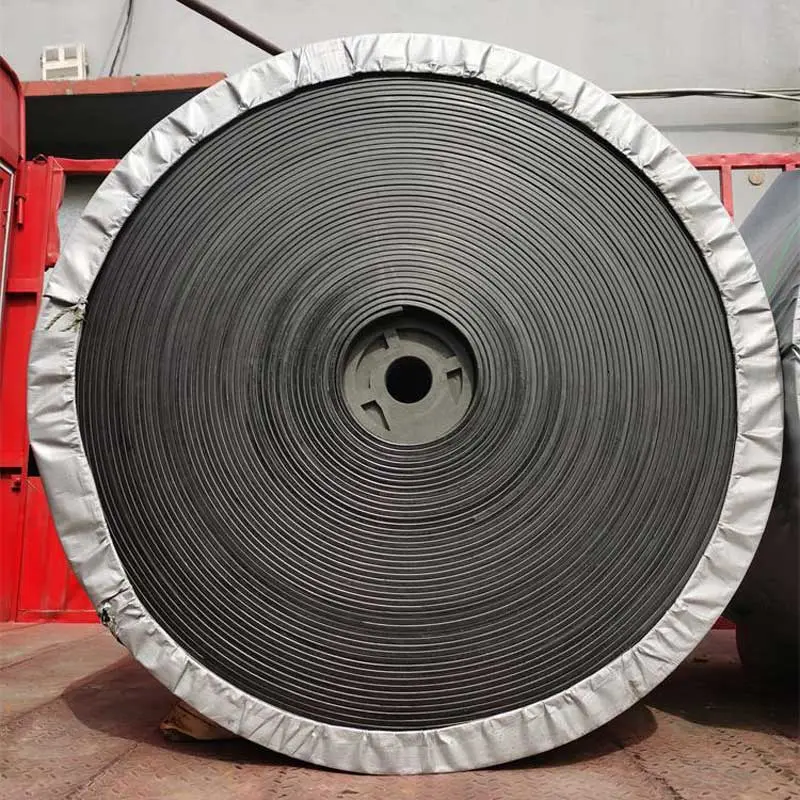
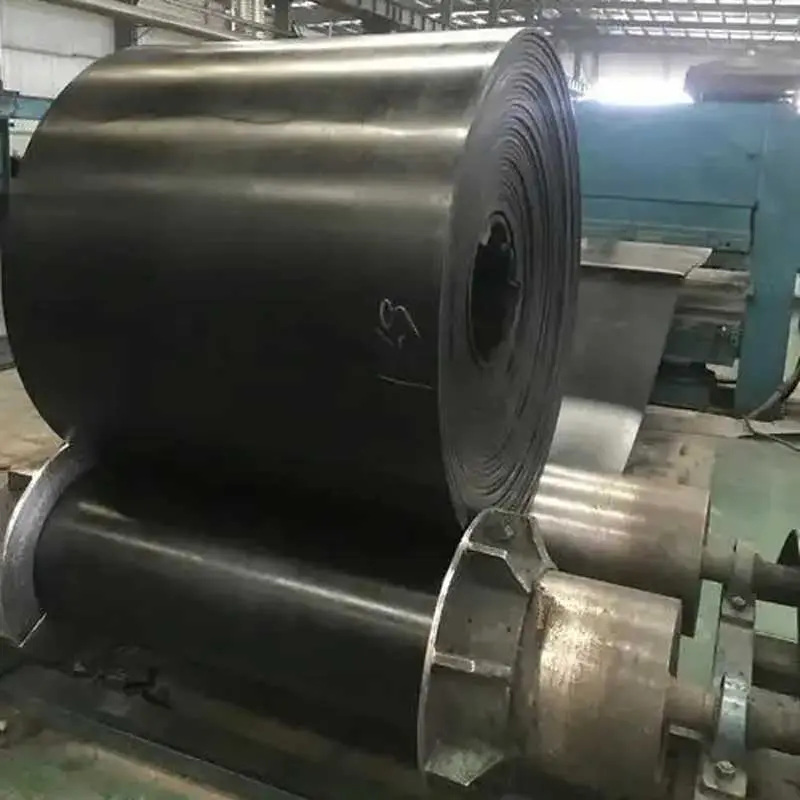
Cold resistant conveyor belt is a type of conveying equipment designed specifically for low-temperature environments, widely used in industries such as mining, ports, metallurgy, and chemical engineering. The technical indicators of cold resistant conveyor belts mainly include the following aspects:
Cold resistant conveyor belts are divided into two levels, C1 and C2, based on their cold resistance performance. The operating environment temperature for C1 level is -45 to 50 °C, while the operating environment temperature for C2 level is even colder, ranging from -60 to 50 °C.
According to the performance of covering adhesive, cold resistant conveyor belts can be divided into three types: scratch resistant (H), wear-resistant (D), and general (L).
Cold resistant conveyor belts have the characteristics of high elasticity, impact resistance, long-term compression, small deformation, and excellent cold resistance. These characteristics enable them to operate normally in low-temperature environments and withstand certain material temperatures and tensile strength.
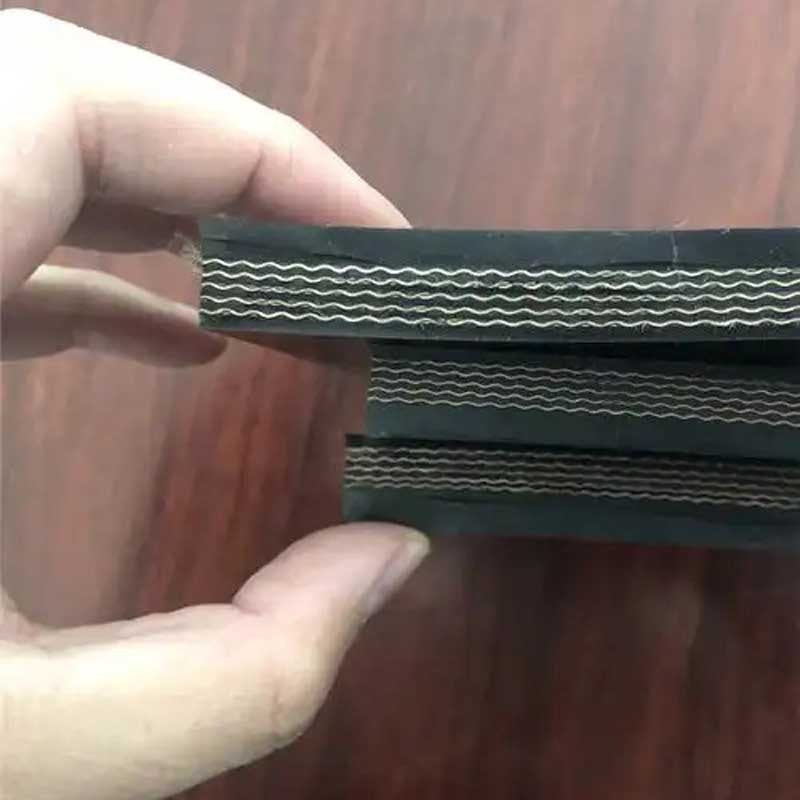
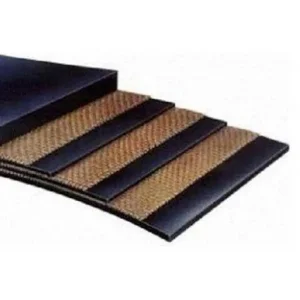
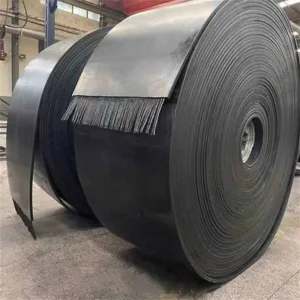
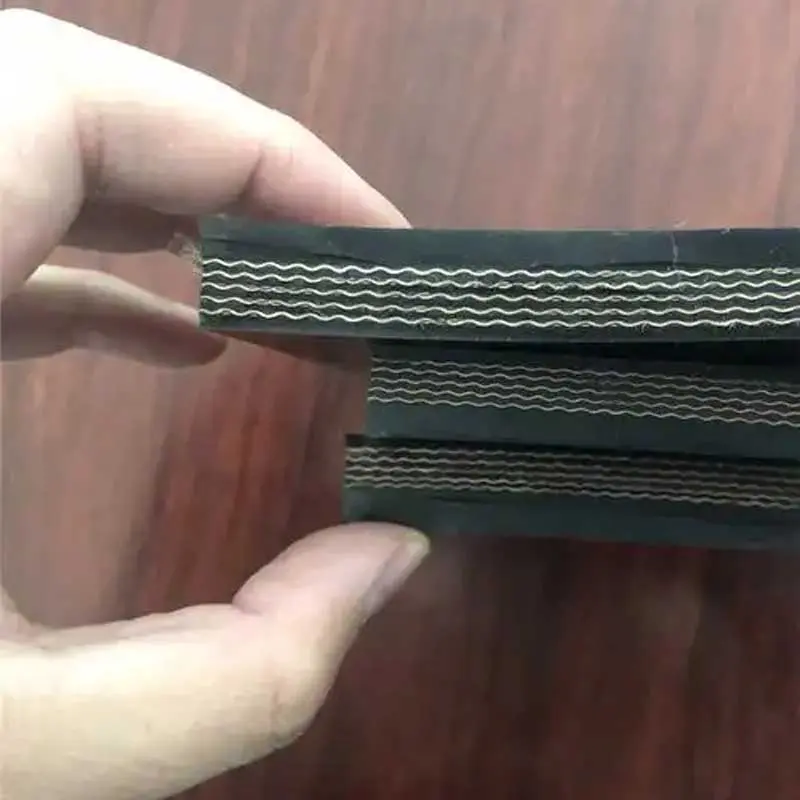
The core materials of cold resistant conveyor belts are diverse, including NN100, NN150 and other specifications. The bandwidth can range from 100mm to 3000mm, and the number of layers can vary from 1 to 10. The thickness of the working surface covered with adhesive is usually between 1.5 and 8.0mm, while the thickness of the non working surface is between 1.5 and 4.5mm.