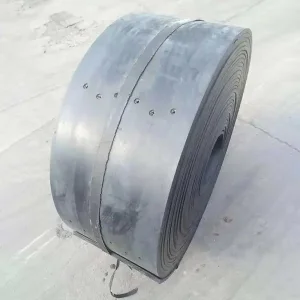
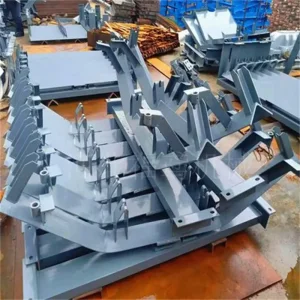
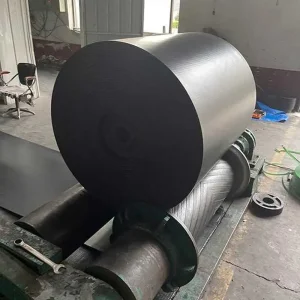
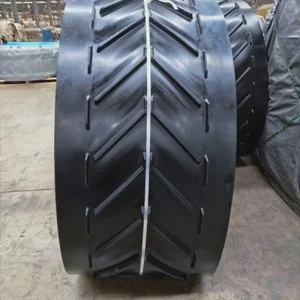
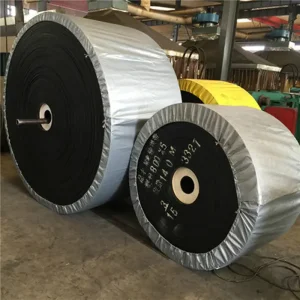
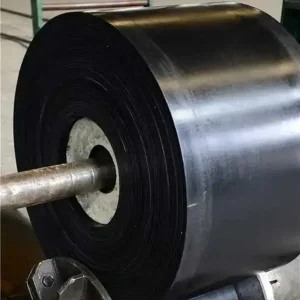
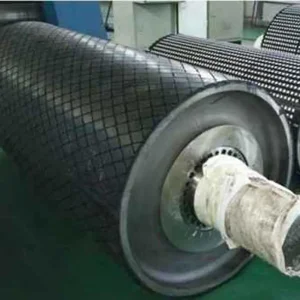
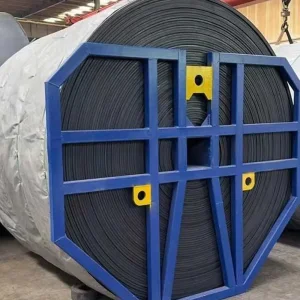
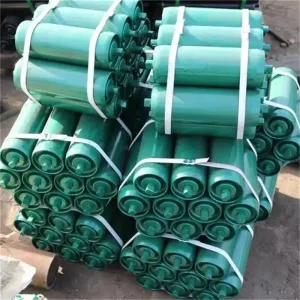
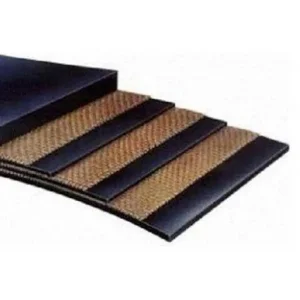
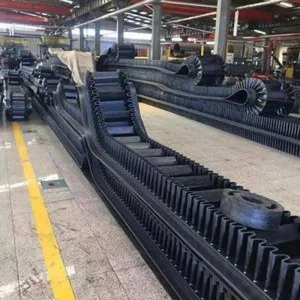
Explore our heavy-duty transmission components engineered for seamless material handling, coal processing, and conveyor systems.
Navigating the complexity of the global mechanical supply chain for ANSI 35 roller chain systems.
The global demand for No. 35 idler sprockets (featuring a 0.375-inch chain pitch) continues to surge across diverse manufacturing landscapes. In modern automated assemblies, food-grade production lines, pharmaceutical packing operations, and light-duty agricultural machinery, these components are critical. However, procuring them globally involves navigating complex logistical frameworks, shifting material science standards, and fluctuating total cost of ownership (TCO) matrices.
International procurement managers must evaluate several factors beyond the simple unit cost of the sprocket. High-speed, high-precision industrial systems require sprockets with minimal eccentricity, precise tooth profiles, and exceptionally durable bearing integration. In the European Union and North American markets, compliance standards like ANSI B29.1, DIN 8187, and RoHS compliance dictate procurement protocols. Sourcing from accredited Chinese manufacturers enables global operations to balance material strength and economic efficiency, optimizing operations without sacrificing durability.
Strict chemical compositions verified by Material Test Reports (MTRs) to prevent hydrogen embrittlement and early tooth shear.
Induction hardened teeth (HRC 45-55) dramatically extend the component lifecycle under continuous heavy loads.
Proactive safety stock management and robust packaging prevent oxidation and physical deformation during sea transit.
Additionally, modern supply chain strategies emphasize the integration of mechanical components within broader conveying systems. For example, Hebei Boao Rubber Technology provides comprehensive material handling ecosystems where heavy-duty conveying belts are supported by precisely aligned pulleys, rollers, and sprockets. Sourcing from single-source manufacturing complexes reduces assembly errors, minimizes mismatched tolerances, and lowers overall logistical costs.
Integrating mechanical precision with material handling networks to streamline heavy industries.
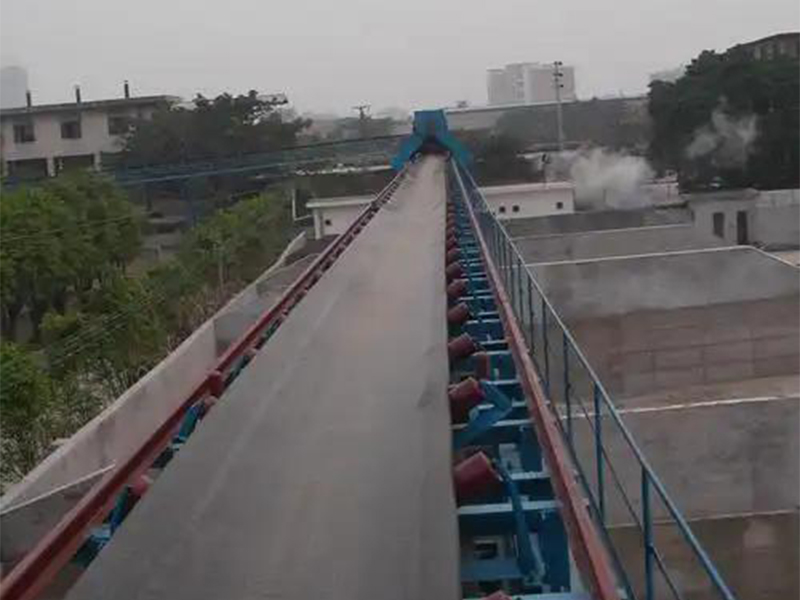
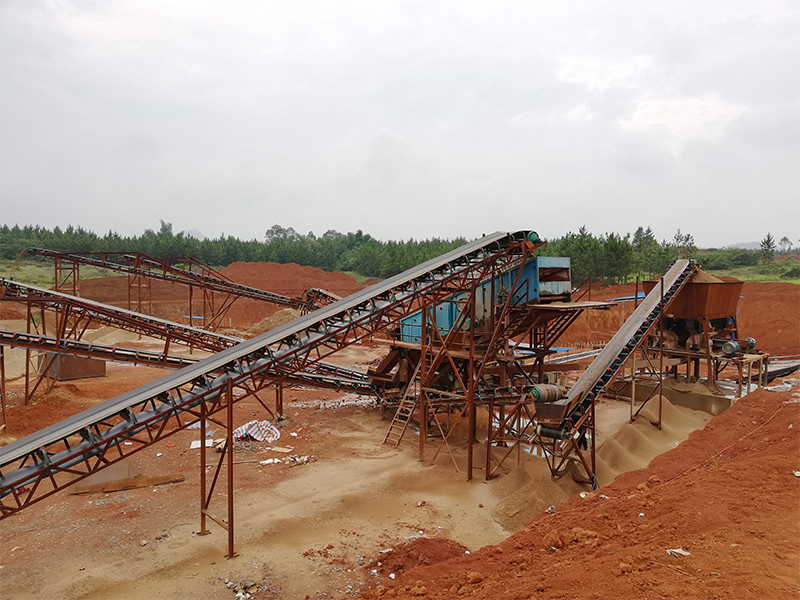
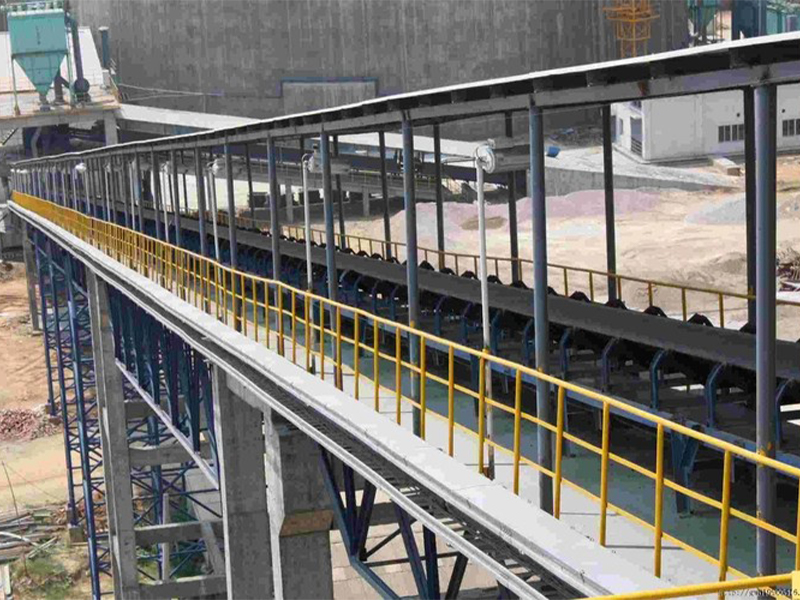
Industrial operations do not rely on isolated components. The performance of a conveying system depends on the dynamic relationship between its drive mechanisms, supporting rollers, tensioning units, and conveying belts. In high-torque operations, such as mining, metallurgy, and cement manufacturing, a minor failure in an idler sprocket or a misalignment of a conveyor belt can lead to costly unscheduled downtime. High-performance 35 Idler Sprockets play a critical role in these environments by maintaining consistent tension and alignment in the chain drives that operate alongside bulk material handling conveyors.
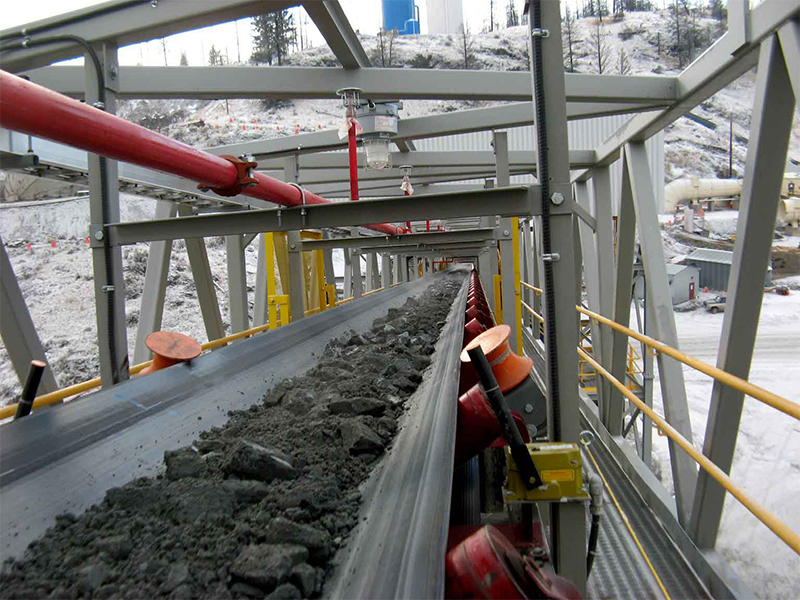
In power plants, grain storage facilities, and deep-sea ports, integrated engineering designs are essential. For example, conveyor systems handling bulk minerals combine heavy-duty steel wire rope core belts with precision idler rollers and robust sprocket drives to handle thousands of tons per hour. The tensioning mechanisms within these systems often rely on adjustable idler sprockets to prevent chain slippage and absorb dynamic shock loads, ensuring a smooth flow of materials.
Using high-strength materials, such as carbon steel C45 or SUS304/SUS316 stainless steel, prevents corrosion and wear in challenging environments. Sourcing components that are dynamically balanced and equipped with high-quality bearings (such as double-sealed ball bearings lubricated with high-temperature synthetic grease) ensures the system can withstand harsh industrial conditions. These materials help prevent bearing failures, tooth wear, and system misalignment, maintaining continuous production and reducing maintenance costs.
Hebei Boao Rubber Technology Co., Ltd. — A global leader in heavy-duty conveyor belts and transmission components.
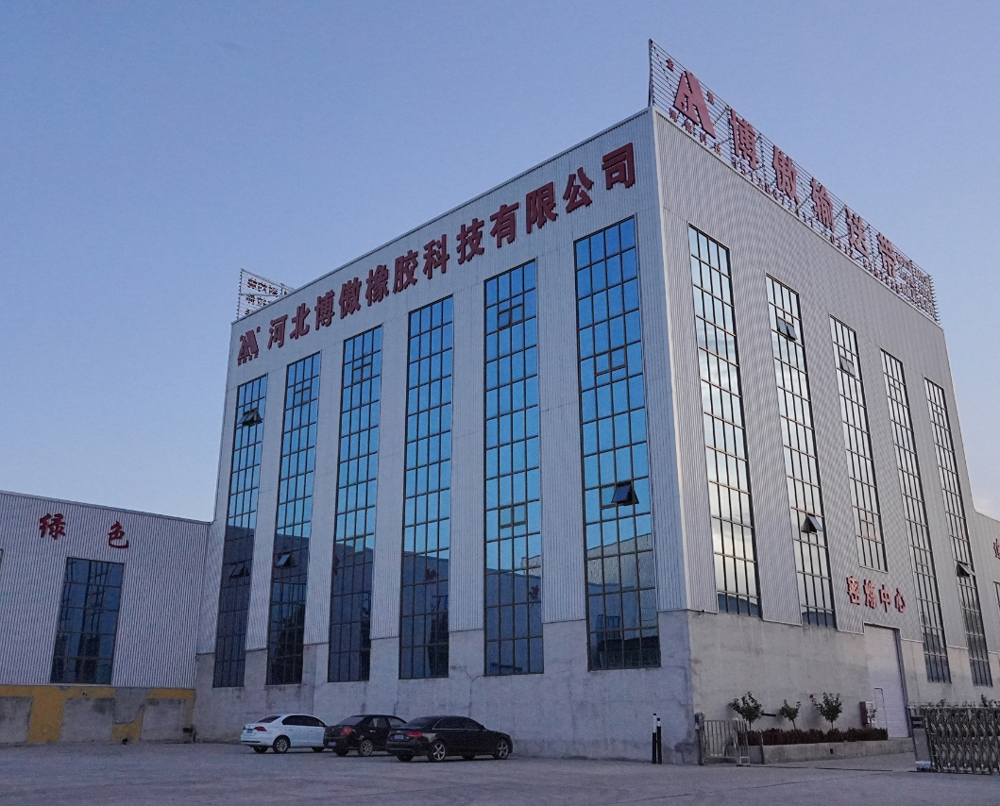
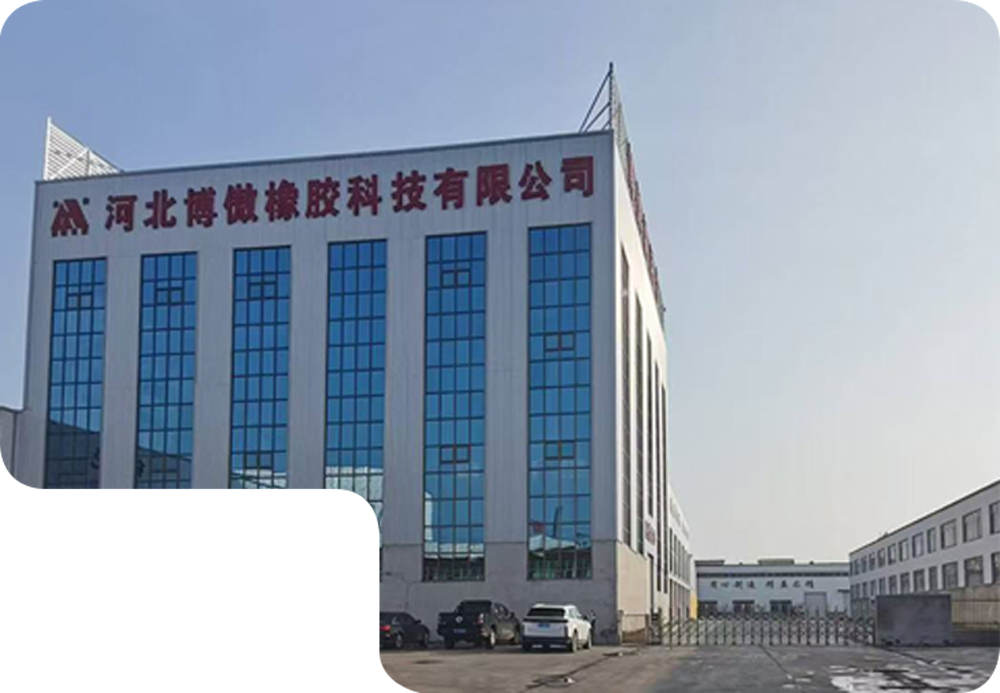
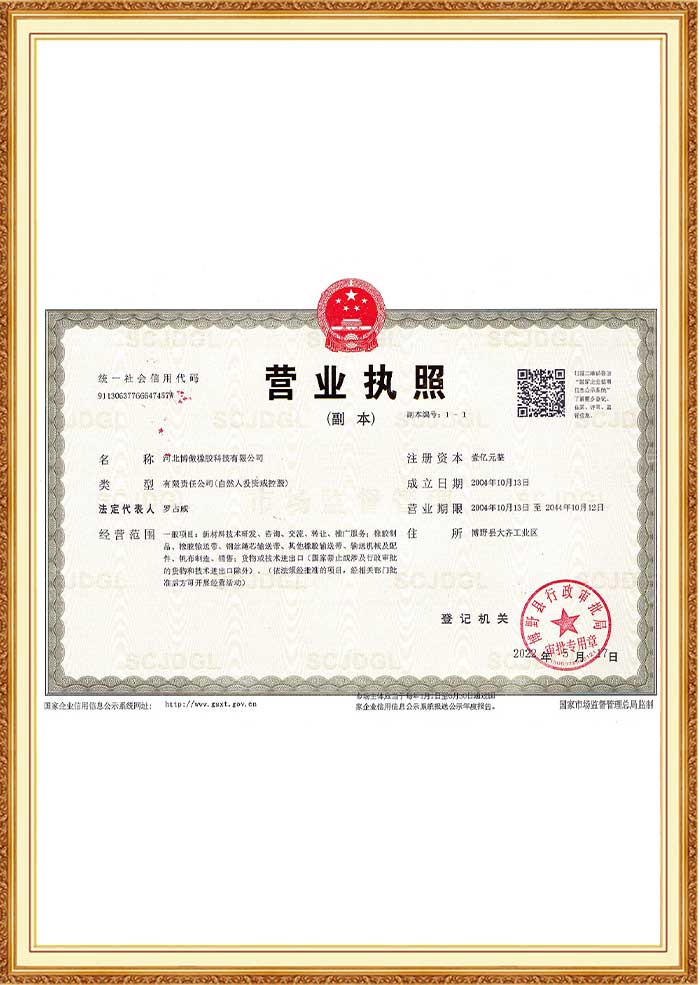
Hebei Boao Rubber Technology Co., Ltd. is situated within the Rubber Industrial Park of Boye County, Baoding City, Hebei Province. Founded in 2004, our manufacturing facility spans over 30 acres, housing advanced production infrastructure designed for high-capacity industrial demands.
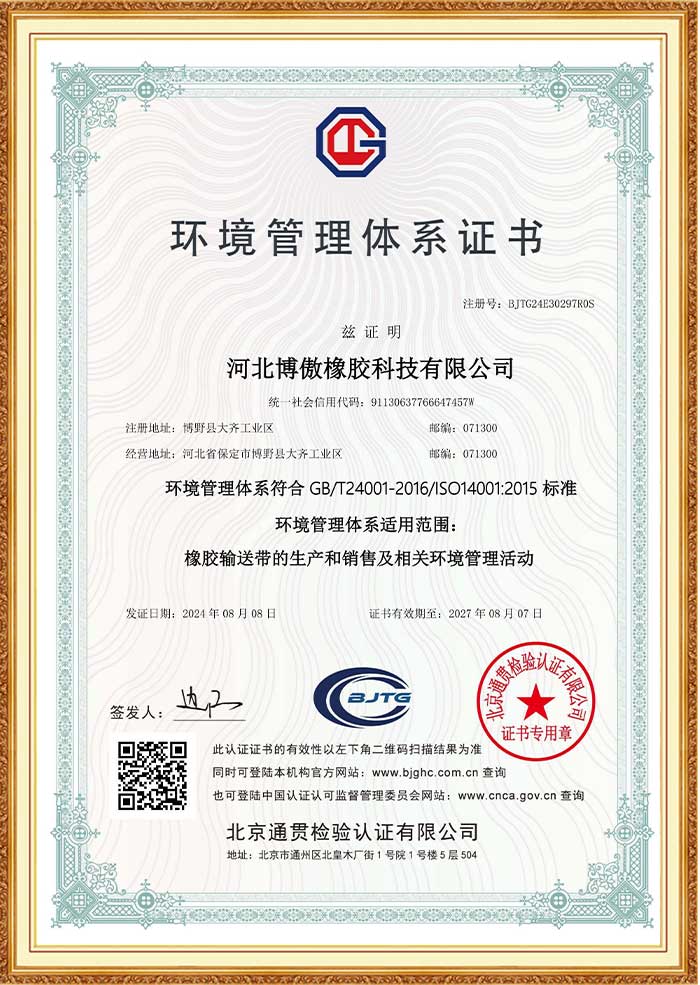
Under our brand name, "Jinao", we have developed a reputation for integrating product development, engineering research, custom design, manufacturing, and comprehensive global services. Our operations are certified under international quality management systems, guaranteeing compliance with ISO 9001 standards.
Equipped with advanced production lines for rolling, forming, vulcanization, and material testing, our facility monitors quality from raw materials to final assembly. This controlled manufacturing process ensures that all conveyor accessories and power transmission systems meet strict international requirements.
Heavy Vulcanization Production Line
Precision Calendering Equipment
Rubber Mixing Station
Chemical & Physical Testing Lab
Finished Goods Warehouse
Innovating power transmission and bulk conveying systems for Industry 4.0 applications.
The manufacturing of power transmission components and heavy-duty conveyor systems is shifting toward smarter, more sustainable, and highly efficient designs. For idler sprockets, this transition involves integrating smart diagnostic capabilities and adopting advanced materials. The mechanical drive systems of the future will rely on real-time data to identify wear, misalignment, and temperature variations before they lead to component failures.
Our engineering roadmap focuses on three main developments:
For conveyor belts, our R&D focus is on developing eco-friendly compounding processes. This includes creating energy-efficient rubber covers that reduce rolling resistance over idlers, directly lowering the energy required for long-distance bulk material handling. By coordinating the development of drive sprockets and conveyor belts, we provide industrial clients with highly efficient, synchronized systems.
Proven track record of delivering reliable conveying and power transmission components to leading global corporations.
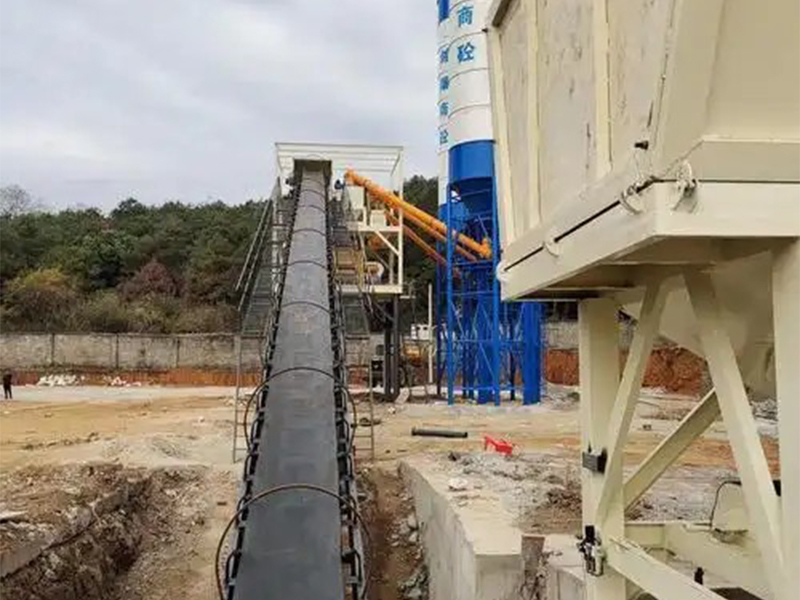
China Railway Group Mixing Plant
Conch Cement
Datong Coal Group
Tsingshan Group
Jidong Cement Group
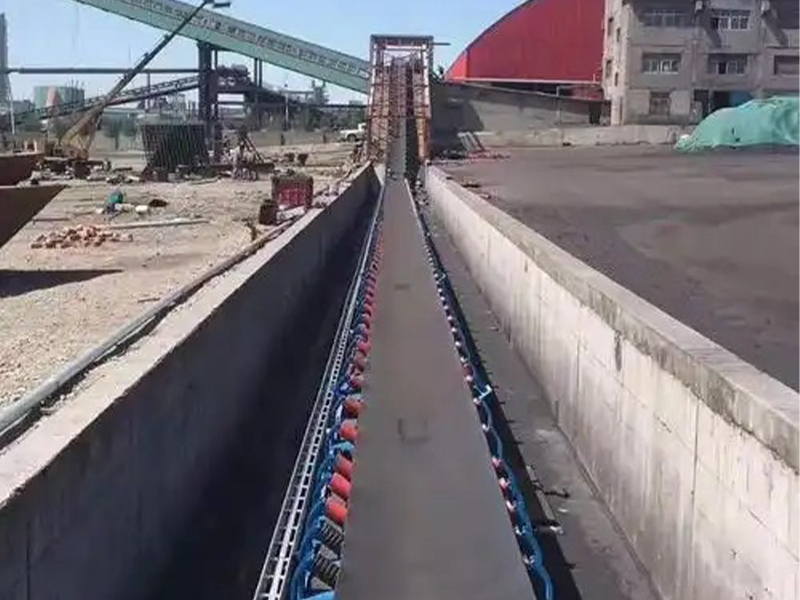
Jinmei Group Coal Conveying Line
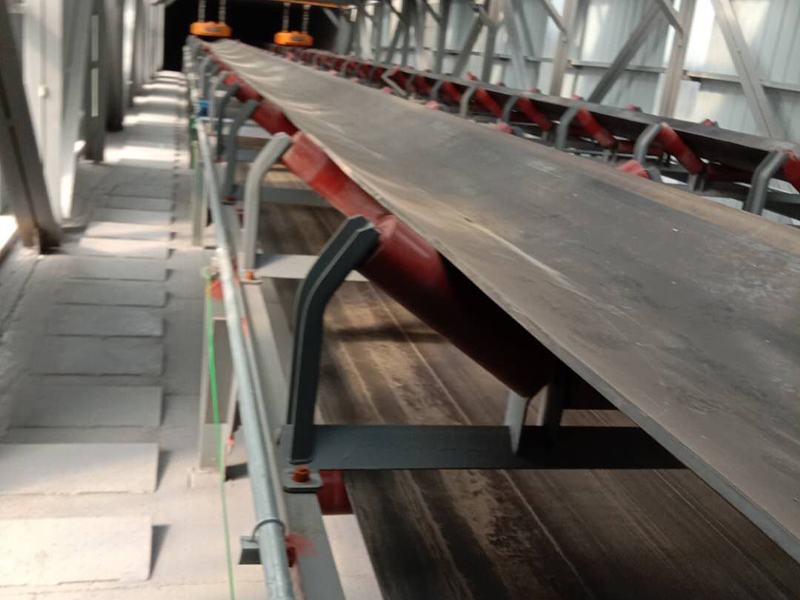
Taihang Steel
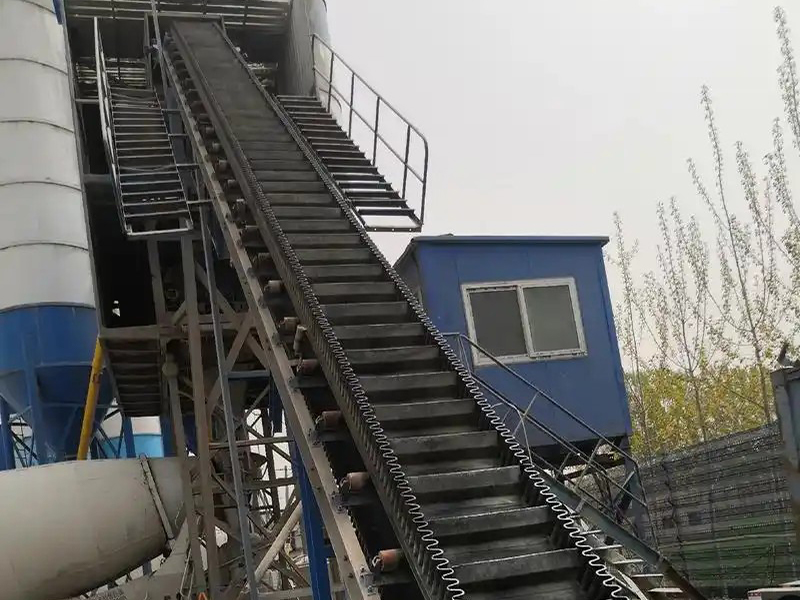
Puyang Steel Group
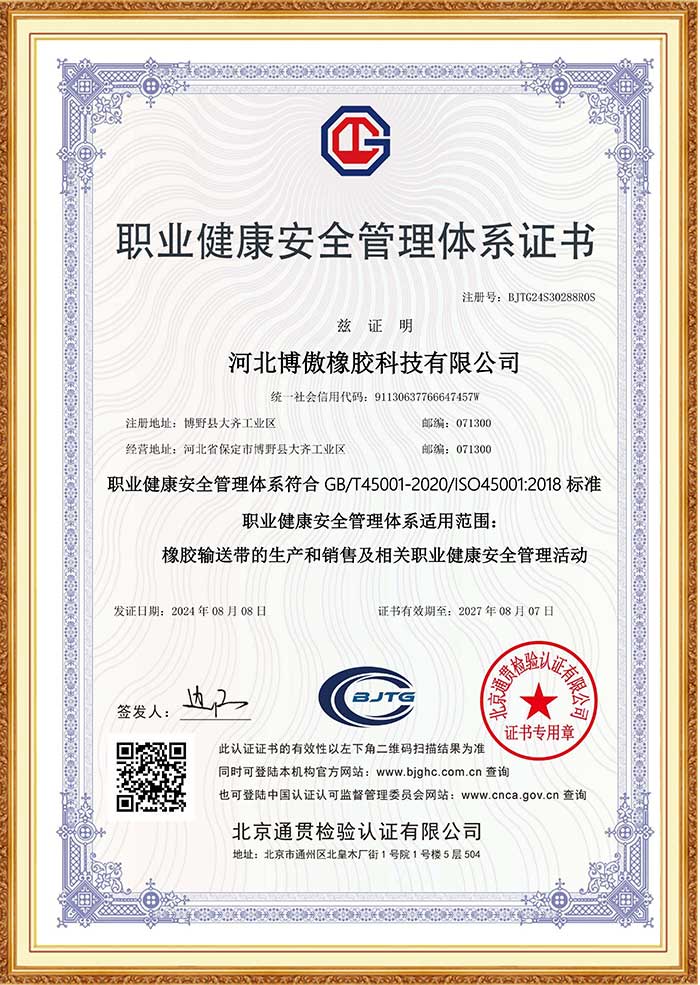
A multi-tiered quality assurance program designed to ensure international standards and operational safety.
Operating a global supply chain requires strict compliance with international standards and robust localization support. Hebei Boao Rubber Technology operates under a unified quality assurance system that covers every step from raw material procurement to final shipping. Our physics and chemical analysis laboratories perform rigorous testing on all rubber compounds, tensile components, and steel reinforcement systems, ensuring only verified products leave our facility.
Our quality control department conducts continuous inspections during manufacturing. We perform chemical tests on compounds, load testing on vulcanized products, and tolerance verification on idlers, brackets, and sprockets. We strictly adhere to the principle of rejecting unqualified raw materials and preventing sub-standard finished goods from leaving our plant.
To support international clients, we provide tailored engineering services. We assist procurement teams with customized designs, dynamic balancing for high-speed systems, and specialized surface coatings. In addition, we coordinate safety stock levels to minimize lead times for critical maintenance components, ensuring operational continuity for our global partners.
Addressing the core technical, procurement, and application concerns of mechanical engineering teams.
Further industrial-grade components, heavy-duty belts, and support rollers for bulk material conveying systems.
 Boao Rubber