Engineered to handle heavy loads, extreme temperatures, and harsh environments worldwide.
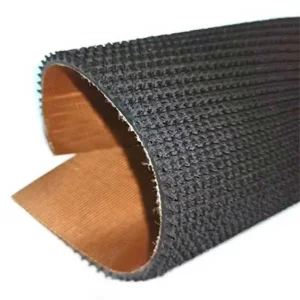
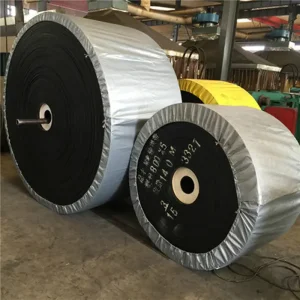
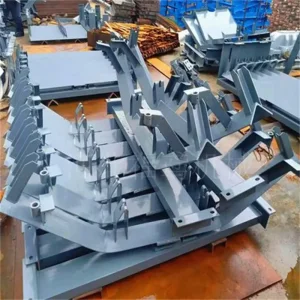
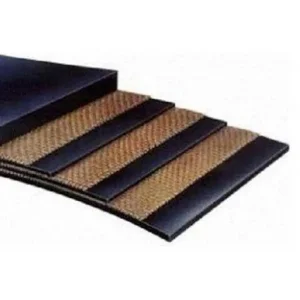
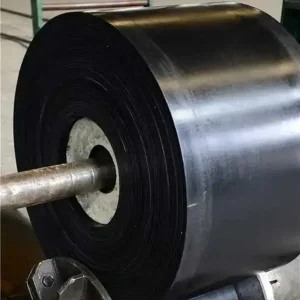
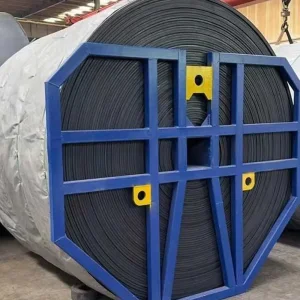
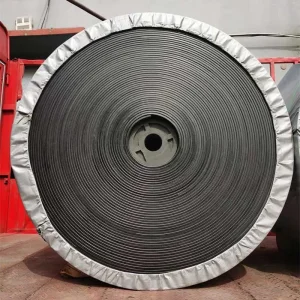
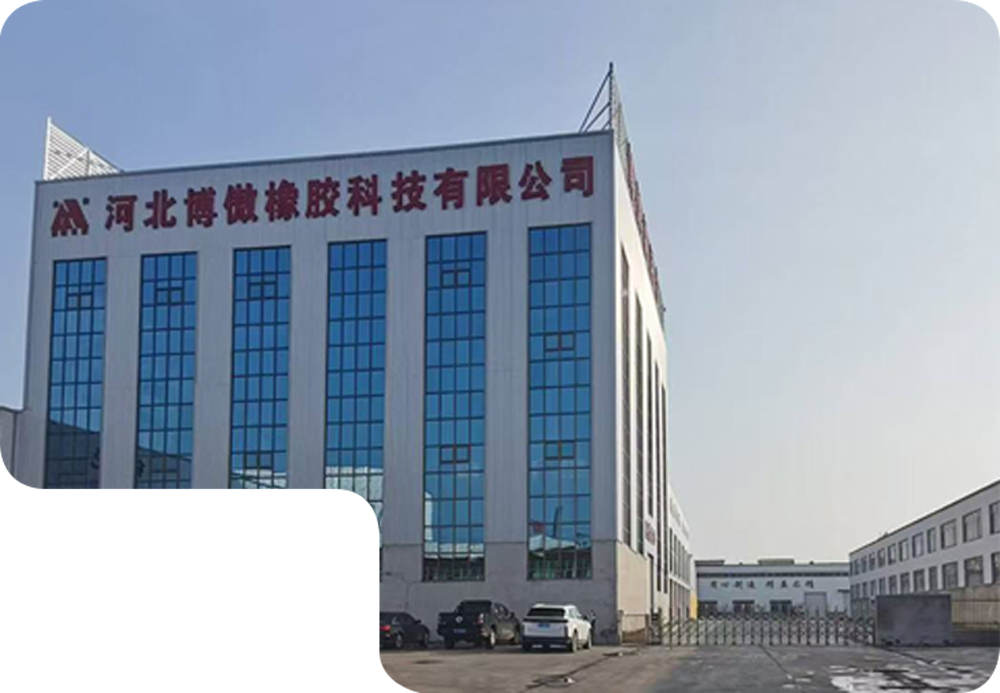
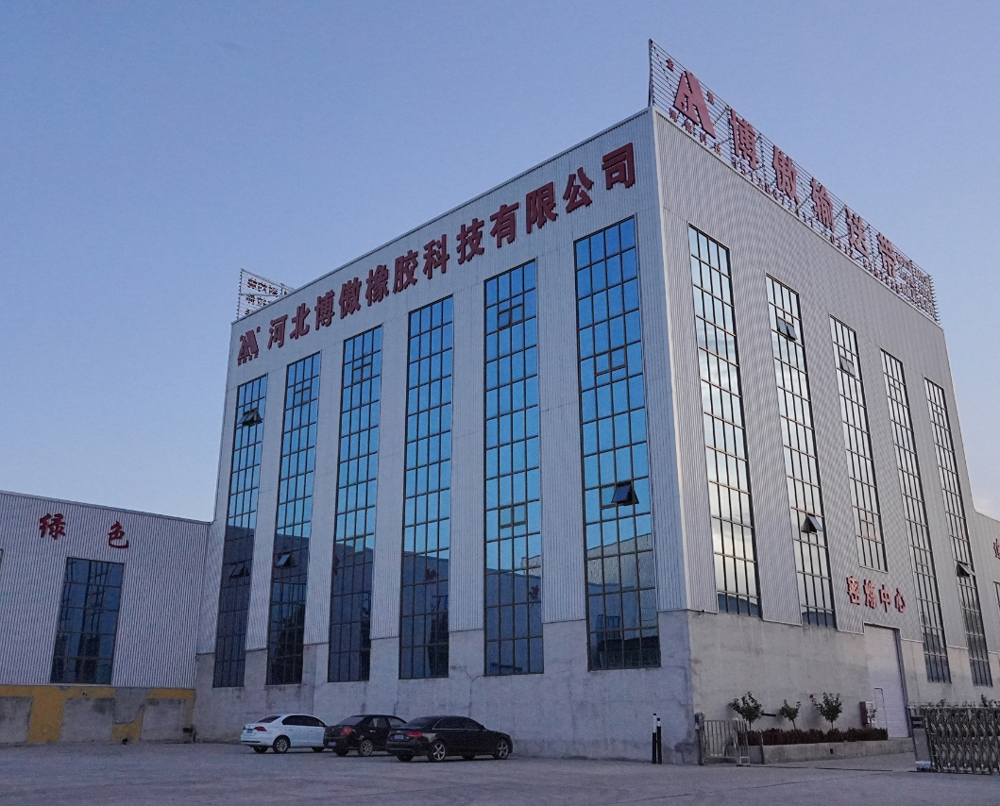
Established in 2004, Hebei Boao Rubber Technology Co., Ltd. has stood at the absolute forefront of heavy-duty material handling innovation for more than two decades. Strategically located within the Rubber Industrial Park of Boye County, Baoding, Hebei Province, China, the facility spans over 30 acres of state-of-the-art manufacturing space. Guided by the prestigious product brand "Jinao", we integrate cutting-edge polymer research, complete structural CAD designs, precision curing operations, and rigorous quality assurance steps.
As a premier factory under the global umbrella of high-capacity bulk material transfer systems—colloquially sought out by industrial procurement networks looking for the "Best Baba Rubber & Conveyors Factories"—we pride ourselves on an unyielding dedication to material durability. Our manufacturing plant operates multi-tier rolling, dynamic forming, multi-stage vulcanization, and advanced laboratories to test compounds from raw chemical states to finalized bulk shipments.
Analyzing key operational parameters for high-tension and heavy-duty conveyor systems.
Modern bulk material transportation demands conveyor systems capable of resisting severe impact, chemical erosion, extreme thermal fluctuations, and massive friction-induced wear. For international engineering leads procuring from the "Best Baba Rubber & Conveyors Factories," evaluating the chemical composition of the cover rubber is paramount. Our engineering labs blend specialized styrene-butadiene rubber (SBR), butadiene rubber (BR), and natural rubber (NR) to formulate belts with optimized tensile strengths matching international benchmarks (ISO 10247 and DIN 22102).
To address the diverse needs of processing plants, we construct belts with multi-ply textile reinforcing carcasses. Polyester (EP) fabrics provide minimal elongation under high tension, while Nylon (NN) plies offer exceptional elasticity and impact shock absorption. For massive overland systems, our Steel Wire Rope Core Belts minimize mechanical stretch while offering maximum tensile ratings up to ST-5400 N/mm.
Technical Insight: Cover wear is the primary factor limiting conveyor belt life. Utilizing high-grade carbon blacks and anti-aging agents allows Boao (Jinao Brand) belts to achieve an abrasion resistance index of <90 mm³, far exceeding standard industrial requirements.
| Belt Specification Type | Carcass Material Reinforcement | Cover Tensile Strength (MPa) | Elongation at Break (%) | Abrasion Loss (DIN 22102) | Operating Temperature Range |
|---|---|---|---|---|---|
| General Purpose (Jinao GP) | EP / NN Synthetic Fabric plies | 15 - 25 MPa | ≥ 400% | < 120 mm³ | -20°C to +80°C |
| Heat-Resistant (Jinao HR) | EP fabric with high-temp EPDM cover | 12 - 18 MPa | ≥ 350% | < 150 mm³ | Up to +250°C (Intermittent) |
| Cold-Resistant (Jinao CR) | Low-temperature modified NR/SBR blend | 15 - 20 MPa | ≥ 400% | < 100 mm³ | Down to -50°C |
| Steel Cord (Jinao ST) | Galvanized high-tensile steel wire ropes | 20 - 25 MPa | < 0.2% (Working Elongation) | < 90 mm³ | -30°C to +90°C |
| Acid-Alkali Resistant | Chemically inert rubber formulation | 14 - 18 MPa | ≥ 350% | < 130 mm³ | -15°C to +70°C (pH 2-12 compatible) |
Inside the automated vulcanization lines that guarantee consistent structural integrity.
Our facility houses an independent chemical analysis room and physics laboratory. By strictly analyzing raw material purity (elastomers, carbon blacks, steel cables) before they reach the mixing lines, we guarantee that no sub-standard compound is ever vulcanized.
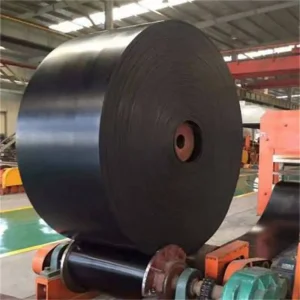
Operating several high-pressure vulcanizing presses (up to 2.4 meters wide), our lines exert uniform pressure and precise curing profiles. This thermal consistency prevents micro-voids, ensuring long-term adhesion between rubber layers and carcass materials.
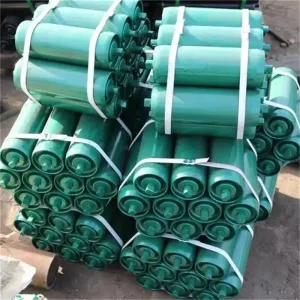
Beyond the core belts, our product line integrates matching conveyor hardware: heavy-duty ceramic rollers, impact buffering rollers, centering brackets, and drive pulleys. Purchasing a matched set guarantees optimal tracking and minimal belt wear.
How Hebei Boao supports primary resource extraction, infrastructure construction, and global maritime logistics.
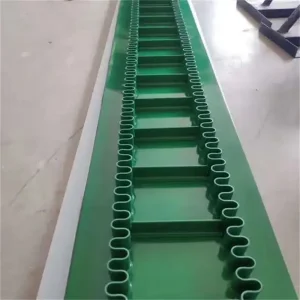
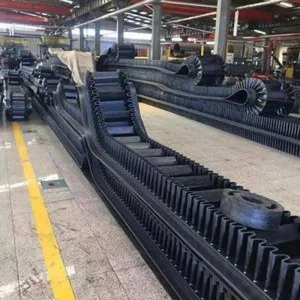
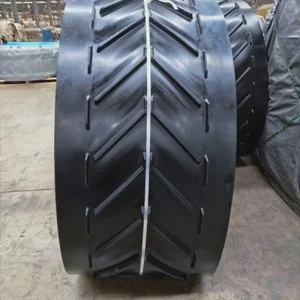
High-capacity ship loaders and unloaders rely on our patterned rubber conveyor belts (Magic Carpet, concave/convex designs) to move coal, minerals, and grains up steep inclines without back-slippage. These systems optimize vessel turnaround times and reduce dust pollution.
For deep mining operations, we deploy fire-retardant, anti-tear steel wire rope core conveyor belts. Engineered to endure continuous impact from falling ore, these belts prevent sudden catastrophic longitudinal tears that can stall entire mining sections.
Handling clinker and coke at temperatures peaking over 200°C destroys standard rubber. Our EPDM heat-resistant belts are structurally stabilized to resist thermal cracking and cover hardening, extending service intervals in heavy-duty plants.
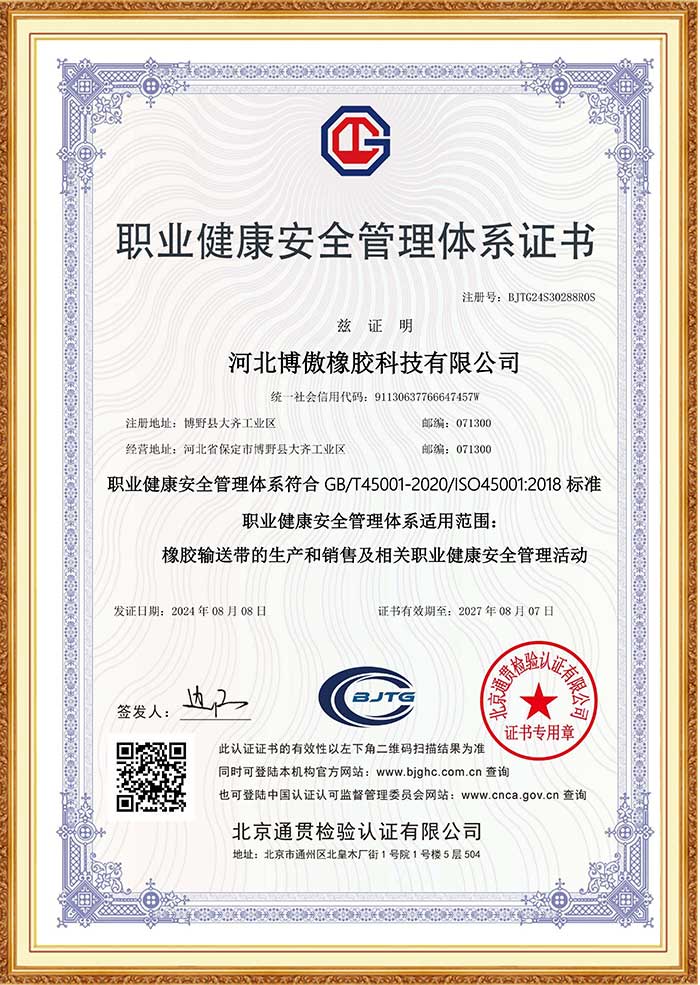
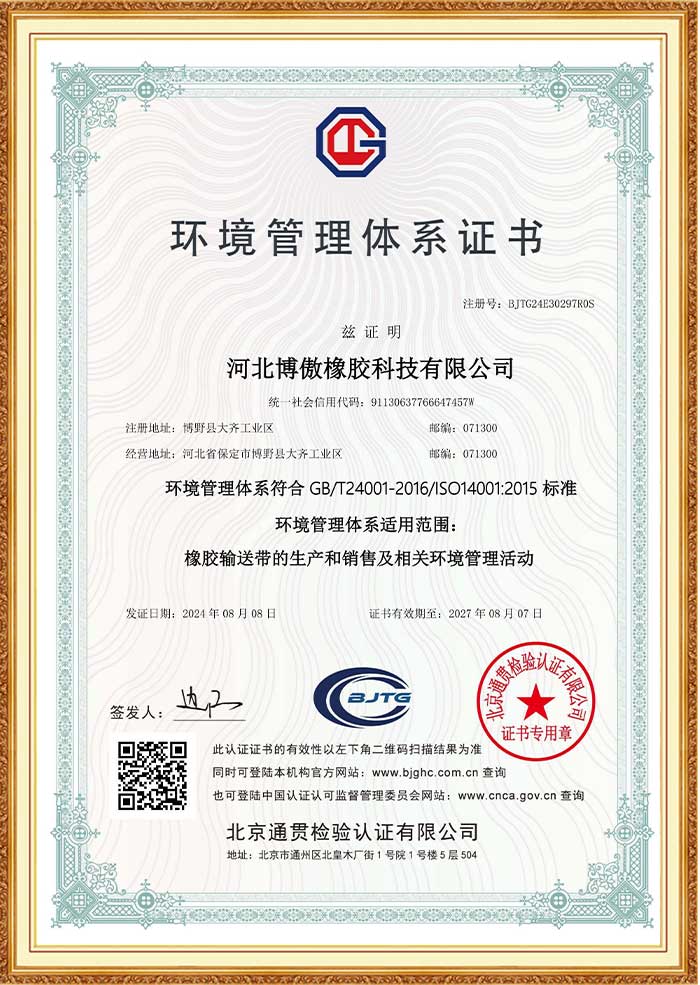
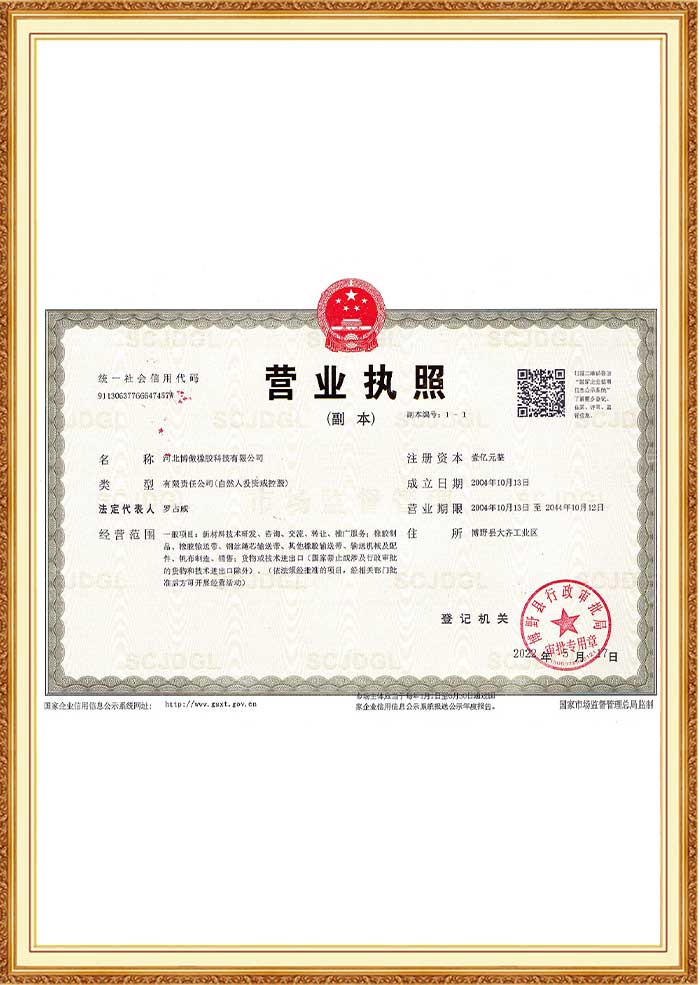
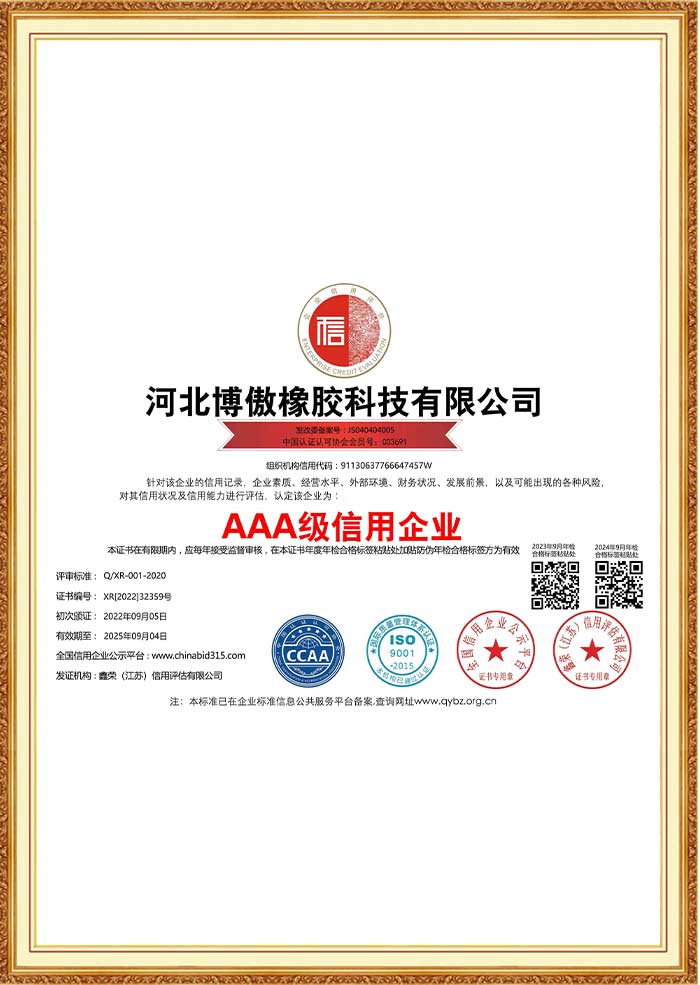
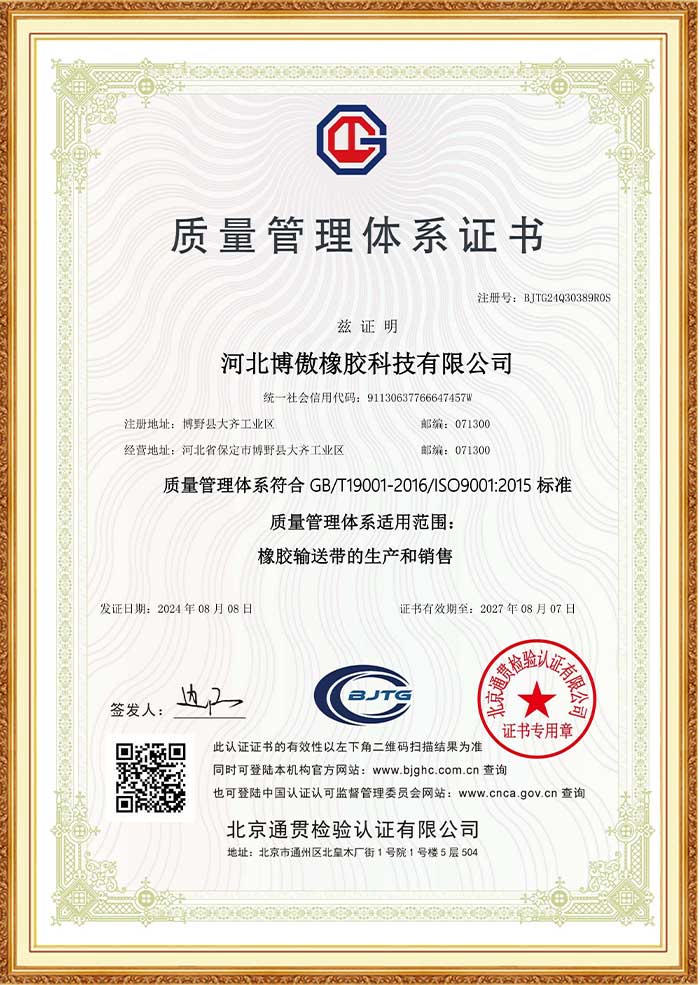
Proof of our international standards compliance and rigorous operational management systems.
Optimizing conveyor operations, reducing energy draw, and extending service lifetimes.
Our global engineering teams provide structured hot vulcanized splicing parameters, supply cold bonding adhesives, and design local maintenance regimens to prevent seam failures.
We supply specialized steel-cord repair patches, cold repair strips, and structural fasteners to ensure that operators can mend localized conveyor damage quickly, reducing plant downtime.
By establishing partner warehouse reserves near major logistical gateways, we ensure rapid transit for critical belt widths, idler sizes, and support structures.
Trusted by national mining complexes, steel conglomerates, and infrastructure contractors.
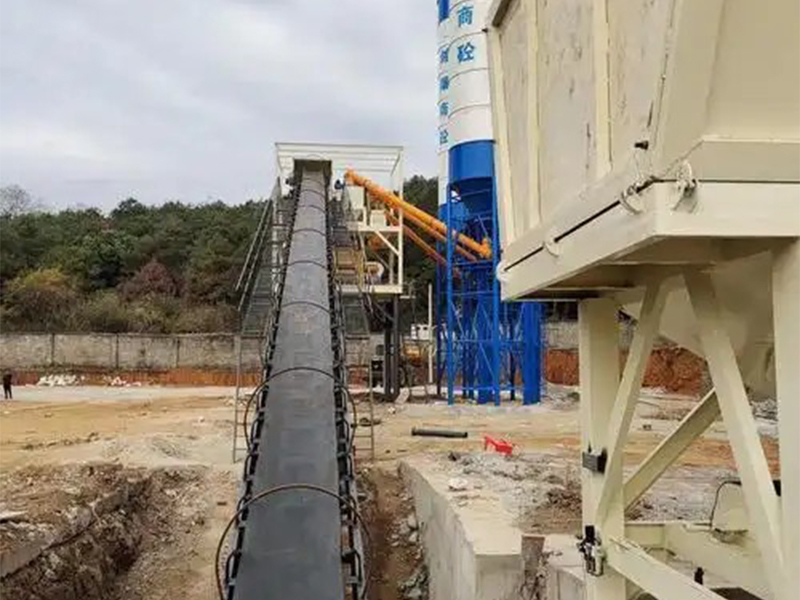
China Railway Group Mixing Plant
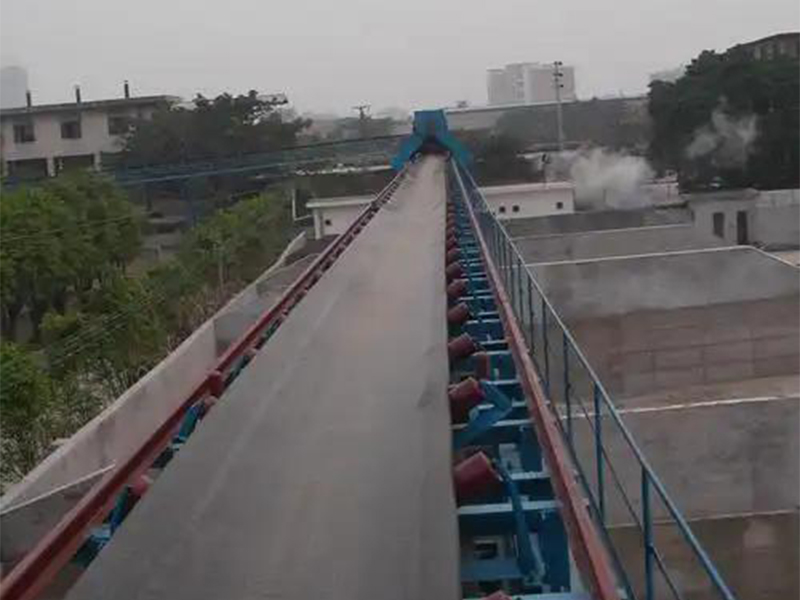
Conch Cement
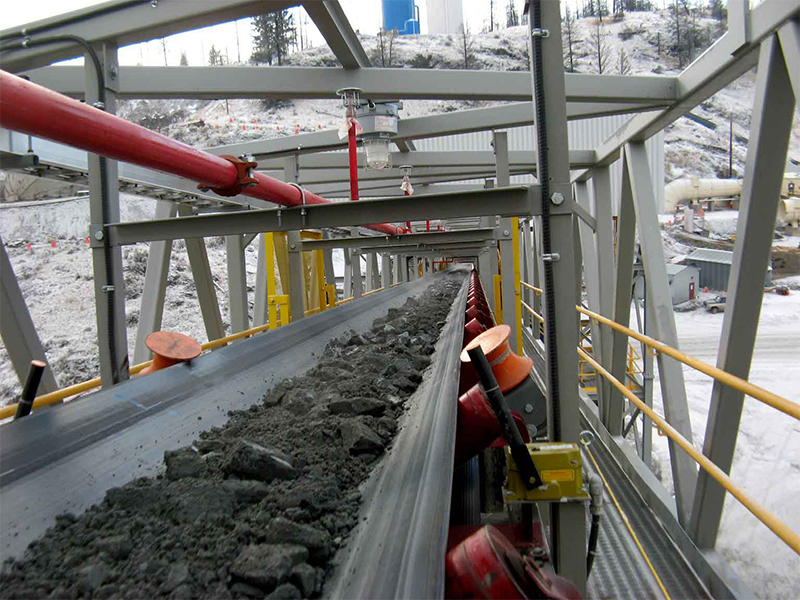
Datong Coal Group
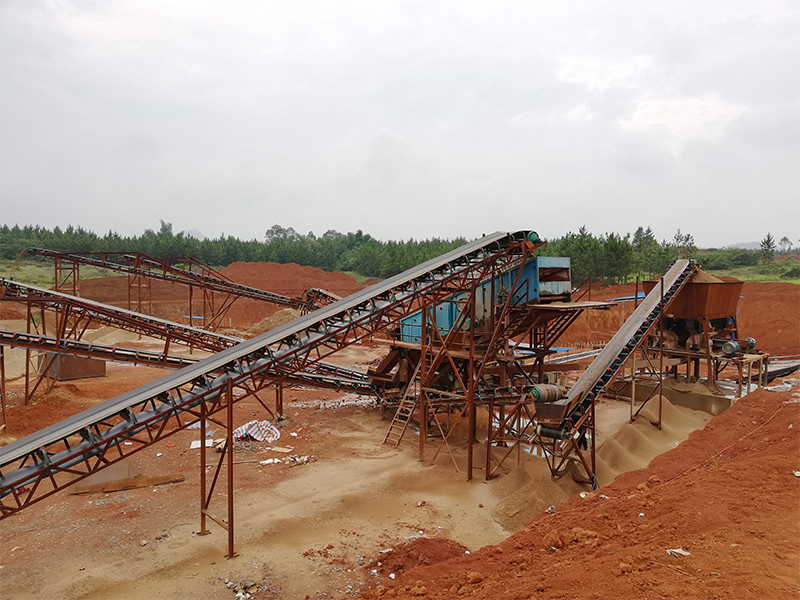
Tsingshan Group
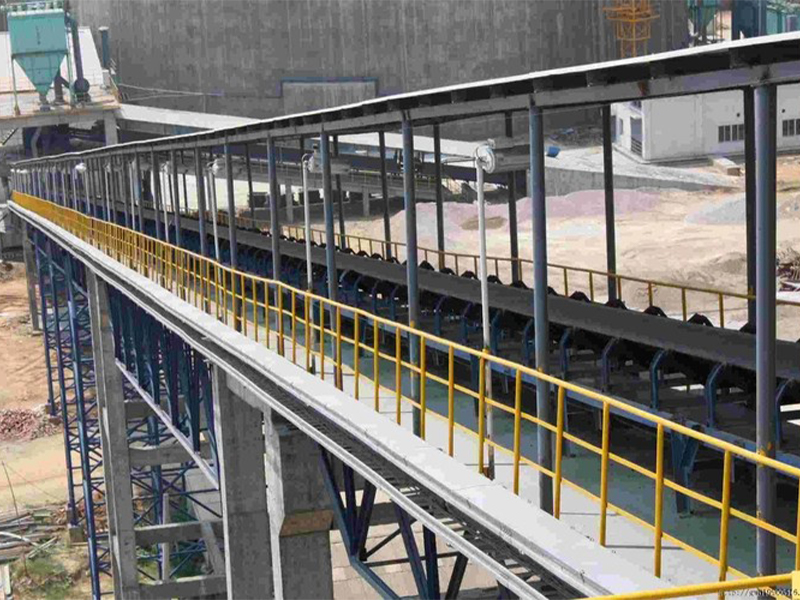
Jidong Cement Group
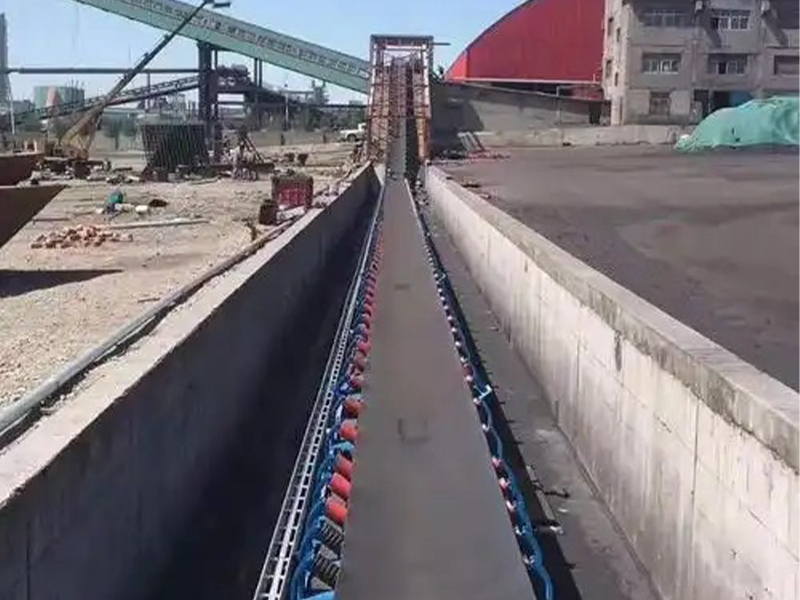
Jinmei Group Coal Conveying Line
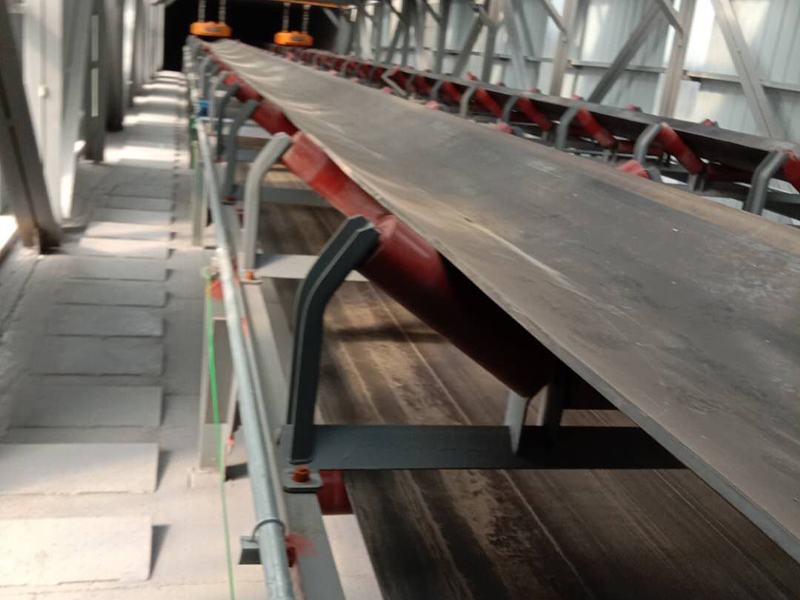
Taihang Steel
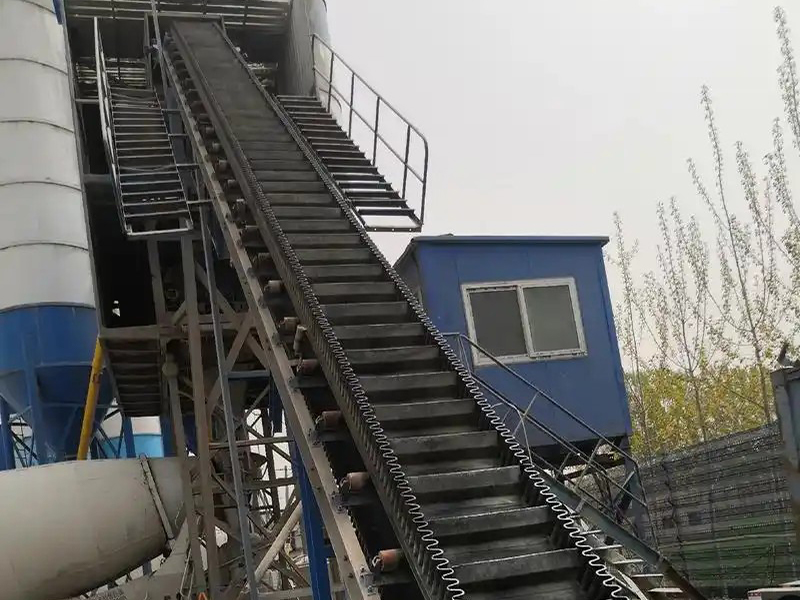
Puyang Steel Group
Pioneering smart technologies and sustainable chemistry to meet global industrial directives.
As conveyor systems grow in scale, manual inspections become less practical. In response, our technology roadmap emphasizes the development of IoT-enabled sensor systems. By embedding micro-transmitters and RFID tags directly within the plies of our heavy-duty conveyor belts, we allow operators to track carcass health and identify local damage in real time, preventing full tears.
These smart belts interface with localized line sensors to flag issues like off-center tracking, structural slippage, and sudden load spikes. By pairing these indicators with automated control loops, operators can coordinate maintenance windows based on wear trends rather than set schedules.
In step with international carbon reduction targets, our chemical team is working to lower the carbon footprint of our vulcanized conveyor belts. We are researching bio-based plasticizers, eco-friendly vulcanization accelerators, and recycled rubber compounds that preserve the tensile strength and ozone resistance expected of premium heavy-duty belts.
Addressing the technical challenges and operational concerns of procurement managers and system designers.
Conveyor mistracking is generally caused by structural misalignment, improper splicing, or material build-up on pulleys and idlers. To prevent mistracking, we suggest installing adjustable centering brackets and checking that all joints are squared. Selecting high-integrity belts with uniform carcass tension prevents uneven stretching across the width of the belt.
Extreme cold causes standard rubber compounds to stiffen and become brittle, which can lead to structural cracking. For operations in sub-zero regions (down to -50°C), we utilize specialized polymers that retain their flexibility. On the other end, heat-resistant EPDM compounds are formulated to limit thermal cracking and cover hardening in processing plants handling hot clinker or coke.
Polyester (EP) belts feature a polyester warp and nylon weft, offering high tensile strength, minimal elongation under load, and excellent resistance to water and chemical exposure. Nylon (NN) belts, with nylon warp and weft, provide higher elasticity, superior impact resistance, and excellent flex life. This makes NN belts well-suited for high-shock, heavy-duty applications.
Our anti-tear steel cord belts incorporate high-tensile steel wire cords paired with transverse reinforcement plies. These transverse members absorb impact forces and redirect shearing energy outward. This design helps prevent sharp materials from penetrating the belt carcass and causing extensive longitudinal tears.
Key factors include the belt width, operating angle, surcharge angle, and the weight of the conveyed material. Idler brackets must be structurally rigid to prevent deflection under heavy loads. We offer custom-sized, hot-dip galvanized steel brackets to prevent corrosion and protect the belt carcass from edge wear.
Oils, acids, and alkalis can soften and swell standard rubber compounds, causing tracking issues and premature wear. For these environments, we use chemically inert synthetic polymers that resist swelling. This ensures the belt retains its tensile strength and remains tracking-true over long service lives.
Vulcanized jointing provides a smooth, continuous seam that maintains up to 90% of the belt's original tensile strength. It eliminates the risk of fastener pull-out, reduces wear on scrapers and pulleys, and prevents fine material from leaking through the joint, optimizing overall line reliability.
Our quality control process starts in our raw materials laboratory, where rubber batches are checked for cure rate, viscosity, and consistency. Finished belts are then tested for cover tensile strength, ply adhesion, and abrasion loss. Only products that meet all DIN, ISO, or client specifications are approved for delivery.
Custom-engineered components to optimize materials handling in modern distribution lines.
 Boao Rubber