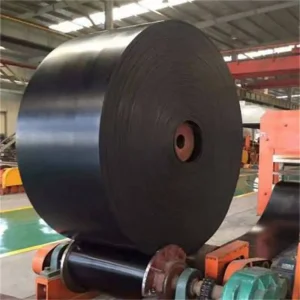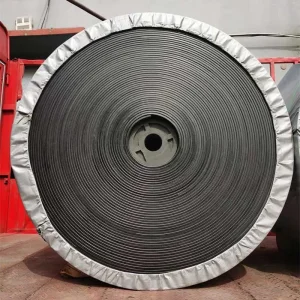
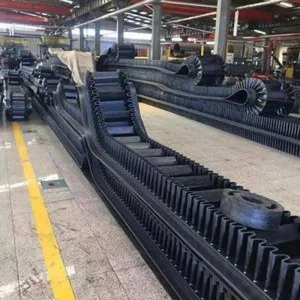
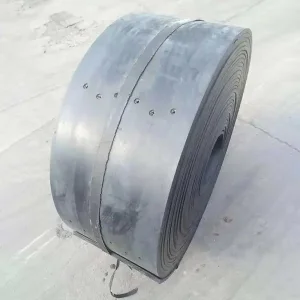
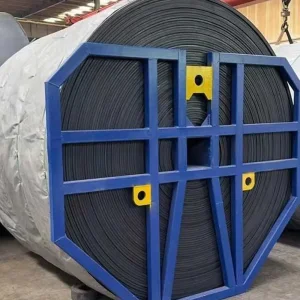
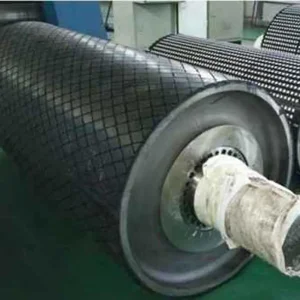
In modern heavy industries, conveyor belting products are not just material transportation components; they are core lifelines that keep entire ports, mining pits, power stations, and steel furnaces running continuously. Hebei Boao Rubber Technology Co., Ltd. presents this comprehensive guide outlining advanced chemical formulations, factory production standards, and global purchasing solutions.
For decades, material handling engineers faced structural challenges with premature conveyor wear. Traditional fabric conveyor systems lacked the thermodynamic stabilization required for hot slag operations, nor could they withstand extreme cold without becoming brittle.
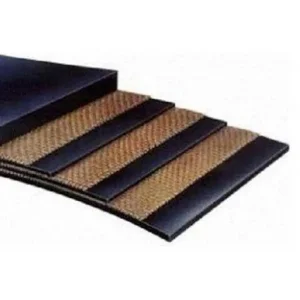
The evolution of belting technology is rooted in rubber chemistry and material layout. By refining elastomer compounds—incorporating Styrene-Butadiene Rubber (SBR) for overall abrasion resistance, Natural Rubber (NR) for high-impact resilience, and Ethylene Propylene Diene Monomer (EPDM) for high-temperature stability—manufacturers have solved these engineering roadblocks. Modern steel wire rope cores and multi-ply synthetic carcasses (polyester and polyamide cords) provide high tensile strength with minimal elongation. This allows for high-tonnage handling over kilometers of rough terrain.
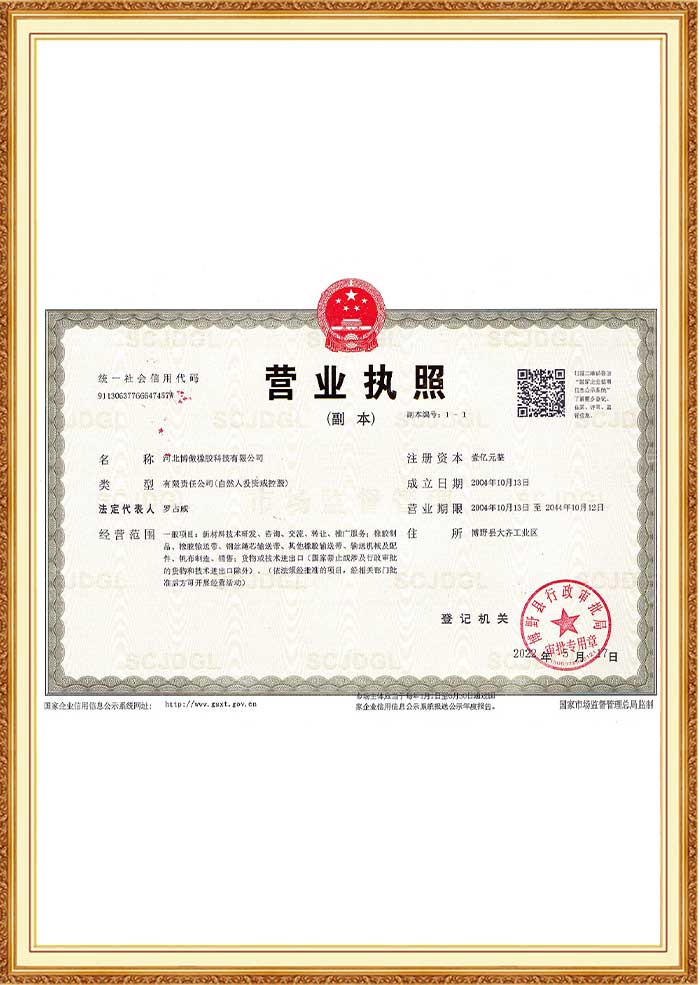
Established in 2004, Hebei Boao Rubber Technology Co., Ltd. has developed over more than two decades into a leading domestic manufacturer integrating R&D, structural design, precision manufacturing, and complete technical services for conveyor belts and supporting accessories.
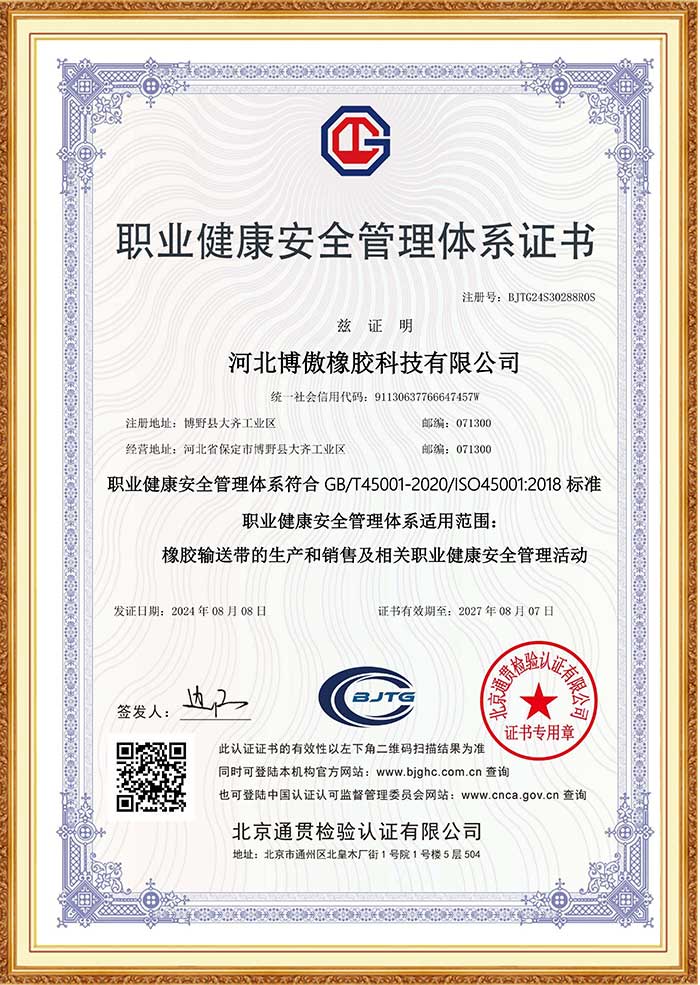
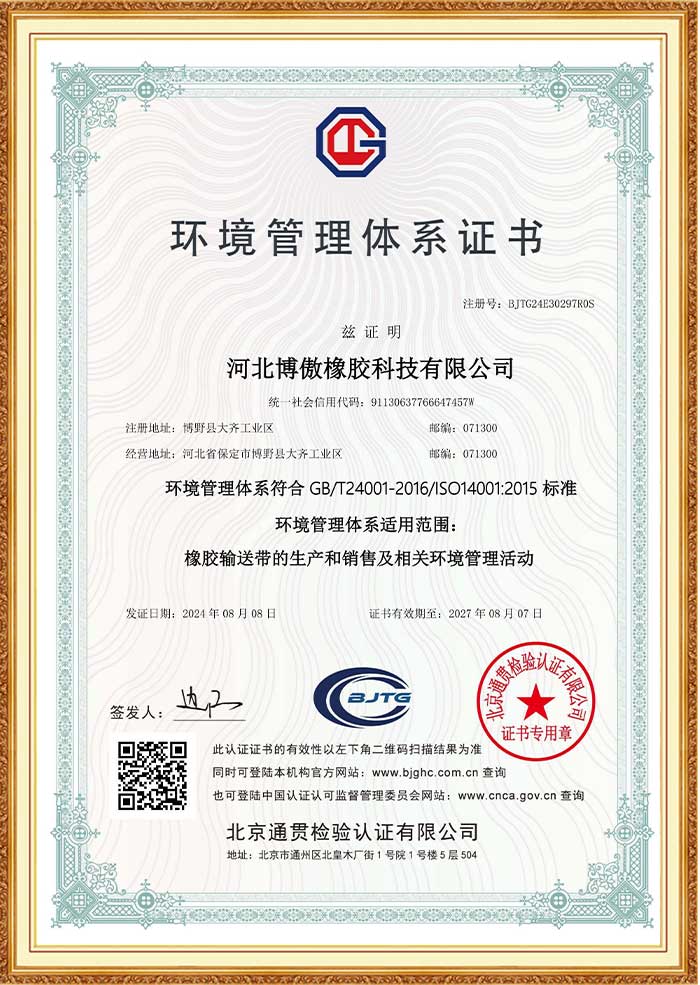
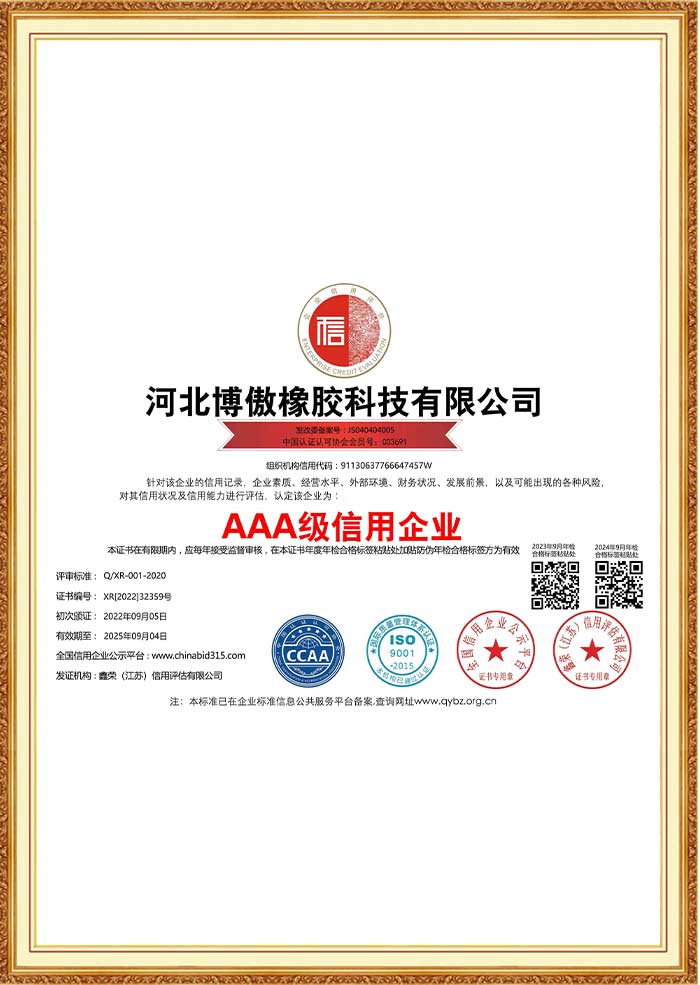
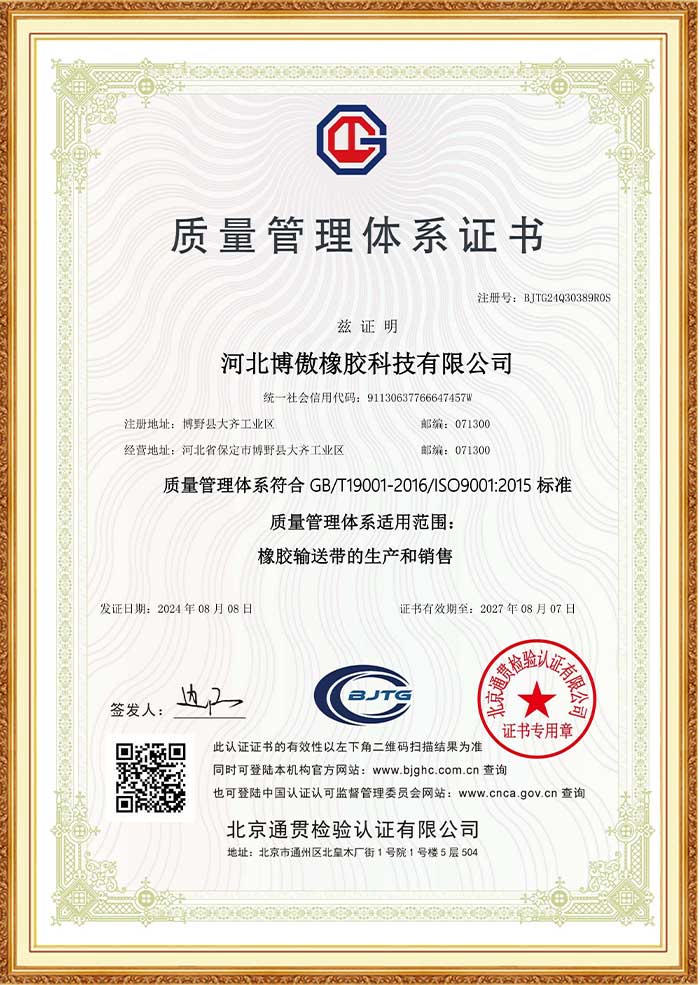
Based in the Hebei Boye County Rubber Industrial Park, our facilities span over 30 acres. We supply heavy industries under our proprietary brand, "Jinao". Our factory utilizes advanced automated calenders, multi-platen vulcanizing presses, and heavy-duty fabric-slitting equipment. With quality certifications standard across all production lines, Hebei Boao maintains high standards from raw material entry to final dispatch.
Global bulk material handlers often turn to Chinese factories for sourcing. The reasons extend beyond pricing:
Different operational environments require specific physical characteristics. Standard rubber formulas often fail under chemical exposure, temperature fluctuations, and impact forces.
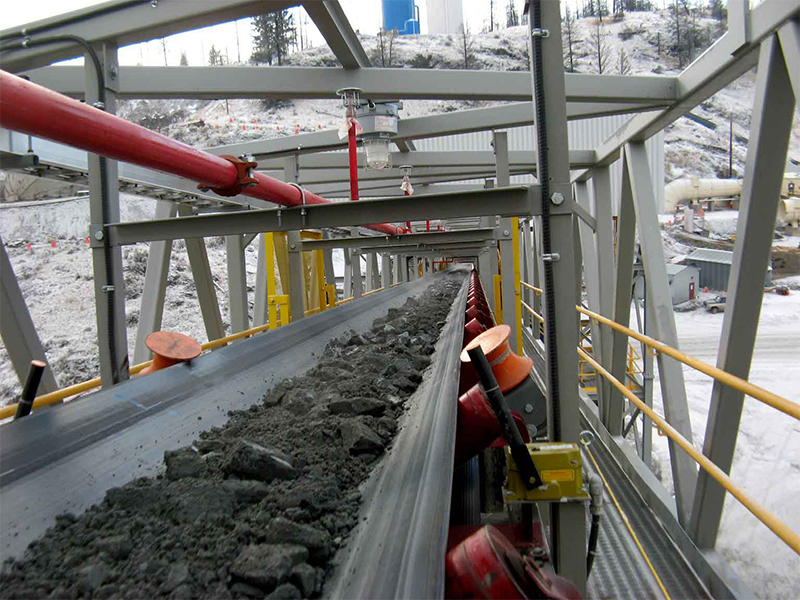
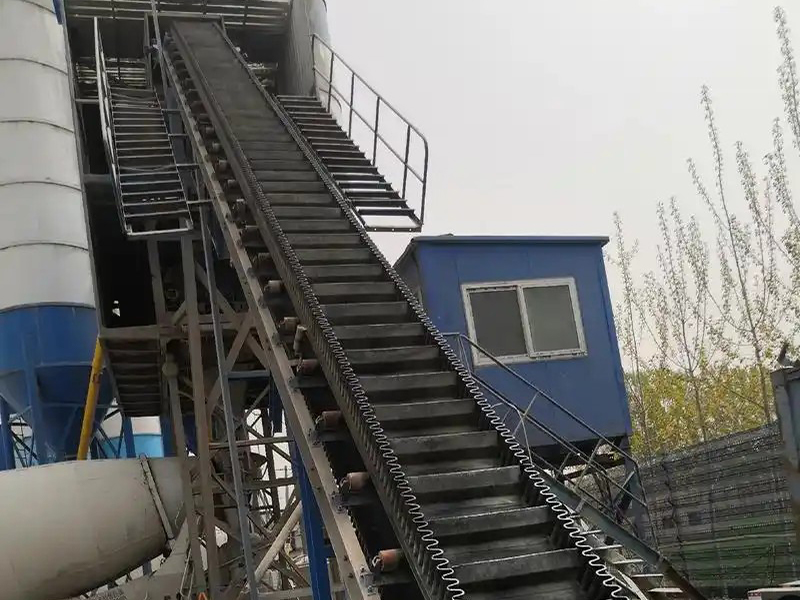
Mining Operations (Datong Coal Group & Zijin Mining): In deep coal extraction and mineral processing, conveyor lines operate under high mechanical loads. For these systems, Boao designs high-strength nylon (NN) or steel cord core belts equipped with flame-retardant properties to prevent underground fires. Our tear-resistant compounds prevent stone impacts from tearing the carcass.
Cement and Metallurgical Lines (Conch Cement, Jidong Cement & Taihang Steel): Transporting clinker and slag involves temperatures frequently exceeding 200°C. Standard rubber compounds quickly oxidize and crack under these conditions. Boao’s EP (polyester) heat-resistant belts utilize EPDM polymers to prevent thermal cracking and maintain tensile properties.
Chemical Fertilizer Plants: Handling phosphates and acidic compounds degrades conventional elastomers. In these cases, we apply synthetic Nitrile-Butadiene Rubber (NBR) and Chloroprene Rubber (CR) blends, which resist chemical swelling and extend belt service life.
For global procurement offices, belt specifications must match international testing protocols to ensure system compatibility and safety.
DIN 22102: This European standard classifies belts based on rubber cover performance. Grade "X" represents high wear and cut resistance, ideal for heavy minerals and rocks. Grade "Y" is suited for general-purpose applications, while Grade "W" is designed for highly abrasive materials.
ISO 15236: Specifies test parameters for steel cord conveyor belts, ensuring mechanical bonding between the zinc-galvanized steel cords and the surrounding rubber matrix. This prevents wire slippage and internal corrosion.
At Hebei Boao, our physical and chemical testing labs check every manufacturing run. We test fabric tensile properties, verify rubber cover thickness, and measure abrasion loss to ensure each shipment meets the ordered standard.
Get in touch with Boao's technical sales engineers for a customized project quotation.
Send Inquiry Now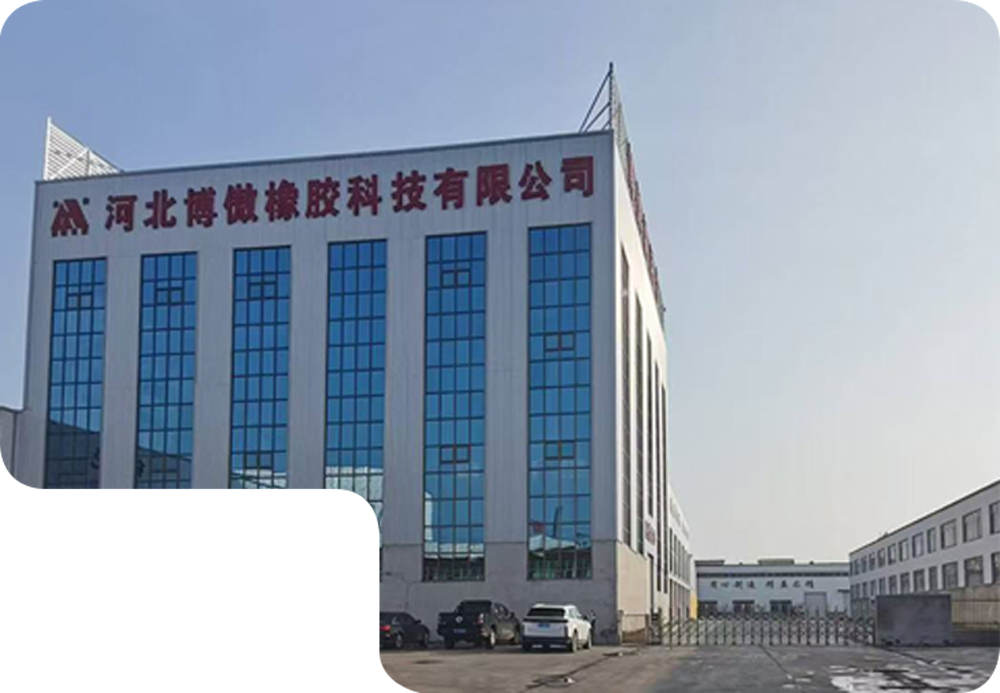
Our dedicated laboratory runs chemical and physical tests on both incoming raw compounds and finished belts to verify compliance before shipment.
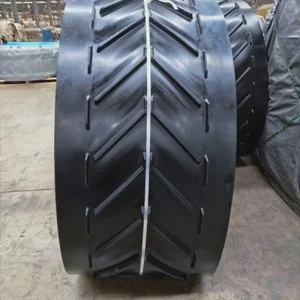
We work with plant managers to select the correct belt profile and cover composition, helping to reduce energy consumption and operating costs.
We supply custom cold-bonding adhesives, hot vulcanizing materials, and matching jointing tools to ensure durable, long-lasting splices.
Our engineering support team offers belt inspection guides to help maintenance crews identify premature wear and schedule replacements before breakdowns occur.
 Boao Rubber