Explore our industrial grade conveyor belts, brackets, and idler rollers designed for extreme material handling conditions.
An in-depth analysis of vertical and steep incline bulk material handling demands across global heavy industries.
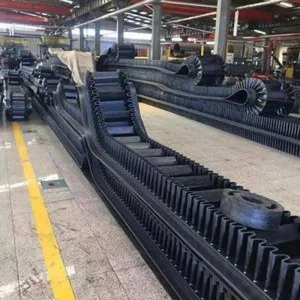
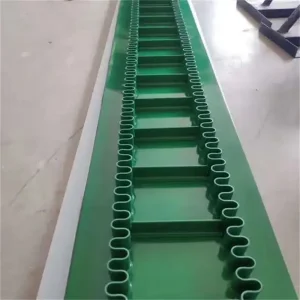
Across the global industrial landscape, heavy-duty rubber conveyor belts function as the central arteries of bulk material logistics. Standard flat belt conveying systems face distinct physical limitations when navigating elevations exceeding 18 to 20 degrees. At these angles, the gravitational forces acting on bulk aggregates overcome the static friction between the belt cover and the material, leading to sliding, product fallback, and severe operational hazards. To circumvent these limits, modern engineering specifies cleated rubber conveyor belts as the definitive standard for vertical transport and incline conveying up to 90 degrees.
Whether conveying mined coal, crushed aggregate, cement raw mixes, dry chemicals, or agricultural grain stocks, steep incline conveying offers major infrastructure and plant footprint optimizations. Plant designers can compress conveying lines vertically, utilizing up to 75% less horizontal footprint than traditional systems. This vertical compression results in decreased steel structure costs, lower land usage, and reduced transfer point maintenance requirements.
The operational environment dictates the precise compounding specifications of the cleated conveyor belt carcass and covers. In arctic or deep continental mining environments (such as northern regions of North America and northern Europe), standard rubber compounds lose elasticity and become brittle. This leads to micro-cracking and premature structural failure of the cleated profiles. In these environments, procurement engineers specify advanced Cold Resistant Conveyor Belts formulated with specialized polymers (like natural rubber blended with butadiene rubber) that remain flexible at temperatures down to -50°C.
Conversely, operations handling acidic chemicals, fertilizer compounds, or hot sulfur aggregates require dedicated chemical protection. The Acid and Alkali Resistant Conveyor Belts are manufactured with highly stable synthetic elastomer matrices (such as EPDM or Chloroprene) that resist degradation from low and high pH substances. The right chemical composition prevents swelling, blistering, and debonding of cleats, ensuring system reliability in challenging plant environments.
High-efficiency, vertically integrated supply chains delivering state-of-the-art bulk handling equipment globally.
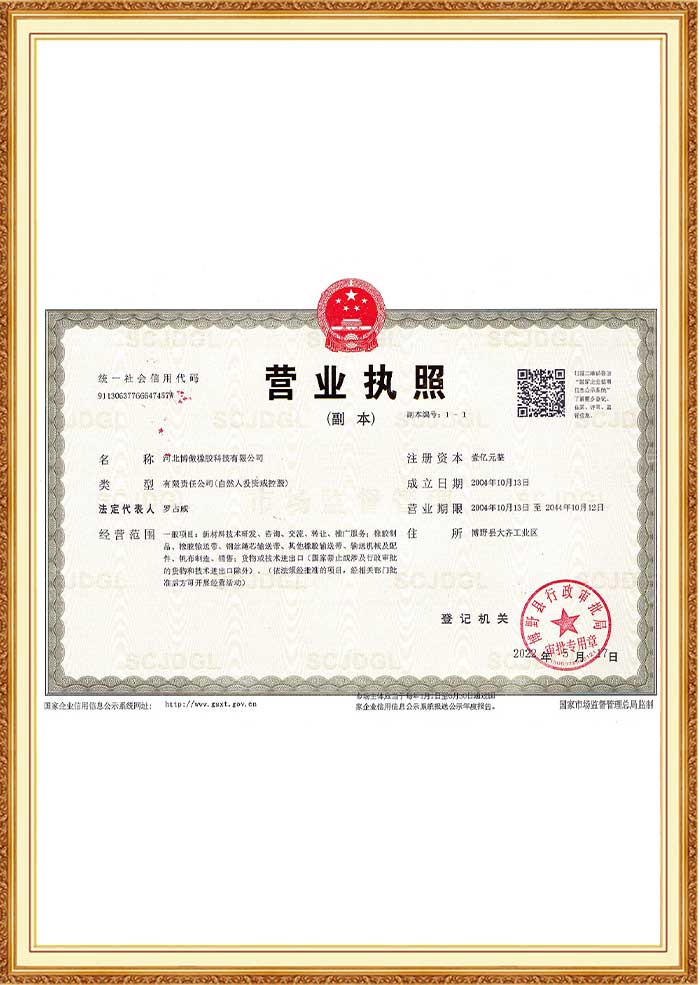
Hebei Boao Rubber Technology Co., Ltd. is located in the Rubber Industrial Park of Boye County, Baoding, Hebei Province, China. Established in 2004, the company spans over 30 acres of advanced production facilities. Under our brand name "Jinao", we have developed a vertically integrated manufacturing environment that handles every stage of conveyor belt fabrication—from raw elastomer processing and fabric reinforcement weaving to dynamic hot vulcanization press curing and comprehensive physical-chemical testing.
In the modern industrial landscape, rubber conveyor belts have become the backbone of bulk material transport systems across multiple sectors. From mining operations extracting raw materials from deep underground to port facilities handling millions of tons of cargo annually, heavy-duty rubber belts facilitate the seamless movement of materials that power our global economy. The evolution of these critical components reflects decades of engineering innovation, material science breakthroughs, and an unwavering commitment to operational efficiency and safety.
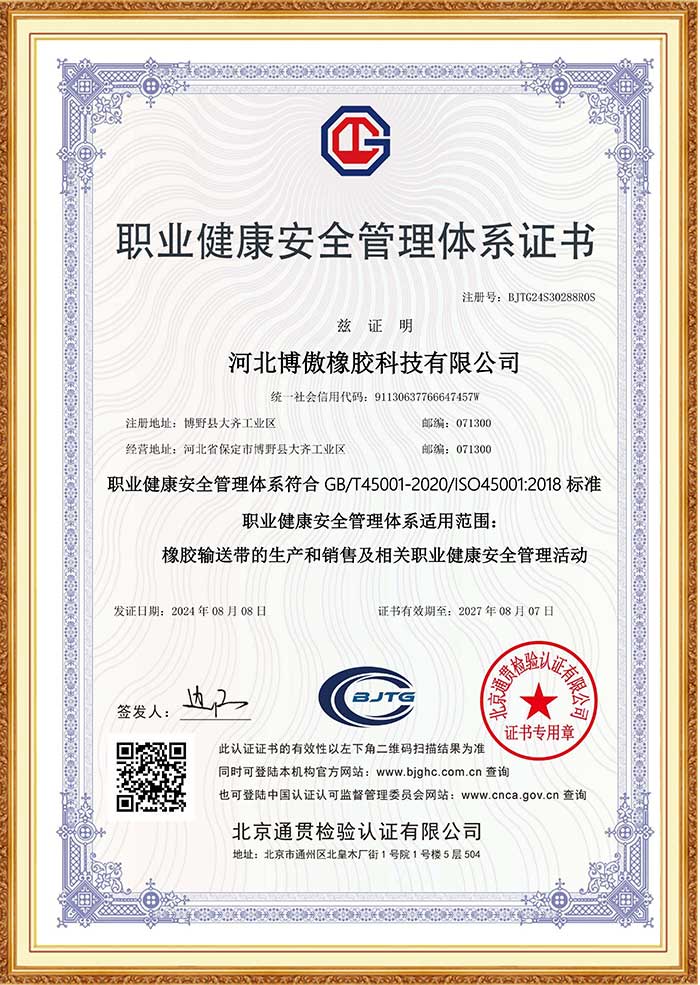
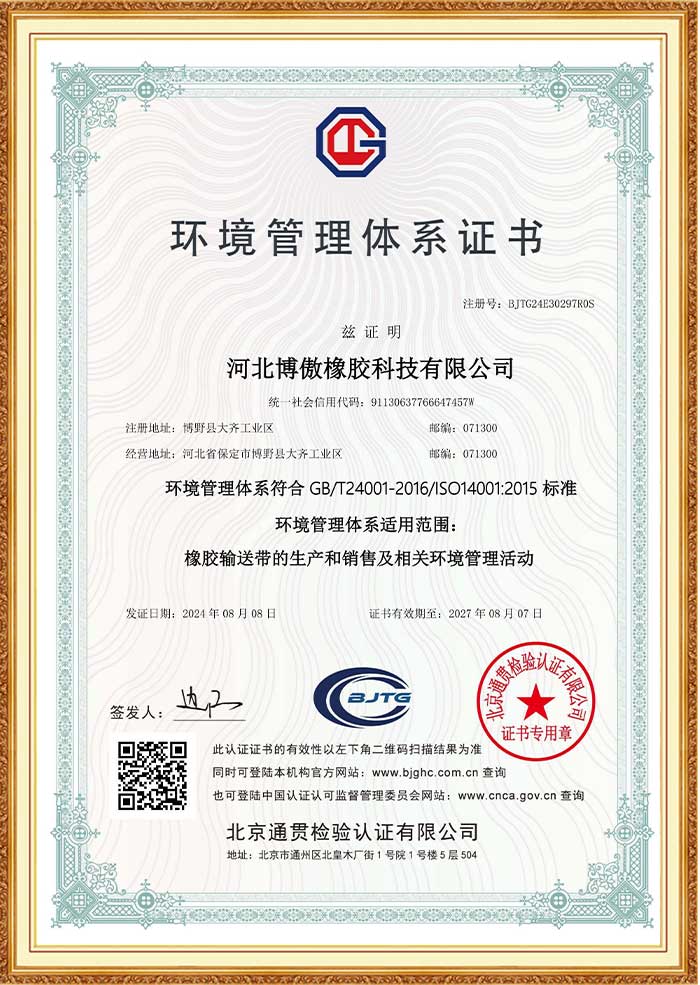
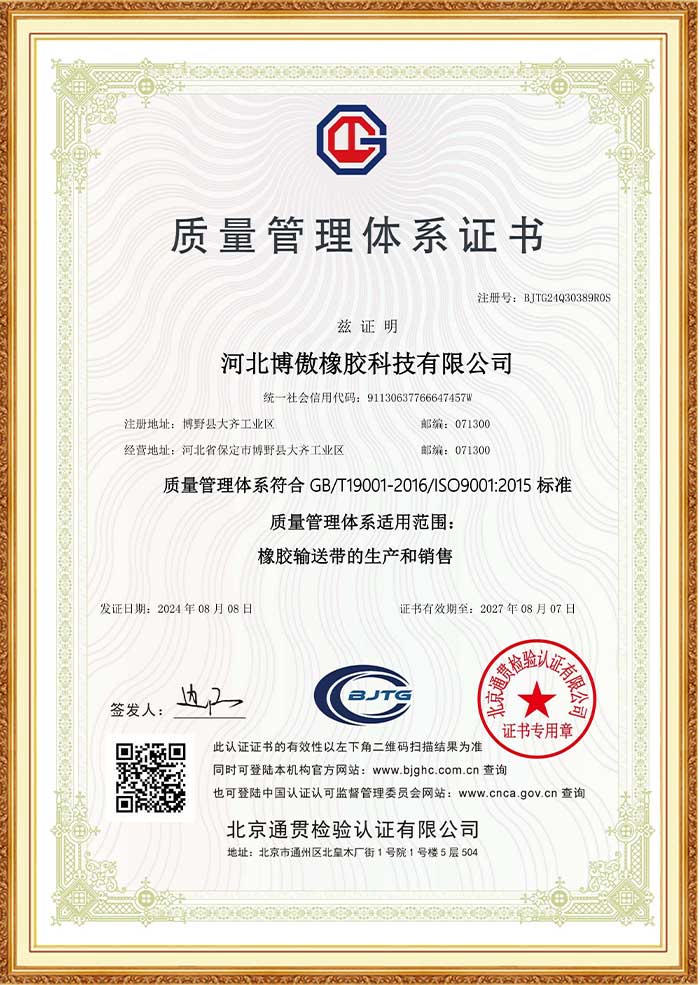
Our facility houses several production lines designed for rolling, forming, vulcanization, and material properties testing. Operating under an ISO 9001 quality management framework, our internal laboratory monitors every step of production. Raw polymers, reinforcing fabrics (EP, NN, and Steel Wire Rope), and processing additives undergo strict verification before entering the compounding floor. Unqualified materials are rejected, and finished products undergo tensile, abrasion, and cover-to-carcass adhesion tests prior to shipment.
To ensure high quality in challenging environments, Hebei Boao maintains dedicated physical testing and chemical analysis facilities. Our testing processes analyze multiple critical parameters:
Analyzing EP (Polyester-Nylon) and NN (Nylon-Nylon) fabric layers under dynamic stress to verify maximum load capacity and elongation control.
Cover rubber compounds are tested on DIN abrasion testers to achieve low volumetric loss (often < 90 mm³), matching international standards.
Evaluating the chemical bond between the vulcanized rubber cleats, corrugated sidewalls, and base belt to prevent separation during operation.
Hebei Boao manufactures a broad portfolio of industrial conveyor systems, classified into two major categories:
How cleat profile choices, base belt selection, and cover rubber compounds affect material handling performance.
Designing a cleated conveyor belt requires analyzing several key operating variables: the angle of inclination, material surcharge angle, flowability index, particle size distribution, and throughput targets. The profile of the cleat must match the specific flow characteristics of the material to prevent slide-back while maintaining clean discharge at the head pulley.
Best suited for transport angles up to 40 degrees. Used for fine, free-flowing aggregates, agricultural grains, or light industrial materials. Offers simple installation and clean discharge at head pulleys.
Designed for steeper angles ranging from 40 to 60 degrees. The scooped profile acts as a bucket, stabilizing wet or loose materials like sand, dry cement, and wet aggregates, preventing material rollback.
Engineered for high-capacity applications at steep angles (up to 75-90 degrees). The combination of a reinforced scooped profile and vertical support ribs handles high-density ores and heavy materials.
Integrated with T or TC cleats to create a pocketed system. This configuration allows for vertical (90-degree) transport of bulk materials without spillage along the belt edges.
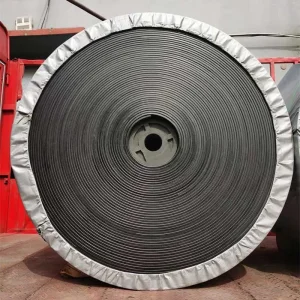
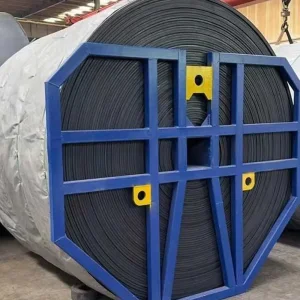
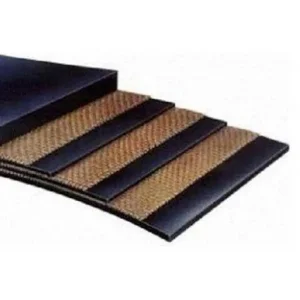
The carcass provides the necessary tensile strength to handle system tension and ensure tracking stability. In standard-duty configurations, we utilize multi-ply EP (Polyester Warp, Polyamide Weft) fabrics. EP fabrics offer low elongation under load, high resistance to moisture, and excellent shock absorption.
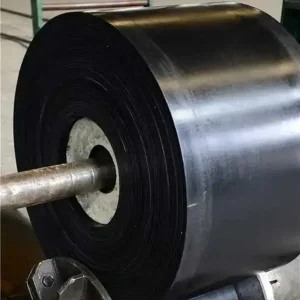
For high-capacity, high-lift operations (such as vertical shaft mines or large ports), we specify Anti-Tear Steel Wire Rope Core Conveyor Belts. Steel wire rope reinforcement provides high tensile strength, minimal elastic elongation, and excellent resistance to physical impact, protecting the system against damage from foreign objects.
Proven performance in demanding heavy industrial systems across steel, mining, and cement sectors.
Our conveyor belts are deployed in highly demanding material handling operations across China and internationally. These cases demonstrate the field reliability of the "Jinao" brand under extreme loading and environmental conditions:
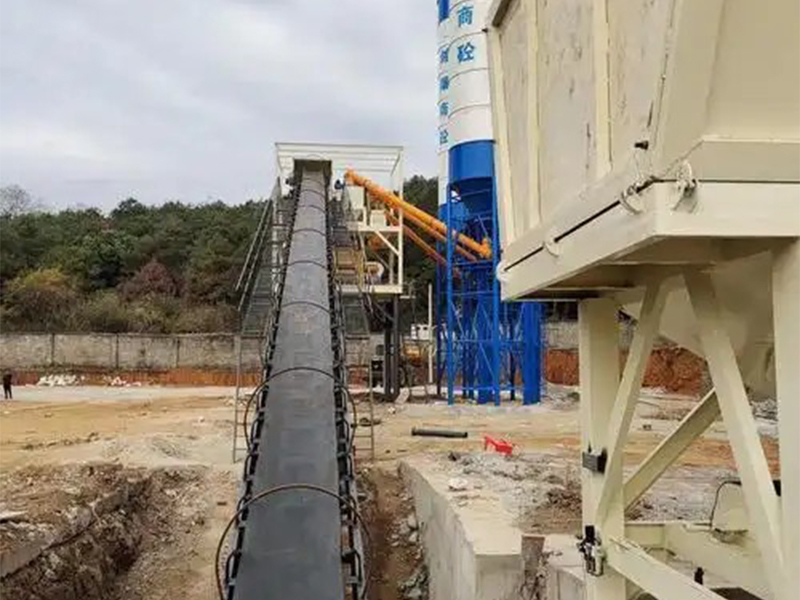
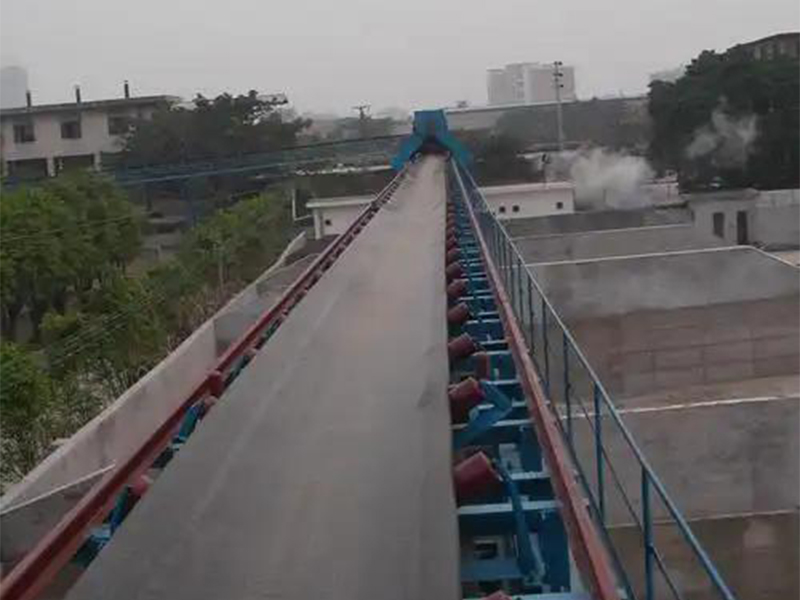
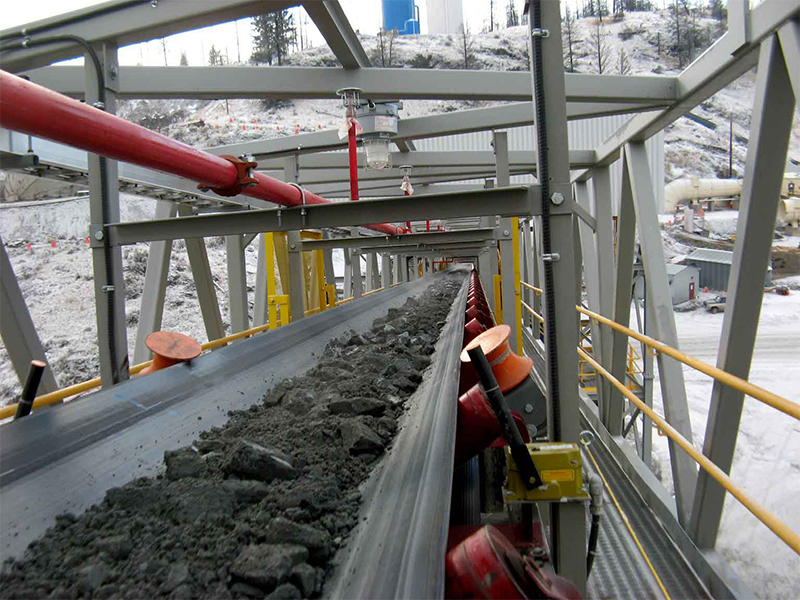
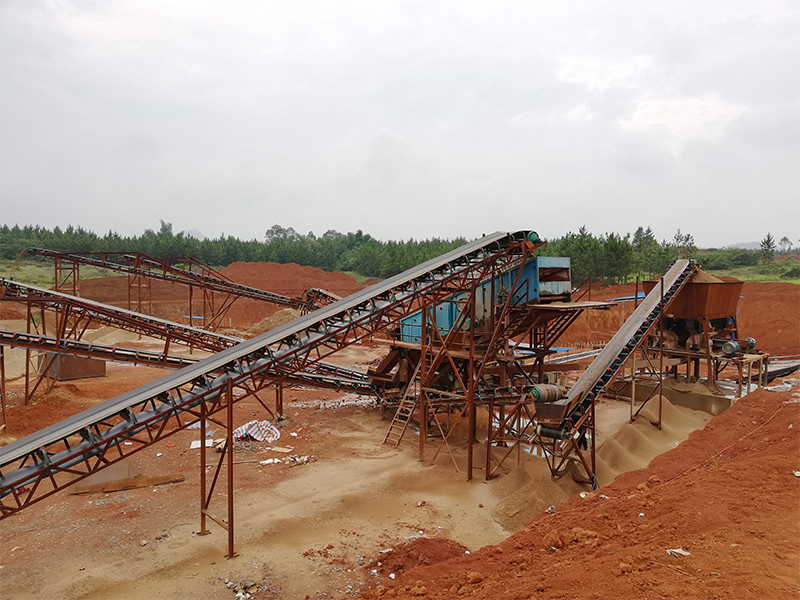
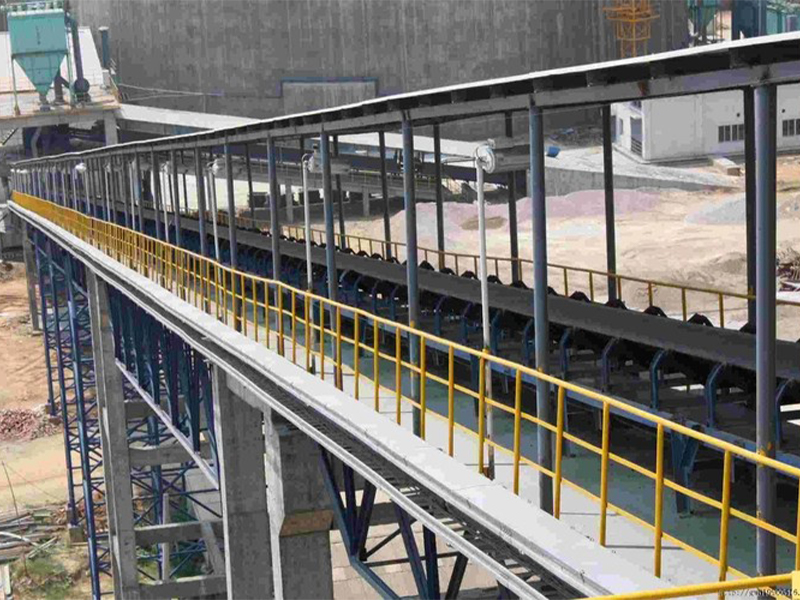
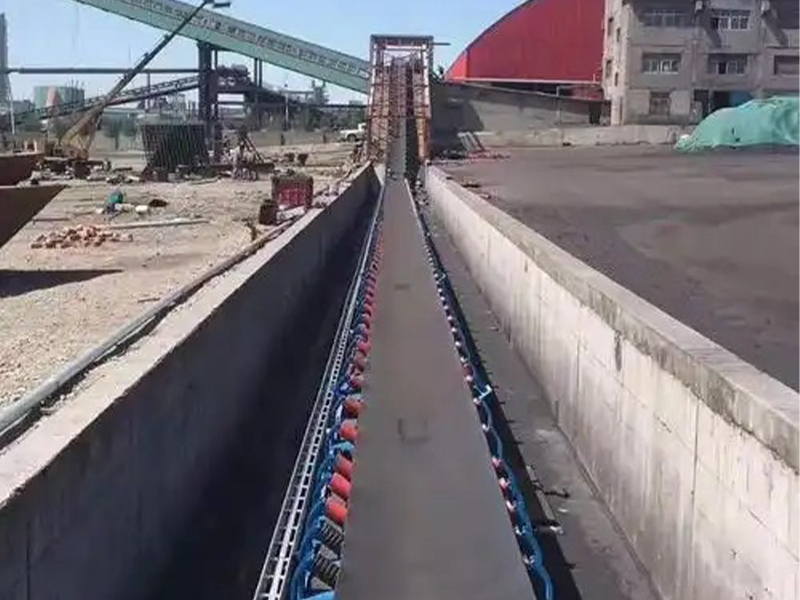
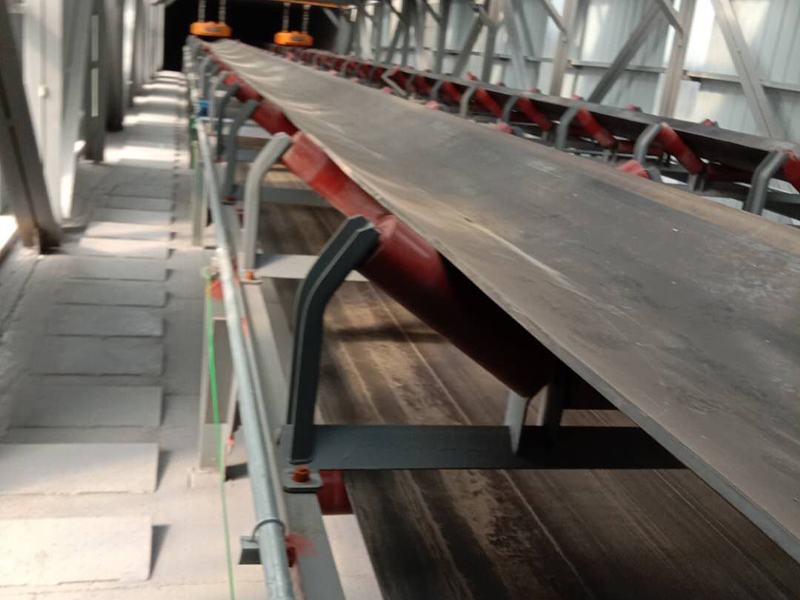
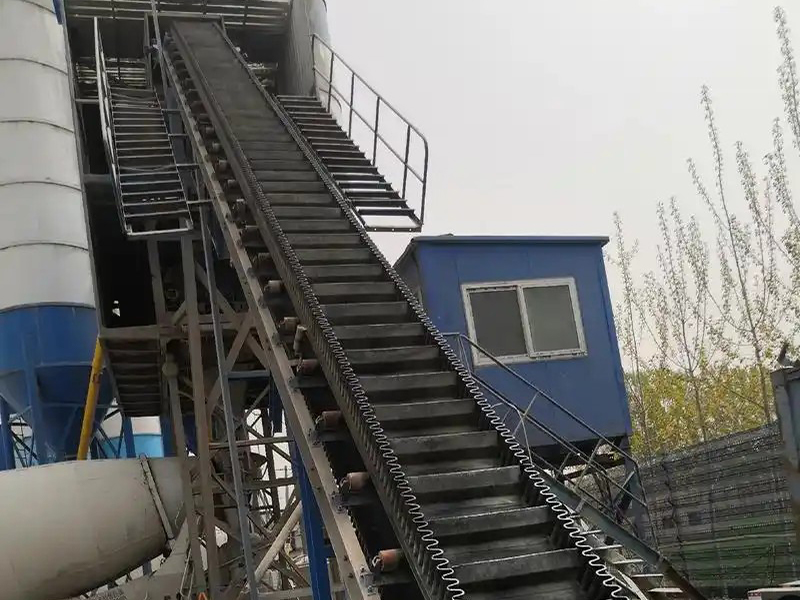
From cement plants like Conch Cement to coal facilities like Datong Coal Group, our custom-engineered profiles help operations minimize spillage and maximize vertical transport volume. Our belts run consistently in dusty, wet, and high-abrasion environments, reducing maintenance costs and operational downtime.
Extending the service life of conveyor belts through preventive inspection, splicing, and emergency repair.
To help clients maximize their return on investment, Hebei Boao offers a structured technical service plan designed to prolong conveyor belt life, optimize material flow, and minimize unscheduled downtime.
We provide detailed field procedures for both hot vulcanization finger splicing and cold bonding, ensuring the joint area matches the strength and flexibility of the main belt carcass.
Step-by-step guidelines for inspecting cleat and sidewall conditions, measuring rubber cover wear, monitoring tracking, and adjusting tension to prevent premature damage.
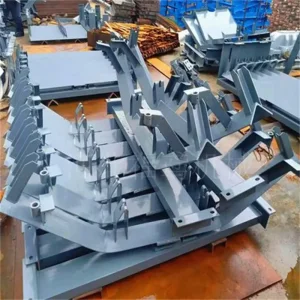
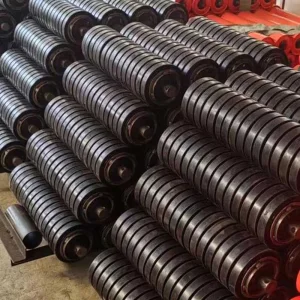
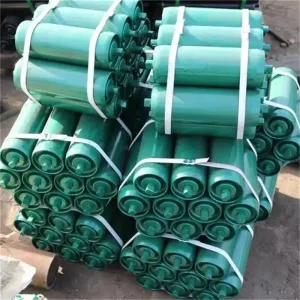
To reduce wear on the belt carcass, we offer matched components, including impact idlers, ceramic pulleys, standard conveyor brackets, and custom tensioning brackets.
Key technical criteria procurement managers should specify to ensure system compatibility and performance.
When requesting quotes from international suppliers, specifying generic dimensions is often not enough. To ensure a cleated conveyor belt performs reliably in your application, procurement engineers should provide the following technical parameters:
Expert answers to common engineering questions regarding the selection, installation, and operation of steep incline conveyor belts.
The choice depends on the angle of inclination and the flowability of the material. Straight T-cleats are suitable for transport angles up to 40 degrees and work well with fine, free-flowing aggregates. C-cleats (scoop design) are better for angles between 40 and 60 degrees, as the scoop shape helps stabilize wet or fluid-like materials (such as sand or wet coal fines), preventing them from flowing back over the cleat tops during ascent.
Cleat debonding typically occurs due to excessive flexing over small pulleys, high-impact forces at transfer points, or chemical attack from oils and acids. It can be prevented by ensuring the system's pulley diameters meet the minimum recommendations for the selected cleat height, utilizing impact-absorbing idlers at feed points, and choosing chemically compatible cover compounds (such as oil or acid-resistant variants) when conveying aggressive materials.
EP (Polyester-Nylon) fabrics offer superior mechanical advantages over traditional cotton-reinforced plies. EP has high tensile strength, low elongation under load (which reduces the need for frequent take-up adjustments), excellent resistance to moisture and rot, and high resistance to impact damage, making it suitable for long-distance and heavy-duty conveying.
Lifespan depends heavily on material abrasiveness, feed conditions, and maintenance quality. In heavy mining environments, a properly designed and maintained cleated belt can last between 2 to 5 years. Regular inspections, correcting pulley misalignment, maintaining impact bed rollers, and clearing debris from return runs are critical to maximizing the belt's service life.
Complete your material handling infrastructure with matching brackets, impact idlers, and alternative conveyor layouts.
 Boao Rubber