Best Conveyor Rollers And Idlers Factories & Factory

Premium Bulk Material Handling Component Solutions. Engineered for Demanding Global Industrial Infrastructure & Mining Systems.

Executive Briefing

The Crucial Role of Conveyor Rollers and Idlers in Modern Industrial Infrastructure

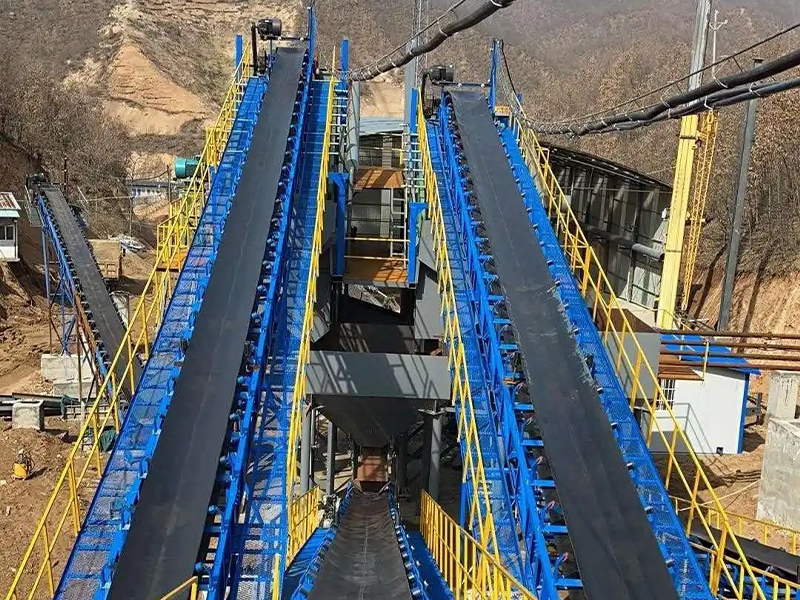
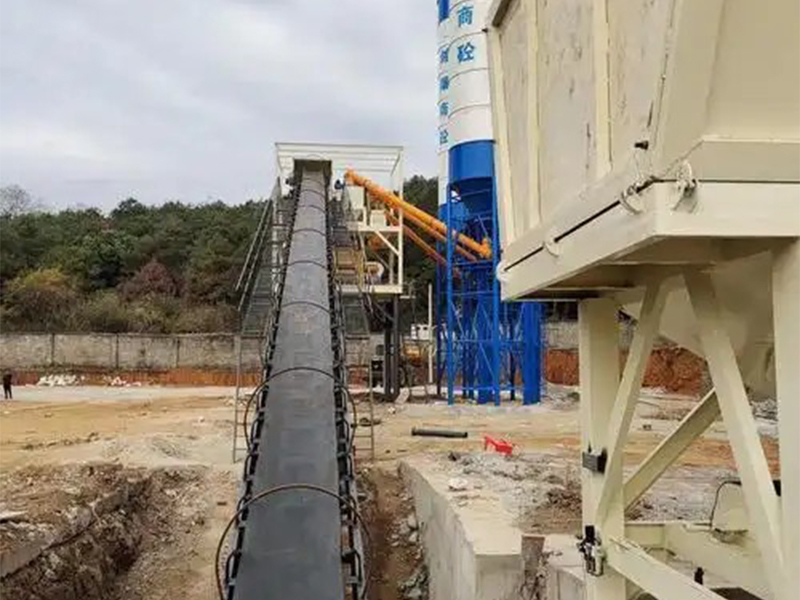
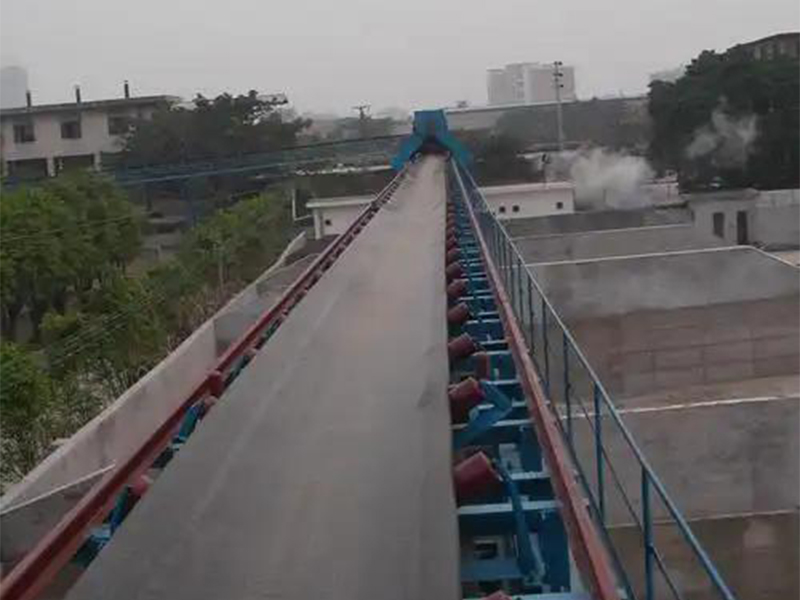
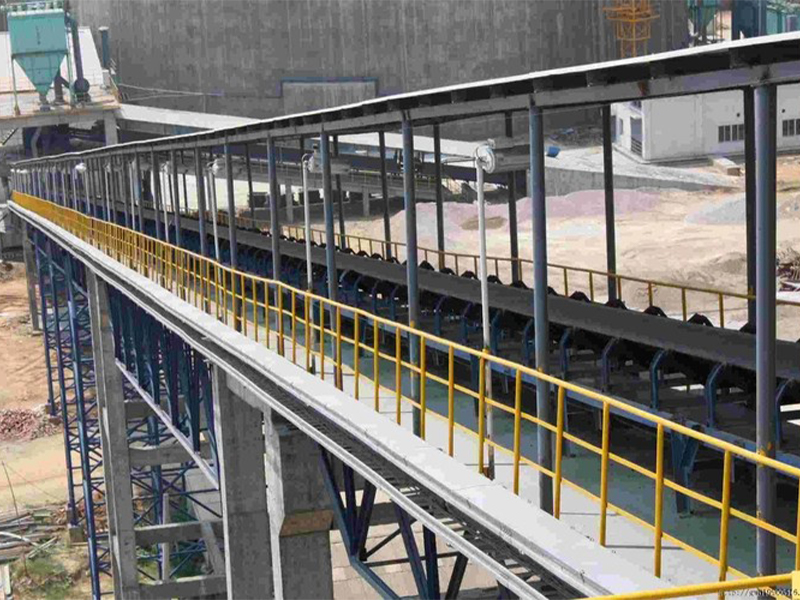
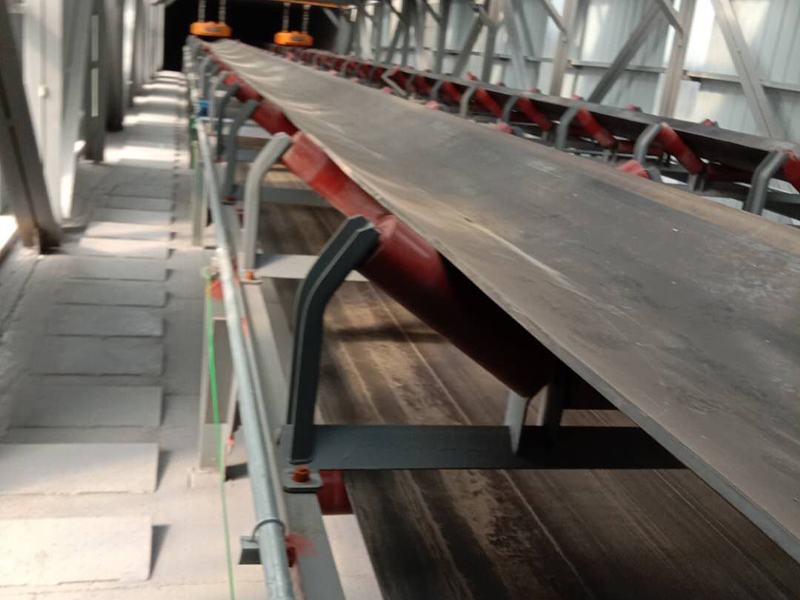
In the modern bulk material handling industry, conveyor systems serve as the critical arterials for moving millions of tons of natural resources, raw chemicals, and finished industrial products daily. From sub-zero Arctic mining facilities to high-heat metallurgical plants, the fundamental integrity of these conveyor systems is heavily dependent on two components: **Conveyor Rollers** and **Idlers**. These elements are tasked with bearing structural weight, containing gravitational forces, reducing dynamic friction, and ensuring accurate tracking of massive rubber belts.

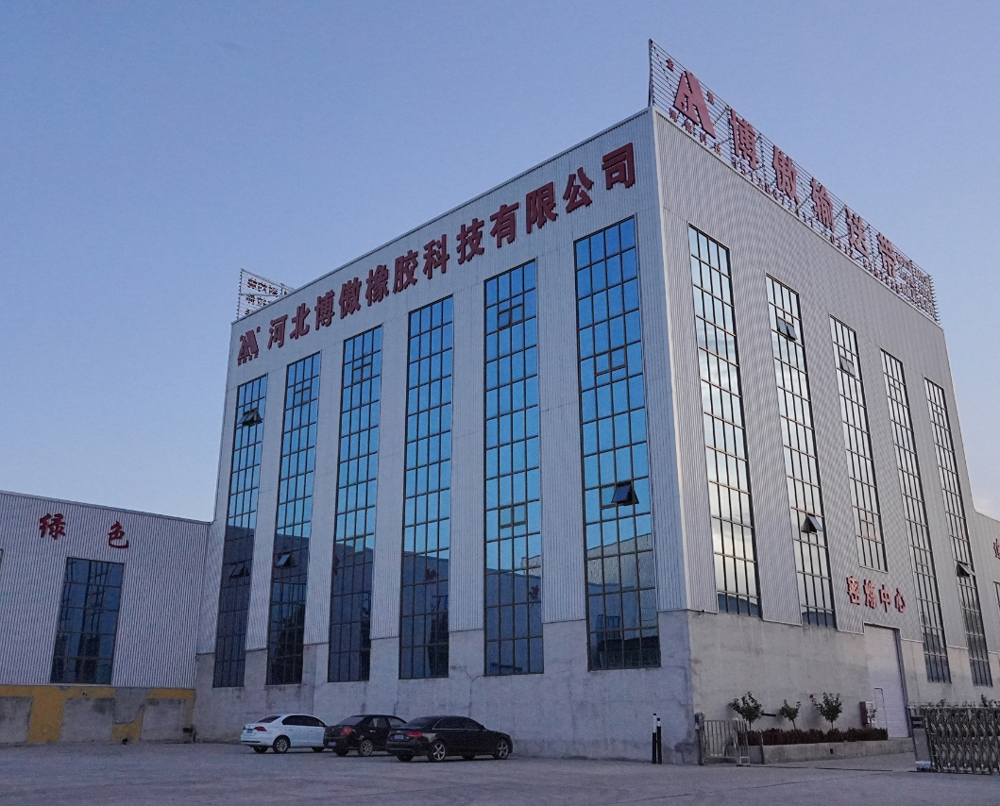
As a global manufacturer with more than **22 years of production expertise**, Hebei Boao Rubber Technology Co., Ltd. (known globally by our premium brand **"Jinao"**) addresses these multi-faceted challenges. Located in the Boye County Rubber Industrial Park, Baoding, Hebei, China, we operate an integrated manufacturing facility spanning over **30 acres**. Our design philosophy emphasizes systemic compatibility, ensuring that conveyor rollers and heavy-duty conveyor belts operate in complete synergy to maximize system efficiency, minimize unplanned downtime, and reduce the total cost of ownership (TCO).
22+
Years Industry Experience
30+
Acres Production Facility
100%
ISO Standard Compliance
Conveyor Roller Production Line and Quality Assurance
Market Dynamics

Global Commercial & Industrial Status of Bulk Material Handling

As heavy industries scale to meet global demand, material handling infrastructure must advance. High-speed, high-tonnage systems require specialized conveyor components designed for long-term operational reliability.

Globalized Sourcing Trends

Industrial operators are moving away from fragmented sourcing. Modern procurement teams prioritize integrated manufacturers capable of delivering both premium conveyor belts and matched roller/idler systems under unified quality management systems.

Systemic Stress Management

Modern processing plants operate continuously, meaning idler failures can lead to significant cost implications. Implementing high-precision, low-drag conveyor rollers is essential to reduce load resistance, control motor power usage, and extend structural belt life.

Regulatory and Environmental Compliance

Environmental safety, dust mitigation, noise restrictions, and flame protection drive operational mandates. This requires the use of specialized components, such as flame-retardant rubber lifting belts and low-noise labyrinth-sealed impact rollers.

Technical Whitepaper

Engineering Architecture & Design Precision

Advanced Conveyor Rollers & Idlers Construction

  • Labyrinth Sealing System: Multi-stage labyrinth seals prevent dust, particulate matter, and moisture from penetrating the bearing chamber, which helps preserve the integrity of lithium greases.
  • Optimized Dynamic Balance: Minimal Radial Runout (TIR) values reduce vibration across high-speed lines, helping to prevent structural fatigue and wear on the belt covers.
  • Premium Bearing Integration: Standard C3 clearance deep groove ball bearings provide smooth rotation, minimize frictional resistance, and extend roller life.
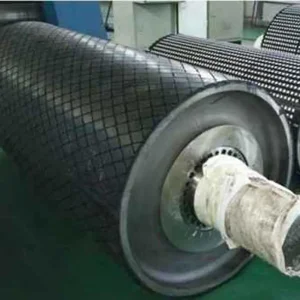
  • Thickened Carbon Steel Shell: High-grade carbon steel pipes are machined to tight tolerances for consistent wall thickness and roundness, ensuring even load distribution.

Conveyor Belting Design & Chemical Formulations

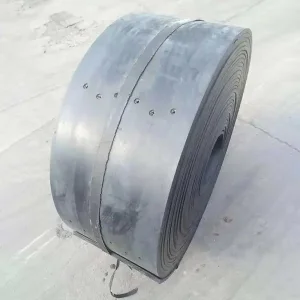
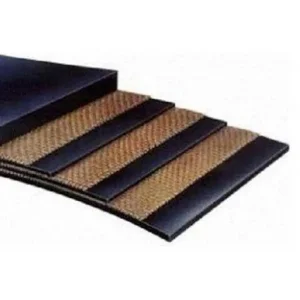
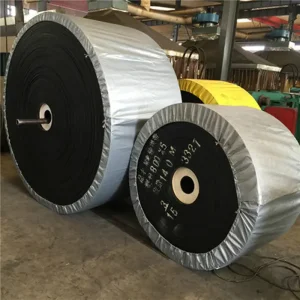
  • High-Tensile Fabric Matrices: Multi-ply Polyester (EP) and Polyamide (NN) fabric cores offer high longitudinal flexibility, impact tolerance, and resistance to permanent elongation.
  • High-Temperature Cover Compounds: Specialized vulcanized rubber covers withstand thermal cracking up to 200°C for applications like cement clinker, sintering, and slag handling.
  • Corrosive & Chemical Resistance: Formulated polymer chains protect the conveyor belting carcass from degradation in highly acidic, alkaline, or saline conditions.
  • Safety & Flame Retardancy: Belts engineered to meet safety standards utilize self-extinguishing properties, which help mitigate fire propagation risk in subterranean coal mining operations.
Field Applications

Proven Solutions Across Demanding Local Environments

Steel & Heavy Metallurgy

In high-heat sintering plants and blast furnace feed lines (e.g., Taihang Steel and Puyang Steel), components are subject to continuous heat and abrasive dust. Our heat-resistant rubber belts and robust conveyor rollers are designed to operate under thermal loads while maintaining reliable rotation.

Subterranean & Surface Mining

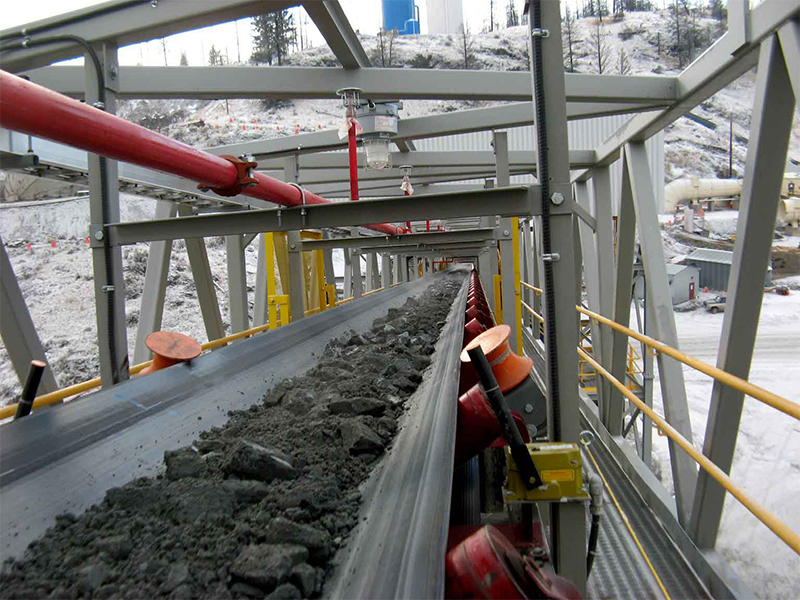
Mining operations (e.g., Datong Coal Group, Zijin Mining) demand components that can handle heavy impact forces, large lump material, and wet conditions. In these environments, impact idler rollers and steel wire rope core belts provide the necessary structural support to handle heavy bulk loads.

Cement Plants & Aggregates

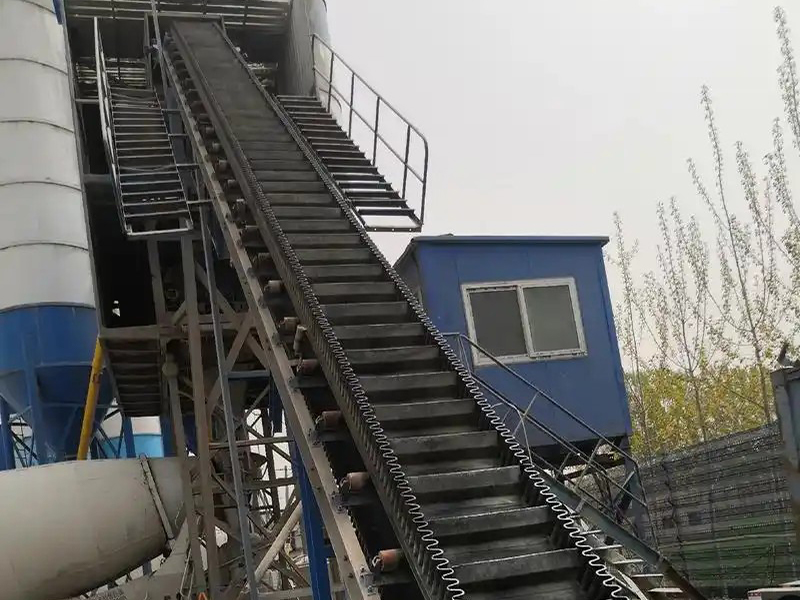
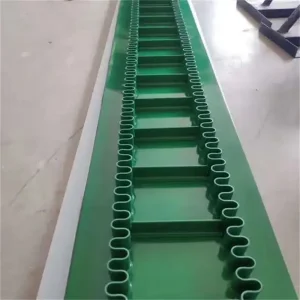
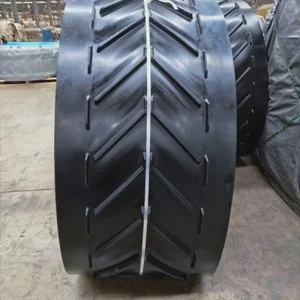
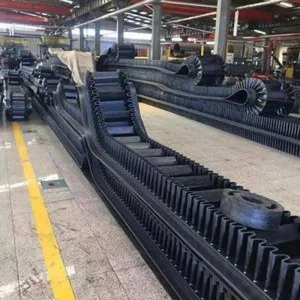
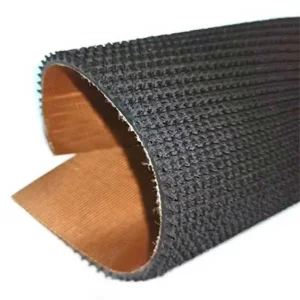
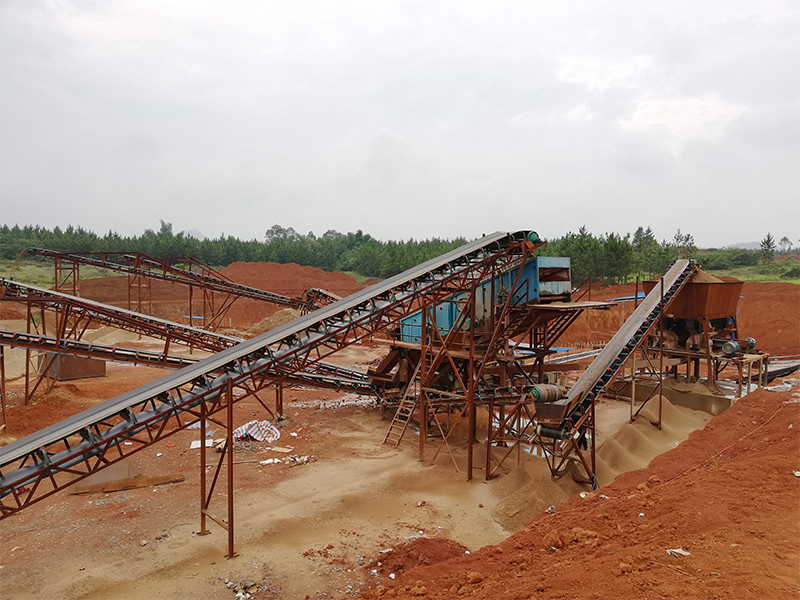
Handling abrasive materials like limestone, clinker, and sand (e.g., Conch Cement, Jidong Cement) generates fine dust that can damage roller bearings. Our dust-resistant seals prevent premature failure, while patterned belts help stabilize materials on inclined transport paths.
Chemical Analysis Room and Physical Testing Laboratory
Quality Assurance

Independent Physical & Chemical Test Labs

At Hebei Boao Rubber Technology Co., Ltd., quality control is integrated throughout our production process. Our facilities feature an independent chemical analysis room and a physical laboratory, allowing us to monitor every phase of manufacturing from raw material sourcing to final dispatch.

Testing protocols include tensile strength testing of rubber compounds, abrasion resistance testing, flame retardancy evaluation, and roller seal verification. We enforce a zero-defect policy, ensuring that components are fully inspected before leaving our factory.
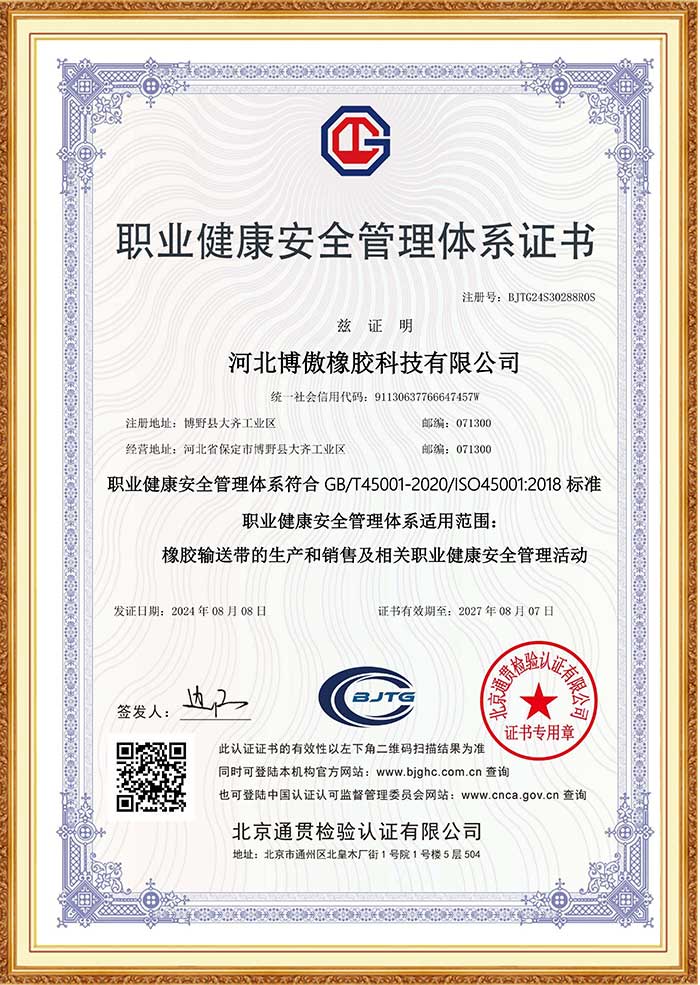
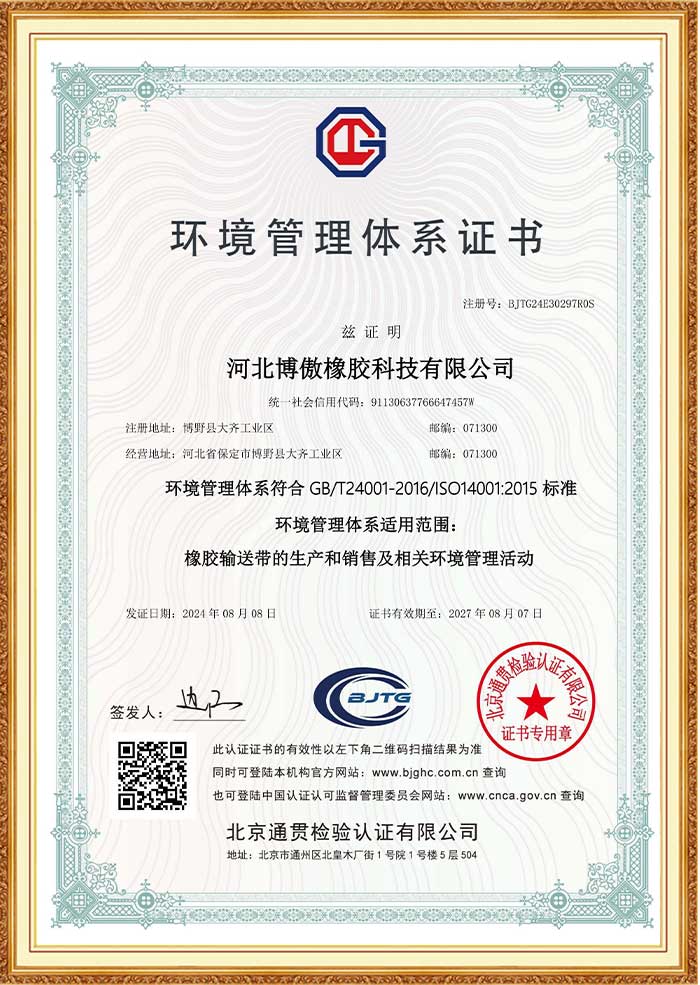
Quality Certificate 1
Quality Certificate 2
Quality Certificate 3
Verified Authority

Manufacturing Certificates & Plant Gallery

Our facility is equipped with automated vulcanizing presses, rolling mills, and assembly lines. We maintain international quality management standards to ensure consistency across our product lines.
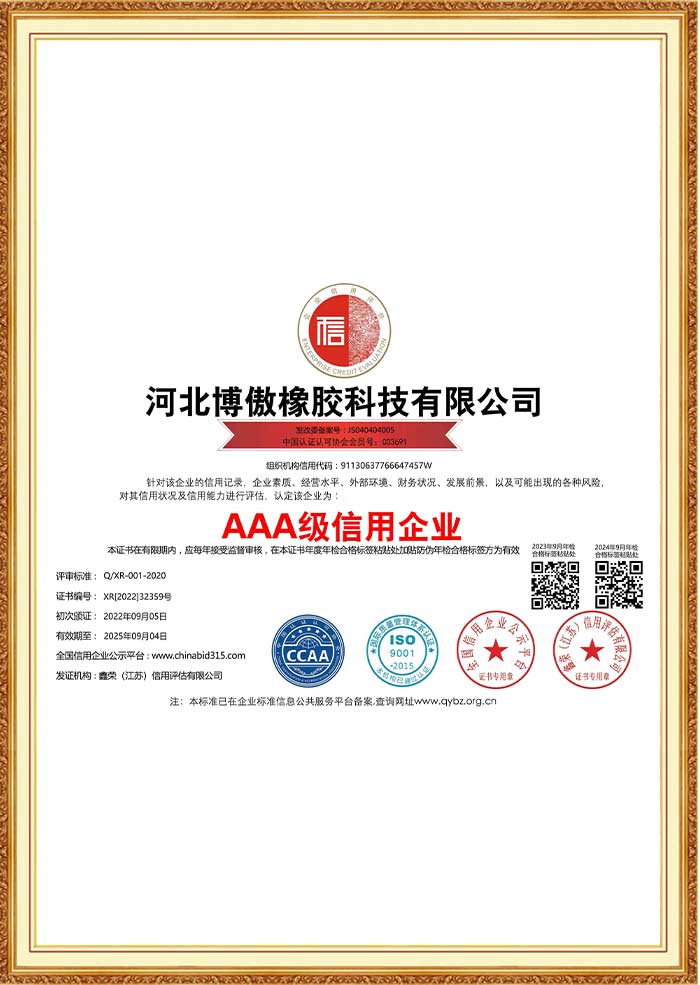
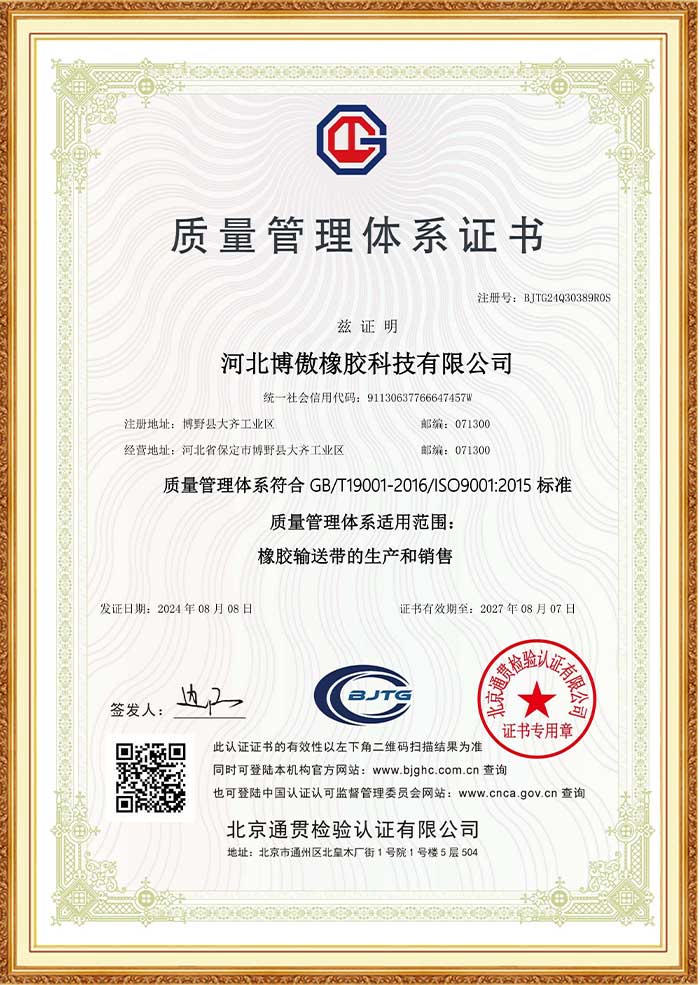
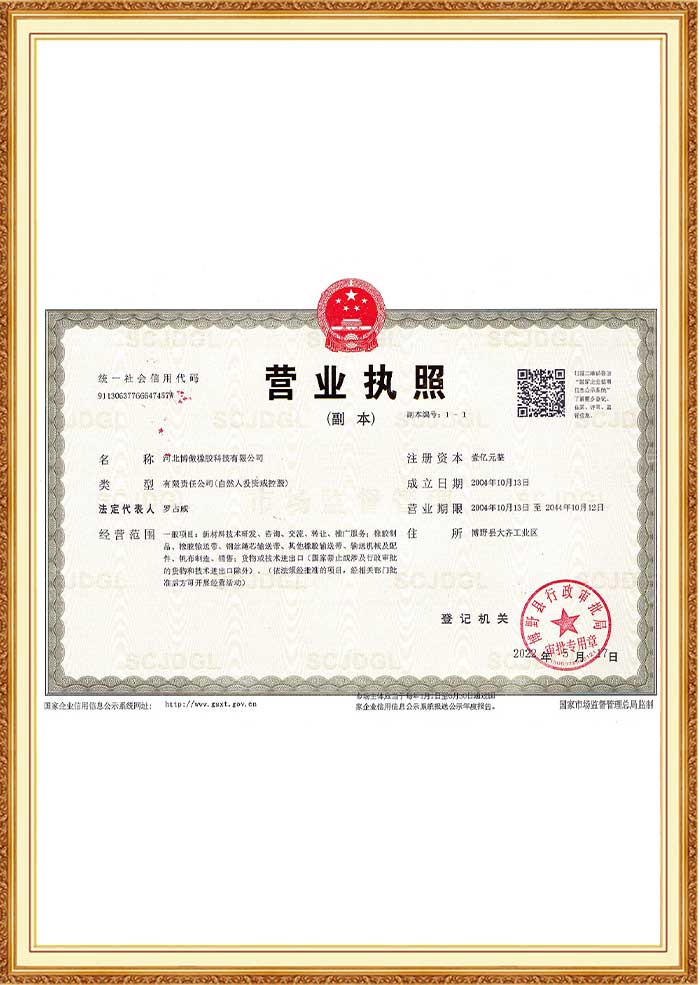
Certificate of Compliance
ISO Quality Standard Document
Factory Workshop Inside View
Modern Vulcanizer Production Machine
Advanced Conveyor Roller Testing Platform
Industrial Proof

Collaboration Cases & Industrial Partnerships

Our conveyor belts, rollers, and supporting accessories are used in key operations across steel production, coal extraction, cement plants, and port facilities.
Taihang Steel

Taihang Steel

Tsingshan Group

Tsingshan Group

Zijin Mining

Zijin Mining

China Railway Group Mixing Plant

China Railway Group

Conch Cement

Conch Cement

Datong Coal Group

Datong Coal Group

Jidong Cement Group

Jidong Cement Group

Puyang Steel Group

Puyang Steel Group

Partnership Benefits

All-in-One Packaging & Technical Service Plan

System Integration

We provide unified design services that align the specifications of your conveyor belts with matched idlers and rollers, optimizing material flow and overall system life.

Predictive Maintenance

Our engineers assist operations in monitoring wear indicators on roller shells, alignment performance of idlers, and carcass fatigue in conveyor belts.

Safety Stock Management

We coordinate safety stock agreements for replacement components, helping to ensure rapid shipping and minimize downtime in mining and heavy industrial sectors.

Field Maintenance Support

We offer technical assistance for splicing, rubber vulcanization repairs, structural alignment, and roller replacement processes to keep operations moving forward.

Technology Roadmap

The Future of Intelligent Bulk Materials Handling

As industries adopt digital workflows, conveyor operations are moving toward smart solutions. The next generation of conveyor systems focuses on automated monitoring, energy efficiency, and low-maintenance designs.

Hebei Boao is actively investing in research and development to align with these trends. Our roadmap focuses on:
  • Intelligent Sensor Rollers: Development of rollers with built-in sensors for real-time monitoring of bearing temperature and vibration to prevent unexpected failures.
  • Low Rotational Resistance Systems: Optimizing seals and lubricants to reduce conveyor system power requirements on long-distance systems.
  • Lightweight Composite Rollers: Research into polymer and composite shells to reduce component weight, damp vibrations, and lower system noise levels.
  • Eco-Friendly Polymers: Formulating sustainable rubber compounds that improve wear resistance while minimizing chemical emissions during vulcanization.
Testing Platform showing automated testing of conveyor rollers
Knowledge Base

Industrial Conveyor Rollers & Idlers FAQ

Q1: What are the main factors affecting the operational lifespan of conveyor rollers and idlers?
The durability of conveyor rollers depends on several factors: the effectiveness of the sealing system against dust and water, bearing selection, manufacturing tolerances, alignment, and proper matching with the conveyor belt. Using multi-stage labyrinth seals helps prevent contaminants from entering the bearing chamber.
Q2: How do impact idlers protect heavy-duty conveyor systems from damage?
Impact idler rollers are fitted with resilient rubber rings and are positioned at material loading and transfer points. They absorb the energy of falling materials, reducing structural impact stresses on the belt core, conveyor carcass, and supporting framework.
Q3: Why is system compatibility between conveyor belts and idlers so critical?
A conveyor system functions as a integrated unit. A mismatch in dimensions, surface friction, or alignment between the belt and rollers can lead to tracking issues, edge wear on the belt, and increased motor energy consumption. Sourcing both components from a single manufacturer ensures proper coordination.
Q4: Under what conditions should flame-retardant or heat-resistant rubber conveyor belts be selected?
Flame-retardant belts are critical for enclosed spaces like underground mines and grain elevators to reduce fire risks. Heat-resistant belts are designed for processing facilities handling hot materials, such as cement clinker, iron ore sintering, or chemical slag, where temperatures exceed 100°C.
Q5: What diagnostic processes are carried out in your physical and chemical testing labs?
We conduct chemical testing to verify compound compositions, oil resistance, and flame retardancy. Physical tests include checking the tensile strength of the belt fabric, measuring roller radial runout, evaluating rotational resistance, and testing the sealing performance under simulated dusty and wet conditions.

Design Your Conveyor System with Boao Technical Experts

Whether you need high-capacity troughing idlers, impact rollers, or specialized chemical-resistant belting, our engineering team can design components to meet your application requirements.

Inquiry Now