Explore our industrial-grade components precision engineered for high-performance operations, mining, metallurgy, and global bulk materials handling.
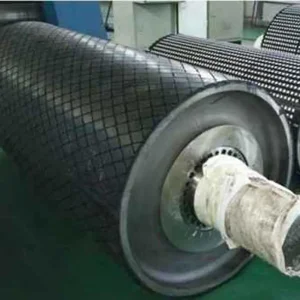
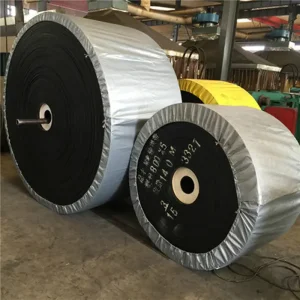
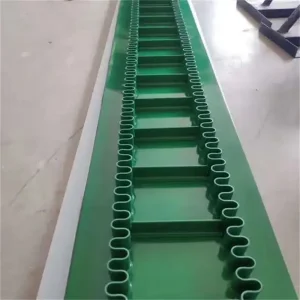
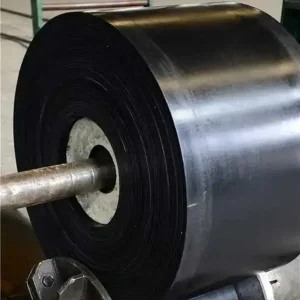
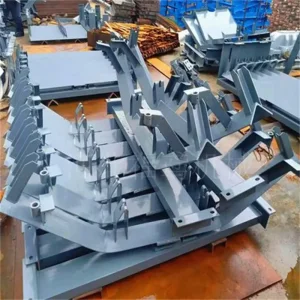
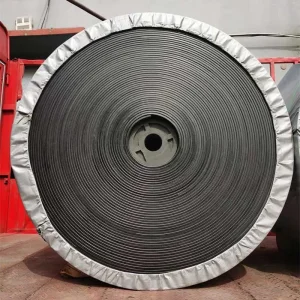
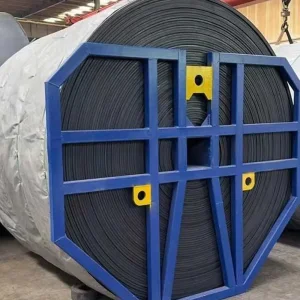
In modern high-speed material handling and heavy manufacturing sectors, efficiency, precision, and longevity represent the main pillars of operational profitability. At the center of these mechanics is the Flat Belt Idler Pulley, a seemingly simple component that dictates the overall stability, belt tension, and structural tracking of conveyor systems. Unlike crowned pulleys that guide belts through curvature tracking, flat belt idler pulleys serve as critical support points, redirecting flat transmission belts, maintaining consistent system torque, and absorbing dynamic vibrations without inducing excessive shear stress on the belt. From multi-mile overland bulk transportation to complex automated sortation hubs, idler pulleys ensure that operational uptime is maximized and catastrophic mechanical failures are mitigated.
From an engineering perspective, a flat belt idler pulley must withstand constant radial loads, extreme environmental variables, and continuous abrasive cycles. The design requires a highly precise dynamic balance, premium-grade double-sealed bearings, and optimized face treatments to minimize operational slip. As manufacturers strive to process heavier loads at elevated speeds, the demand for high-performance flat belt idler pulleys has risen significantly. Industry operators can no longer rely on off-the-shelf, non-standardized components; instead, they require customized, heavy-duty machinery accessories engineered to meet exact tensile, speed, and dimensional parameters.
"Optimized flat belt idler pulleys decrease system resistance, reducing power consumption by up to 15% and extending belt service lifespans by upwards of 35% in heavy-duty conveyor systems."
The global market for industrial conveyor accessories and flat belt idlers is undergoing a major technological transformation. Key industrial zones across Europe, North America, and the Asia-Pacific region are shifting toward high-durability polymers, composite steel alloys, and polyurethane coatings. The commercial landscape is heavily driven by infrastructure expansions, increased mining operations, and the modernization of bulk agricultural logistics. Specifically, industrial regions in northern China, such as the Boye County Rubber Industrial Park in Baoding, He河北 Province, have established themselves as major manufacturing and engineering centers for these components. Integrating specialized raw rubber vulcanization facilities alongside advanced metallurgical tooling plants allows for rapid product development cycles, strict quality control, and cost-effective bulk production.
Currently, the market demonstrates a strong preference for manufacturers who provide integrated conveyor ecosystems. Rather than sourcing rollers, brackets, and pulleys from disjointed supply channels, industrial buyers seek vertically integrated partners capable of supplying the structural support brackets, tensioning devices, and high-tensile rubber belts simultaneously. This shift is reshaping the competitive field. Success is no longer determined solely by production capacity; it depends on a manufacturer's chemical laboratory testing capabilities, structural finite element analysis (FEA), and robust compliance with international quality management standards.
Why industrial procurement managers and lead engineers choose Hebei Boao Rubber Technology Co., Ltd. for mission-critical conveyor support equipment.
Equipped with an independent chemical analysis lab and physical testing facilities, monitoring every production stage from raw material compound vulcanization to finished idler dynamic balancing runs.
Highly trained inspectors conduct non-destructive testing, concentricity metrics, and thickness calibrations, enforcing a zero-defect policy for all products before leaving the facility.
Exported to multiple countries, our systems are widely integrated within large-scale steel plants, metallurgy complexes, underground coal operations, cement kilns, power stations, fertilizer plants, ports, and grain depots.


The engineering efficiency of a flat belt idler pulley depends on its geometric alignment and mechanical integration. In operations utilizing flat belts, a common challenge is belt tracking stability. Standard configurations alternate between flat-faced idler rollers and crowned-faced pulleys. Crowned pulleys use center-tending lateral forces to center the belt, while flat idlers provide a stable surface, preventing localized stress concentrations and micro-tears in the belt's internal cord matrices. This configuration is crucial for multi-ply heavy-duty belts, such as Steel Wire Rope Core or Layered Polyester EP belts, where edge bending can lead to ply separation.
A primary failure mode in flat belt conveyor components is bearing seizure, caused by the ingress of fine abrasive dust (e.g., coal dust, cement raw meal, iron ore fines) and moisture. To prevent this, advanced manufacturers implement triple-labyrinth seals paired with deep groove ball bearings (such as C3 or C4 clearances) packed with specialized high-temperature grease. Additionally, the outer shell must maintain tight concentricity tolerances. High radial run-out causes structural vibrations that wear the bearings and generate high-frequency noise, which can lead to fatigue failures in brackets and structural mounts over time.
In response to these issues, the current technological roadmap points toward "Smart Conveyance Ecosystems". This involves embedding IoT-enabled thermal and vibration sensors within the idler roller shafts. By continuously tracking temperature anomalies and vibration frequencies, maintenance crews can detect bearing wear early, transforming maintenance from reactive fixes to predictive planning.
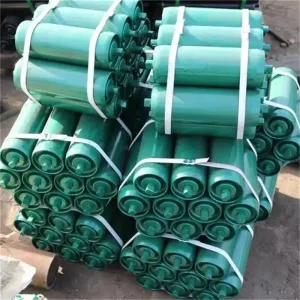
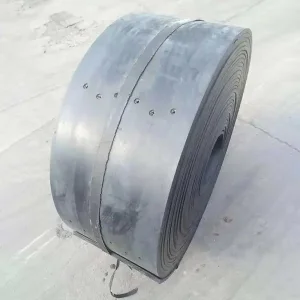
Hebei Boao Rubber Technology Co., Ltd. provides comprehensive bulk handling systems through our signature "Jinao" brand. Our production lines manufacture high-tensile, abrasion-resistant rubber conveyor belts alongside high-precision supporting hardware. This integrated manufacturing model ensures that our conveyor belts work in sync with our idler rollers, ceramic lagging, impact beds, centering brackets, and tensioning devices.
Our integrated manufacturing approach ensures that belt cover chemistry matches the pulley's lagging material, optimizing friction coefficients and virtually eliminating premature back-cover wear.
By controlling both rubber formulation and mechanical steel assembly under one quality standard, Boao guarantees component compatibility. This reduces the risk of mismatched components—a common issue when sourcing belts and hardware from separate suppliers.
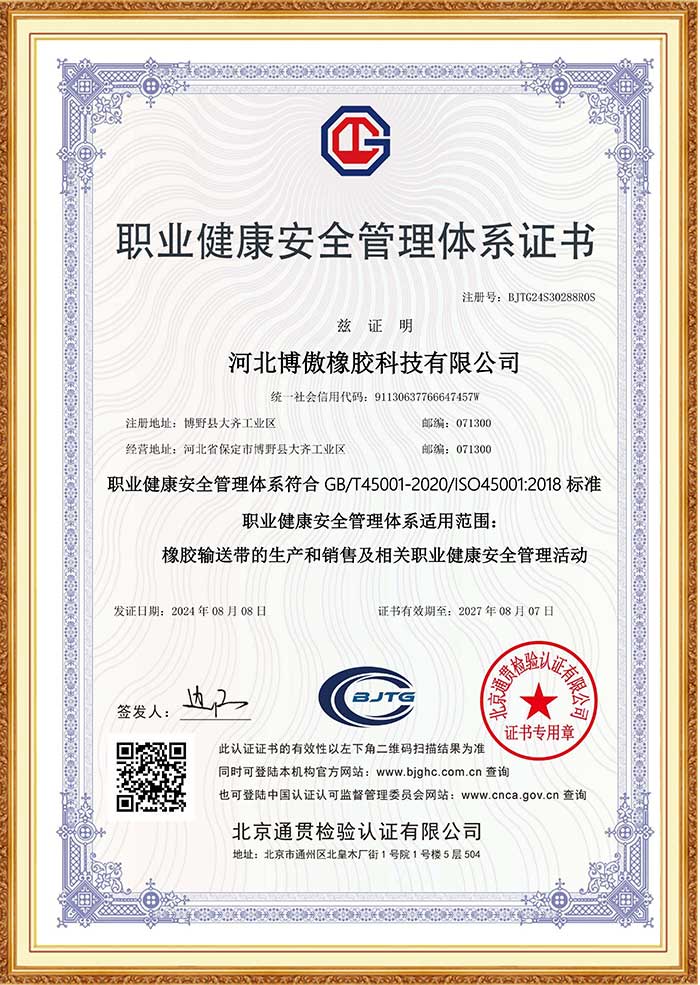
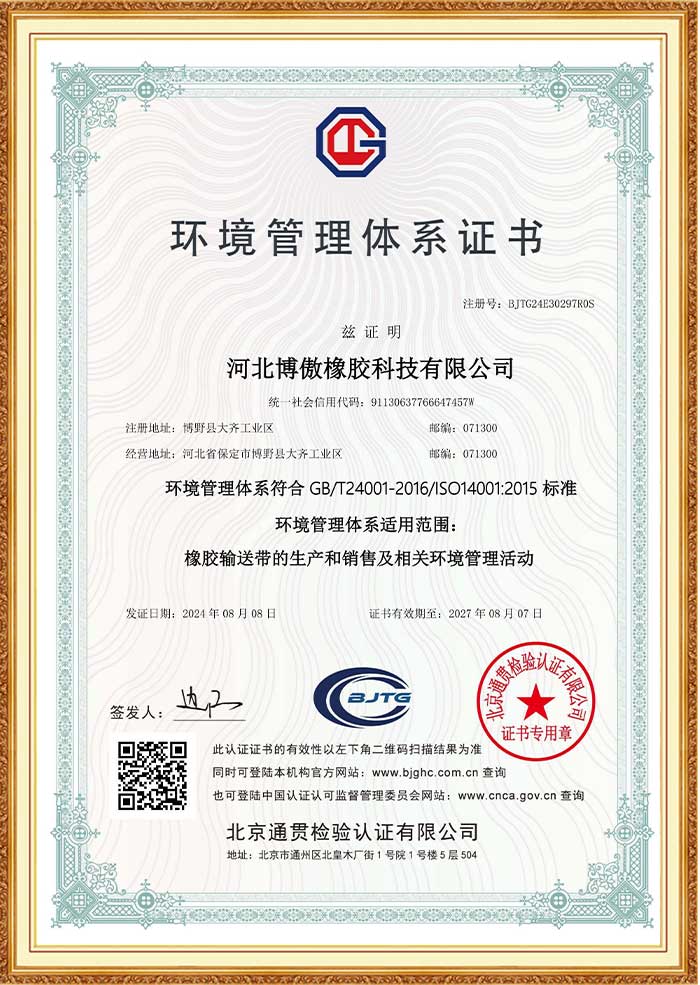
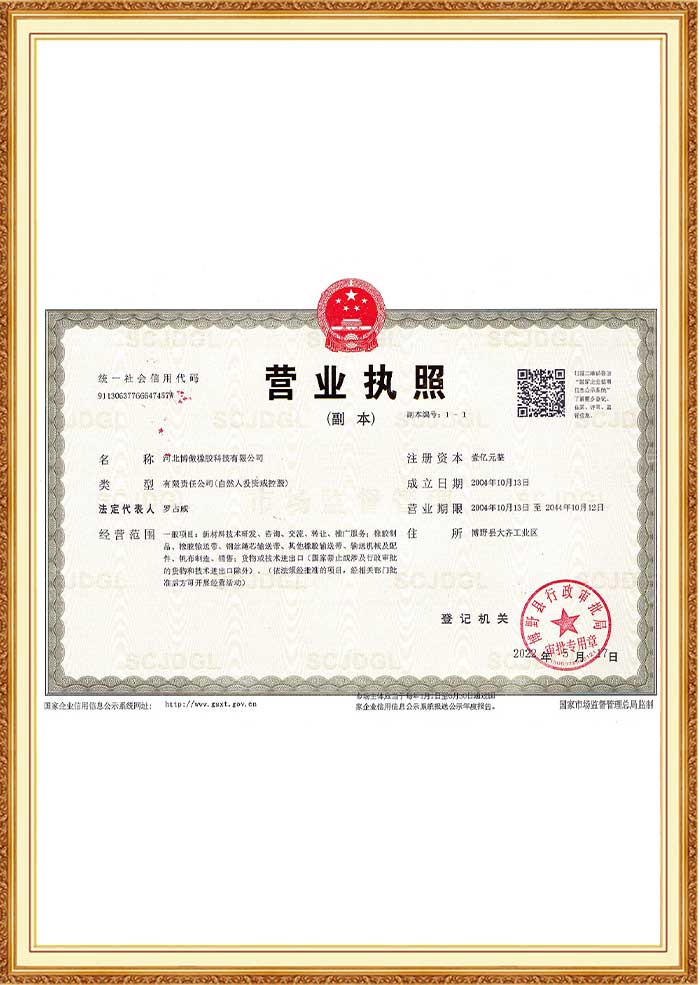
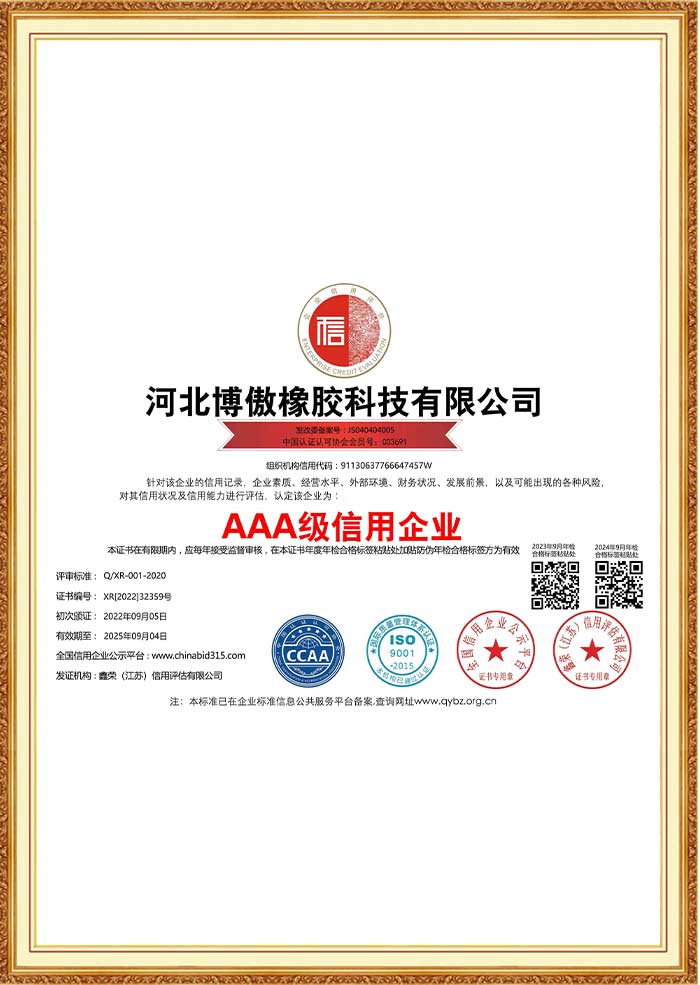
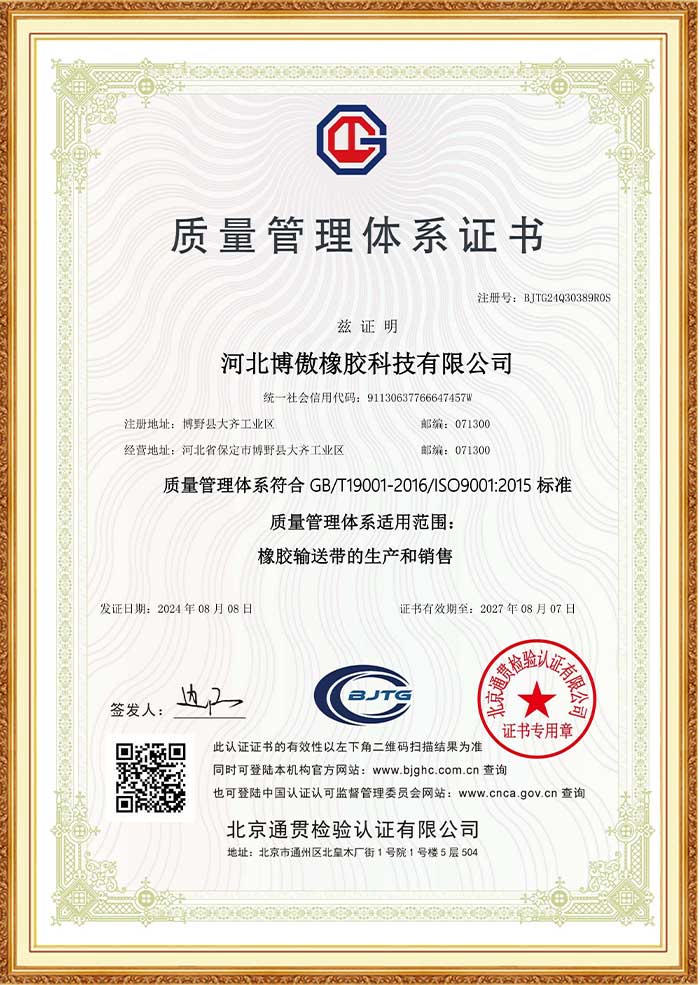
Maximize your operational uptime with our structured, comprehensive technical service and maintenance solutions.
Scheduled component replacements, bearing testing, surface re-lagging, structural bracket alignment audits, and 24/7 emergency site support.
Supply of custom conveyor belts and matching idlers, safety stock management, vulcanized splicing, cover repairs, and routine mechanical audits.
Designed to reduce power draw, eliminate belt mistracking, and extend belt lifespans, lowering overall material handling costs per ton.
A continuous maintenance partnership focused on preventative service cycles, optimizing conveyor asset lifespans under harsh field conditions.
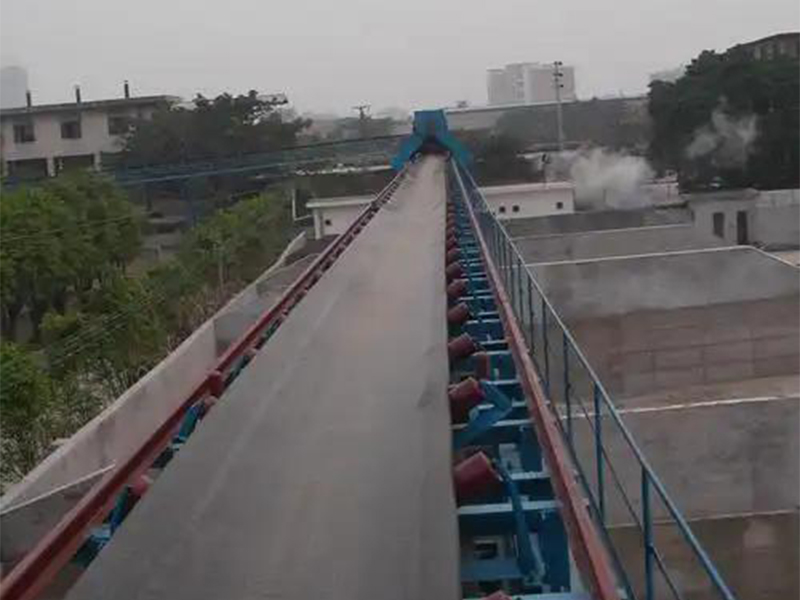
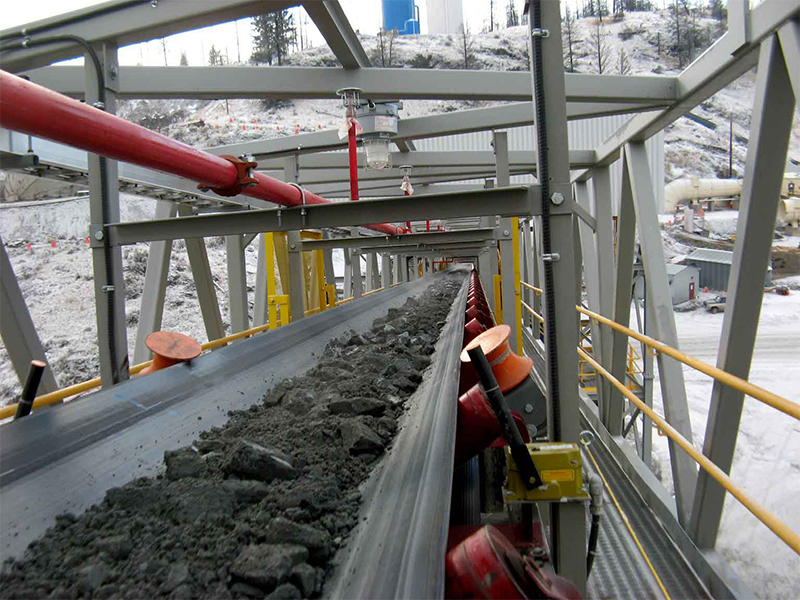
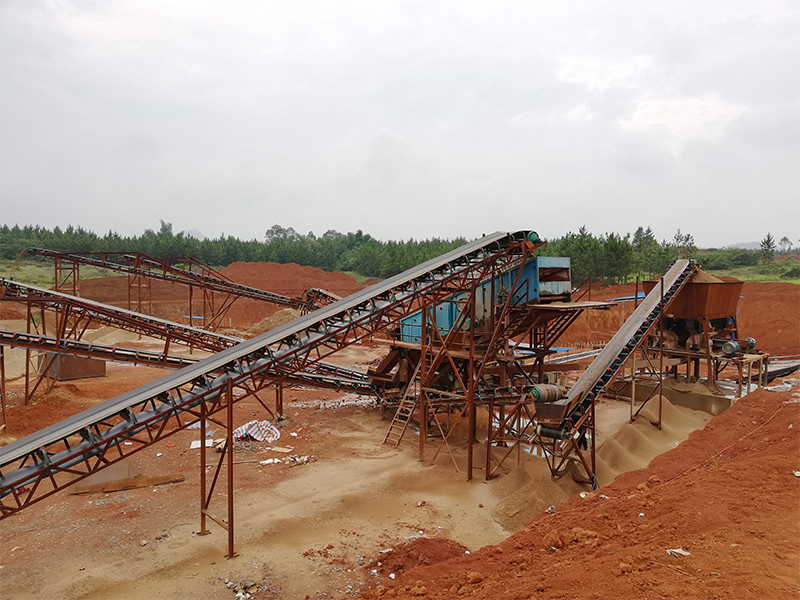
Our products are trusted in high-load industrial operations, handling bulk materials under demanding environmental conditions.
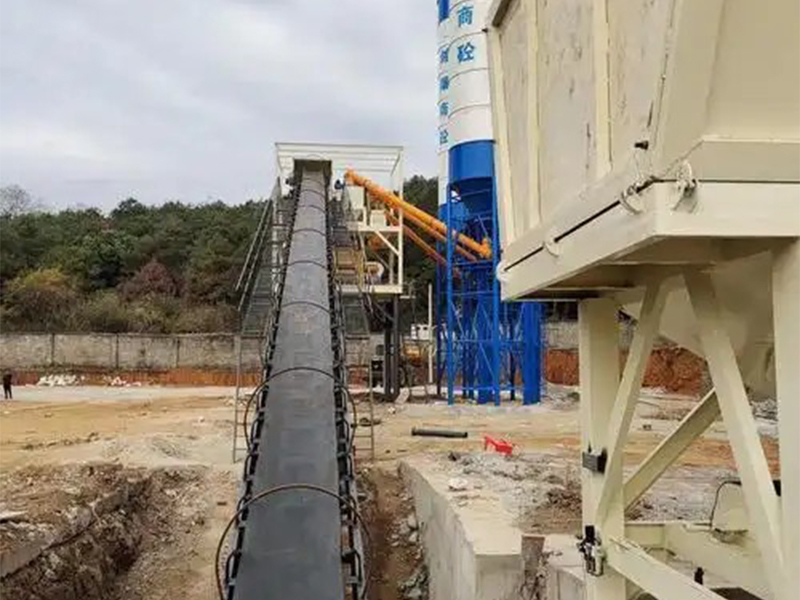
China Railway Group Mixing Plant
Conch Cement
Datong Coal Group
Tsingshan Group
Get professional answers to common engineering, procurement, and maintenance questions regarding flat belt idlers.
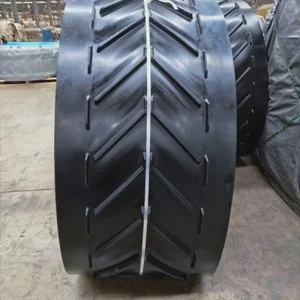
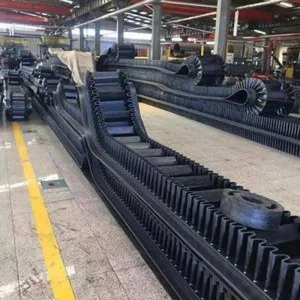
Complete your materials handling system with our range of high-performance belts, specialized cold-resistant compounds, and heavy-duty configurations.
 Boao Rubber