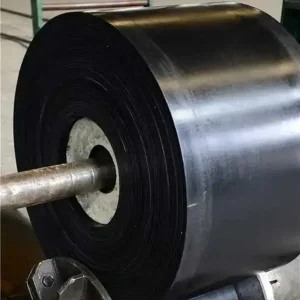
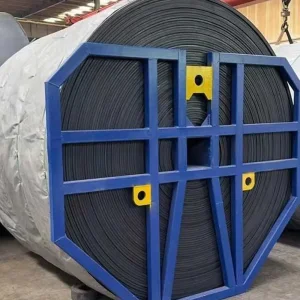
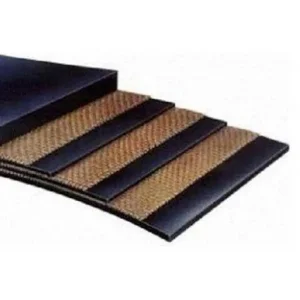
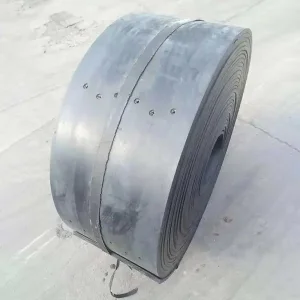
Engineered rubber compounds and reinforcement structures tailored for extreme load-bearing bulk transportation.
Years of Engineering Excellence
Acres of Production Facility
ISO Quality Management Certified
Global Industrial Brand Trust
The Evolution of Heavy-Duty Rubber Conveyor Belting in Bulk Material Logistics
In modern heavy industry, the transportation of bulk materials represents a critical operations artery. From deep underground mining operations extracting thousands of tons of ore per hour to international maritime ports loading massive Capesize bulk carriers, the efficiency of logistics systems relies on a singular, fundamental component: the heavy-duty rubber conveyor belt.
The manufacturing requirements of these belts have evolved significantly. Modern logistics demands call for continuous, high-capacity throughput, which in turn subjects the belting to tremendous dynamic stresses, mechanical impacts, extreme thermal gradients, and chemical exposure. To withstand these forces without catastrophic failure, belt engineering requires strict design standards and precise formulation of elastomeric compounds.
Sintering plants, blast furnace charging, and slag handling require heat-resistant rubber compounds capable of handling materials reaching up to 300°C while resisting surface oxidation.
Subterranean coal mining operations demand flame-retardant and anti-static properties (conforming to MSHA or ISO standards) combined with high-impact resistance for heavy rock drop zones.
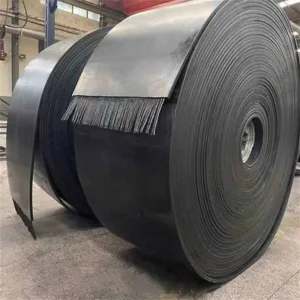
Abrasive clinker, limestone raw meals, and bulk grain loading systems require tear-resistant multi-ply carcasses and customized textured profiles for high-angle transportation.
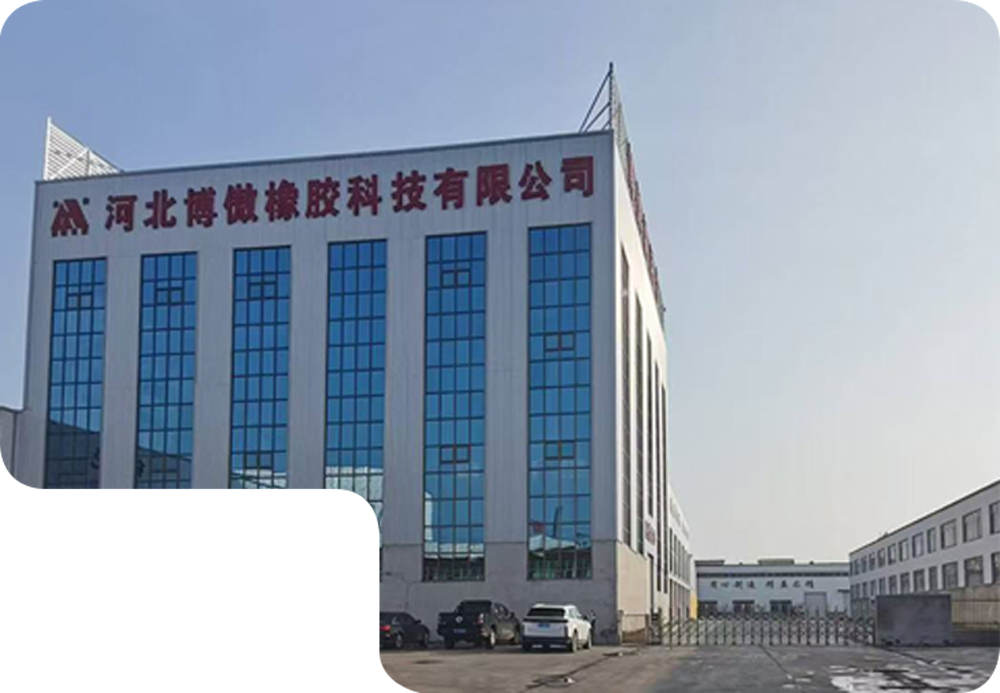
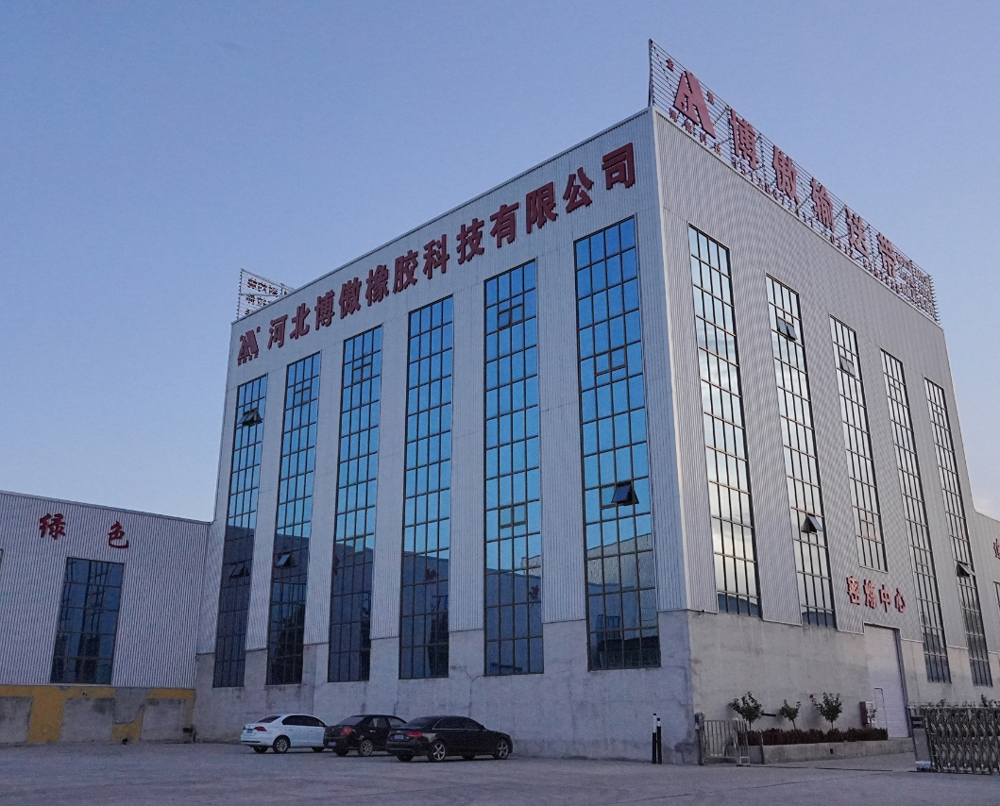
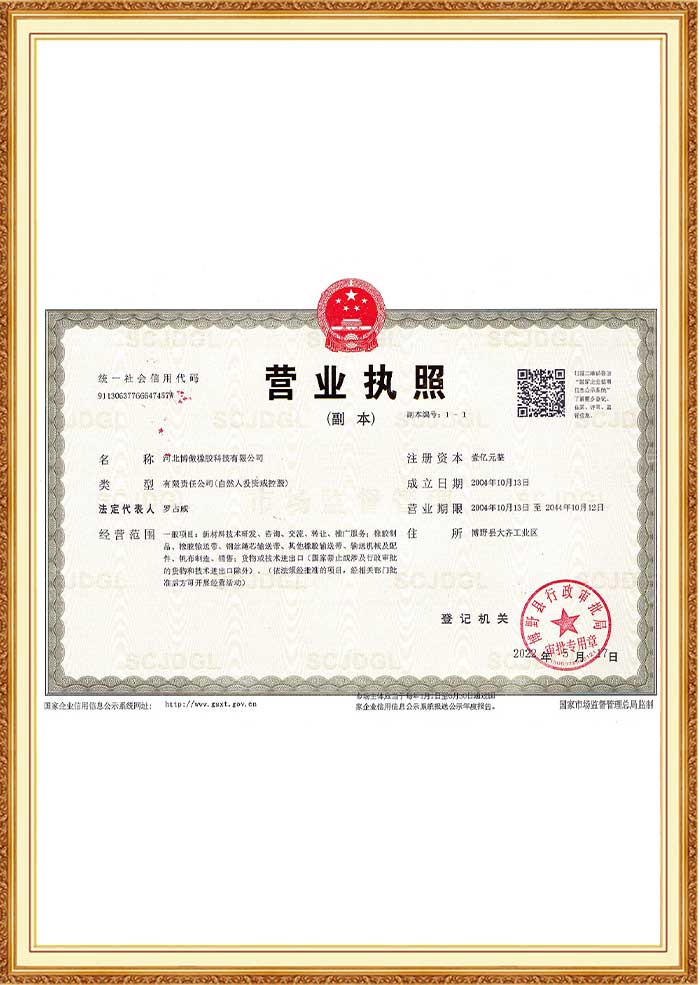
Located in the prestigious Rubber Industrial Park of Boye County, Baoding, Hebei Province, Hebei Boao Rubber Technology Co., Ltd. has established itself as an engineering authority in conveyor systems. Founded in 2004 and stretching over 30 acres of state-of-the-art manufacturing space, our facility represents a hub of industrial innovation.
Under our flagship brand, "Jinao", we focus on the integration of belt development, physical-chemical testing, structural design, manufacturing, and technical field services. Our products serve heavy-duty industrial systems, supporting mining operations, construction materials plants, chemical complexes, and bulk cargo terminals.
Our infrastructure houses multiple advanced lines for rolling, carcass forming, continuous high-pressure vulcanization, and material testing. This structural integration guarantees that every belt—from raw elastomer selection to final roll winding—complies with strict quality control.
Uncompromising inspection protocols from raw compound molecular testing to finished belt load-testing.
Performs high-performance liquid chromatography and rubber combustion analysis to verify carbon black dispersion, polymer concentration, and the purity of anti-aging chemical agents.
Equipped with computerized tensile testers, DIN abrasion wheels, electronic vulcanizers, and belt flexing fatigue rigs to calculate elongation properties under heavy mechanical strains.
Our operational framework follows a dual non-conformance policy: raw materials failing specification tests are rejected, and finished products without full certification are denied dispatch.
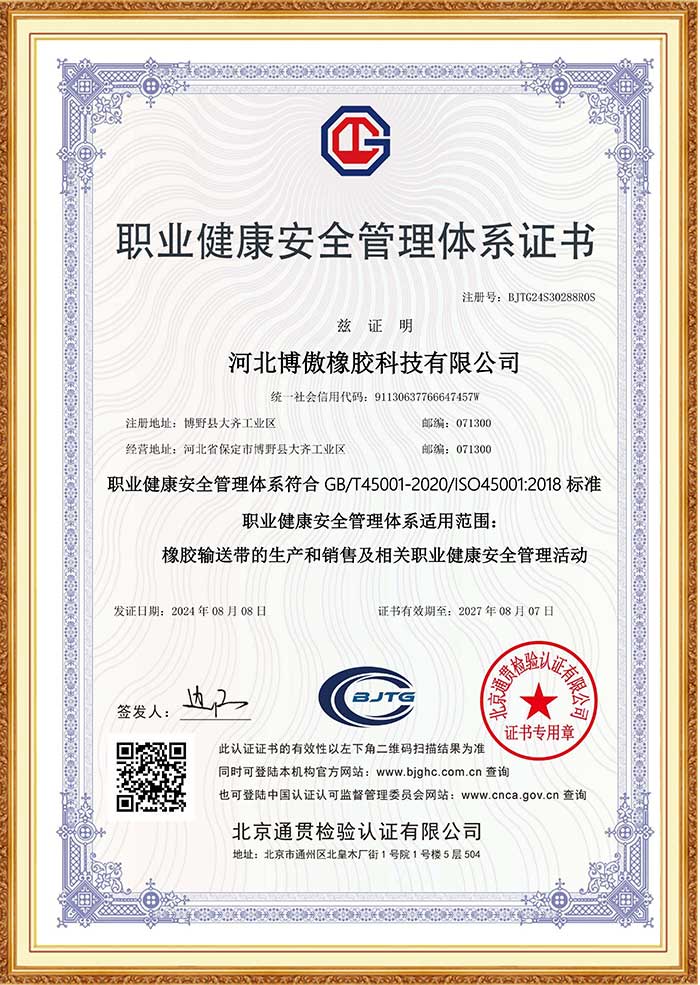
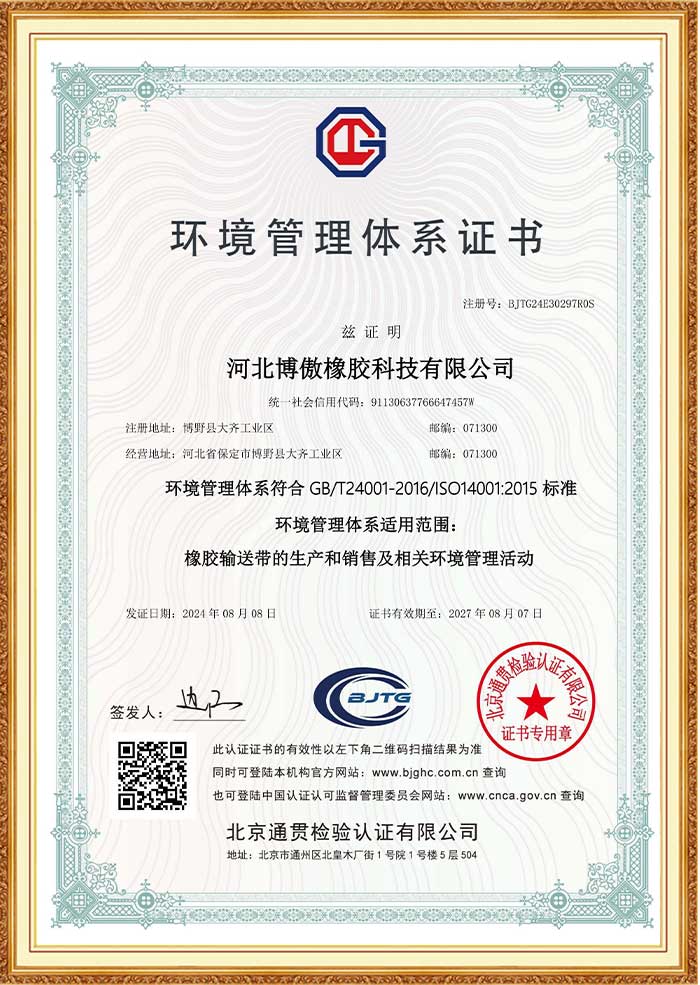
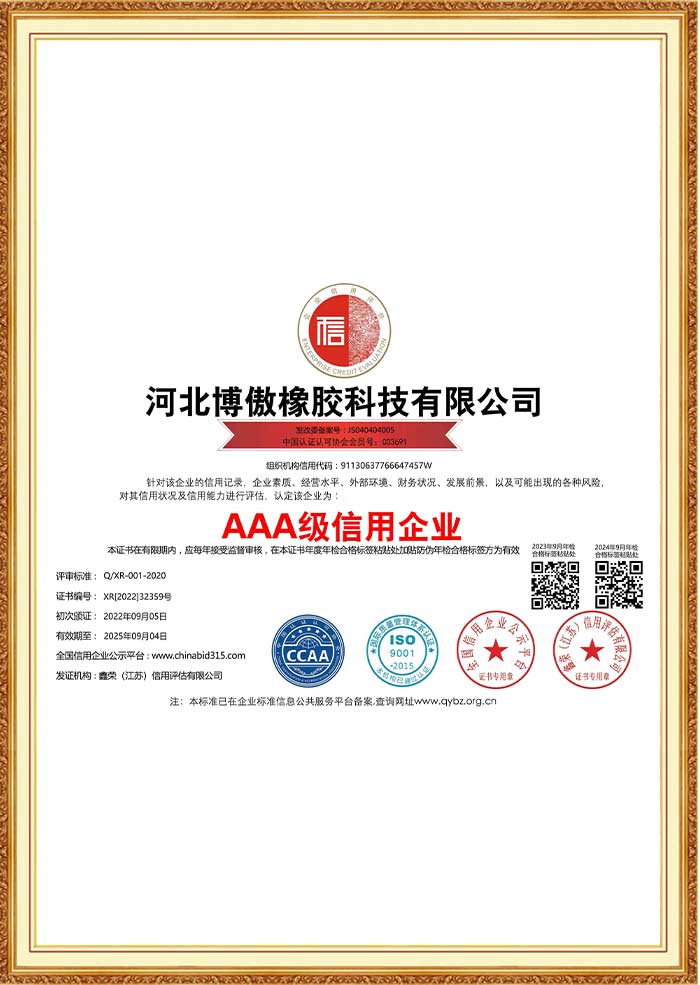
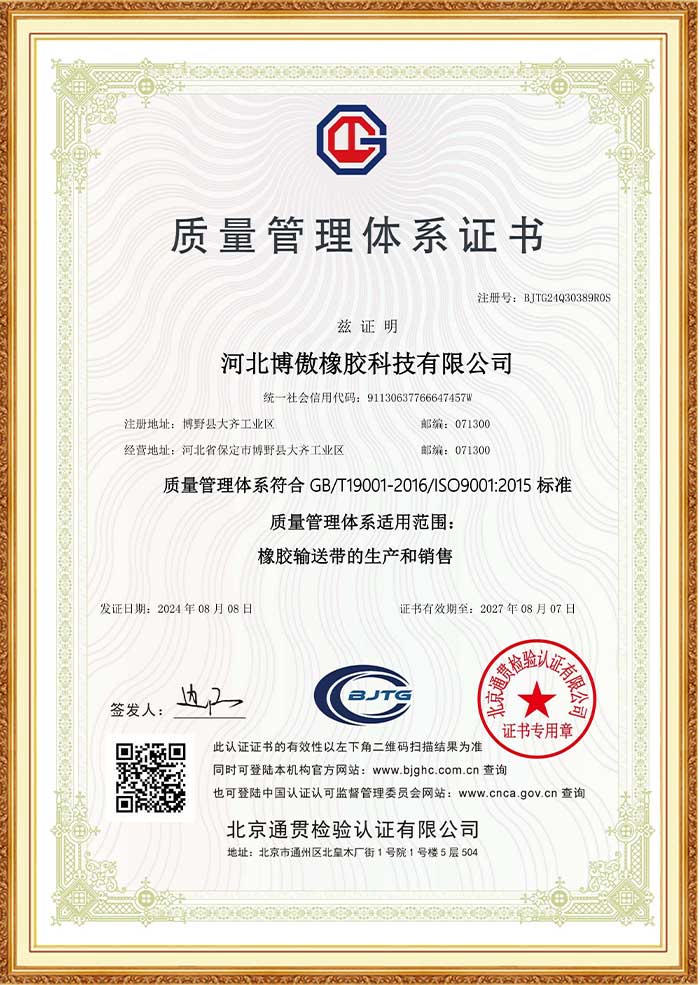
Our technical assurance is supported by international quality certifications. We have passed multi-stage international quality management audits, confirming our process alignment with ISO 9001 and related global product standards.
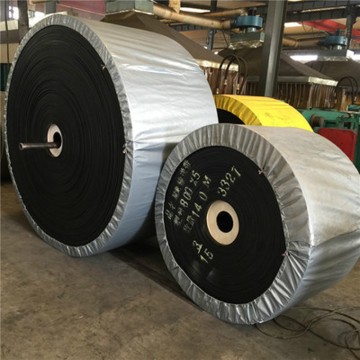
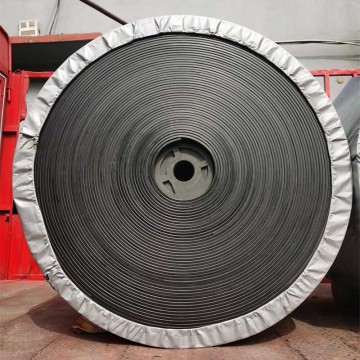
Our specialized range of vulcanized rubber belts and engineered hardware accessories.
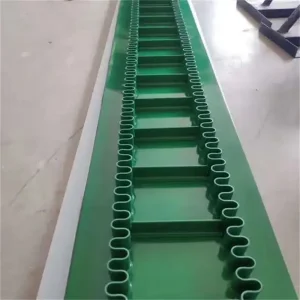
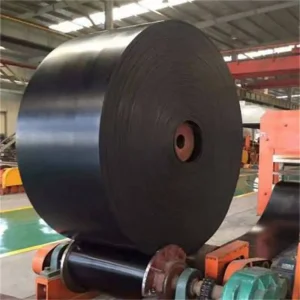
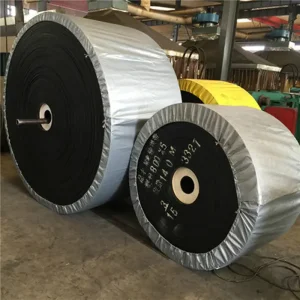
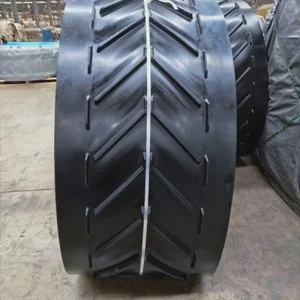
Our core catalog includes Ordinary Conveyor Belts (NN, EP, PP), High-Temperature and Heat-Resistant variants, Cold-Resistant belts, Oil-Resistant belting, Acid and Alkali-Resistant types, Rubber Waterstop belts, Profiled Patterned Conveyor Belts (Herringbone, Chevron, Pit), High-Inclination Wavy Sidewall Conveyor Belts, and specialized Lift Conveyor Belts.
We supply a complete line of conveyor hardware, including Carrier and Return Rollers, Ceramic-Lagged Drive Rollers, Buffer Impact Rollers, Self-Aligning Troughing Roller Groups, Side Skirtings, Motorized Pulleys, Strong Magnetic Separator Rollers, and structural components like Trough brackets, Centering brackets, and Tensioning frames.
We provide comprehensive industrial on-site service, including preventive maintenance, belt tracking and alignment diagnostics, hot/cold splice vulcanization, belt surface rubber repairs, emergency breakdown operations, and safety-stock inventory planning.
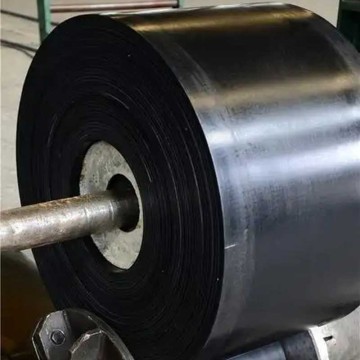
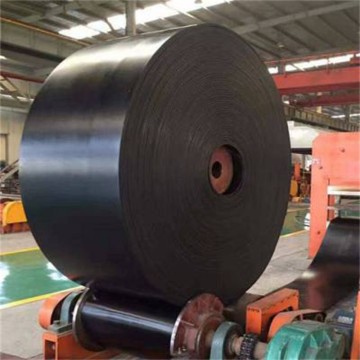
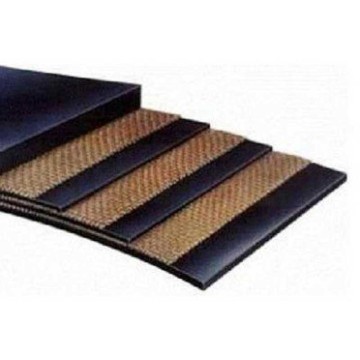
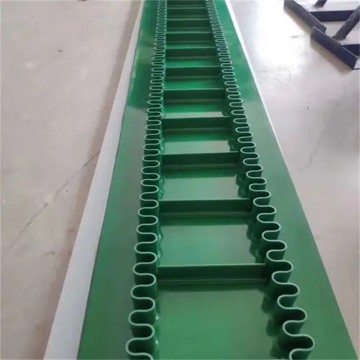
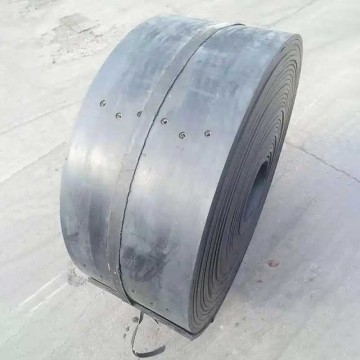
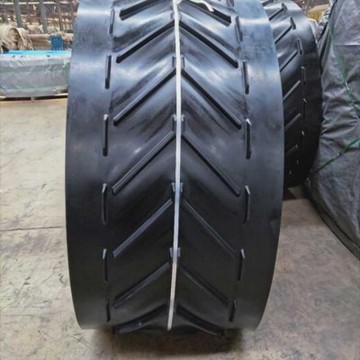
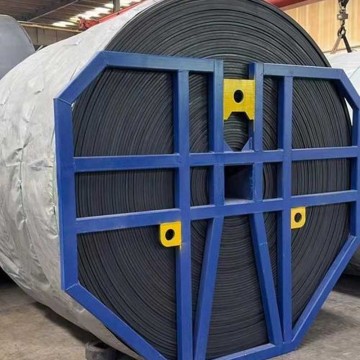
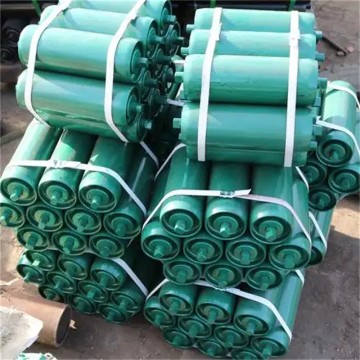
Proven heavy-duty performance across global industrial sites and major steel, cement, and mining enterprises.
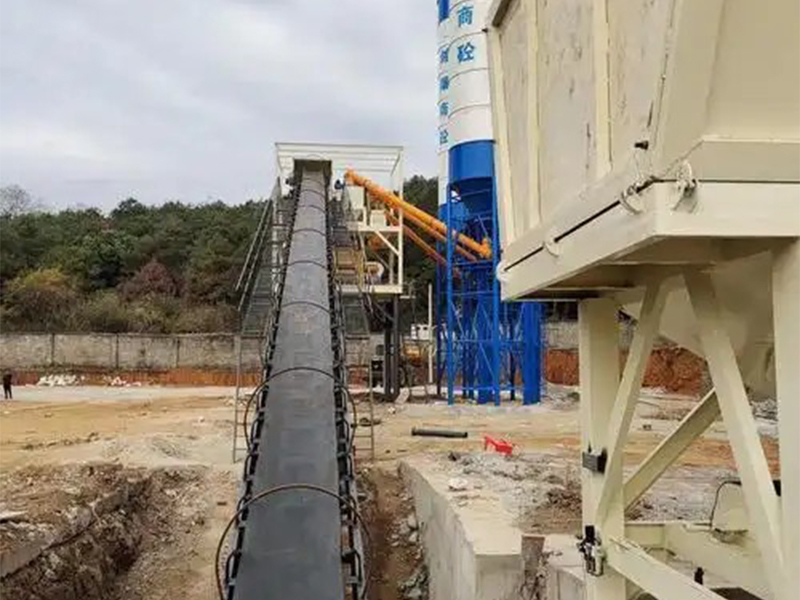
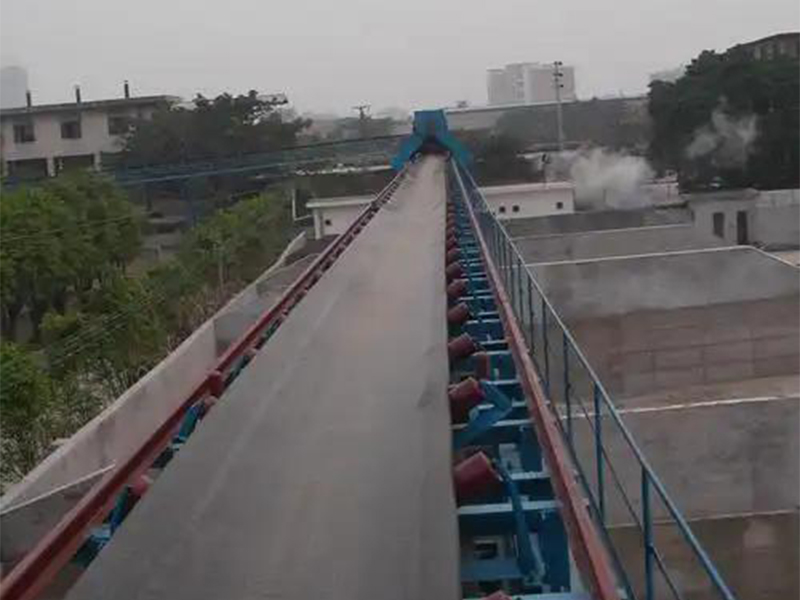
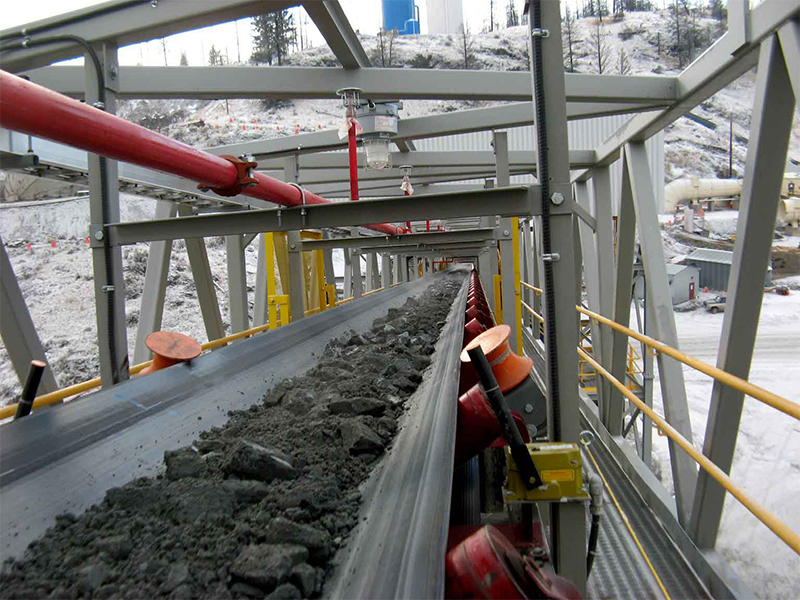
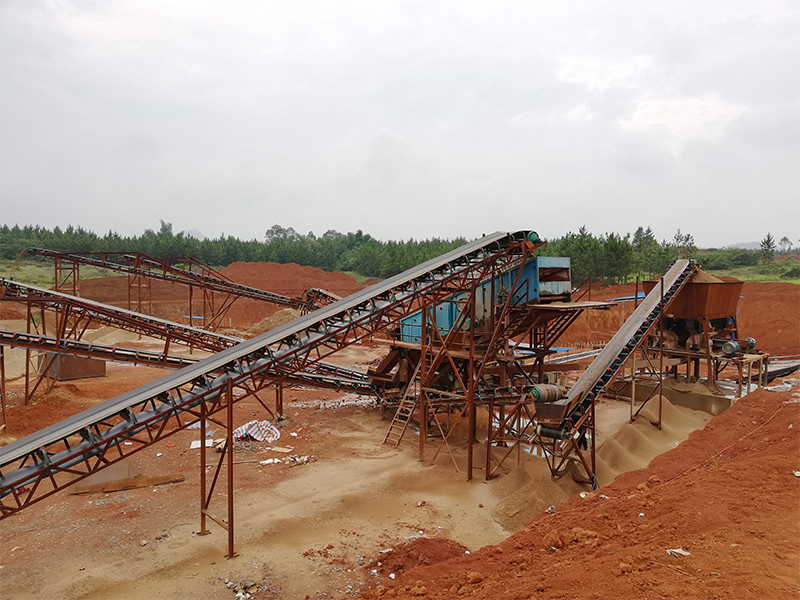
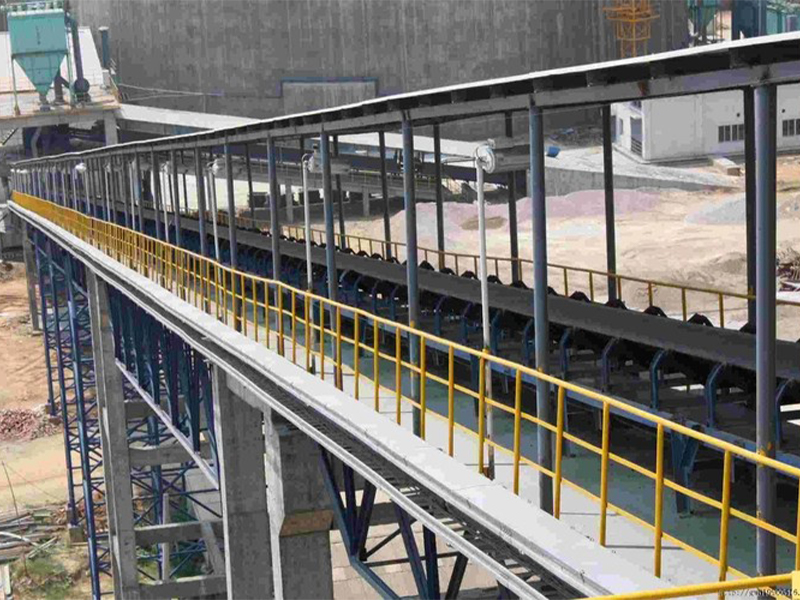
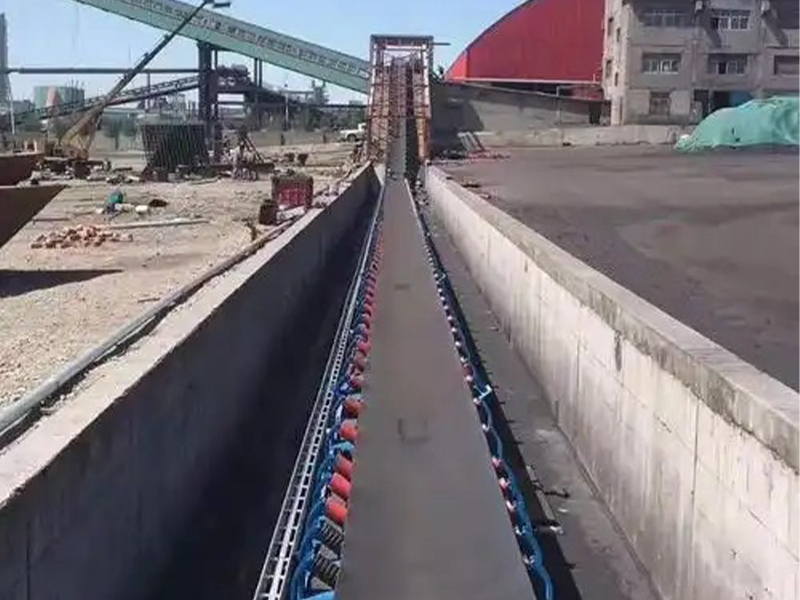
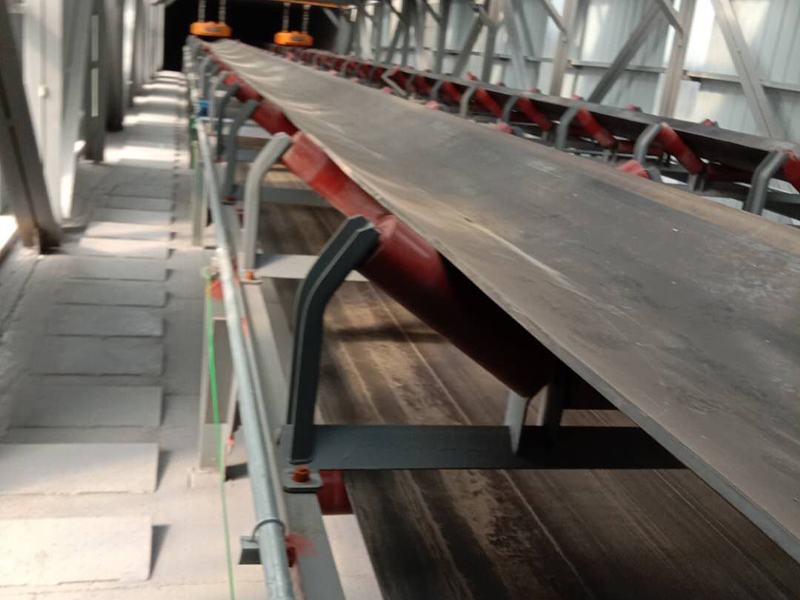
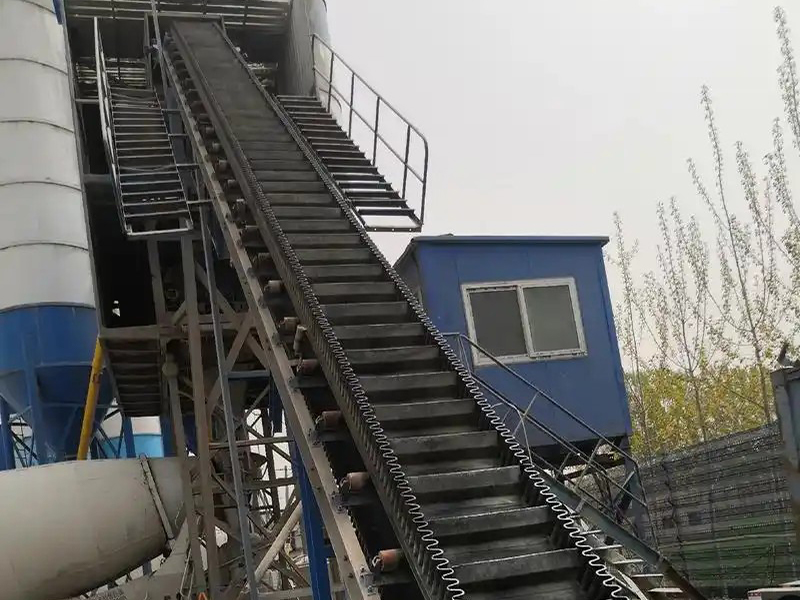
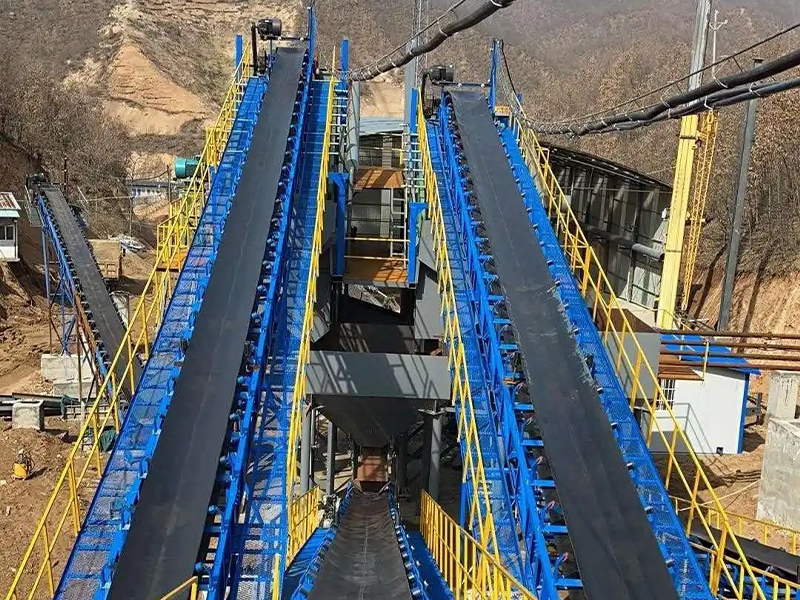
Supplying heavy steel cord conveyor belt systems for deep-pit mining operations.
Ensuring cross-border standardization and local engineering assistance in every continent.
Operating in international industrial markets requires adherence to local engineering and environmental regulations. Heavy-duty conveyor belts must comply with regional standards to ensure operational safety and compliance. For instance, in European jurisdictions, conveyor belts are subjected to stringent safety regulations under DIN standards (such as DIN 22102 for textile conveyor belts and DIN 22131 for steel-cord conveyor belts) to regulate rubber abrasion limits and cover tensile strengths.
In North America, rubber products operating in enclosed underground coal mining environments must meet flame safety certifications managed by the Mine Safety and Health Administration (MSHA), alongside standards set by the Association for Rubber Products Manufacturers (ARPM). For operations in Oceania, compliance with Australian standards (such as AS 1332 for textile reinforcement and AS 1333 for steel cord) is mandatory for large-scale mining operations in the Pilbara and Hunter Valley regions.
To ensure reliable performance under these frameworks, Hebei Boao Rubber Technology offers engineering support and supply arrangements:
Developing specialized compounds that comply with European REACH chemical regulations, limiting hazardous plasticizer additives while maintaining ozone and oxidation resistance.
Managing buffer inventory programs at regional hubs near mining corridors to prevent production stoppages caused by component wear.
Technical field teams equipped with high-pressure vulcanizing presses to complete splicing and repairs that match factory tensile specifications.
Producing belts designed to self-extinguish under laboratory testing protocols, preventing fire propagation along conveyor systems.
The Next Generation of Bulk Material Handling Technology
The conveyor belt industry is shifting toward digitization and environmental sustainability. Traditional passive rubber belts are being upgraded with diagnostic capabilities. At Hebei Boao Rubber Technology Co., Ltd., our engineering roadmap focuses on integrating monitoring systems directly into the conveyor assembly.
By embedding high-frequency RFID transponders and magnetic sensor loops into the carcass of steel-cord and heavy textile conveyor belts, our systems can identify longitudinal rips. In the event of a high-energy rock penetration or tramp metal puncture, the embedded sensors communicate with optical readers at the drive pulley, triggering an automatic system shutdown to prevent extensive damage.
Concurrently, we are developing eco-friendly rubber compounds. Our materials science laboratory is researching alternative curing agents to reduce volatile organic compound emissions during high-pressure vulcanization, while incorporating recycled elastomeric micro-powders into backing covers to decrease reliance on petroleum-derived polymers.
Up to 60% of a long-distance conveyor system's power consumption is driven by indentation rolling resistance, where rollers deform the bottom rubber cover. Our LRR rubber formulations optimize viscoelastic properties, minimizing structural deformation energy losses to reduce overall motor drive electrical consumption by 12% to 18%.
Answering high-intent technical questions for plant managers, procurement officers, and maintenance engineers.
Our heat-resistant belts utilize high-performance EPDM (Ethylene Propylene Diene Monomer) and EPR polymers. Unlike standard SBR or natural rubber, EPDM's saturated polymer backbone resists thermal oxidation and cracking. We offer three classes of heat resistance: HR-T1 (up to 120°C), HR-T2 (up to 150°C), and HR-T3 (designed for material temperatures reaching 200°C, with intermittent peaks up to 300°C), supported by thick, heat-dissipating carcass layers.
NN (Nylon/Nylon) fabric offers excellent elasticity, high impact resistance, and dynamic flex life, making it suitable for long-distance conveyors with high shock-loading zones. EP (Polyester warp, Nylon weft) fabric offers lower elongation under load, which reduces the required gravity take-up stroke. This makes EP the preferred choice for short-to-medium centers where stretch budget is limited, while maintaining tracking stability.
Our steel-cord conveyor belts incorporate high-tensile galvanized steel wire cables aligned longitudinally. To prevent rip propagation from foreign object punctures, we can embed high-tensile transverse breaker webs (either high-elasticity textile cords or thin steel sensor wires) in the top rubber cover. This design disperses tear stresses, forcing the belt to slide off obstructions rather than split.
Each production run is subject to verification tests. This includes testing rubber vulcanization properties with a moving die rheometer, measuring DIN abrasion loss (with a target of less than 90 cubic millimeters for wear-resistant covers), conducting ply adhesion tests to measure carcass bonding, and checking structural alignment to prevent tracking issues during field operation.
Heavy-duty steel-reinforced and chemical-resistant conveyor belts engineered for extreme operating conditions.
 Boao Rubber