Premium conveyor components and integrated systems engineered for precise idler spacing configuration and ultimate performance load-bearing
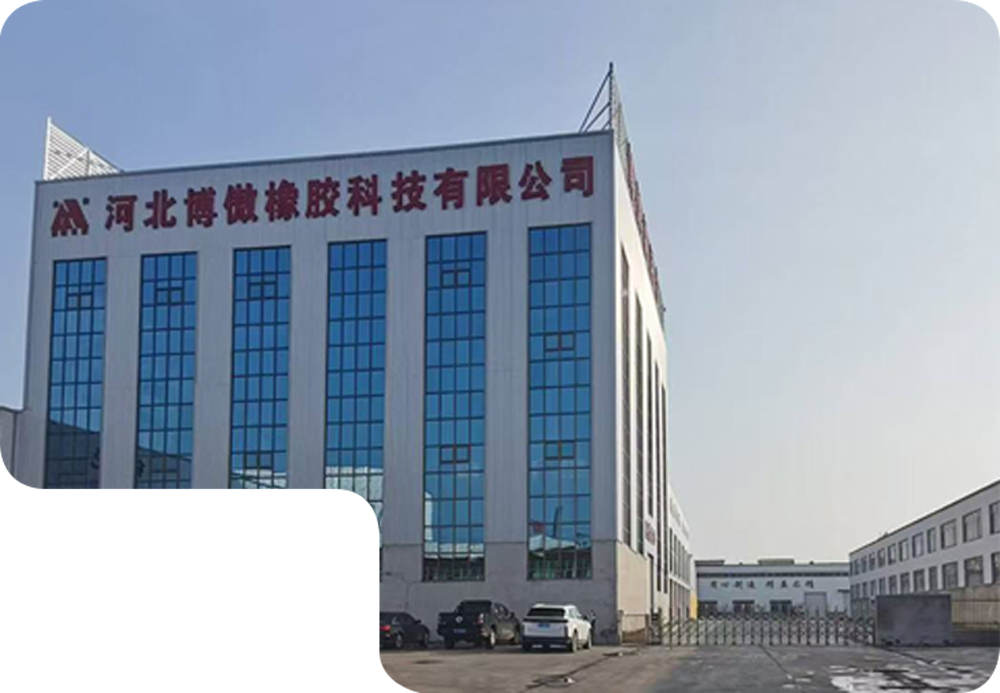
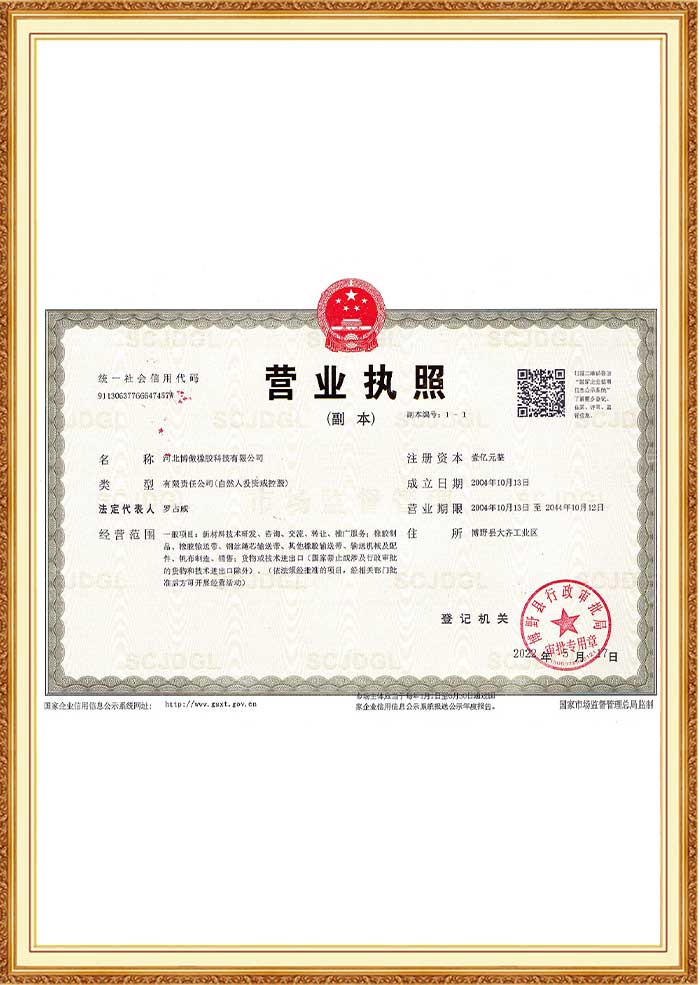
Hebei Boao Rubber Technology Co., Ltd. is strategically located in the Rubber Industrial Park of Boye County, Baoding City, Hebei Province. Established in 2004, the company spans over a state-of-the-art 30-acre manufacturing and research footprint.
Under our hallmark brand "Jinao", we have developed a premier reputation as a leading Chinese enterprise that seamlessly integrates product formulation, design, testing, advanced manufacturing, and global technical advisory services for high-durability conveyor belts and mechanical conveyor accessories. We boast multiple automated production lines for rolling, vulcanizing, forming, and specialized testing to ensure every square meter exceeds operational demands.
A definitive guide to reducing operational energy draw, belt wear, and material degradation through optimal structural layout config.
Proper idler spacing maintains belt sag between 1.0% and 2.0% under tension to prevent material spillage and excessive resistance.
Over-spacing triggers severe indentation rolling resistance at the idler junction, inflating utility power costs up to 25%.
Variable spacing optimization matches mechanical stress zones, minimizing structural load degradation across transit paths.
In conveyor engineering, the distance between successive idler sets—known as **idler spacing** or **idler pitch**—is not a arbitrary metric. It is a critical design variable that directly influences the tension profile, sag percentage, power requirements, and total cost of ownership (TCO) of bulk handling systems.
Under CEMA (Conveyor Equipment Manufacturers Association) and DIN 22101 guidelines, belt sag must be controlled to prevent bulk materials (such as iron ore, coal, or clinker) from shifting, which leads to structural fatigue and dust emissions. If the idler spacing is too wide, the belt sags excessively between rollers, resulting in the material being continuously agitated as it moves over each idler crest. This constant flexing dissipates energy, resulting in elevated indentation rolling resistance (IRR).
Sag percentage is determined by the equation: S = (W * L²) / (8 * T), where W represents the weight of the belt and material per unit length, L is the idler spacing, and T is the local belt tension. To keep sag below the critical 2.0% threshold, idler spacing must be systematically decreased in areas of low tension (such as near the tail pulley or loading chutes).
As modern logistics shift toward higher velocities and heavier payloads, the engineering design of belt conveyors has evolved. Key innovations include:
Industrial procurement managers in EPC firms and minerals processing operations focus heavily on supply chain durability and certified performance. Choosing the right manufacturer involves assessing raw material traceability, laboratory testing capacity, and manufacturing tolerance compliance.
Hebei Boao addresses these requirements by operating independent physical testing and chemical analysis facilities. Every batch of rubber compound is analyzed for tensile performance, elongation at break, abrasion resistance, and chemical resistance before entering the vulcanization press.
Hebei Boao has updated its production facilities to meet Industry 4.0 principles, integrating automated curing presses, electronic compounding, and computerized quality control systems.
Our facility in Boye County is located within a dedicated industrial hub, providing access to raw materials and shipping networks. This location helps stabilize lead times and reduces production bottlenecks, allowing us to offer cost-effective solutions to clients worldwide.
"No raw materials enter production without verification, and no conveyor component leaves our warehouse without passing comprehensive load, tension, and dimension verification."




From heavy-duty steel cord belts to high-impact rubber idler groups, our solutions are tested to meet global industrial standards.
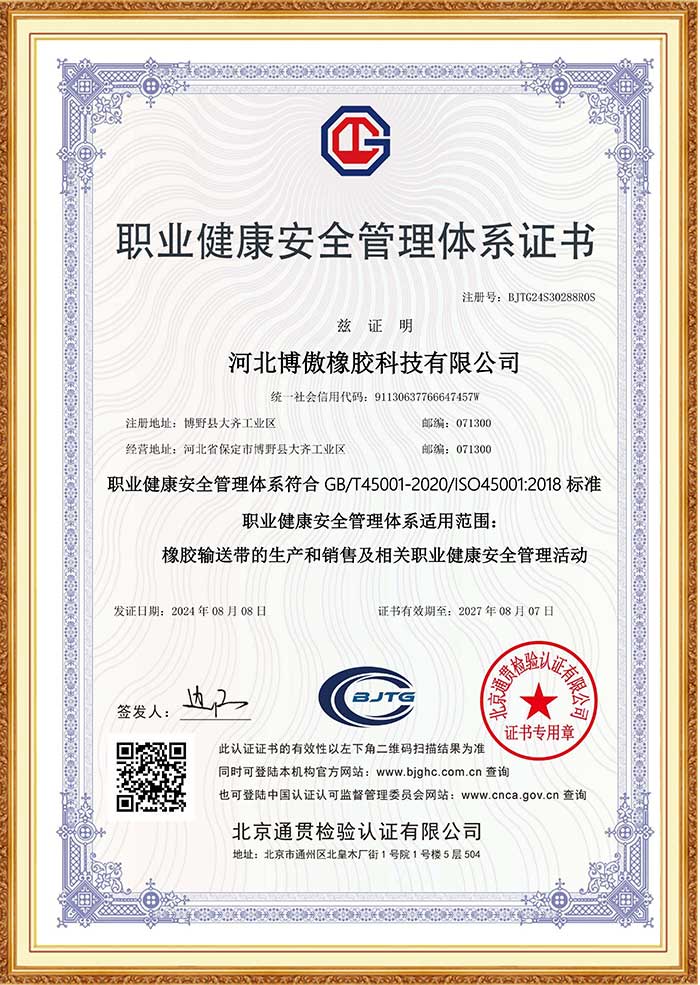
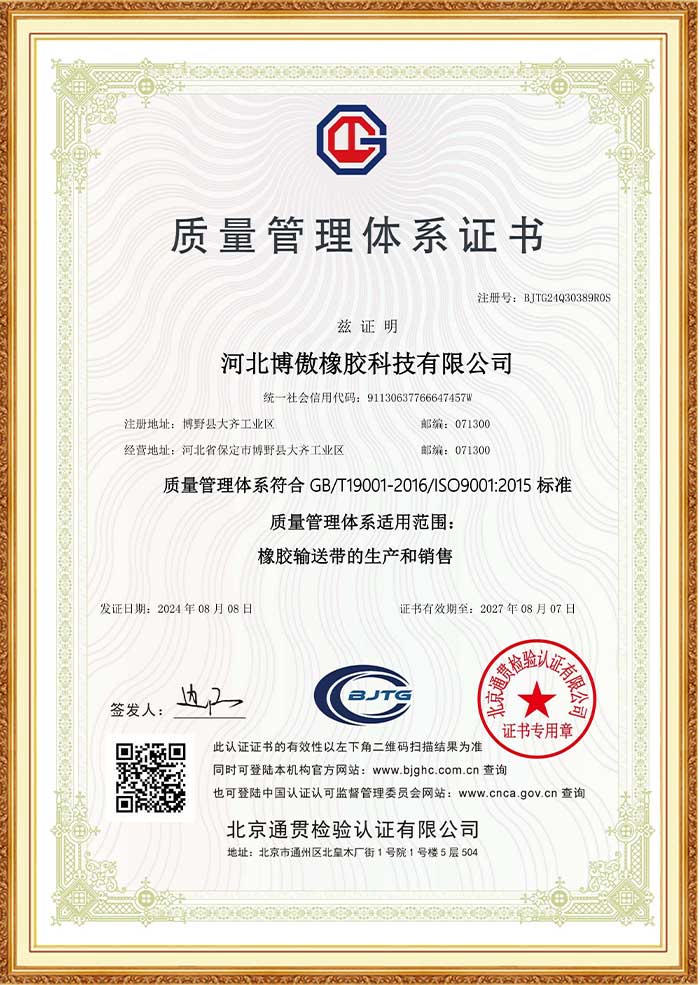
ISO 9001 Certificate
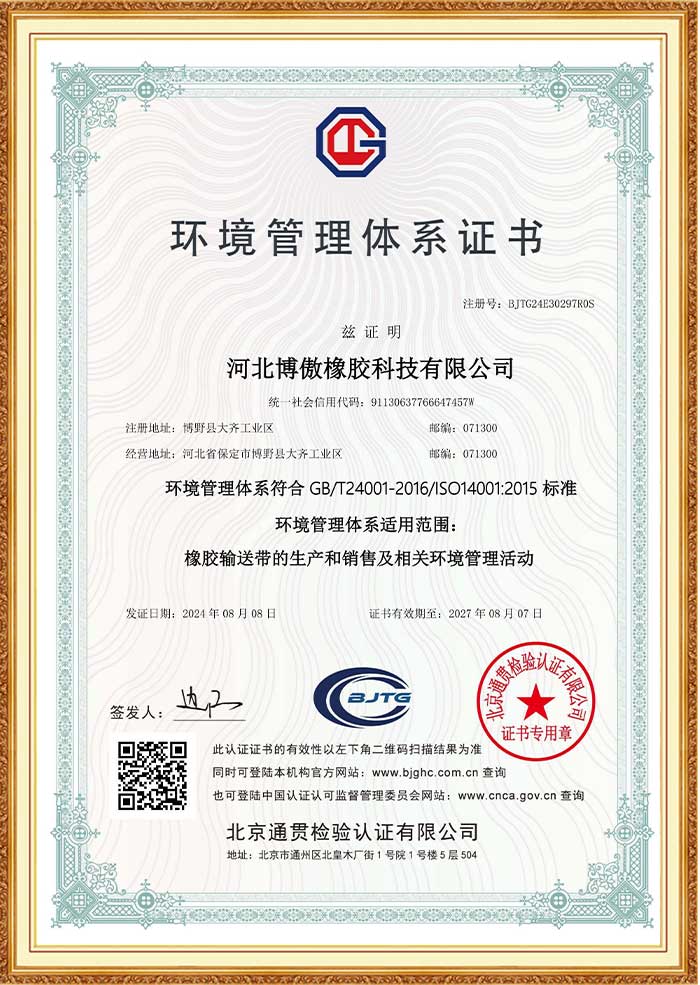
Quality System
Environmental Cert
Safety Certification
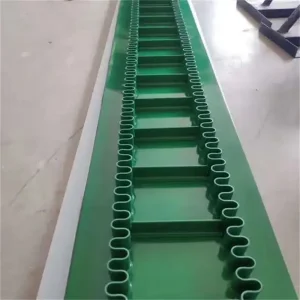
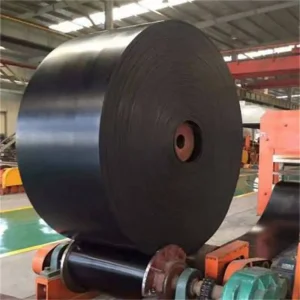
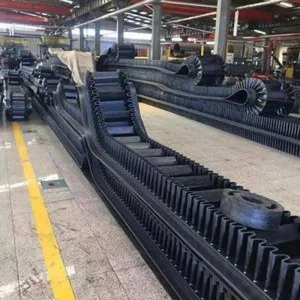
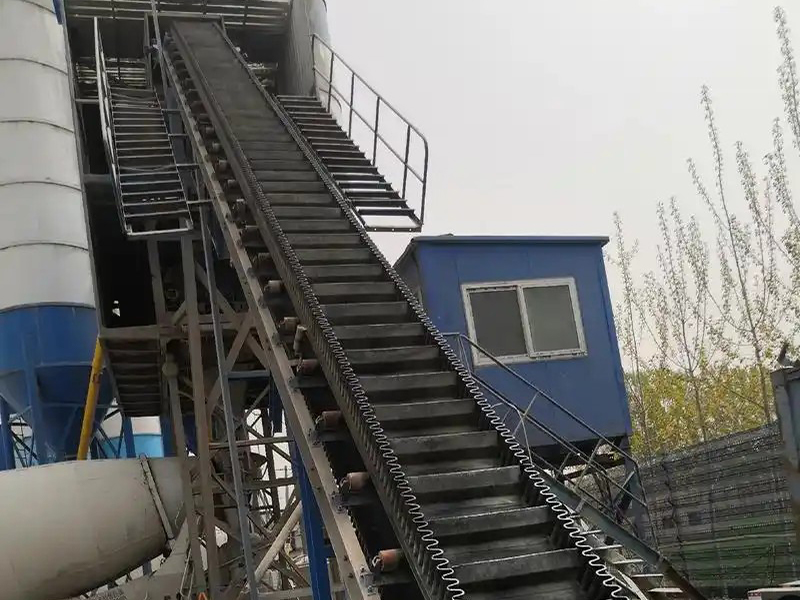
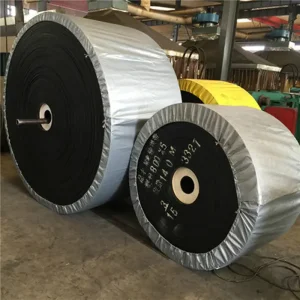
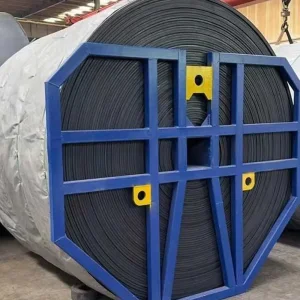
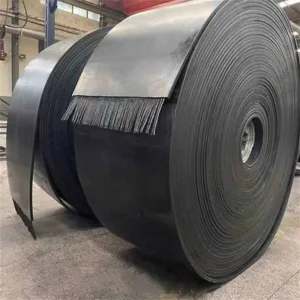
We manufacture a comprehensive selection of layered conveyor belts (including Nylon [NN], Polyester [EP], and PP reinforcement plies), heat-resistant belts for hot clinker and sintering lines, high-angle wavy edge sidewall belts for vertical material transfer, oil-resistant and chemical-resistant belts, and steel-reinforced wire rope core belts built for heavy-duty material transport.
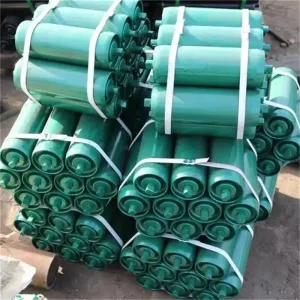
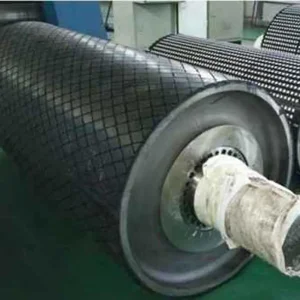
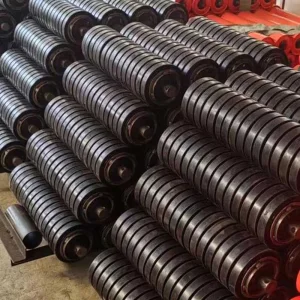
Our component range includes steel and ceramic troughing rollers, impact-absorbing buffer rollers, return idler sets, motorized pulleys, magnetic separation pulleys, heavy-duty brackets, self-aligning tracking frames, and mechanical tensioning systems.
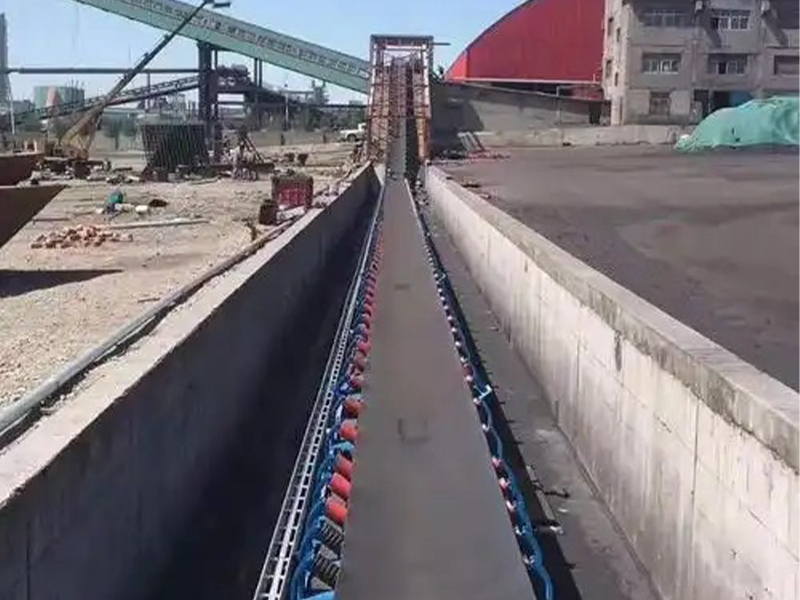
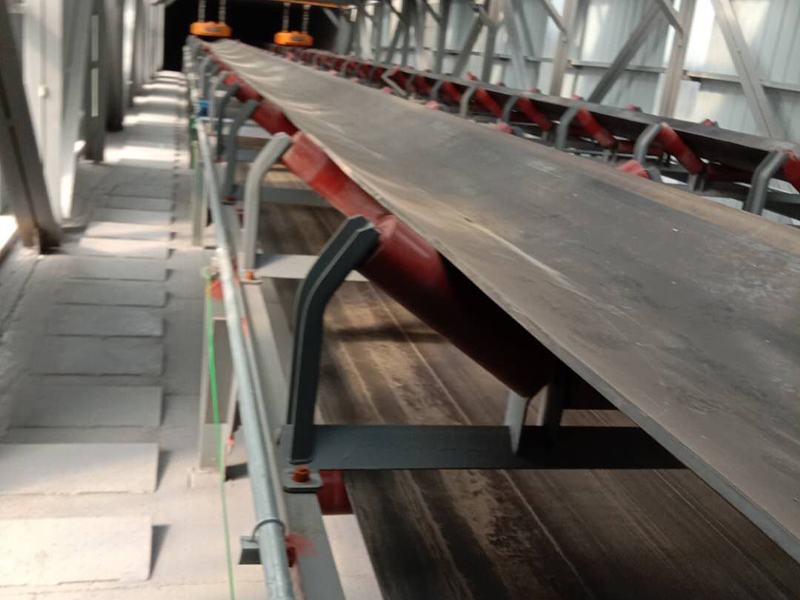
Proof of reliability under demanding conditions: steel mills, cement plants, mining sites, and logistics terminals.
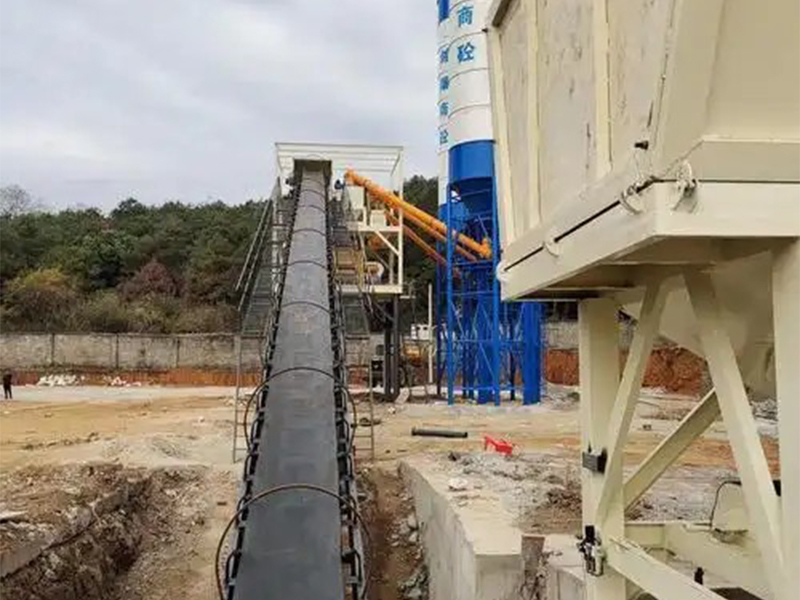
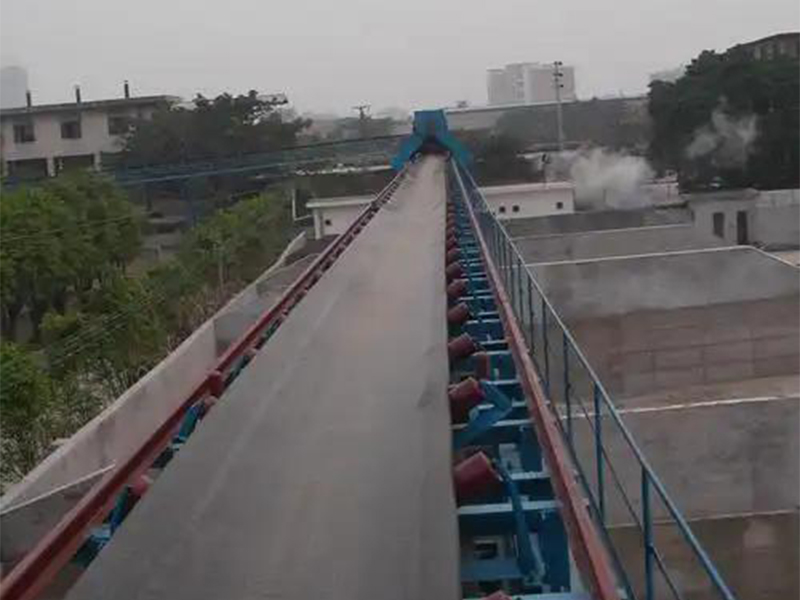
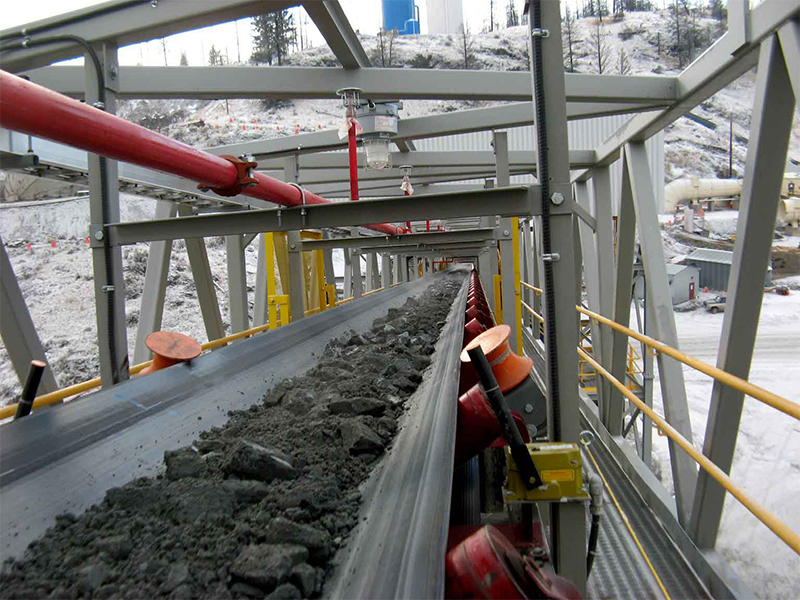
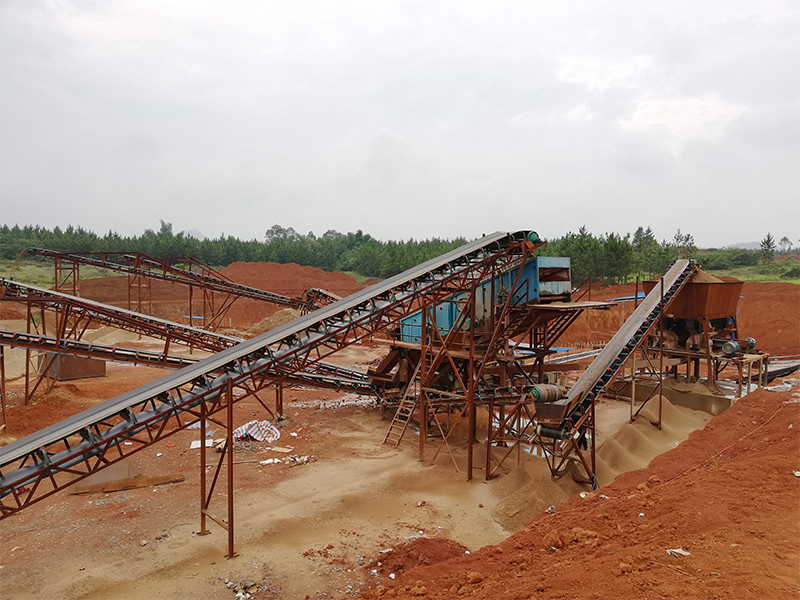
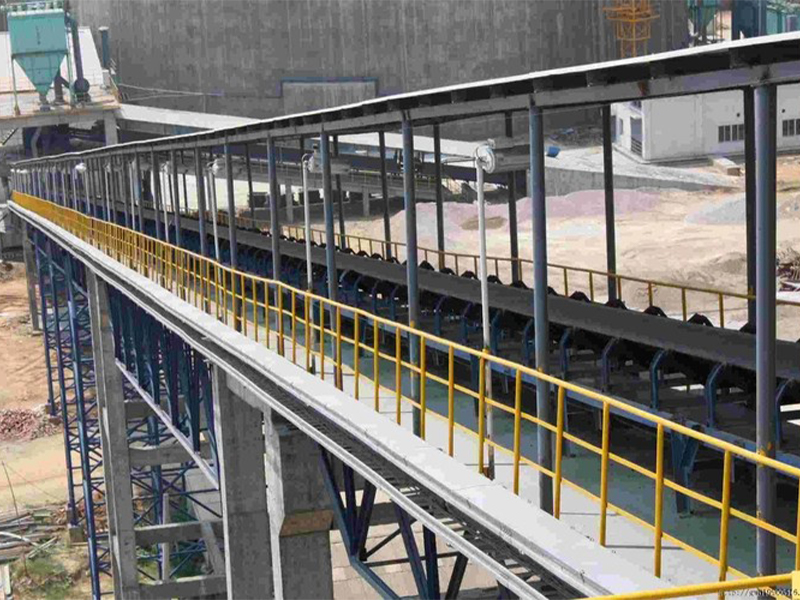
Providing technical support, predictive maintenance scheduling, and wear-life expansion programs.
We provide planned replacement, repair, inspection, maintenance, and emergency response services to ensure system availability.
This includes the supply of conveyor belts and rubber materials, safety stock management, inventory storage, belt splicing, rubber surface repairs, and regular maintenance.
We focus on improving operational efficiency and reducing wear, aiming to lower costs and support reliable operations.
We work to extend the life cycle of the conveyor belt and support the stable operation of the material handling system.
Answering technical questions regarding conveyor layouts, component fatigue, and design standards.
Optimal idler spacing is determined by the belt width, the specific weight of the bulk material, the tension profile of the system, and the target belt sag limit. CEMA suggests limiting sag to 1-2% under full load to prevent spillage and minimize indentation rolling resistance.
In the loading zone, the material drops from height onto the belt, generating substantial impact forces. Spacing the impact rollers closely (often 300mm to 600mm) helps support the belt, prevents splice damage, and reduces material degradation.
When spacing is too wide, the belt sags between the idlers. As the belt travels over each roller, it undergoes continuous cyclical bending, which consumes additional motor power to overcome the resistance, raising operational costs.
Since return idlers only support the empty belt's dead weight, the spacing can be wider than the carrying side. Standard return spacing typically ranges between 2.4 meters and 3.0 meters.
Further industrial choices from Hebei Boao Rubber Technology for demanding environmental applications.
Contact our technical team for assistance with calculating idler spacing, choosing rubber compounds, or sourcing components.
 Boao Rubber