Explore our premium conveyor belts, heavy-duty idler rollers, and mounting brackets designed to withstand the harshest industrial applications.
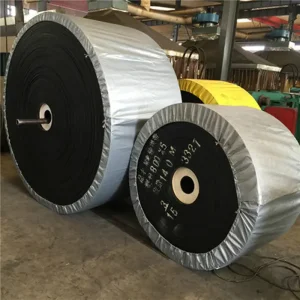
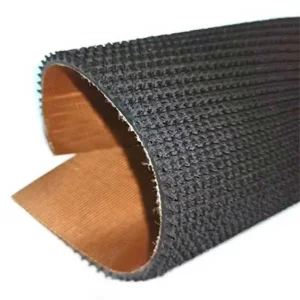
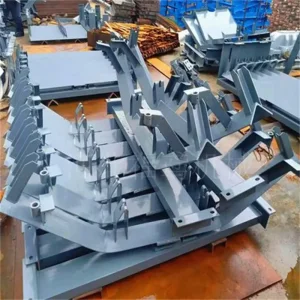
In the global landscape of heavy industry, bulk material handling stands as the circulatory system of production. At the heart of this infrastructure are belt conveyor systems, which rely heavily on high-precision conveyor idlers and rollers. From deep underground coal mining operations in South Africa and iron ore extraction in Western Australia, to high-throughput container terminals and grain storage complexes in Europe, these mechanical components determine the baseline reliability of entire supply chains. An inefficient or failing idler roller does not simply represent a localized replacement cost; it causes increased frictional drag, accelerating conveyor belt wear, driving up energy consumption, and raising the risk of catastrophic system downtime.
Over the past decade, global demand has shifted toward larger, faster, and steeper conveyor networks designed to move thousands of tons of material per hour. Standard legacy components no longer meet the load capacities or environmental rigors of modern processing plants. As a result, engineering specifications for idler rollers have become highly advanced, incorporating multi-stage labyrinth seals, high-grade bearing assemblies, precision-balanced steel shells, and advanced noise-reduction profiles. Choosing the right manufacturer and factory has transformed from a simple procurement task into a strategic operational decision.
An idler roller's primary objective is to provide a smooth, low-resistance rotational surface that supports the belt and payload while preserving belt alignment. Achieving this under severe operational conditions—ranging from chemical exposure and heavy impacts to extreme temperature shifts—requires meticulous design.
"Frictional drag in rollers accounts for up to 30% of a conveyor system's total power requirements. High-precision manufacturing directly lowers energy usage and extends component service life."
The physical structure of a high-performance roller consists of:
Established in 2004 and spanning over 30 acres in the Boye County Rubber Industrial Park, Baoding City, Hebei Province, Hebei Boao Rubber Technology Co., Ltd. has developed into a leading Chinese manufacturer. Under our signature "Jinao" brand, we integrate advanced product development, material research, precision design, manufacturing, and technical support.
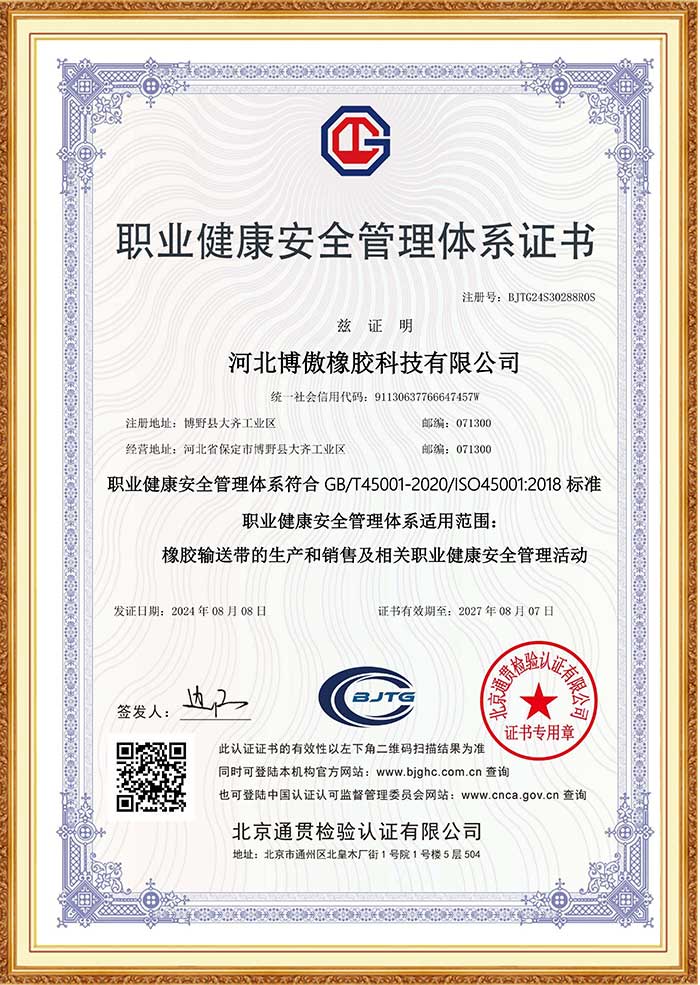
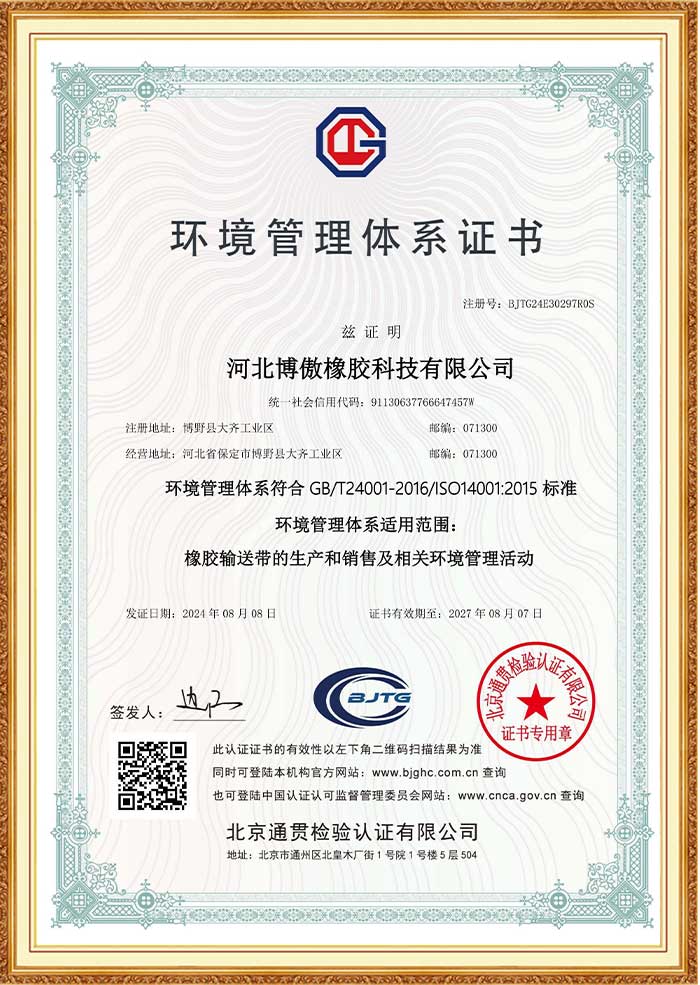
Equipped with state-of-the-art production lines for rubber compounding, rolling, forming, and continuous vulcanization, Boao offers a comprehensive range of conveyor systems and accessories. Our dedication to quality is backed by international management system certifications and a strict raw-material-to-finished-product tracking program.
The bulk material handling sector is experiencing rapid transformation, driven by environmental regulations and a focus on minimizing the total cost of ownership (TCO). Operators are moving away from reactive maintenance toward preventative and predictive approaches.
China's Boye County Rubber Industrial Park in Hebei Province represents a highly integrated manufacturing cluster. This specialization allows factories to optimize costs and maintain tight quality control throughout the production process.
By sourcing raw steel, high-grade bearings, and rubber compounds locally, manufacturers like Hebei Boao can scale production efficiently while maintaining high standards. Automated manufacturing steps, including robotic welding and CNC machining of shafts, ensure tight dimensional tolerances and consistent dynamic balance. This industrial integration enables fast turnaround times for bulk orders without compromising on component quality.
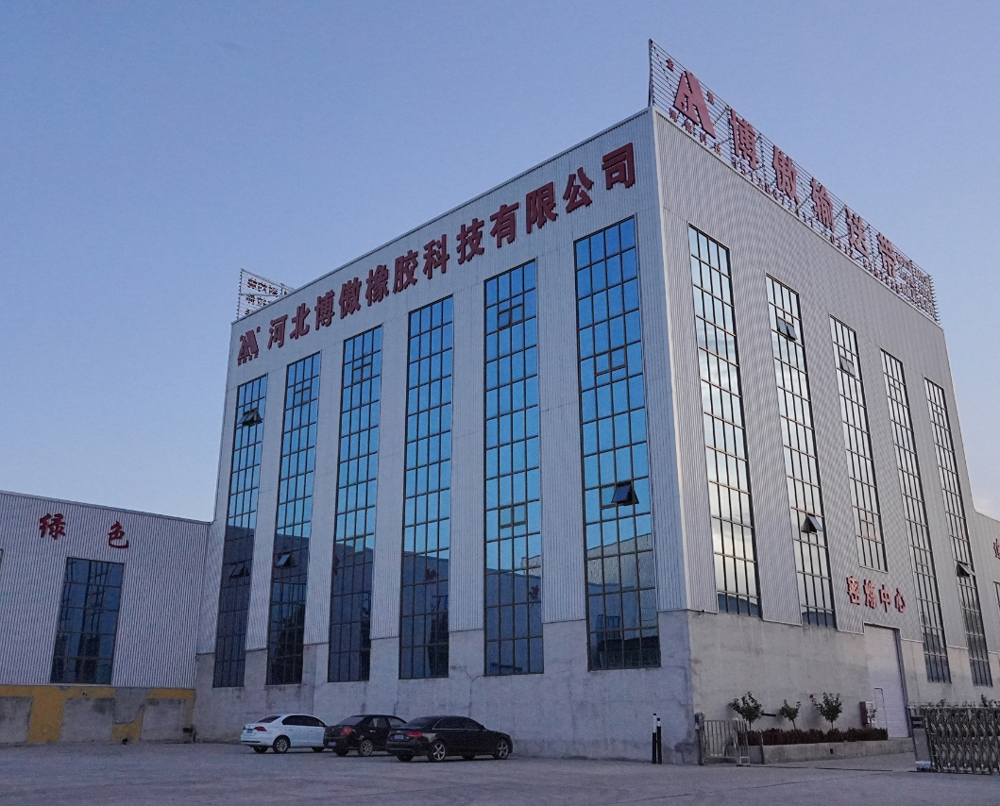
Our facility includes an independent chemical analysis room and physical laboratory. We monitor every step of production, from raw material inspection to final product testing, to ensure compliance with international standards.
Dedicated quality inspectors use specialized testing equipment to monitor roller concentricity, dynamic balance, and sealing effectiveness, maintaining consistent product performance.
Our conveyor belts and supporting accessories are used in steel plants, coal mines, cement factories, power generation facilities, fertilizer plants, grain depots, and ports worldwide.
A comprehensive overview of our heavy-duty belting series and engineered supporting mechanical components.
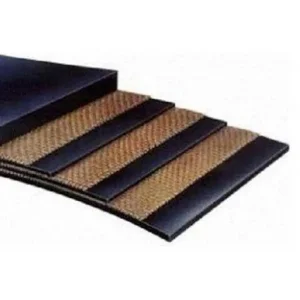
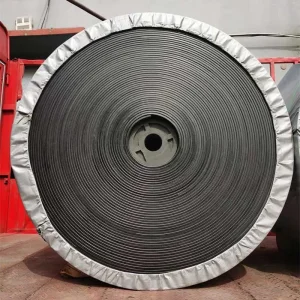
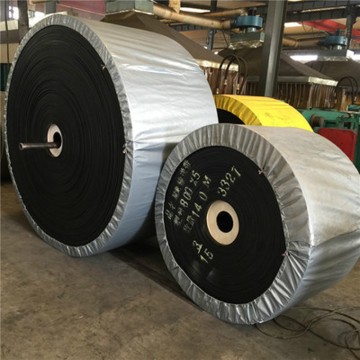
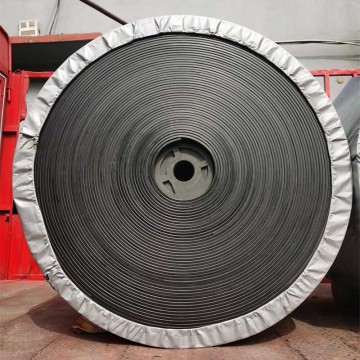
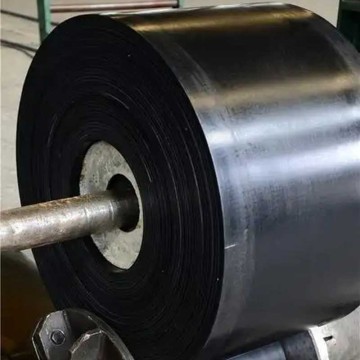
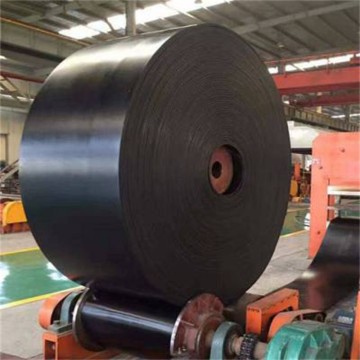
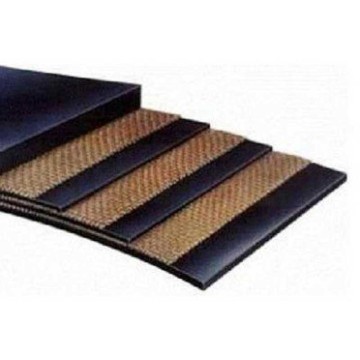
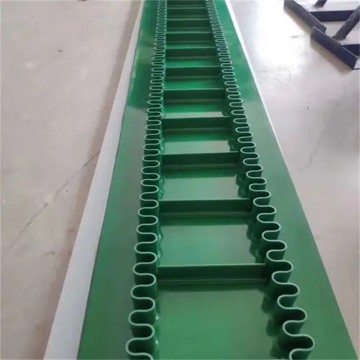
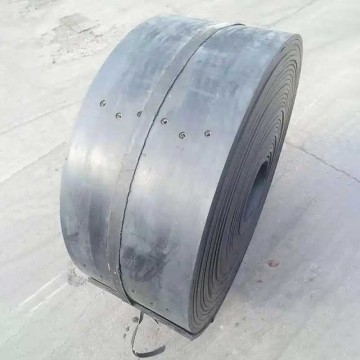
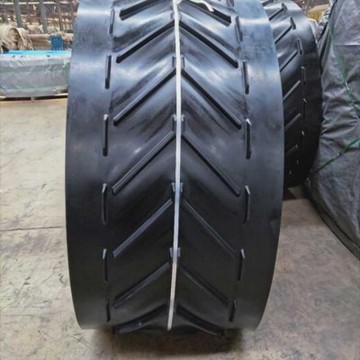
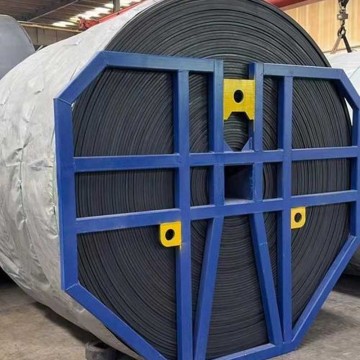
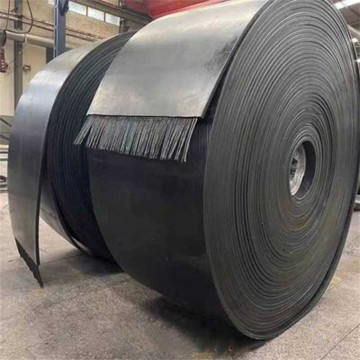
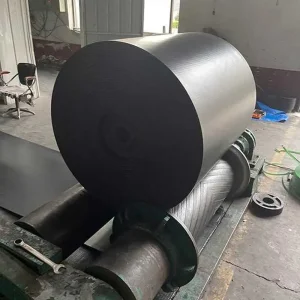
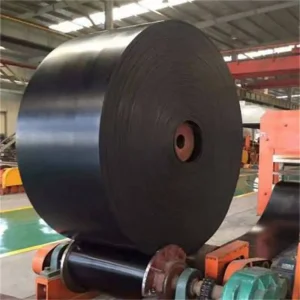
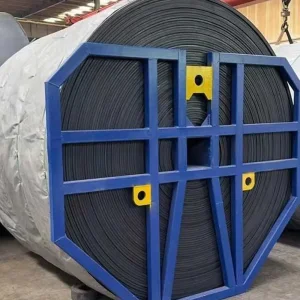
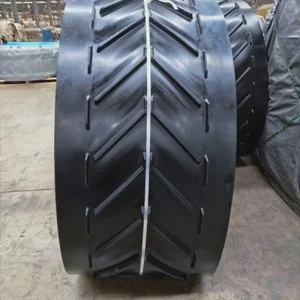
Ordinary conveyor belts (NN, EP, PP), heat-resistant belts, high-inclination wavy edge belts, cold-resistant belts, oil/acid/alkali-resistant formulations, patterned belts (herringbone and custom profiles), and heavy-duty steel wire rope core belts.
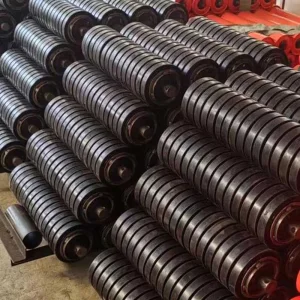
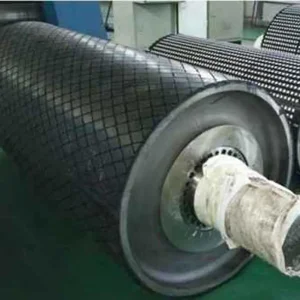
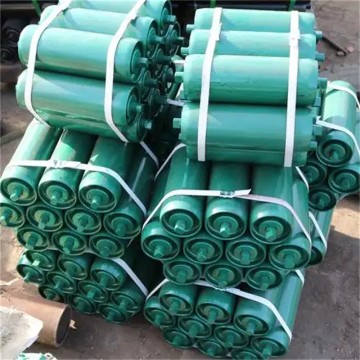
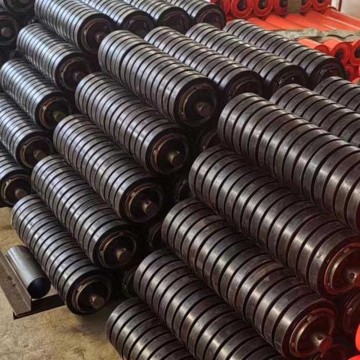
Carry and return rollers, impact rollers, self-aligning training rollers, troughing configurations, ceramic rollers, rubber buffer idler series, and custom-lagged drive pulleys.
Mounting brackets, troughing frames, centering guides, tensioning assemblies, lifting ears, belt cleaners, and customized components for conveyor structural alignment.
Our products conform to international quality management regulations, ensuring reliable performance in demanding environments.
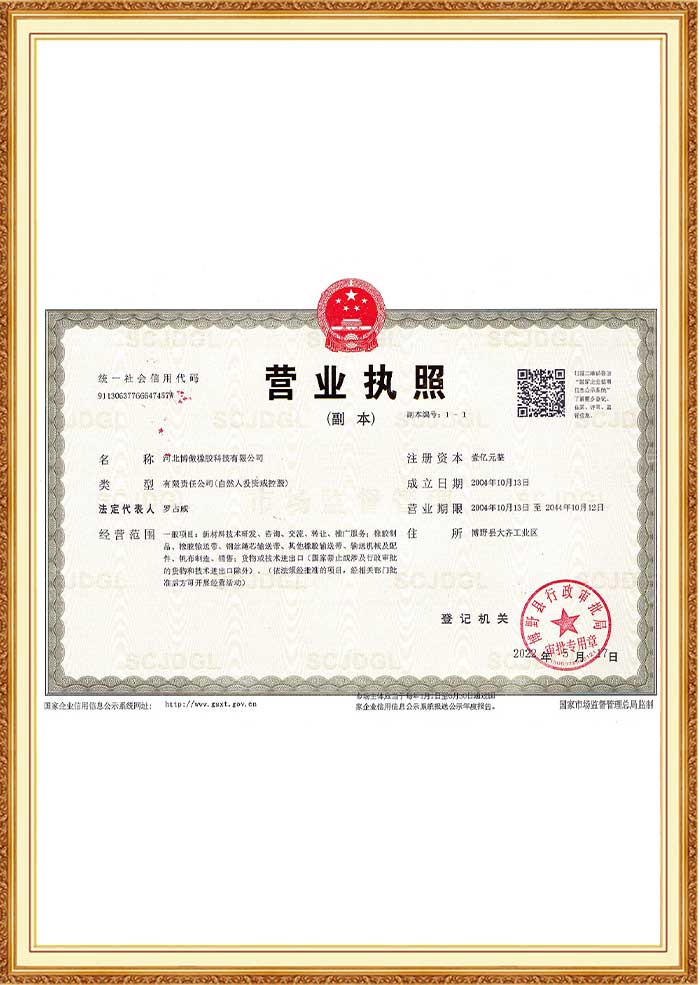
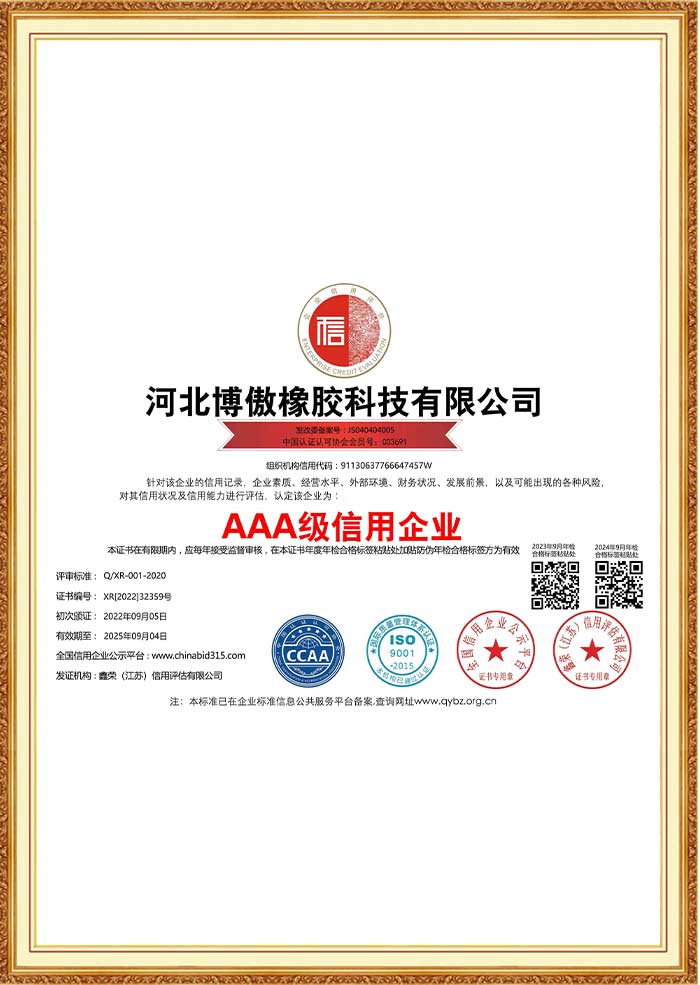
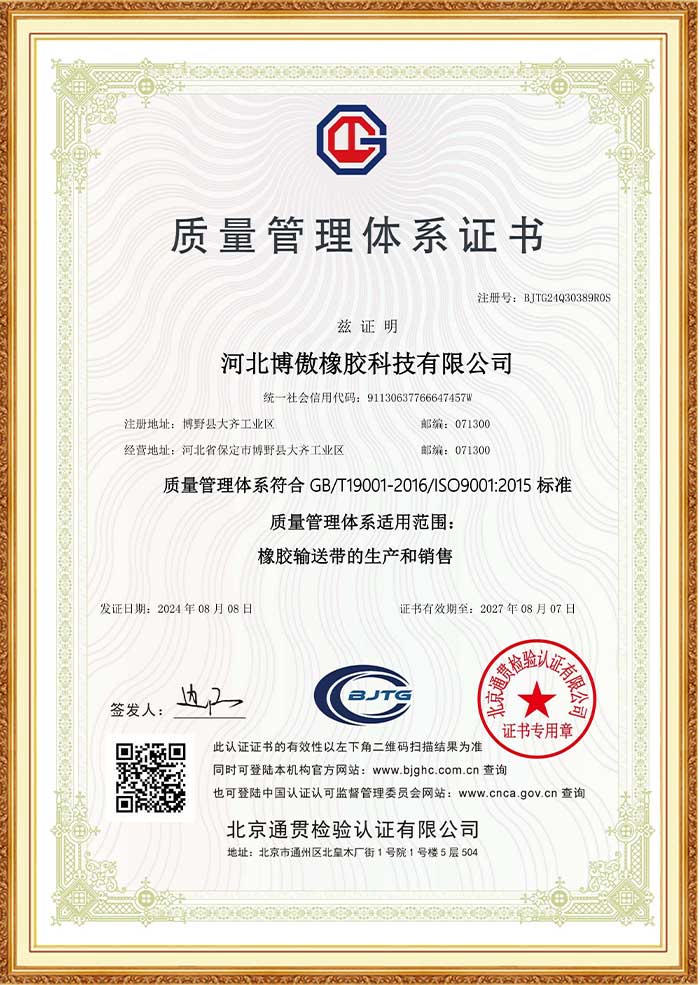
Proven durability in heavy-duty conveyor systems across major industrial organizations.
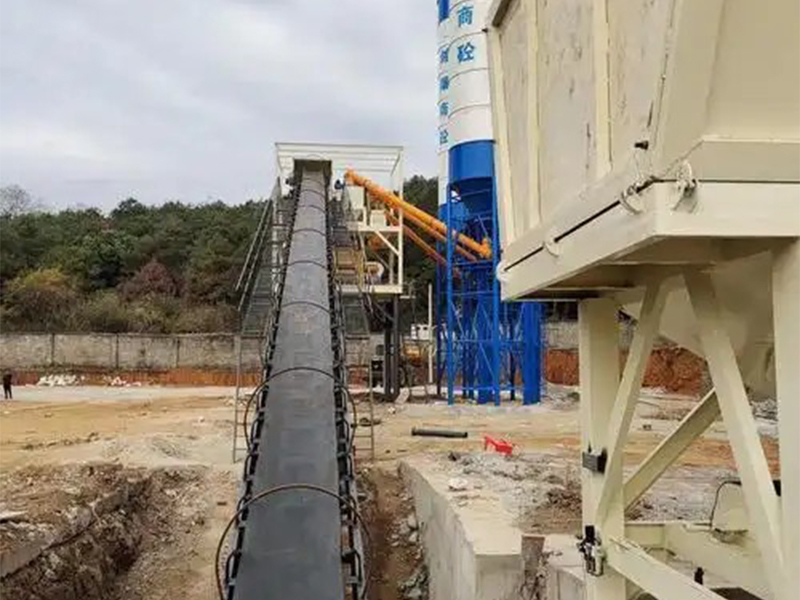
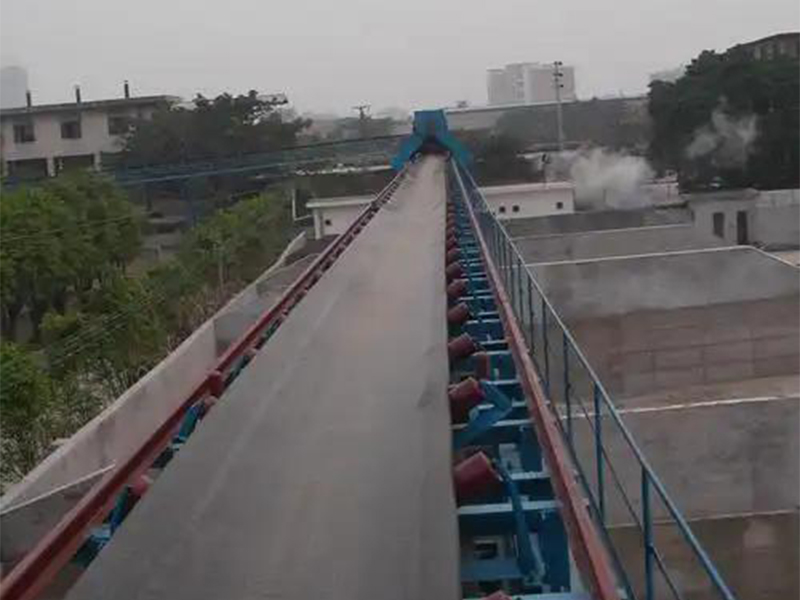
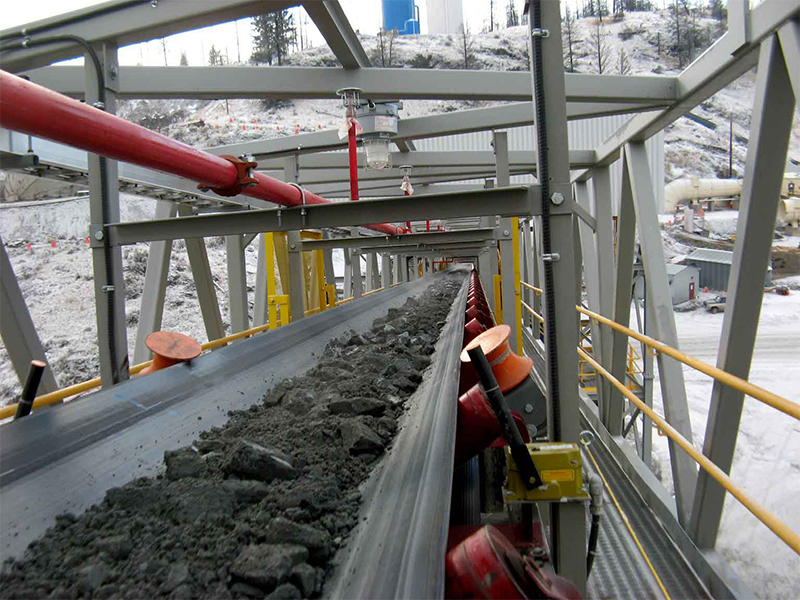
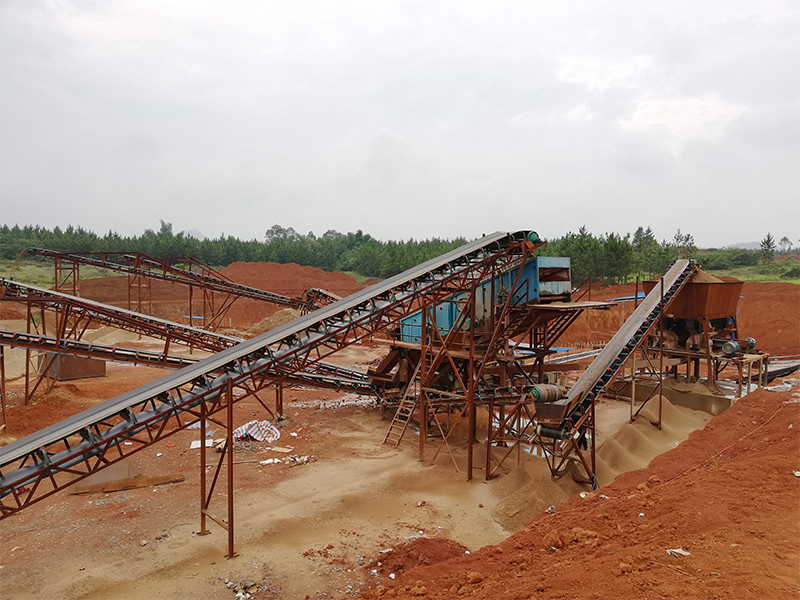
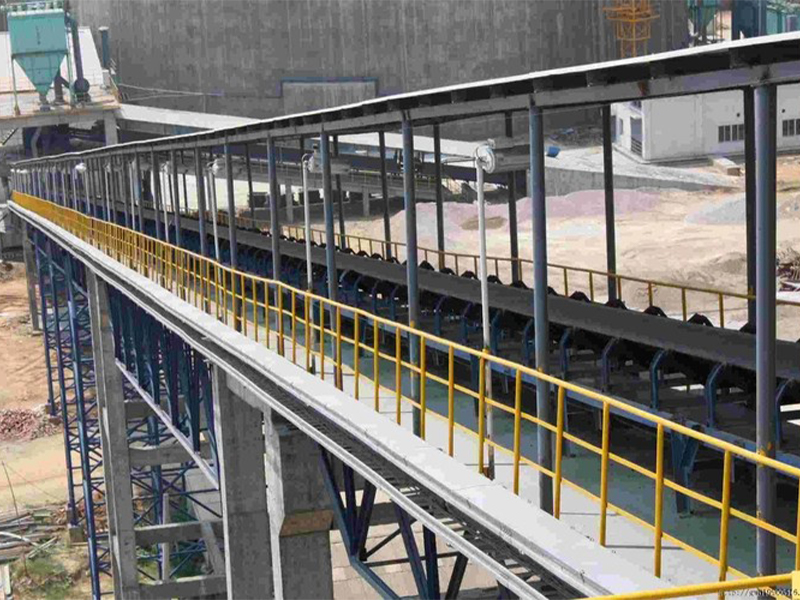
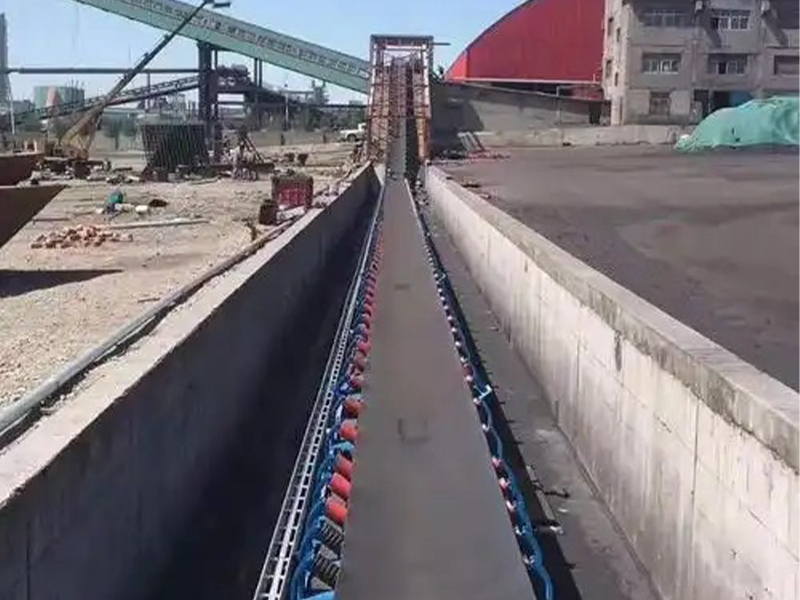
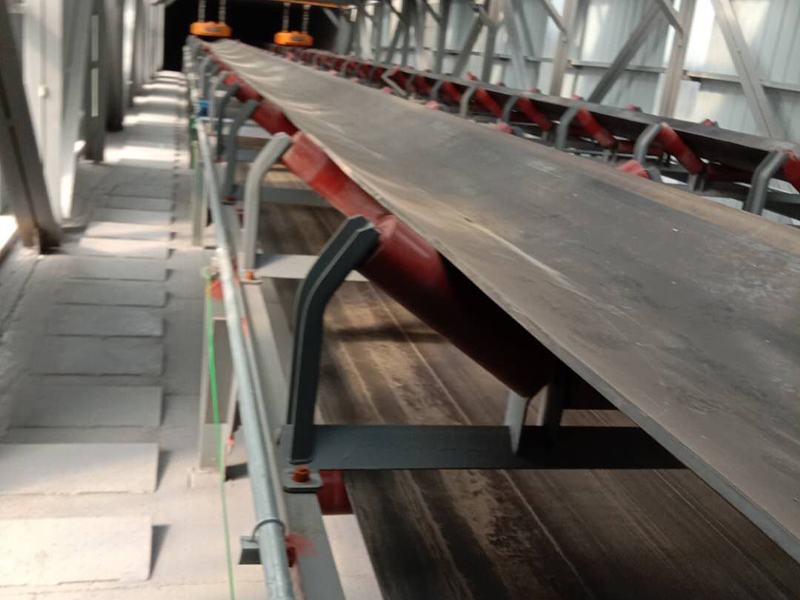
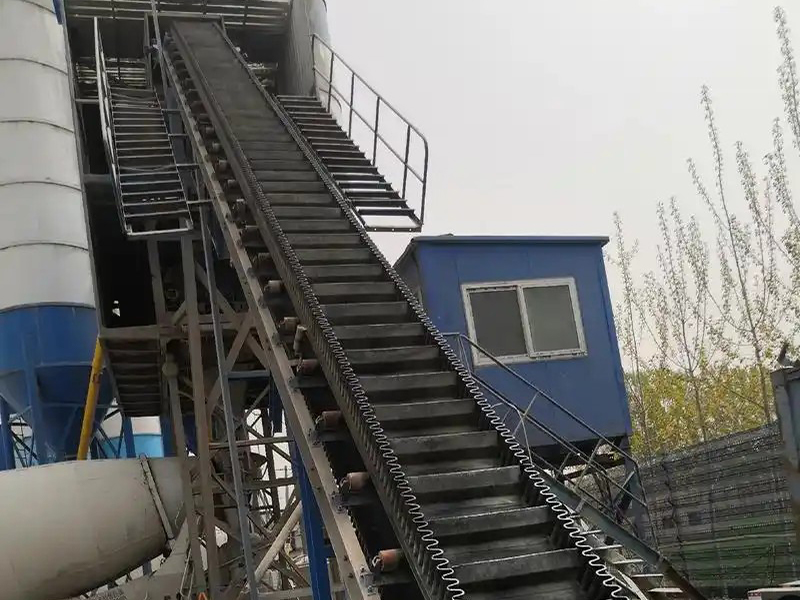
Industrial processing environments place diverse demands on conveyor systems. Choosing the appropriate conveyor setup requires a clear understanding of the specific operating conditions:
Maintaining operational efficiency requires proactive support. Working with a dedicated manufacturing partner helps minimize unscheduled downtime through structured maintenance planning:
"Planned replacement, inspection, and systematic maintenance of conveyor belts and supporting rollers extend equipment life and lower overall operating costs."
Common questions regarding industrial conveyor rollers, belts, and manufacturing options.
Key indicators include Total Indicator Runout (TIR), which measures eccentricity and should be under 0.5 mm for high-speed systems. Rotational resistance, weld penetration of the end cap, and the effectiveness of the labyrinth seals are also critical. Certified deep groove ball bearings (such as C3 clearance) are required to handle dynamic loads and thermal expansion.
Standard troughing idlers support the weight of the material along the main run of the conveyor. Impact idlers are installed at material feed points and feature resilient rubber rings or buffers. These rings absorb the impact of falling bulk materials, protecting both the conveyor belt and the structural frame from damage.
Sourcing from clusters like boye County in Hebei offers access to an integrated supply chain. Factories coordinate local raw material supply, standardized casting, precision CNC machining, and rubber compounding. This proximity reduces logistics costs and allows manufacturers to maintain strict quality control while offering competitive pricing.
It is important to select specialized belt formulations, such as heat-resistant EPDM or high-strength polyamide (NN) carcasses. Regular inspections should be conducted to ensure the idler rollers are rotating freely. Seized rollers increase friction and accelerate belt wear, making routine maintenance essential for extending component life.
Buyers should verify that the factory holds ISO 9001 certification for quality management. For specific industries, certifications such as flame-retardant approvals for mining applications or standard compliance reports (CEMA for the Americas, DIN for Europe) are highly recommended to ensure components meet operational requirements.
Review our complete range of specialized fabric-reinforced belts, high-strength wire rope options, and precision brackets.
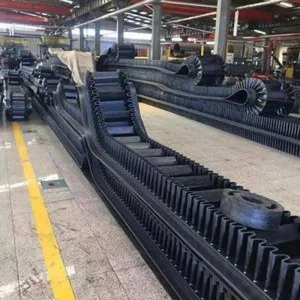
Our engineering team is ready to assist with product specifications, technical service plans, or custom orders. Contact us to learn more about how our components can support your operations.
 Boao Rubber