Explore our premium selection of highly durable, industrial-grade conveyor belts and accessories designed for tough environments.
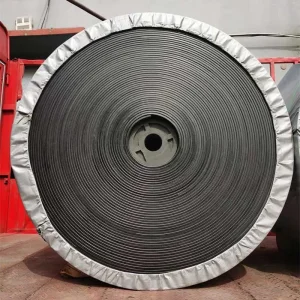
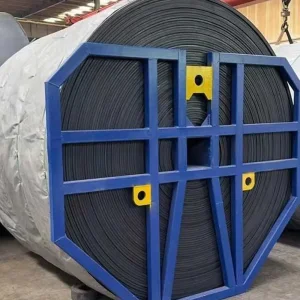
In the high-intensity industrial landscape, rubber toothed belts and multi-layered heavy-duty conveyor systems form the mechanical foundation of modern logistics, mining, and bulk material handling. As global heavy industrial sectors migrate towards automation, precision and durability are no longer optional—they are critical requirements for system uptime.
From synchronous power transmission to the transfer of abrasive materials, the engineering requirements of rubber timing belts and conveyor systems are deeply rooted in polymer chemistry and structural mechanics. Modern rubber belts must resist high-temperature oxidation, survive sub-zero environments without cracking, withstand oil and acid degradation, and maintain physical stability under extreme tensile stress.
The core performance of an industrial rubber belt depends on its base polymer. Leading manufacturers like Hebei Boao Rubber Technology Co., Ltd. (operating under the certified "Jinao" brand) use advanced synthetic elastomers to design products for specific industrial conditions:
Our commitment to ISO 9001 and strict quality control measures guarantees consistent performance in high-stress applications.
How global supply chains are adapting to automated manufacturing, energy constraints, and the need for higher operational efficiency.
Procurement teams are moving away from low-cost belts to calculate the Total Cost of Ownership (TCO). Investing in premium, heat-resistant EPDM layered conveyor belts or reinforced steel wire cords reduces unplanned downtime and high maintenance costs.
Whether operating in freezing climates like northern regions (using cold-resistant belts designed for -40°C) or processing acidic phosphates in chemical fertilizer plants, customized chemical compounds are essential to meet regional environmental challenges.
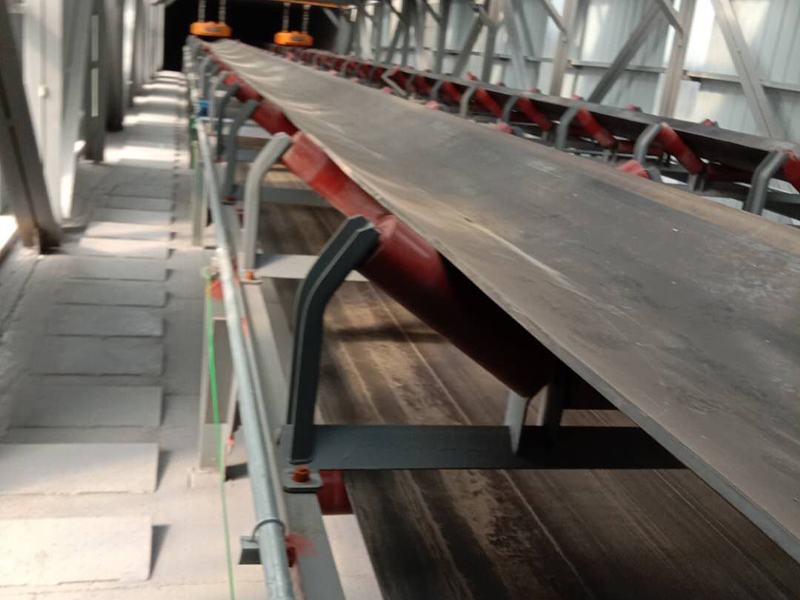
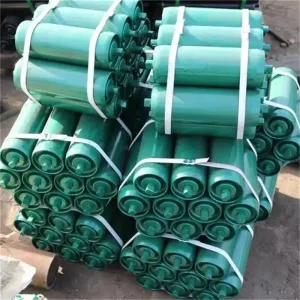
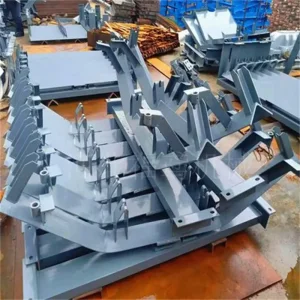
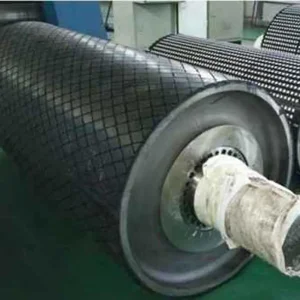
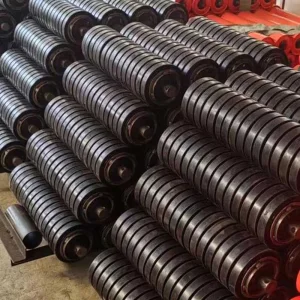
Advanced conveyor accessories, including troughing idlers, impact rollers, and self-aligning brackets, work together to prevent belt mistracking. Properly designed hardware reduces edge wear and energy consumption by stabilizing the belt line.
Our Boye County facility utilizes integrated processing lines that automate rubber compounding, multi-ply fabric calendering, vulcanization, and finished product inspection. This approach ensures high structural integrity and consistent quality across production batches.
By keeping material testing and manufacturing under one roof, we streamline production times and maintain a reliable supply chain. This vertical integration allows us to offer custom engineered solutions with shorter lead times than fragmented supply networks.
Our conveyor belts and system accessories are designed to meet the operational demands of diverse industrial environments.
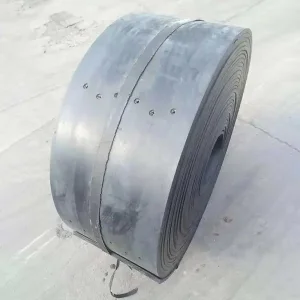
Sintered ores, hot clinkers, and slag demand high thermal resistance. Our EPDM heat-resistant belts are built to handle temperatures up to 250°C without cracking, peeling, or premature aging.
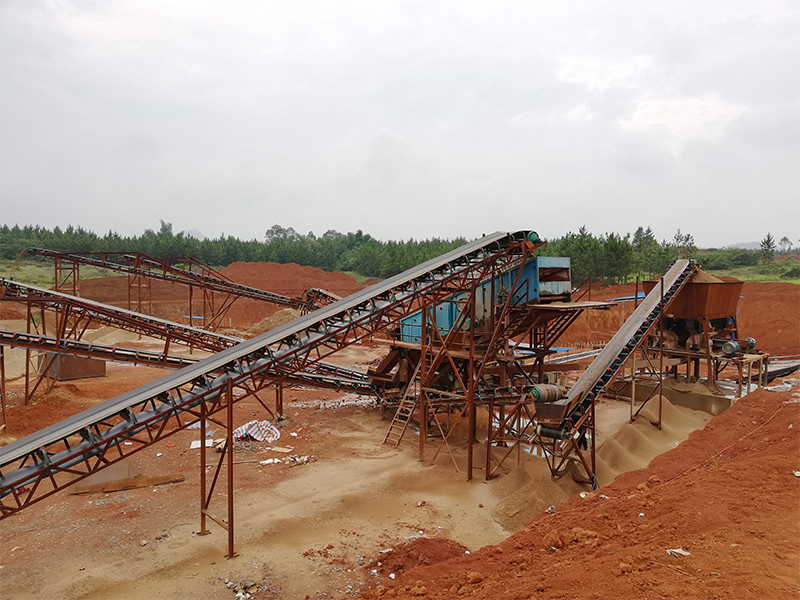
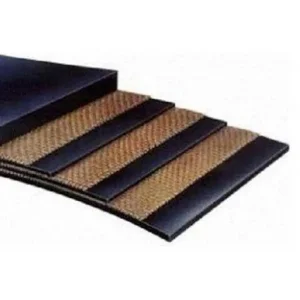
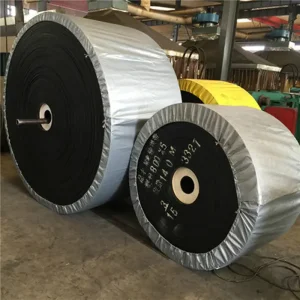
Underground mines require flame retardancy, high tensile strength, and impact resistance. Our steel wire rope core and heavy nylon (NN/EP) belts carry high tonnages across long distances.
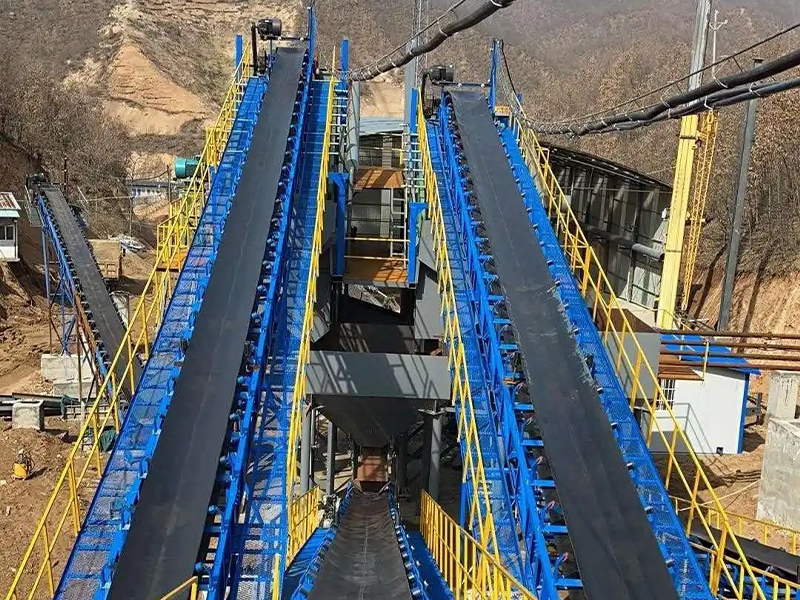
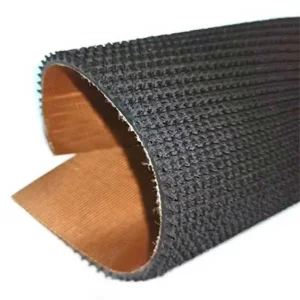
Large ports require efficient material flow. Our patterned belts (including magic carpet, concave, and convex profiles) help prevent material backslip during high-inclination conveyancing.
Our quality assurance program is designed to monitor and verify material integrity at every stage of production, from raw compound testing to final shipment checkouts.
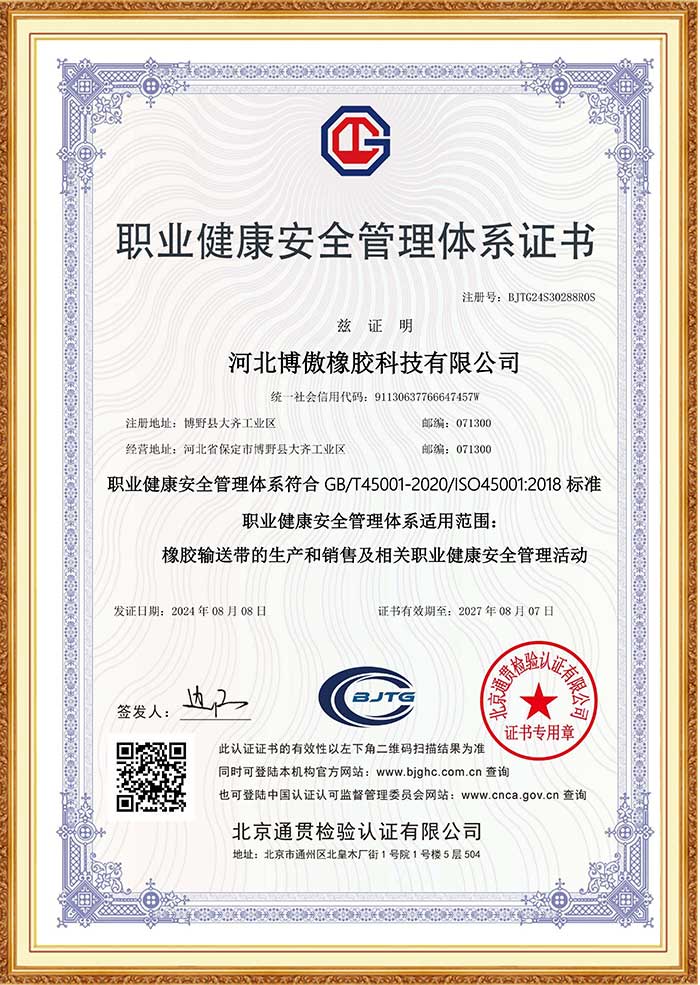
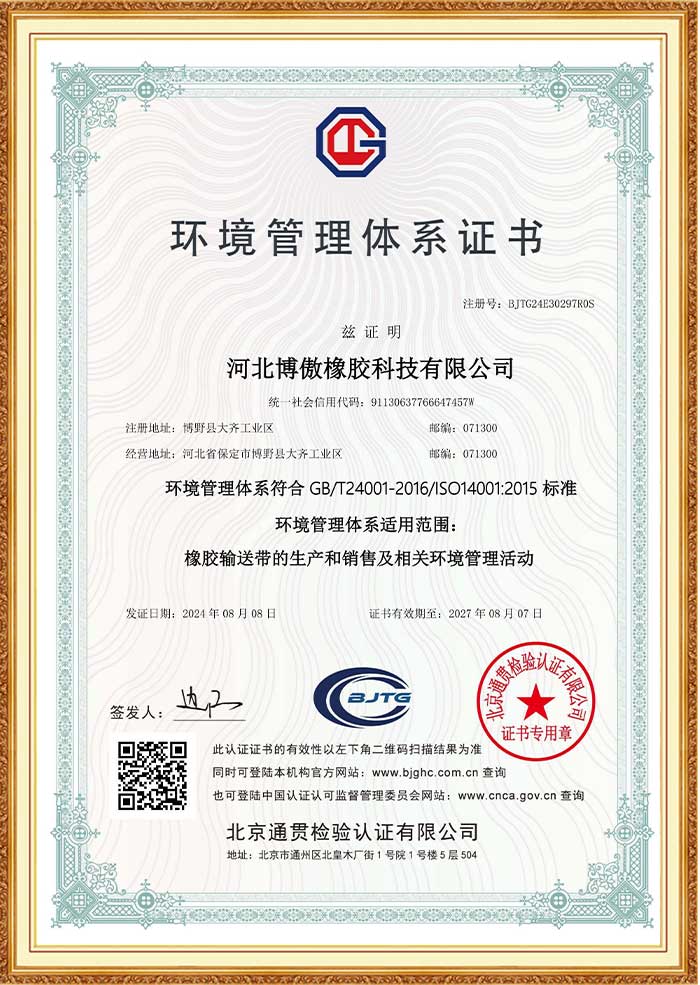
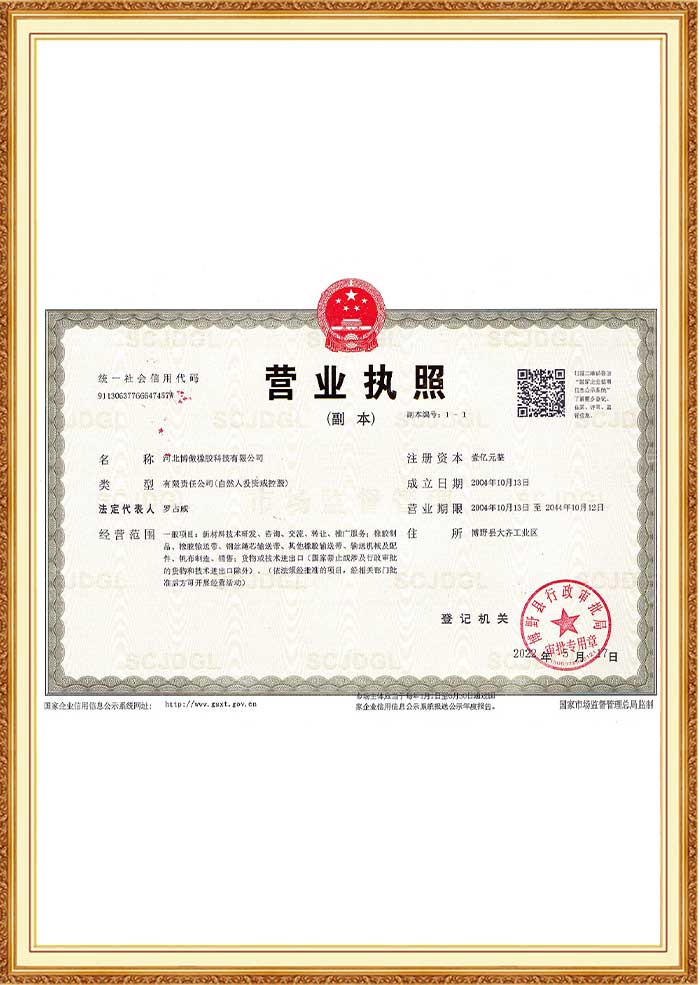
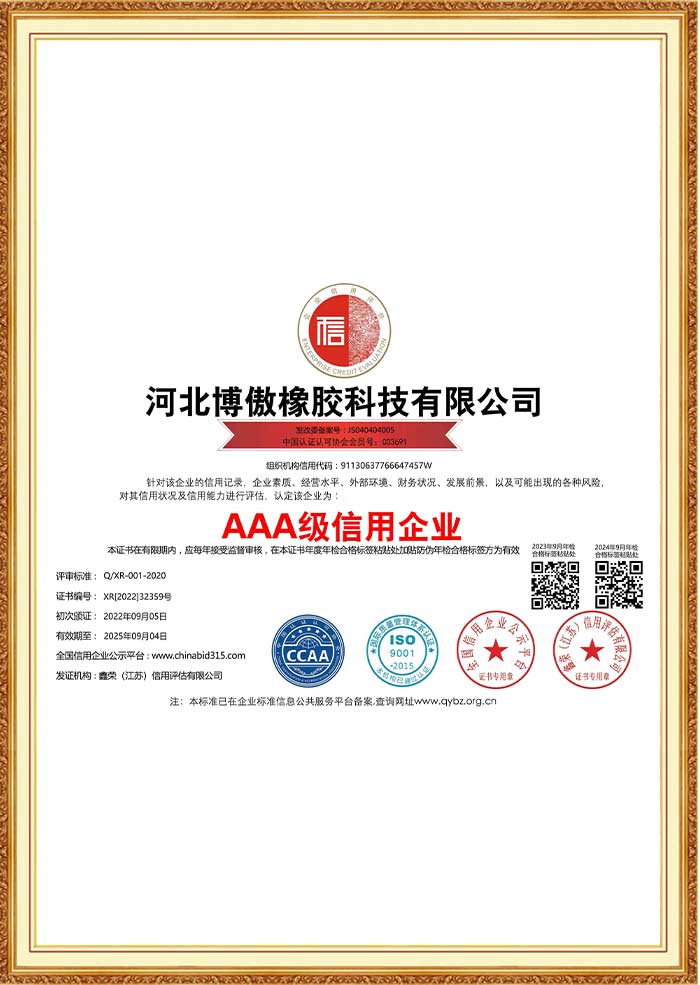
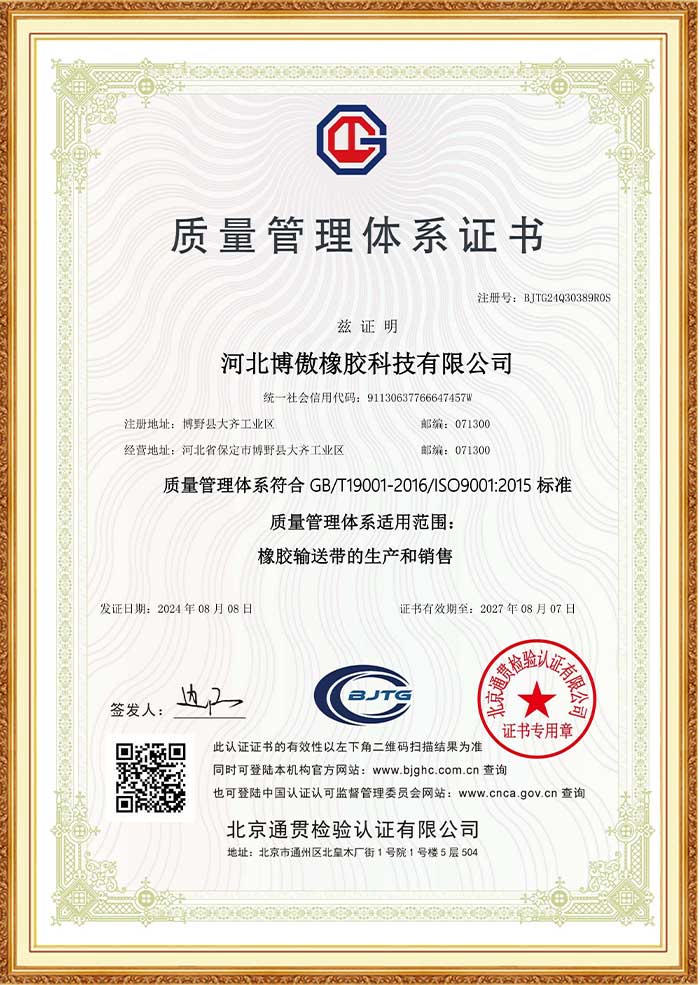
Our products are deployed in heavy industries across China and worldwide, supporting major energy, steel, and infrastructure projects.
Technical responses to common inquiries regarding industrial rubber belt specification, maintenance, and sourcing.
EP (Polyester/Polyamide) belts feature a polyester warp (lengthwise) and nylon weft (crosswise). They offer low stretch, high dimensional stability, and excellent resistance to moisture and heat, making them suitable for long-distance transport. NN (Nylon/Nylon) belts use nylon for both warp and weft. They provide high elasticity, excellent flex life, and superior impact resistance, making them ideal for heavy loading impact zones but with slightly higher elongation than EP belts.
Selection depends on the material temperature and structure. For temperatures under 120°C, SBR compounds are generally suitable. For materials ranging from 120°C to 180°C, EPDM compounds offer the necessary resistance to thermal cracking. For extreme applications reaching up to 250°C, custom EPDM formulations with heat-resistant synthetic backings are required to prevent carcass delamination and belt hardening.
To convey bulk materials at angles steeper than 18 degrees, patterned conveyor belts (such as chevron, herringbone, magic carpet, and multi-ridge profiles) are utilized. The profile depth and spacing are matched to the material's angle of repose and moisture content to ensure stable, slip-free transport.
We maintain an in-house chemical analysis lab and physical testing laboratory. Raw materials are verified before processing, and we conduct continuous rheometer checks during vulcanization, along with post-production tensile and abrasion testing. Only batches that meet our internal quality thresholds are approved for shipment.
Browse additional specialized conveyor components, custom rollers, and reinforced belts designed for demanding heavy-industry setups.
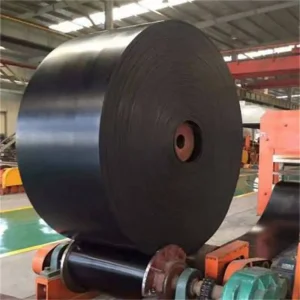
 Boao Rubber