The Nexus of Polymer Chemistry, Mechanical Shrinking, and Structural Longevity in High-Throughput Textile Manufacturing.
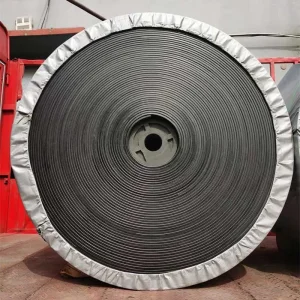
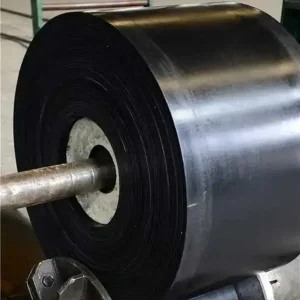
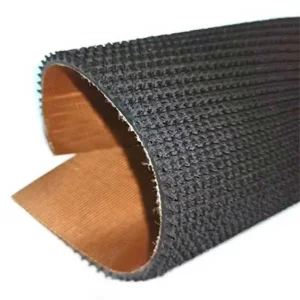
The Sanforizing process is a mechanical finishing method developed to restrict the shrinkage of fabrics (mainly cotton and blended fabrics) before they are cut and sewn. At the heart of this process lies the Sanforizing Rubber Belt (often called a Sanforizing rubber blanket). This belt is subject to extreme, repeated elastomeric compression and extension. As the thick rubber belt passes around a steam-heated drive roll, its outer surface is stretched. The fabric is introduced onto this expanded surface, and as the belt flexes back onto a flat surface and then curves around the drying cylinder, the rubber contracts, compressing the fabric fibers and mechanically locking them in a pre-shrunk configuration.
To sustain these operations, the rubber compound must possess exceptional physical properties: precise hardness gradients (typically 35-40 Shore A), excellent temperature resistance (up to 130°C continuous wet steam operation), and outstanding resistance to surface checking, cracking, and chemical degradation from textile finishing chemicals.
Ensures even pressure distribution across the fabric surface. Standardized Shore A hardness is calibrated to avoid over-compression and preserve original fabric texture.
High resilient recovery index guarantees that the blanket returns to its original physical configuration after millions of flexural cycles, preventing uneven shrinkage rates over time.
Engineered to resist hydrolytic degradation caused by pressurized steam and chemical plasticizers present in synthetic warp sizings and fabric finishes.
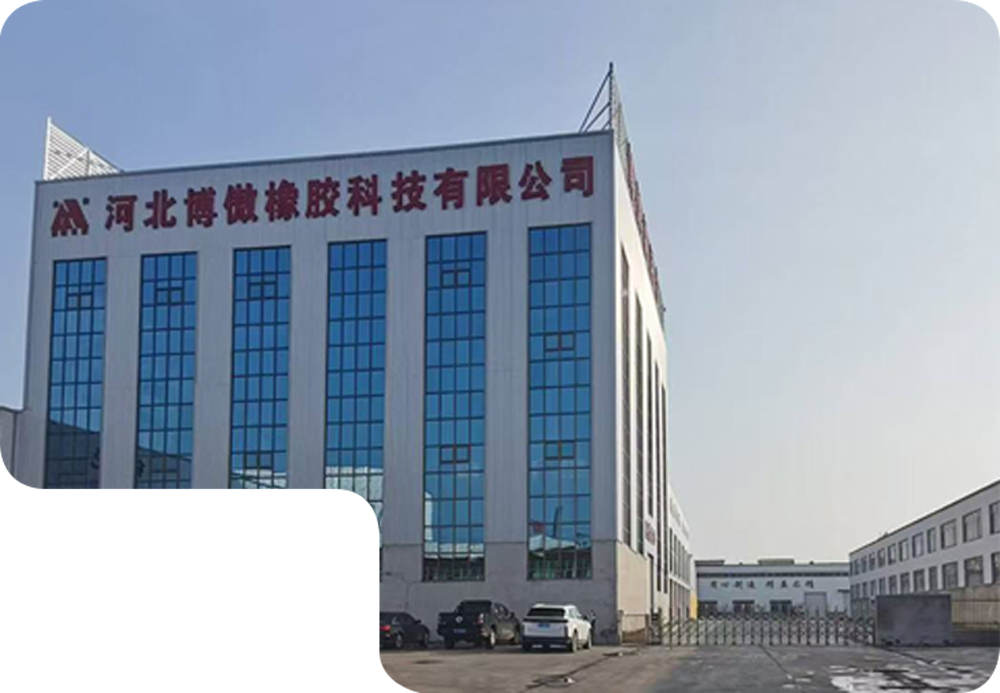
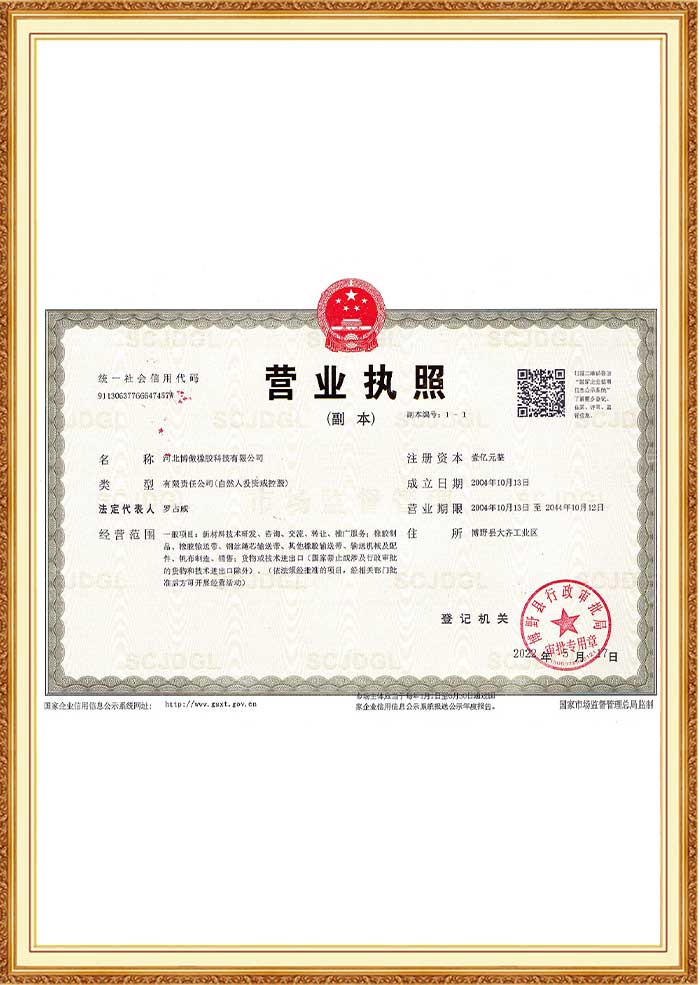
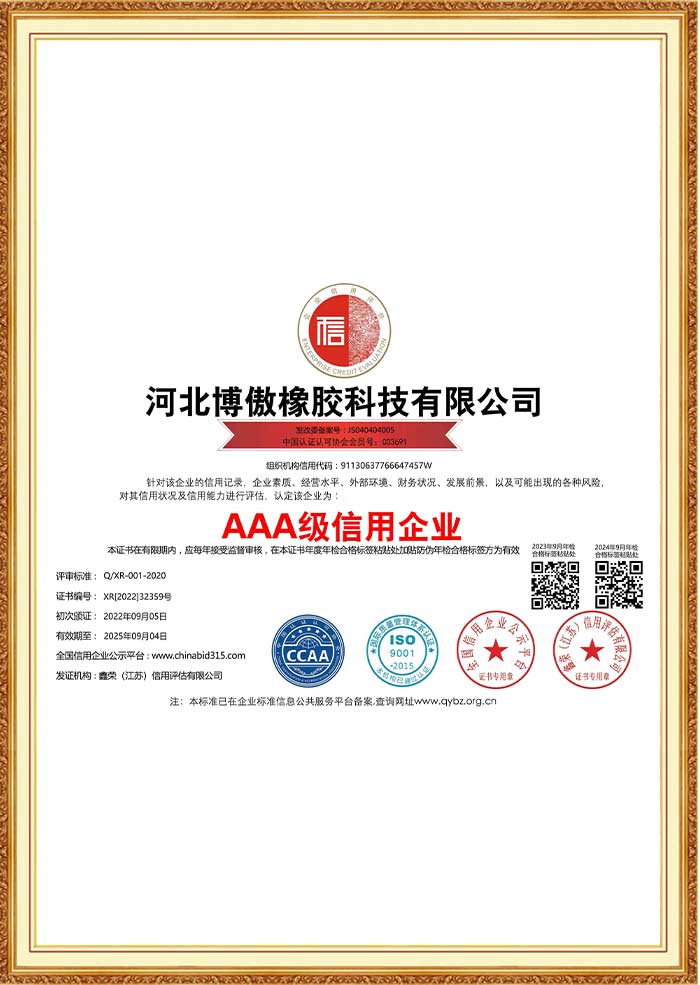
Hebei Boao Rubber Technology Co., Ltd. is located in the prestigious Rubber Industrial Park of Boye County, Baoding, Hebei Province. Founded in 2004, the company spans over 30 acres of modern production and engineering space. Under our proprietary "Jinao" brand, we integrate advanced product development, research, custom structural designs, and business service operations for both industrial conveyor systems and high-precision textile processing components.
We feature multiple advanced production lines for rolling, forming, vulcanizing, and testing rubber. Our plant is self-sufficient, managing every production phase from raw material formulation to final product validation, ensuring our belts and blankets meet strict industrial tolerances.


Analyzing the structural advantages, raw material integrations, and cost-to-performance ratios that define modern Chinese rubber belt manufacturing.
Located in Boye County, the premier rubber industrial hub of northern China, our facility enjoys direct access to chemical compounding agents, reinforcing fabrics, and high-purity natural and synthetic rubber imports. This local supply chain reduces logistics times and costs, and our customers benefit from shorter lead times.
Operating massive, computerized vulcanizing presses allows us to manufacture wide-width Sanforizing blankets and extra-long conveyor belts. Automated monitoring systems maintain stable temperature profiles during vulcanization, reducing structural defects like internal air pockets or micro-cracks.
We supply custom durometers, specific thickness tolerances, and specialty rubber compounds at competitive rates. Because our design, testing, and production are handled in-house, we can adapt our formulations to meet the specific requirements of international textile machinery or mining environments.
Providing high-durability solutions for industrial operations worldwide, including mineral transport, power generation, and heavy manufacturing.
Industrial rubber belts must adapt to varying operational demands depending on the sector. Our catalog covers standard belts alongside specific configurations designed for challenging processing conditions:
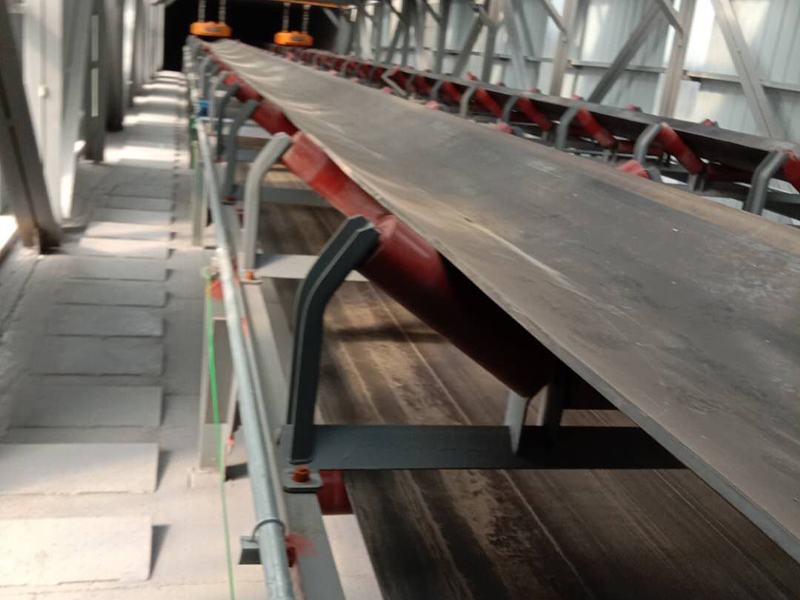
Taihang Steel
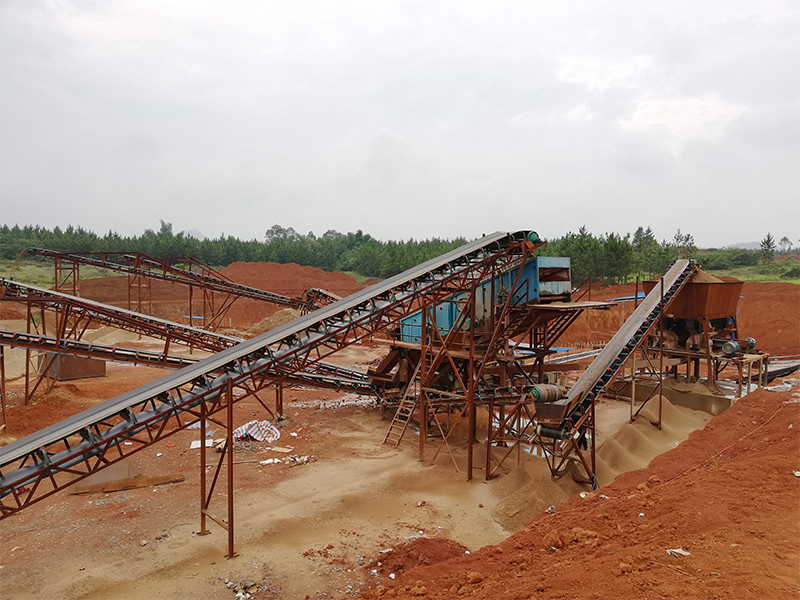
Tsingshan Group
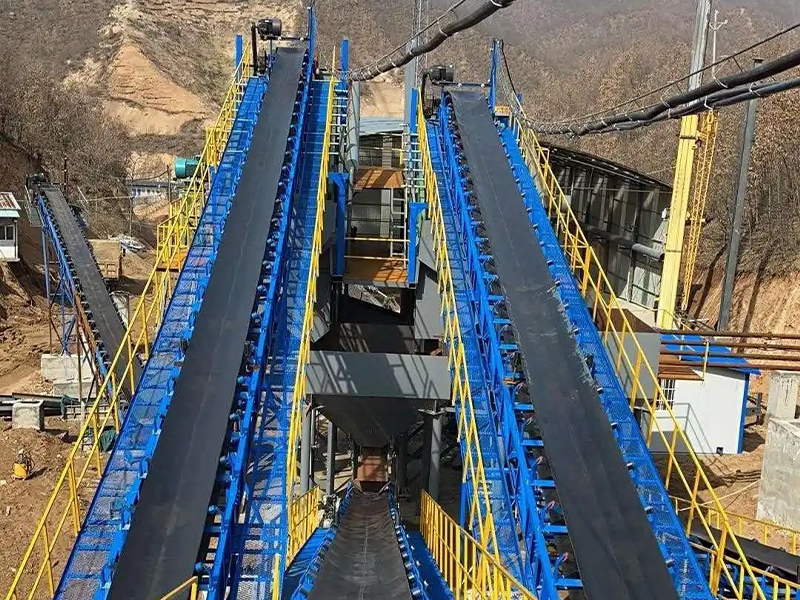
Zijin Mining
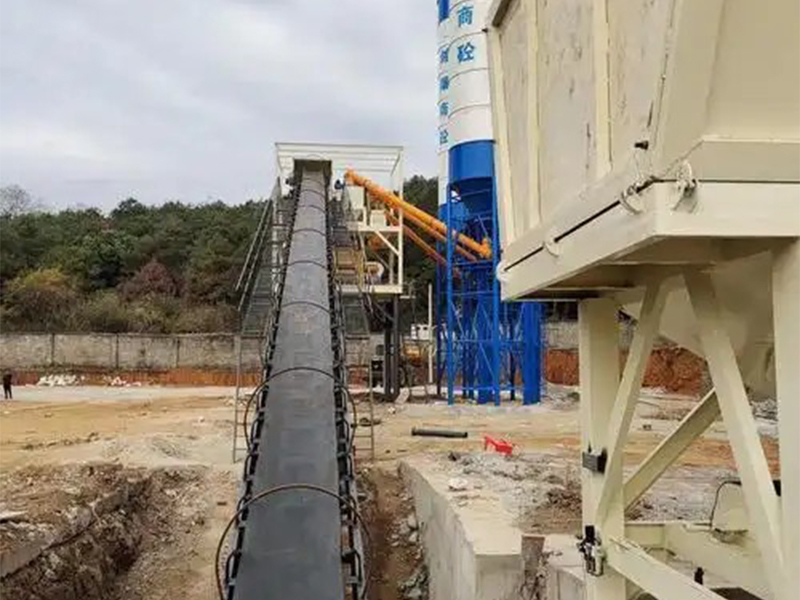
China Railway Group
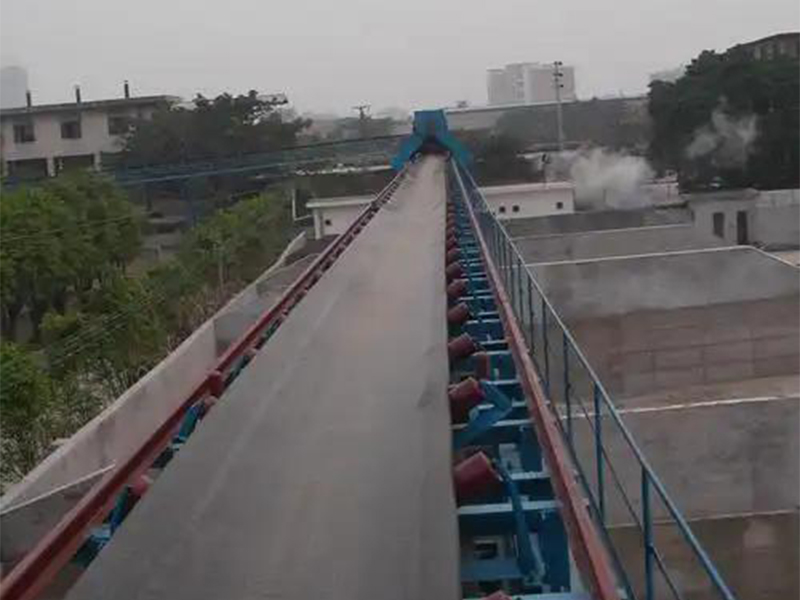
Conch Cement
How our testing laboratories verify material stability, tensile strength, and environmental resistance before dispatch.
At Hebei Boao Rubber Technology, we operate an independent chemical analysis room alongside a physical testing laboratory. These facilities monitor raw material chemistry, compound consistency, and physical metrics throughout production. We maintain a strict policy: unqualified raw materials do not enter the production line, and finished products that fall short of our standards do not leave the factory.
Our testing suite includes durometer testing, electronic tensile testing machines, DIN abrasion testing equipment, and hot-air aging ovens. For Sanforizing blankets, we run continuous flexing simulation trials to verify crack propagation rates under tension, confirming every batch maintains its structural integrity before shipping.
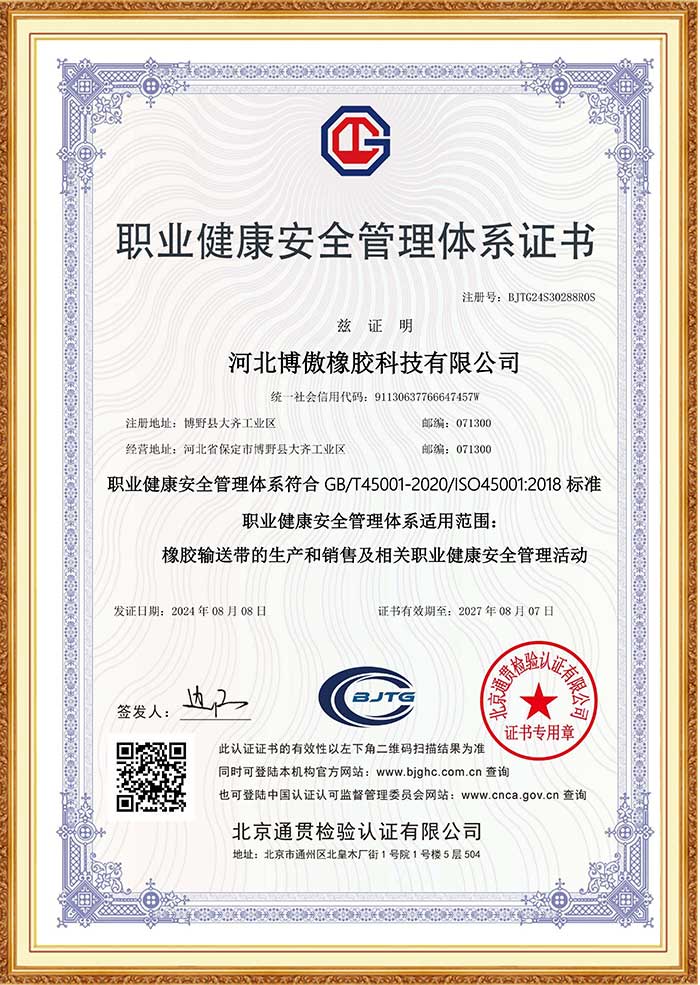
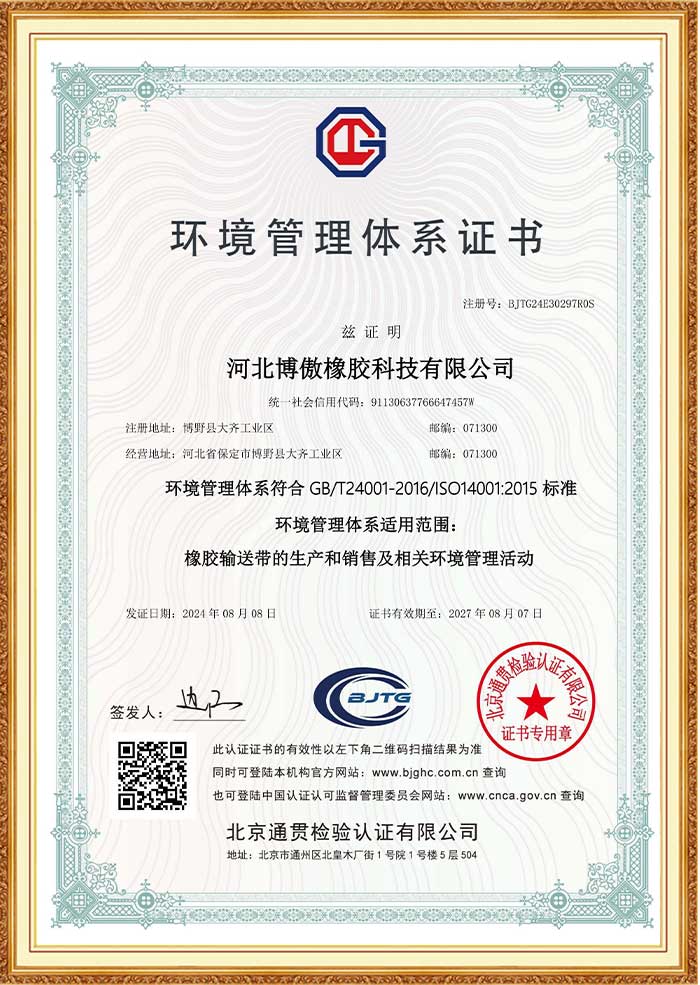
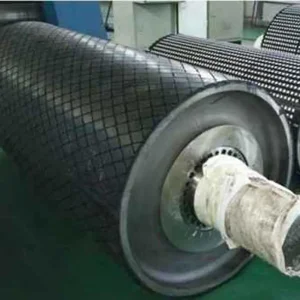
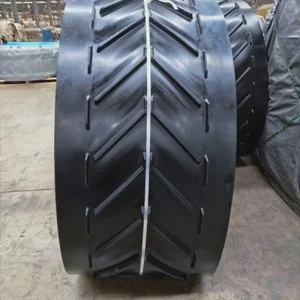
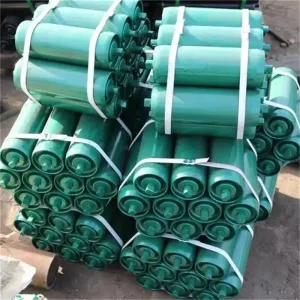
Explore our extensive line of conveyor systems, high-inclination options, patterned options, and heavy-duty components.
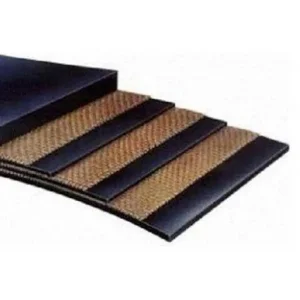
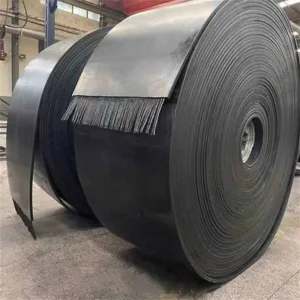
Excellent elasticity, high tensile strength, and impact resistance. EP belts feature low elongation under load, making them ideal for long-distance bulk material systems.
Includes heat-resistant, cold-resistant, oil-resistant, and acid/alkali-resistant formulations tailored for demanding environments.
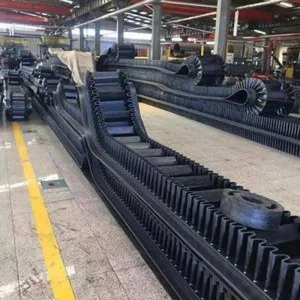
Featuring corrugated sidewalls and transverse cleats to transport bulk materials on steep inclines up to 90 degrees, maximizing space efficiency.
Answers to common technical, procurement, and maintenance questions from engineers and procurement managers.
Preventative maintenance plans, replacement logistics, and emergency services designed to keep high-capacity plants running efficiently.
We work with plants to set up scheduled checks, monitoring conveyor alignment, surface wear, and tension parameters. Identifying issues early prevents unplanned downtime and maintains operational safety.
For key operations, we can maintain dedicated emergency stocks of custom conveyor belt profiles and Sanforizing blankets at our plant, supporting fast replacement shipping when needed.
We supply vulcanizing materials and clear step-by-step guides for cold and hot splicing. Proper jointing preserves up to 90% of the belt's original tensile strength, protecting the installation's overall lifetime.
 Boao Rubber